FiddlLink
FiddlLink
FiddlLink
Premium high-speed connectivity solutions engineered for telecom, enterprise switching, and industrial networks.
Analyzing industry requirements, physical standards, and global supply configurations for modern physical layers.
The global networking landscape relies heavily on robust physical layers to support the massive volume of data processing required by modern enterprise operations. From high-frequency trading platforms to industrial edge devices, the RJ45 jack remains a primary physical-interface component. Globally, the commercial market for RJ45 modular jacks and integrated connector modules (ICMs) is undergoing a transition. Driven by the expansion of 5G, IoT networks, and AI-driven data centers, infrastructure architects require components that support high bandwidth alongside high-wattage power transmission.
For industrial automation, the RJ45 interface must meet mechanical requirements beyond typical commercial specifications. Factories deploying automated production lines rely on shielded RJ45 modules to mitigate severe electromagnetic interference (EMI) generated by heavy machinery. Similarly, data centers require high-density, low-profile, and stacked multi-port configurations to maximize switch panel efficiency. Hardware sourcing directors must navigate these distinct application landscapes, matching manufacturer competencies with project-specific structural, electrical, and thermal requirements.
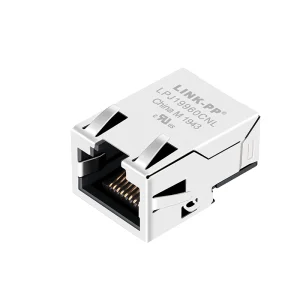
In telecommunication infrastructure, long-term deployment stability directly affects overall system reliability. Physical connections are exposed to various hazards, including high ambient humidity, thermal fluctuations, and mechanical stress. Modern manufacturers are addressing these challenges by integrating advanced EMI shielding, common-mode noise filters, and robust electrical isolation directly into the connector body. These Integrated Connector Modules (ICMs) help reduce board-level footprint while simplifying trace routing on the main PCB.
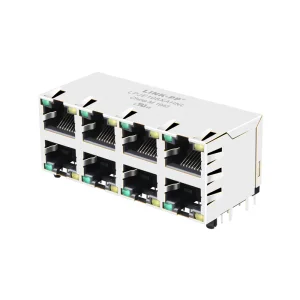
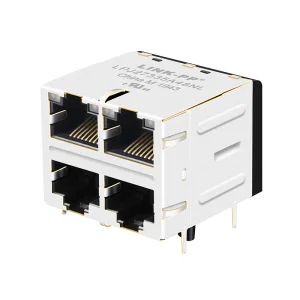
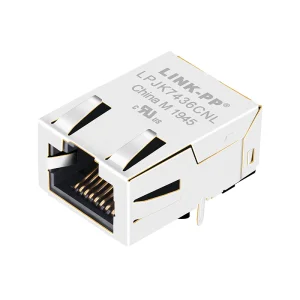
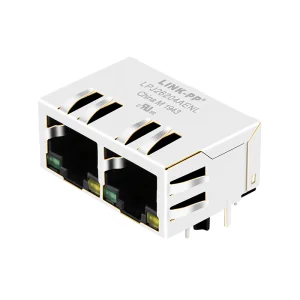
Stacked multi-port layouts (such as 2x4 and 2x6 stacked systems) enable high density, saving valuable rack units while maintaining signal integrity at 10Gbps line rates.
Standard shielding with integrated ground tabs and thick gold contact plating (up to 50 micro-inches) prevents corrosion in high-vibration and extreme-temperature environments.
Advanced magnetics modules support IEEE 802.3at (PoE+) and 802.3bt (PoE++) configurations, enabling power delivery up to 90W over standard Ethernet cabling.
How the physical interface is evolving to support higher speeds, hybrid systems, and integrated optics.
The standard RJ45 connector interface is evolving to meet demanding network performance metrics. As speeds transition from legacy Gigabit Ethernet to 2.5G, 5G, and 10G Base-T networks, high-frequency signal attenuation and electromagnetic crosstalk present significant engineering challenges. Standard RJ45 designs can act as high-frequency antennas, radiating and picking up EMI. To mitigate this, manufacturers use sophisticated internal electromagnetic modeling to optimize magnetic core structures and PCB layout tracks inside the connector housing.
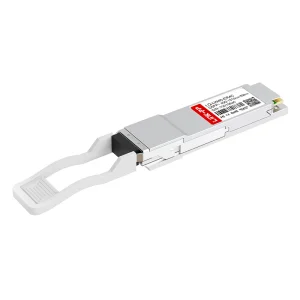
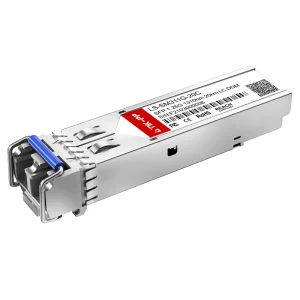
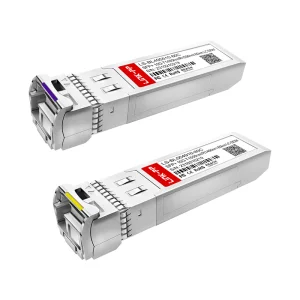
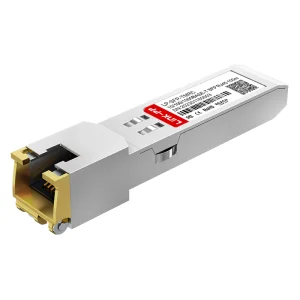
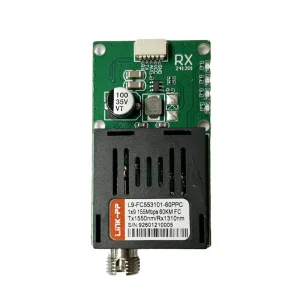
The convergence of copper and optical networking technologies represents a major shift in modern hardware design. While copper-based RJ45 interfaces remain standard for local device connections, high-speed uplinks utilize optical transceivers like SFP, SFP+, and QSFP+ modules. Industry leaders now design unified communication interfaces, providing both copper RJ45 and optical transceiver solutions. This allows network switch manufacturers to implement hybrid physical ports, giving end-users flexible media options.
A closer look at the supply chain advantages, testing standards, and quality processes at our advanced micro-optics facility.
As sourcing managers evaluate partners in China, the focus remains on supply chain reliability, component traceability, and quality control. The modern electronics manufacturing ecosystem in China offers significant advantages, from raw material sourcing (phosphor bronze, specialty liquid crystal polymers) to integrated plating and high-speed stamping operations. FiddlLink Optical Technology Co., Ltd. exemplifies this high-precision R&D and metrology approach, operating a specialized facility focused on premium optical transceivers and high-performance communication interconnects.
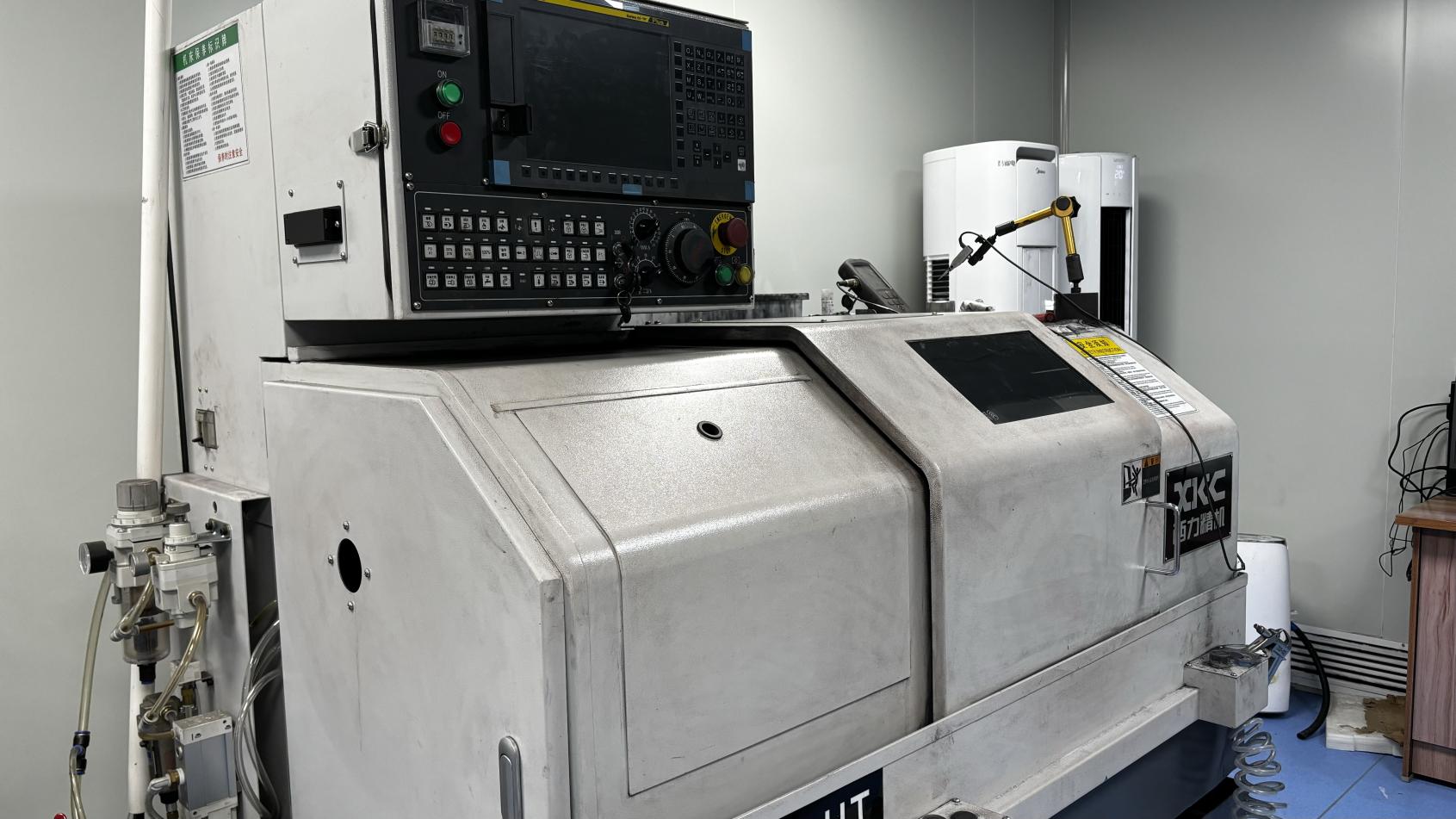
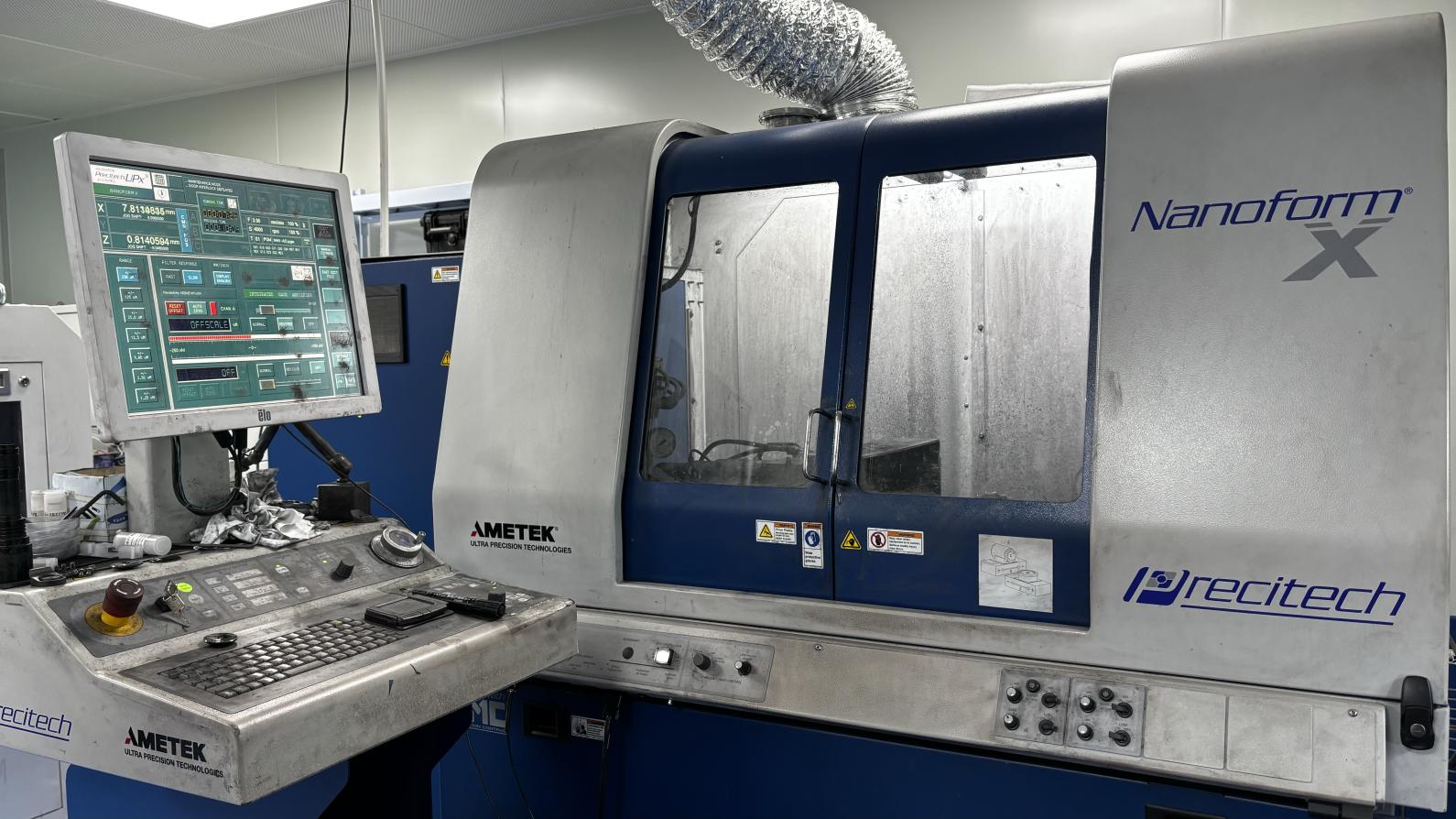
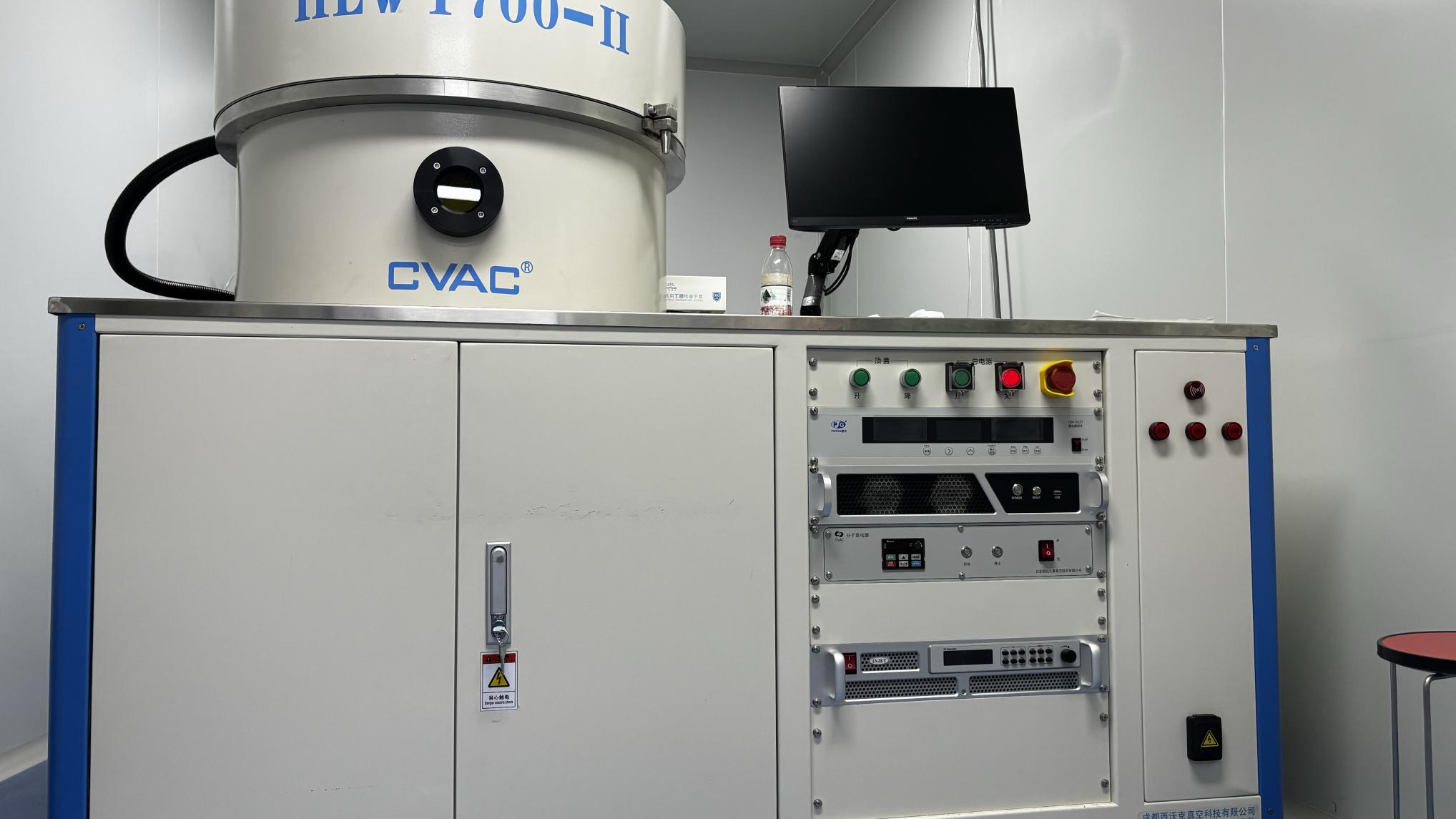
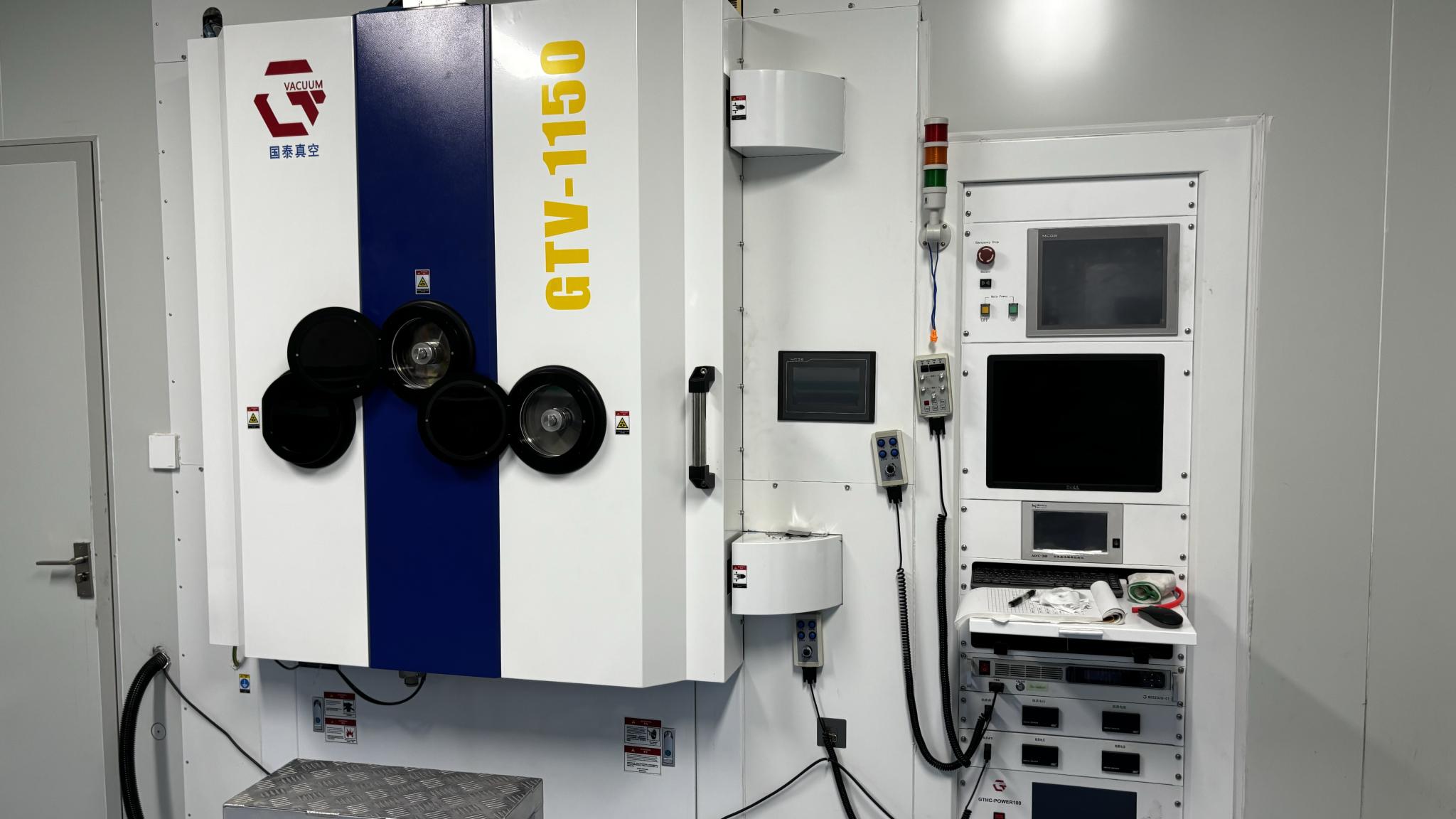
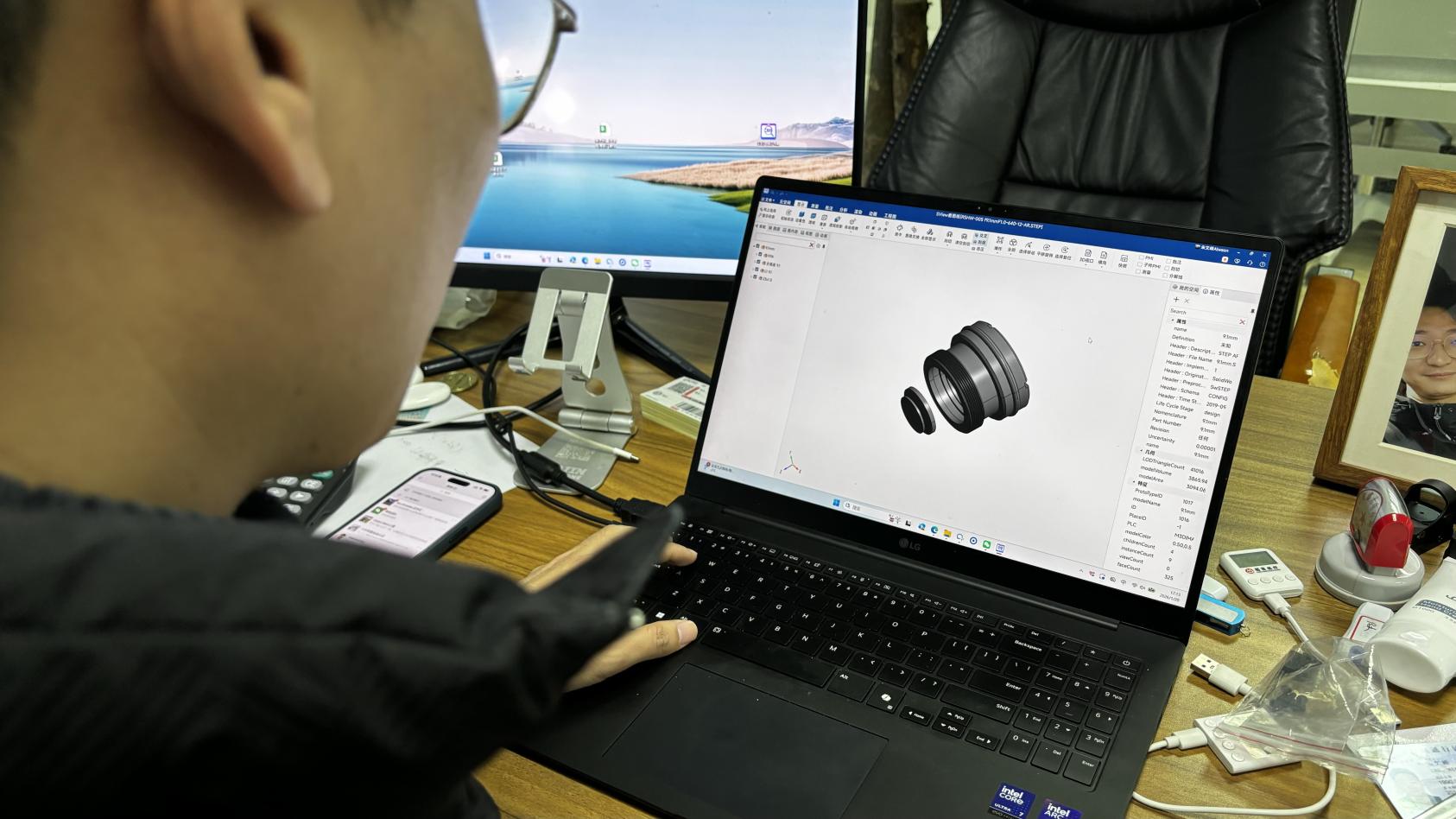
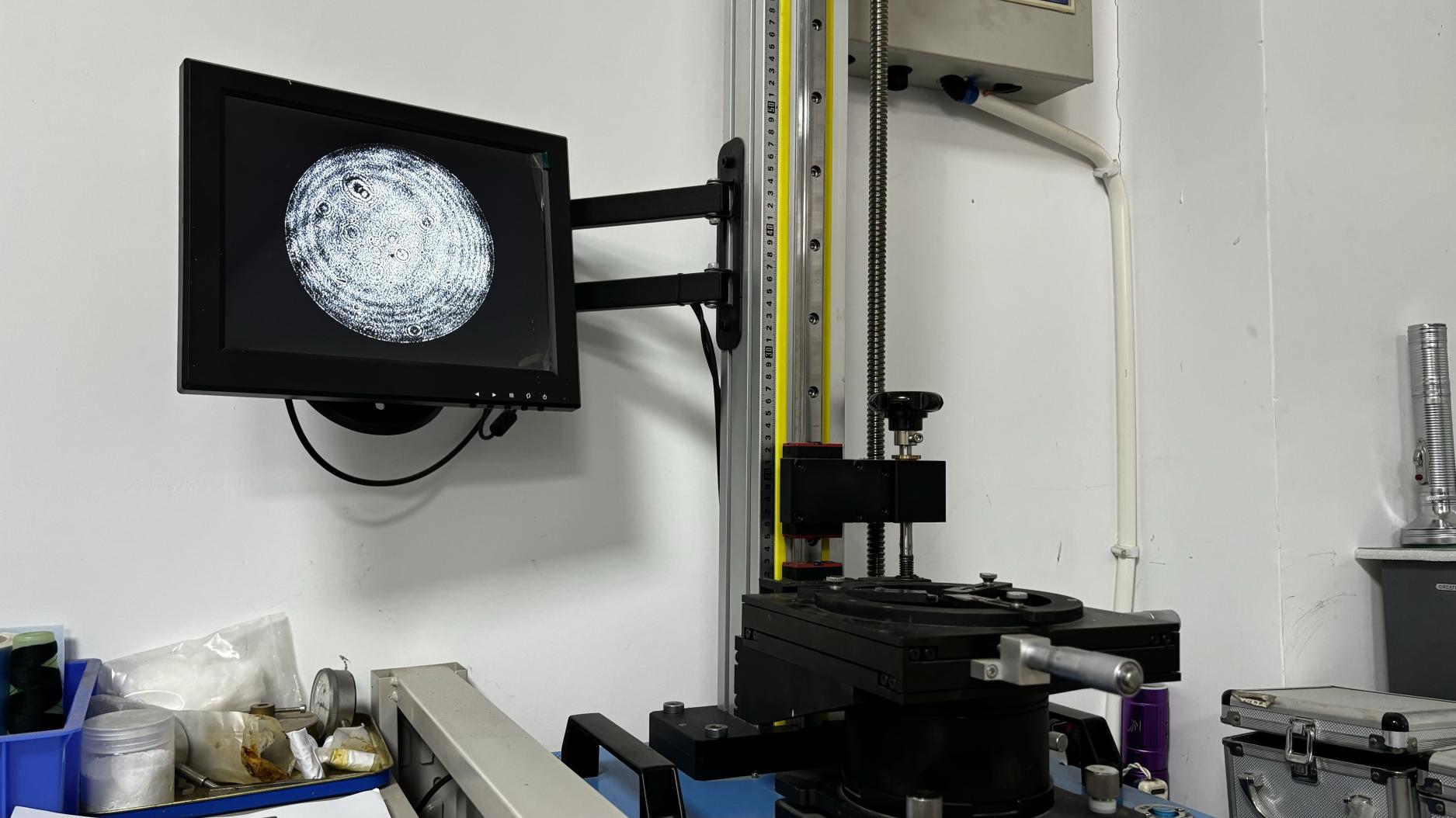
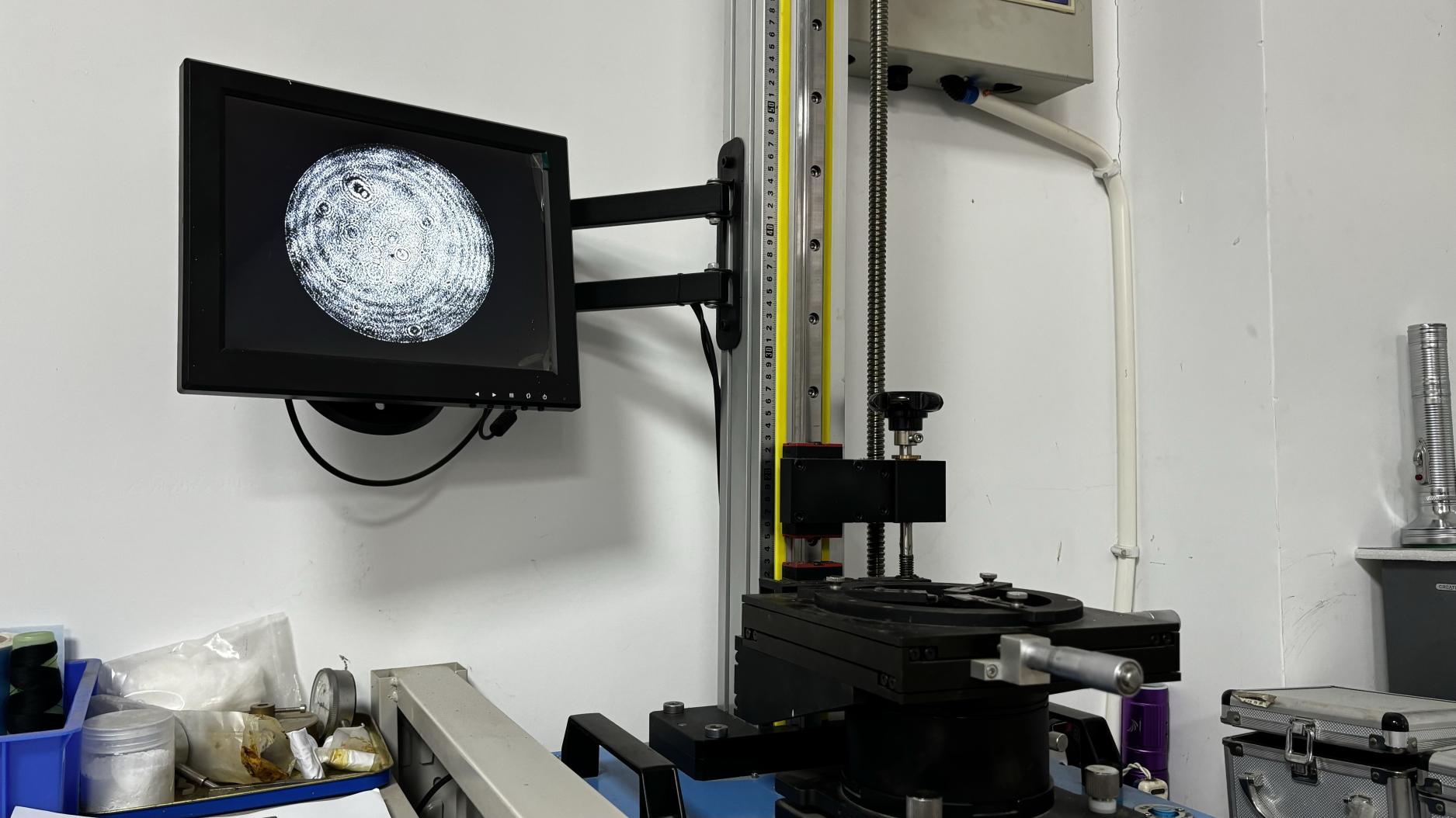
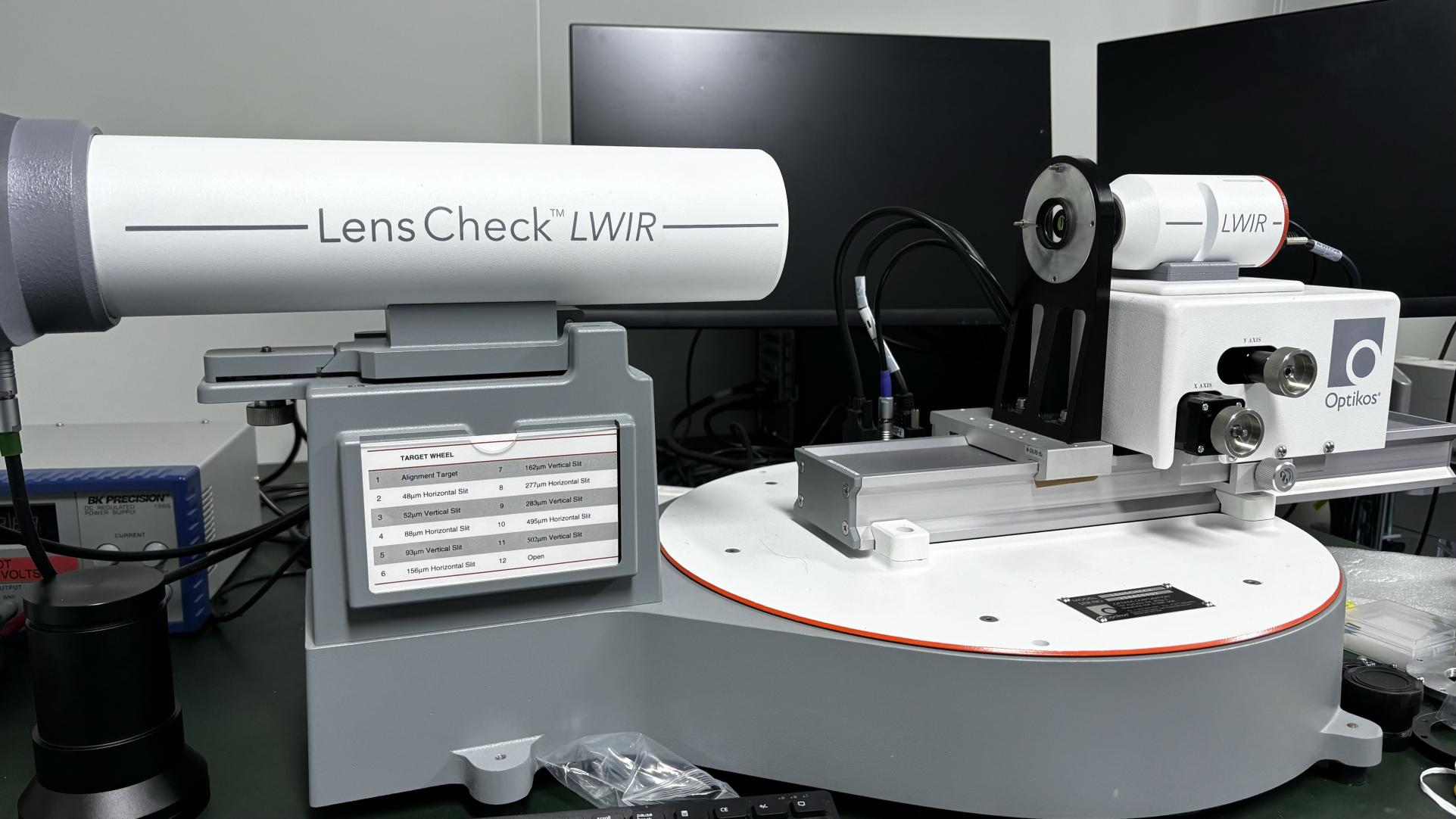
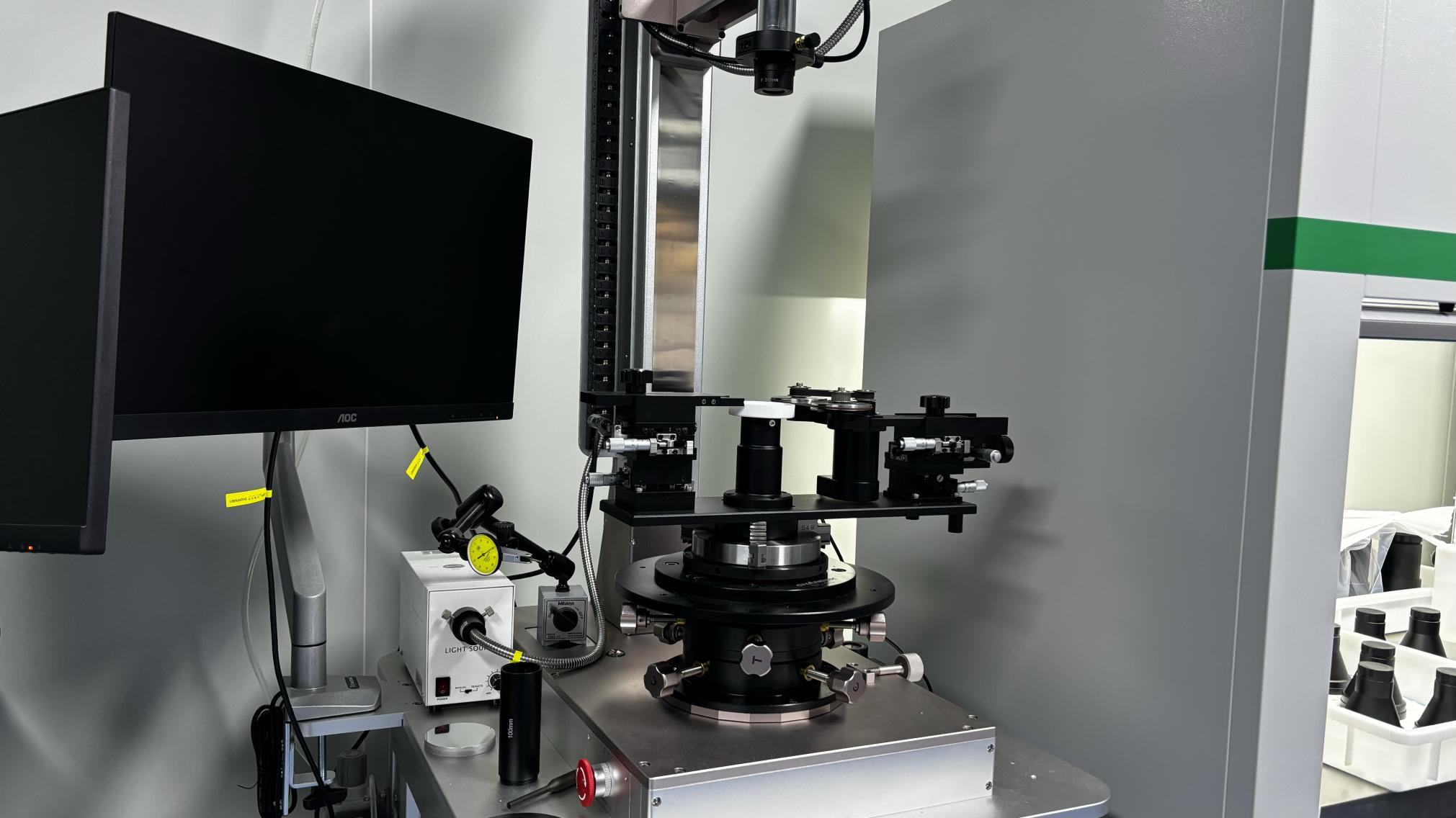
Our facility operates under an ISO-certified quality management system, supported by 42 quality control professionals. Given the precise tolerances required for fiber optic alignment and high-frequency copper connections, FiddlLink utilizes advanced metrology equipment to inspect components. This includes optical profiling, center deviation instruments, and interferometric measurement. This rigorous approach ensures every production batch conforms to the strict requirements of network hardware platforms.
A showcase of the testing and manufacturing equipment utilized in our quality control workflow.

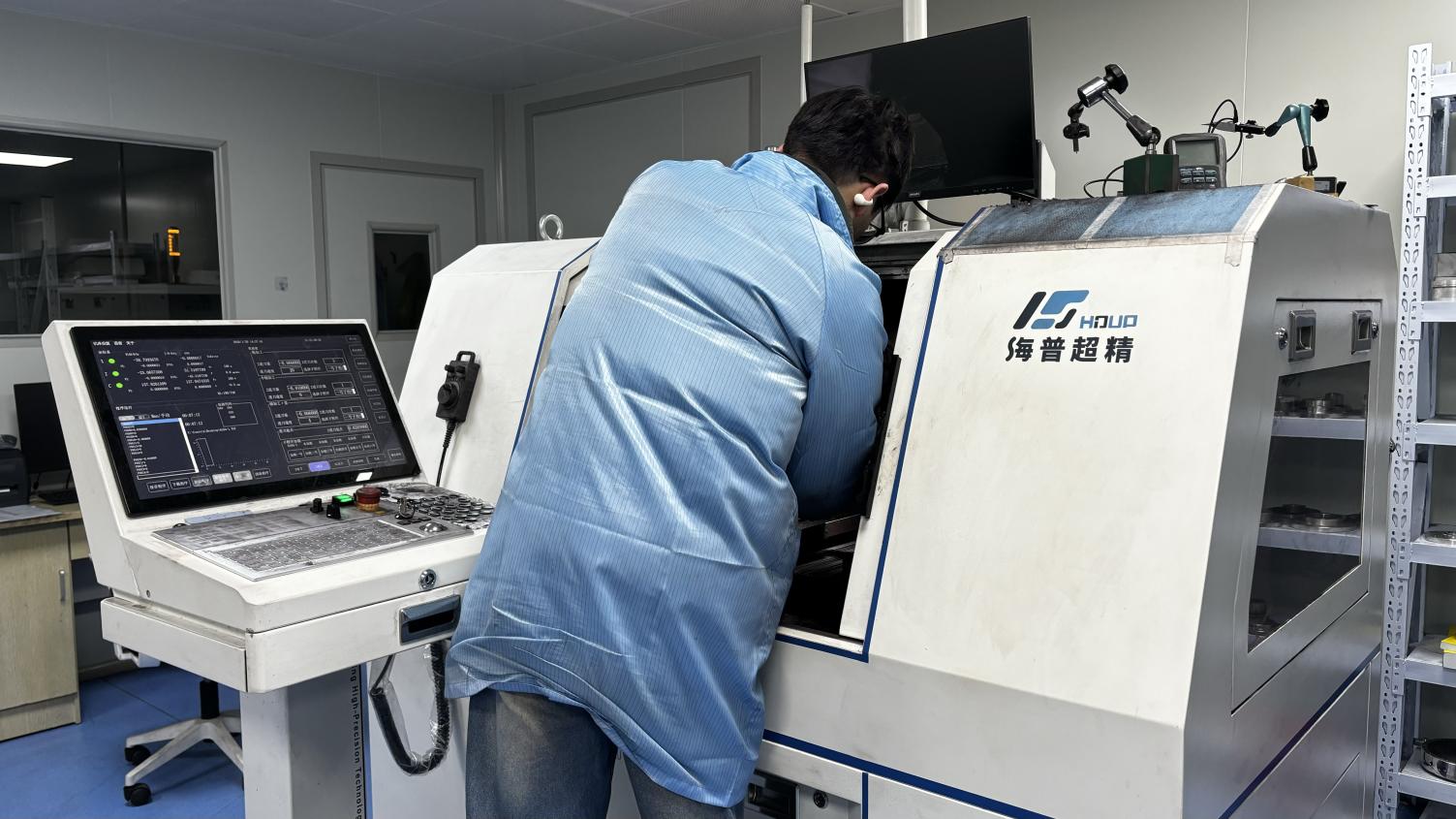
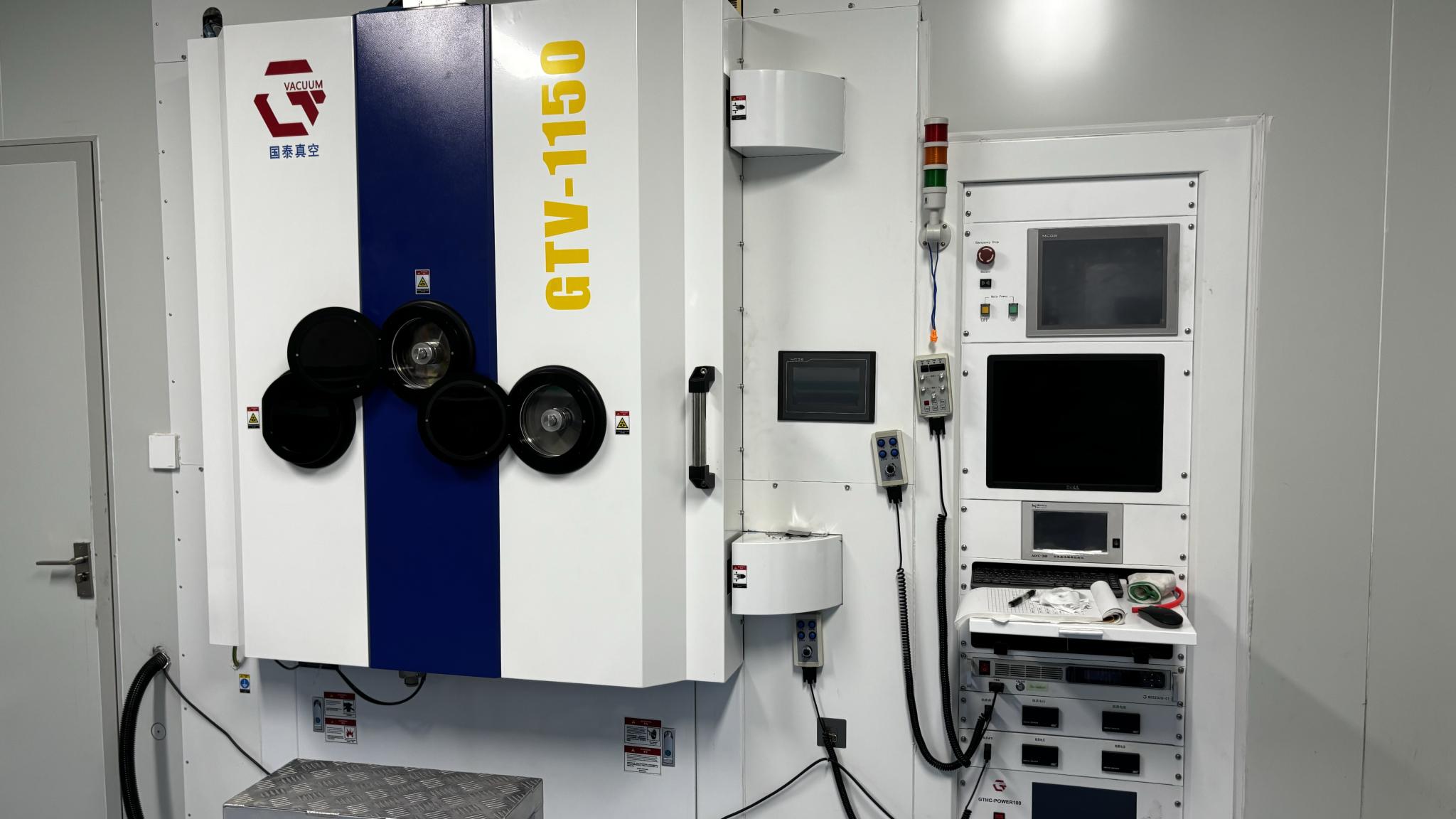
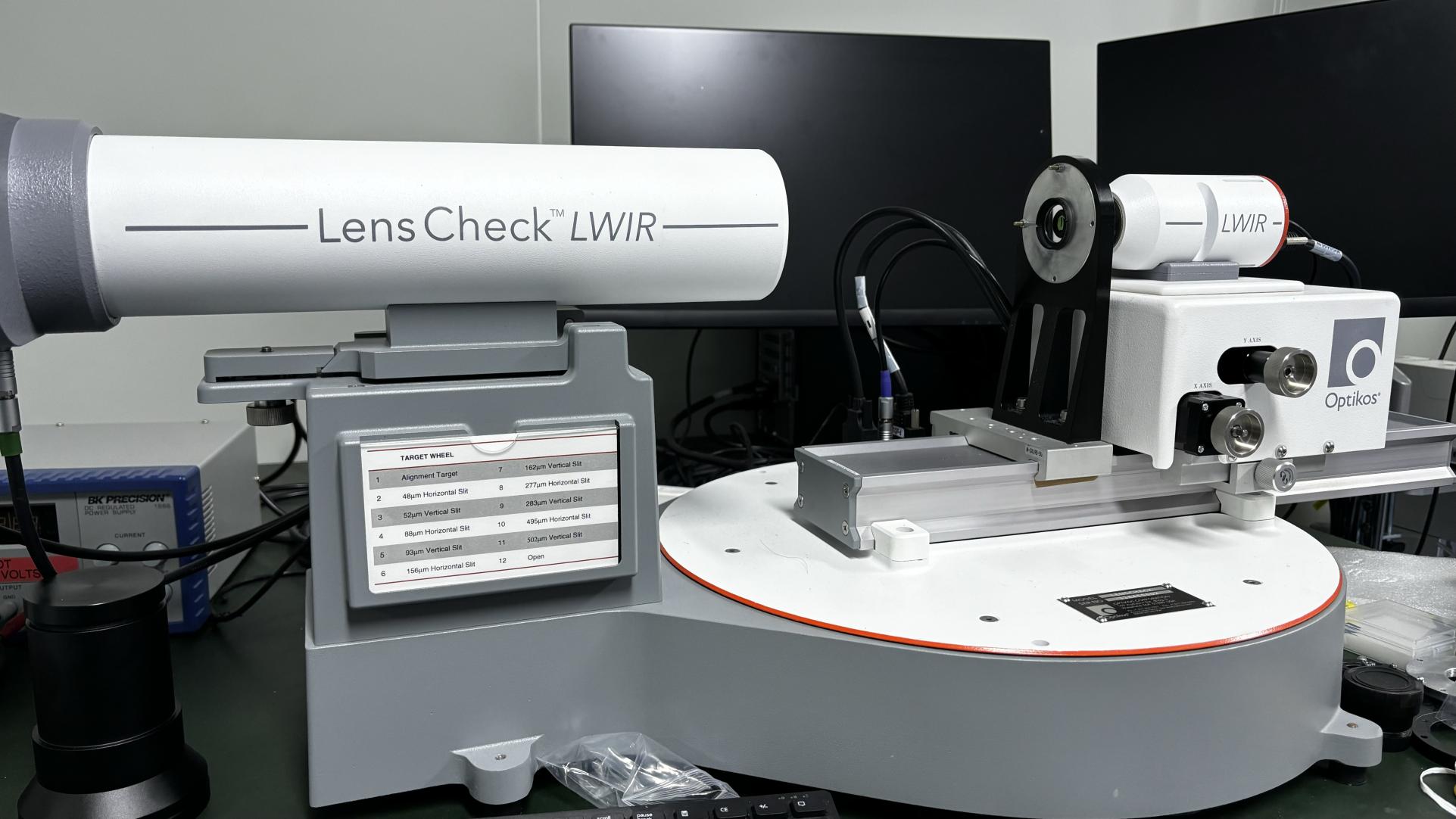
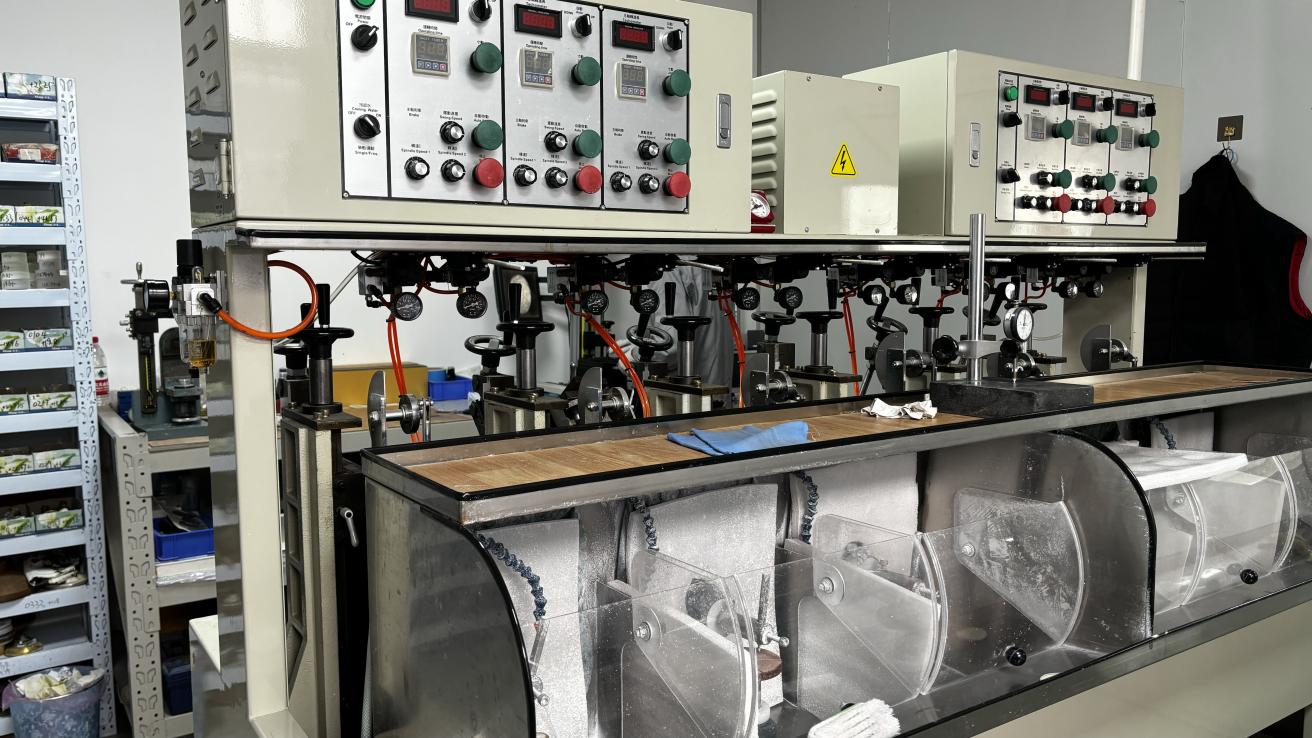


Deployment patterns of high-reliability interconnect modules in real-world networking environments.
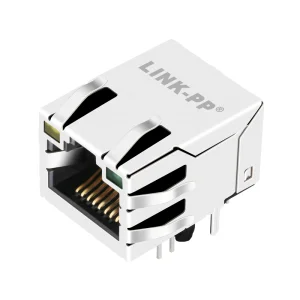
RJ45 connector systems serve as critical interfaces across diverse operating environments. In edge computing deployments, devices are often installed in locations exposed to dust, moisture, and temperature fluctuations. For these applications, engineering standards require IP-rated RJ45 connectors with integrated gaskets, secure bayonet locks, and UV-resistant materials. In contrast, enterprise IT hardware requires high-density stacked modules with integrated LEDs, allowing network technicians to quickly diagnose connection status at the patch panel.
1. Industrial Automation & Smart Grid Systems: Control networks in substations require fiber-to-the-copper isolation. Hybrid setups utilizing 1x9 optical transceiver modules or RJ45 copper transceivers bridge optical transmission and local copper routing, maintaining circuit isolation and preventing electrical damage during grid surges.
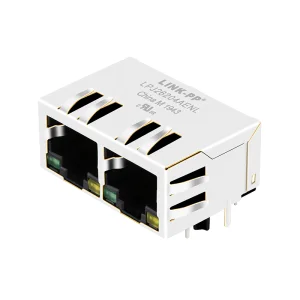
2. Edge Data Center Deployments: Modern high-density switches rely on stacked 2x4 and 2x2 modular RJ45 connectors. The integrated magnetics in these modules filter noise, ensuring stable signal transmission in high-speed, high-density environments.
3. Outdoor Wireless Access Point Uplinks: Outdoor PoE systems require connectors designed to resist water ingress and withstand voltage spikes. PoE RJ45 modular jacks with integrated lightning protection help maintain network stability and protect downstream hardware.
Essential selection criteria for sourcing partners to ensure supply chain security and compliance with international standards.
Procuring network components involves complex technical and logistical considerations. Hardware sourcing managers prioritize manufacturers that comply with international safety, environmental, and performance standards. Materials must meet RoHS and REACH standards to comply with regional hazardous substance regulations. Additionally, components must meet UL flammability standards (like UL94-V0) and FCC Part 68 requirements to ensure mechanical and electrical compatibility with standardized terminal hardware.
FiddlLink supports B2B sourcing requirements by combining custom manufacturing capabilities with engineering expertise. Our team of 126 R&D specialists can modify hardware features, adjust pinout configurations, optimize magnetics, and program custom transceiver firmware. This flexibility helps system integrators resolve compatibility challenges and design customized physical layer interfaces.
Expert answers addressing signal integrity, hardware design, and specification parameters for RJ45 connectors.
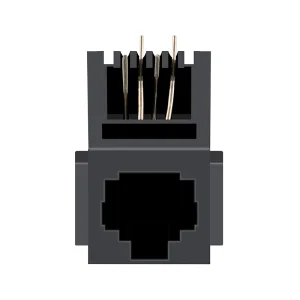
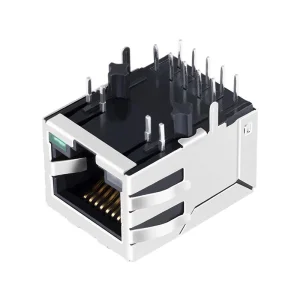
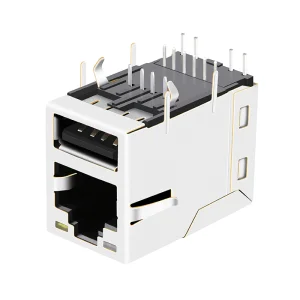
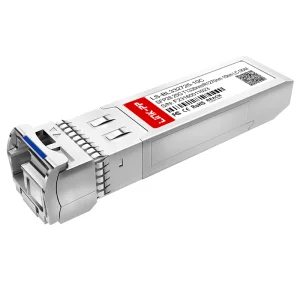
A selection of precision components for optical-to-electrical signal conversion, high-density switching, and telecom networks.