FiddlLink
FiddlLink
FiddlLink
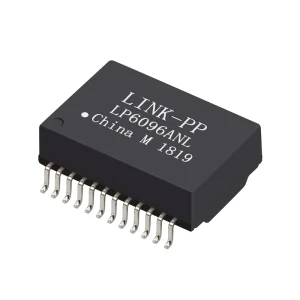
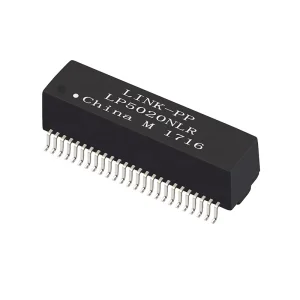
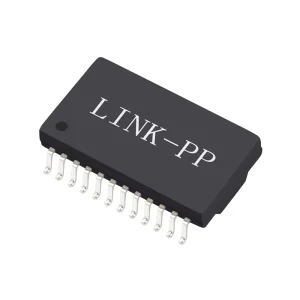
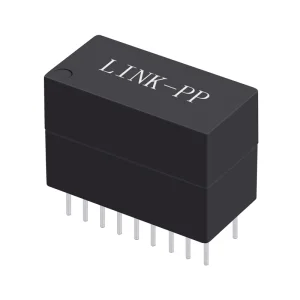
Explore our inventory of high-performance PoE+ and single-port Gigabit Ethernet magnetic coupling modules engineered for standard network environments.
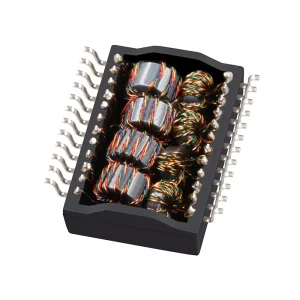
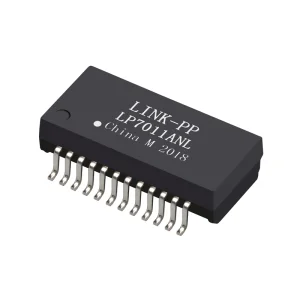
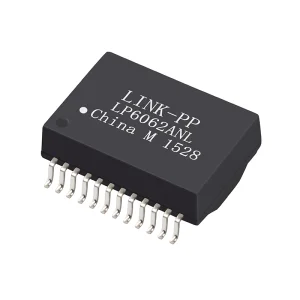
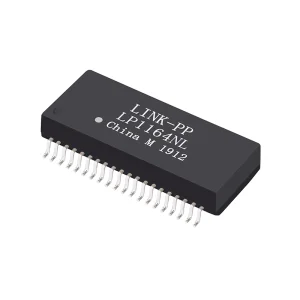
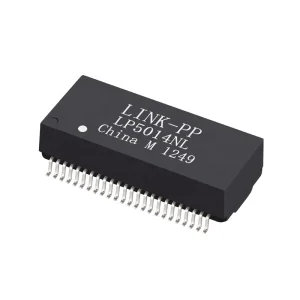
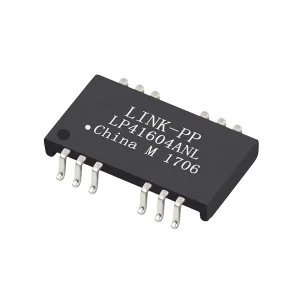
Our modernized facility spans 380 square meters and is engineered with specialized clean rooms, spherical and aspheric surface polishing arrays, and advanced optical/electrical validation instruments.
We provide full physical structure customization, package optimization, and customized electrical parameters to suit demanding industrial and networking boards.
Operational safety and signal integrity are backed by a dedicated team of 42 QC professionals enforcing absolute compliance with IEEE standards and international telecom specifications.
Unpacking the structural trends, system design bottlenecks, and magnetic integration roadmaps shaping the future of global telecom networks.
The global LAN transformer landscape is undergoing a significant architectural transition. Driven by the mass adoption of Industrial Internet of Things (IIoT), Edge AI accelerators, and next-generation telecom networks, standard 10/100 Mbps systems are rapidly yielding to Gigabit Ethernet, 2.5G/5G Base-T, and ultra-high-speed 10G Base-T architectures. System designers demand integrated magnetics capable of supporting these frequencies while offering robust electrostatic discharge (ESD) protection and mitigating electromagnetic interference (EMI) in dense layouts.
Additionally, modern enterprise infrastructure demands high-power Power-over-Ethernet (PoE) capability. Our latest series is engineered to support IEEE 802.3af (PoE), 802.3at (PoE+), and 802.3bt (PoE++) configurations, enabling power delivery up to 90W alongside reliable gigabit data streams.
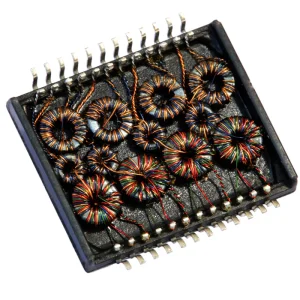
To preserve signal integrity across long-run physical layers (PHY), LAN magnetics must minimize insertion loss and maximize return loss. We utilize advanced high-permeability MnZn and NiZn ferrite cores, precision wound to control leakage inductance and interwinding capacitance. This design guarantees stable common-mode rejection across wide frequency spectrums.
For demanding environments such as automotive networks (Single-Pair Ethernet - SPE) and outdoor smart-grid base stations, our designs feature optimized thermal dissipation profiles. They maintain consistent electrical isolation under continuous high-voltage profiles, mitigating core saturation risks.
A transparent look at our specialized manufacturing, design, coating, and rigorous optical/electrical inspection processes.

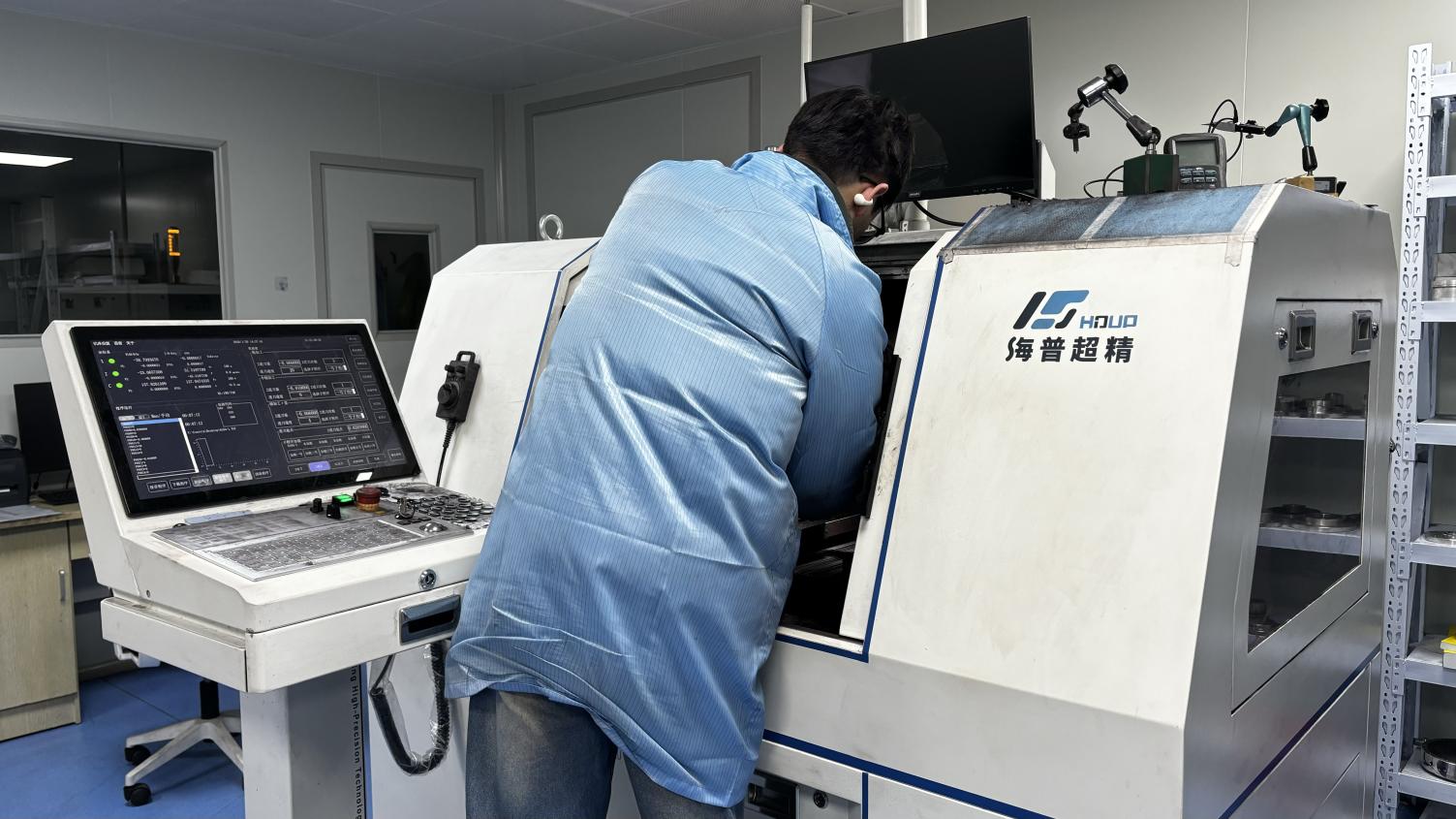
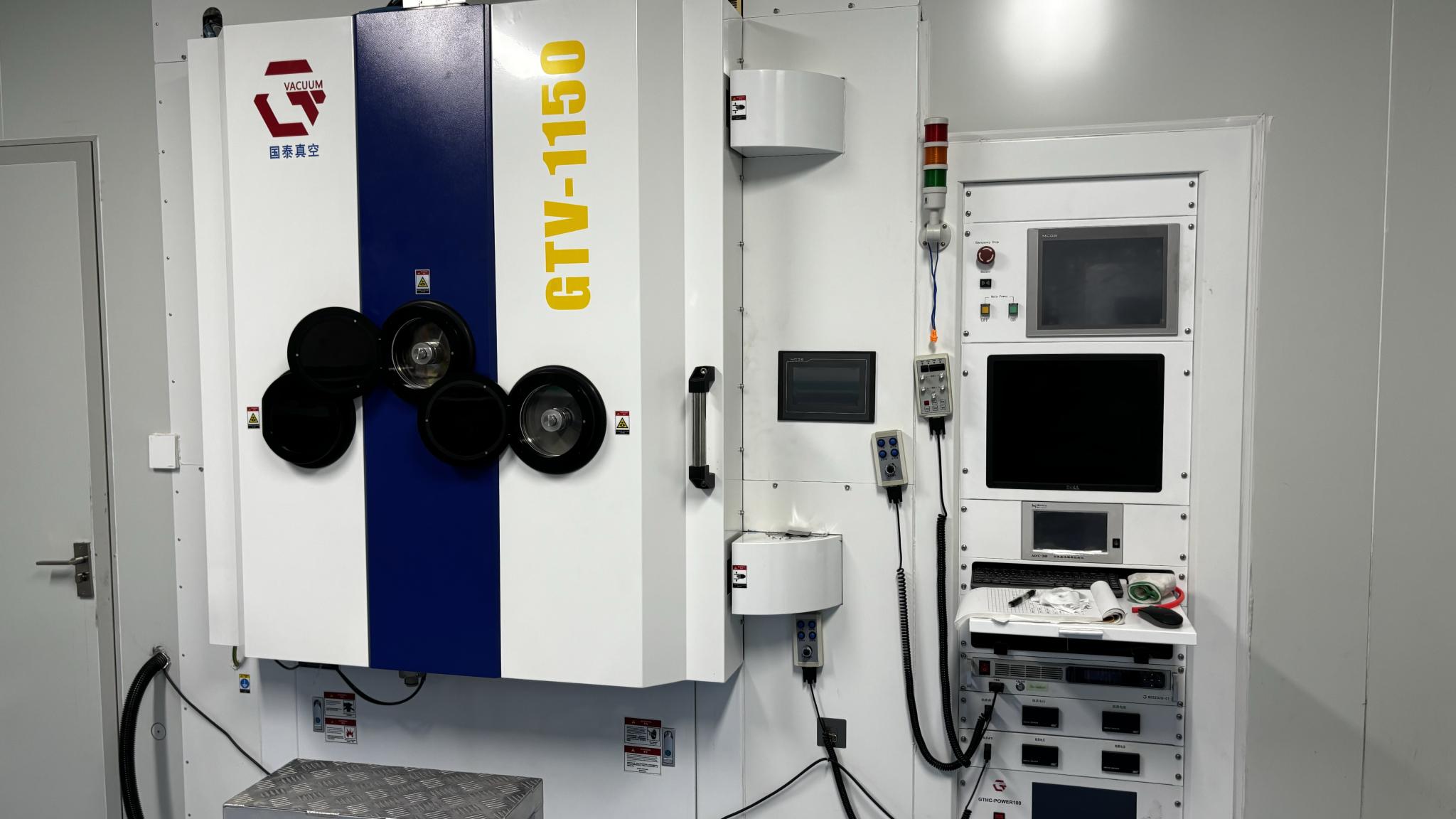
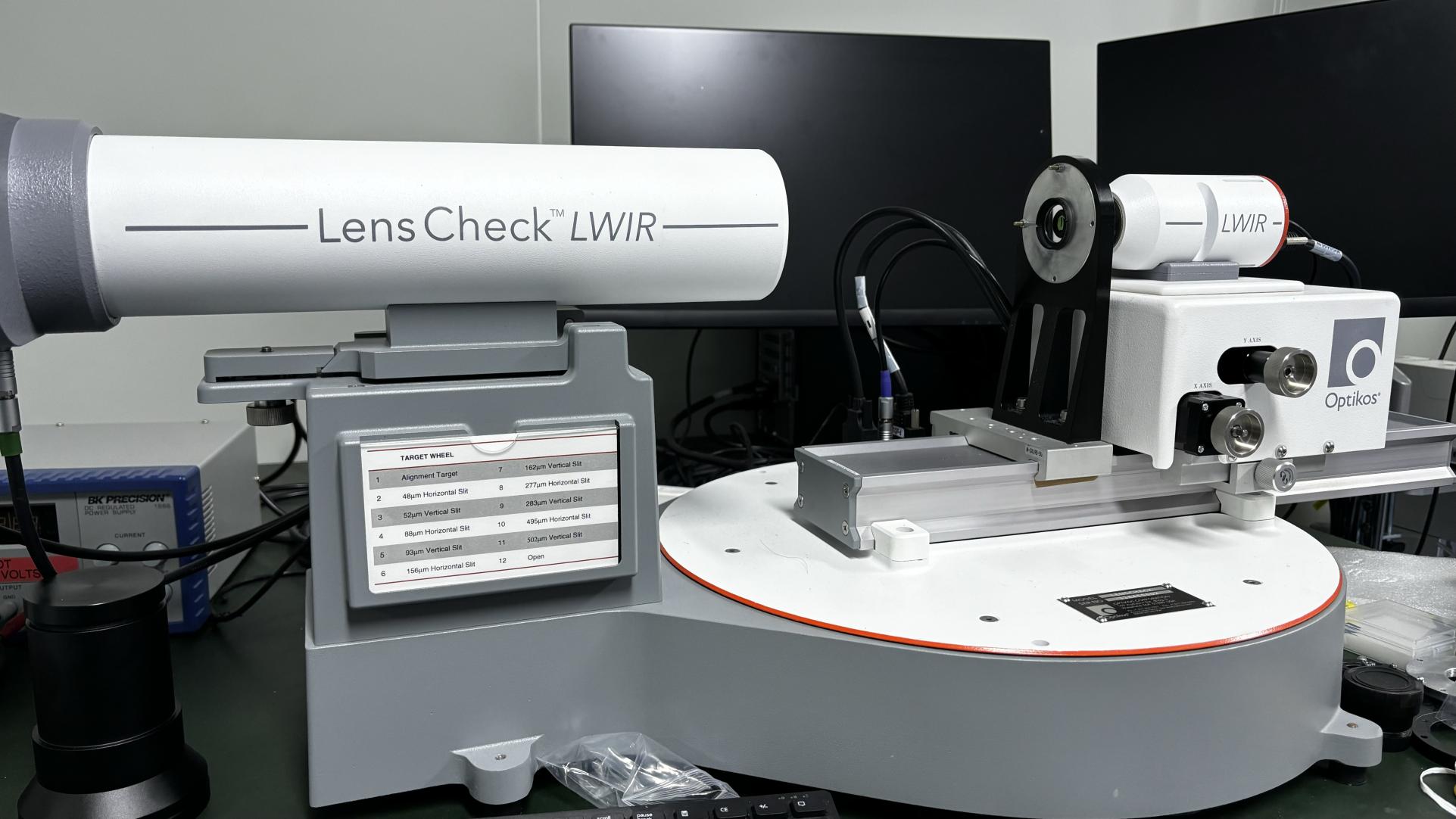
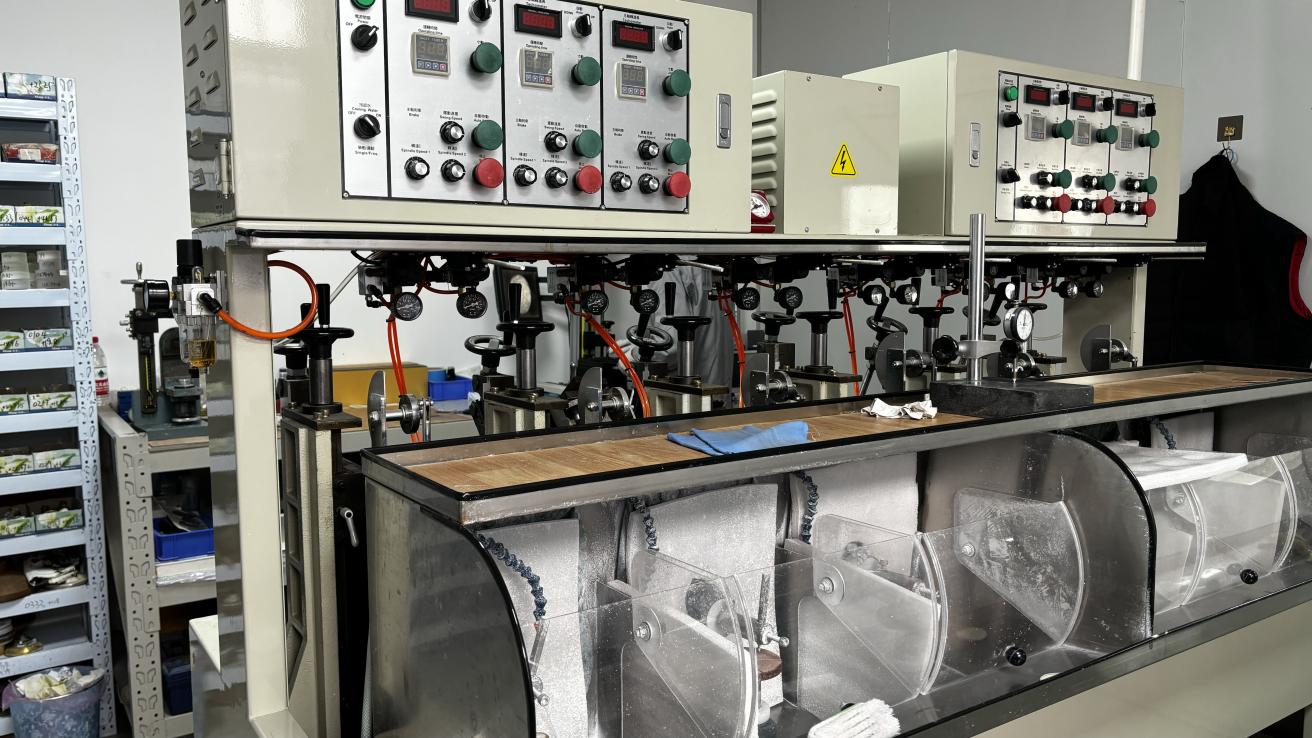
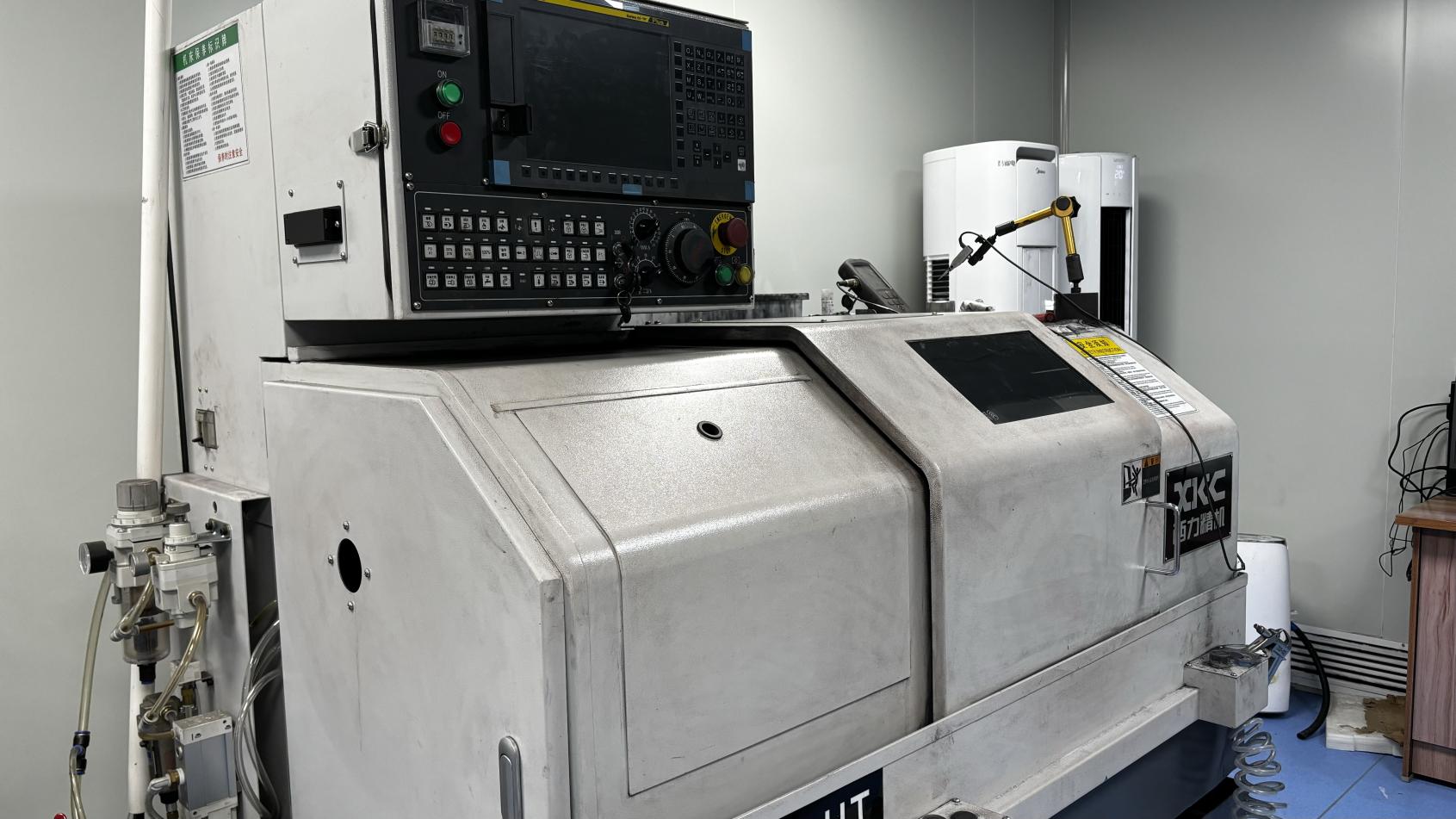
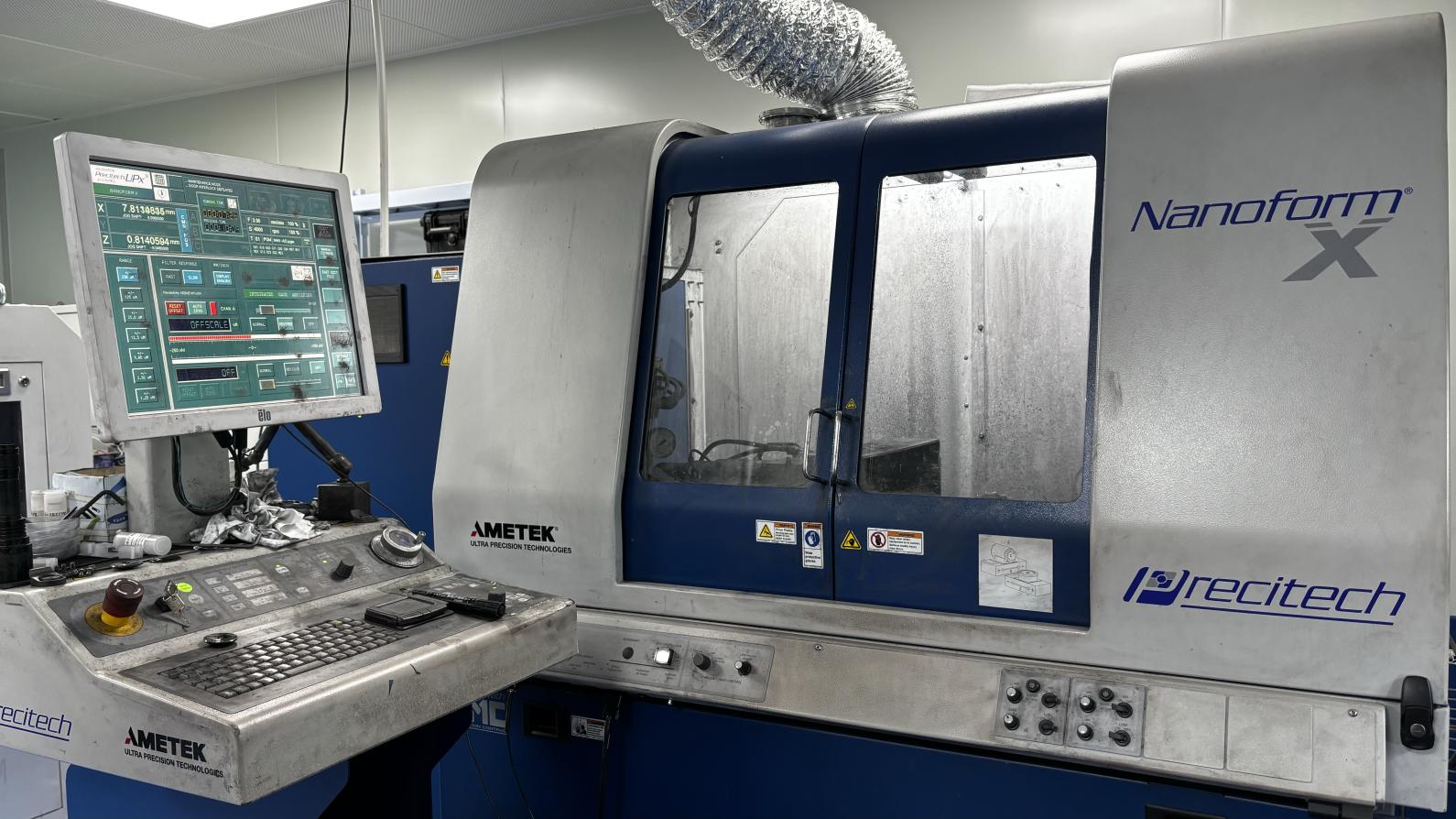
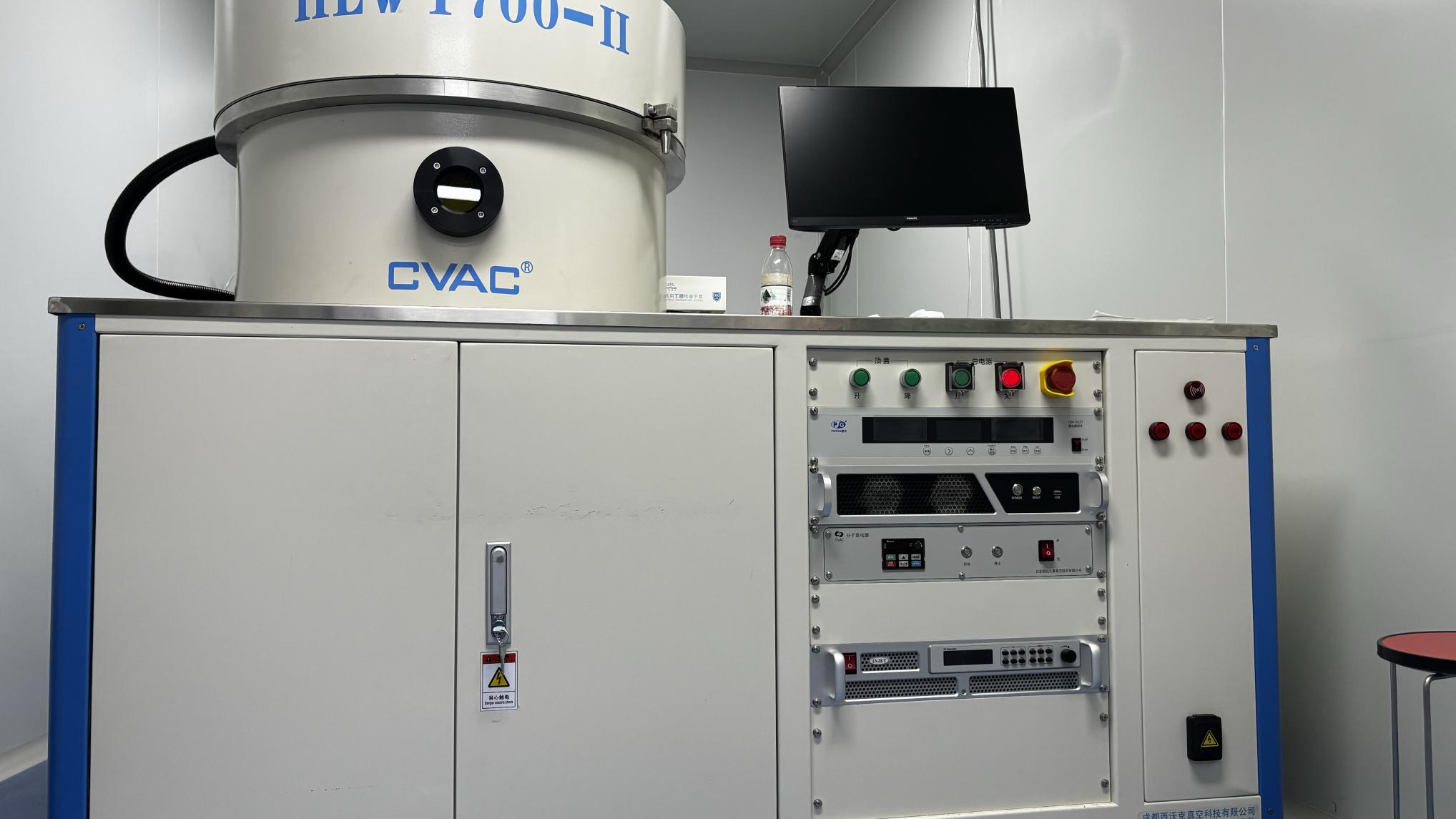
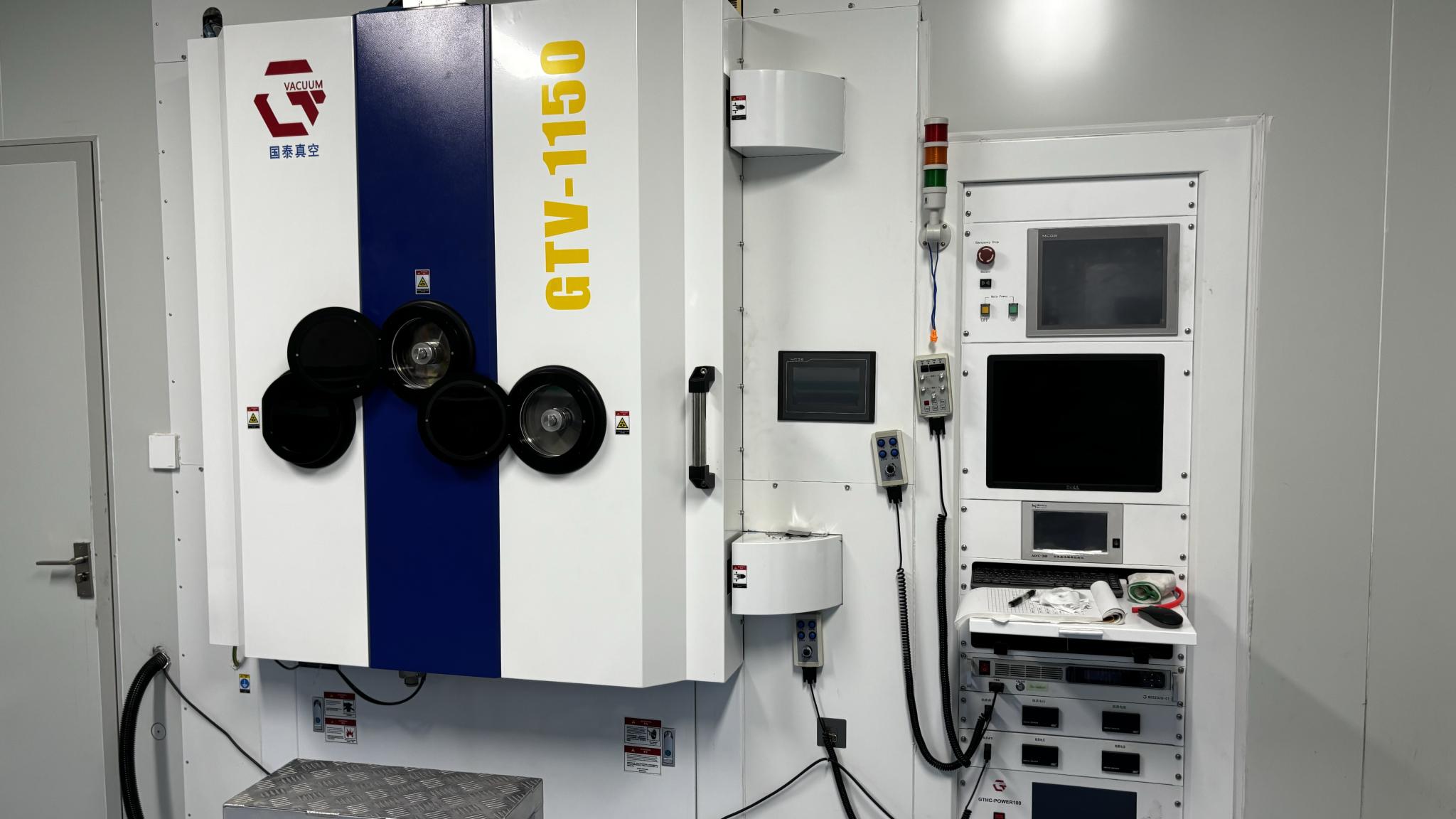

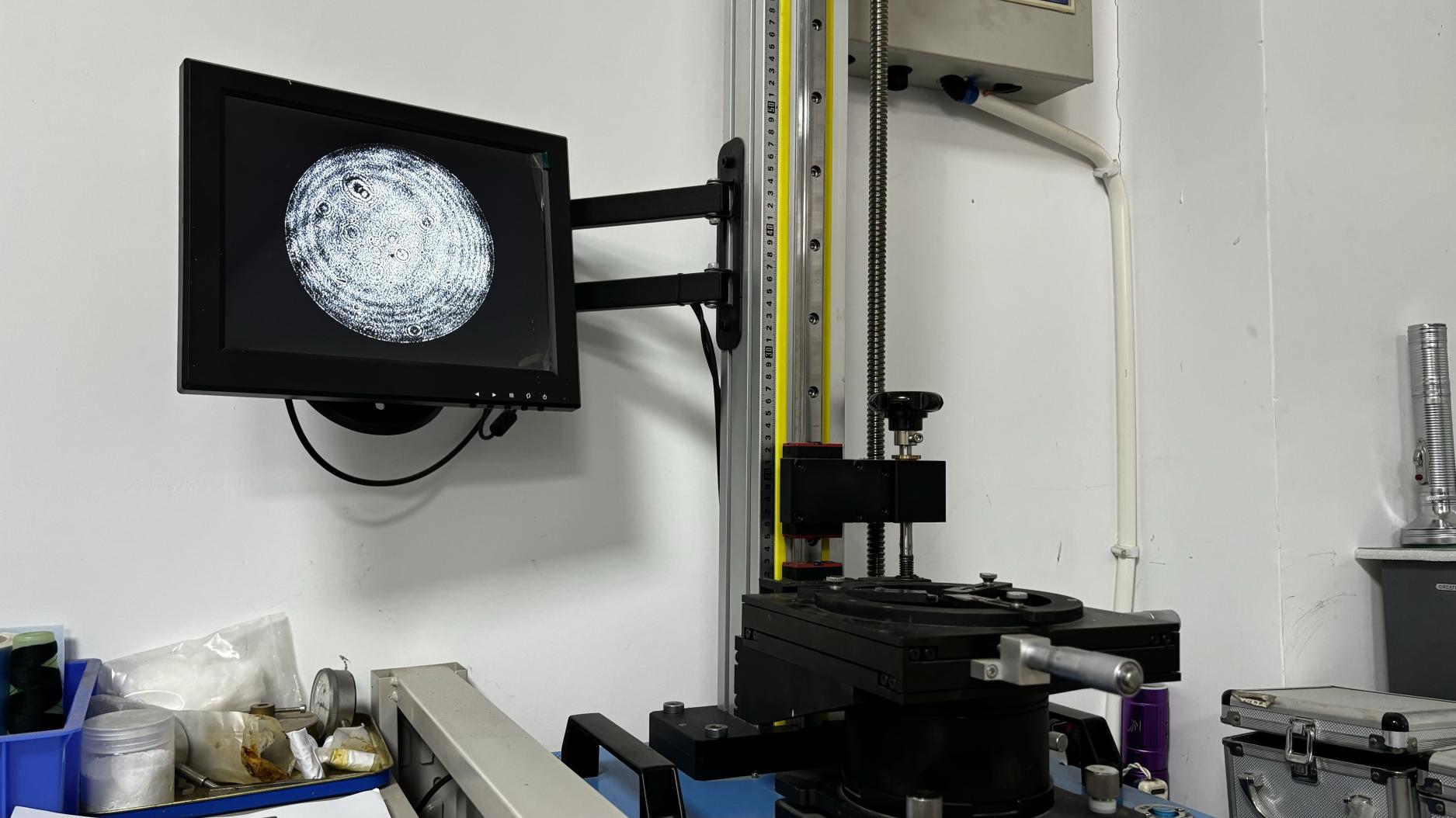
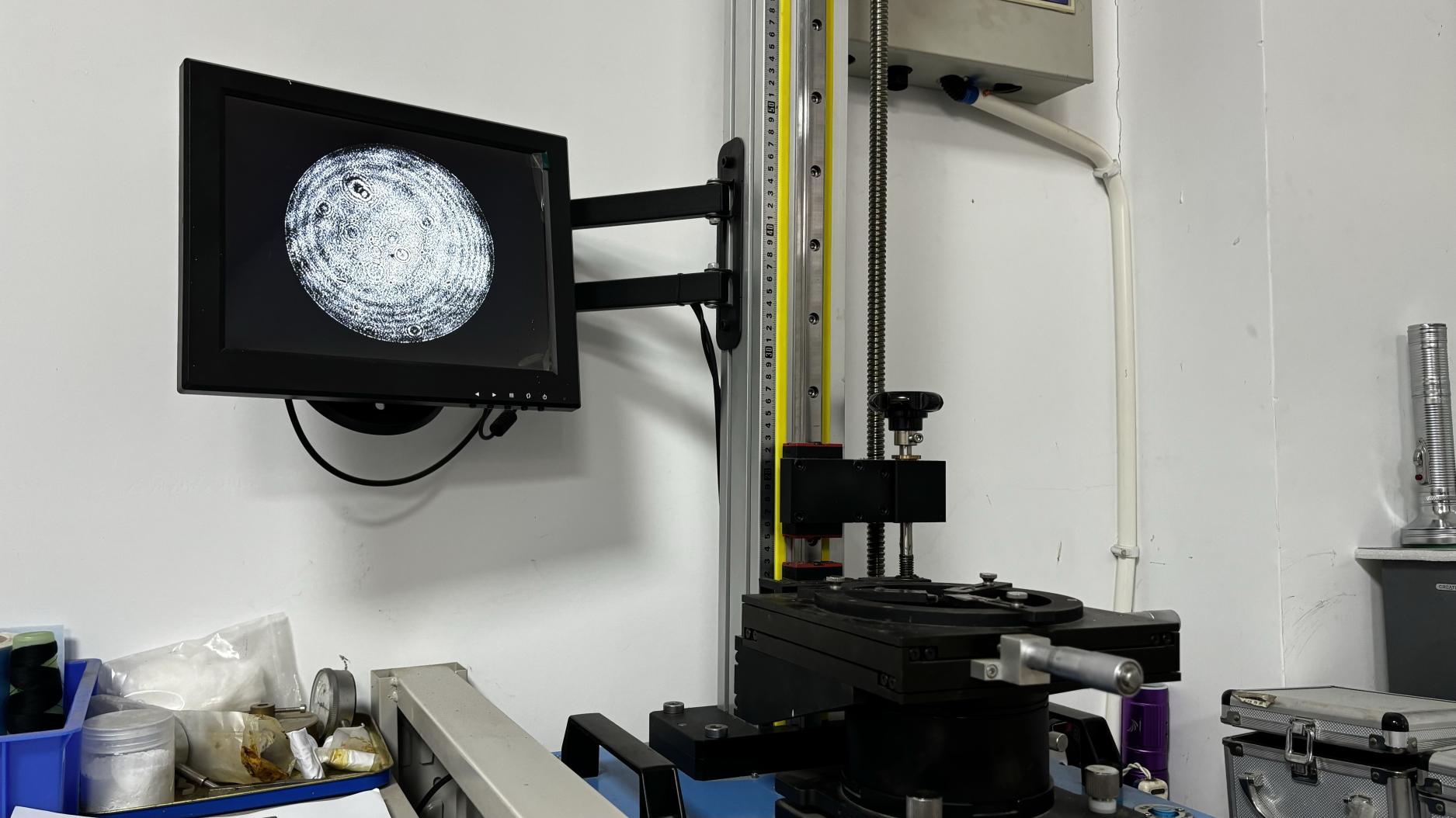
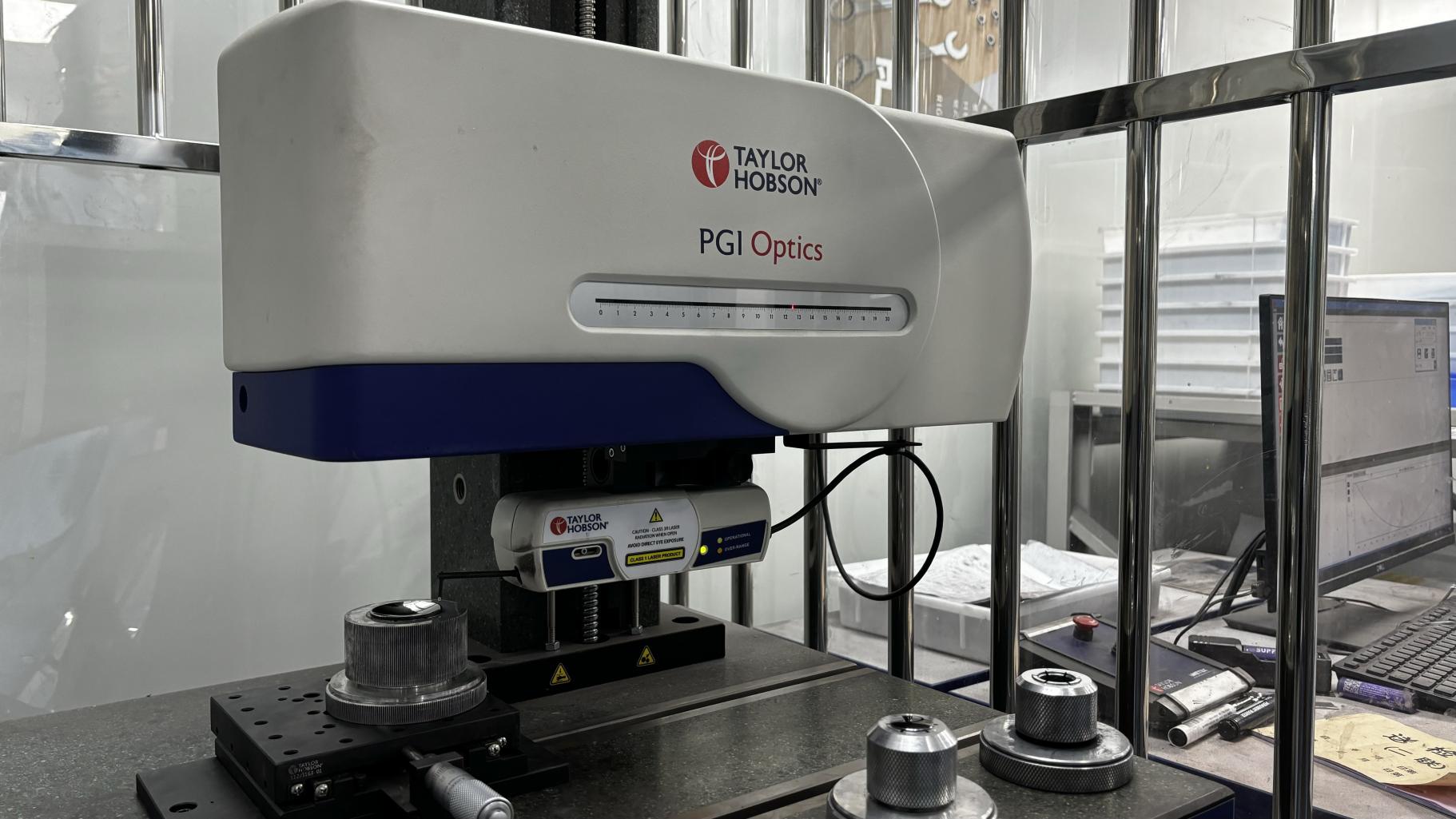

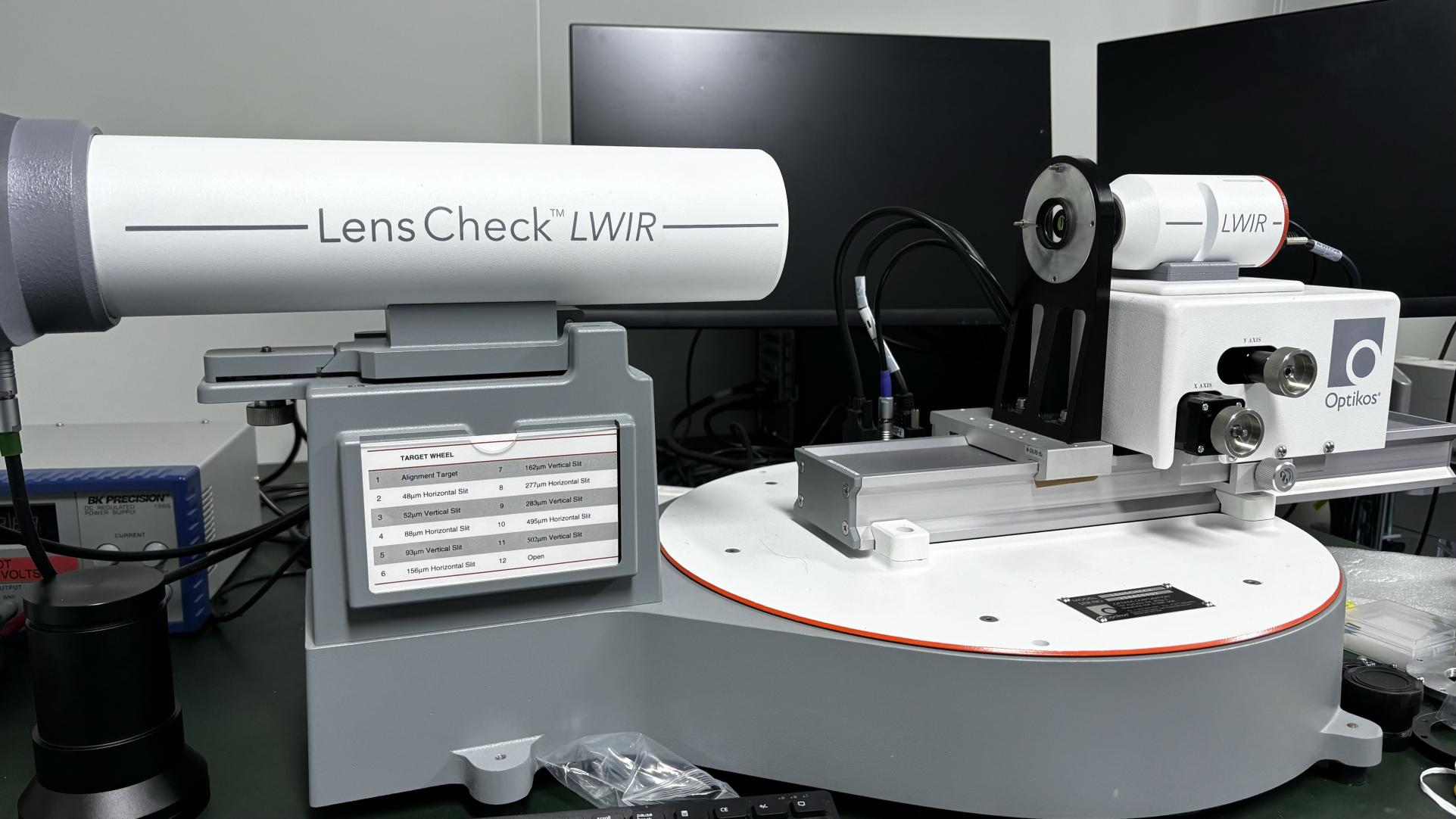
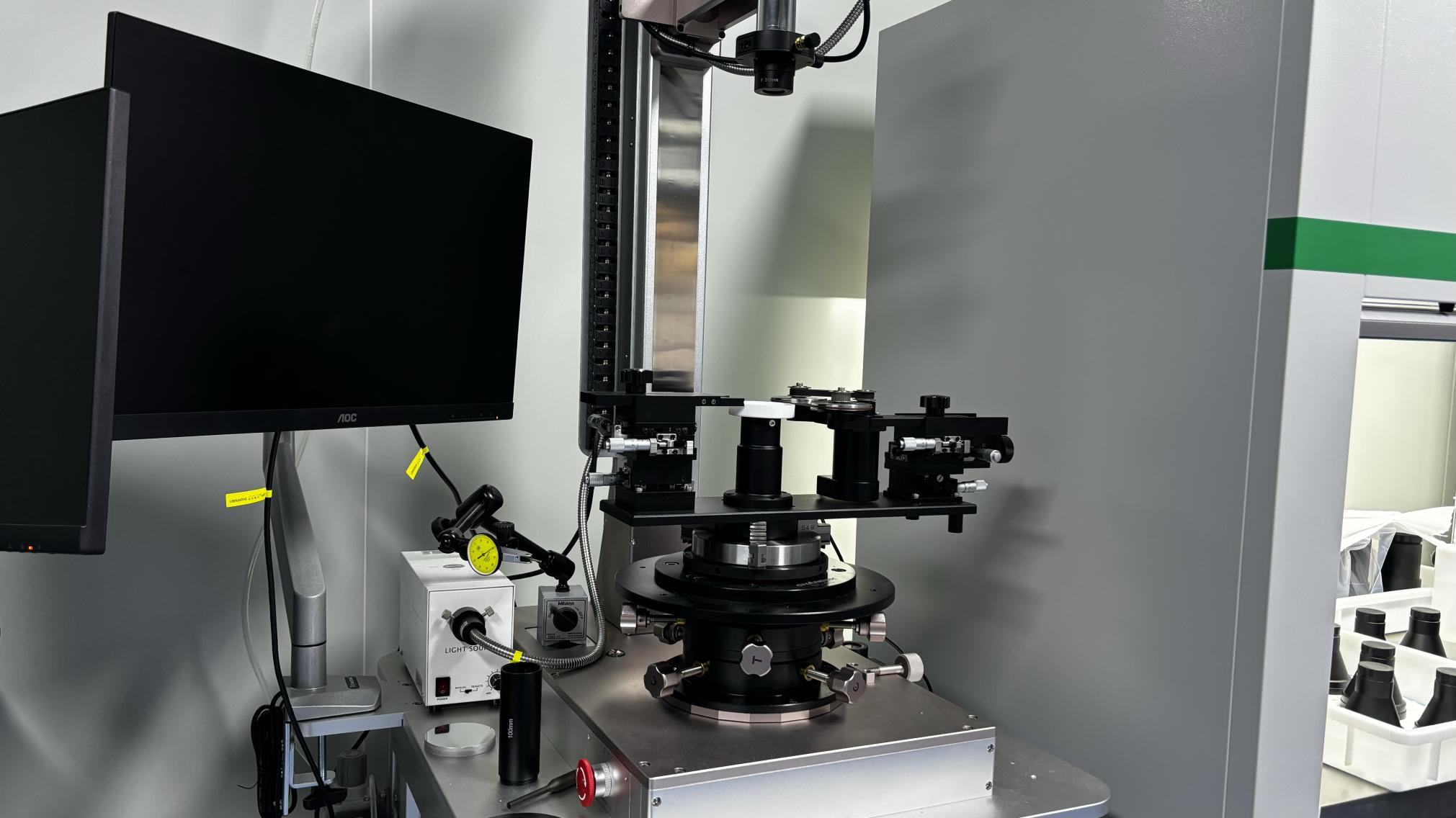
How our advanced magnetic and optic components integrate to power modern industrial infrastructure.
Providing reliable EMI suppression and 1.5kV AC isolation for harsh factory floor environments, protecting PLCs, HMIs, and edge sensors from inductive kickback and common-mode noise spikes.
Supporting 10G Base-T speeds with ultra-low insertion loss. Optimized for high-density blade servers, storage networks, and switch fabrics requiring reliable signal-to-noise ratios.
Enabling long-haul base station hardware to withstand outdoor temperature fluctuations while supplying up to 90W PoE power to remote radios, small cells, and high-throughput microwave terminals.
Expert technical insights regarding LAN transformer application, testing, and selection.
LAN transformers provide electrical isolation (typically 1500V RMS minimum) to protect transceivers from voltage spikes on the cable. They also perform impedance matching between the differential output of the PHY chip (typically 100 ohms) and the network cable, while offering common-mode noise rejection via integrated common-mode chokes.
PoE transmits DC current over the Ethernet signal pairs. LAN transformers must be designed with center taps capable of handling the direct current (up to 350mA for PoE, 600mA for PoE+, and 1A+ for PoE++) without magnetic core saturation. Saturating the core degrades data transmissions, causing packet loss and high return loss.
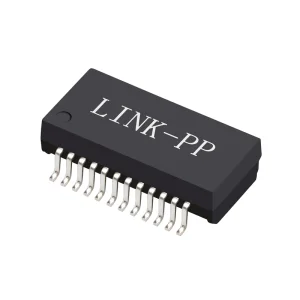
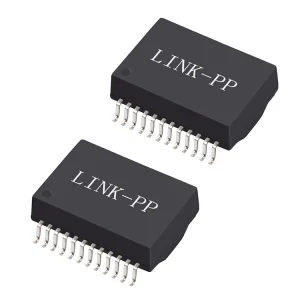
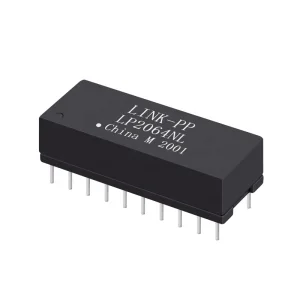
Surface Mount Technology (SMT) transformers are designed for high-density, automated pick-and-place assembly, making them ideal for space-constrained boards. Through-Hole (THT) configurations offer superior mechanical anchoring, making them suited for high-vibration applications or rugged industrial networking environments.
Our R&D team runs strict compliance evaluations using our 126-engineer testing group. All magnetic modules undergo thorough characterization with leading industrial transceivers (Marvell, Realtek, Broadcom, Intel) to guarantee cross-compliance for return loss, crosstalk, and insertion loss profiles.
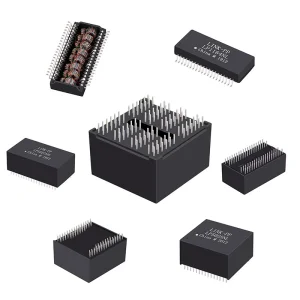
High-isolation telecom modules, multi-port surface mount designs, and robust through-hole Ethernet magnetic solutions.