FiddlLink
FiddlLink
FiddlLink
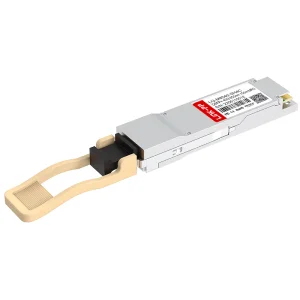
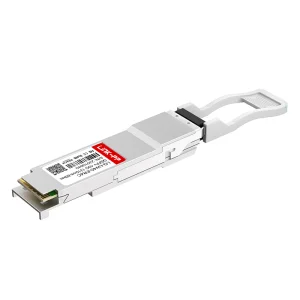
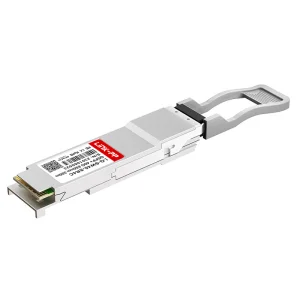
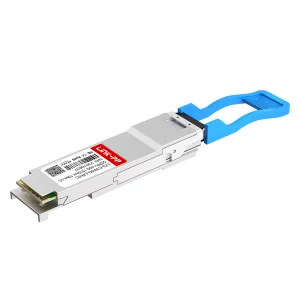
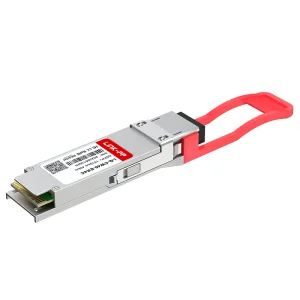
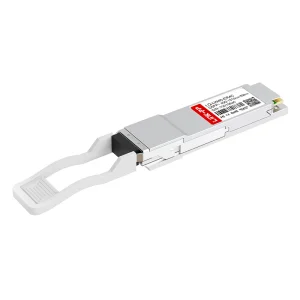
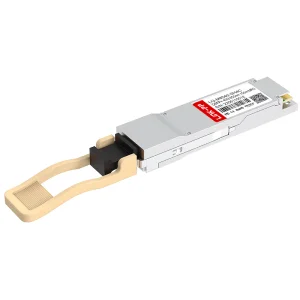
Explore our industrial-grade, fully customizable 40G QSFP+ fiber optic transceivers engineered to support robust data links from 150 meters up to 80 kilometers.
FiddlLink Optical Technology Co., Ltd. is an established, professional manufacturer and global supplier of high-performance optical transceivers and customizable fiber optic communication solutions. Founded in 2016, our enterprise is built upon a foundation of engineering excellence, specializing in the end-to-end research, development, precision production, and worldwide distribution of active and passive optical networking products.
Serving tier-1 cloud data centers, national telecommunications operators, enterprise computing architectures, and global internet service providers (ISPs), we bridge high-speed connectivity demands with cost-effective and dependable hardware. Our modern manufacturing ecosystem features an ultra-clean assembly and testing cleanroom covering 380 square meters, utilizing automated alignment and precision optical analysis technology to achieve absolute product reliability.
With over 12 years of industry experience and 8 years of export experience, we operate a global supply chain spanning over 850 strategic partners, supporting a robust annual export revenue of approximately USD 18 million across North America, Europe, Southeast Asia, the Middle East, and South America.
A granular overview of the engineering parameters defining the 40G QSFP+ transceivers engineered by FiddlLink.
Our 40G QSFP+ (Quad Small Form-factor Pluggable Plus) modules comply strictly with IEEE 802.3ba, SFF-8436, and INF-8438i standards. Leveraging 4 independent transmit and receive channels, each operating at 10.3125 Gbps, they provide a combined aggregate throughput of 41.25 Gbps. Check the key engineering pathways below:
| Standard | Fiber Type | Wavelength (nm) | Connector Type | Max Reach | Digital Diagnostics (DDM) |
|---|---|---|---|---|---|
| 40GBASE-SR4 | Multimode (OM3/OM4) | 850nm | MPO-12 / MTP | 100m (OM3) / 150m (OM4) | Supported (Real-time monitoring) |
| 40GBASE-SR BiDi | Multimode (OM3/OM4) | 850nm / 900nm | Duplex LC | 100m (OM3) / 150m (OM4) | Supported |
| 40GBASE-LR4 | Single Mode (SMF) | 1271, 1291, 1311, 1331 (CWDM) | Duplex LC | 10km | Supported |
| 40GBASE-ER4 | Single Mode (SMF) | 1271, 1291, 1311, 1331 (CWDM) | Duplex LC | 40km | Supported |
| 40GBASE-ZR4 | Single Mode (SMF) | 1271, 1291, 1311, 1331 (CWDM) | Duplex LC | 80km | Supported |
As cloud compute networks expand, legacy data centers must balance physical hardware upgrades against capital expenditures. While 100G (QSFP28) and 400G (QSFP-DD) standards dominate greenfield deployments, the 40G QSFP+ standard remains a pivotal aggregation layer for industrial control systems, metropolitan rings, and distributed enterprise networks.
FiddlLink's engineering team actively designs next-generation hybrid transceivers. By incorporating Silicon Photonics (SiPh) chips and low-power optoelectronic designs, we are driving down average power consumption of our 40G QSFP+ modules below 1.5W. This mitigates thermal dissipation issues in dense switch stacks, reducing datacentre operational cooling costs.
Future-Proofing Transition: Our QSFP+ modules are engineered to support rate-negotiation, enabling operators to run links at slower 10G rates via breakout assemblies, or smoothly transition to 100G architectures via software-defined networking (SDN) configurations.
Reducing optical components count, improving Mean Time Between Failures (MTBF), and lowering insertion loss.
Optimizing PCB layout to limit maximum thermal power consumption, directly addressing global carbon footprint mandates.
How FiddlLink's optical modules solve high-bandwidth challenges across critical verticals.
Supporting high-density spine-and-leaf switches. FiddlLink's 40G QSFP+ SR4 and BiDi transceivers minimize intra-rack cabling complexity and facilitate high-frequency aggregation with minimal packet drop rates.
Long-distance single-mode transceivers (40G QSFP+ LR4/ER4/ZR4) bridge regional switching offices over optical fiber links spanning 10km to 80km, implementing DDM diagnostics to enable preventive maintenance.
Providing custom multi-wavelength options and compatibility with heterogeneous switch environments (Cisco, Juniper, Arista, Huawei), enabling seamless integration into active multi-vendor carrier transport layers.
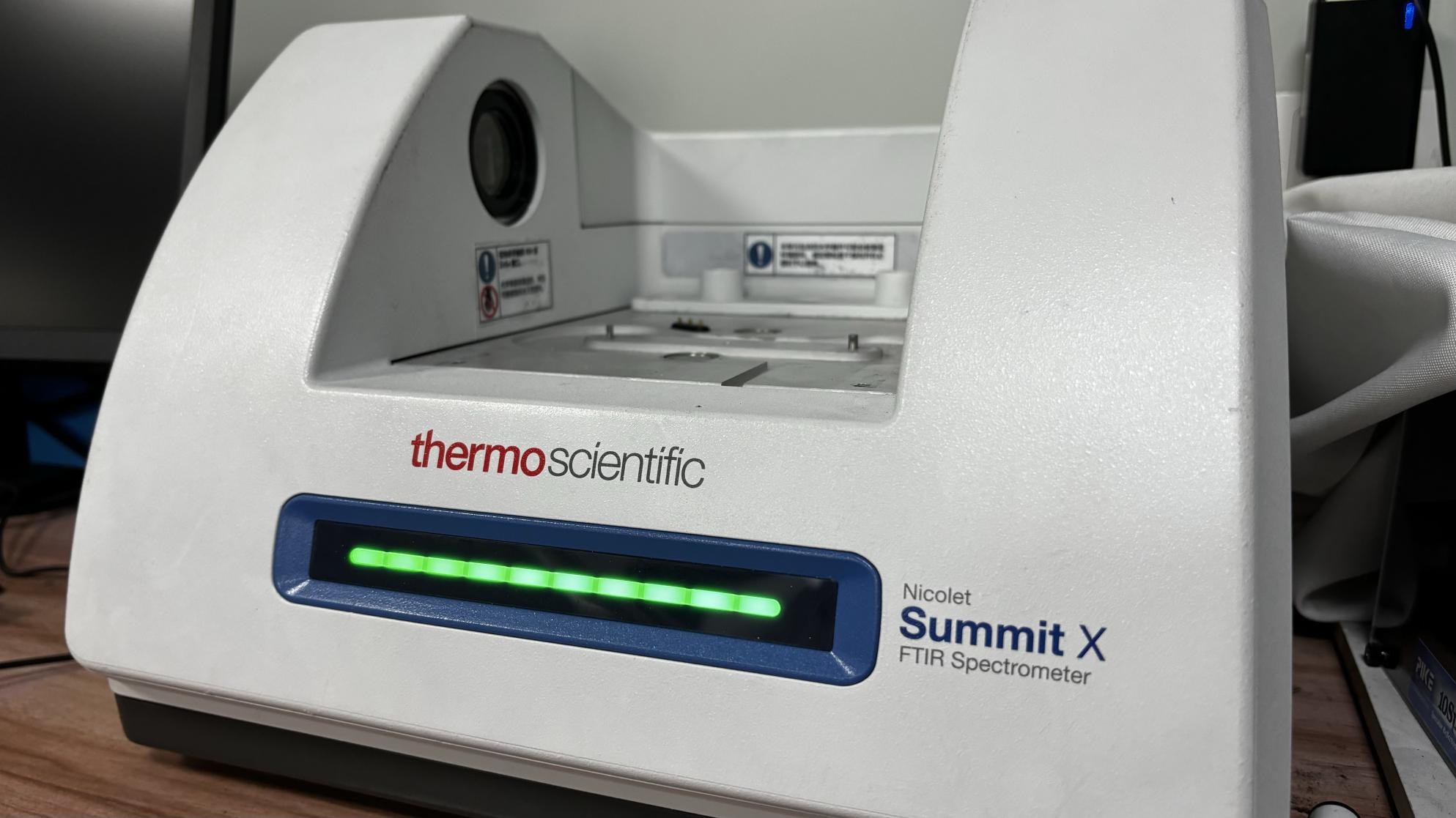
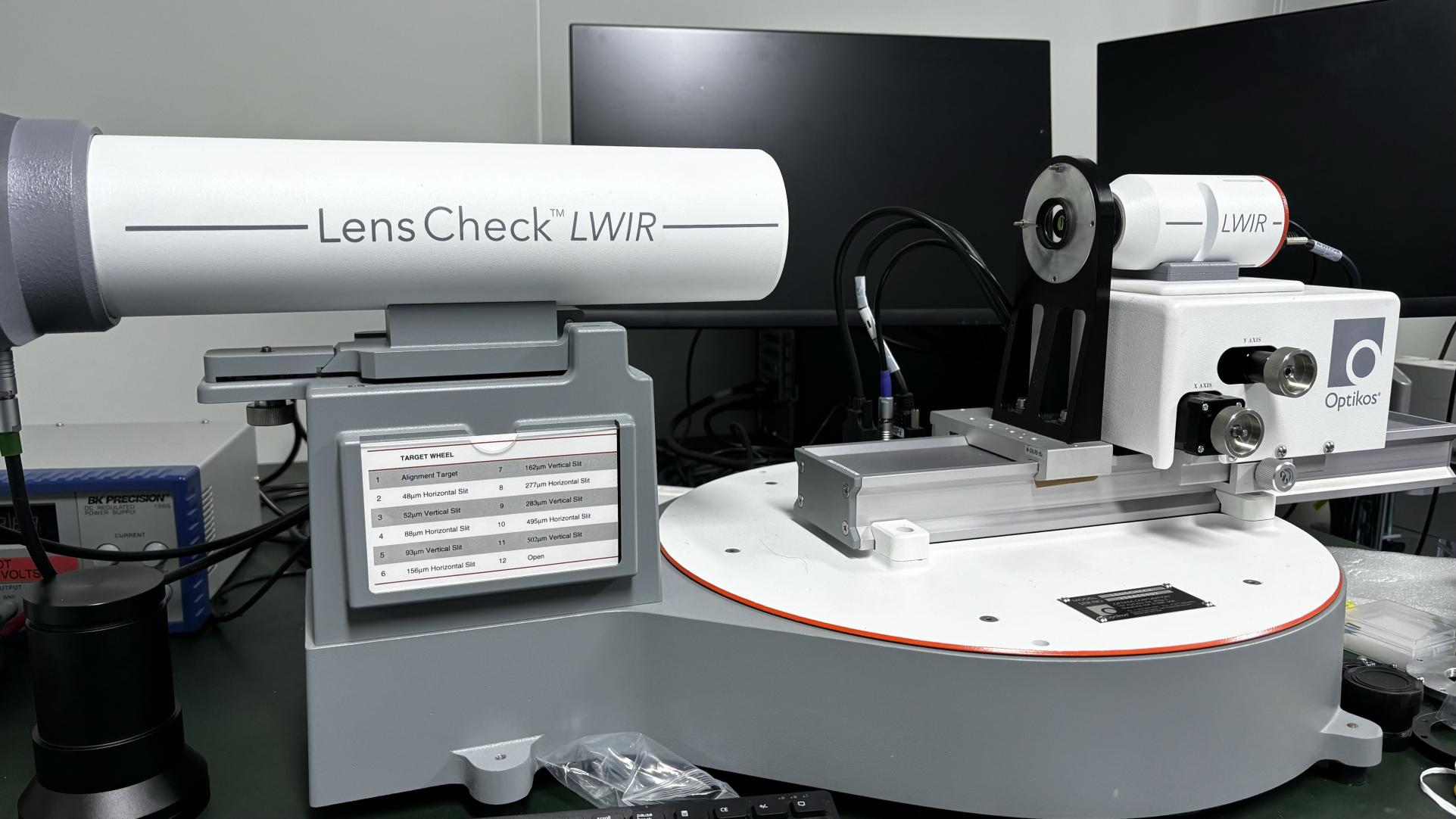
FiddlLink's production line incorporates advanced industrial automation. We deploy high-frequency vector network analyzers, digital sampling oscilloscopes, optical spectrum analyzers, and automated temperature cycle chambers. Every 40G module undergoes dynamic thermal testing, guaranteeing reliable optical performance under operating ranges from 0°C to 70°C (commercial) and -40°C to 85°C (industrial).
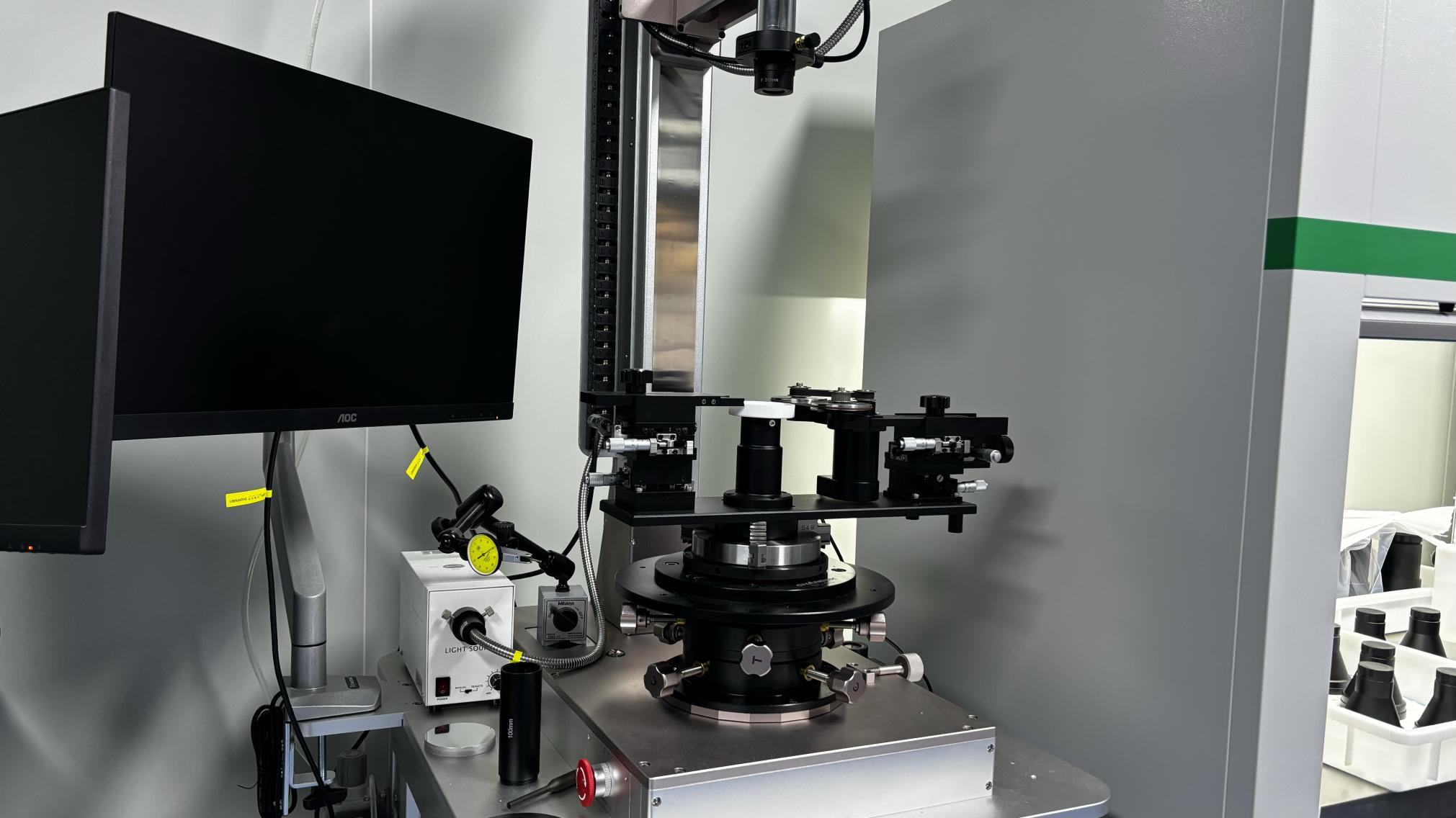
Our R&D engineering pool comprises 126 industry specialists, allowing us to rapidly design and test custom hardware. In the past year, our facility successfully brought 186 new product designs to market. Standard manufacturing processes include precision lens alignment, automated gold wire bonding, and automated optical power calibration.
Quality is maintained by a dedicated department of 42 QC engineers conducting structural incoming material validation, in-line solder inspection, post-assembly cleaning, and automated multi-switch interoperability verification before packing.
Our state-of-the-art facility uses highly specialized equipment to achieve high yields and sub-micron alignment accuracy:

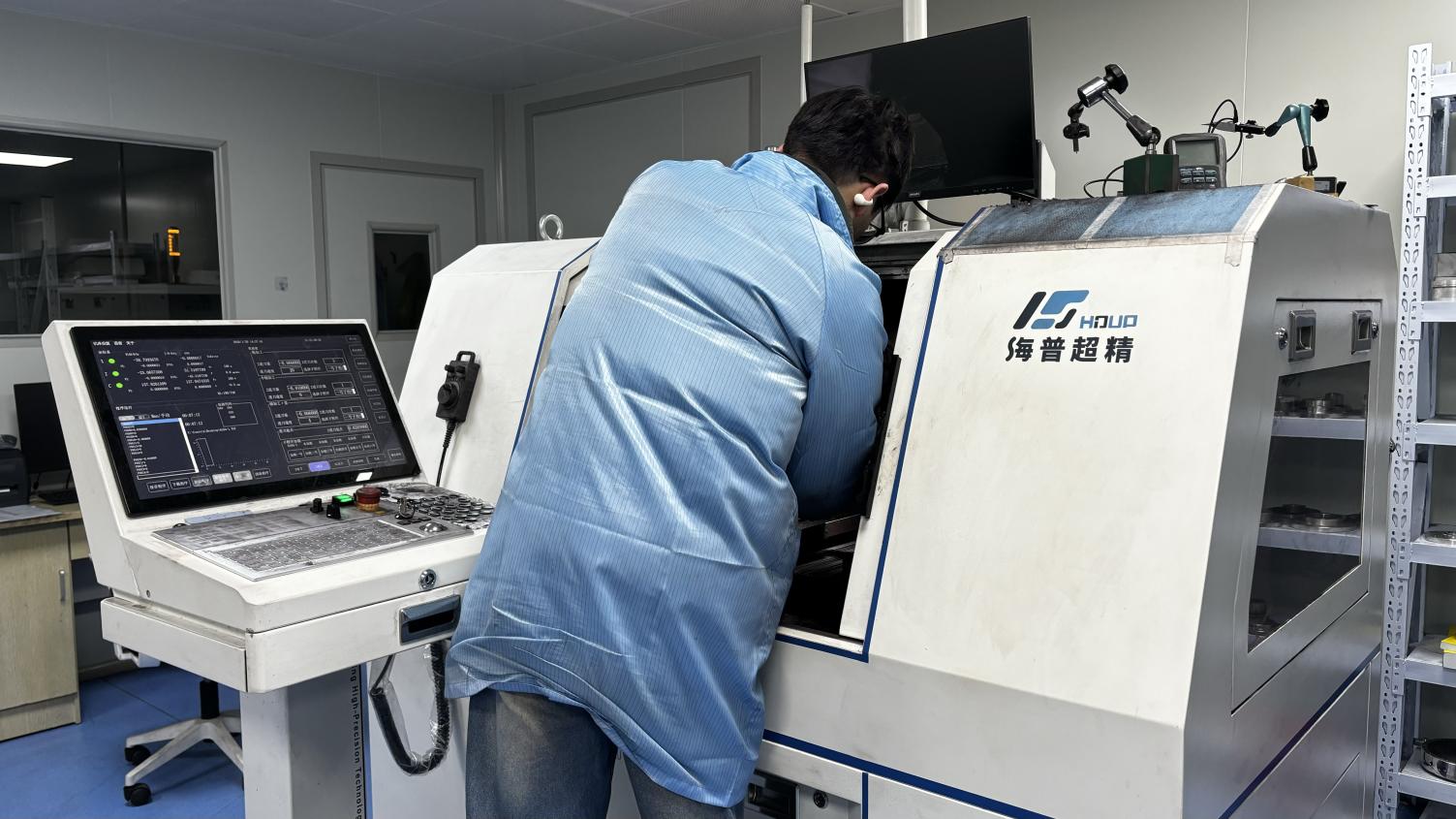
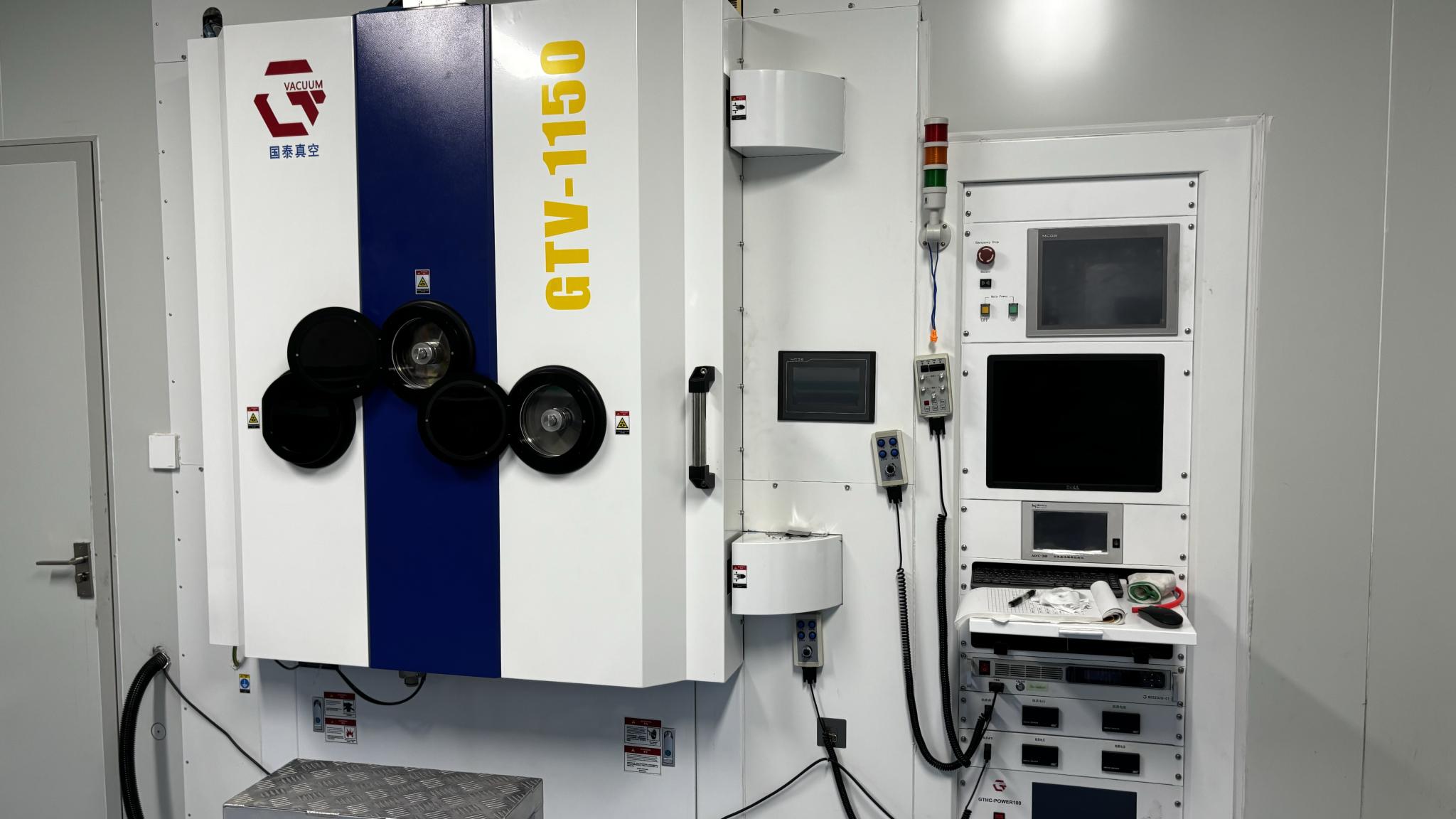
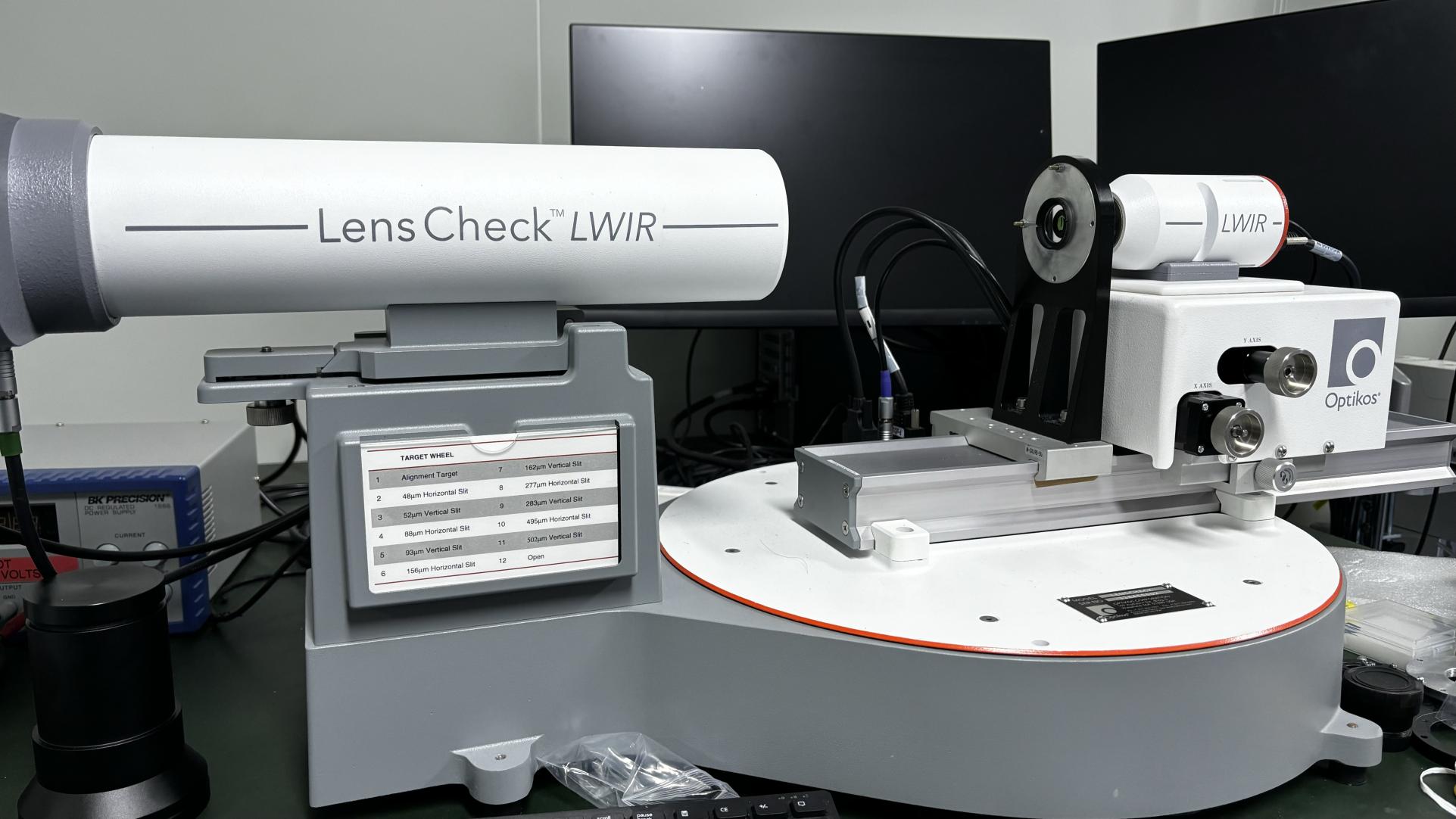
Our ISO-certified processing center utilizes high-precision machines to ensure consistent performance for all our transceivers.
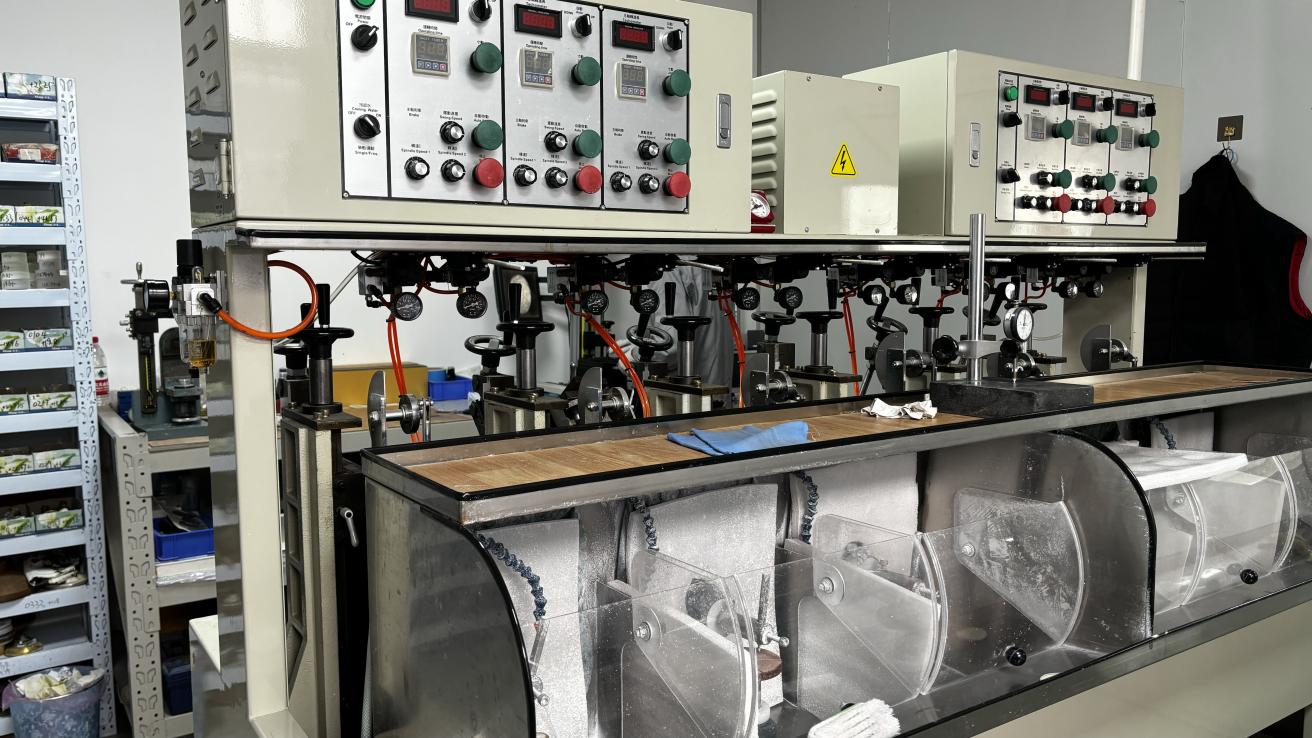
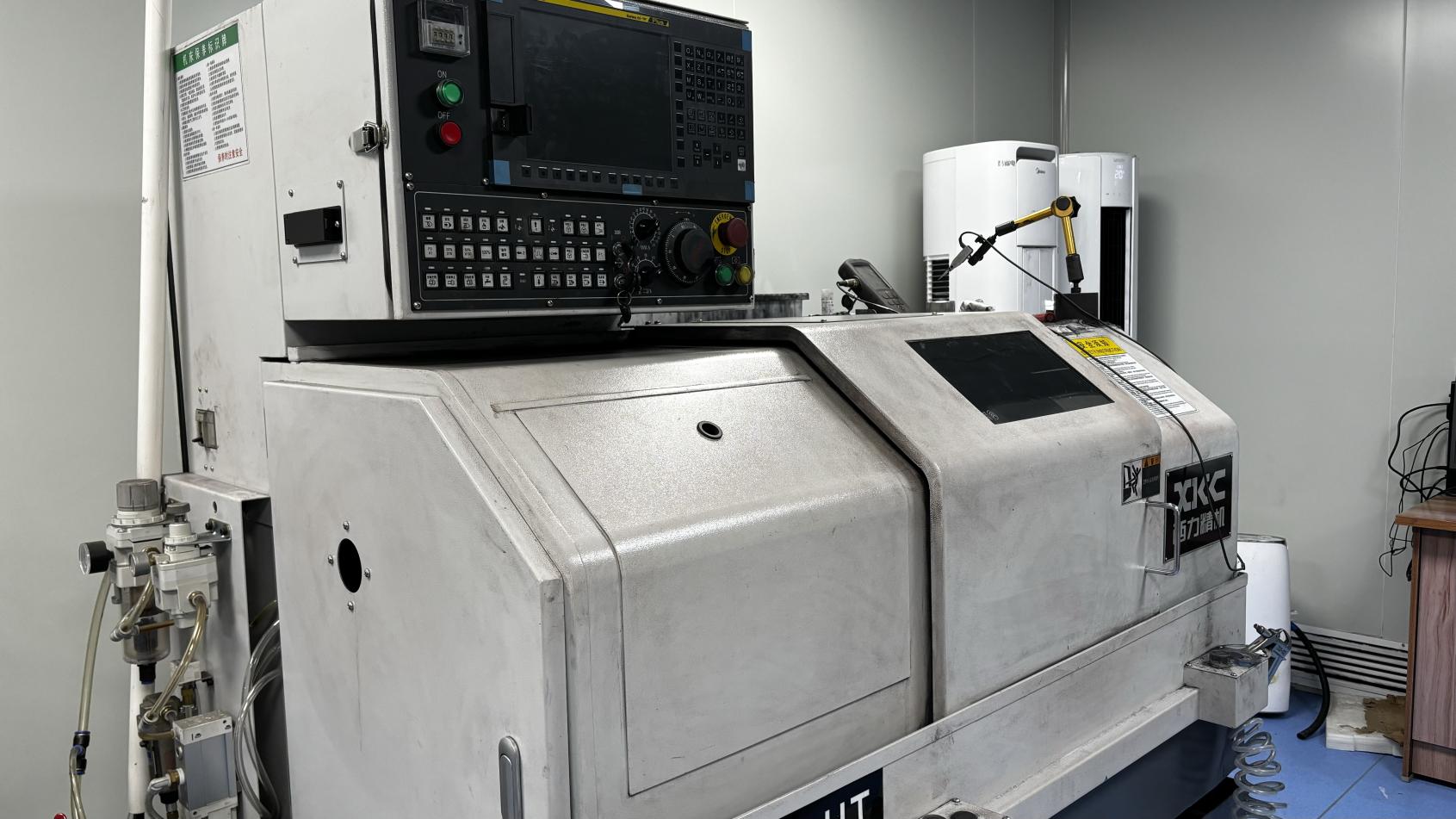
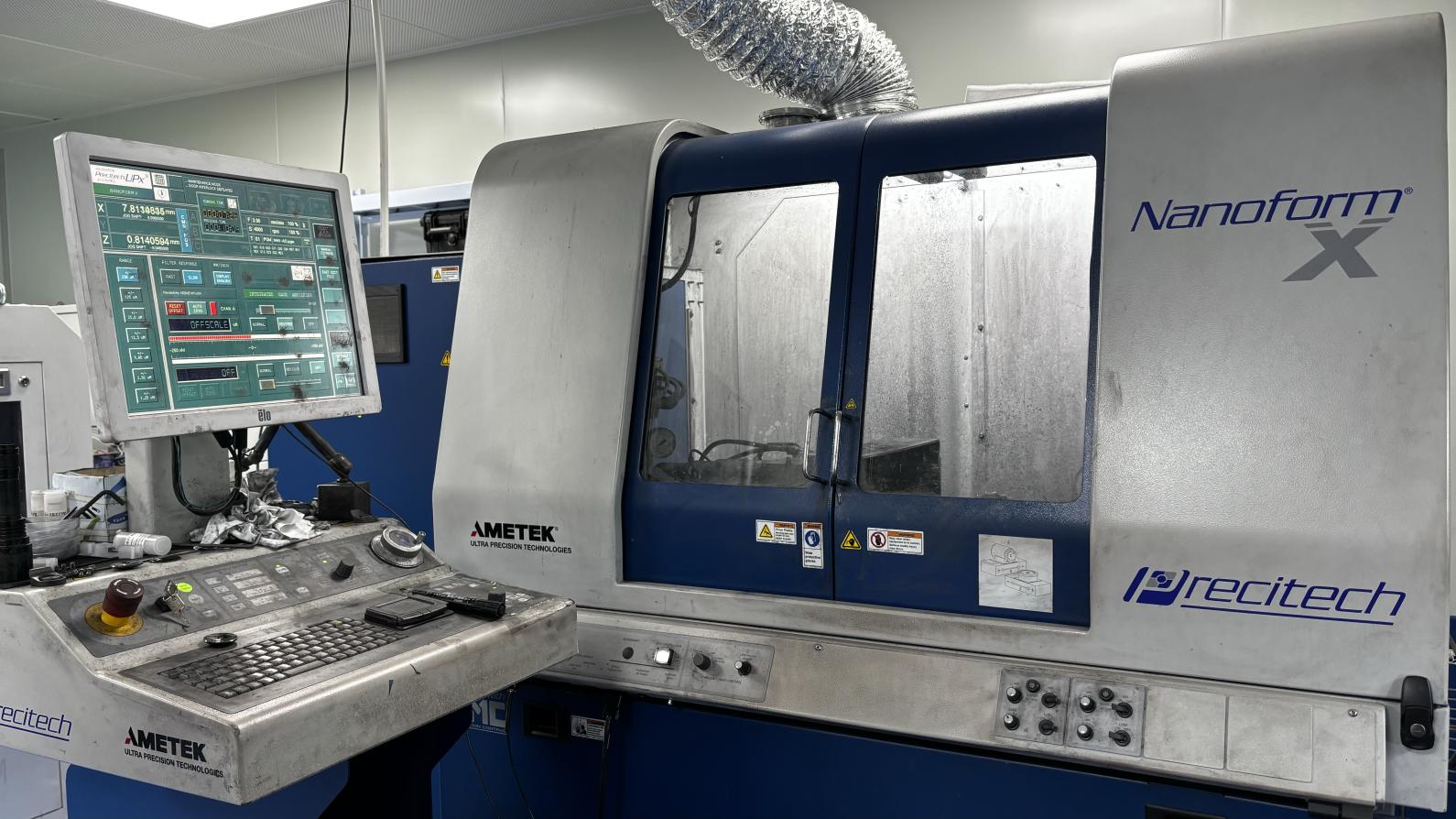
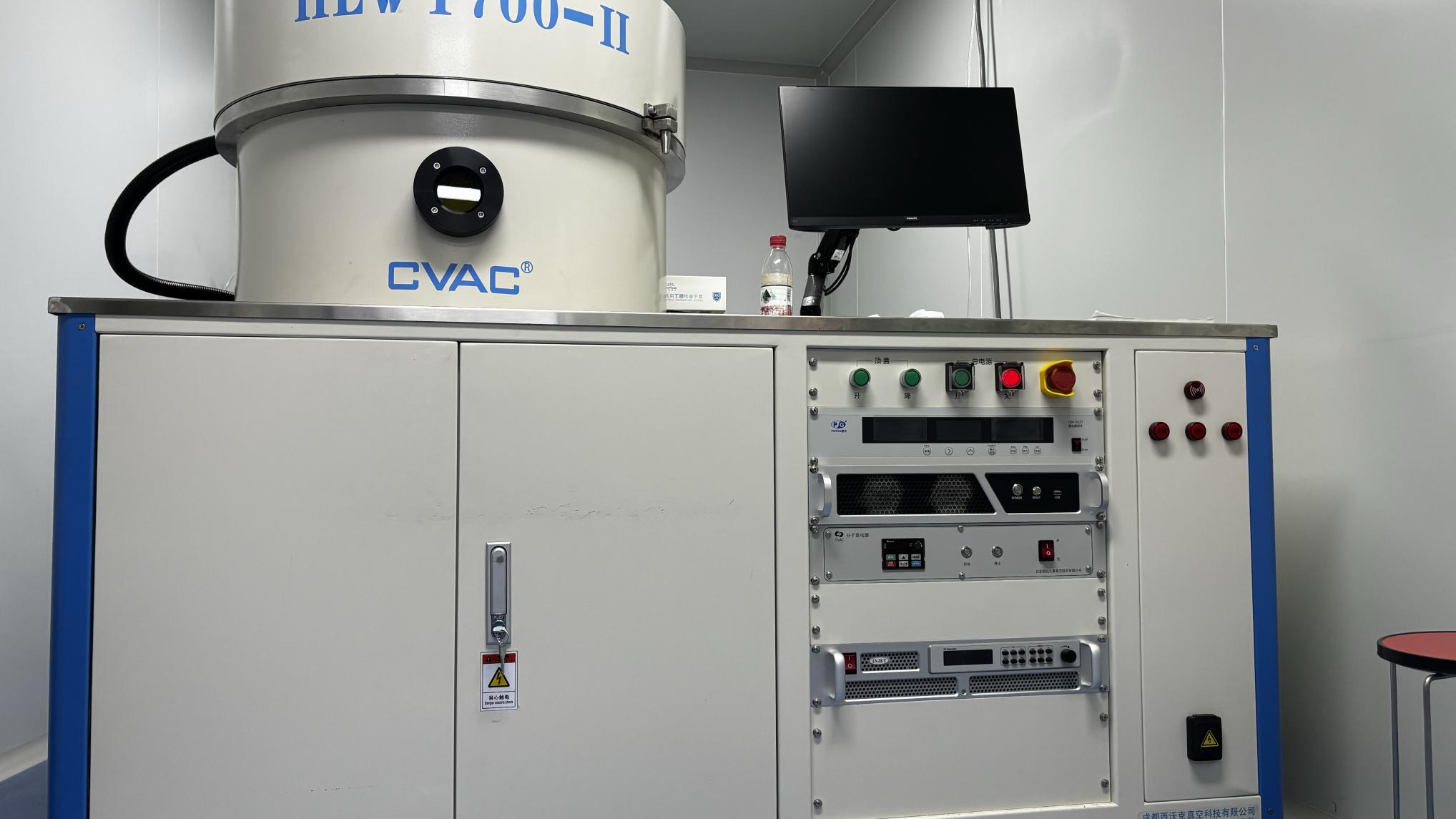
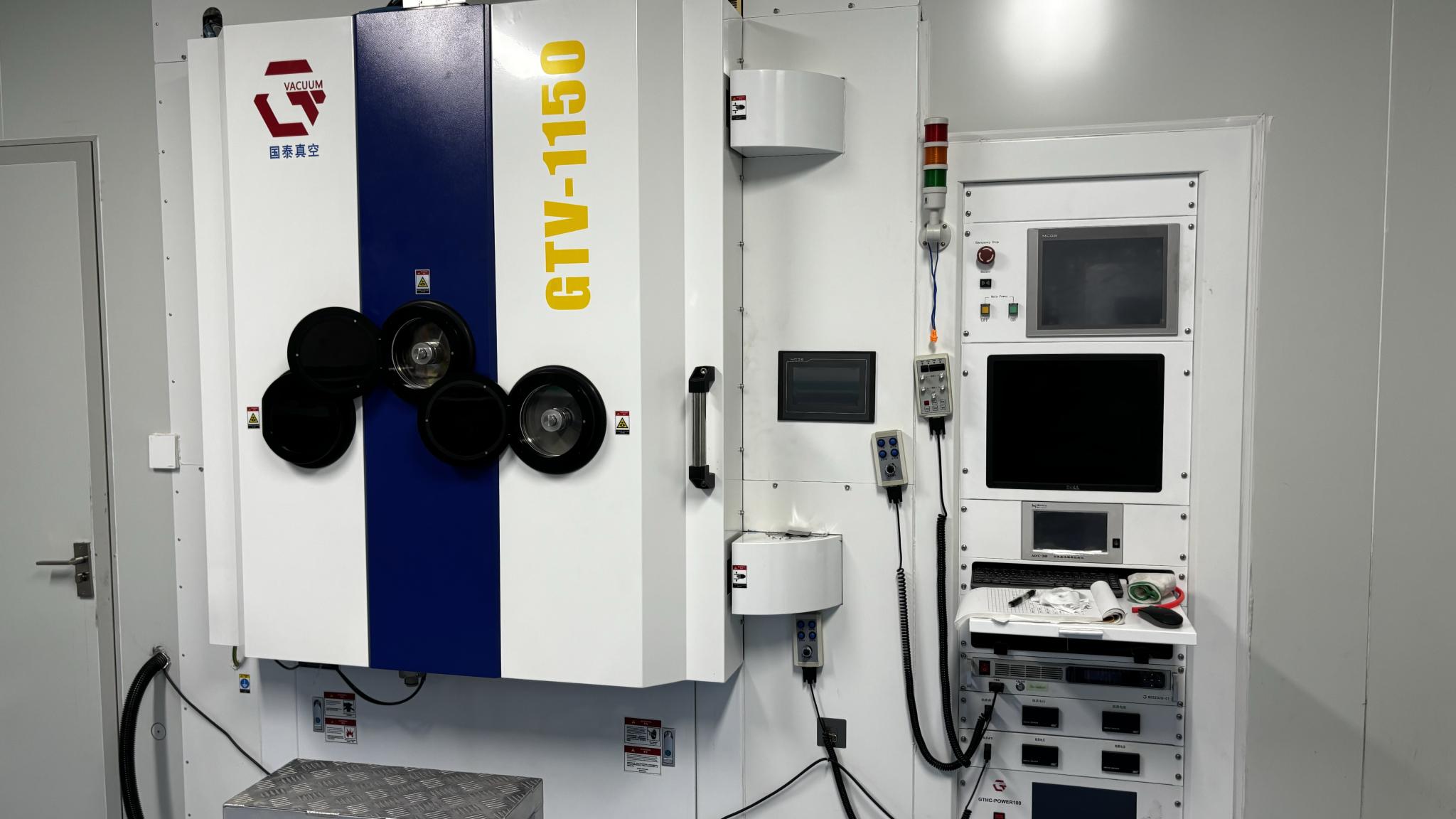
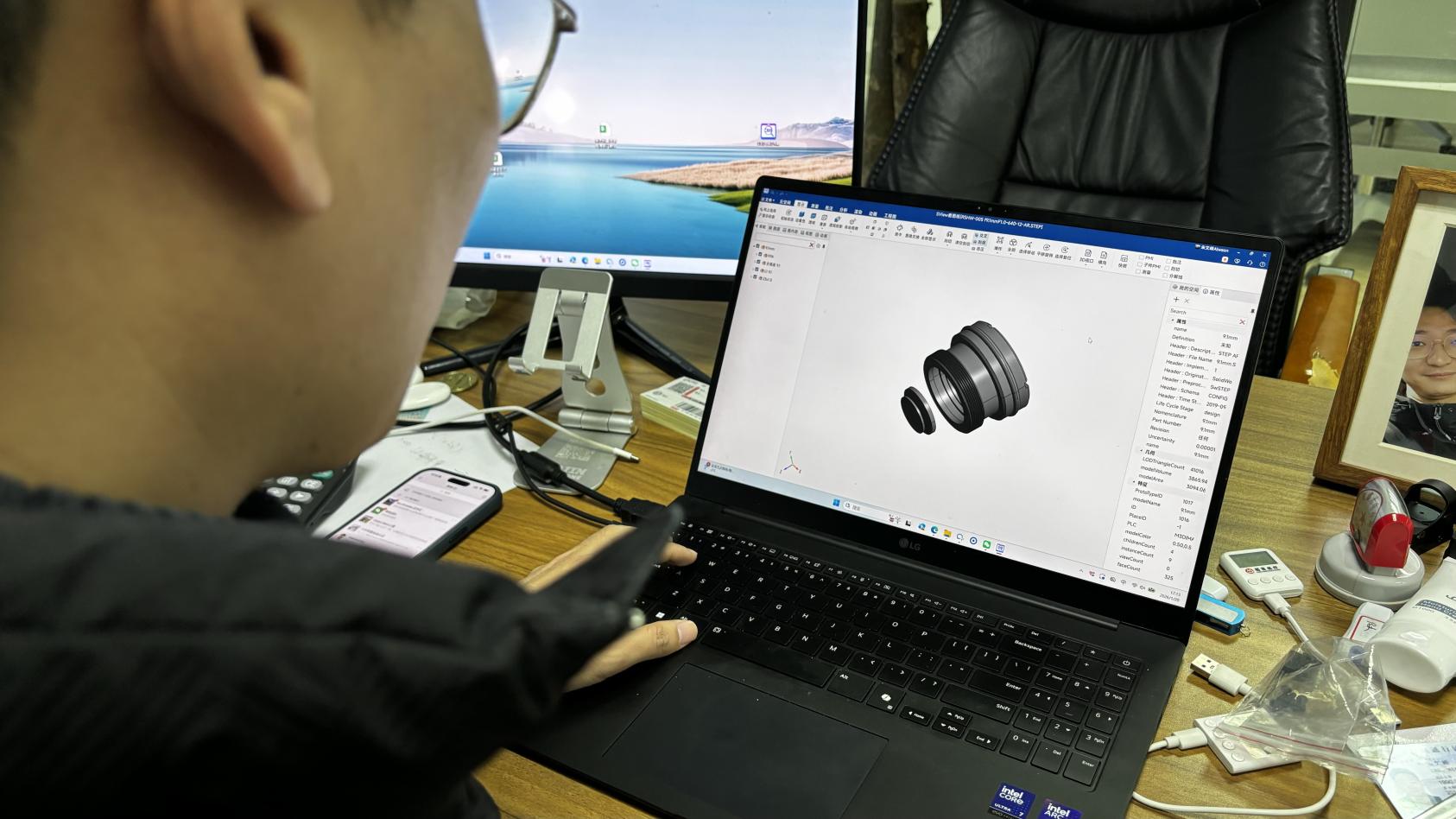
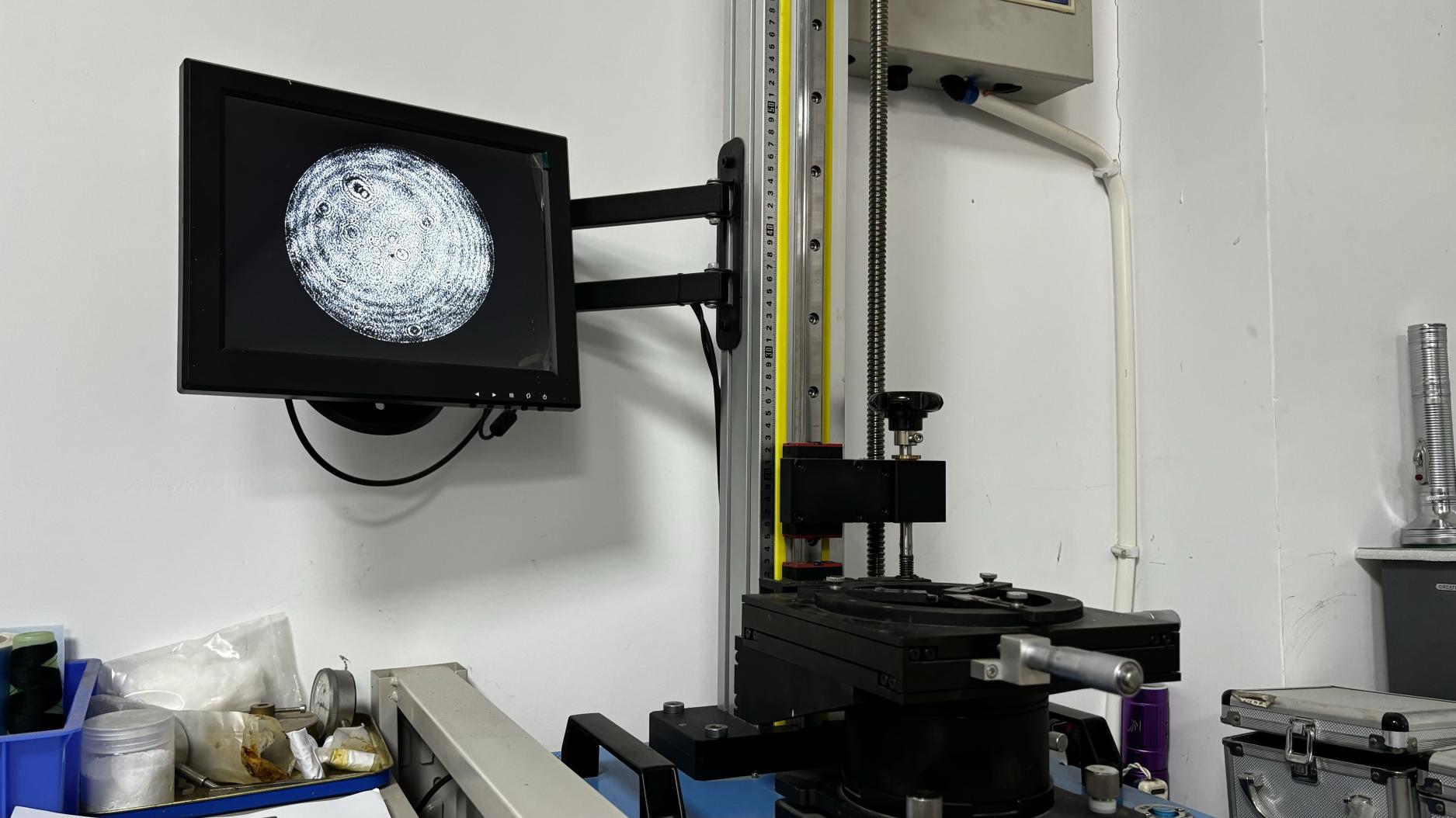
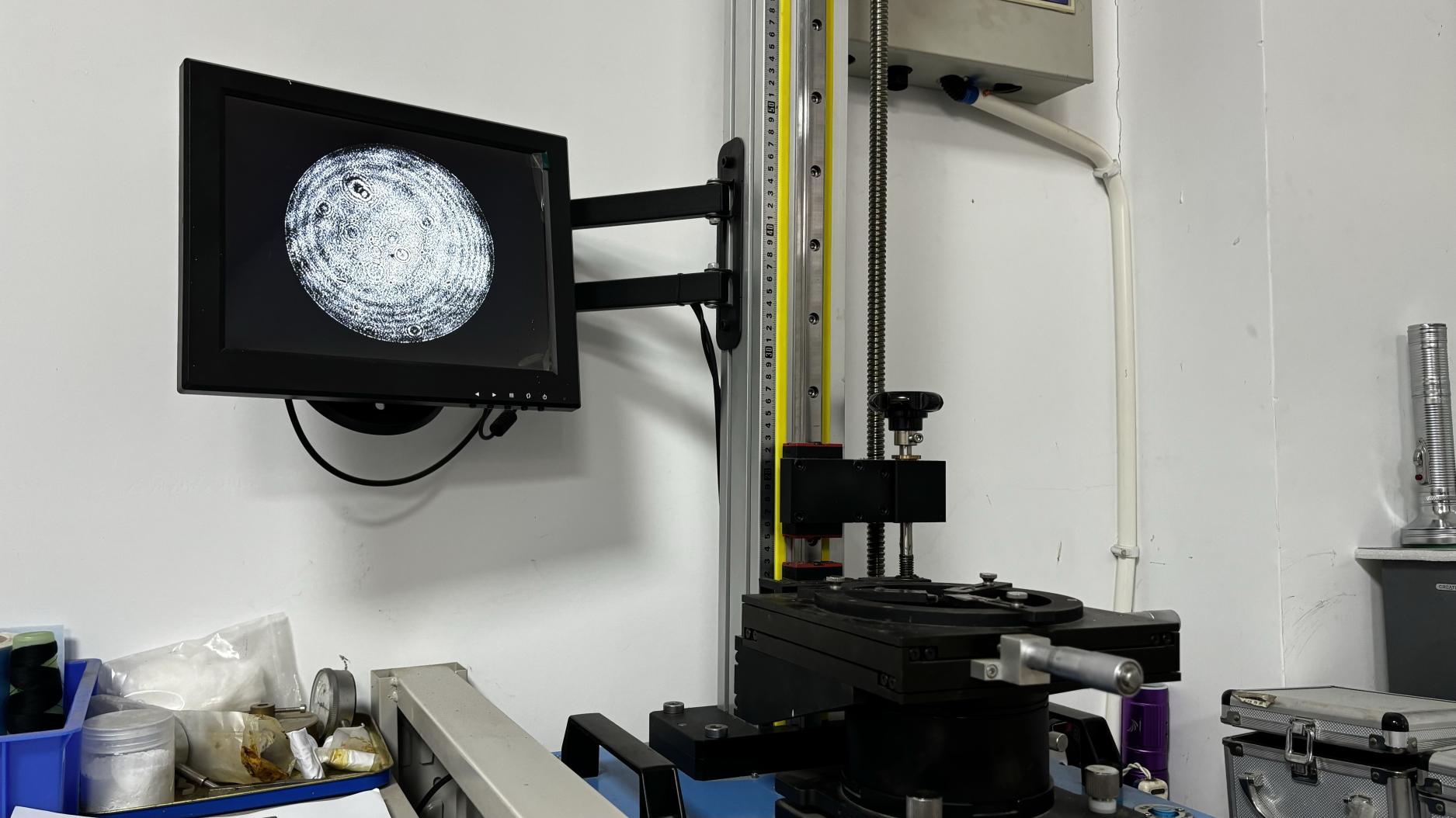
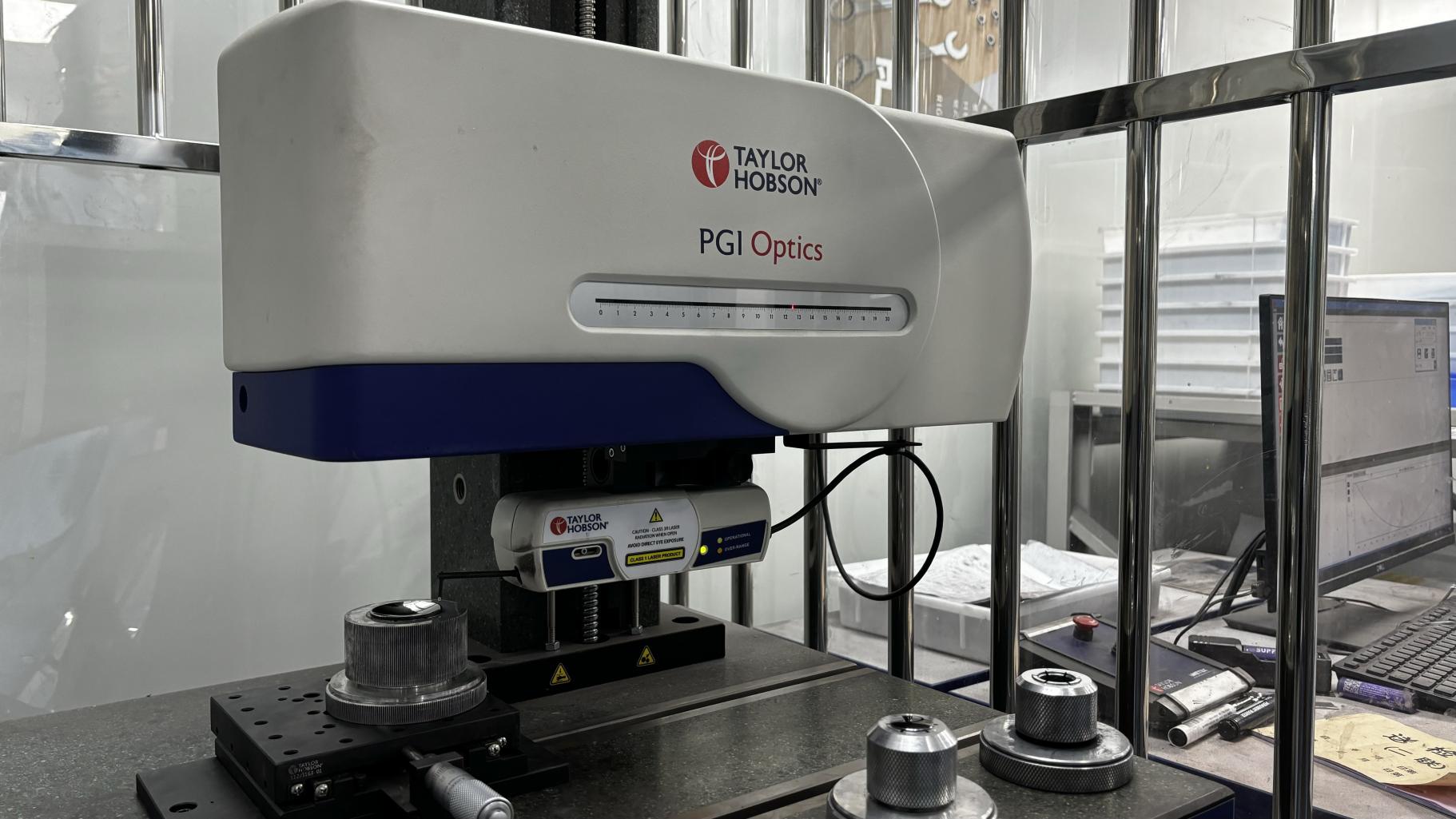
Minimizing configuration barriers by designing and programming custom optical modules.
We program transceiver EEPROMs in-house to simulate the original signatures of Cisco, Juniper, Arista, Extreme, Dell, and other primary switches. Overcome brand lock-in and optimize hardware expenses.
Request bespoke hardware modifications, customized labeling, custom packaging sleeves, and specialized branding. We supply firmware configurations tailored to match target networks.
FiddlLink operates global regulatory logistics networks. All optical transceiver models are manufactured in accordance with RoHS, CE, FCC, and REACH compliance certifications.
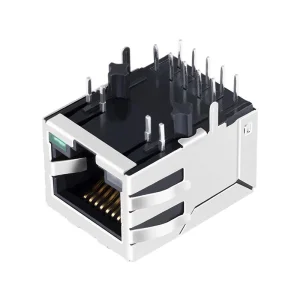
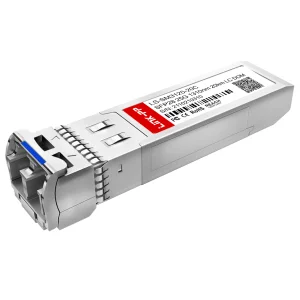
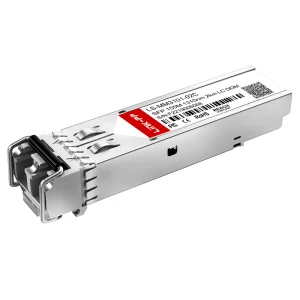
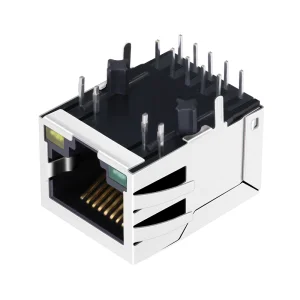
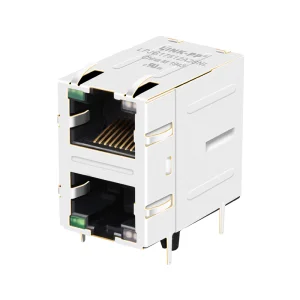
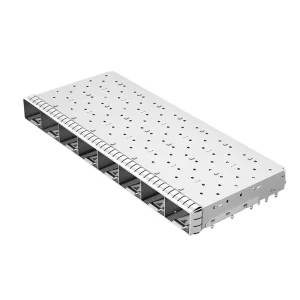
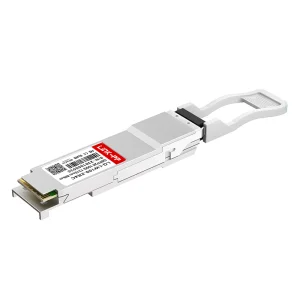
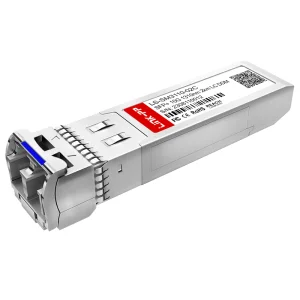
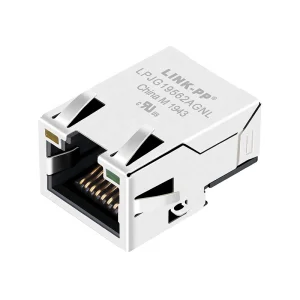
Explore our wide portfolio of copper connectors, high-speed SFP28/SFP+ transceivers, and optical cages designed for maximum compatibility.
Crucial deployment and hardware information compiled by our Senior Engineering Director.
40GBASE-SR4 transceivers utilize an MPO-12 optical interface. They transmit and receive signals over 8 independent fibers (4 transmitting and 4 receiving at 10G each). This requires parallel ribbon MPO/MTP cables.
QSFP+ BiDi (Bidirectional) transceivers utilize a duplex LC interface. They transmit two bidirectional 20G channels over a single pair of LC multimode fibers (utilizing 850nm and 900nm wavelengths). This allows network operators to upgrade from 10G to 40G without having to overhaul their existing LC duplex fiber cabling structure.
Yes. Many modern switches support 40G to 10G breakout configurations. By using a 40GBASE-SR4 transceiver with a physical MPO to 4x Duplex LC breakout fiber cable (or a Direct Attach Copper DAC breakout cable), you can partition a single 40G port into four discrete 10G SFP+ channels. You must configure the host switch interface via CLI (e.g., using command: speed split 10g or similar commands depending on OS) to recognize the breakout lanes.
We maintain an extensive in-house laboratory equipped with original network switches from Cisco, Arista, Juniper, Dell, Brocade, HPE, and Intel. During production, we write custom vendor-specific EEPROM registers (storing the MSA compliant serial number, Part Number, and checksum parameters) and test real-time DDM telemetry readouts. This ensures that when the transceiver is installed, it is recognized as a natively supported device, averting port-disabled errors.
40GBASE-LR4 multiplexes 4 distinct wavelengths onto one single-mode fiber pair using internal CWDM (Coarse Wavelength Division Multiplexing). It uses a Duplex LC connector and supports distances up to 10km.
40GBASE-PLR4 (Parallel LR4) does not multiplex. Instead, it utilizes parallel single-mode ribbon fiber with an MPO-12 connector, transmitting 4 discrete 10G single-mode signals over 8 fibers. This configuration is typically used when you need to run breakout connections to 4 separate 10GBASE-LR SFP+ ports up to 10km away.
Yes. All of our 40G QSFP+ transceiver products feature active Digital Diagnostics Monitoring (DDM / DOM) compliant with SFF-8472. This provides network engineers with real-time diagnostic parameters, including laser transmitter bias current, optical output power, optical input power (Rx power levels), transceiver supply voltage, and internal module temperature. These values can be monitored dynamically via SNMP or switch console commands.