FiddlLink
FiddlLink
FiddlLink
Explore our premium stackable, magnetic, and combination modular jacks, engineered to minimize board space and optimize signal transmission efficiency.
Industry R&D Experience
Strategic Supply Chain Partners
Annual Global Export Revenue
New Connectivity Products Launched Annually
How combining Ethernet interfaces and USB stacks addresses the challenges of physical real estate, board design, and high-frequency noise mitigation.
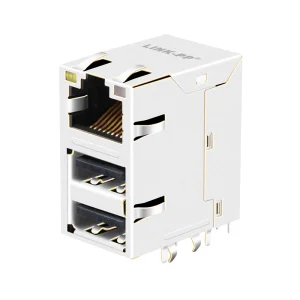
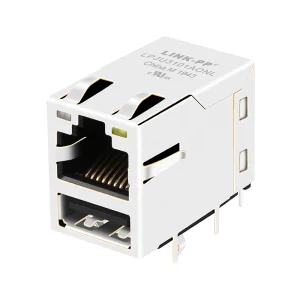
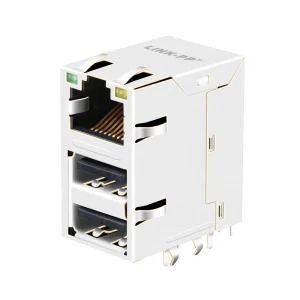
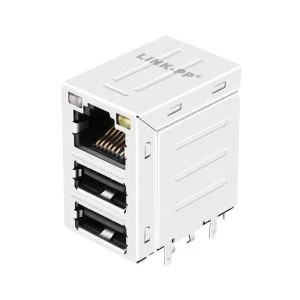
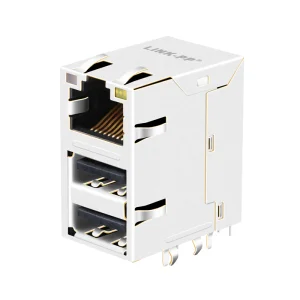
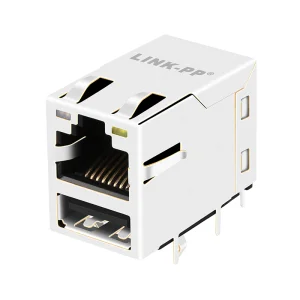
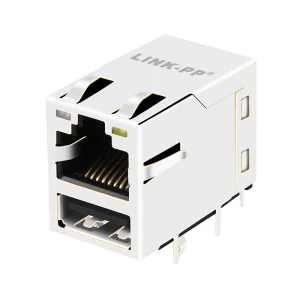
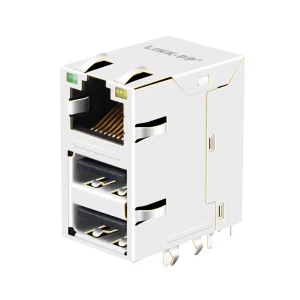
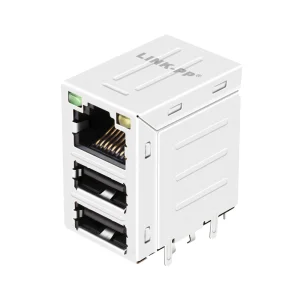
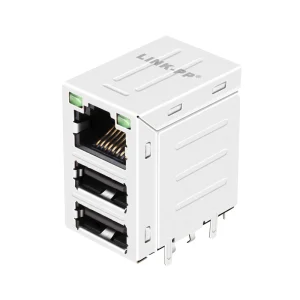
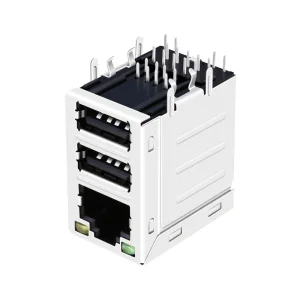
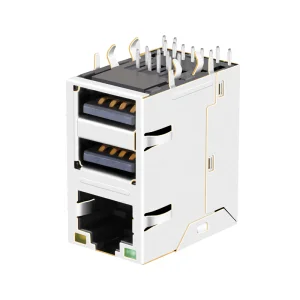
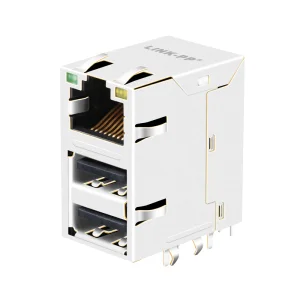
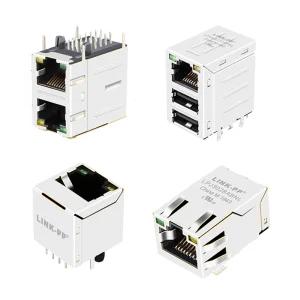
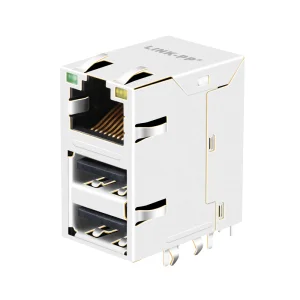
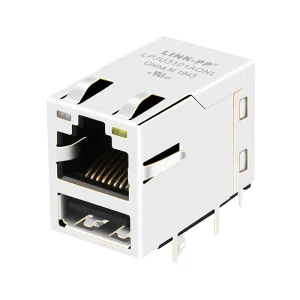
Modern electrical engineering calls for high-density, low-latency interconnection interfaces. Integrating a RJ45 female connector with a USB port into a single unified housing—referred to to as the RJ45/USB combo or stack connector—has transitioned from a convenient convenience to an engineering standard. By placing these critical ports in a single vertical or horizontal component, design engineers can save up to 60% of the printed circuit board (PCB) edge area compared to traditional discrete connectors.
Combining high-speed digital buses (like USB 3.0/3.2, transferring data up to 5Gbps or 10Gbps) and high-frequency network connectivity (such as Gigabit Ethernet or 10G Base-T) introduces significant challenges. Signal crosstalk, impedance mismatch, and electromagnetic interference (EMI) can impair communication channels if not properly isolated. Integrated RJ45 and USB combo assemblies solve this via advanced engineering: dedicated shielding, structured grounding pins, and embedded magnetic modules (MagJacks) that suppress common-mode noise and protect delicate IC controllers from transient power surges.
A comprehensive breakdown of structural dimensions, plating configurations, and electrical specifications across our RJ45-USB combination line.
When engineering high-performance connectors, material choice dictates the operational lifespan. Our RJ45 Female Connectors with USB ports are designed to operate under harsh mechanical and thermal environments. Gold plating thickness on the contact mating points is critical for ensuring reliable contact resistance and preventing signal dropouts over thousands of mating cycles.
| Feature / Parameter | RJ45 Ethernet Contact Performance | USB 3.0 / USB 2.0 Interface Contact | Shielding & Outer Isolation Shell |
|---|---|---|---|
| Mating Style | Tab Up / Tab Down, RJ-45 8P8C | USB Type-A (Dual or Single Stacked) | Full Metal Shell wrapping, solderable grounding tabs |
| Gold Plating Options | Flash, 15μ", 30μ", or 50μ" gold over nickel | 30μ" gold plating on active signal contacts | Nickel plated brass / phosphor bronze (.008" thickness) |
| Current / Voltage Rating | 1.5 Amps max per contact at 125 VAC | 1.8 Amps for VBUS, 0.25 Amps for others | Dielectric strength: 1500V AC minimum for 1 minute |
| Operating Temperature | -40°C to +85°C (Standard industrial range) | -40°C to +85°C (Compatible reflow profiles) | Compatible with lead-free wave soldering (up to 260°C) |
| Internal Magnetics | Integrated Transformers & common-mode chokes | Decoupling capacitors custom-integrated upon spec | Internal crosstalk prevention barrier plate |
Choosing the correct gold plating thickness is essential. For consumer-grade devices, gold flash may suffice, but for industrial automation, railway, telecommunication base stations, and aerospace systems, 50μ" gold plating is mandatory. It ensures gas-tight connections, resists mechanical wear, and maintains less than 20mΩ contact resistance over the component's lifetime.
Analyzing how integrated RJ45 & USB connectors are deployed across different regions, compliance frameworks, and infrastructure standards.
In Smart Factories throughout North America and Europe, space in DIN-rail industrial computers is limited. Our dual USB 3.0 and Gigabit Ethernet combo connector provides localized data retrieval (USB) and uplink control (RJ45) in a single module, ensuring continuous operation in high-noise, high-vibration CNC settings.
In telecommunication installations across South America and the Middle East, baseband processing units use RJ45 ports for network management and USB ports for system debugging. Our shielded hybrid connectors withstand outdoor thermal fluctuations and prevent ESD discharge.
In Asian retail markets, integrated POS terminals, ticketing machines, and automated kiosks use these connectors to interface with local registers (USB) and central cloud management platforms (RJ45) reliably, minimizing system footprint and cabinet wiring congestion.
The global transition towards Industry 4.0 has driven demand for high-reliability combination connectors. By deploying integrated components, system integrators can standardize their PCB layouts, reduce Bill of Materials (BOM) complexity, and ensure compliance with regional electromagnetic emissions standards. Our connectors are designed with integrated LED configurations (green, yellow, red, and blue) to provide visual status diagnostics, reducing troubleshooting downtime for field technicians.
The engineering trajectory of integrated connectivity: Scaling throughput, power delivery, and high-frequency shielding.
As device throughput requirements continue to escalate, traditional USB Type-A and Cat5e interfaces are reaching their limits. The next generation of industrial communication relies on the integration of USB Type-C (supporting USB 3.2 Gen 2 and USB 4) alongside Cat6A or Cat8 RJ45 Female Connectors. This design evolution introduces two main engineering challenges: heat dissipation and high-frequency insulation.
Under the USB Power Delivery (PD) specification, Type-C ports can deliver up to 100W (or 240W in Extended Power Range mode) of power. When positioned close to an Ethernet port carrying Power over Ethernet (PoE+ or PoE++ up to 90W), thermal management becomes critical. Our R&D team is actively engineering ceramic insulation barriers and heat-conductive shielding alloys to ensure that thermal loads do not degrade the electrical insulation properties of the connector housing, which is manufactured from UL 94V-0 rated thermoplastic.
Combining R&D expertise, high-volume production control, and logistical capabilities to deliver reliable connectivity products globally.
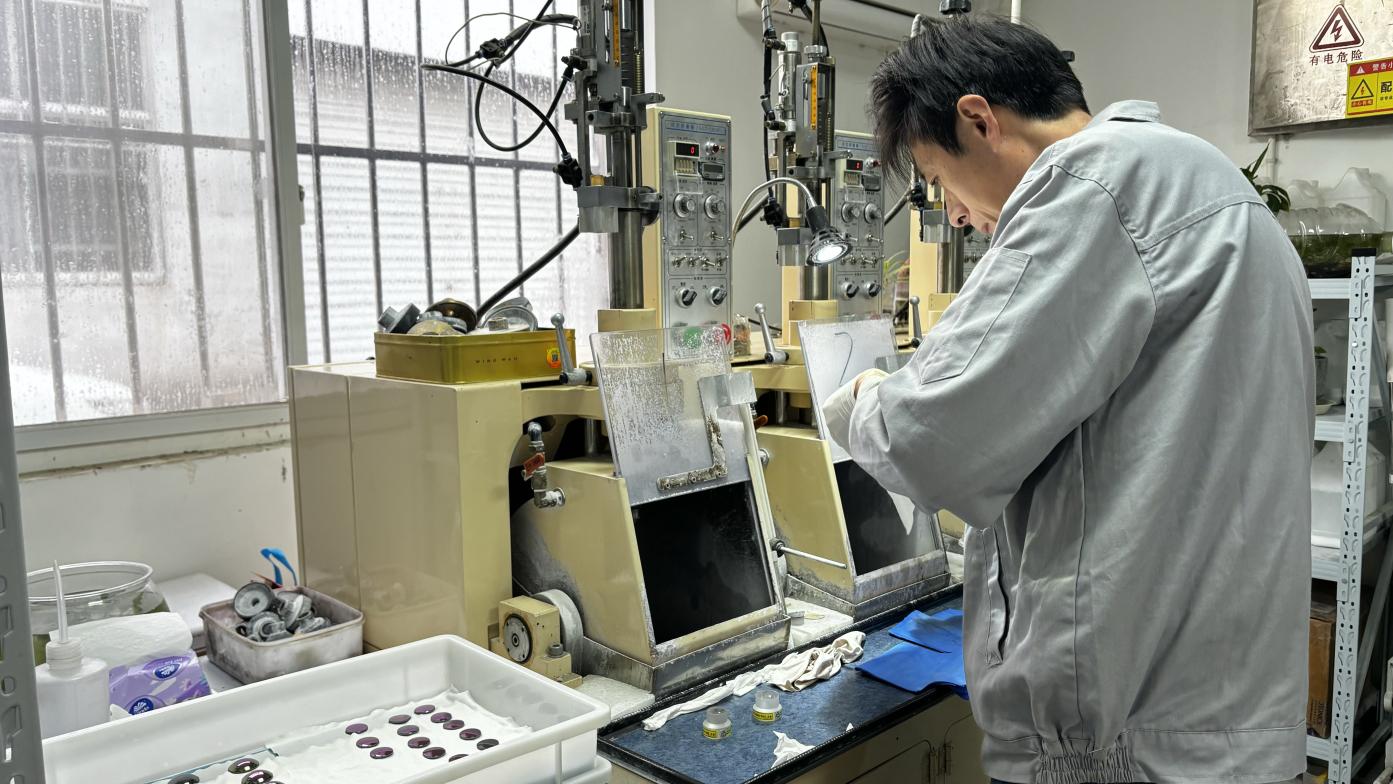
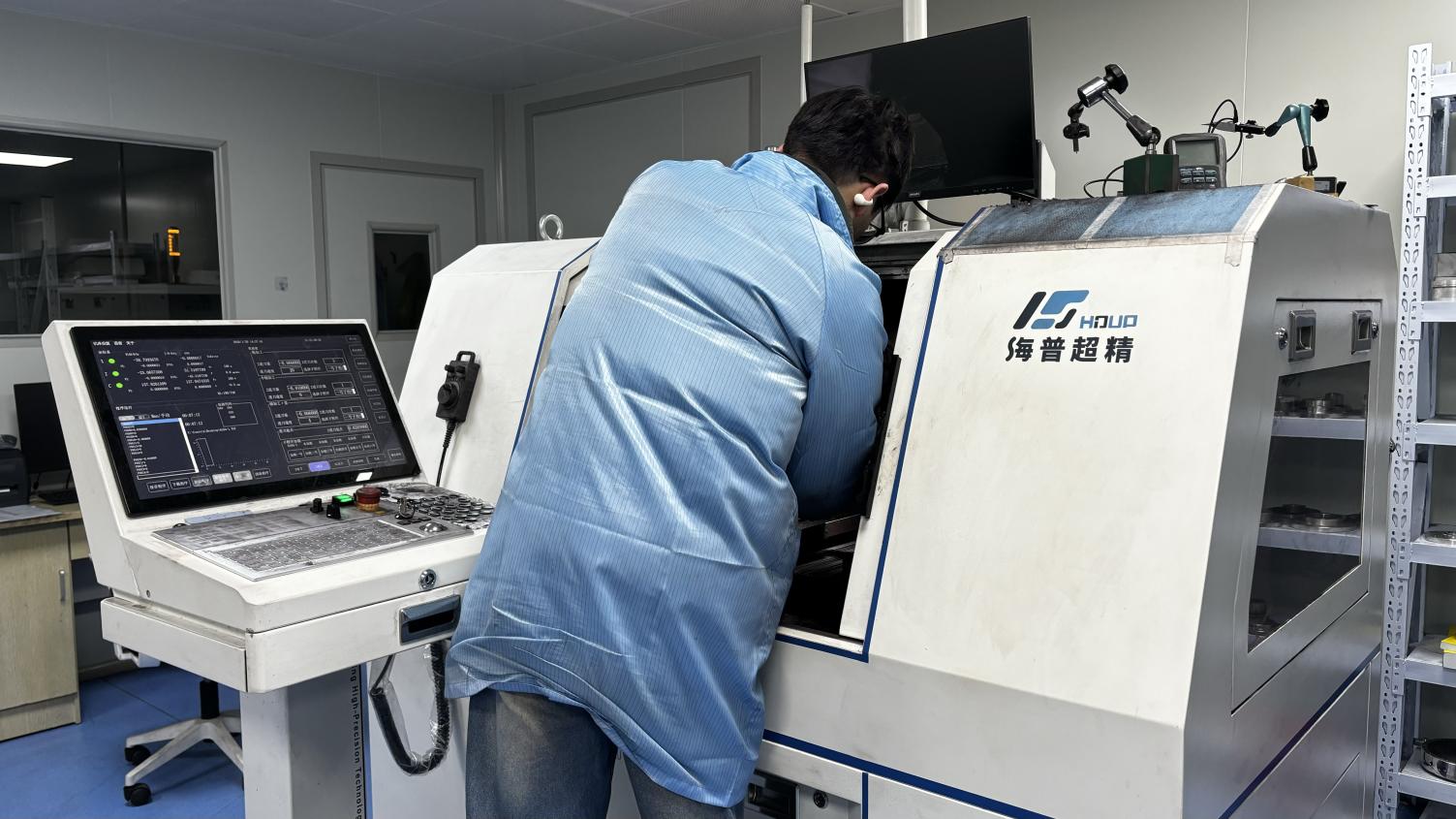
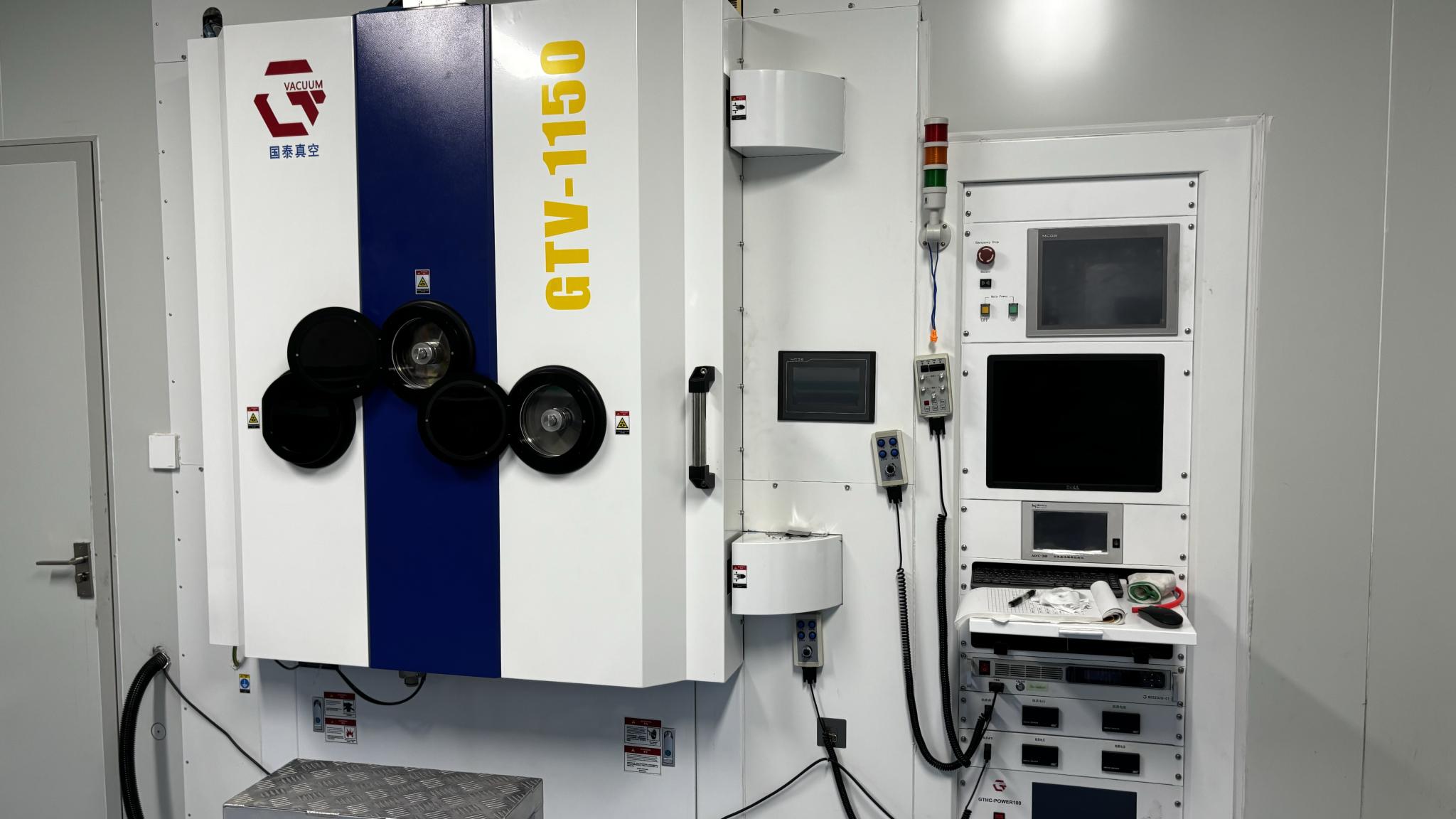
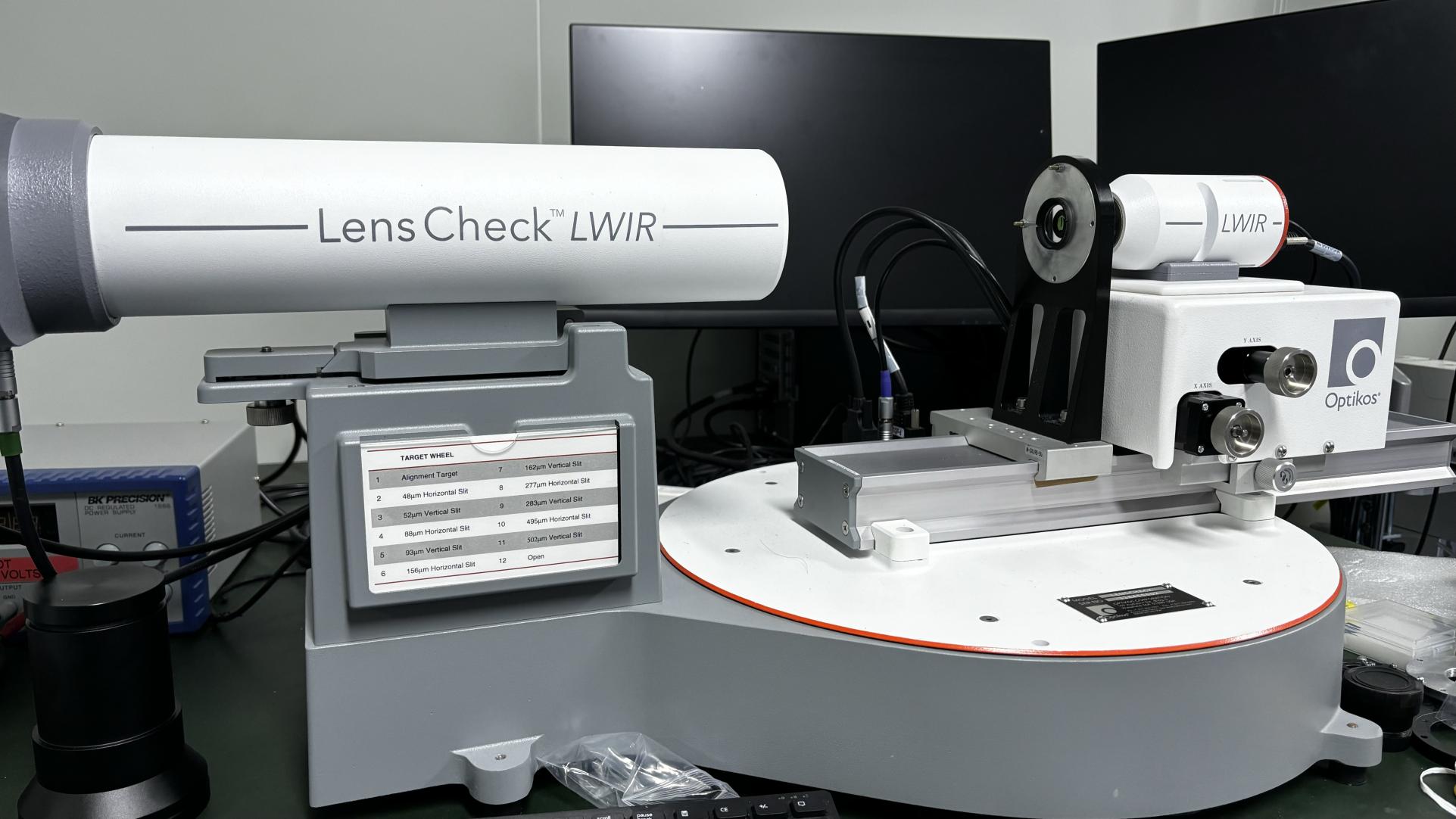
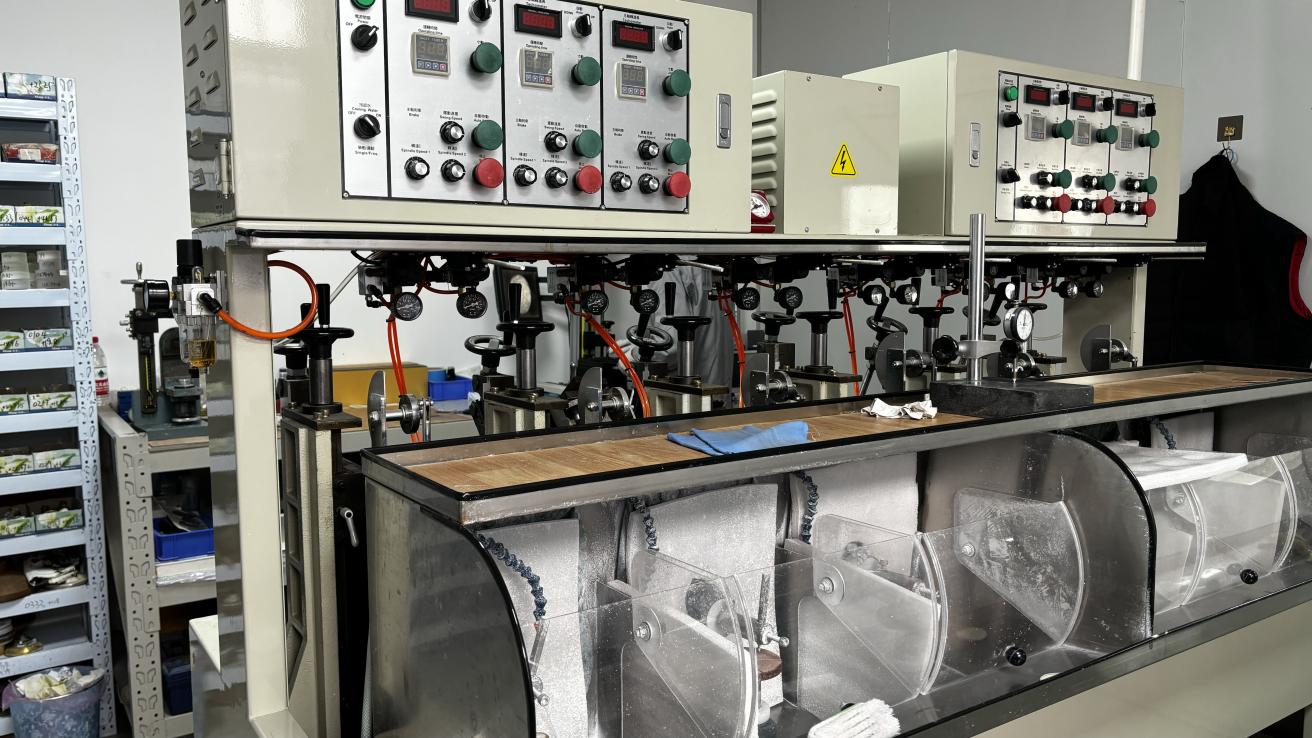
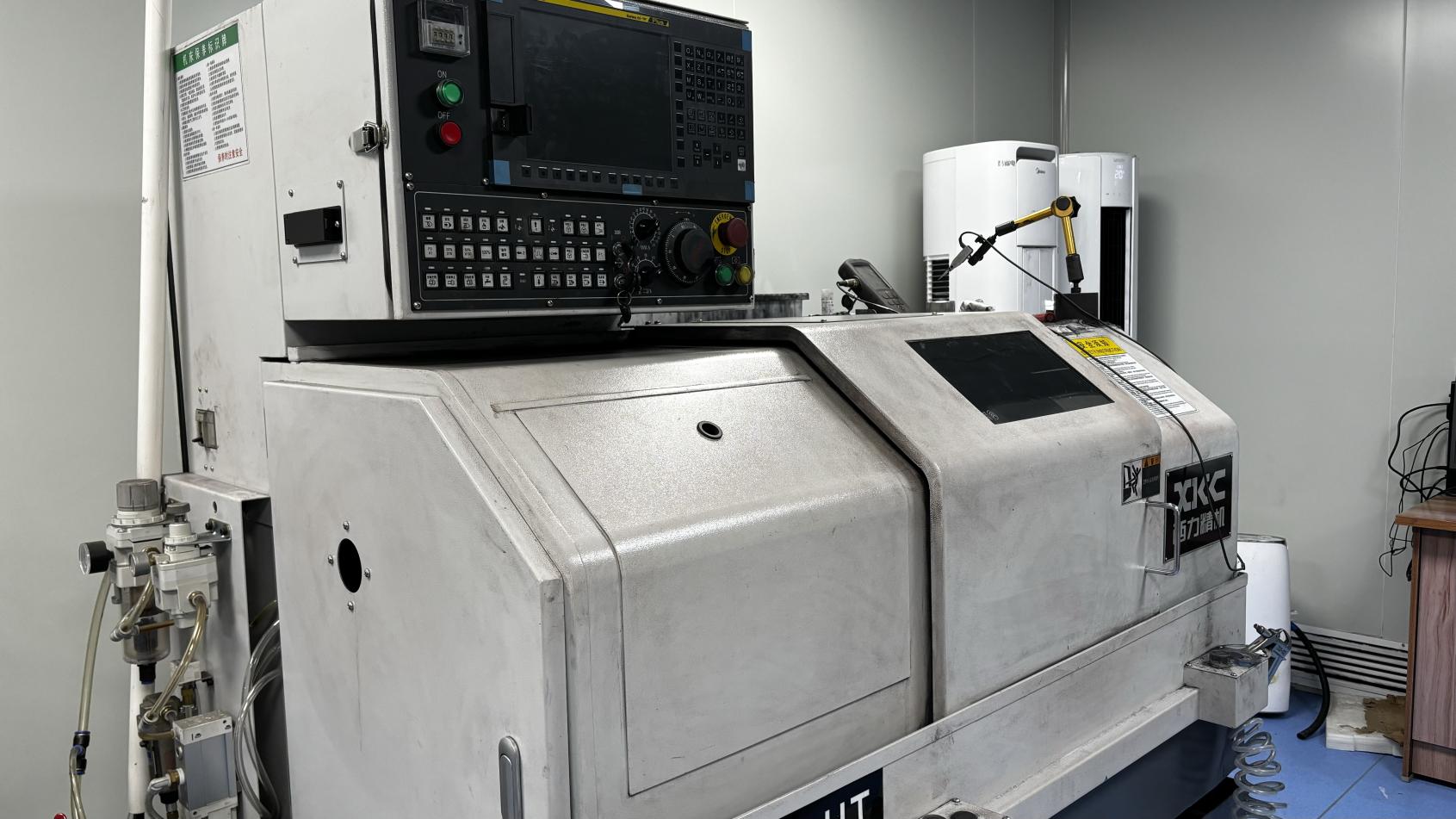
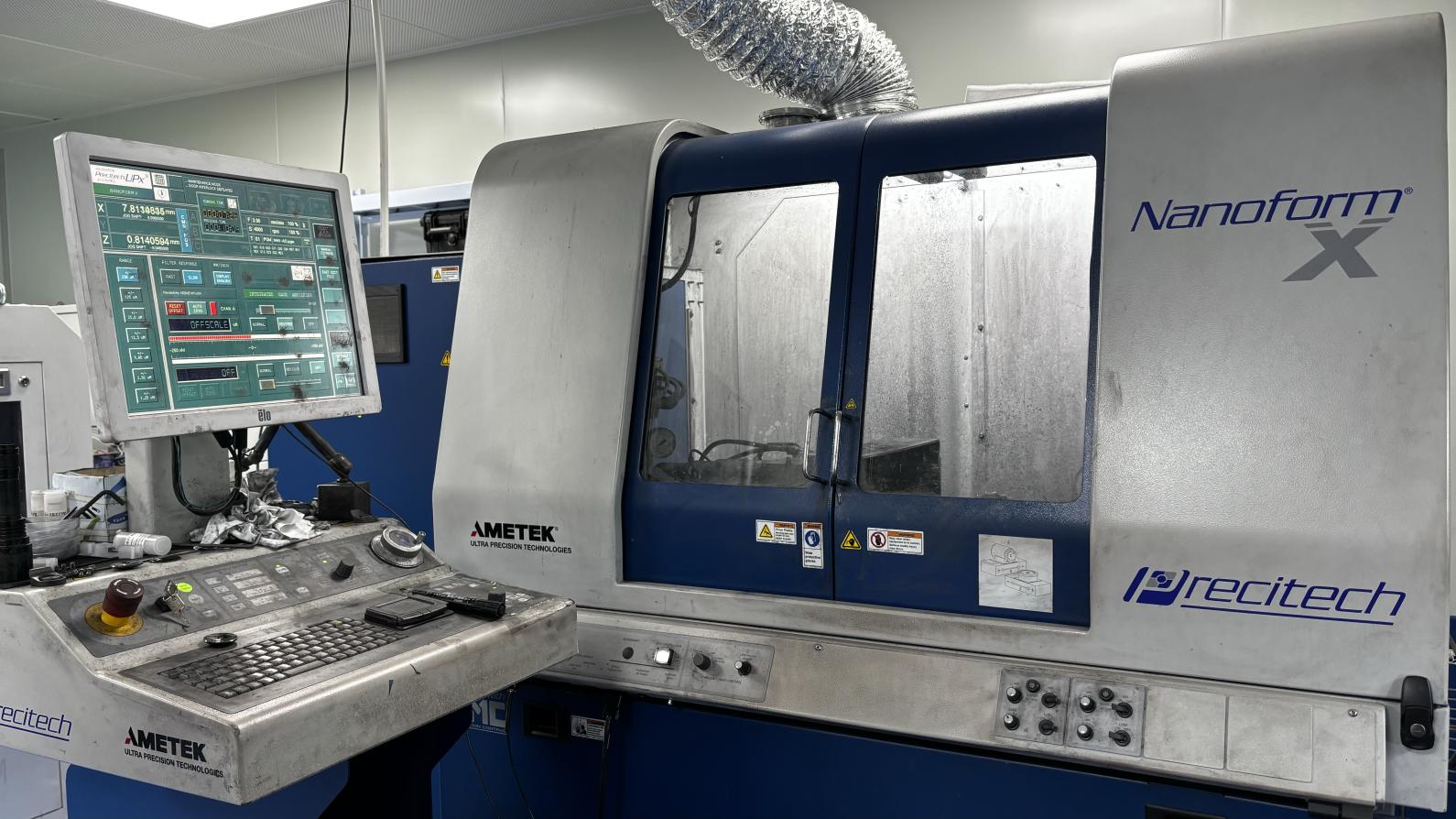
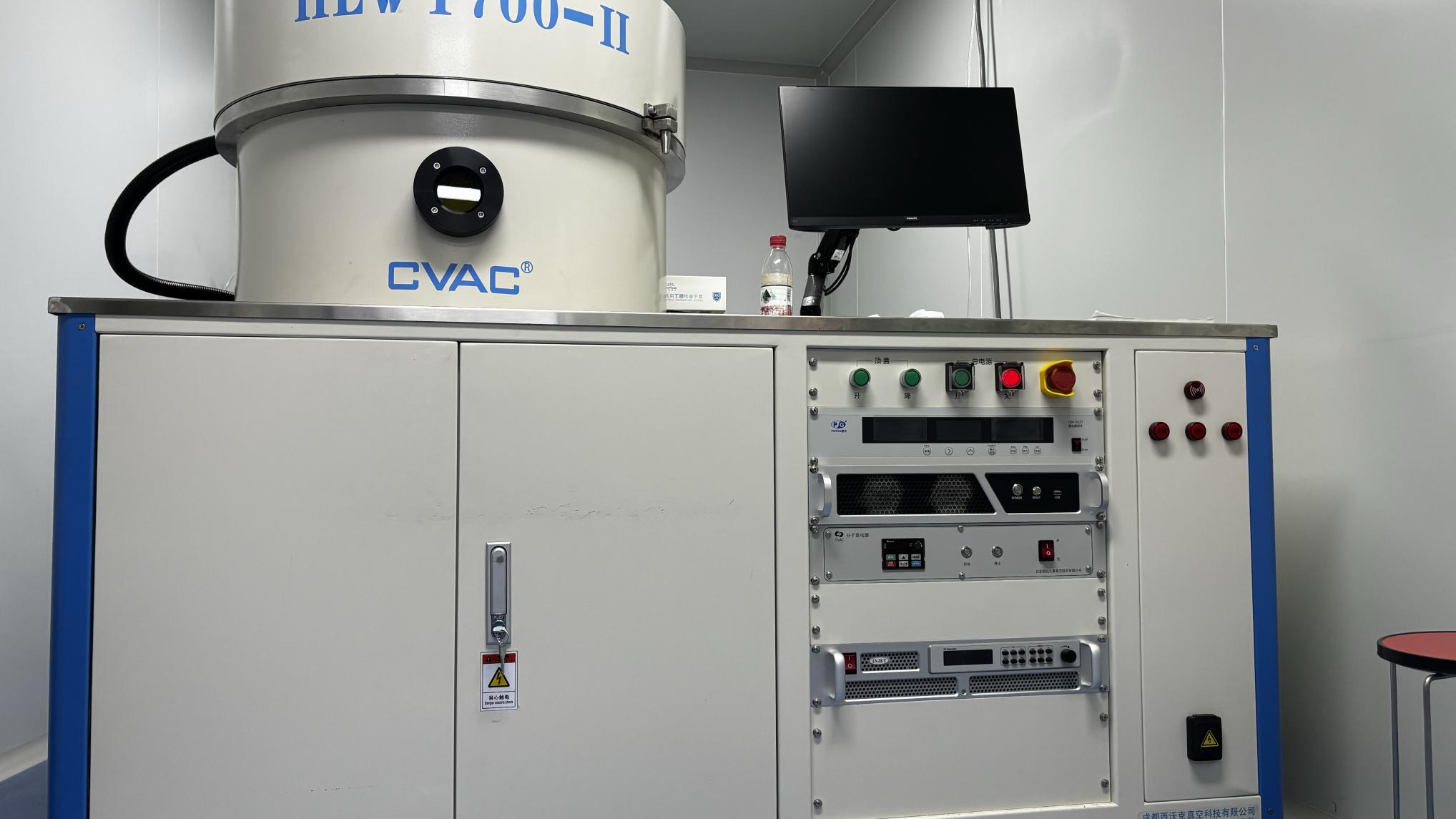
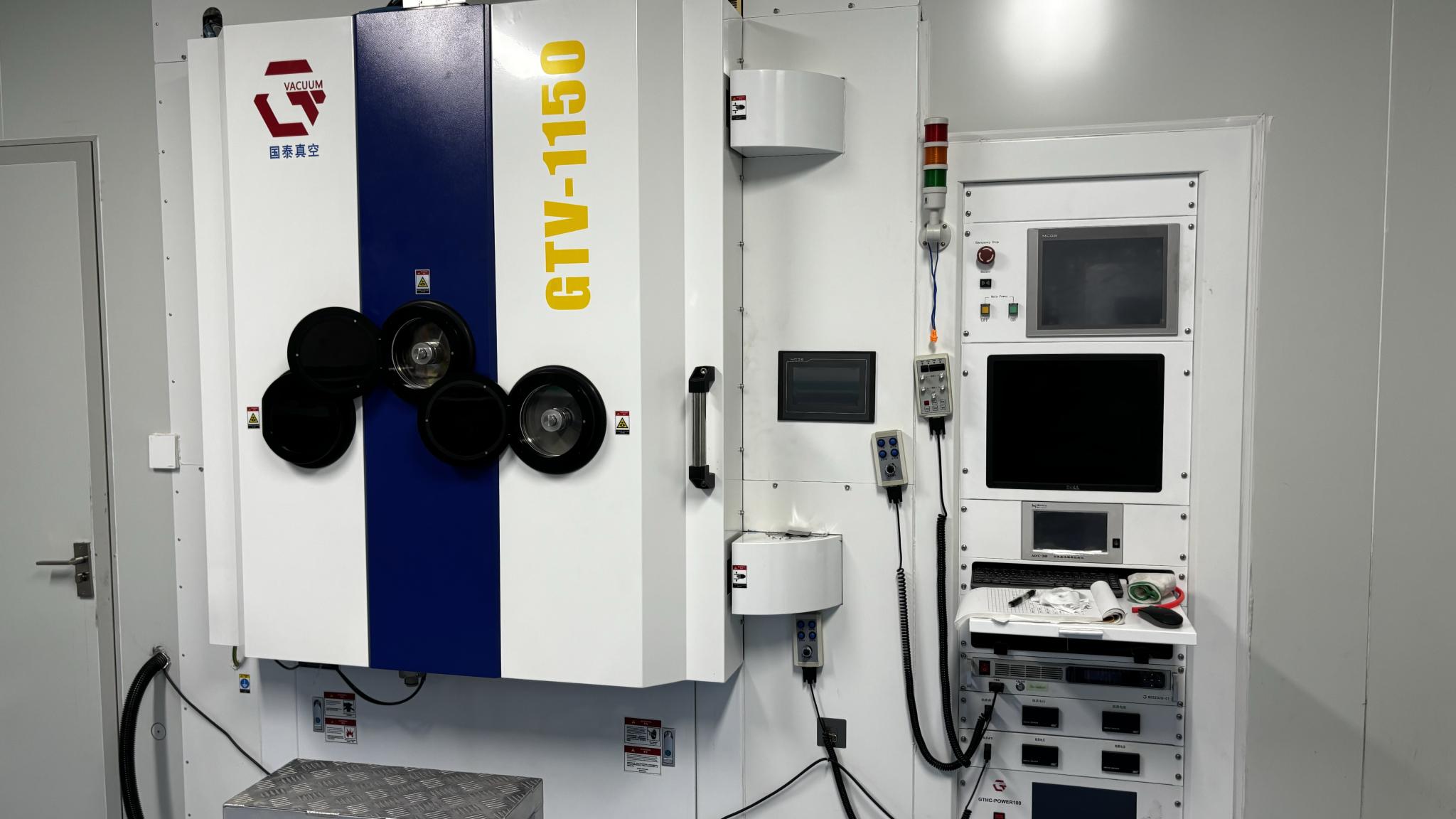
FiddlLink Optical Technology Co., Ltd. (established in 2016) is a manufacturer and supplier of optical networking modules and integrated connectivity components. Drawing on over 12 years of industry experience and 8 years of global export operations, we serve system integrators, telecommunication operators, and OEM/ODM clients worldwide. Our modern manufacturing facility operates to cleanroom standards, housing specialized production, polishing, and high-frequency testing equipment.
With an annual export revenue of approximately USD 18 million, our supply chain incorporates more than 850 strategic raw material partners. This enables us to maintain stable production capacity, absorb market fluctuations, and ensure short lead times. We maintain a dedicated staff of 42 professional quality control specialists. Every shipment undergoes strict inspection, from raw metal and plastic inspection to optical performance testing, high-frequency signal analysis, and environmental aging verification before final dispatch.
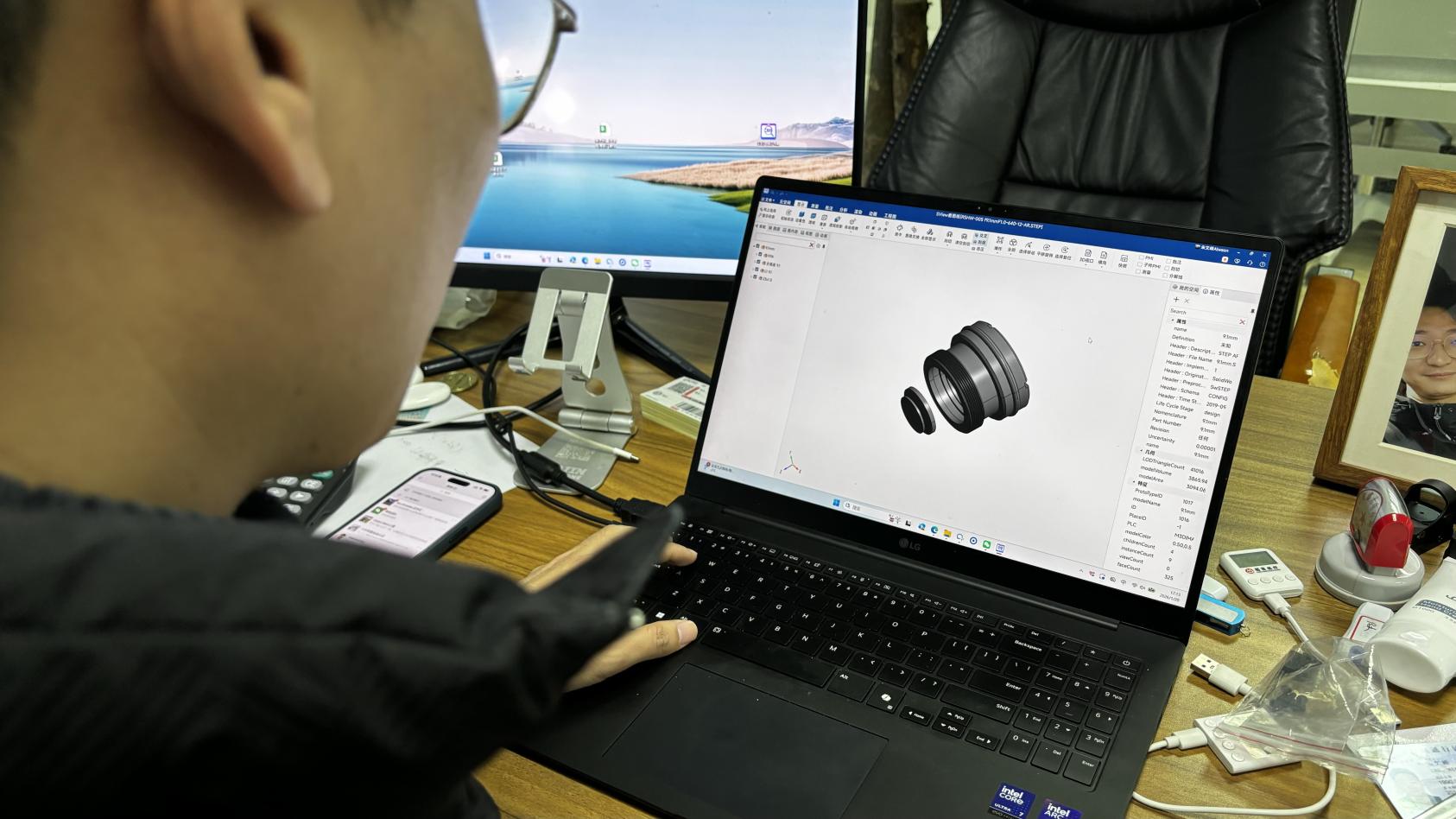
Our R&D team consists of 126 engineers and technical specialists who develop components that meet changing market requirements. In the past year alone, FiddlLink successfully developed and introduced 186 new product designs, offering customers custom hardware design, packaging solutions, label engraving, and electrical layout configurations.
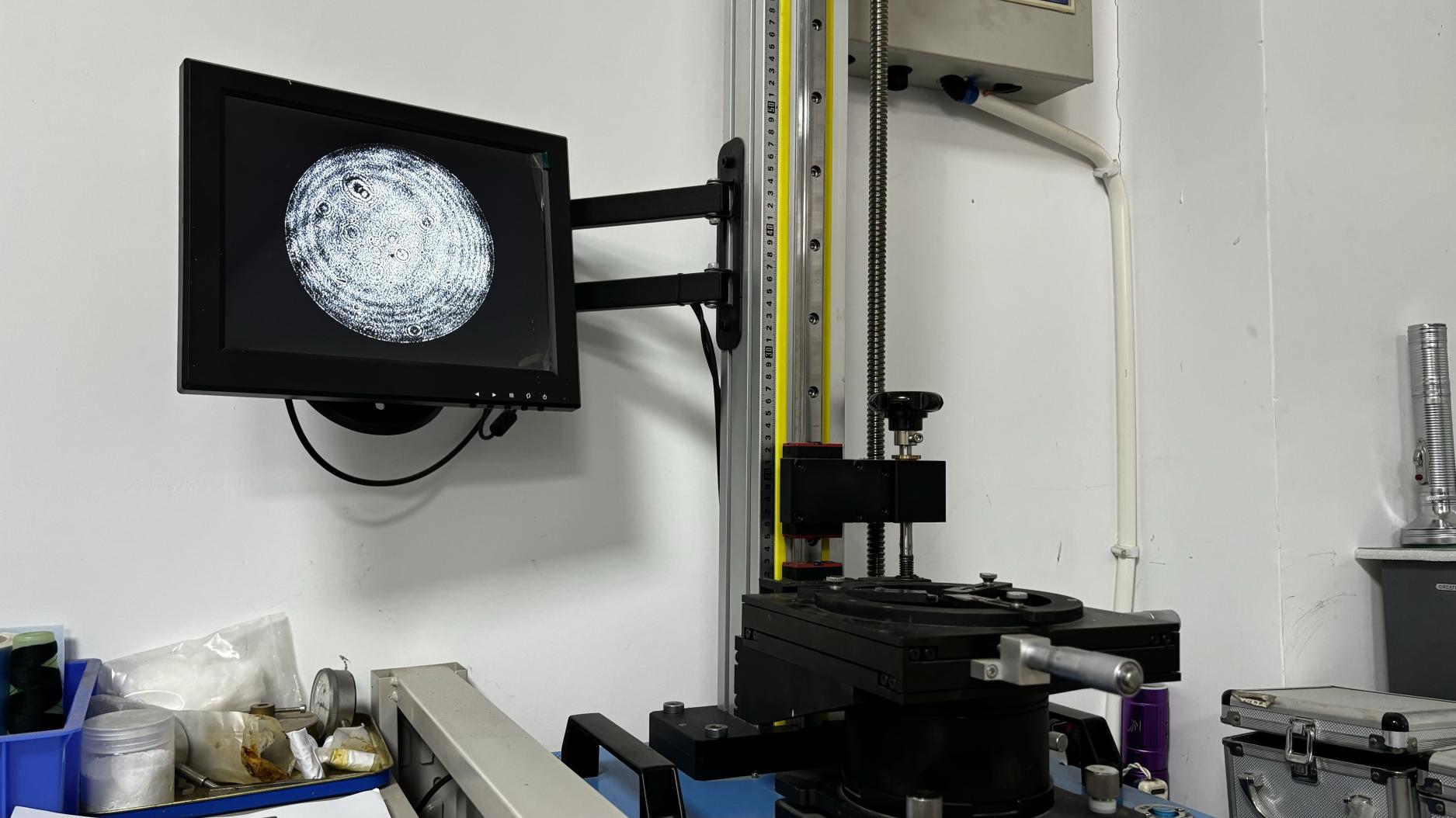
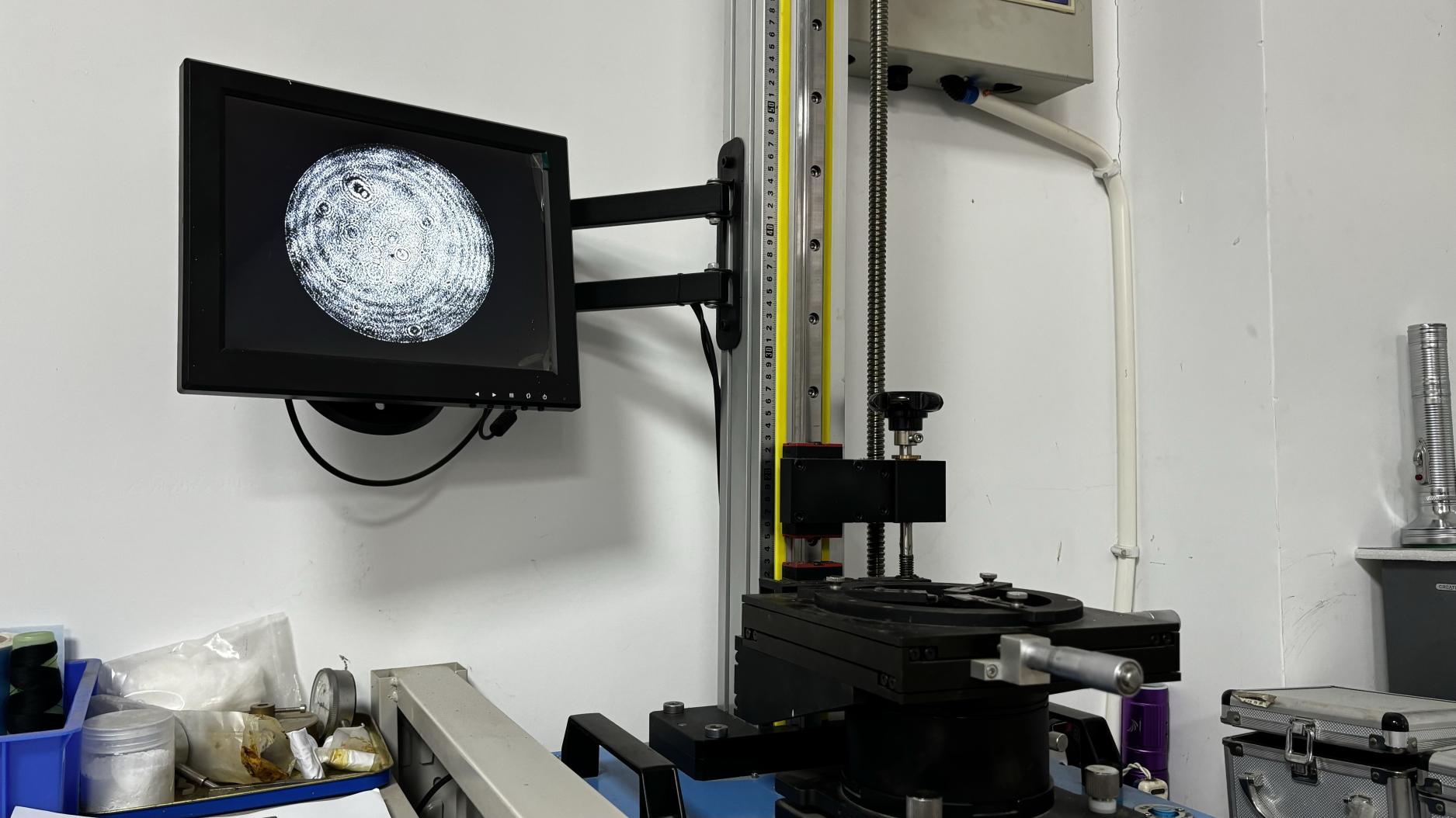
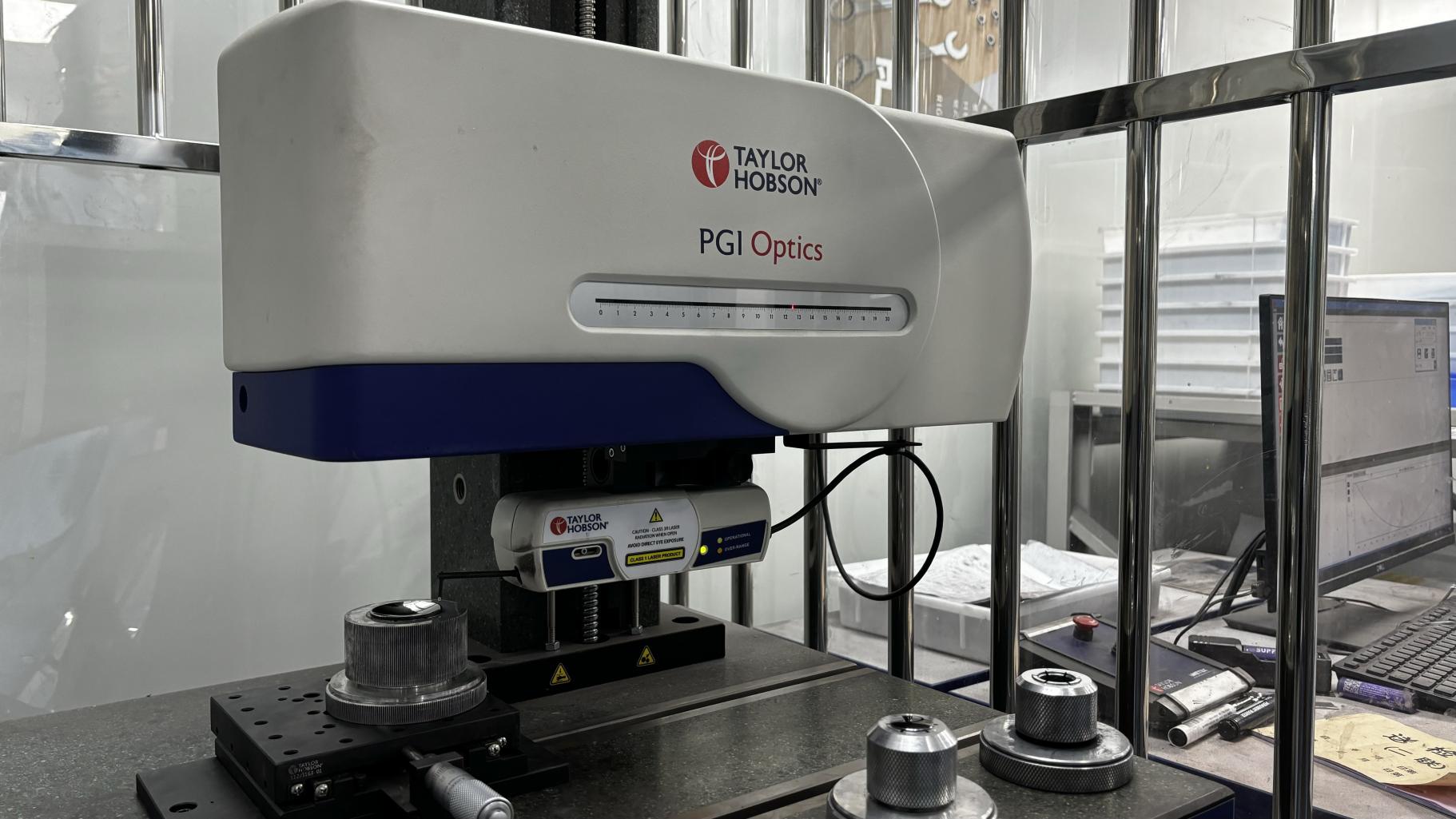
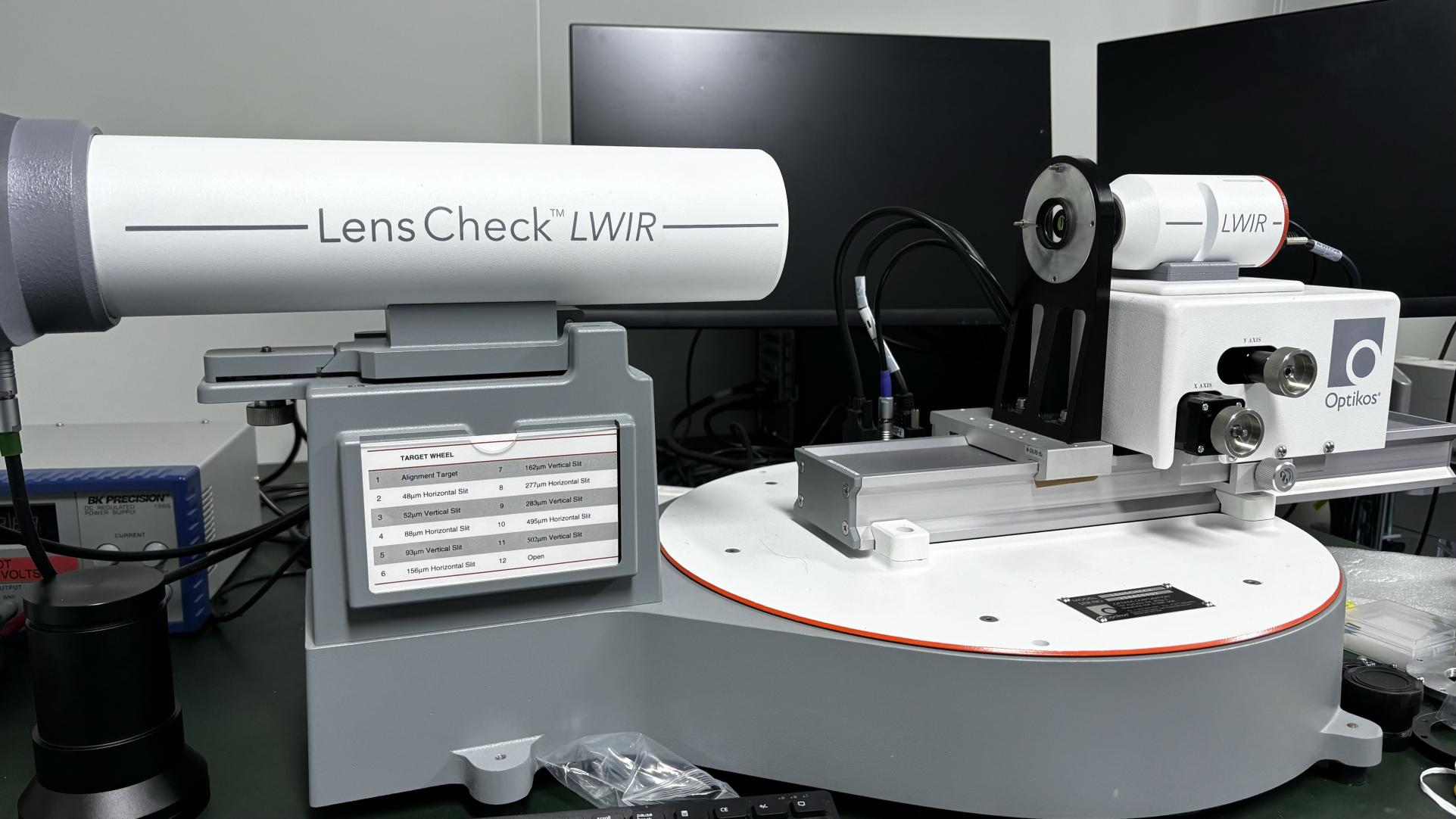
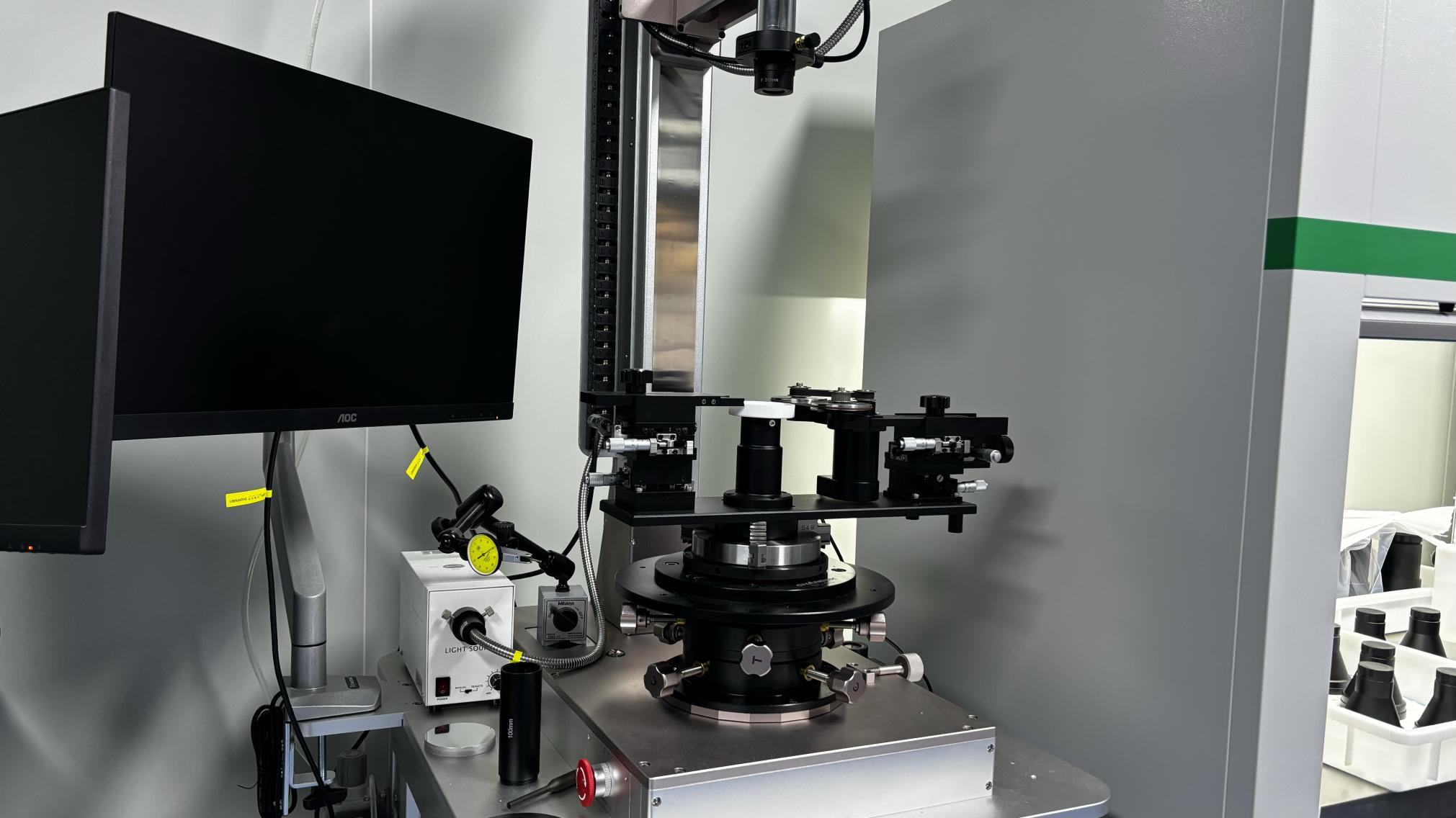
A look at FiddlLink's engineering workflow, optical verification, polishing systems, and surface measurement laboratory.

Ensuring our connectors meet international and regional regulatory frameworks for telecommunications hardware.
Entering international markets requires strict compliance with regional standards. FiddlLink ensures that all RJ45 connector and integrated USB modules are certified to comply with relevant trade and safety protocols:
We provide localized technical support to our clients. Our dedicated service channels assist with design verification, footprint files (Altium, Eagle, Cadence), customized mechanical mockups, and pre-compliance electromagnetic testing, ensuring smooth system integration.
Answers to common questions regarding integrated RJ45/USB connectors, design parameters, electrical insulation, and volume purchasing.
Explore our wider range of single-port, multi-port, and stacked high-speed modules for networking infrastructure.