FiddlLink
FiddlLink
FiddlLink
Explore our highly-engineered magnetic connectors, RJ45 modular jacks, and high-performance optical transceivers designed for zero-latency, high-reliability enterprise networks.
An in-depth whitepaper on high-density optical transceiver evolution, design metrics, and critical manufacturing architectures.
In the realm of telecommunications infrastructure and high-speed data transmission, port density is a primary operational constraint. Standard SFP (Small Form-factor Pluggable) transceivers have served as the backbone of optical networks for decades. However, the relentless expansion of FTTH (Fiber to the Home), 5G wireless fronthaul (eCPRI/CPRI), and hyperscale data centers has mandated a new optical standard: Compact SFP (CSFP).
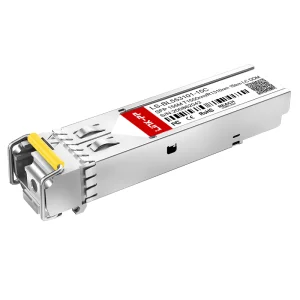
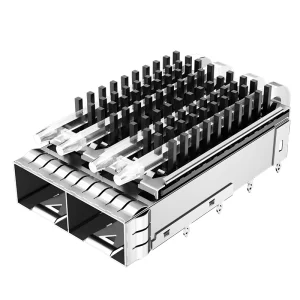
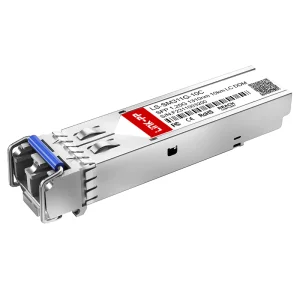
Compact SFP connectors leverage a dual-channel design architecture that allows two independent bidirectional optical links to reside within the mechanical envelope of a single standard SFP cage slot. By utilizing high-precision optical sub-assemblies (OSAs) and dual-channel electrical interfaces defined under the CSFP Multi-Source Agreement (MSA), hardware manufacturers can effectively double port density without redesigning chassis footprints.
To accurately evaluate manufacturing specifications, design engineers must analyze the electrical, mechanical, and optical parameters governing these small form-factor technologies. The table below delineates key structural and performance differences:
| Parameter | Standard SFP (SFP) | Compact SFP (CSFP) | Enhanced SFP (SFP+) |
|---|---|---|---|
| Channel Count | 1 Channel (Tx/Rx Pair) | 2 Independent Channels (Bidi Rx/Tx) | 1 Channel (Optimized for High Speed) |
| Data Rate Range | 100 Mbps to 4 Gbps | 1.25 Gbps to 10 Gbps per channel | 10 Gbps to 28 Gbps |
| Connector Interface | Duplex LC / Simplex LC | Dual Simplex LC or high-density patch | Duplex LC |
| Electrical Pin Layout | 20-pin card-edge connector | 20-pin customized (MSA Option 1/2) | 20-pin high-frequency optimized |
| Primary Application | Gigabit Ethernet, SONET, SAN | High-density FTTx OLT, 5G Fronthaul | 10G Ethernet, 8G/16G Fibre Channel |
Compact SFP connectors are not merely components; they are core enablers for complex, macro-level networking architectures globally:
By using CSFP modules in Centralized Radio Access Networks (C-RAN), telecom operators aggregate traffic from remote radio heads (RRH) to centralized BBUs, cutting physical fiber deployments in half.
Gigabit Passive Optical Network (GPON) and EPON OLT line cards utilize CSFP to support up to 128 subscribers per slot. This configuration optimizes space in space-constrained central offices.
Compact form factor cages optimize optical patch panels. This enables rapid structural expansion and high-speed cross-connect patching inside virtualized server farms.
An authoritative analysis of the primary manufacturers commanding global optical interconnect supply chains, focusing on production output, R&D capabilities, and quality assurance.
TE Connectivity is a global leader in high-precision connector technology. Their SFP and Compact SFP cage assemblies are engineered for optimal EMI shielding, heat dissipation, and mechanical durability. With automated manufacturing facilities worldwide, TE supplies highly-reliable components for rugged telecommunication and aerospace environments.
Amphenol is renowned for its high-speed backplane and input/output (I/O) connectors. Their CSFP connectors feature advanced signal integrity designs, offering excellent insertion loss characteristics and robust mechanical latching mechanisms for high-density switches and routers.
Molex provides comprehensive optical interconnect solutions. Their CSFP line focuses on integrated EMI containment, stackable configurations, and thermal heat sink options. Molex leverages automated manufacturing lines to achieve tight dimensional tolerances required for modern telecom infrastructures.
FiddlLink has emerged as a premier OEM/ODM manufacturer specializing in high-performance optical transceivers and interconnect systems. Operating a state-of-the-art facility, FiddlLink's engineering-first approach features an annual export revenue of $18 million and custom-engineered options for global systems integrators. (See detailed production profile below).
As a subsidiary of Foxconn, FIT focuses on mass-scale manufacturing of fiber optic transceivers and high-speed copper interconnects. Their high-capacity production facilities deliver cost-competitive, reliable CSFP connectors and cages to tier-1 server and switch manufacturers globally.
Yamaichi is highly regarded for its precision test sockets and optical connectors. Their CSFP connectors incorporate premium contact alloys and advanced dielectric materials to ensure high reliability and operational lifespans in industrial networking applications.
Hirose specializes in miniaturized connector technologies. Their CSFP offerings emphasize space efficiency, robust locking mechanisms, and ease of blind-mating. Hirose products are widely used in compact network terminals and advanced medical instrumentation.
Harting is a key player in industrial ethernet solutions. Their CSFP and modular optical interfaces are tailored for harsh environments, featuring IP67 sealing, high vibration tolerance, and wide operating temperature ranges (-40°C to +85°C).
Glenair specializes in aerospace-grade and military-spec optical interconnects. Their specialized CSFP variations focus on radiation hardening, extreme mechanical shock resistance, and hermetic sealing for critical defense systems and deep-sea telecommunications.
US Conec is a pioneer in high-density optical fiber connectivity, notably MT ferrules and MTP/MPO systems. Their contributions to the CSFP ecosystem focus on high-precision optical alignment components and cleaning/inspection technologies essential for maintaining zero-error fiber connections.
A closer look at FiddlLink Optical Technology's advanced manufacturing capabilities, engineering assets, and quality metrics.
FiddlLink Optical Technology Co., Ltd. is a professional manufacturer and supplier of high-performance optical transceivers and fiber optic communication solutions. Established in 2016, the company specializes in the research, development, production, and global distribution of optical networking products for data centers, telecommunications networks, enterprise infrastructure, and cloud computing applications.
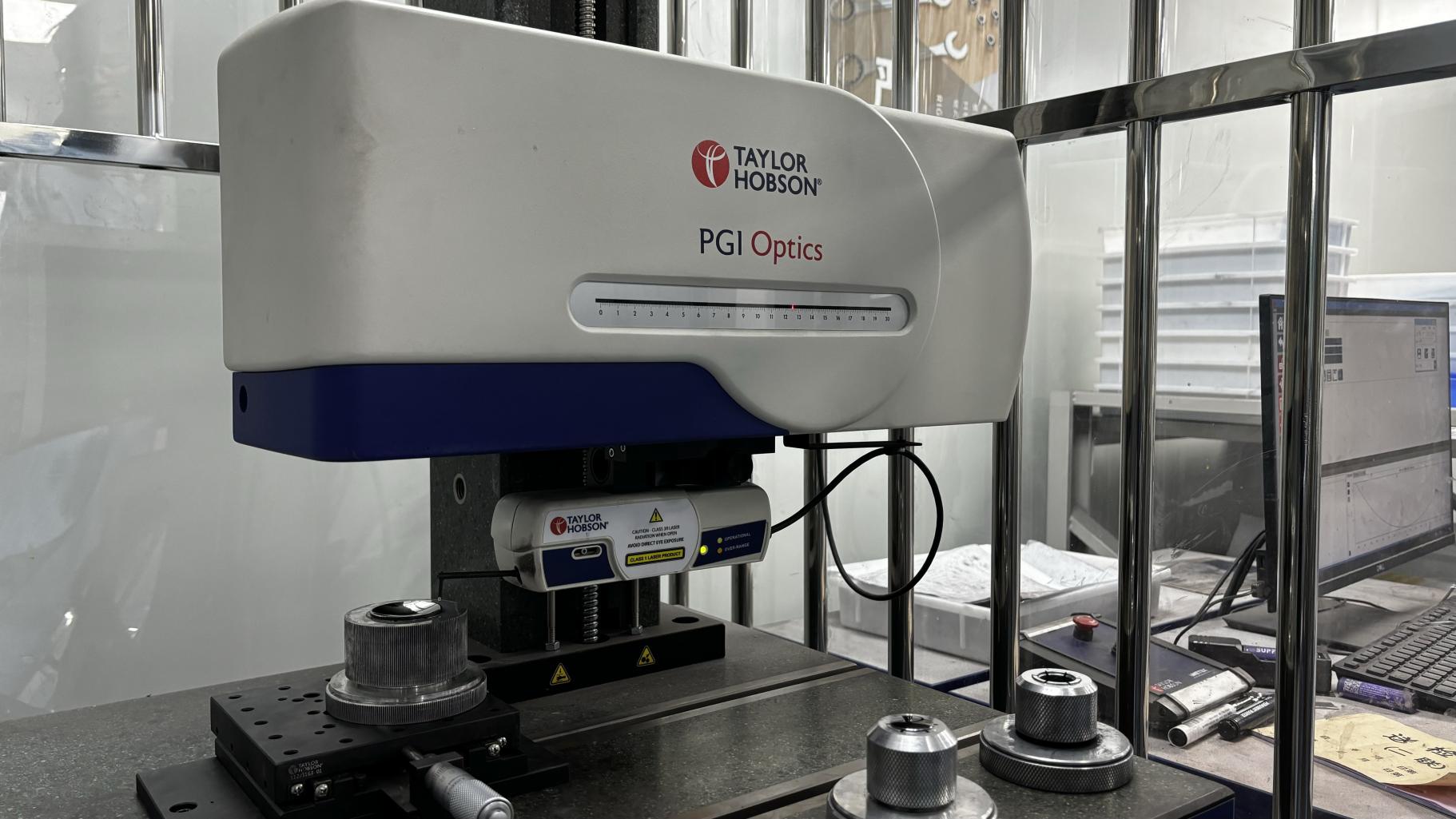
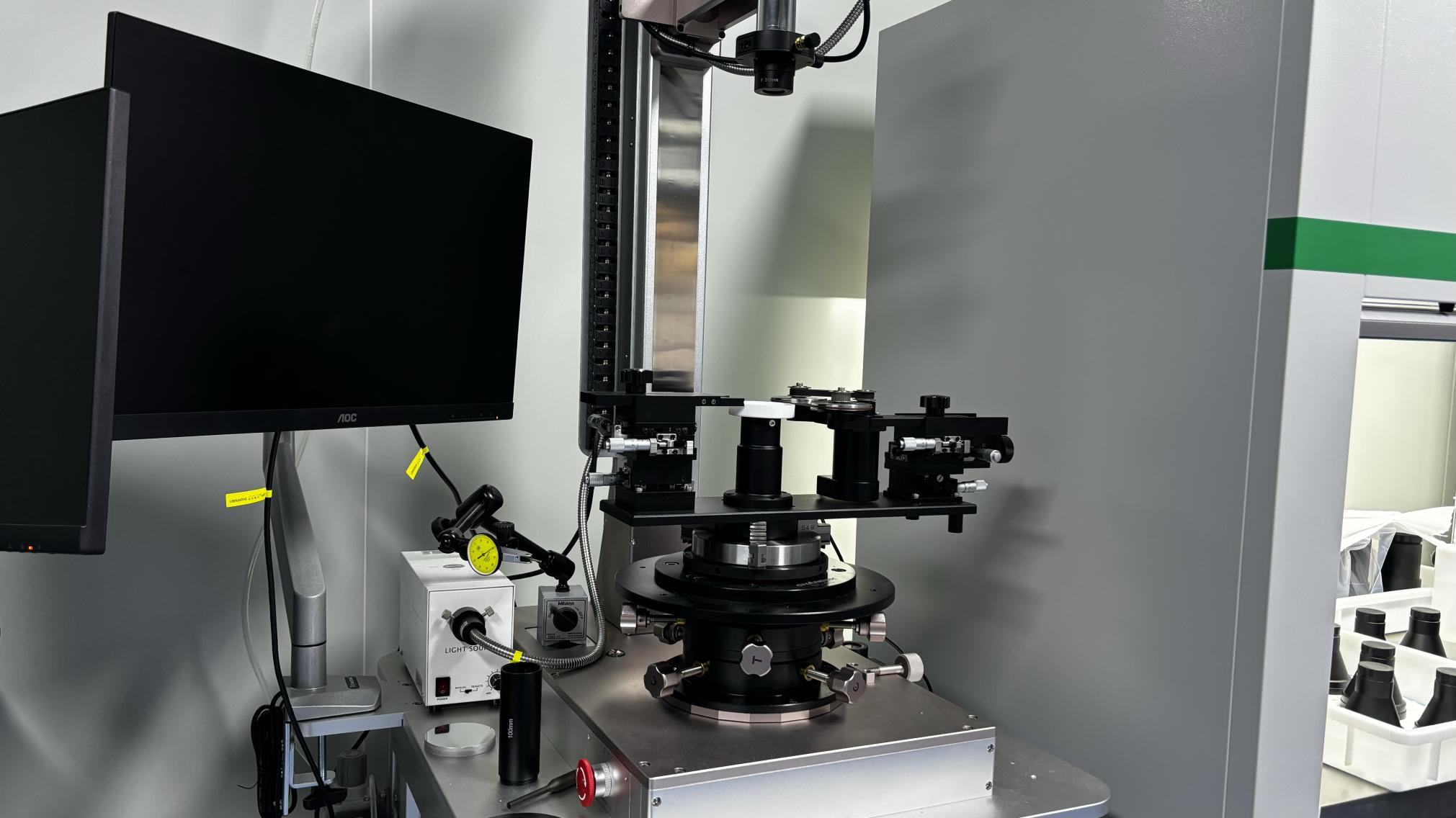
Our modern manufacturing facility covers an area of 380 square meters and is equipped with advanced production and testing equipment to ensure consistent product quality and reliable performance. With over 12 years of industry experience and 8 years of export experience, FiddlLink has built a strong reputation among customers worldwide for delivering innovative, cost-effective, and dependable optical communication products.
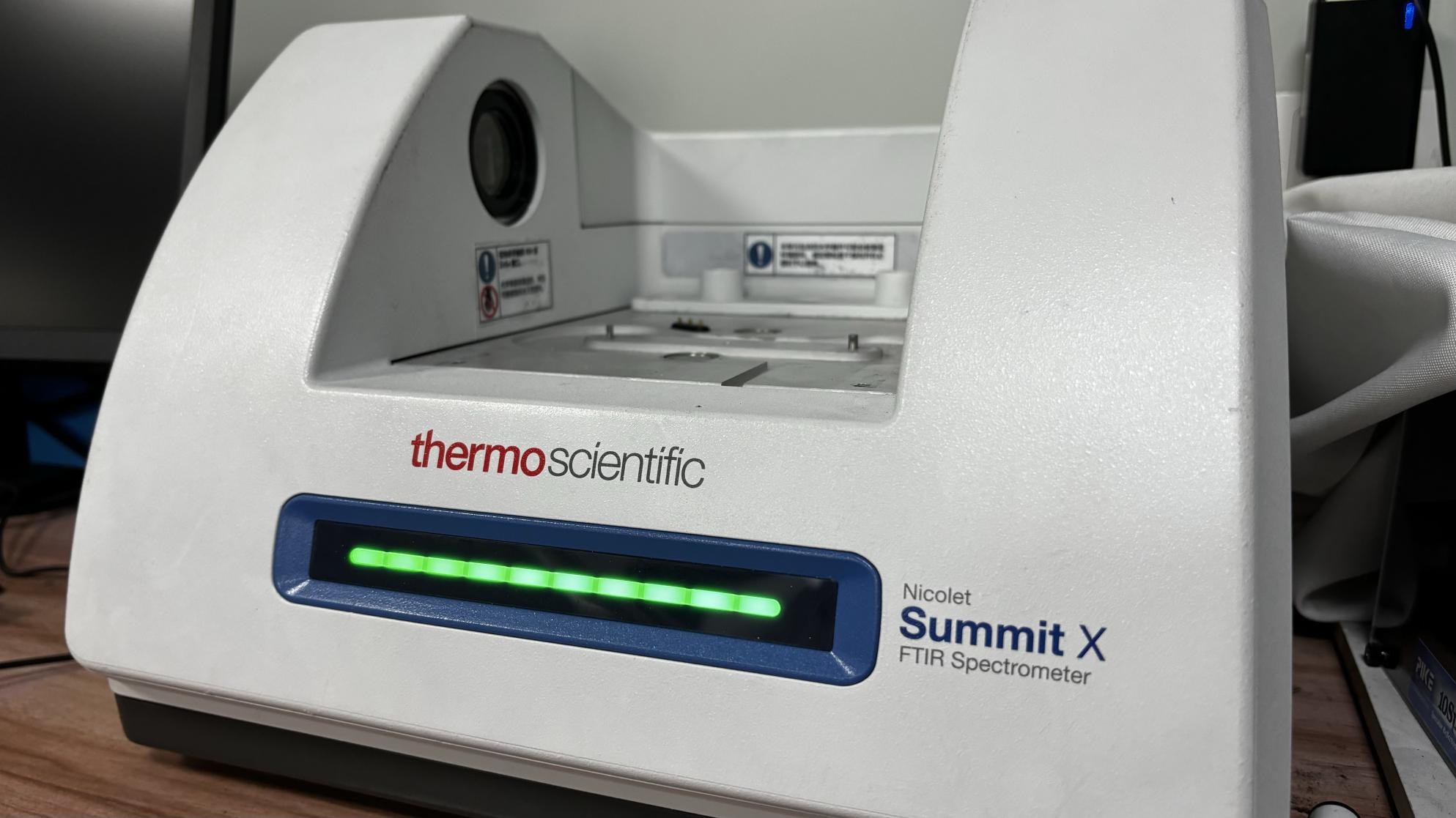
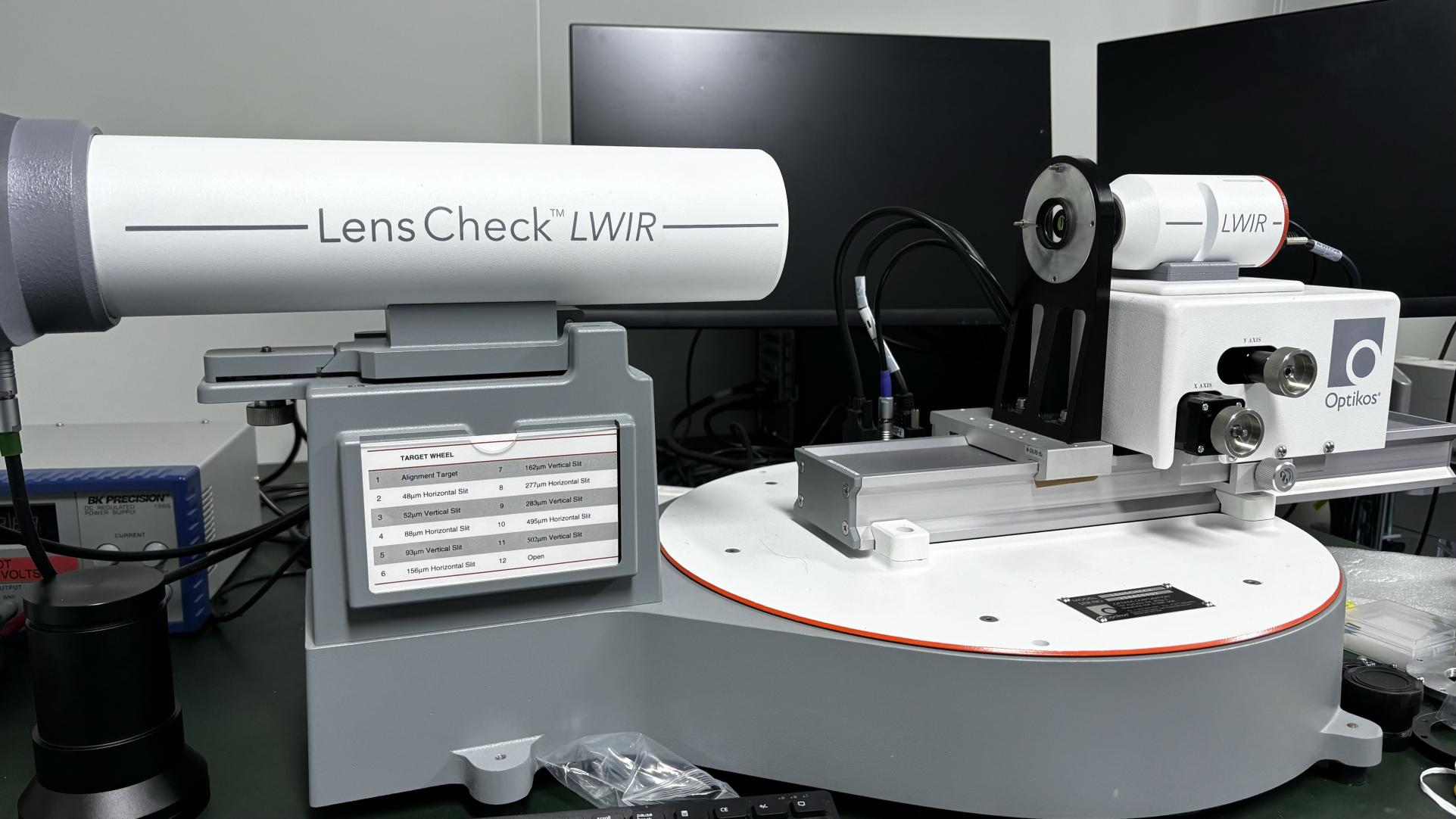
Quality is at the core of everything we do. FiddlLink operates a comprehensive quality management system supported by 42 professional quality control personnel. Every product undergoes rigorous inspections, including incoming material inspection, production process monitoring, optical performance testing, environmental reliability testing, and final product verification before shipment.
Driven by innovation, FiddlLink maintains a strong research and development team consisting of 126 experienced engineers and technical specialists. Our R&D department continuously develops new technologies and products to meet evolving market demands. In the past year alone, we successfully launched 186 new products covering various optical transceiver standards and network applications.
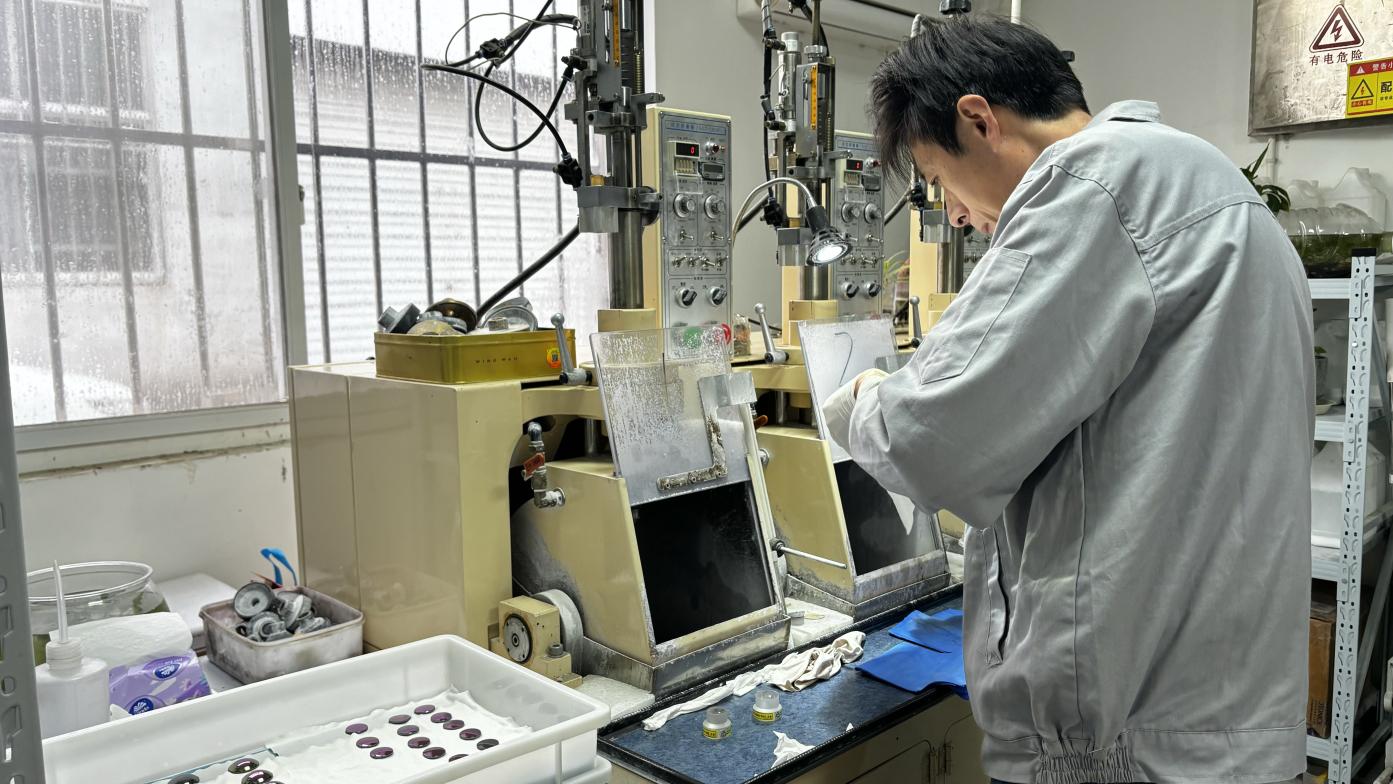
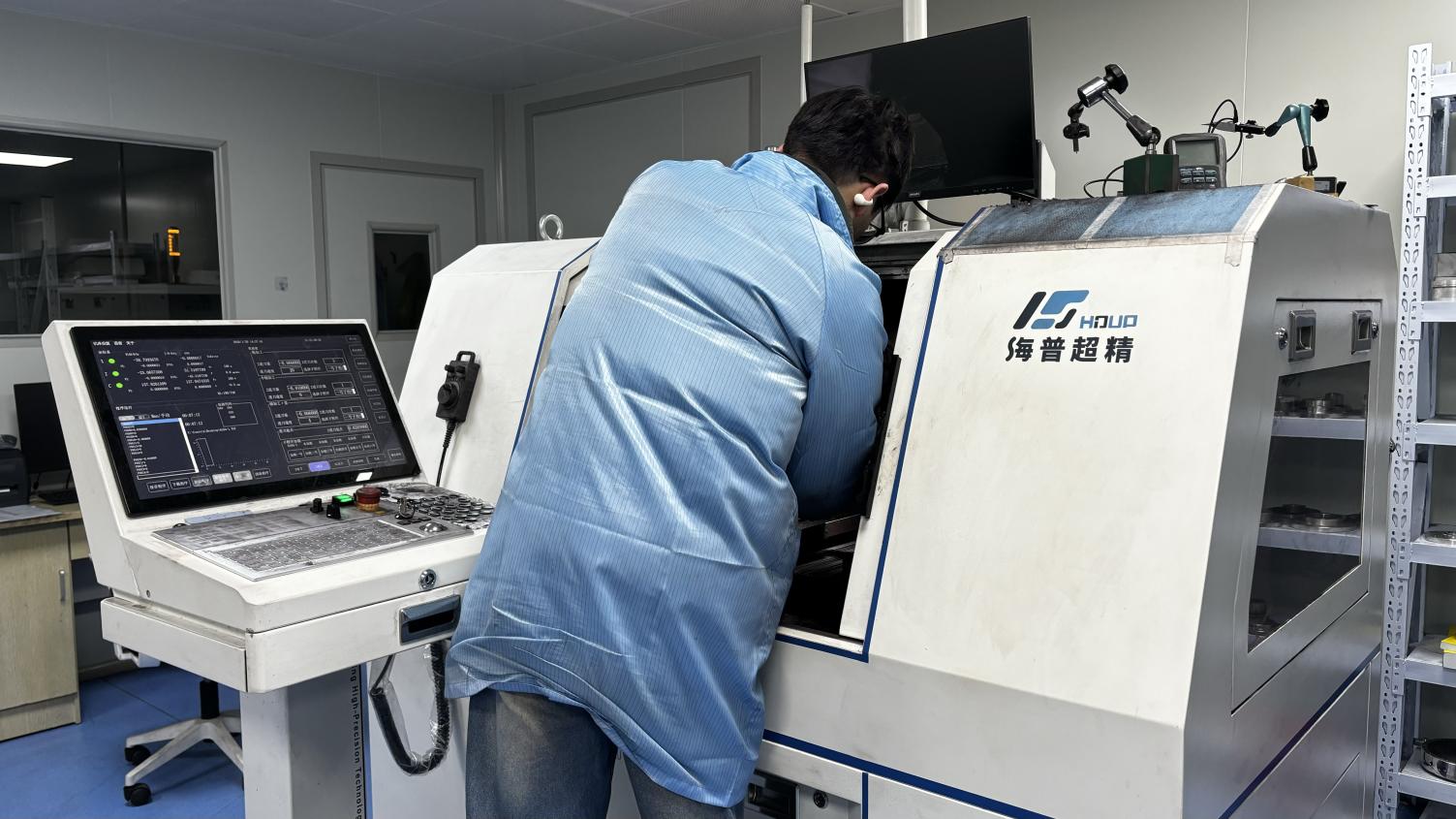
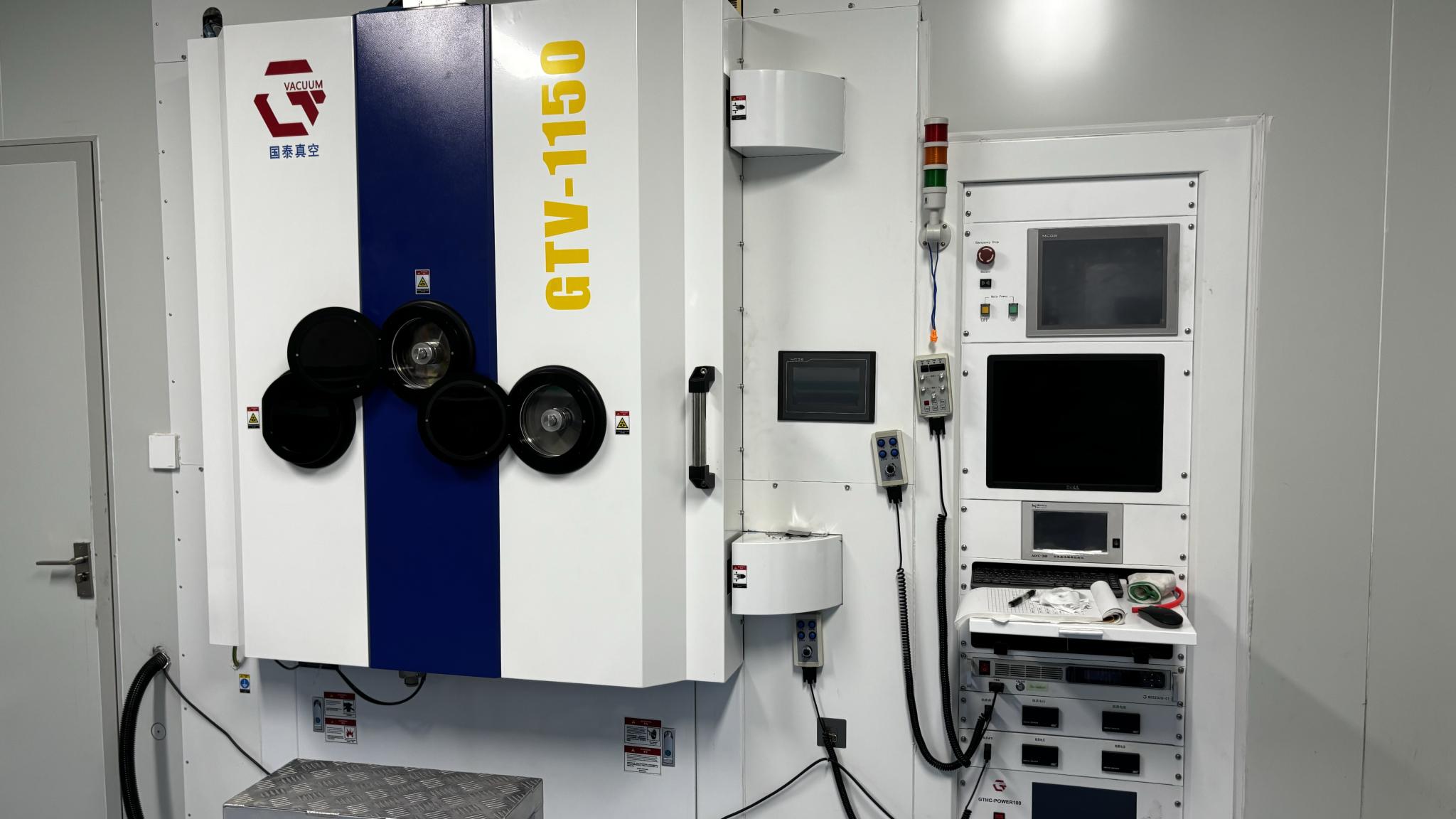
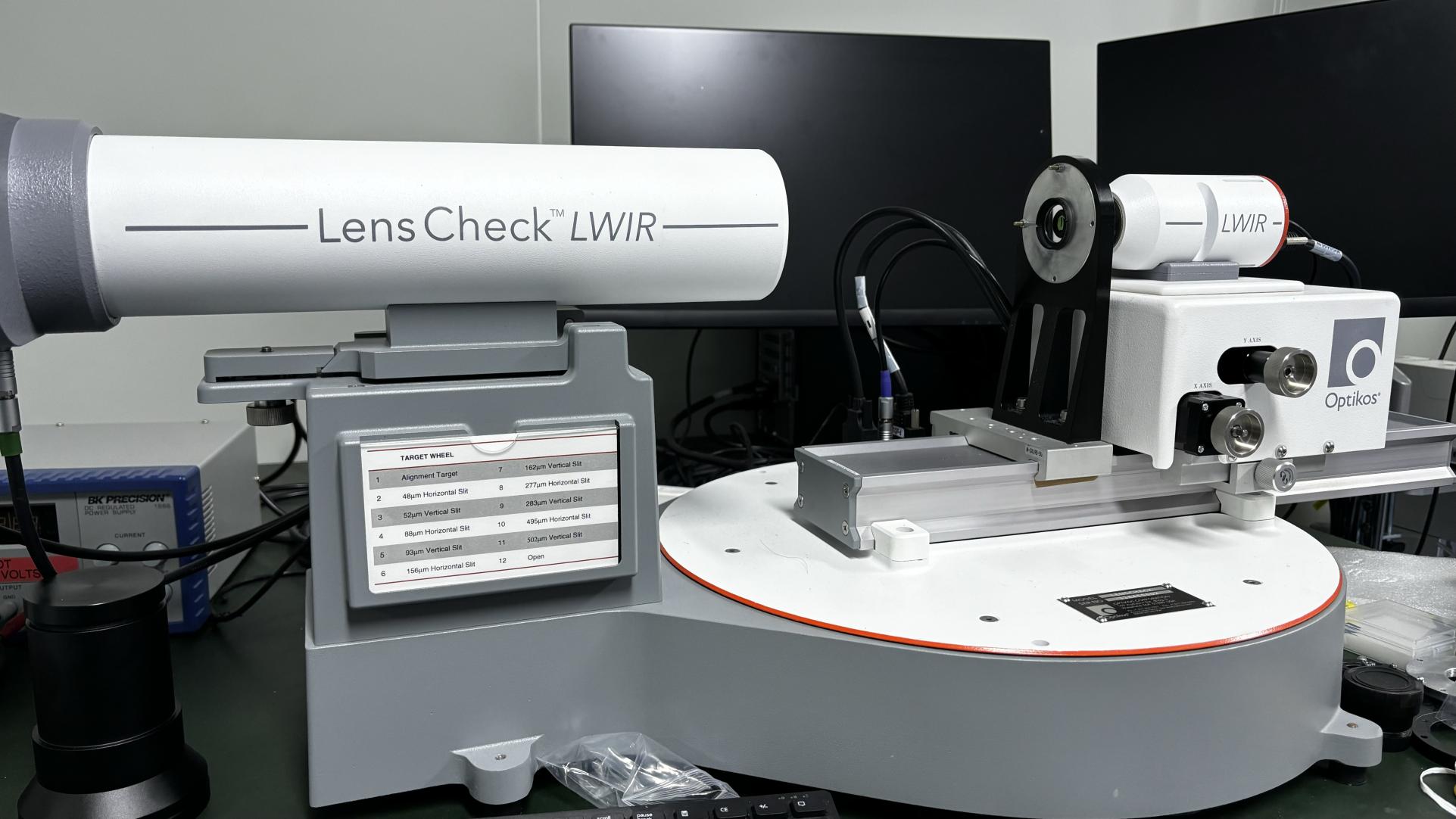
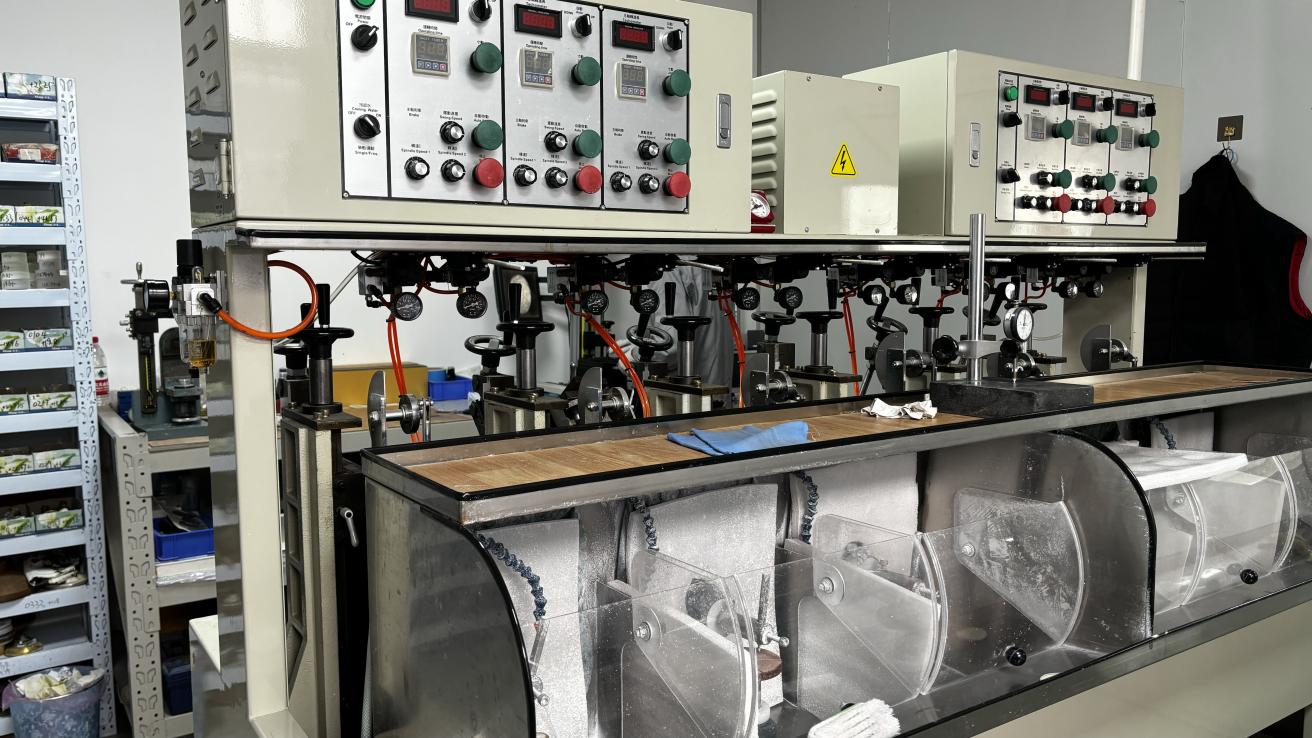
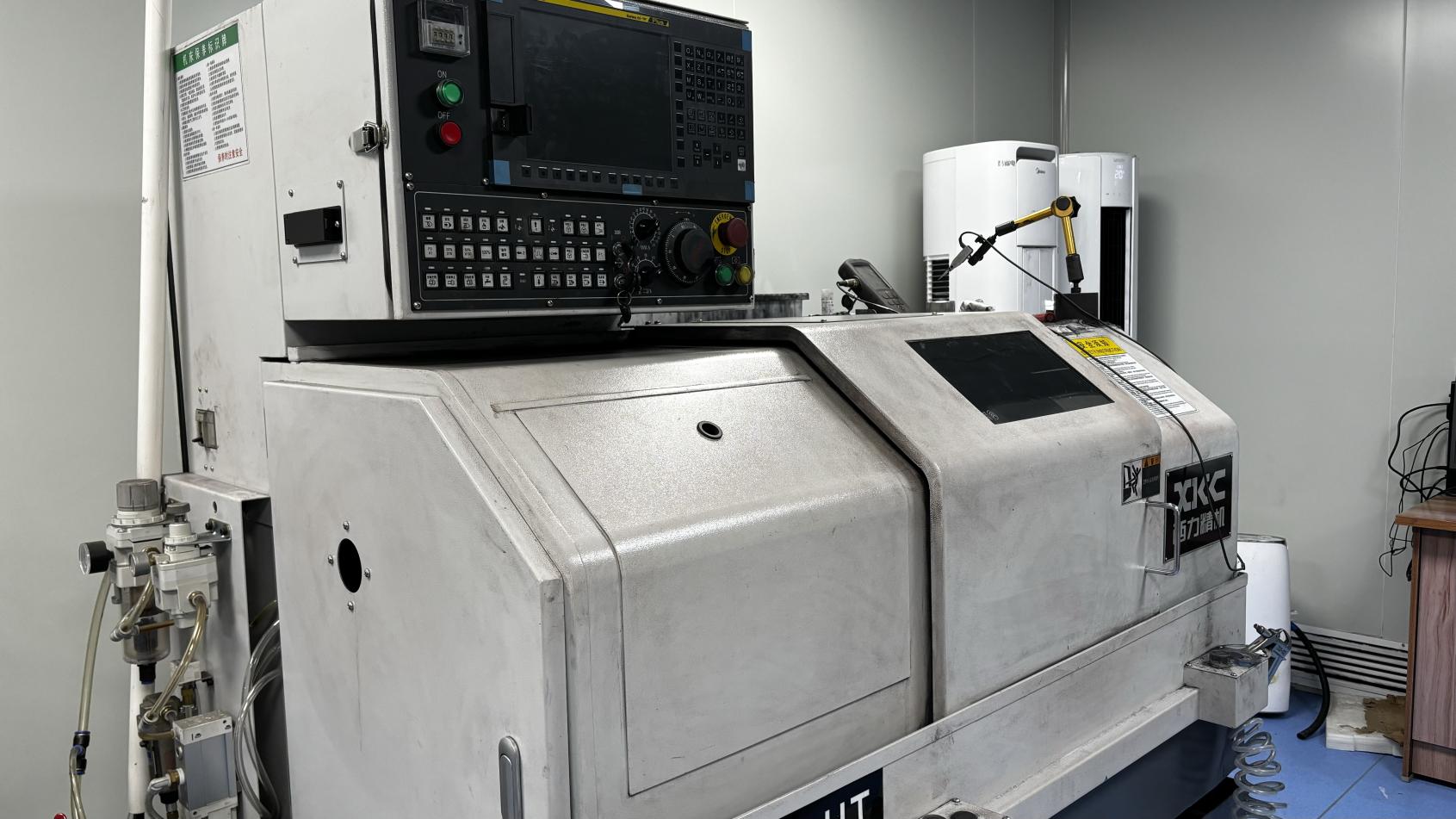
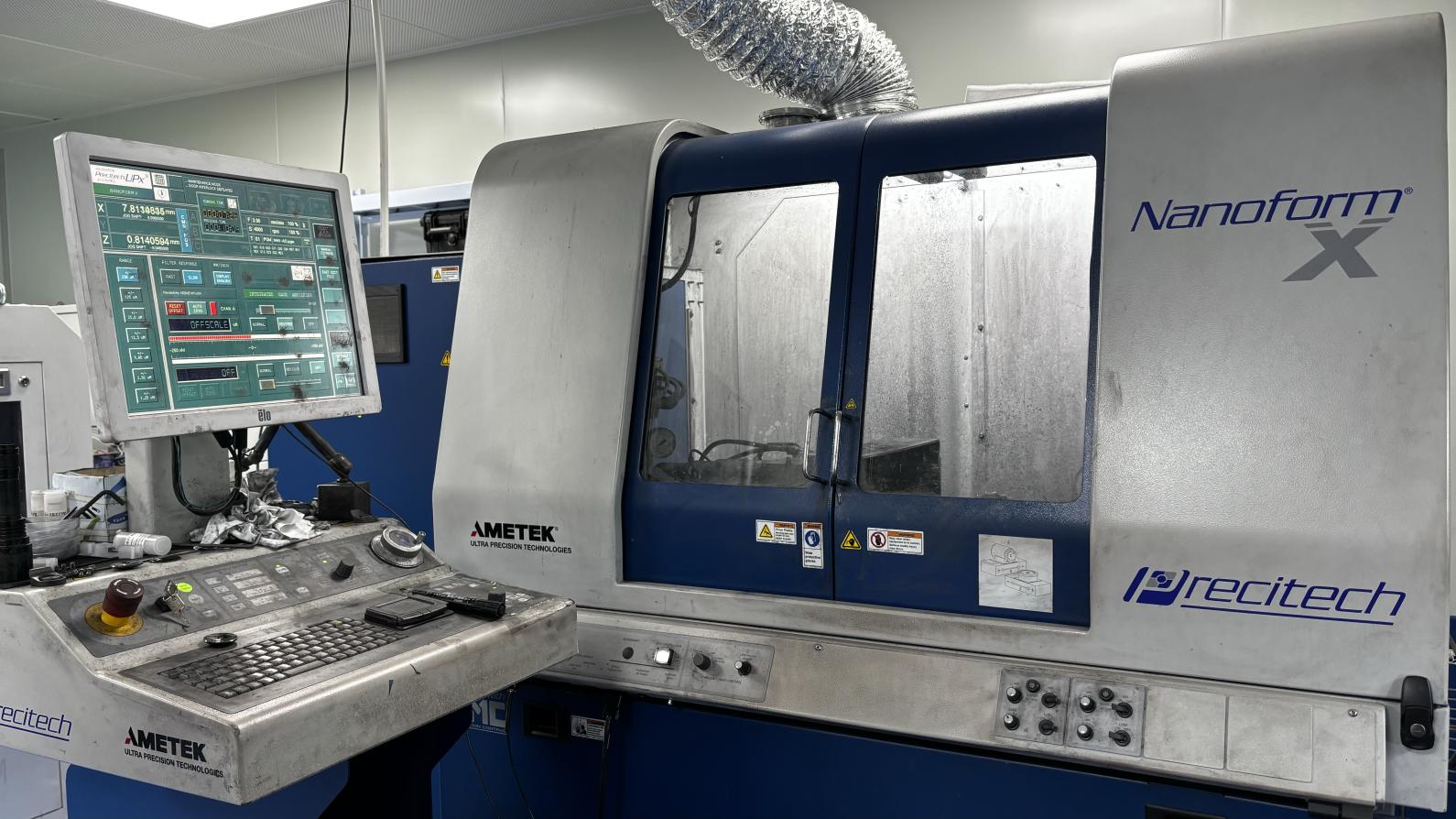
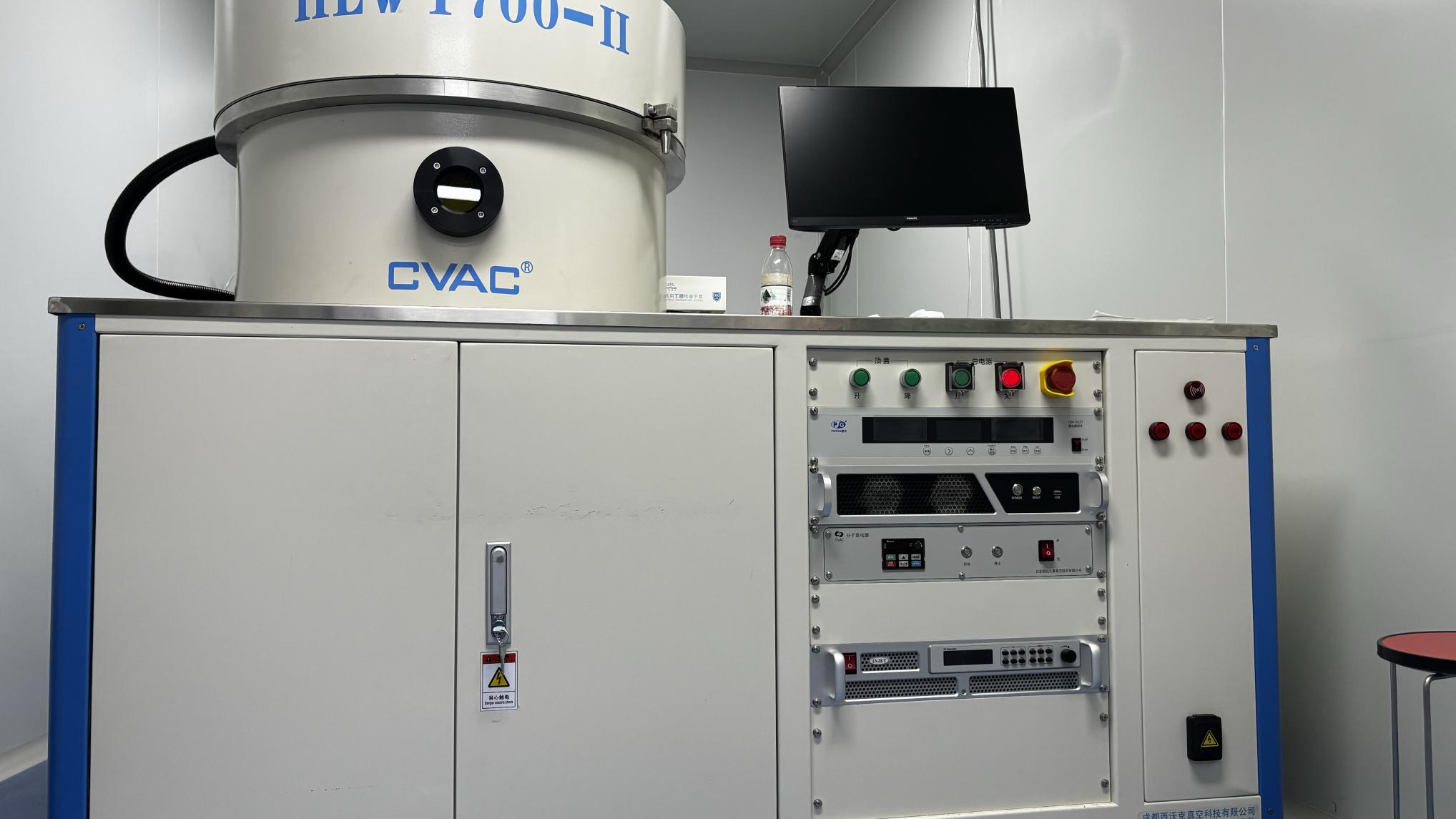
A sequential breakdown of FiddlLink's internal production floor, highlighting the precision equipment used in polishing, coating, and micro-alignment operations.
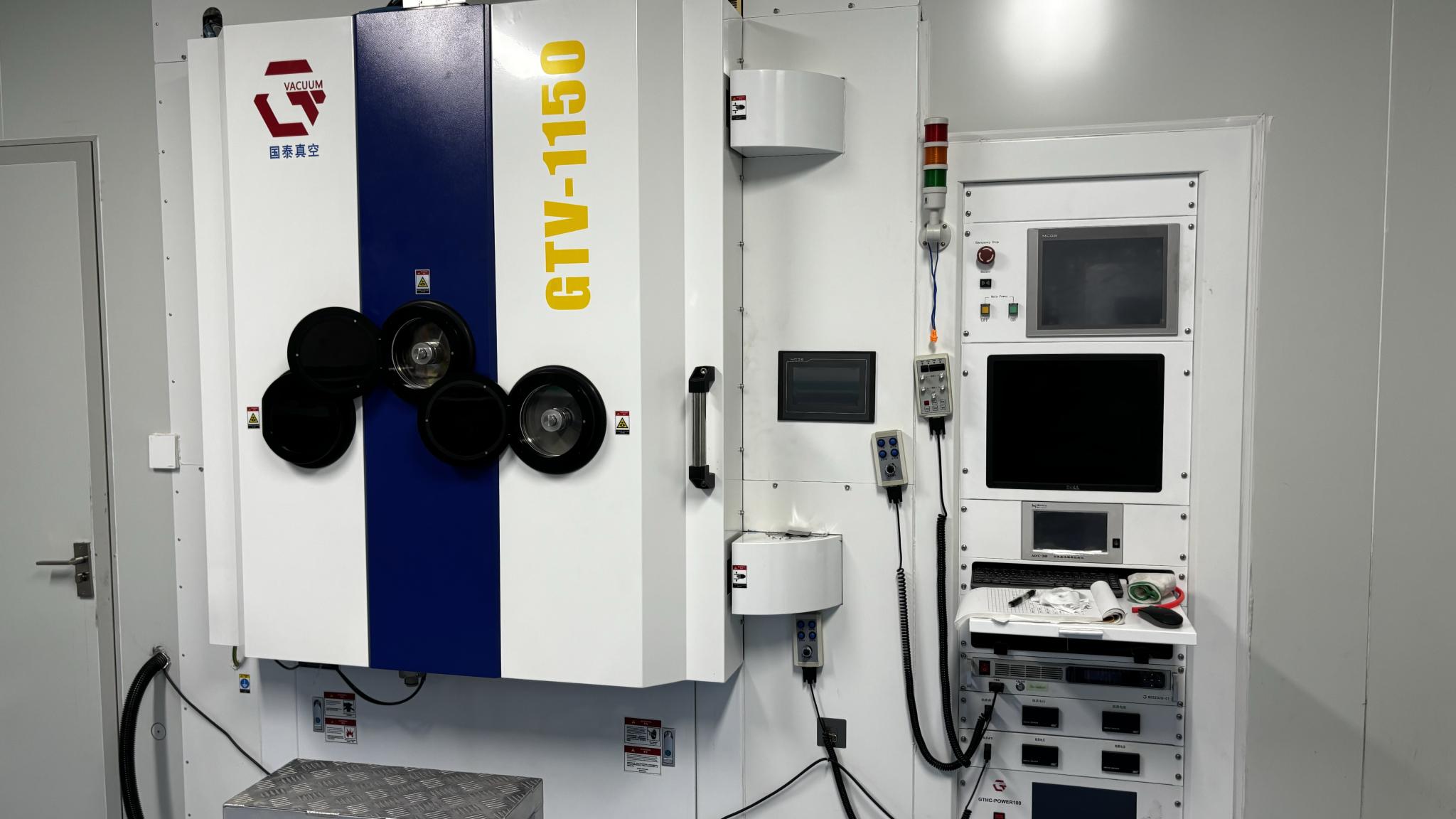
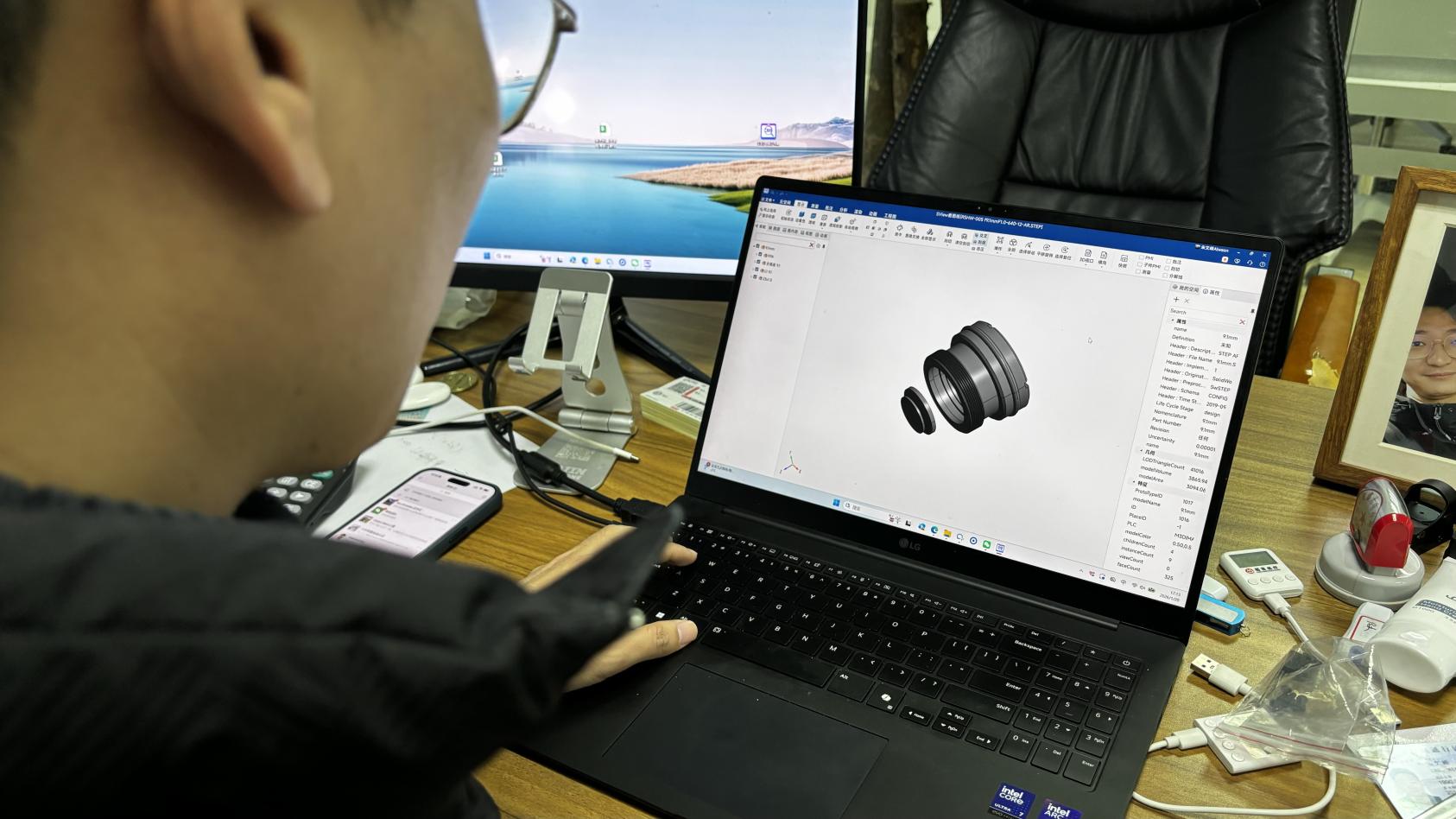
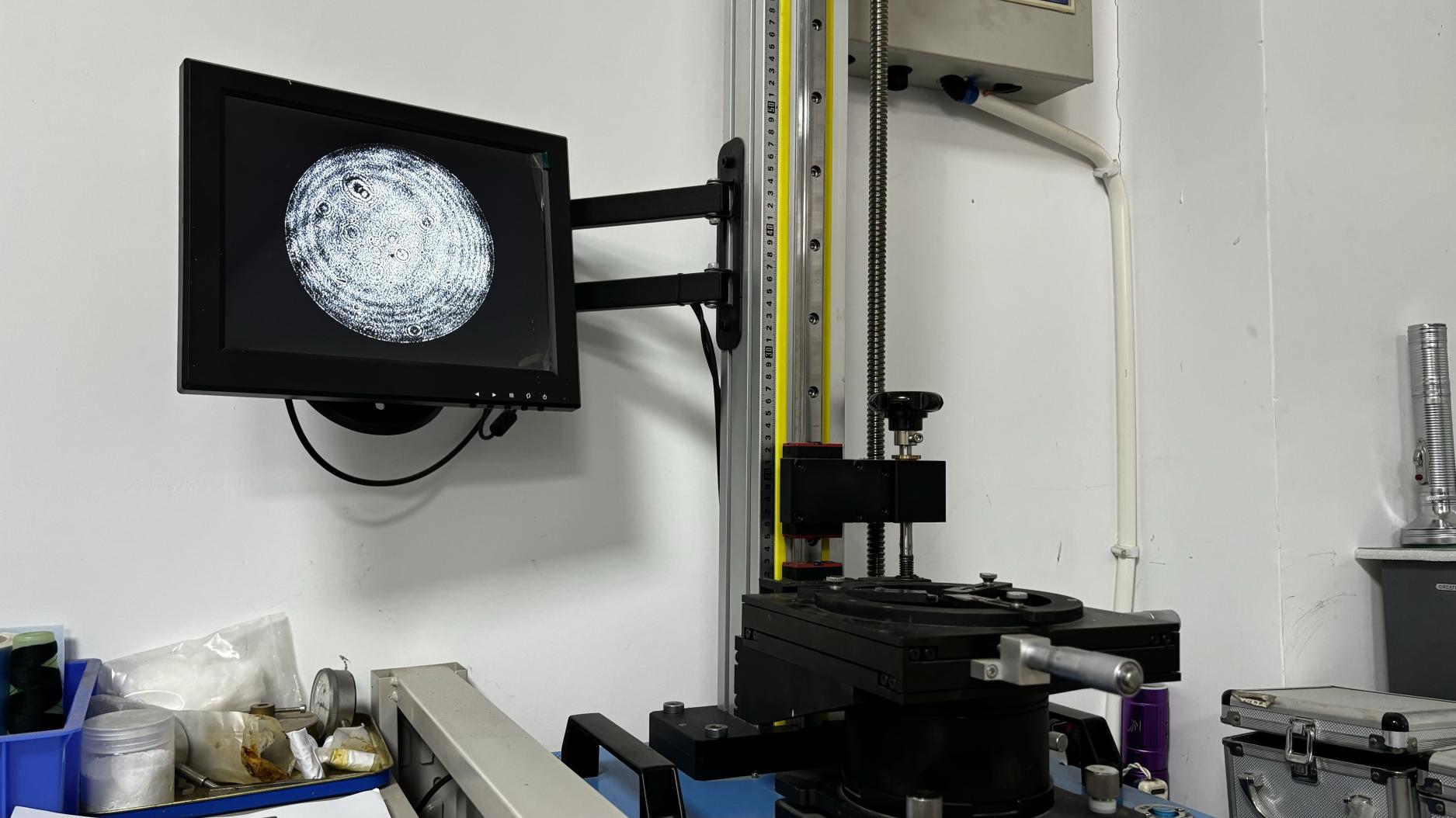
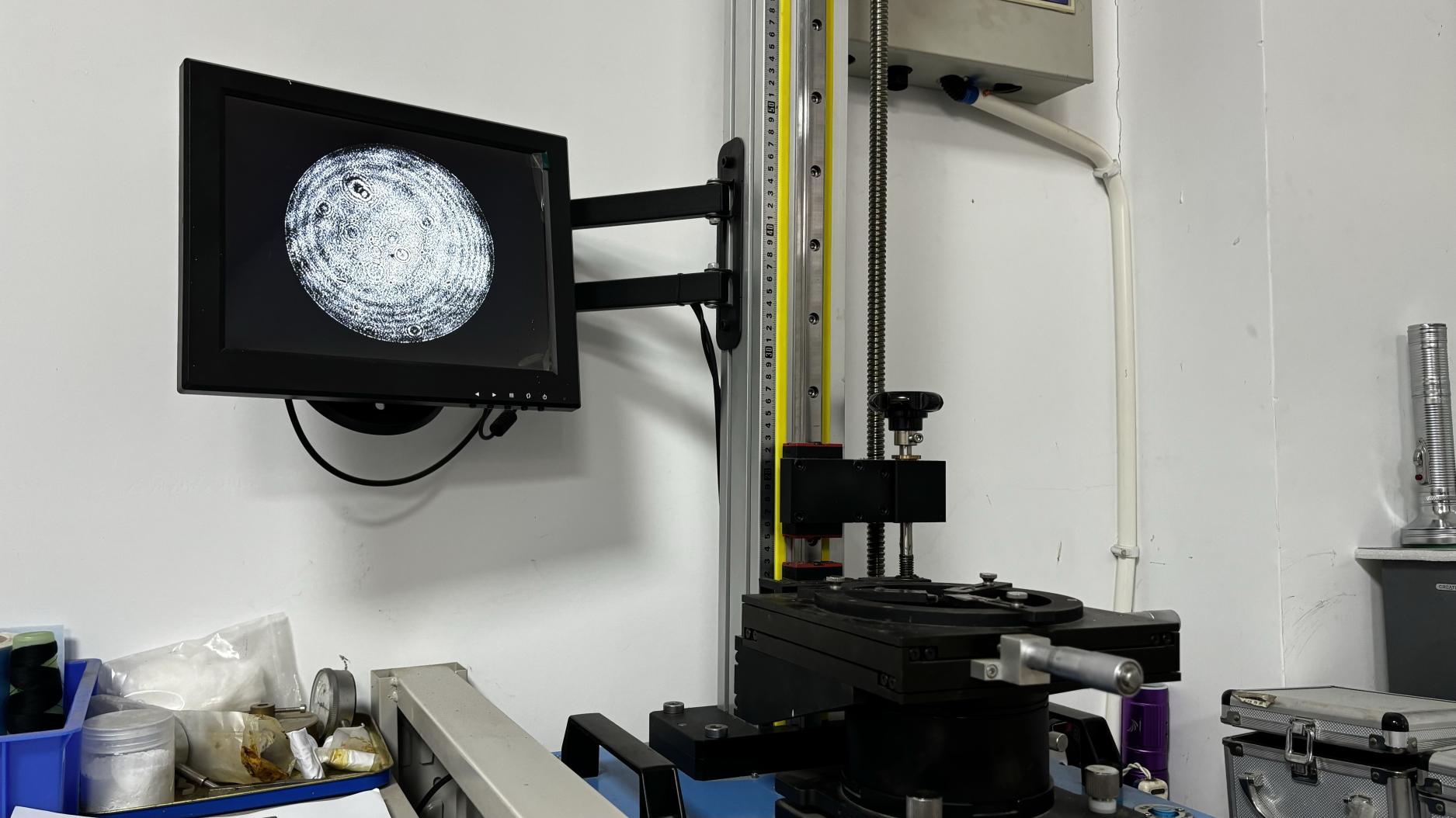
The roadmap for SFP connectors is shifting toward higher frequencies, enhanced thermal mitigation, and integrated silicon photonics. The challenges of tomorrow's 800G and 1.6T network nodes require interconnects that handle immense heat dissipation while maintaining signal integrity at the PCB junction.
Future iterations of CSFP technology will integrate Coherent Detection directly onto the transceivers (Coherent CSFP), enabling long-distance, high-capacity DWDM routing over metro access networks. This minimizes the footprint requirements in regional edge cloud data nodes.
Answering the most critical engineering and supply chain questions from data center operators and hardware designers.
Explore our complete catalog of high-density SFP cages, optical transceivers, and RJ45 modules engineered for mission-critical networking applications.