FiddlLink
FiddlLink
FiddlLink
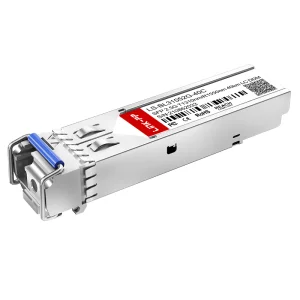
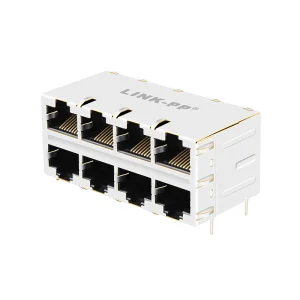
Discover industry-grade networking components engineered to bridge coaxial versatility with high-speed digital interconnect modules. Below are 8 key products integrated into global enterprise systems.
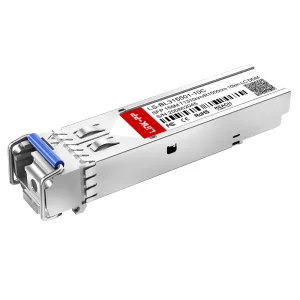
Coaxial cables remain the backbone of RF communication, broadcasting, telecommunications, and industrial automation. While optical fibers handle long-haul backbones, coaxial solutions continue to dominate "last-meter" installations, microwave links, and high-interference environments due to their innate electromagnetic shielding. Here are the core technological trends driving the industry:
Modern applications like 5G mmWave backhaul, satellite earth stations, and military radar systems require cable structures capable of operating at extremely high frequencies. Leading manufacturers are optimizing materials to limit attenuation and phase instability at high GHz frequencies.
Low-loss expanded PTFE (Polytetrafluoroethylene) and high-density micro-porous foam dielectrics are replacing traditional polyethylene. This innovation lowers the dielectric constant, minimizing propagation delay and power dissipation during high-power signal delivery.
In response to green building codes and global safety regulations, there is an industry-wide transition to Low Smoke Zero Halogen (LSZH) and Plenum-rated compounds (CMP). These formulations prevent the release of toxic gases under high-temperature combustion scenarios.
Industrial and enterprise sourcing managers operate in highly volatile markets. Evaluating a coaxial cable supplier or high-frequency optical partner is no longer just about price-per-meter. Global procurement metrics focus heavily on technical performance indicators, raw material traceability, and manufacturing compliance.
Technical evaluation frameworks prioritize key performance attributes: Voltage Standing Wave Ratio (VSWR), shielding effectiveness (measured in dB across specific frequency spectra), characteristic impedance tolerance (±1 ohm), and mechanical bend radius. Furthermore, high-reliability applications, such as military systems or deep-water communications, demand complete batch traceability and environmental testing reports.
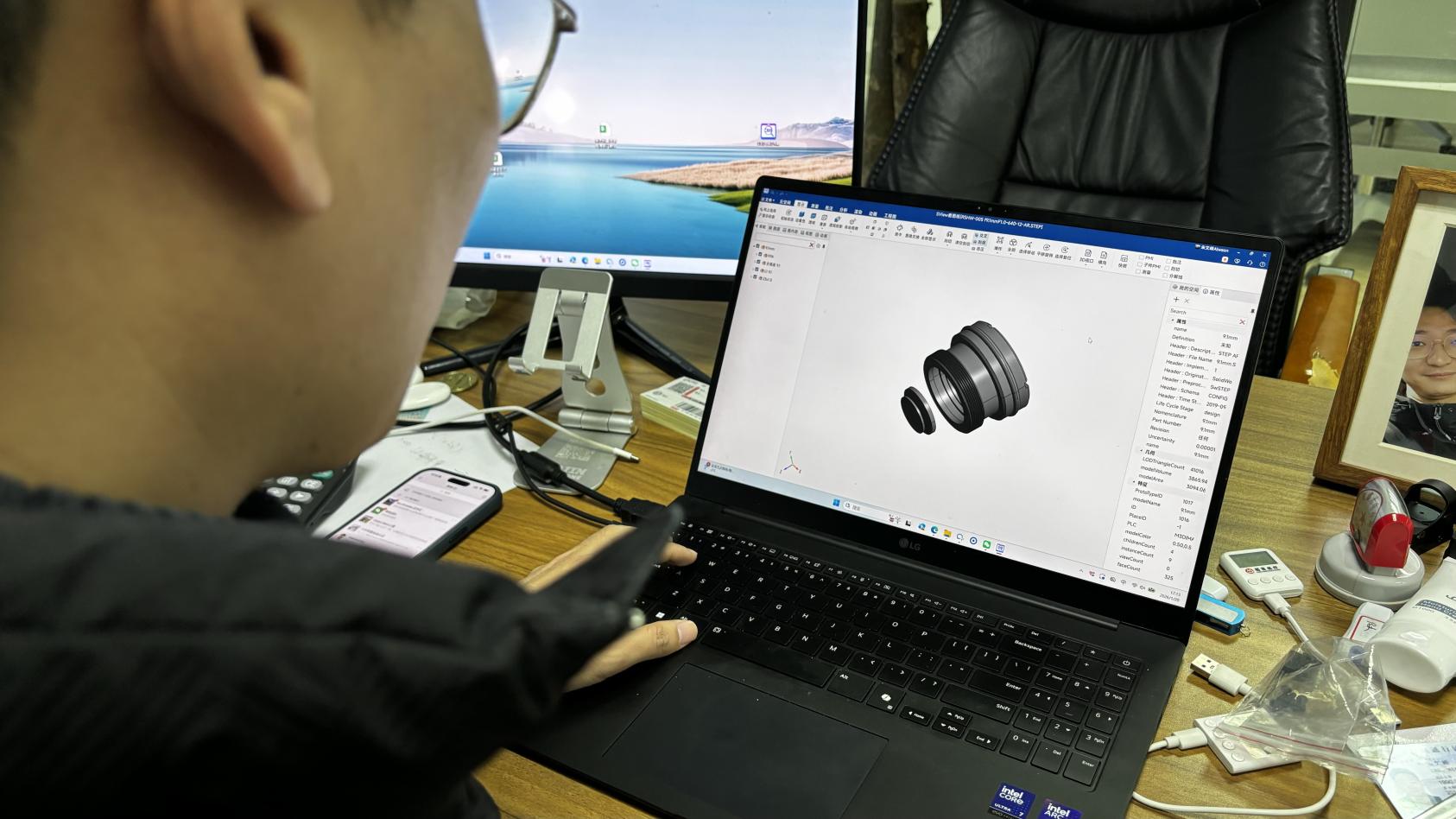
FiddlLink Optical Technology Co., Ltd. exemplifies the modernized supply chain ecosystem that bridges high-performance optical communication with precise engineering interfaces. Operating with 42 dedicated quality control specialists and an advanced 126-member R&D engineering matrix, our production methodologies ensure mechanical and signal integrity across all product categories.
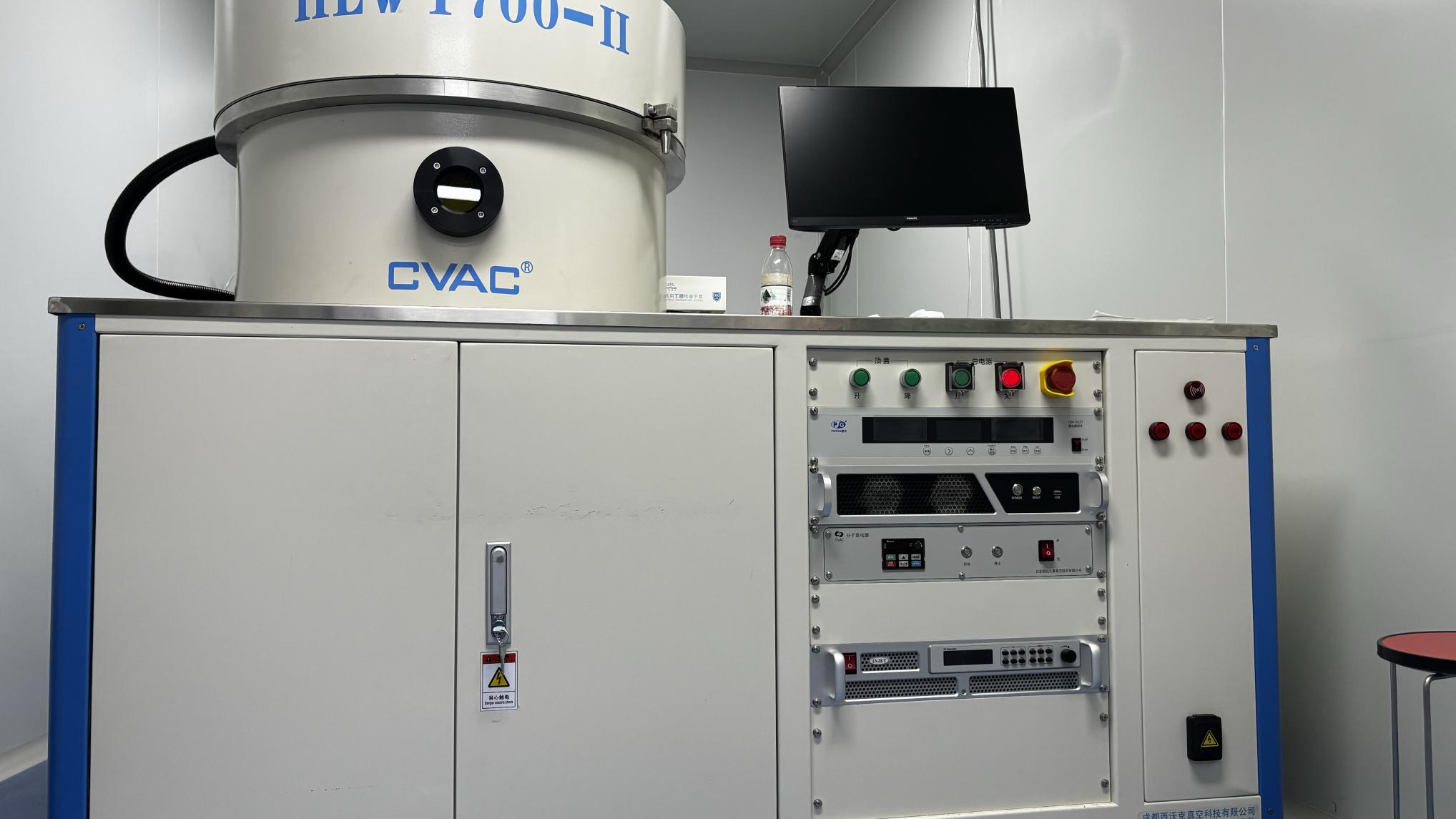
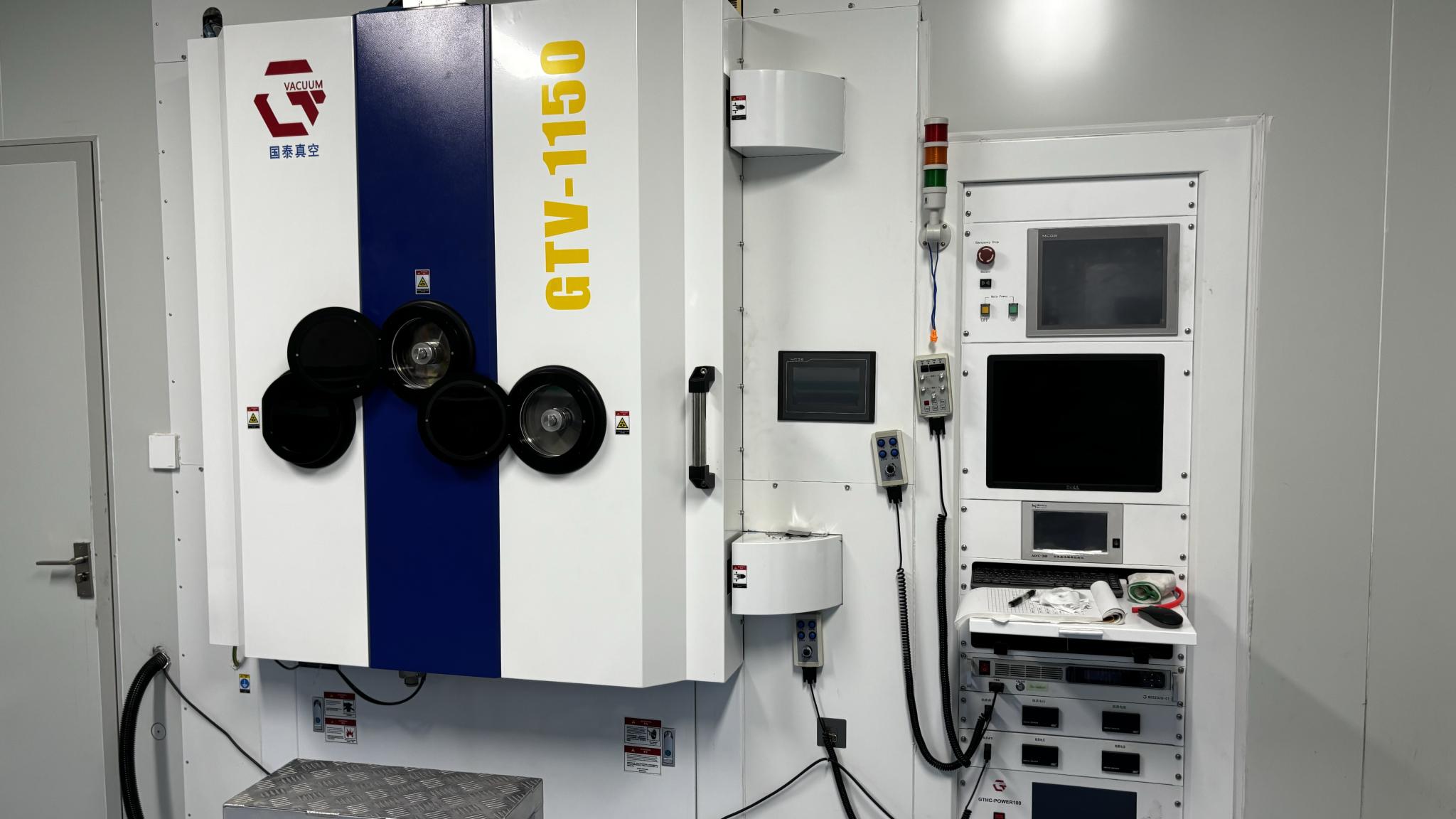
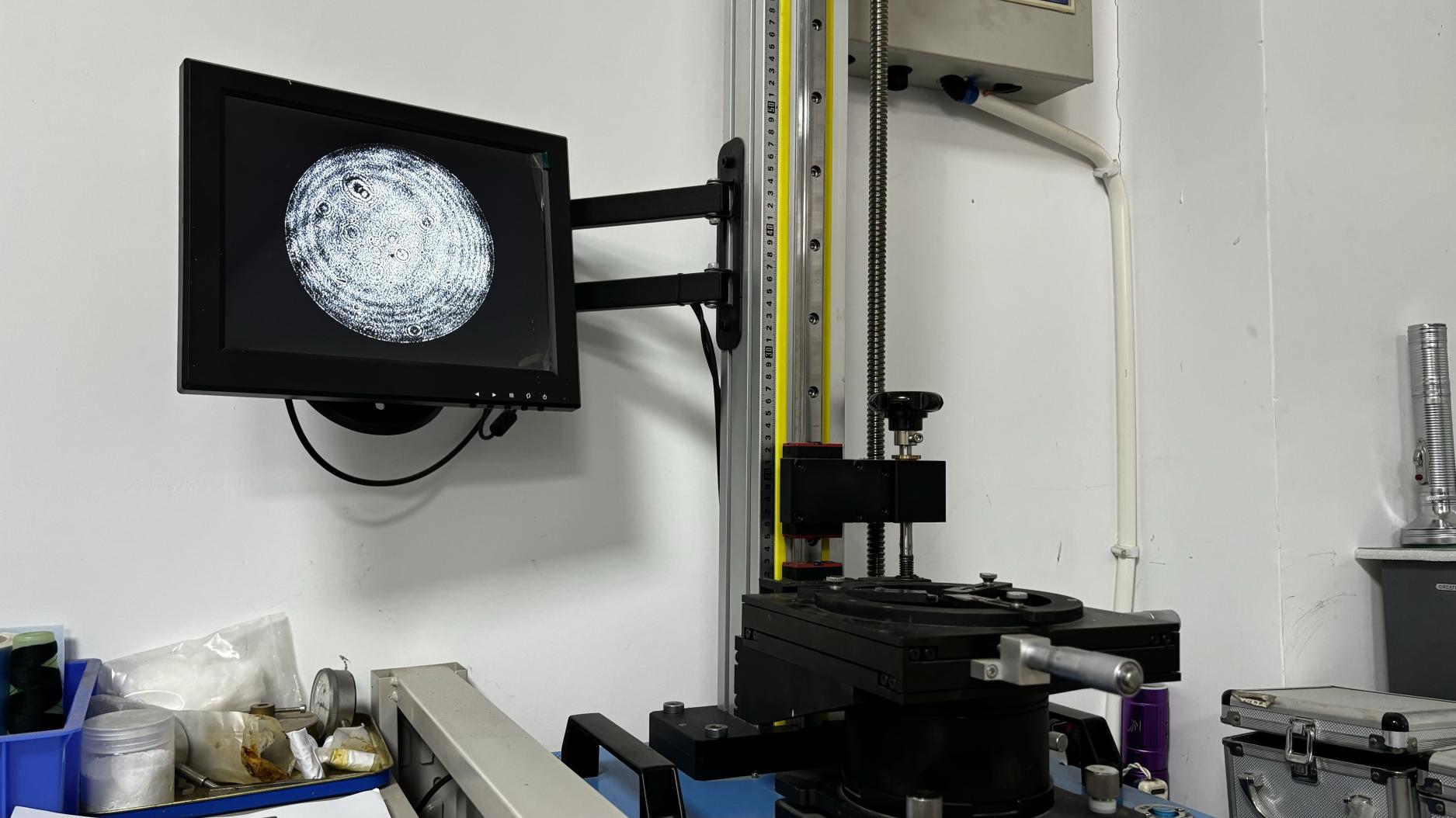
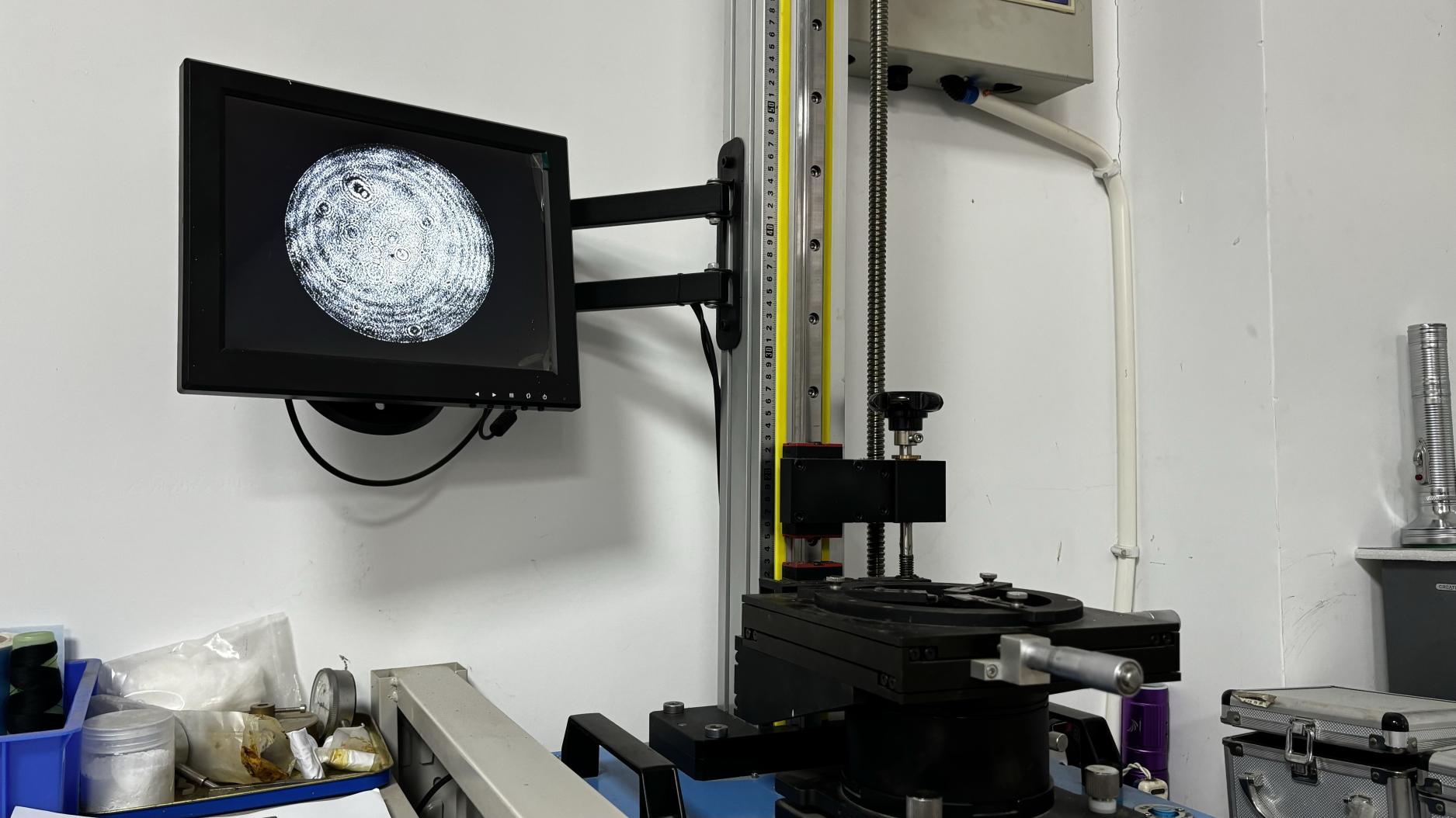
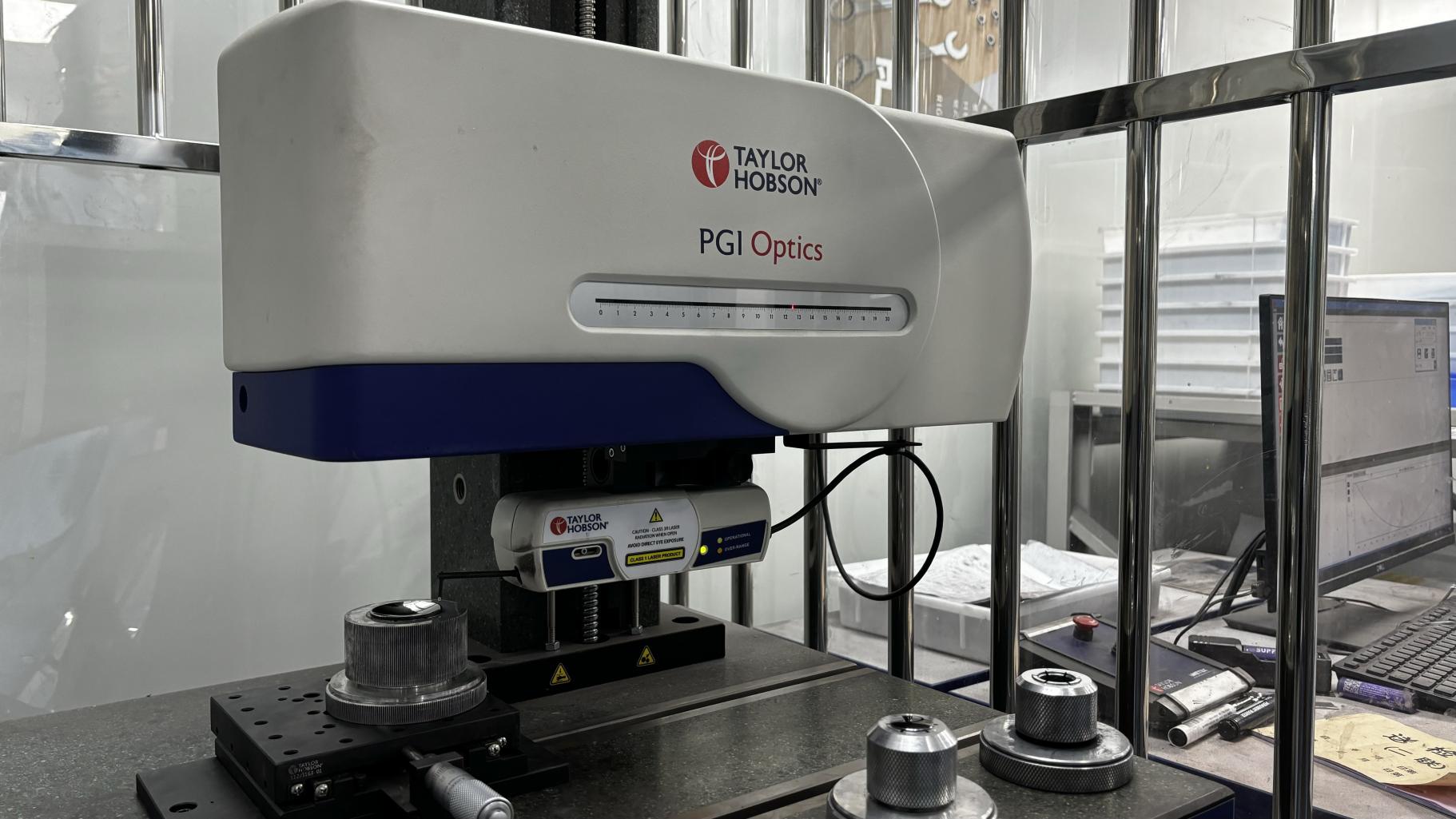
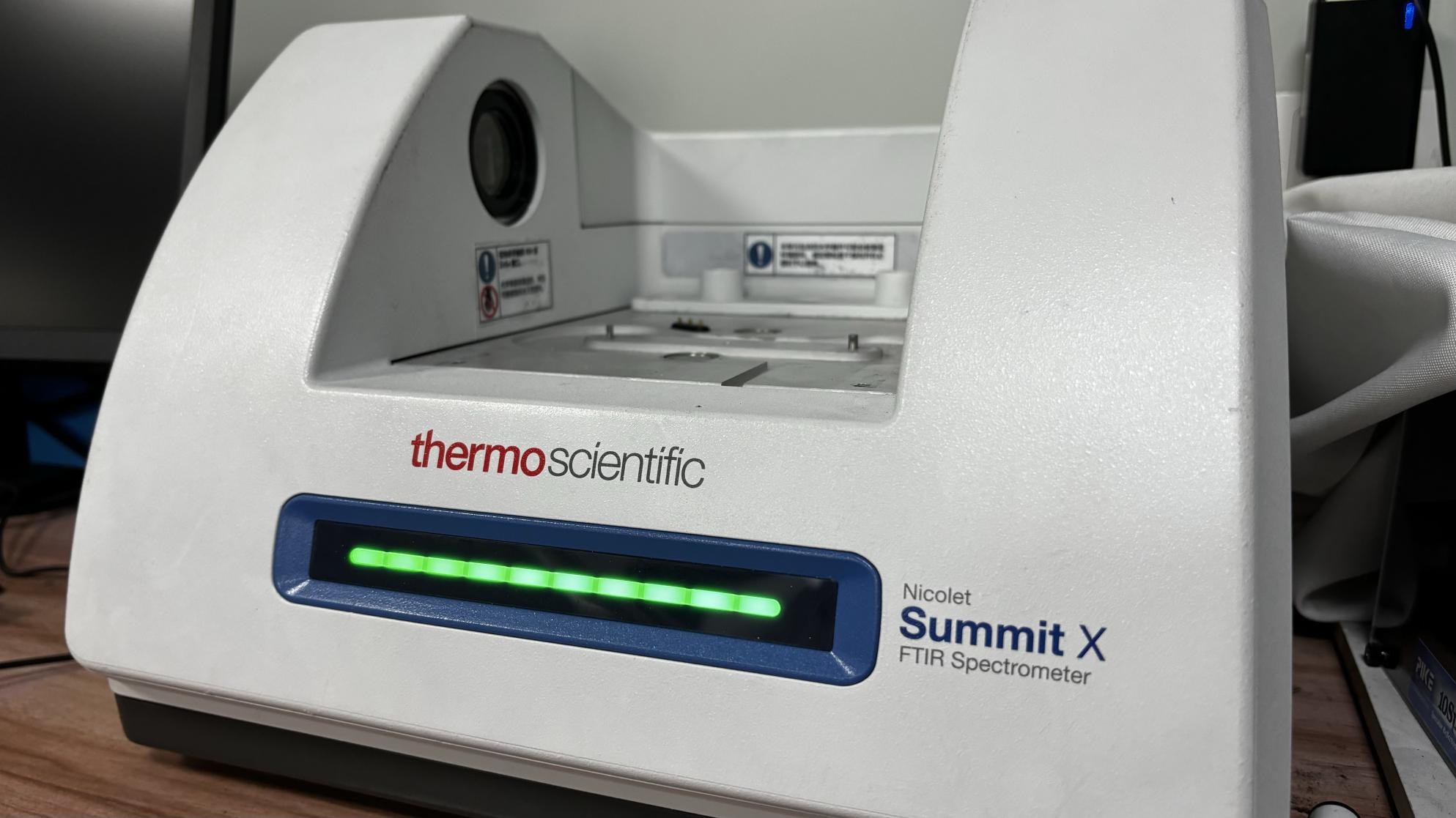
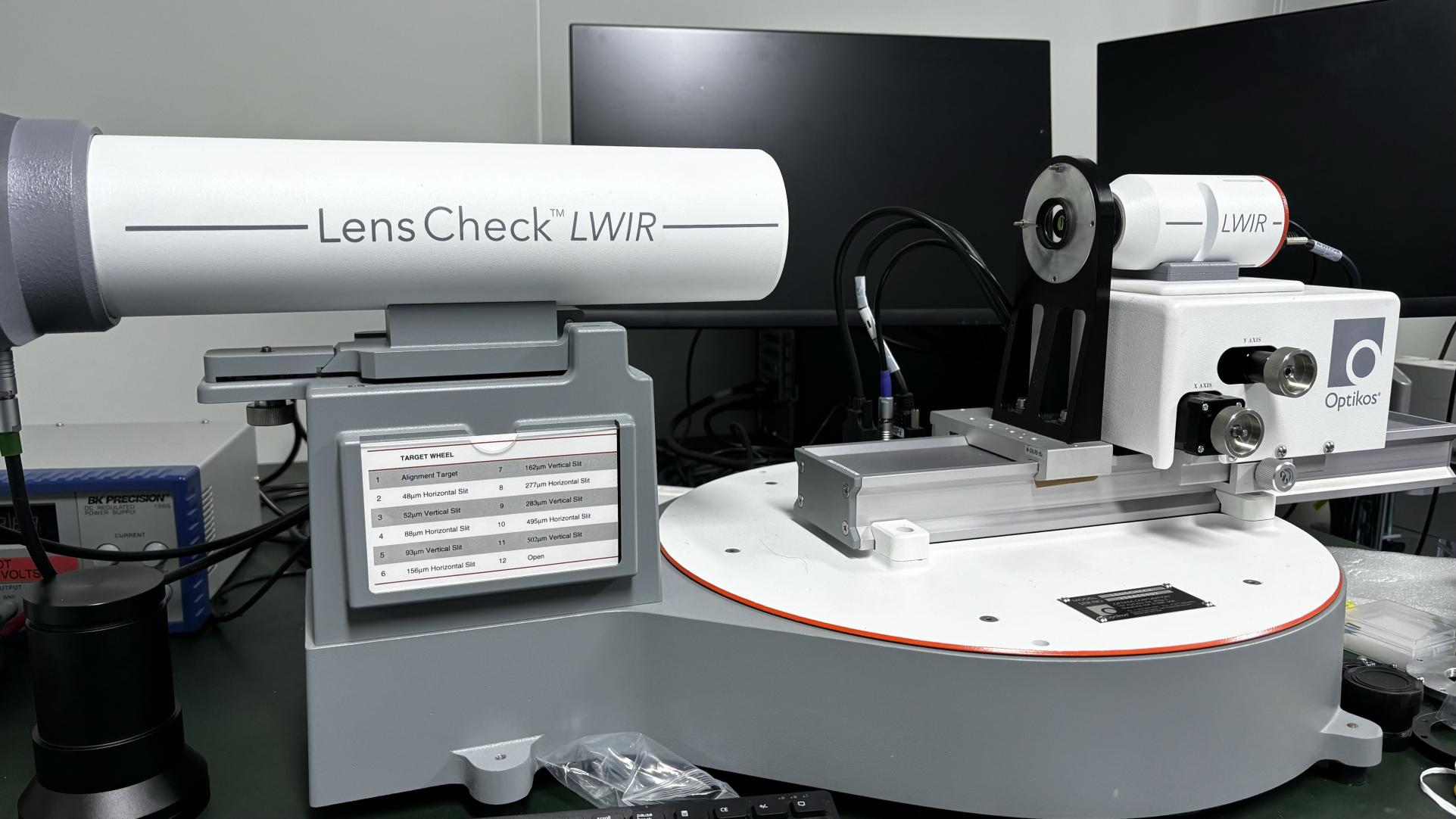
To maintain an annual export revenue of over USD 18 million, our factory utilizes high-precision polishing, coating, deviance profiling, and optical verification equipment. This guarantees that all transceivers, connectors, and passive components conform to strict international standards.
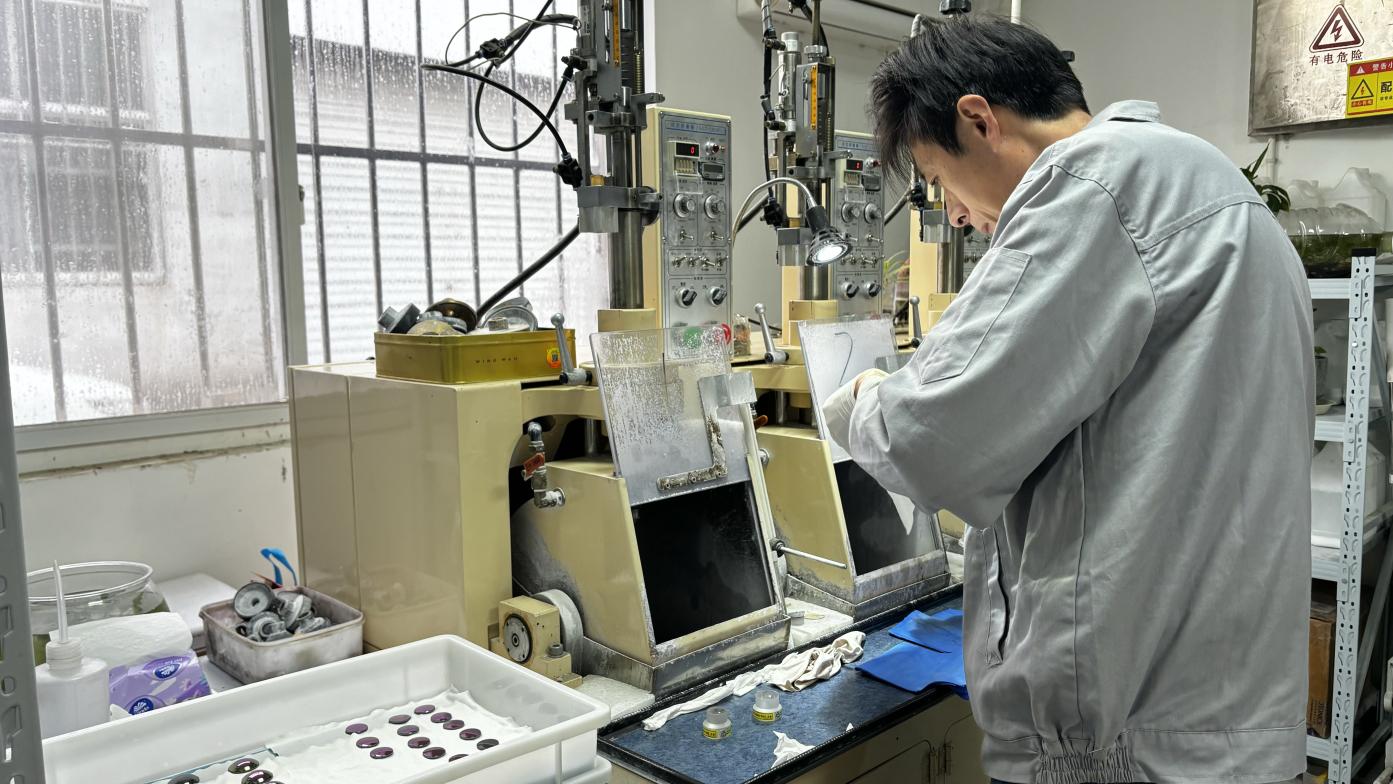
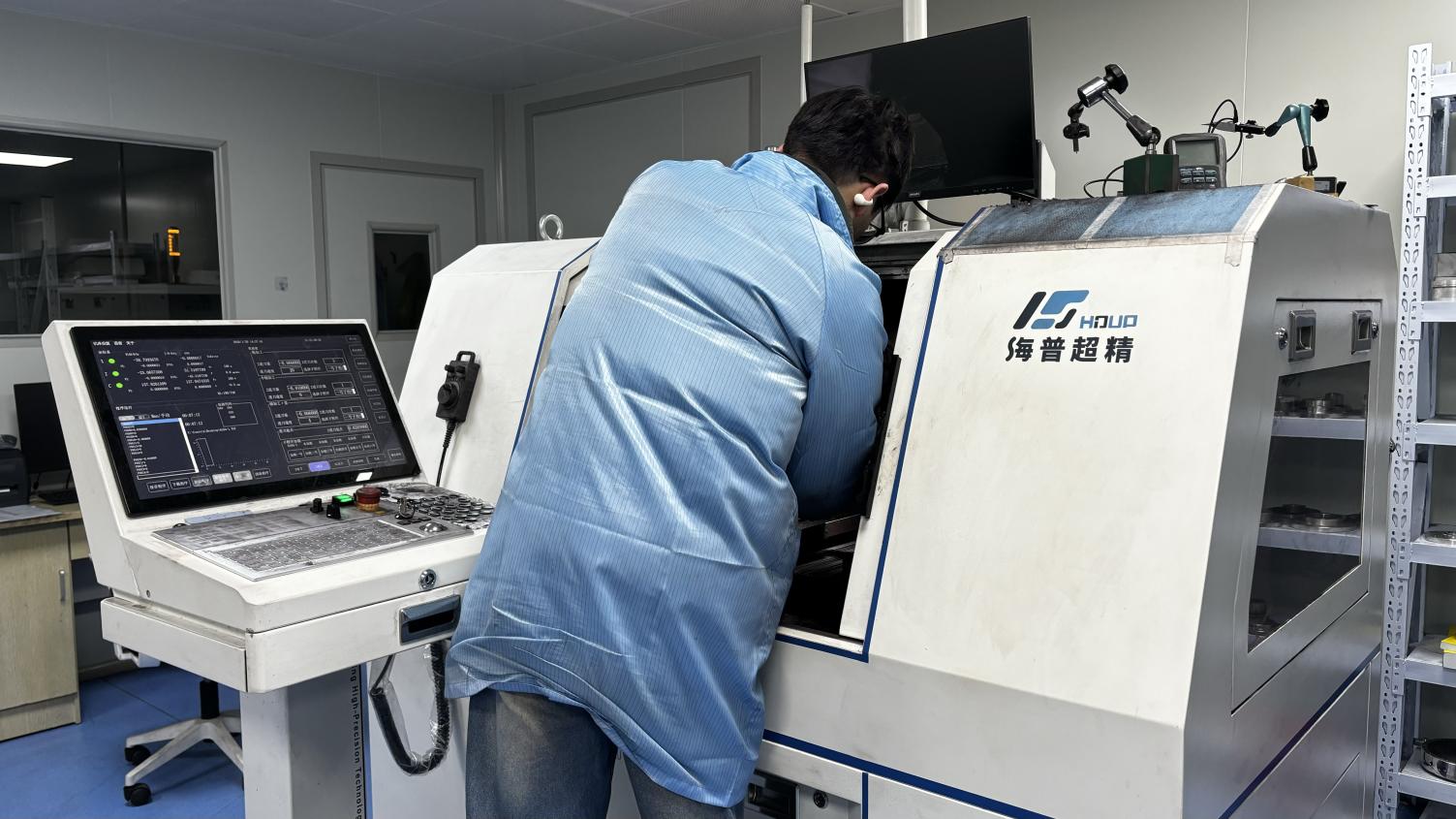
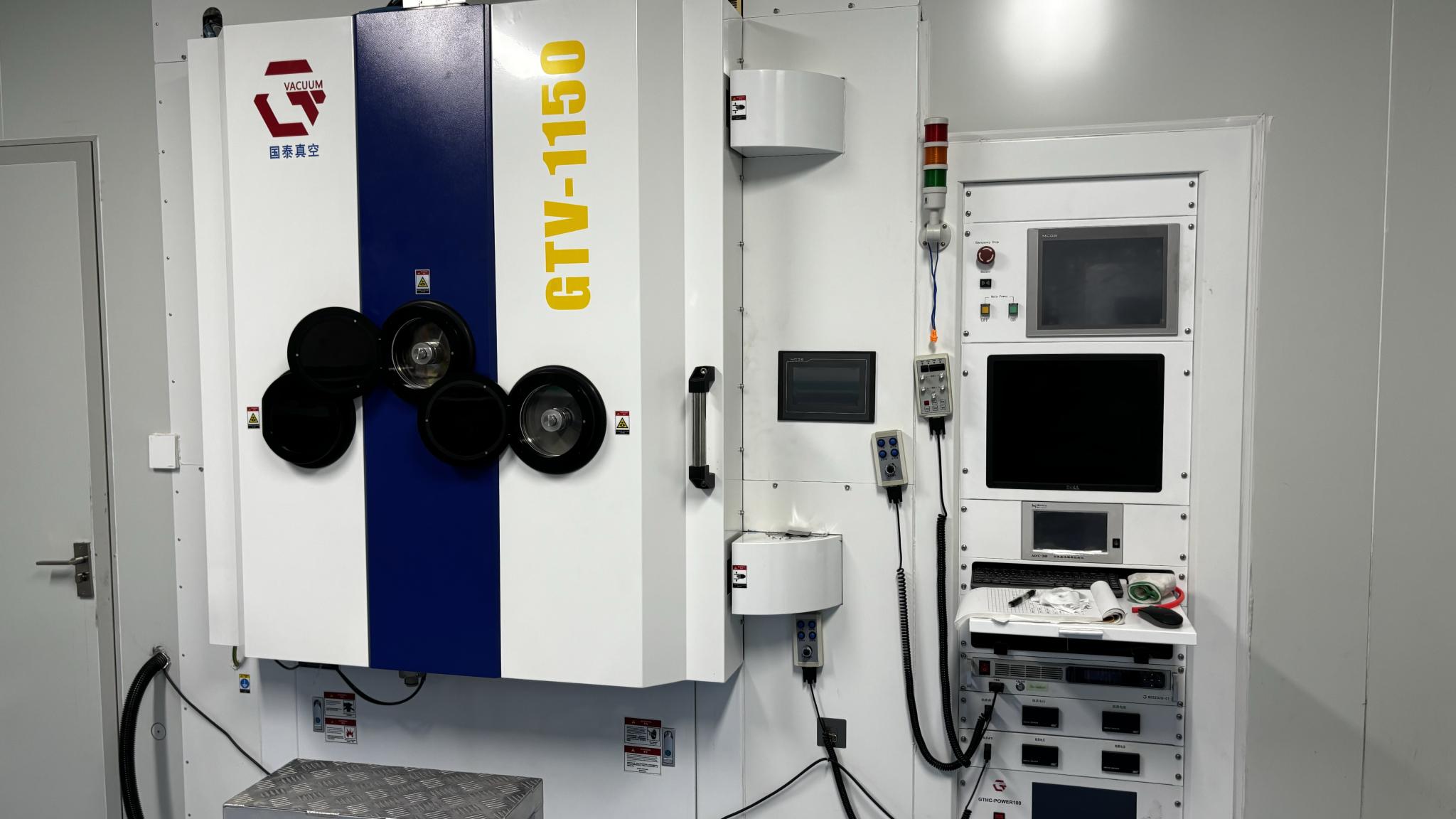
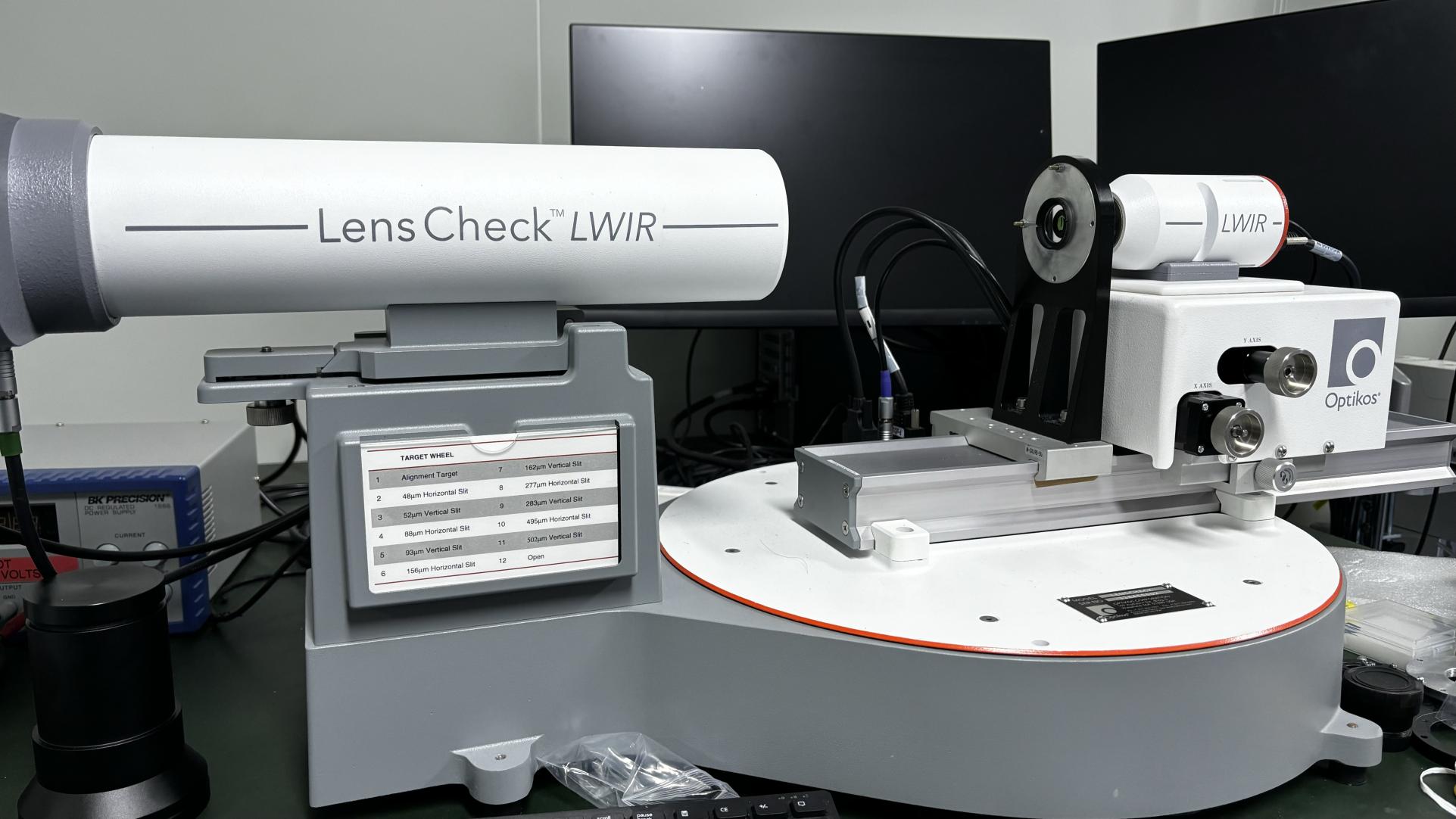
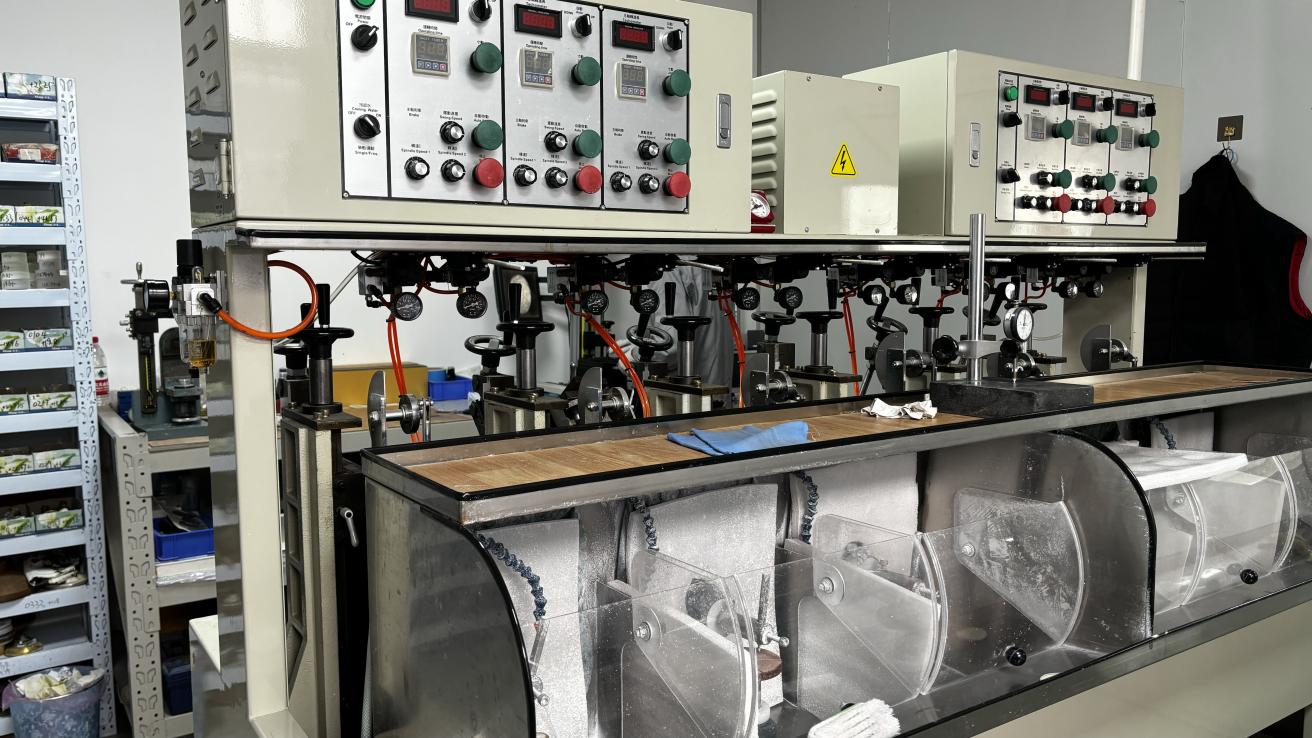
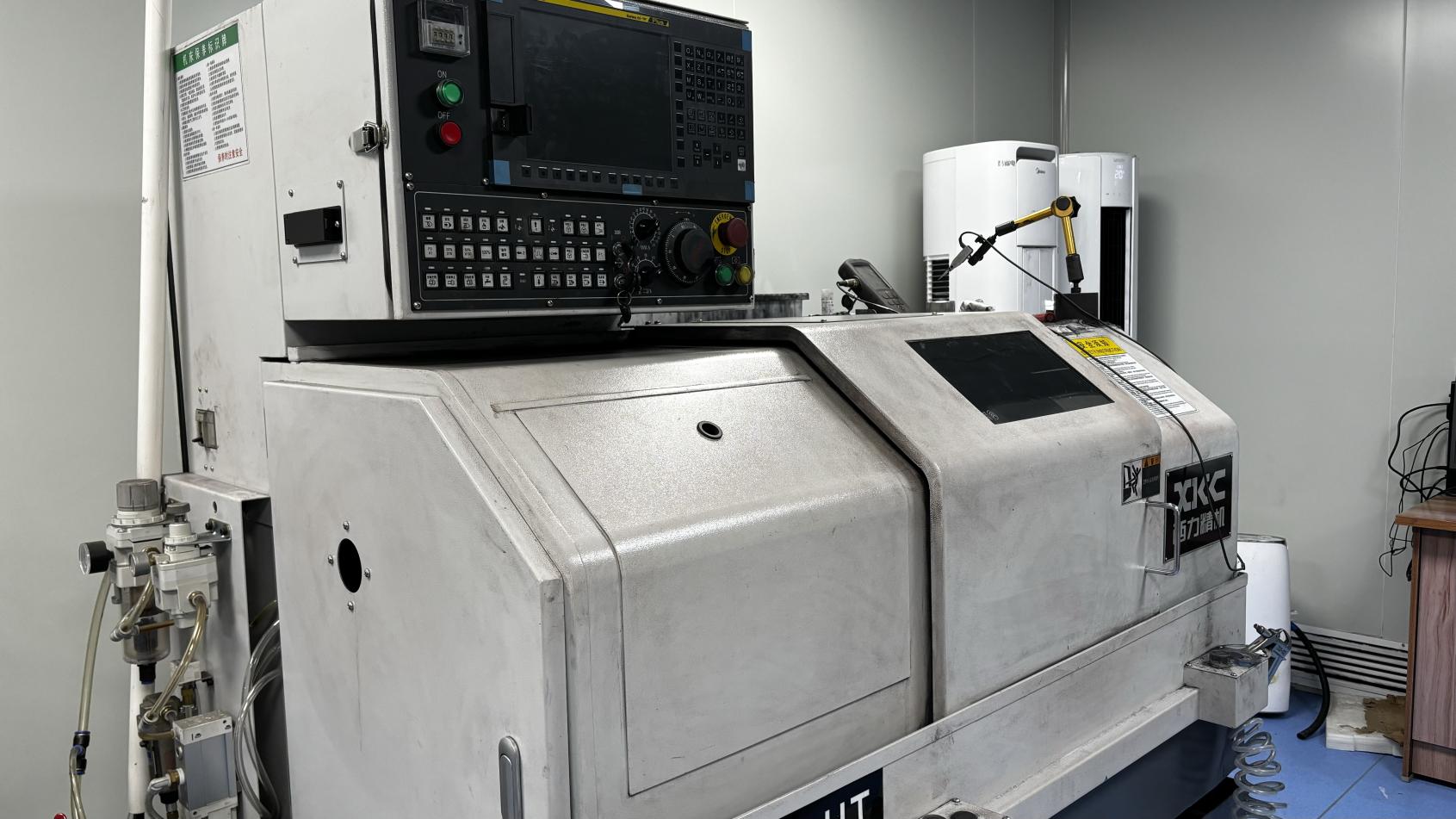
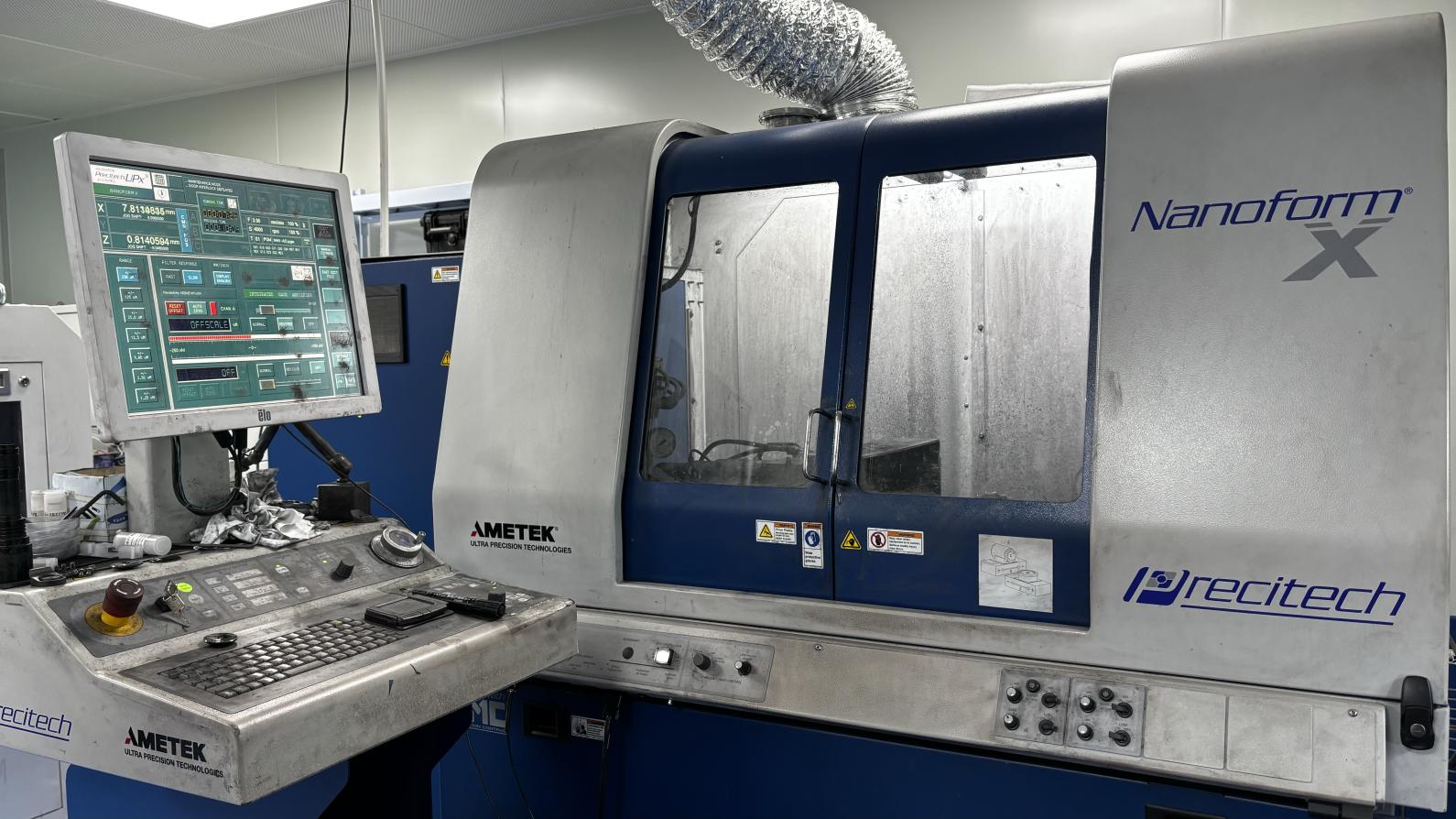
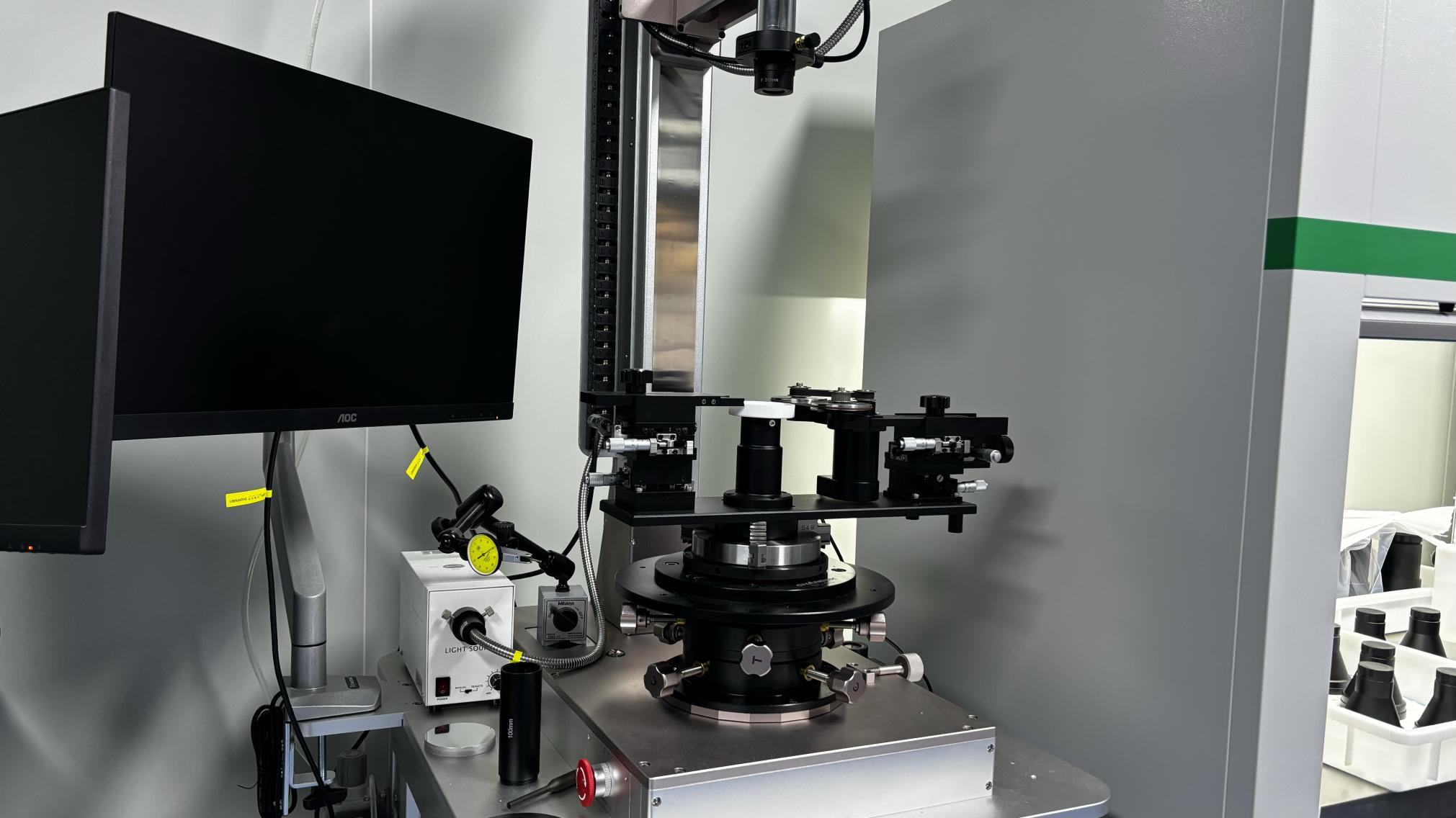
Industrial and communications infrastructures require custom network topologies. Below are the primary deployment environments where high-quality coaxial shielding and optical modules interface to ensure continuous operations:
High-density urban sectors require distributed antennas linked via low-loss 50-ohm coaxial cables to remote radio units (RRUs). The combination of high physical shielding and low PIM (Passive Intermodulation) is critical to prevent channel interference.
Modern avionics rely on coaxial networks to transport high-frequency radar data under massive G-force fluctuations and thermal cycles. Manufacturers use specialized outer jackets like Fluorinated Ethylene Propylene (FEP) to maintain phase-stable performance.
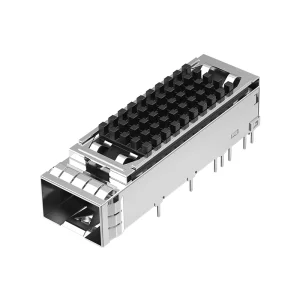
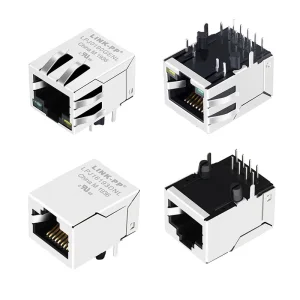
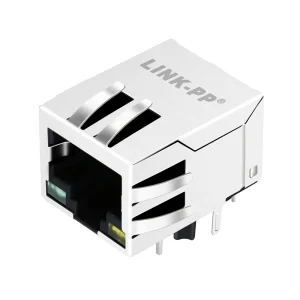
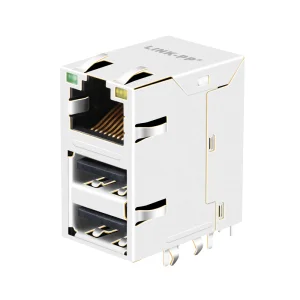
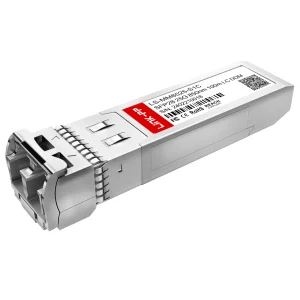
High-frequency transceivers (SFP28, QSFP28) interface directly with CAT6a network jacks and coaxial backplanes to route multi-gigabit traffic. Proper grounding and impedance match between systems prevent bit error rate (BER) spikes during traffic surges.
Explore the remaining architectural solutions designed to optimize commercial networking interfaces, fiber-to-copper media conversion, and low-loss digital signal distribution.

Clear up typical technical integration bottlenecks with direct answers from our hardware development division.