FiddlLink
FiddlLink
FiddlLink
Engineered for high compatibility, low-temperature coefficients, and rugged industrial performance in Bangladesh's environments.
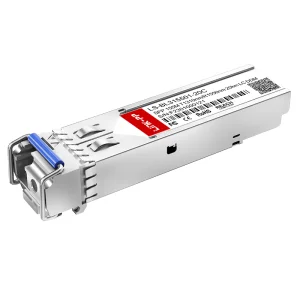
The Divisional City of Rajshahi, historically recognized as a center of silk production and academic excellence, is undergoing a profound digital transformation. As part of the Bangladesh government's Digital Delta framework and the expansion of the National ICT Infra-Network (Info-Sarker Project), the region requires robust optical backbone infrastructure. Educational institutions like the University of Rajshahi and RUET, alongside rising local Internet Service Providers (ISPs), require highly resilient fiber connections to link administrative hubs with rural and semi-urban communities.
Within this expanding network topology, 155M and 622M SFP transceivers (corresponding to SDH/SONET rates of STM-1/OC-3 and STM-4/OC-12) serve as critical components. While high-bandwidth 10G and 100G optics dominate core routing, the 155M and 622M modules are indispensable for metropolitan rings, SCADA utility management by the Northern Electricity Supply Company (NESCO), railway signalling systems, and long-range access points. Their low heat generation, narrow-band stability, and cost-efficiency make them ideal for distribution cabinets exposed to the tropical monsoon climate of Northern Bangladesh.
Fully compliant with IEEE 802.3ah Fast Ethernet and ITU-T G.957 STM-1/4 parameters for seamless interoperability.
Operating temperature options ranging from -40°C to 85°C, addressing thermal challenges in outdoor enclosure sites.
Real-time telemetry for optical power budgets, operating temperatures, and laser currents via SFF-8472 compatibility.
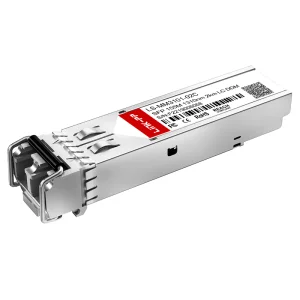
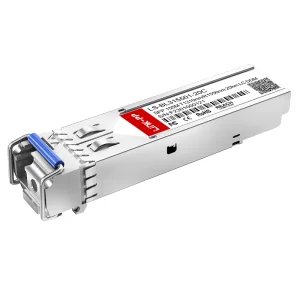
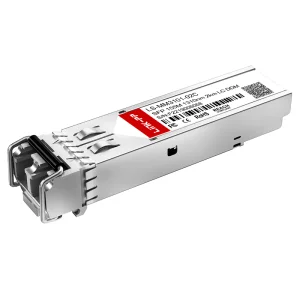
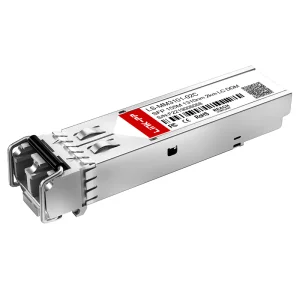
Precision-engineered configurations of FiddlLink 155M and 622M SFP transceivers serving regional telecom architectures.
Understanding physical layer dynamics is essential for deployment success. Our transceivers utilize high-performance FP or DFB lasers paired with high-sensitivity PIN or APD optical receivers. Below is an overview of the typical specifications configured for network deployment.
| Module Type | Wavelength (nm) | Fiber Type | Max Distance (km) | TX Power (dBm) | RX Sensitivity (dBm) | Typical Interface |
|---|---|---|---|---|---|---|
| 155M Multimode MM | 1310nm | MMF (OM1/OM2) | 2 km | -19 to -14 | ≤ -32 | Duplex LC |
| 155M Single Mode LX | 1310nm | SMF (G.652) | 10 km / 15 km | -15 to -8 | ≤ -34 | Duplex LC |
| 155M BiDi (Single-Fiber) | 1310TX / 1550RX | SMF (G.652) | 20 km / 40 km | -14 to -8 | ≤ -32 | Simplex LC |
| 100BASE-ZX Long Haul | 1550nm | SMF (G.652) | 80 km | -5 to 0 | ≤ -35 | Duplex LC |
| 622M STM-4 Duplex | 1310nm | SMF (G.652) | 15 km / 20 km | -15 to -8 | ≤ -28 | Duplex LC |
FiddlLink Optical Technology Co., Ltd. is an established manufacturer of high-performance optical transceivers and fiber optic communication systems. Established in 2016, our advanced cleanroom manufacturing and research facility spans 380 square meters. Our production floor operates strictly under ISO 9001:2015 standards, designed to meet the demands of global network deployments.
Leveraging 12 years of industry experience and 8 years of dedicated export history, we generate an annual export revenue of approximately USD 18 million. By managing a strategic supply network of over 850 raw material partners, we ensure stable manufacturing cycles and product pricing, shielding partners in Rajshahi and beyond from volatile market supply fluctuations.
Driven by continuous technical development, our R&D group comprises 126 engineers and optical specialists. We maintain compatibility profiling databases for over 100 major networking brands, introducing 186 new products annually. This capacity allows us to offer flexible OEM/ODM, firmware matching, and custom DDM threshold calibrations.
Inside the FiddlLink production cleanrooms: Where design meets micro-optoelectronic precision.
Our quality assurance workflow involves rigorous inspection stages, from raw sub-component polishing to final spectral testing. Here is a look at the equipment and processes powering our high-reliability SFP modules.
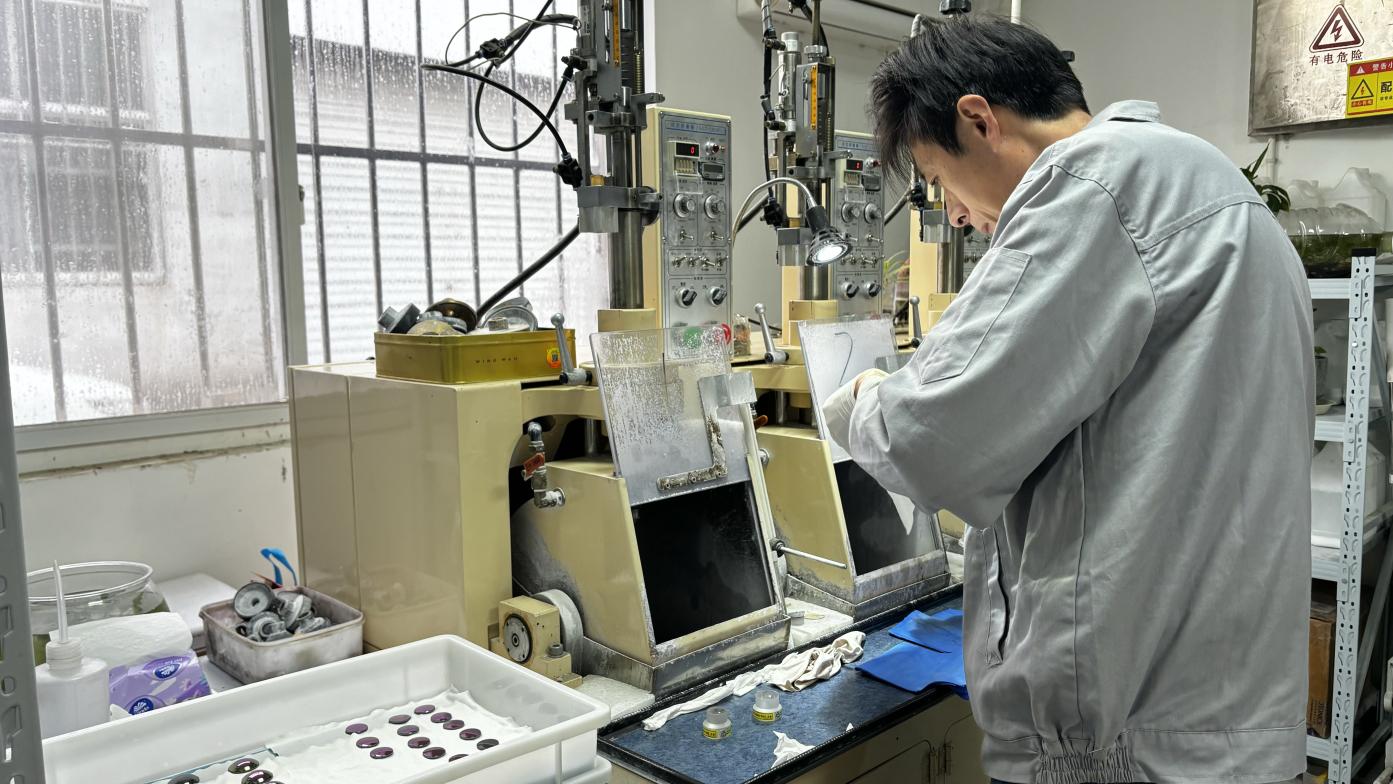
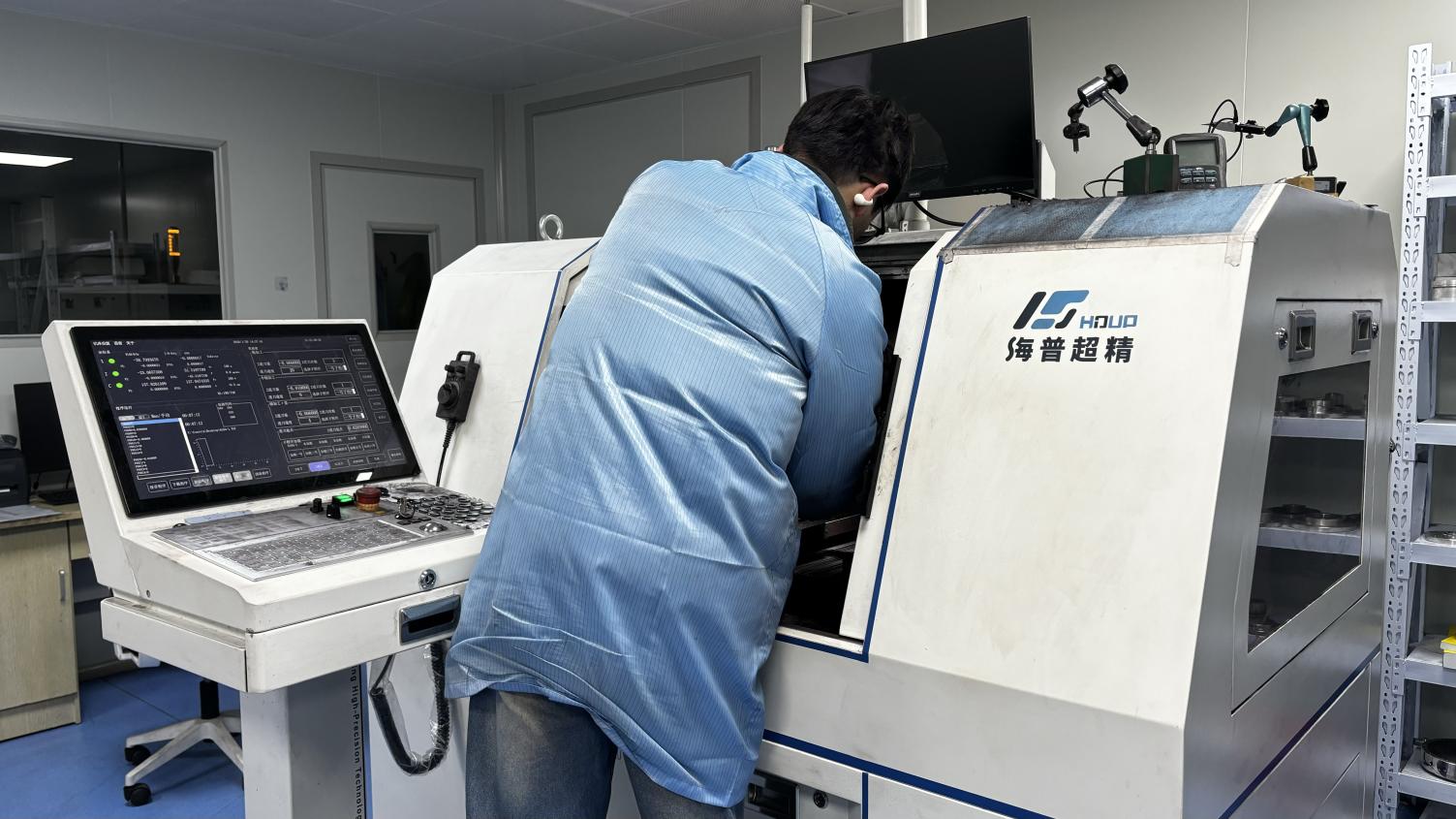
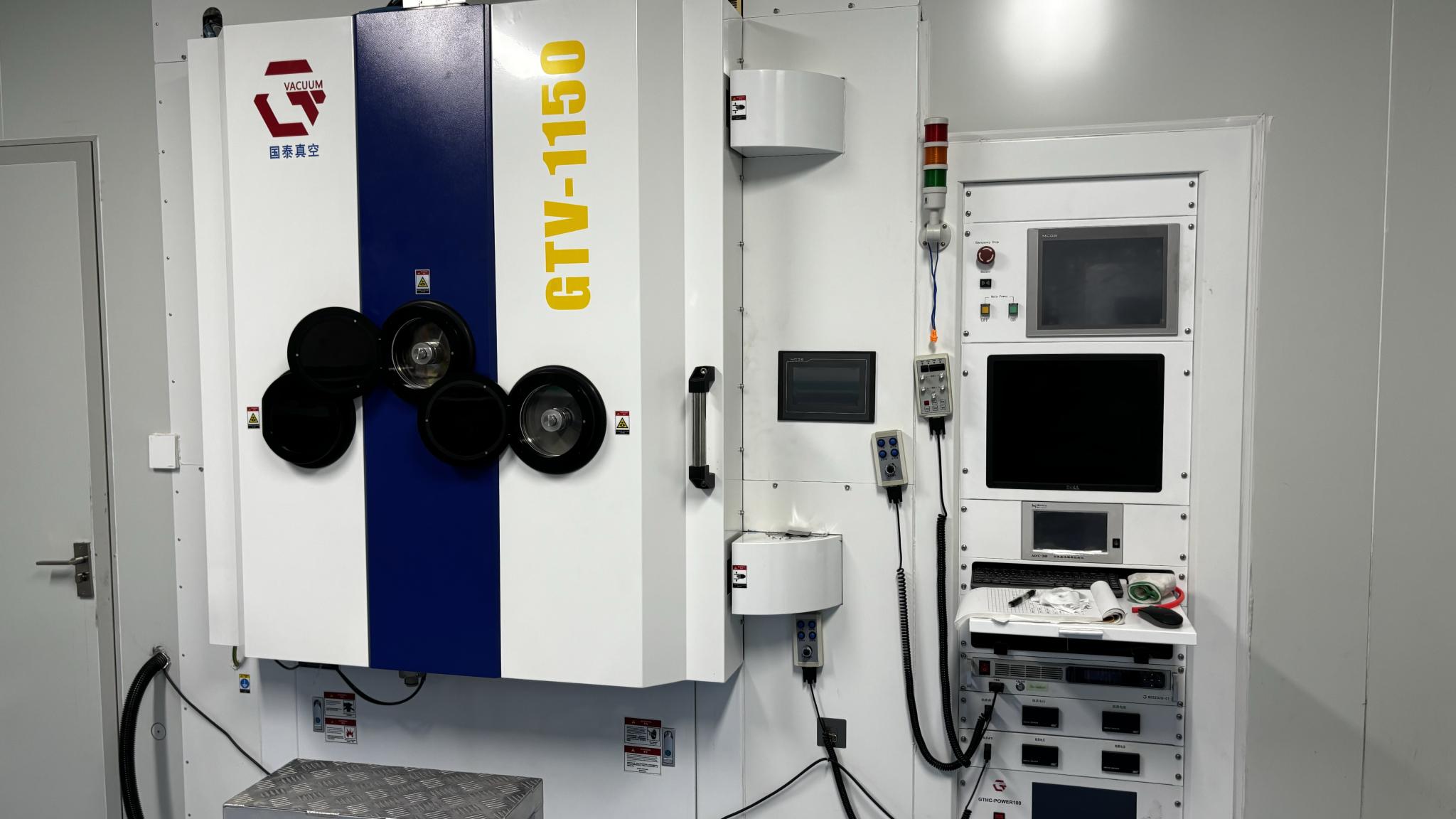
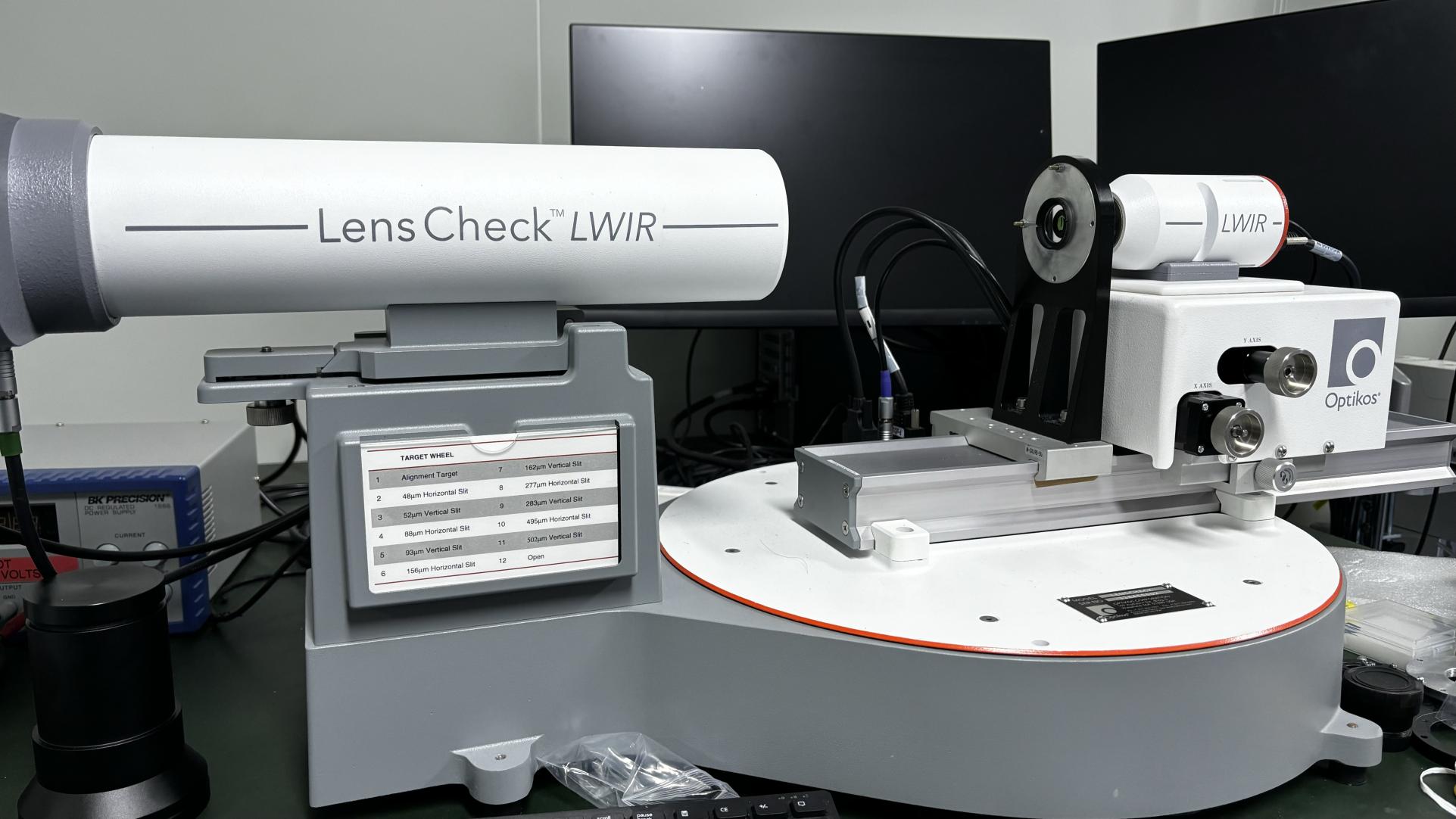
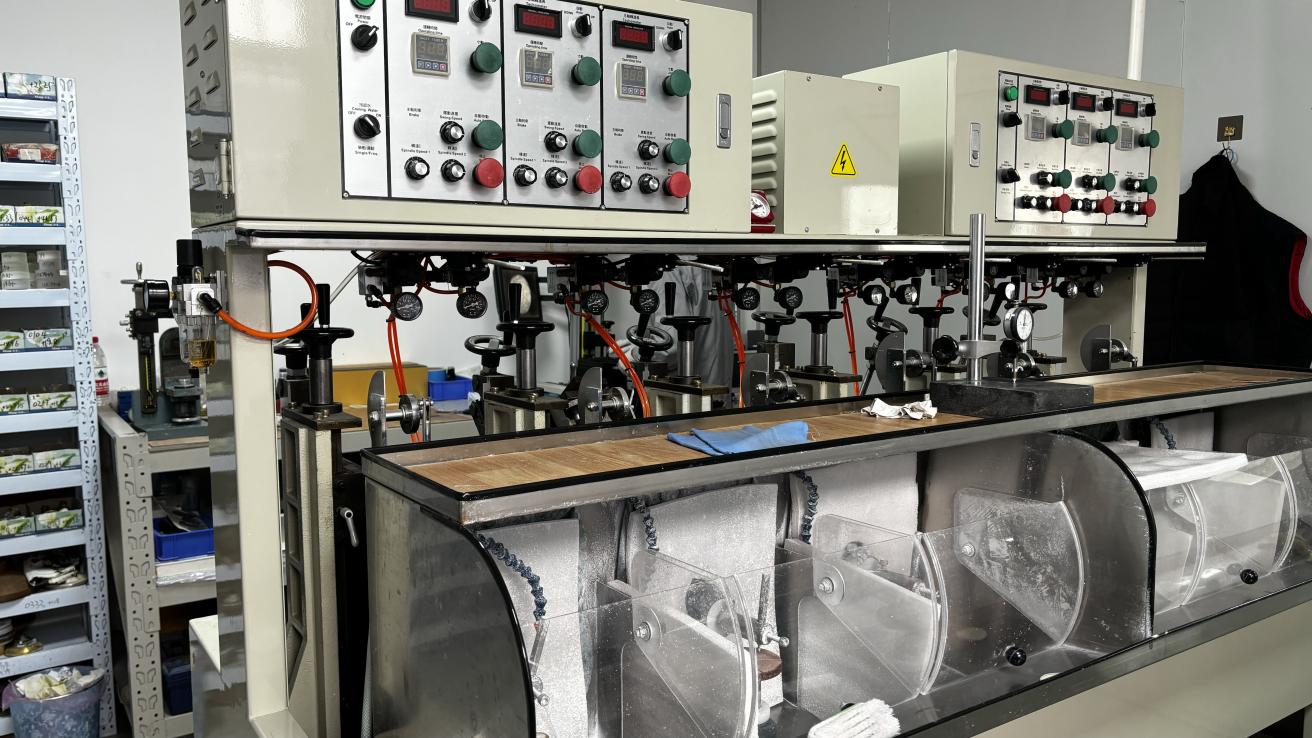
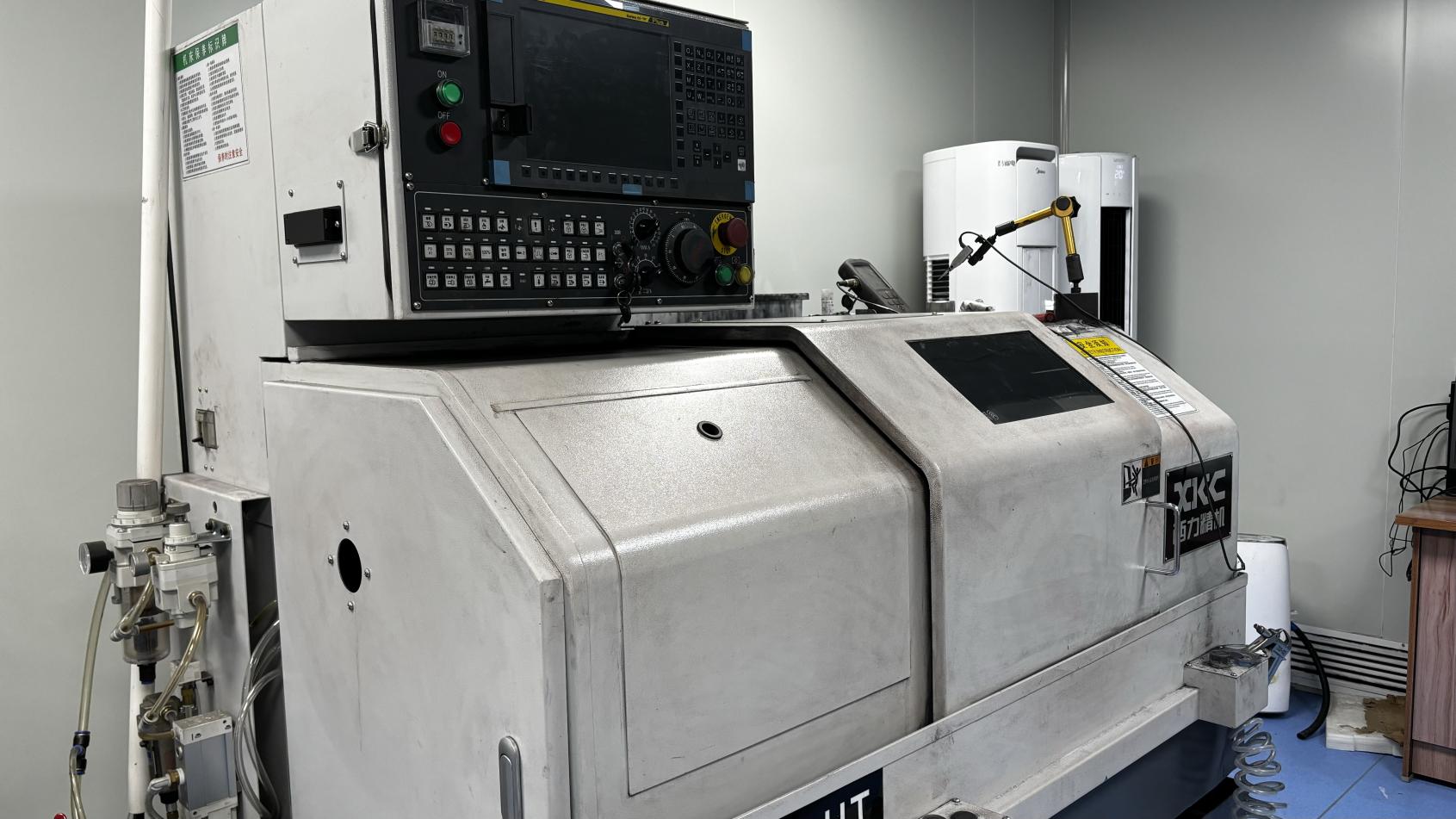
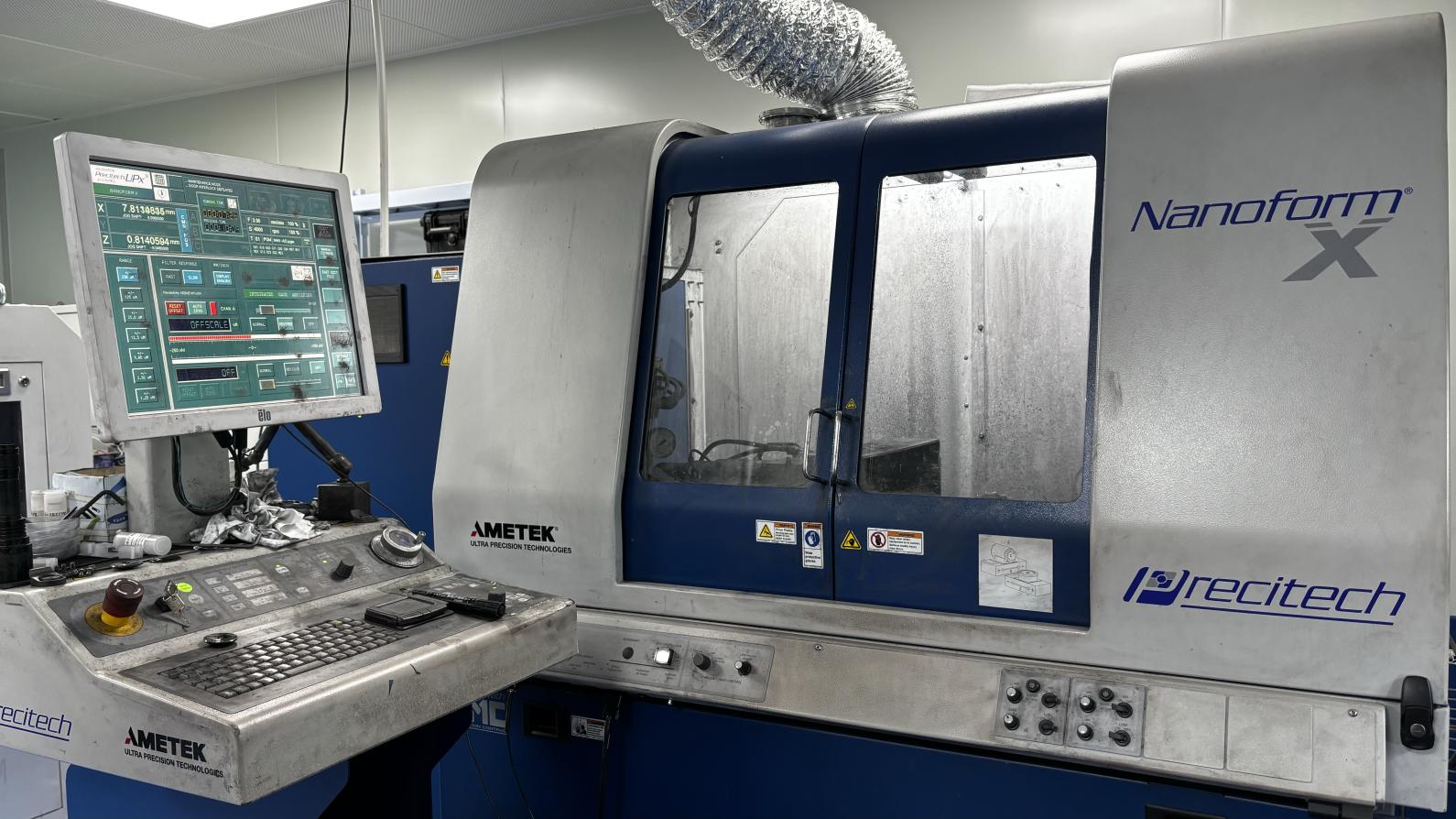
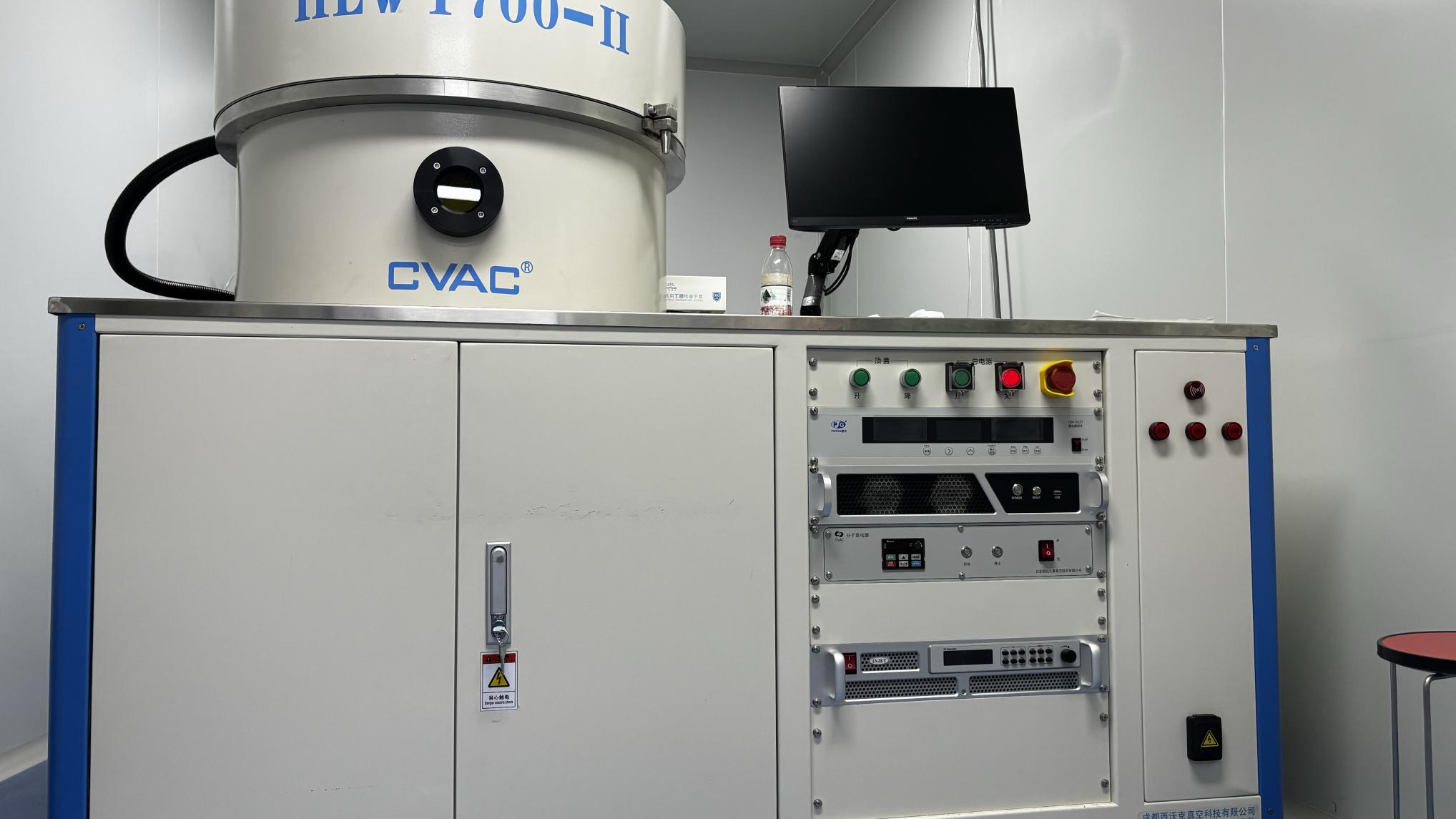
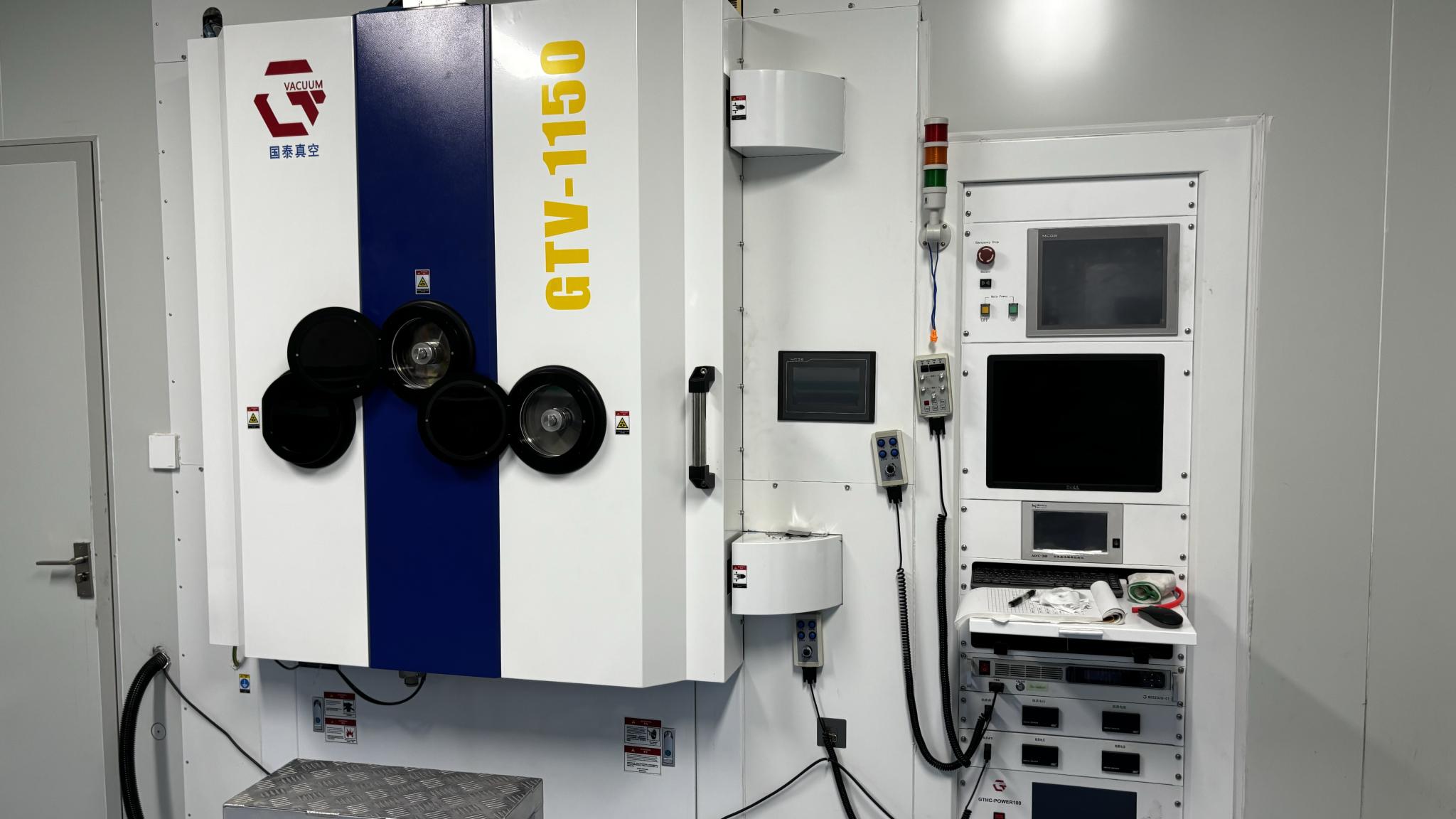
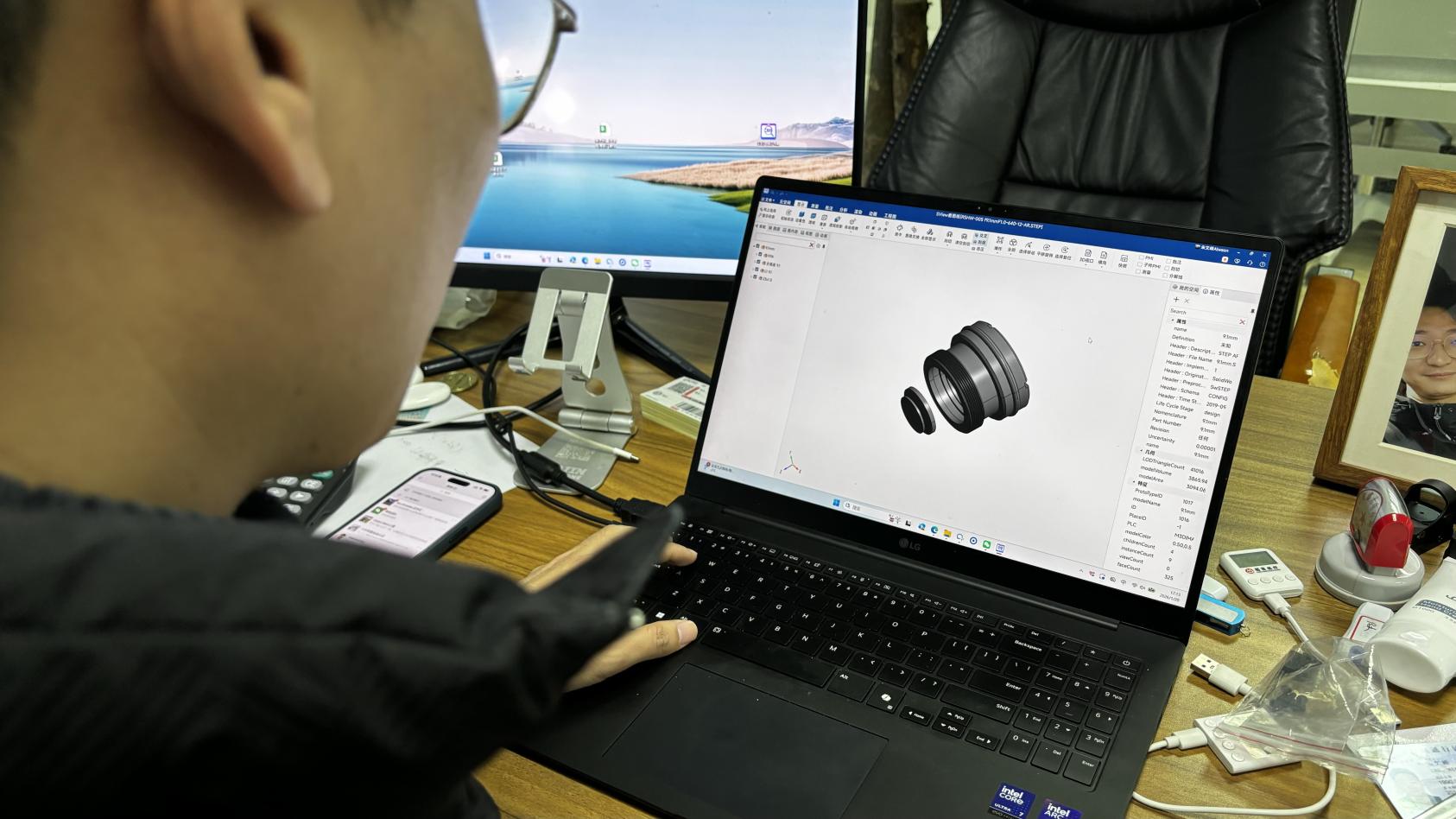
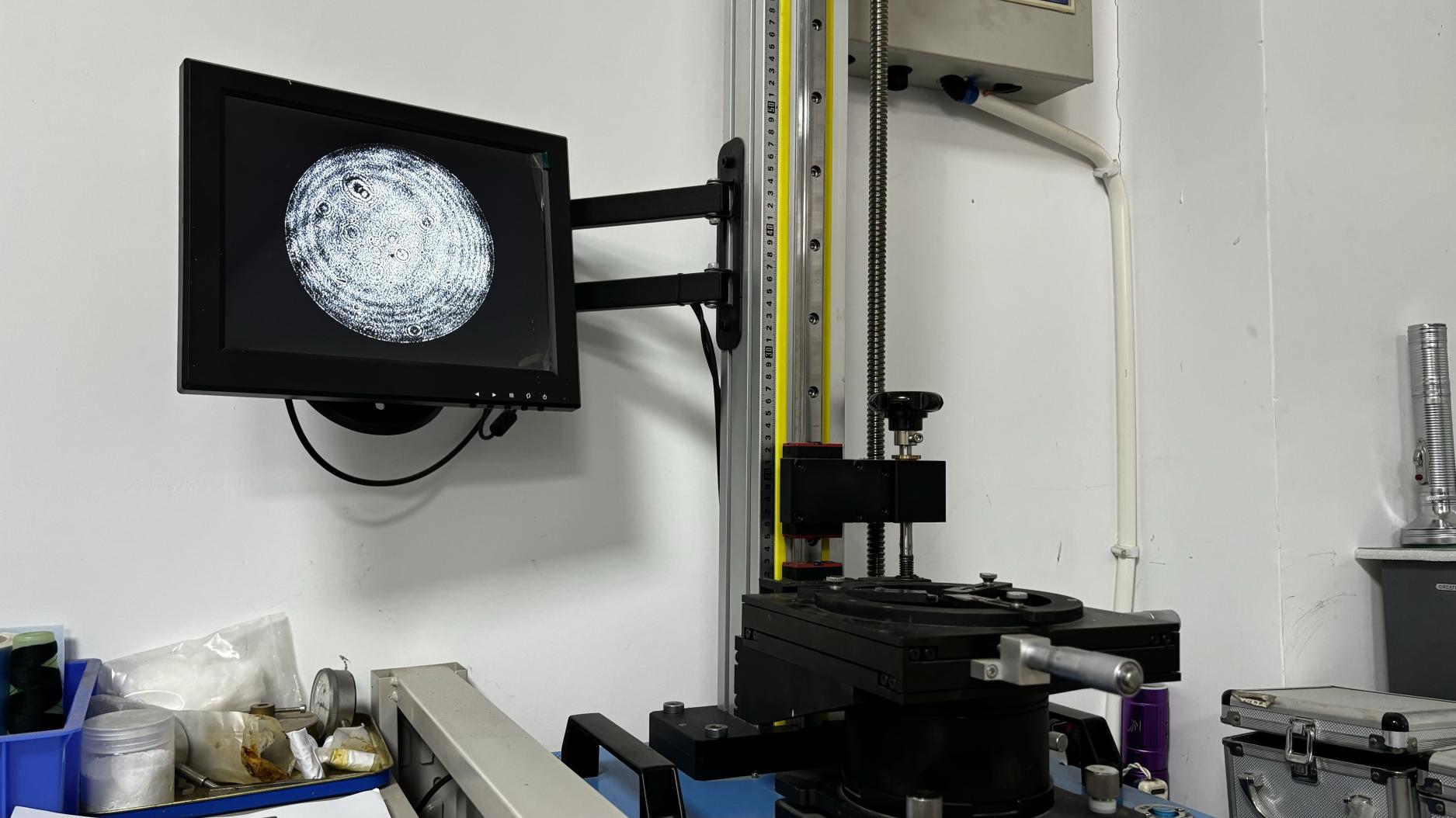
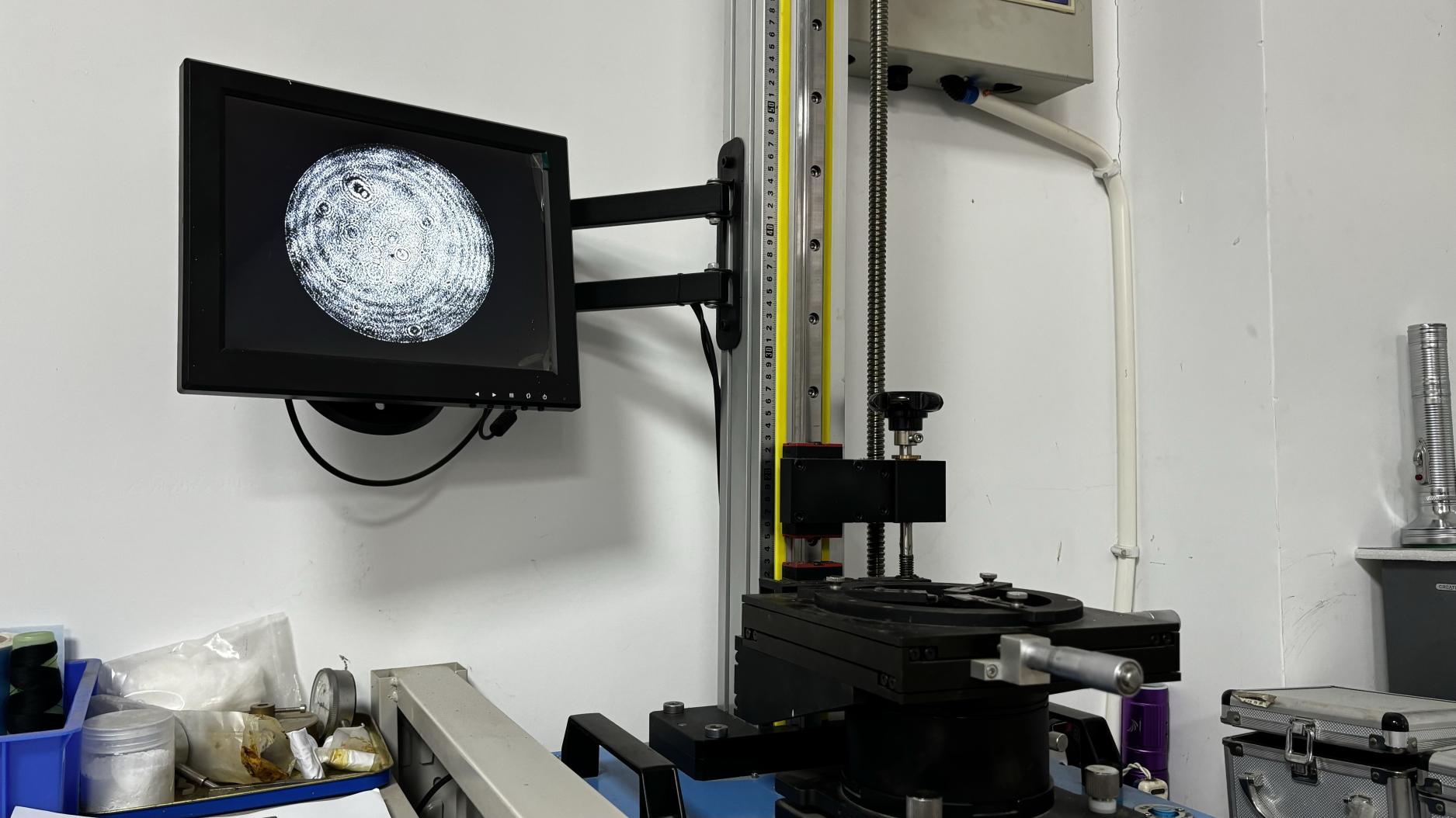
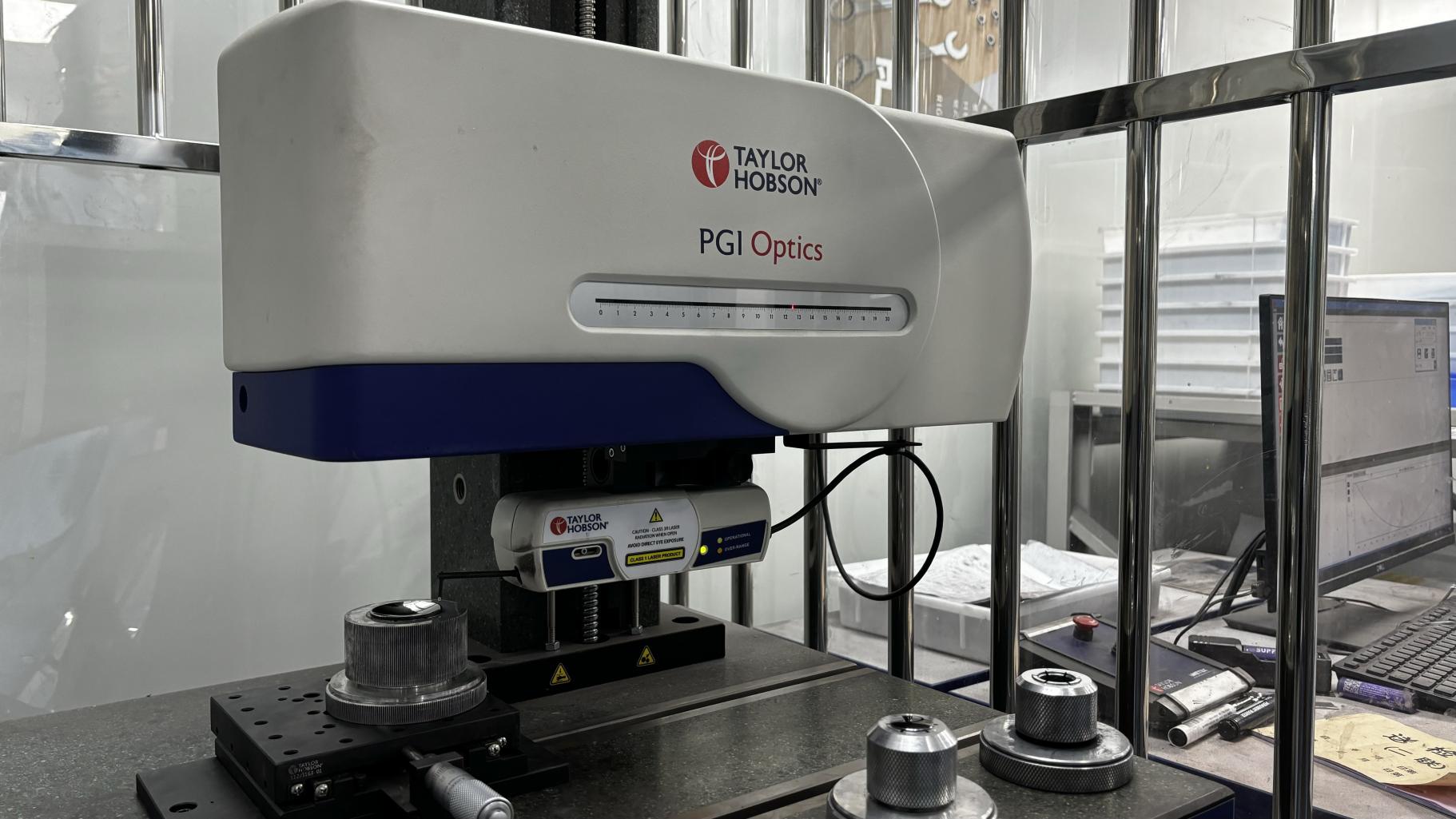
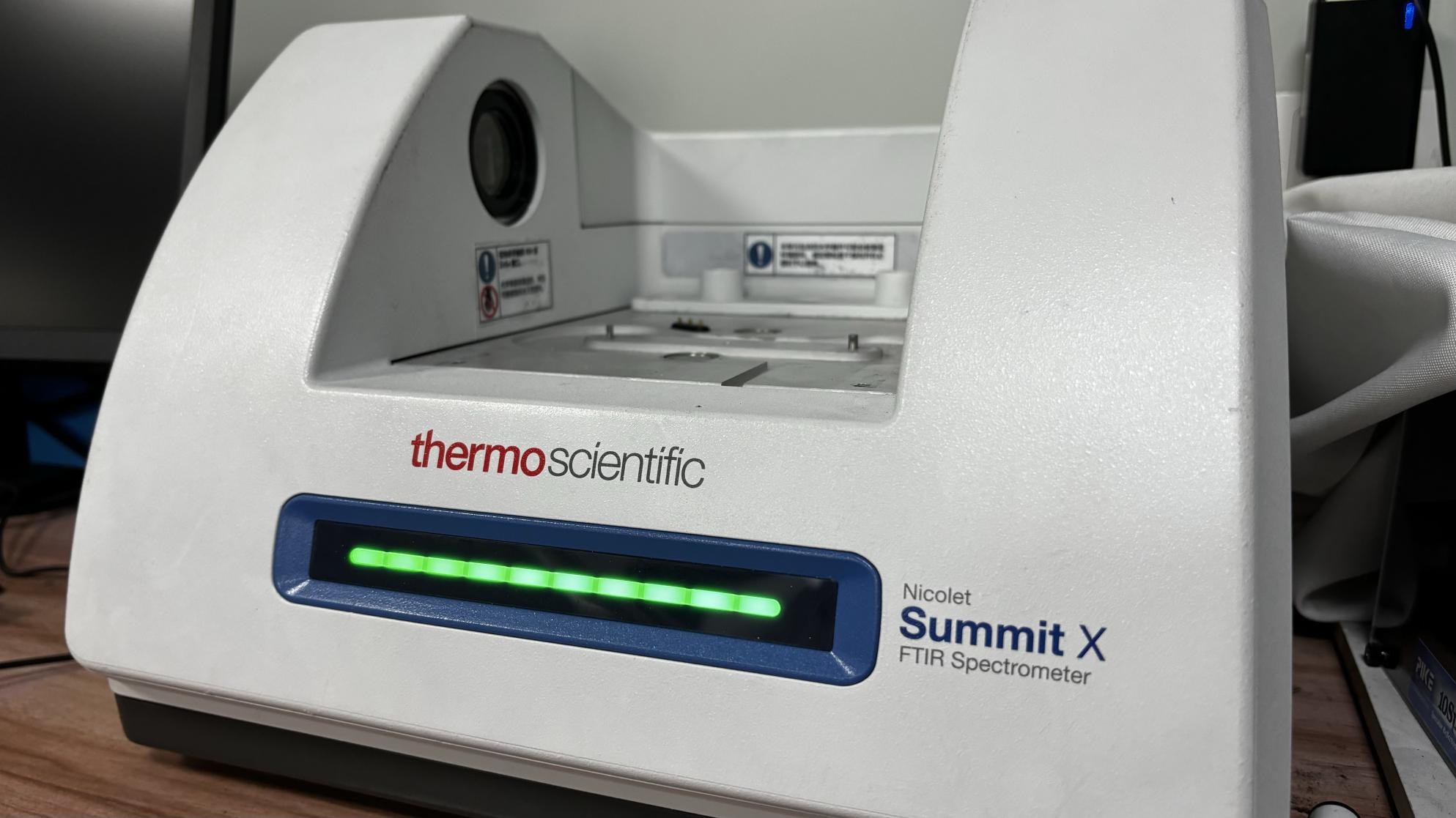
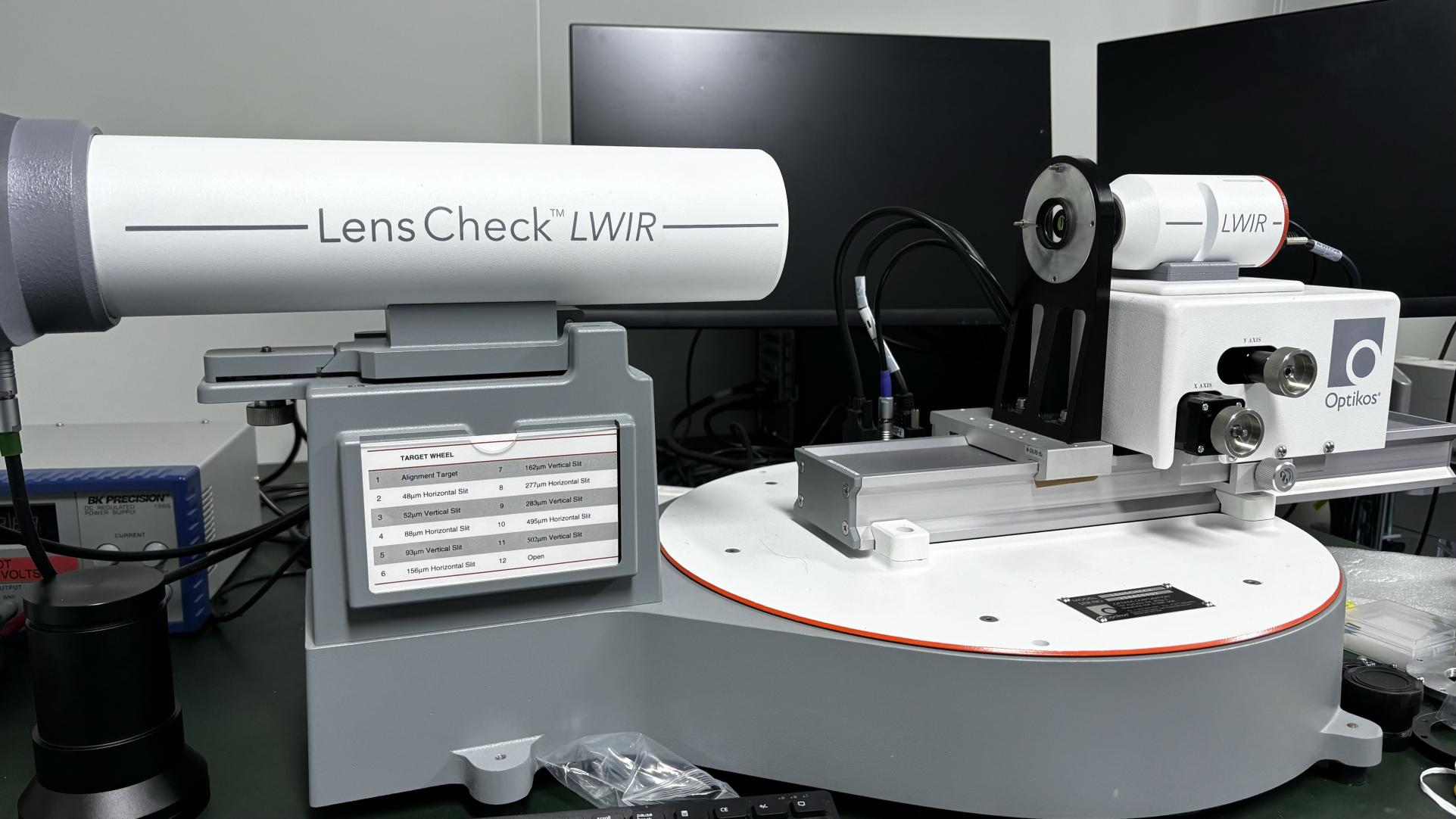
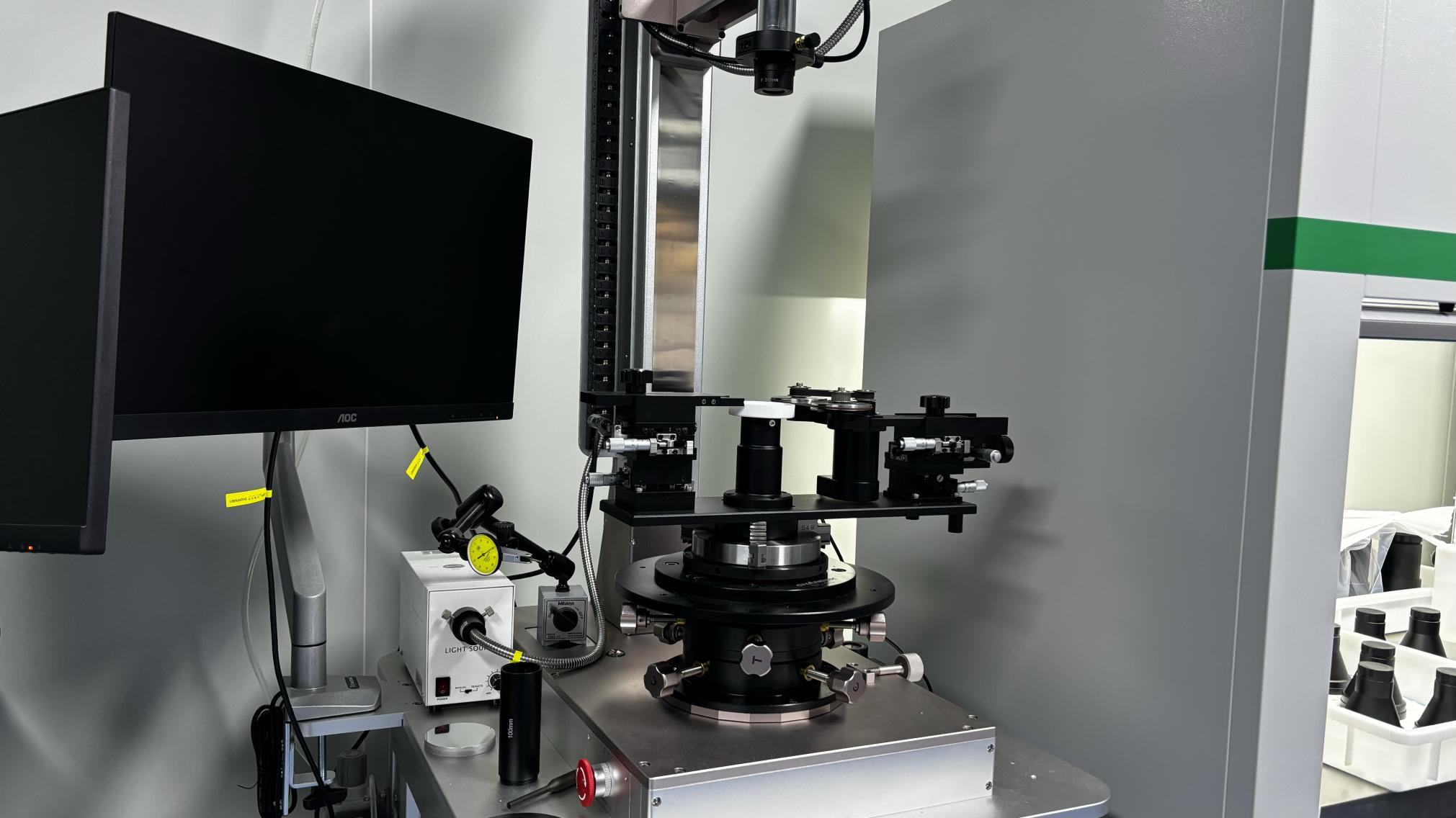
Seamless operational performance matched to leading host network equipment brands, configured for local fiber runs.
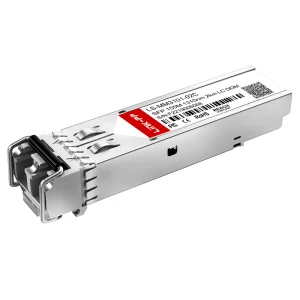
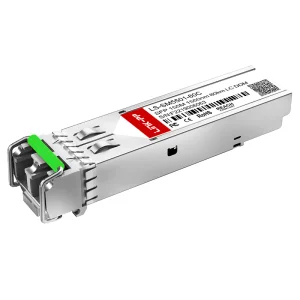
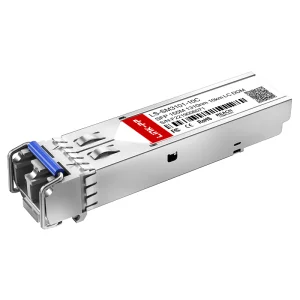
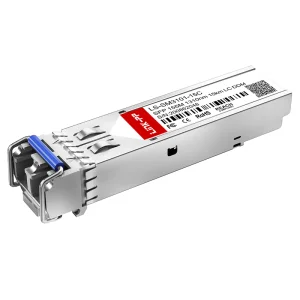
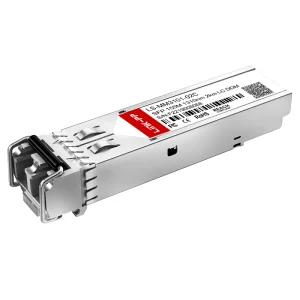
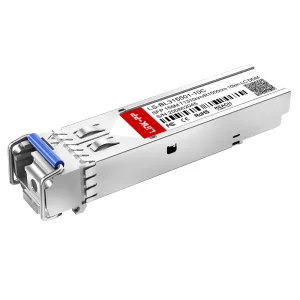
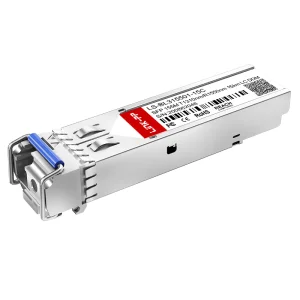
Addressing network engineering challenges in Northern Bangladesh through strategic application configurations.
Utility companies like NESCO operate substation equipment across regional grids, requiring reliable data lines. Our industrial-grade 155M transceivers are configured to support the EMI mitigation standards and extreme temperatures of high-voltage locations, ensuring stable telemetry and control operations.
In fiber-constrained municipal areas, utilizing single-strand Bidirectional (BiDi) SFP transceivers allows operators to double their capacity without deploying additional cabling. Using wavelength separation (1310nm TX/1550nm RX), local network providers can optimize transport performance on existing single-mode fibers.
High-density educational campuses require reliable, low-latency links between departmental servers and laboratories. Our multimode LC modules (Fast-MM) integrate with older industrial switch hardware, allowing systems to achieve stable connectivity without costly interface replacements.
Insights on 155M & 622M optical transceiver engineering, compatibility configurations, and application performance.
Optimize your fiber-optic infrastructure. Connect with our technical application team for custom firmware programming, spec validation sheets, and volume pricing quotes tailored to your requirements.
Send Inquiry Now