FiddlLink
FiddlLink
FiddlLink
Engineered for ultra-low latency, zero signal attenuation, and professional audio-over-IP networking environments.
In the modern era of professional AV production, ultra-high-definition audio distribution has evolved beyond legacy analog copper lines. The global broadcast, stadium entertainment, and enterprise telecom industries now demand unified networking infrastructures. At FiddlLink Optical Technology Co., Ltd., established in 2016, we lead this shift. By combining our 12 years of core industry expertise in optical transceiver manufacturing with advanced cable engineering, we deliver next-generation signal transmission systems. Our solutions range from traditional high-fidelity audio cabling to digital interfaces, SFP transceivers, and electromagnetic-shielded connector systems.
Our modern manufacturing facility covers an area of 380 square meters, designed to implement cleanroom assembly and high-precision physical component polishing. This infrastructure directly ensures minimal signal jitter and maximum attenuation suppression across both fiber optic links and copper audio channels. As an industry-leading OEM/ODM partner, FiddlLink operates with an annual export revenue of approximately USD 18 million. We supply mission-critical connection products to telecommunication operators, data centers, system integrators, and premium audio-visual equipment manufacturers globally.
The professional audio-visual market is experiencing structural changes driven by three macro trends:
FiddlLink satisfies these requirements. In the past year alone, our dedicated R&D team of 126 experienced engineers successfully launched 186 new products. These designs target the high-frequency requirements of telecom-grade networking and high-fidelity media routing.
System integrators and procurement leads face persistent technical hurdles when routing audio signals over long distances. High-frequency digital audio over copper is highly susceptible to EMI and crosstalk. Standard cabling can fail under constant flexure in live performance scenarios.
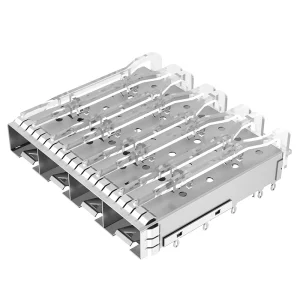
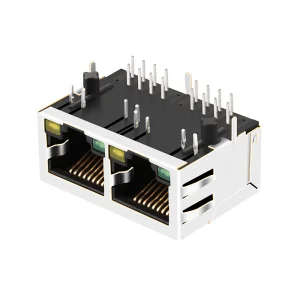
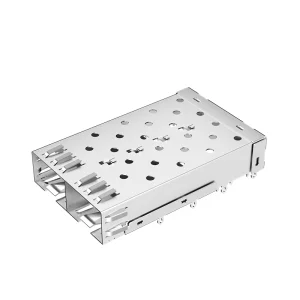
FiddlLink solves these issues at the component level. By utilizing press-fit ZSFP+ cages with integrated EMI shielding, high-grade magnetic modules, and ruggedized RJ45 receptacles, we ensure structural integrity. This prevents packet dropouts and impedance mismatches. Our products are engineered with 42 QC professionals executing multi-stage test protocols. These processes assure conformity to CE, FCC, RoHS, and REACH standards, minimizing system downtime.
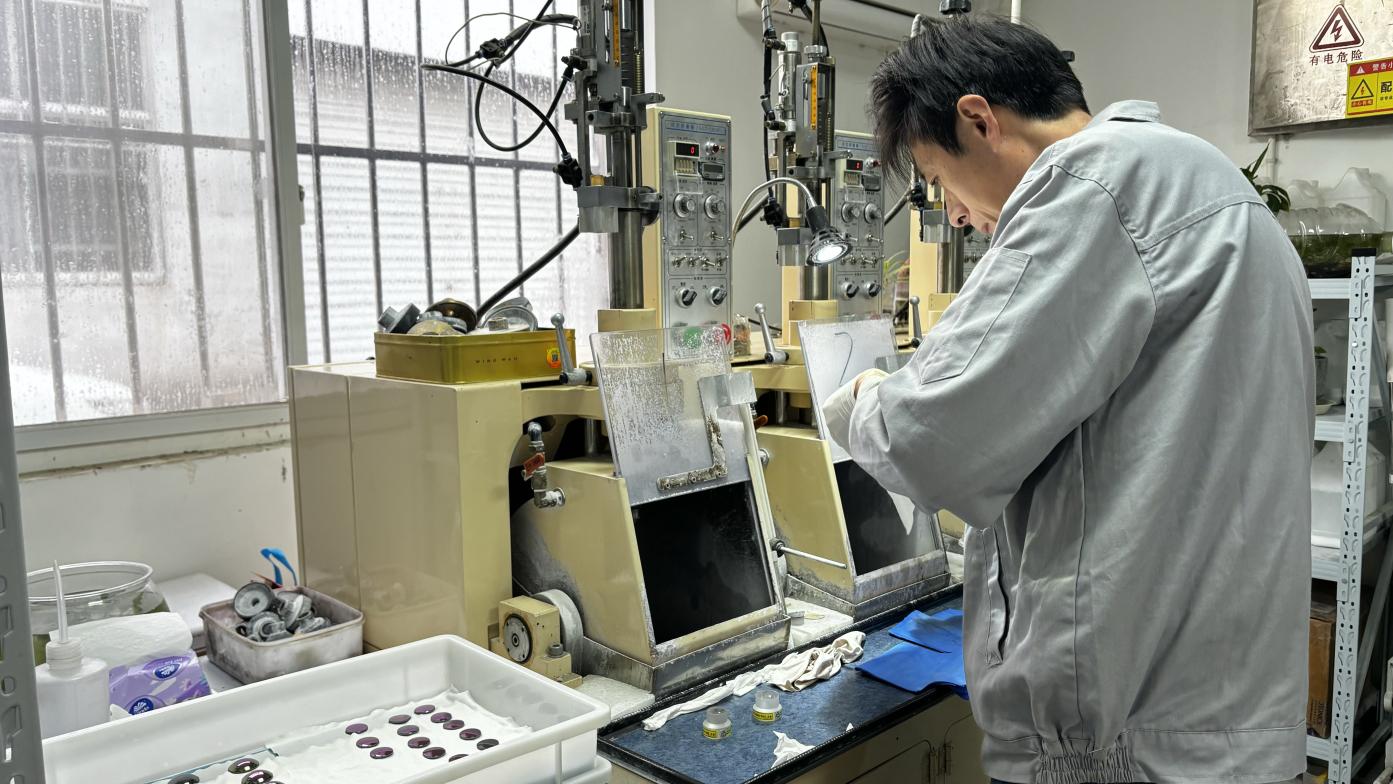
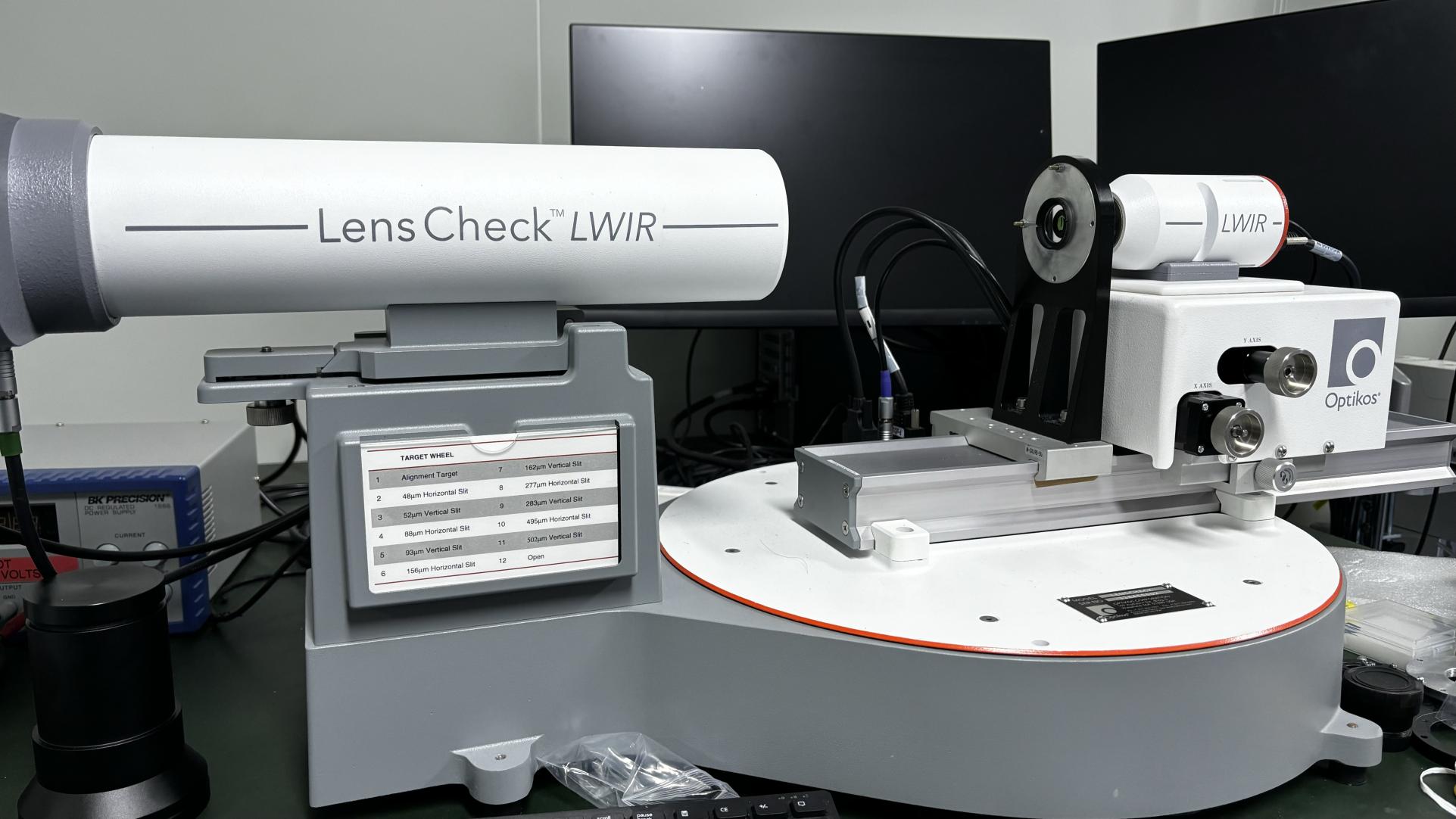
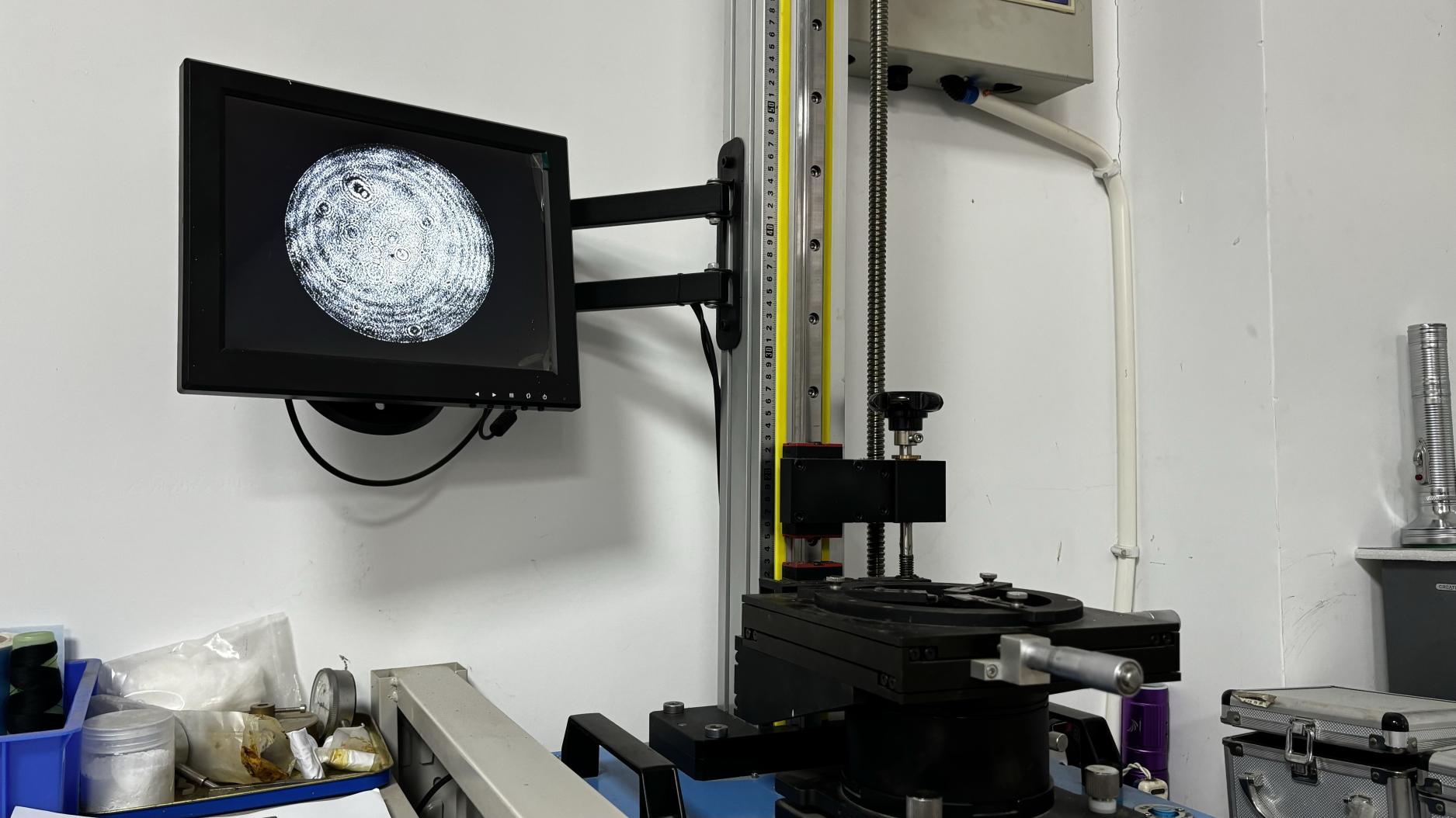
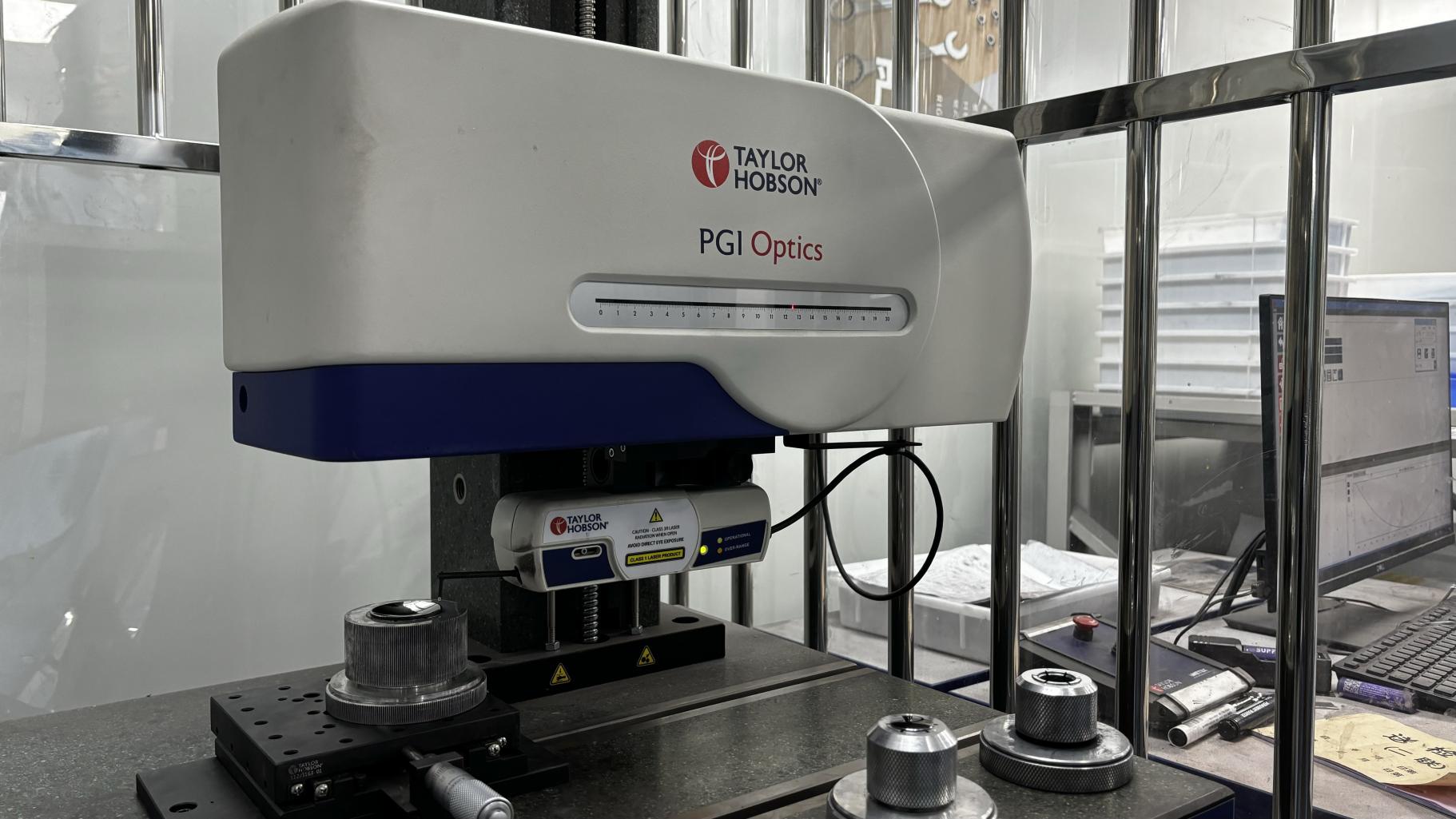
We employ advanced manufacturing technologies to guarantee precise geometric and physical specifications for every optical fiber and high-frequency connector product.
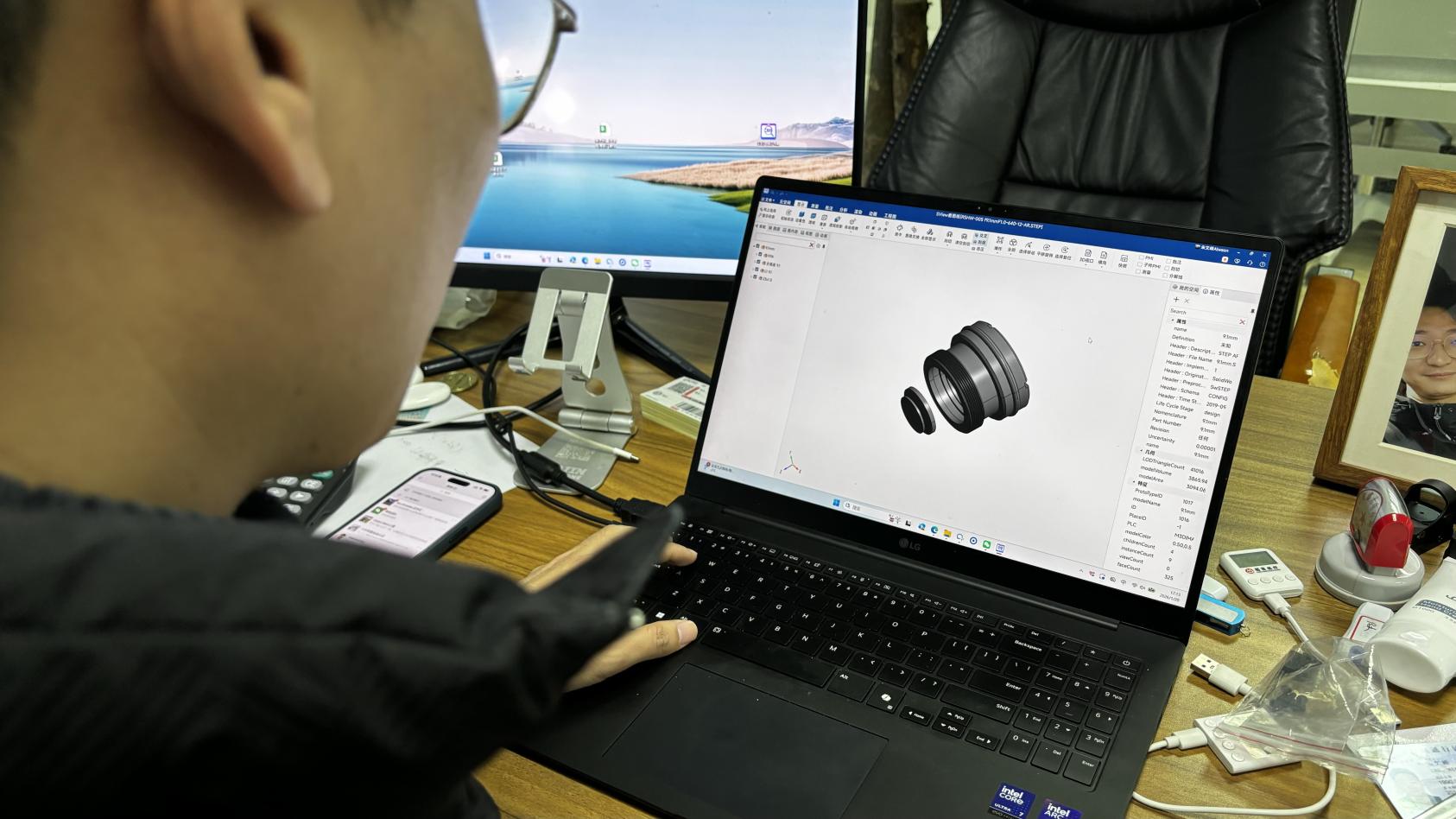
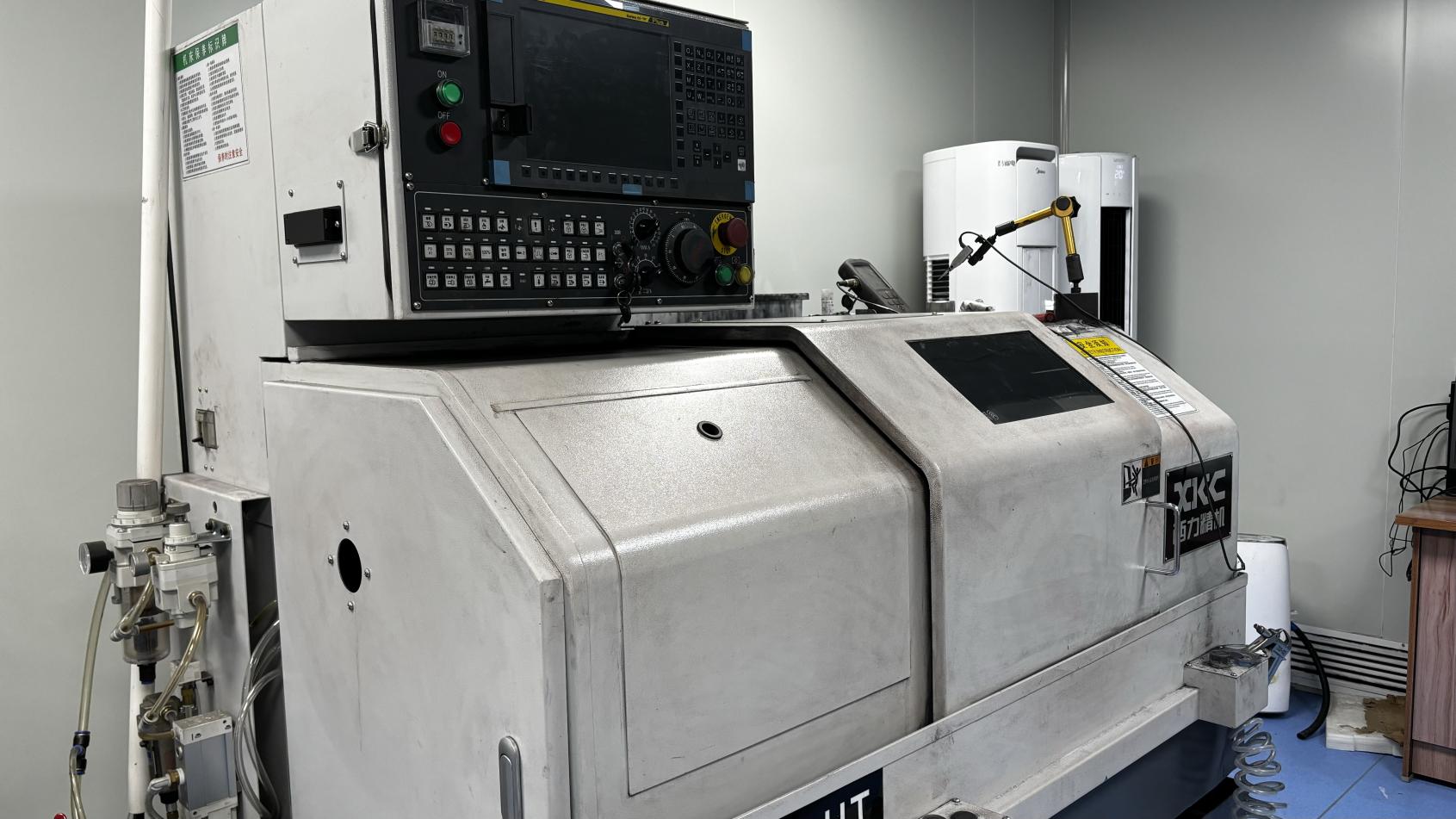
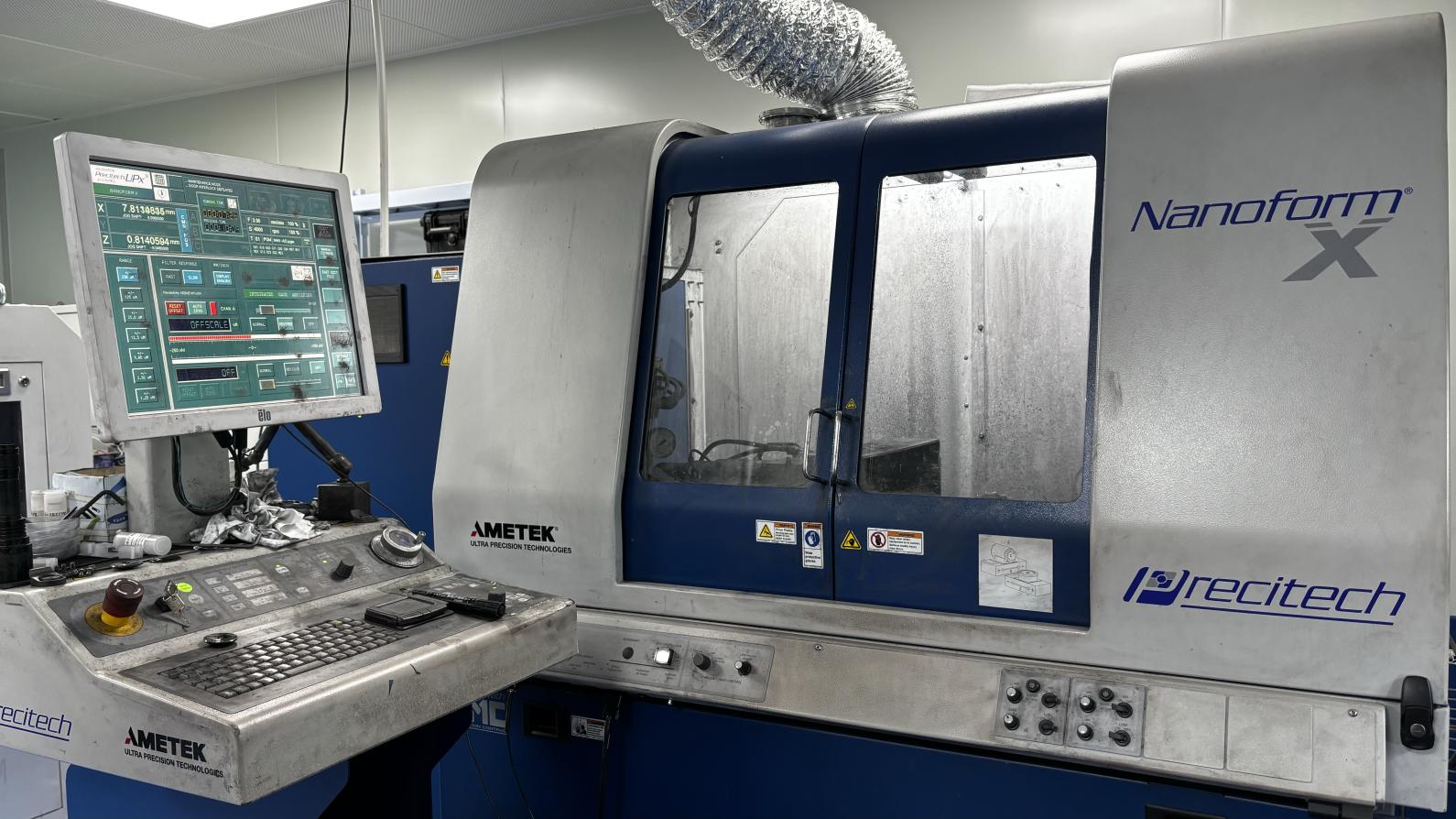
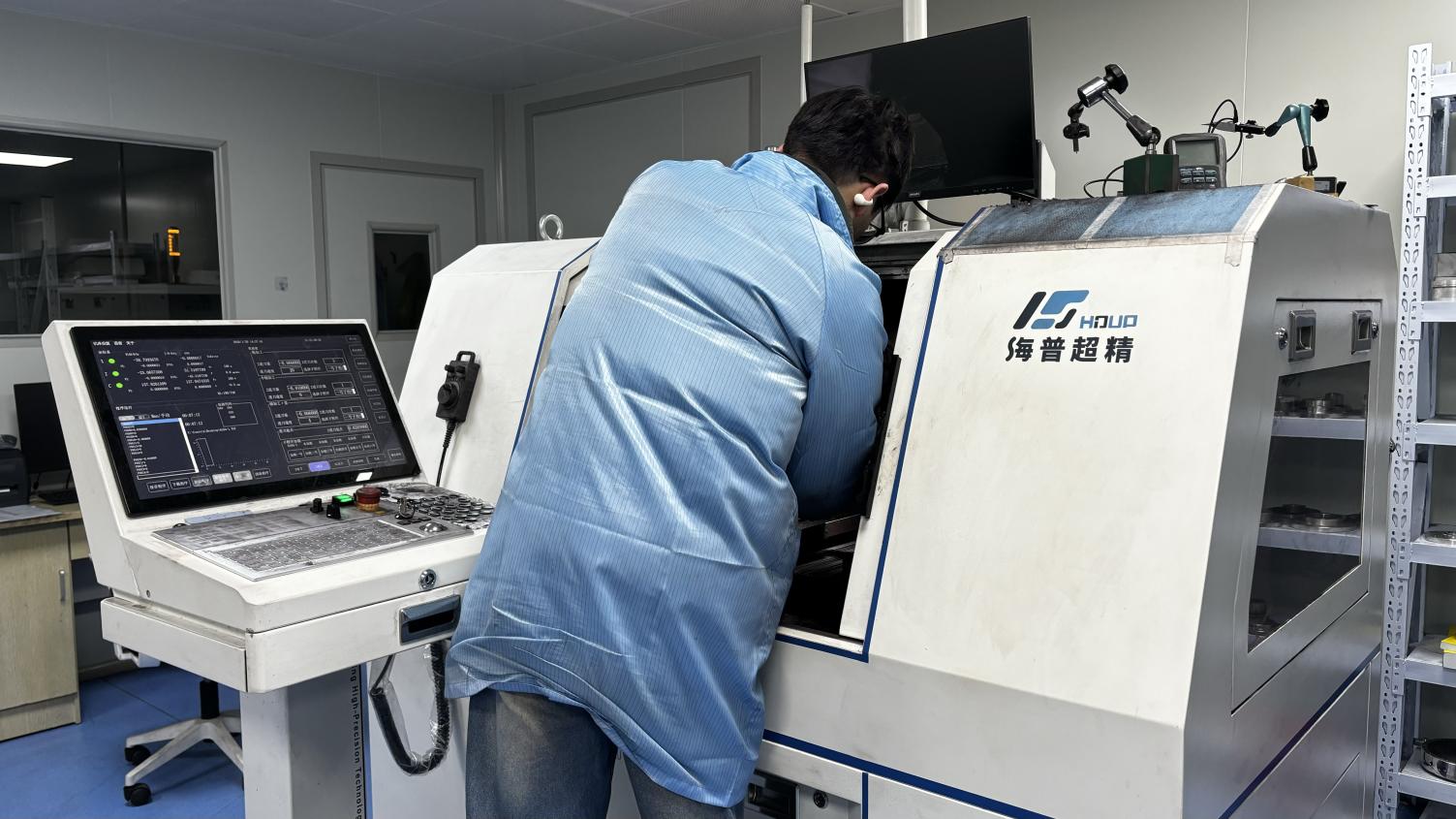
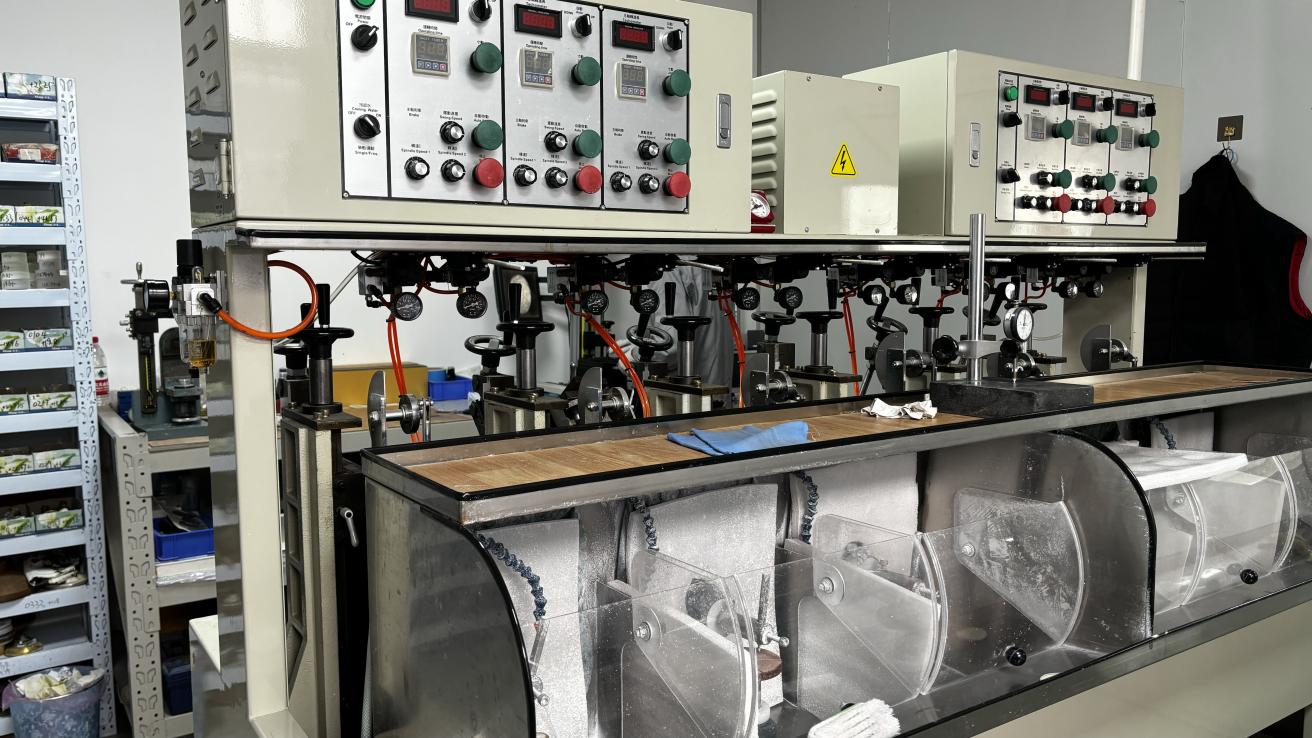
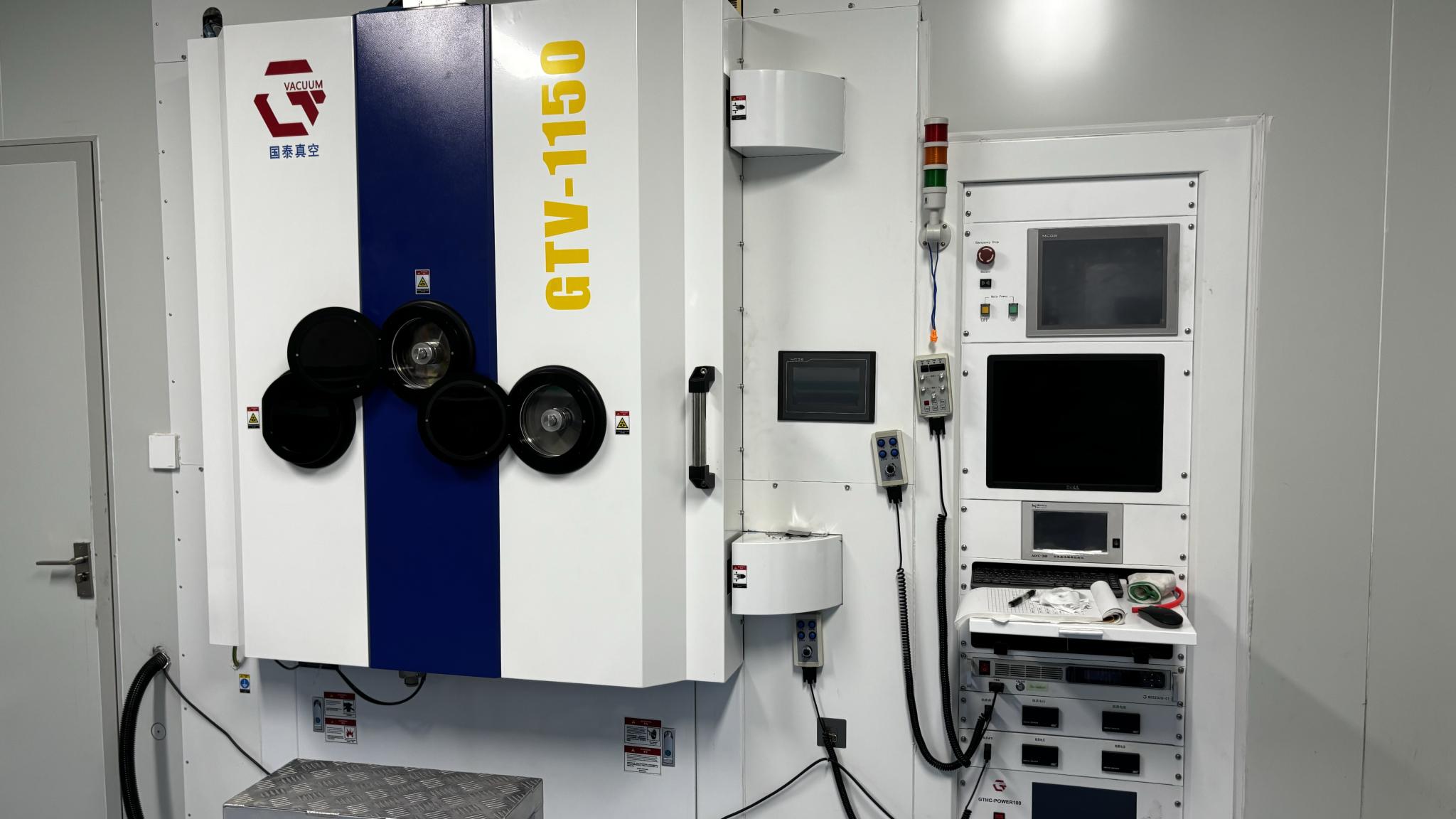
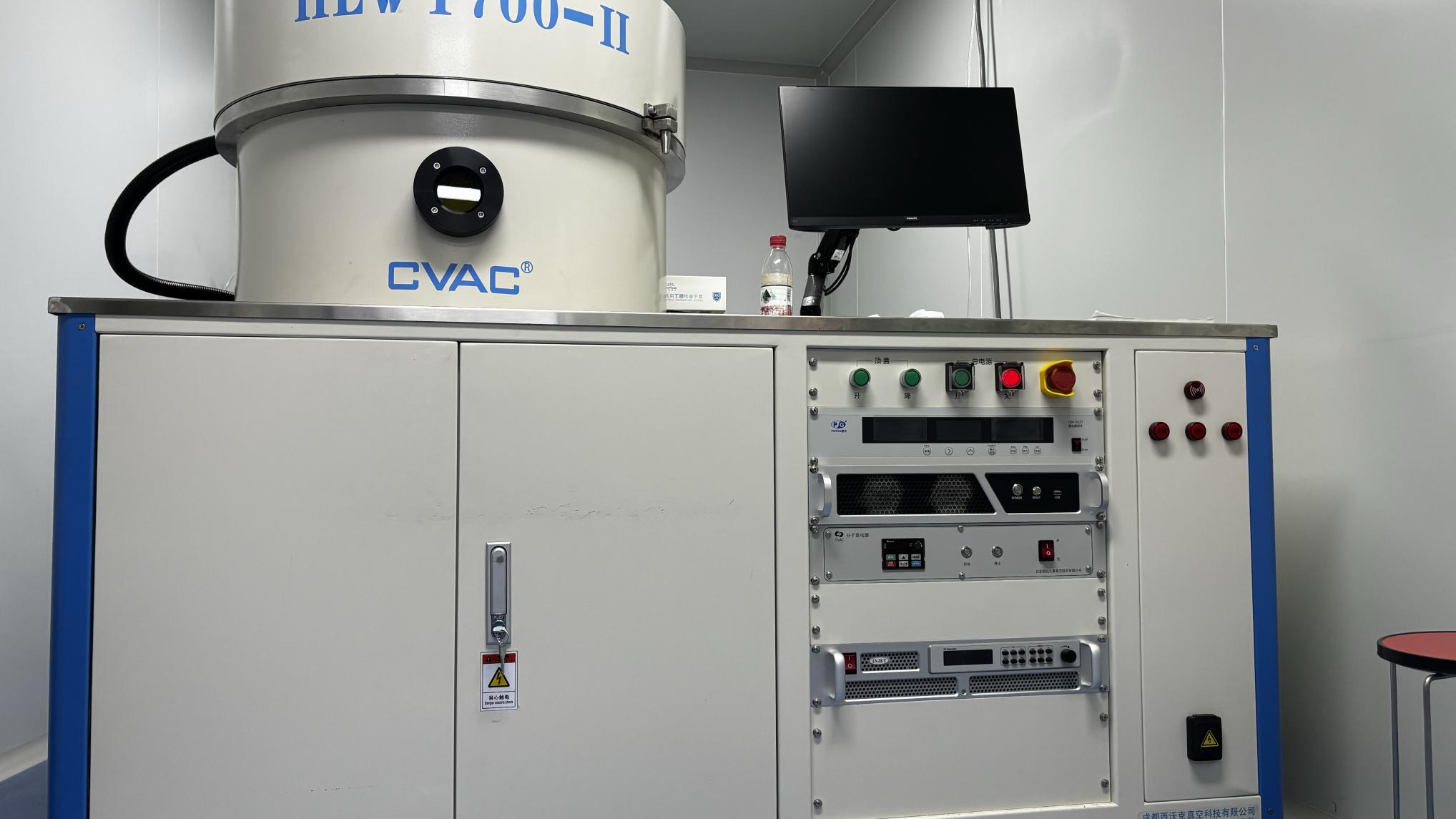
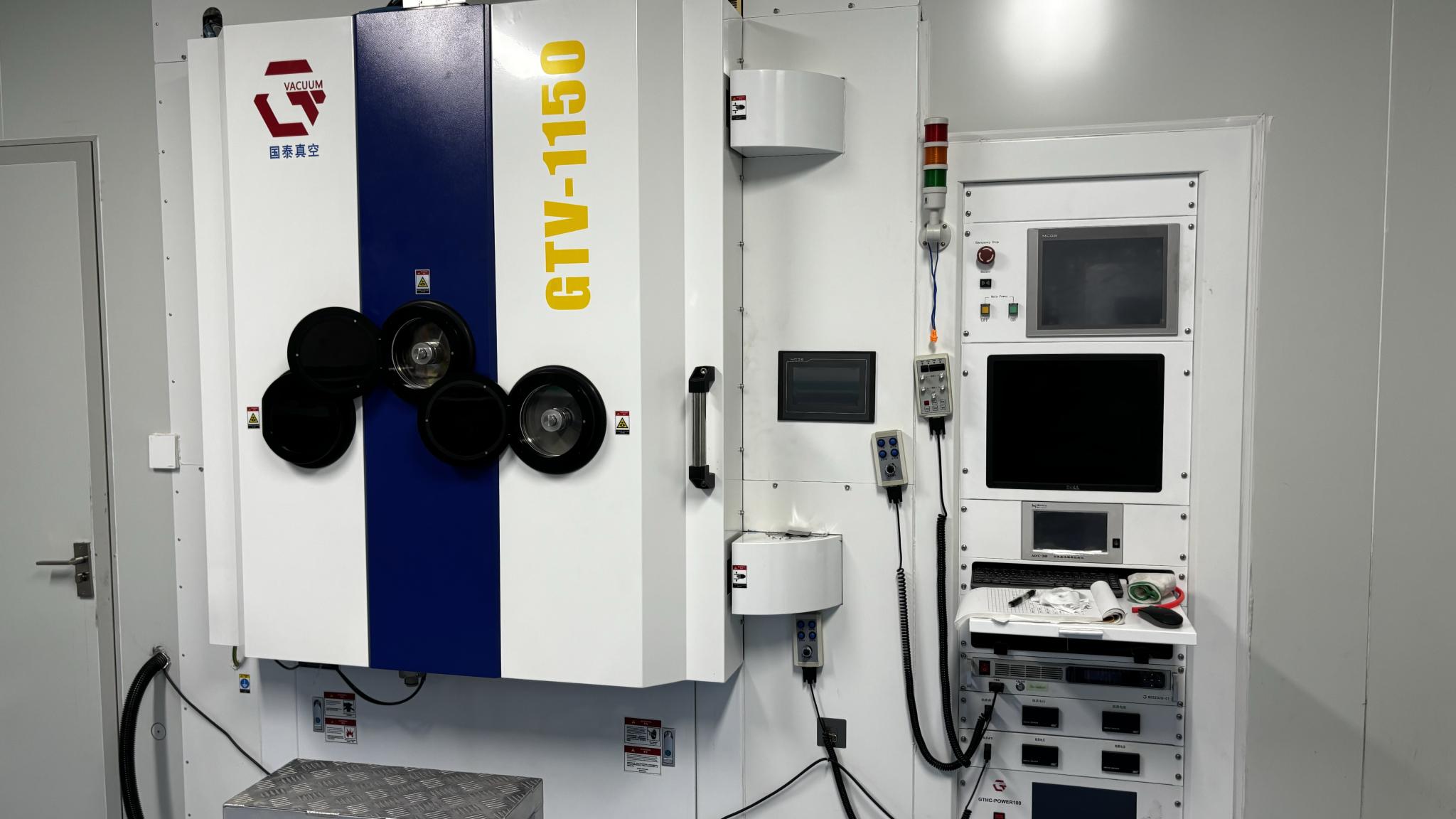
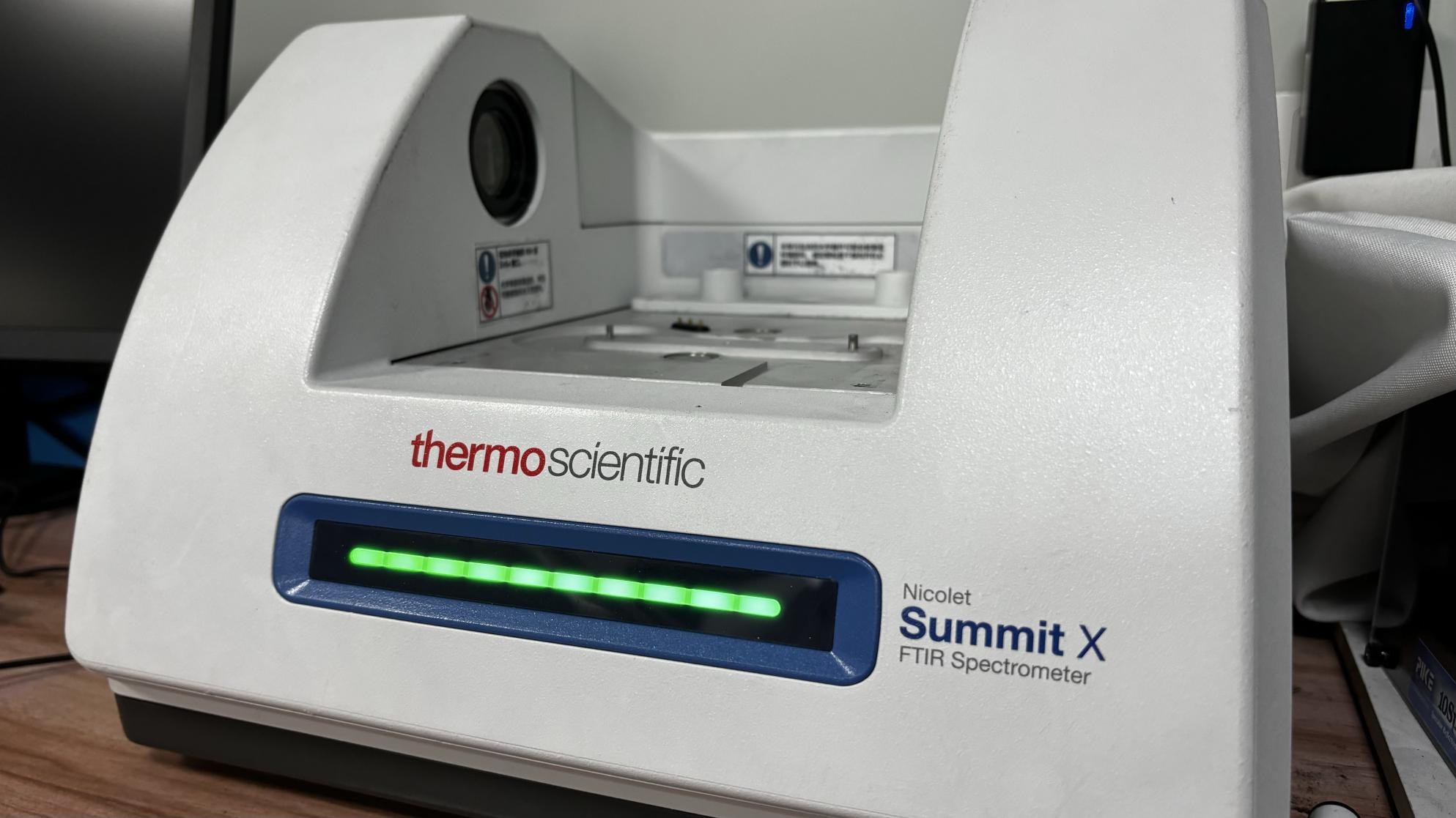
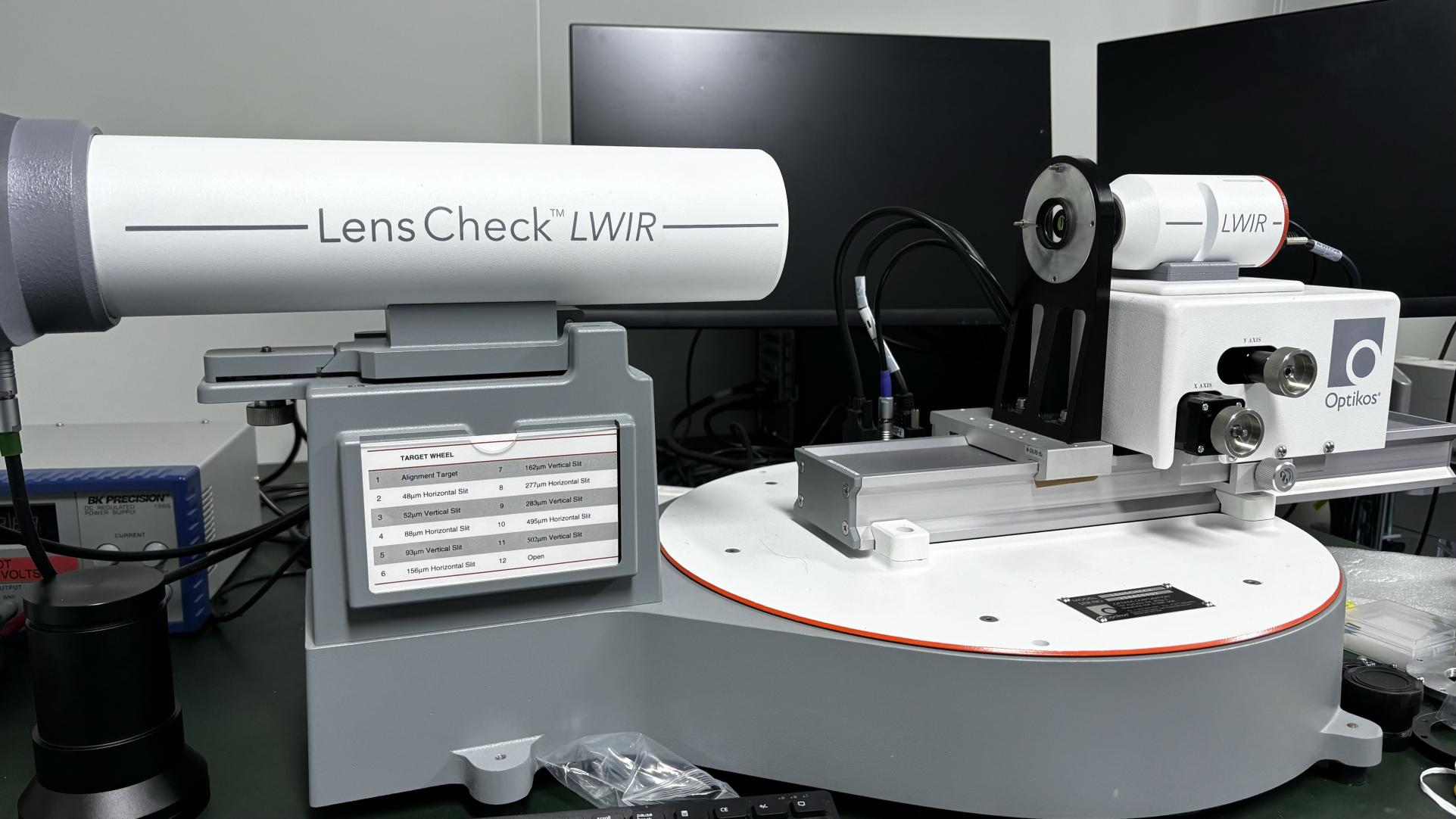
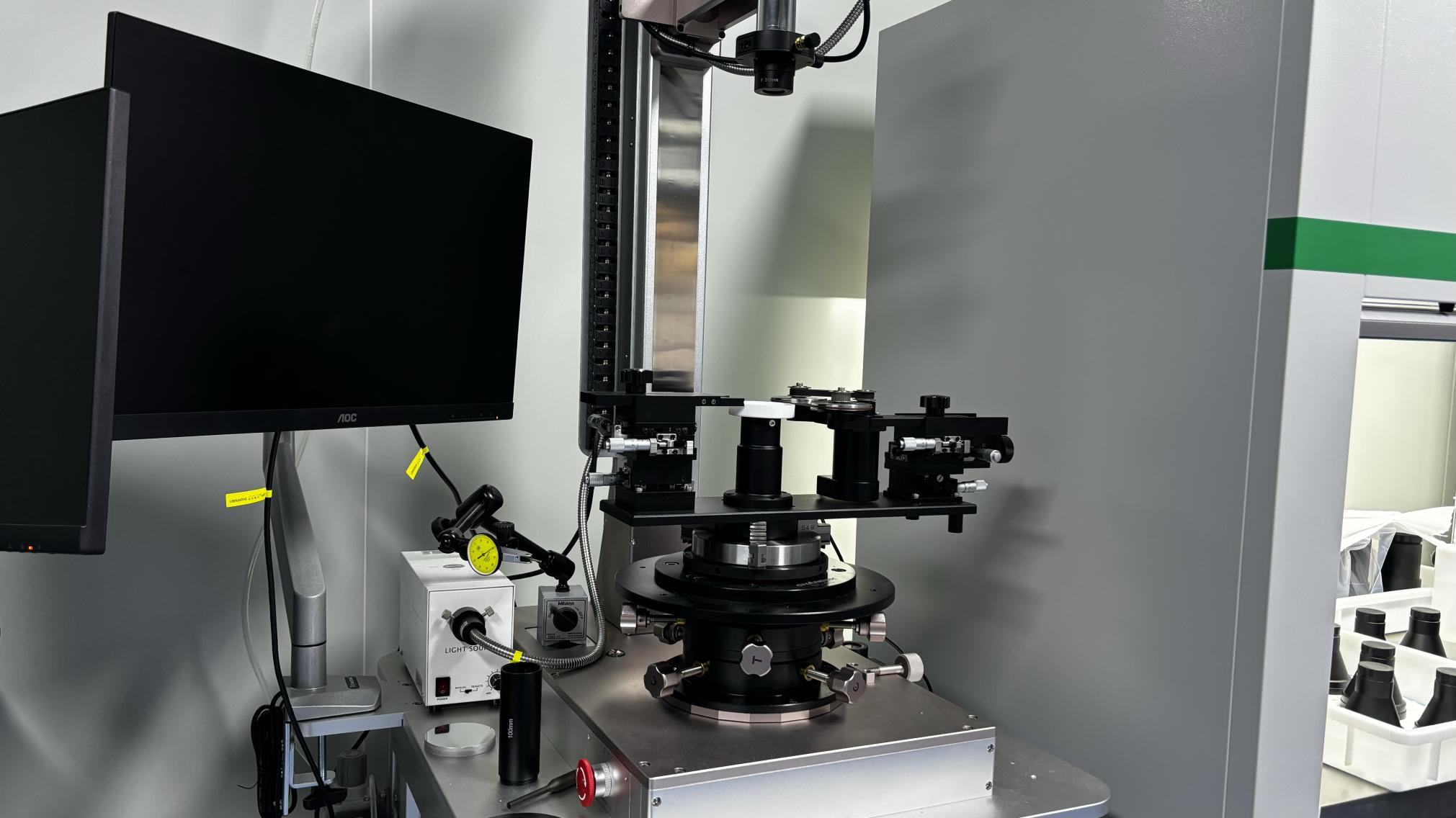
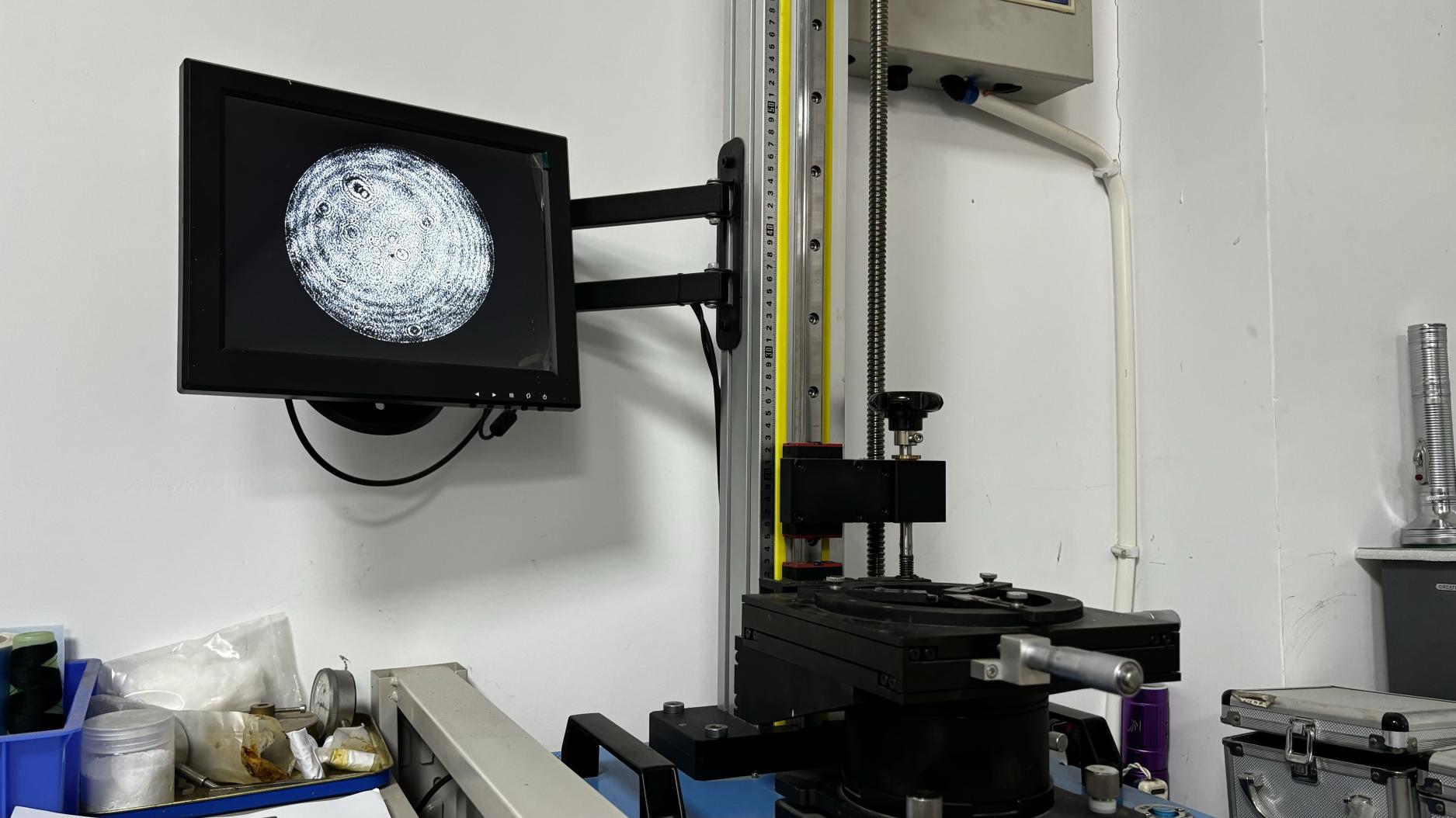
From recording studios to hyper-scale cloud data centers, we offer tailored connection platforms built to withstand complex operating environments.
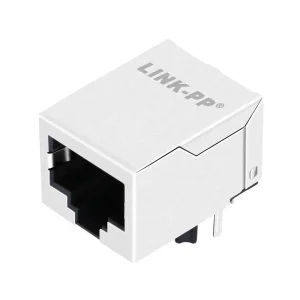
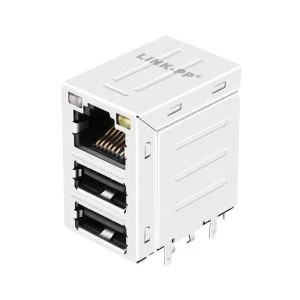
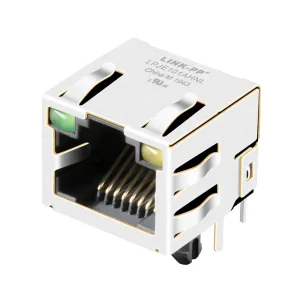
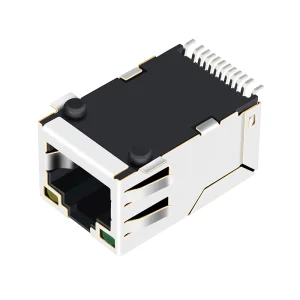
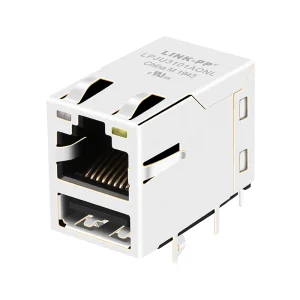
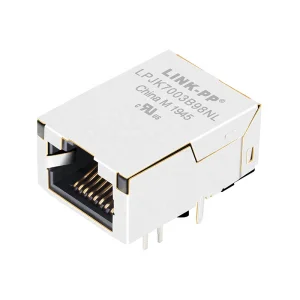
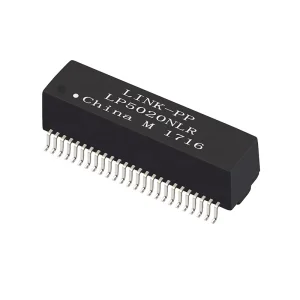
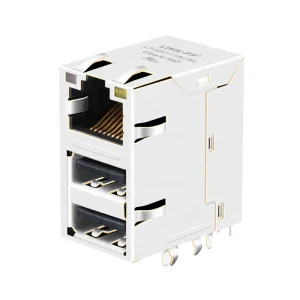
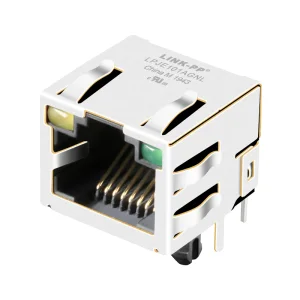
Providing low-latency copper interconnects, high-density RJ45 Magjack solutions, and optical fiber audio converters for professional broadcasting control rooms and concert venues.
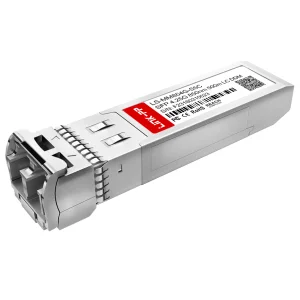
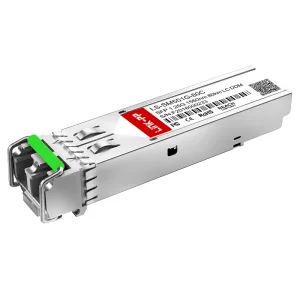
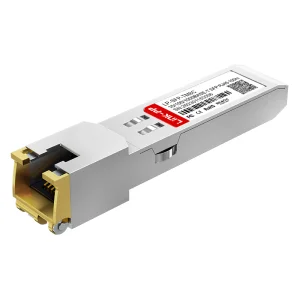
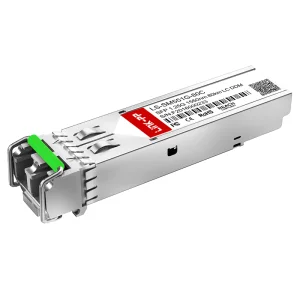
High-capacity optical transceivers (DDM, LC Duplex) designed to handle large bandwidths in cloud databases, metropolitan area networks, and internet service providers (ISPs).
Complete vertical customization including PCB layouts, metal shield optimization (TE/Moxa/Tyco compatibility), personalized branding, and rugged hardware configurations.
As transmission frequencies escalate and physical space constraints become critical, our engineering roadmap aligns with the integration of silicon photonics and passive components. Our R&D team is developing SFP28 and QSFP28 components configured for high-speed transmission. These are combined with high-grade shielding cages to prevent electromagnetic interference in multi-channel configurations.
In high-fidelity audio networks, we continue to enhance physical interface components. By minimizing contact resistance with gold-plating and optimize electromagnetic shielding (up to 95% noise reduction), we provide reliable analog and digital solutions. FiddlLink operates with global logistical hubs in Europe, North America, and Southeast Asia, offering dedicated local engineering support and reliable shipping terms (FOB, CIF, DDP).
Clarifying details about our technical capabilities, OEM compatibilities, and manufacturing practices.
Our engineering processes use high-precision 3D CAD design modeling and automated coordinate tooling. Products like our 1888424-1 SFP cages and RJ45 modules are manufactured to the identical mechanical and electrical specifications as TE and Tyco equivalents. This guarantees seamless fit, form, and function compatibility in existing telecom infrastructures.
We use specialized spherical and aspheric surface polishing systems combined with advanced MTF Transmittance Meters. This ensures core alignment deviations remain well below 0.5 micrometers. As a result, insertion losses are kept under 0.2 dB, and back reflection is minimized, ensuring stable long-distance transmissions.
Yes. Our ODM services include EEPROM memory map programming, custom firmware configuration, and compatibility testing for major networking equipment manufacturers (including Cisco, Moxa, Juniper, and Huawei).
Our QC team performs a multi-stage testing process: 1. Optical inspection with automated interferometers; 2. Real-time temperature cycle testing (-40°C to +85°C); 3. High-frequency digital eye diagram validation; 4. Standard environmental verification for RoHS compliance.
Professional-grade network audio infrastructure and system expansion connectors, engineered for continuous duty.