FiddlLink
FiddlLink
FiddlLink
The global industrial automation and datacom landscape is undergoing a massive evolutionary shift. Traditionally, electrical power distribution and signal processing existed in separate domains. Today, the demands of edge computing, ultra-fast 5G telecommunications, and industrial IoT (IIoT) demand hybrid infrastructures that seamlessly integrate physical energy transmission (Power) with high-density optical and copper connectivity (Data).
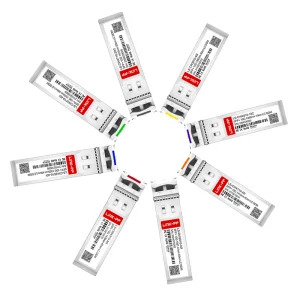
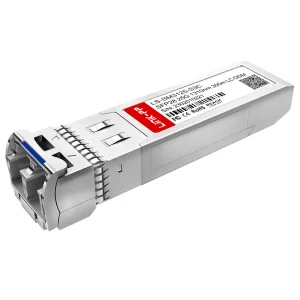
As leading OEM/ODM power and connectivity exporters, specialized manufacturers like FiddlLink Optical Technology Co., Ltd. (established in 2016) leverage over 12 years of core manufacturing experience to bridge this gap. Modern data centers and smart grids require combined topologies where high-voltage or low-loss power distribution cables work in close proximity to, or are combined with, high-speed SFP+ transceivers and shielded RJ45 magnetic connectors to minimize crosstalk and Electromagnetic Interference (EMI).
This convergence has redefined the role of global cable exporters. No longer can a factory simply produce passive wiring. The modern market demands integrated system designs capable of functioning in harsh environments, delivering power efficiency, and maintaining 10G/25G signal integrity over extended operational lifespans.
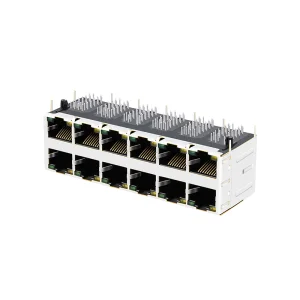
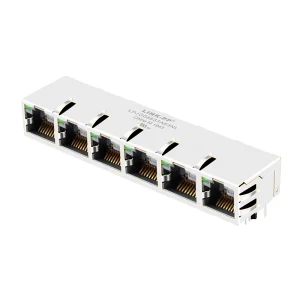
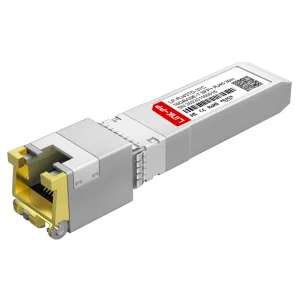
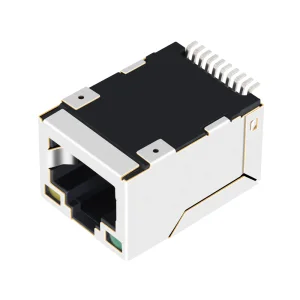
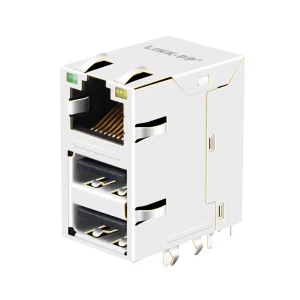
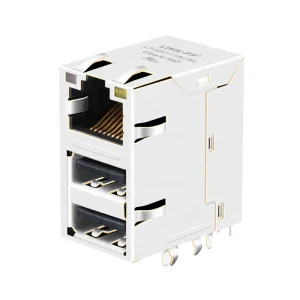
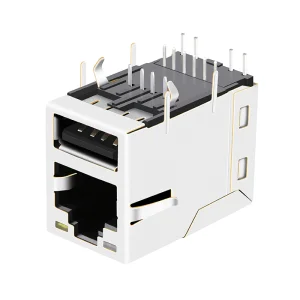
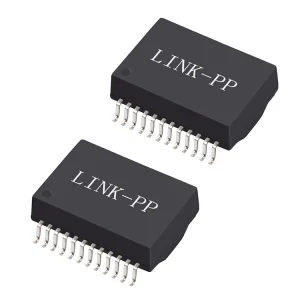
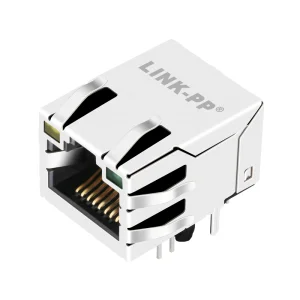
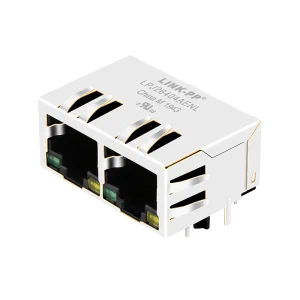
Designing high-speed, power-integrated networks requires deep familiarity with mechanical and electrical tolerances. High-frequency signaling interfaces (e.g., SFP28, 10GBASE-T transceivers) require precise impedance matching to prevent signal reflections. When industrial facilities deploy high-capacity power distribution arrays, standard Ethernet lines succumb to electromagnetic coupling. This is why integration of magnetic isolation transformers directly within the RJ45 Magjack housing (such as the JG0-0070NL or 0821-1X1T-36-F series) is critical to modern power cable configurations.
Integration of IEEE 802.3bt standards allowing up to 90W of DC power transmission simultaneously over four pairs of Ethernet cables, necessitating high-grade magnetic cores in the RJ45 interface to prevent saturation.
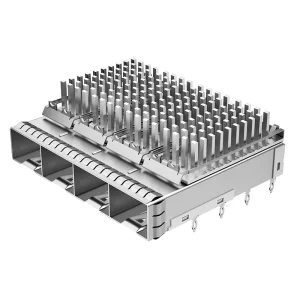
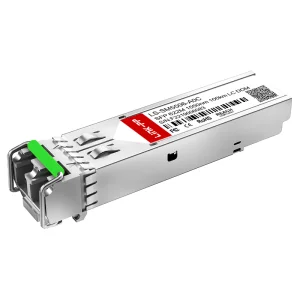
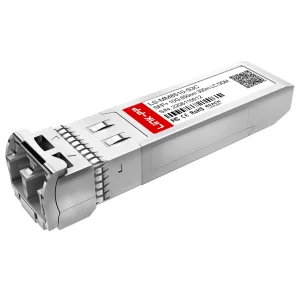
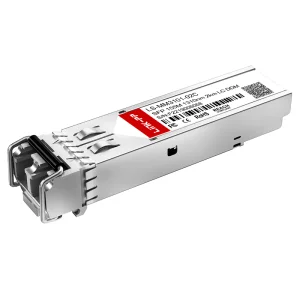
Employing high-conductivity copper alloy cages with structural heat sinks to conduct heat away from active transceivers operating under high-speed data transmission loads.
Utilizing both spherical and aspheric surface polishing techniques to ensure sub-micron fiber face geometry, minimizing back reflection in long-distance 100km transceivers.
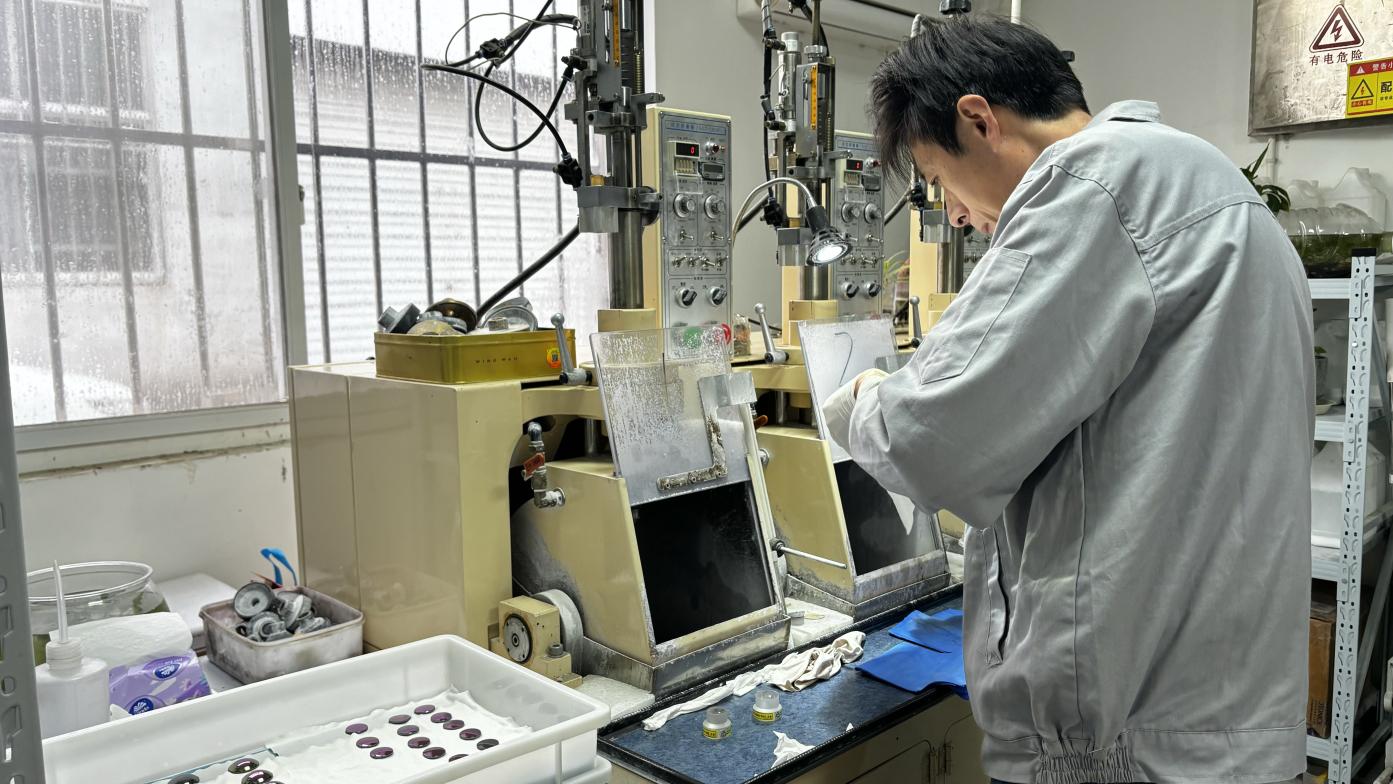
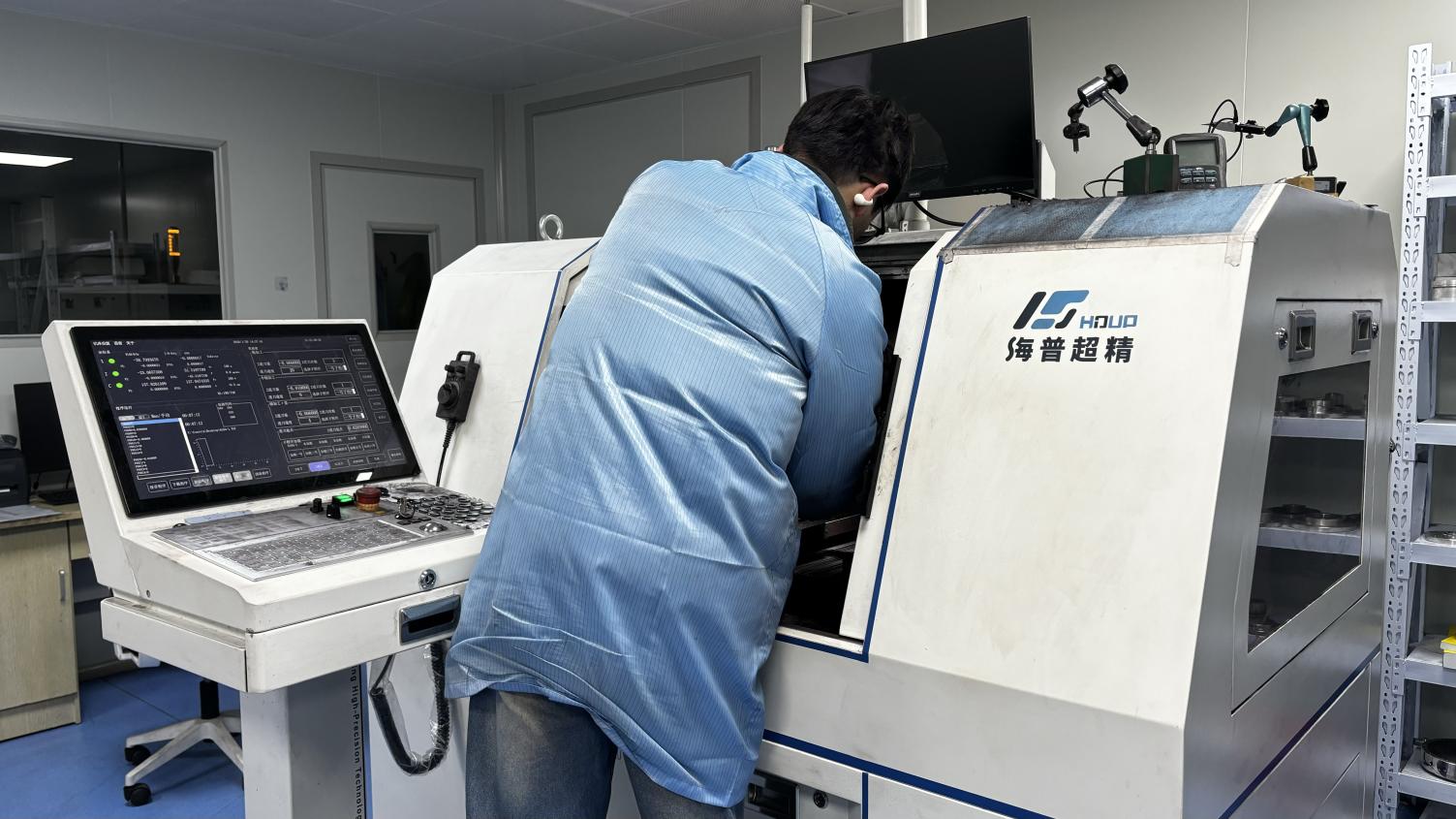
FiddlLink's modern 380-square-meter facility features complete in-house tooling, spherical polishing, advanced thin-film coating, and rigorous quality inspection. Our end-to-end production pipelines are optimized to ensure structural reliability across all exported components.
Initial Material Detection
Spherical Polishing
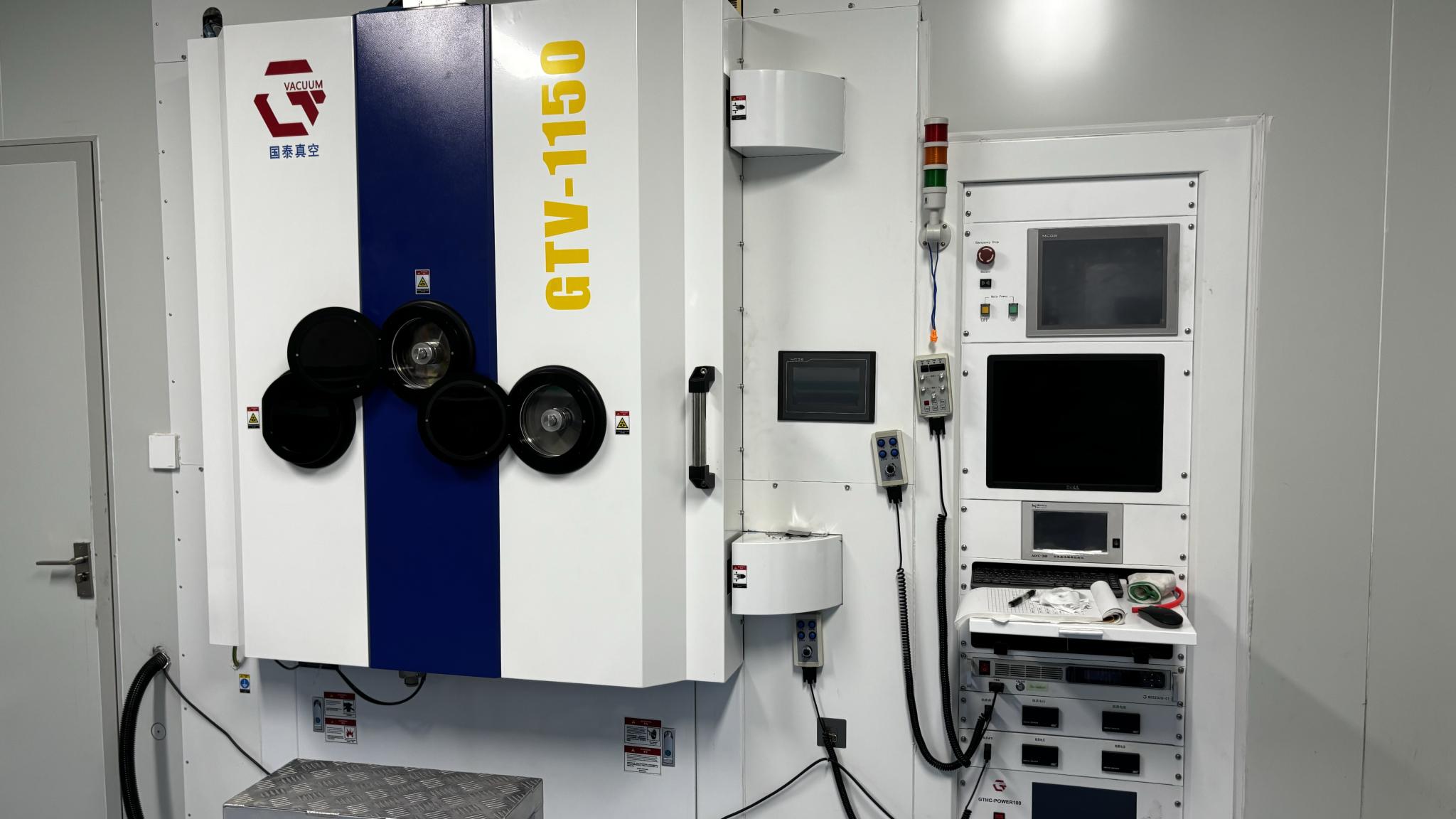
Precision Coating
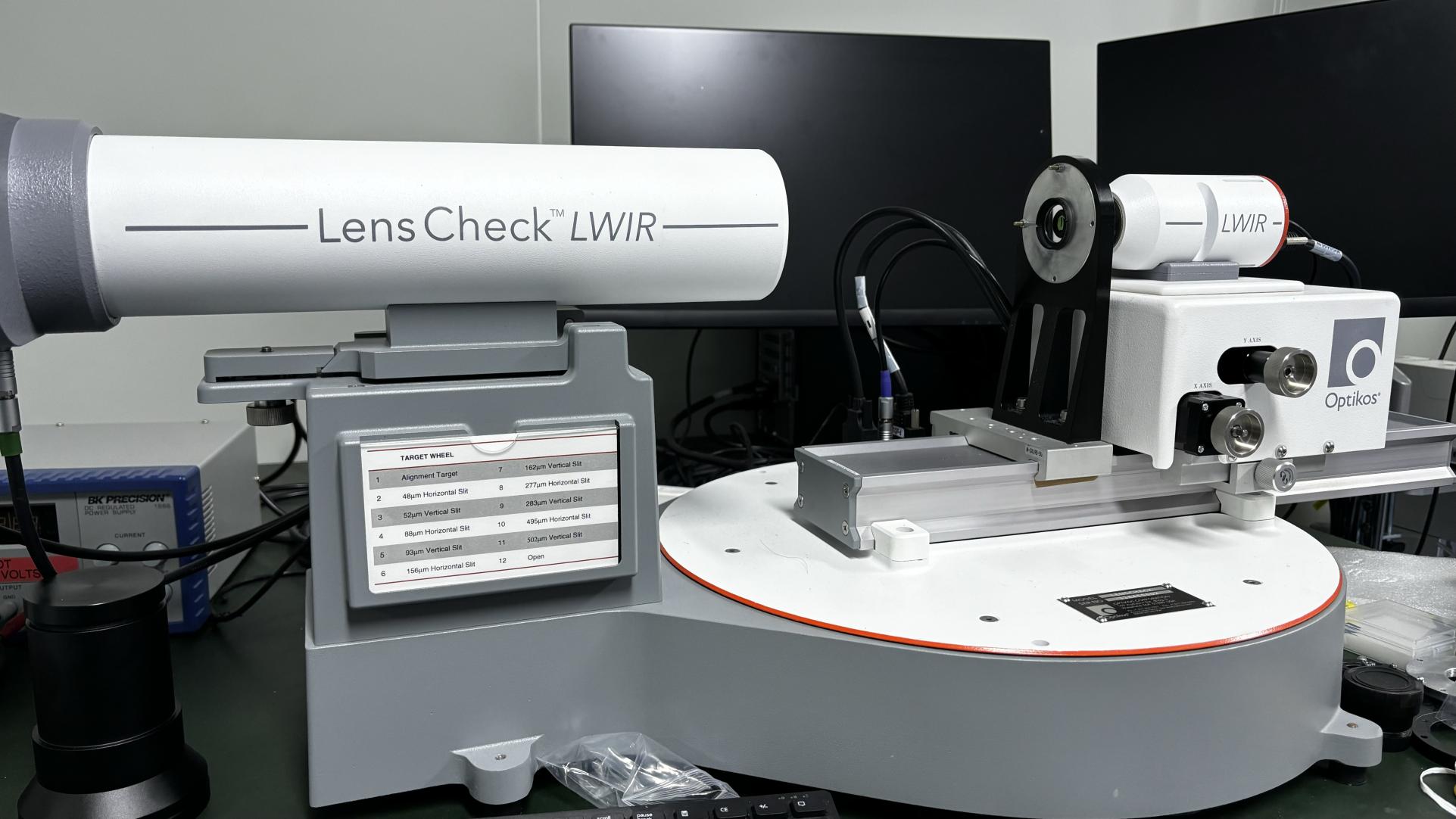
Final System Detection
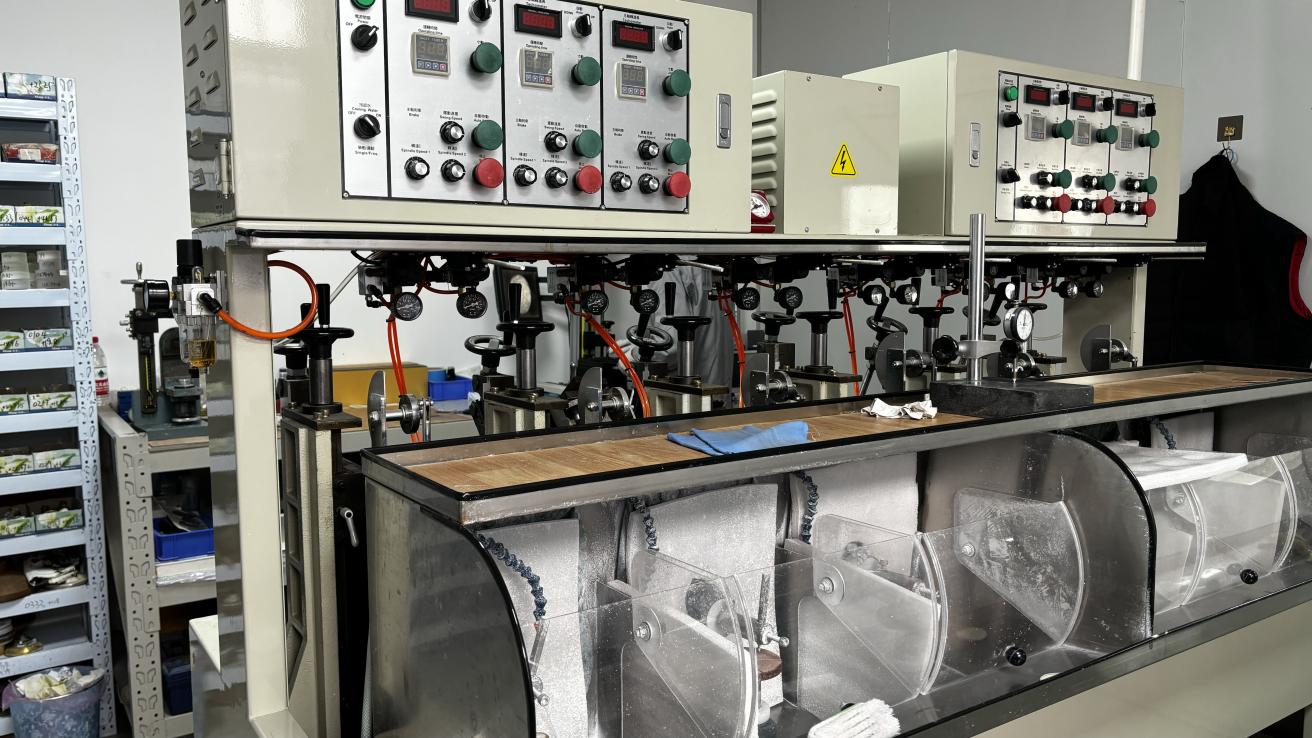
Automatic Polishing Machine
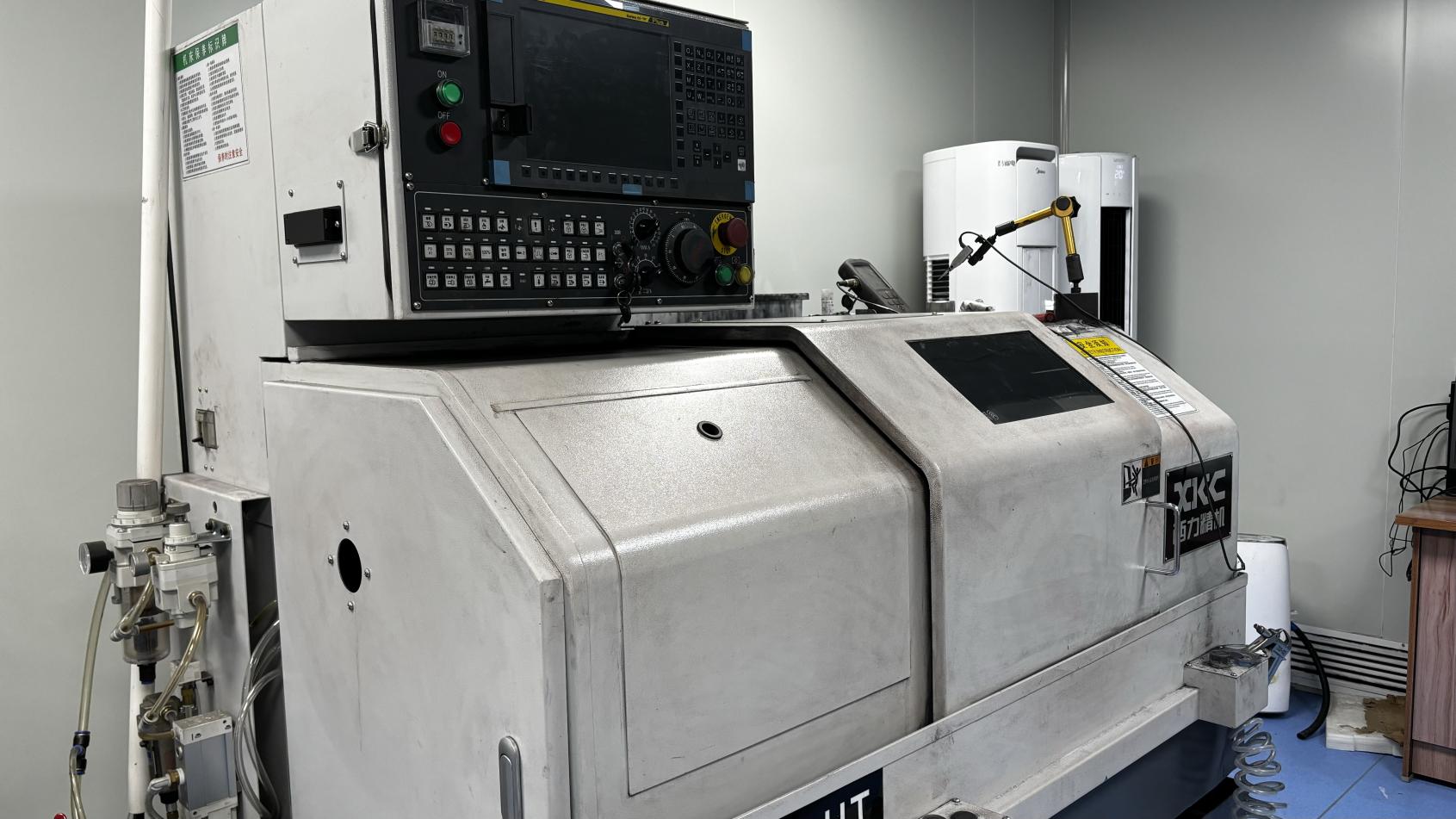
Roughing Machine
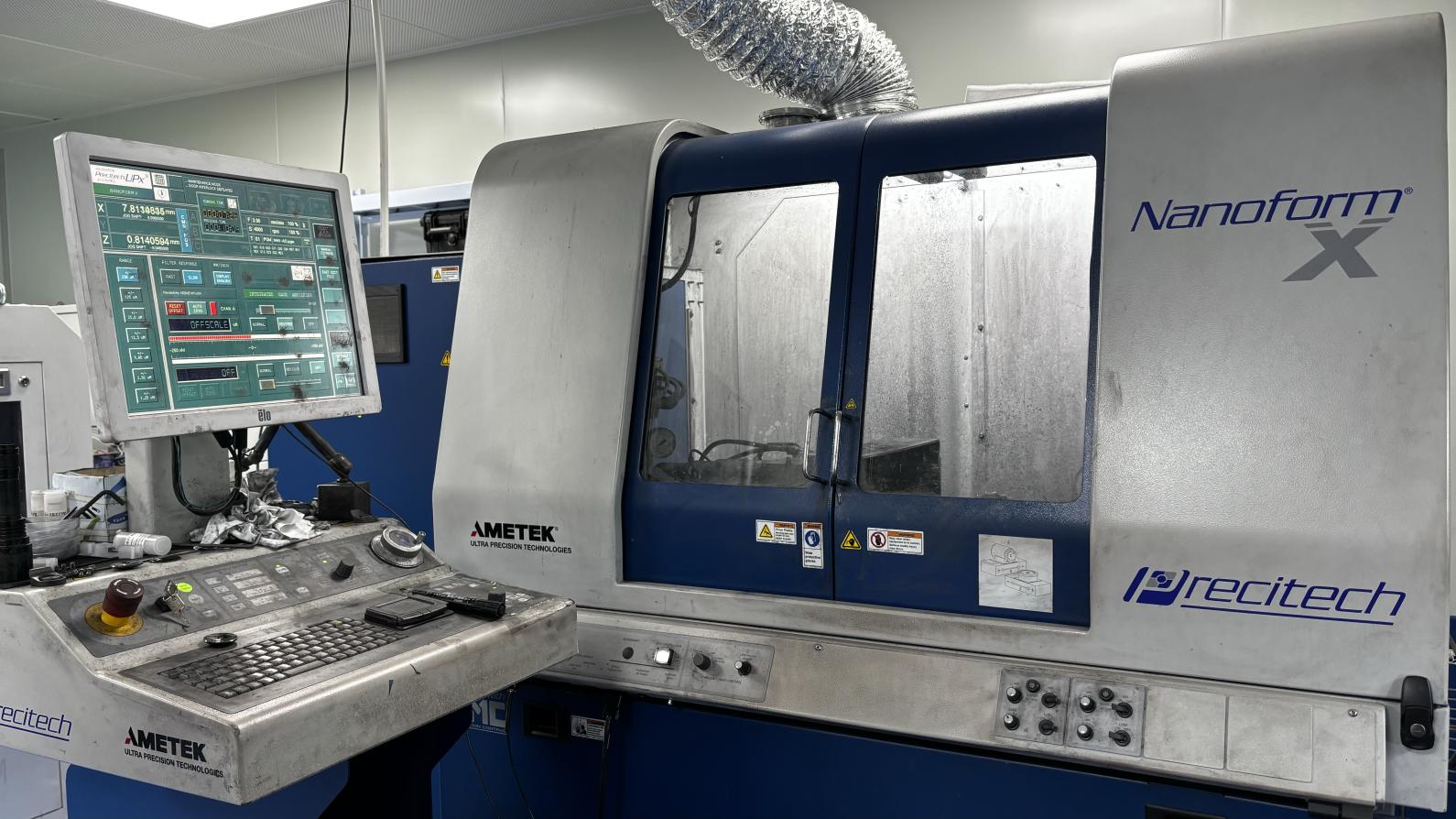
Single-Point Machine
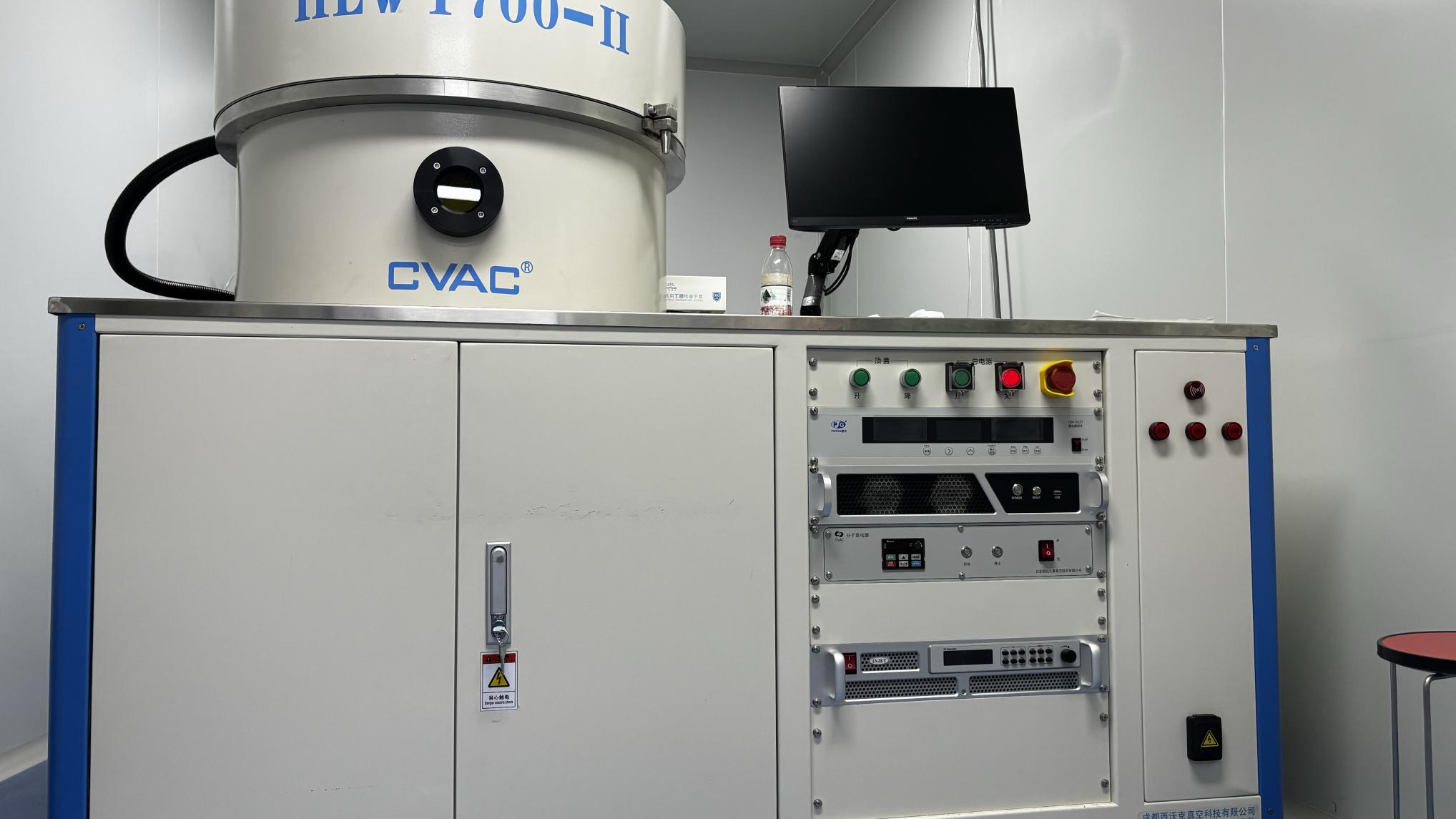
Vacuum Coating Chamber 1
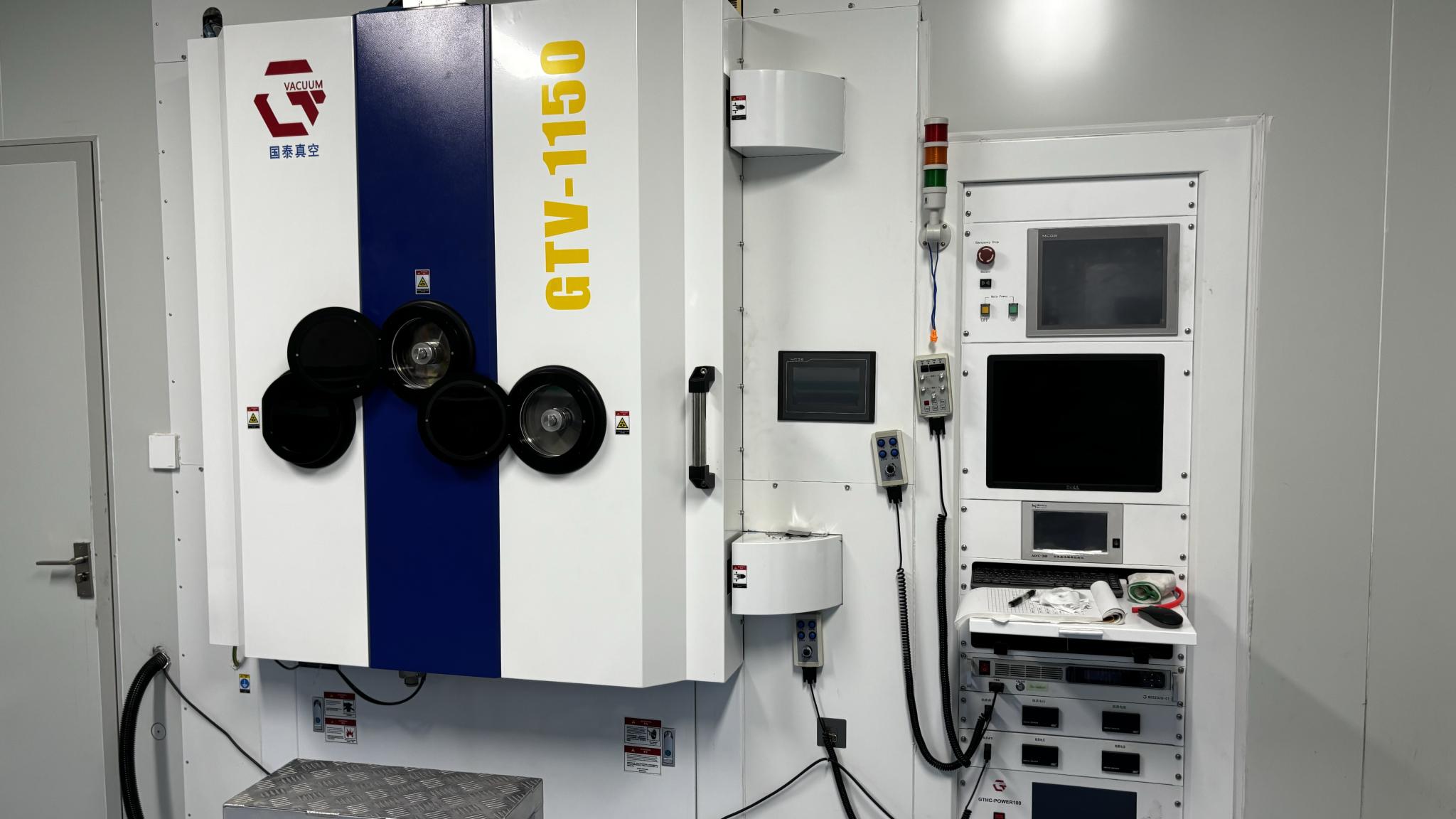
Advanced Coating Chamber 2 & Aspheric Surface Line
Operating across North America, Europe, Southeast Asia, and South America requires strict adherence to international industrial electrical standards. Each region imposes unique physical and regulatory parameters. For instance, European installations emphasize Low Smoke Zero Halogen (LSZH) jacket materials for power cables in public transit and enterprise facilities to prevent toxic gas emissions in the event of a fire. In contrast, North American configurations frequently mandate UL-certified plenum-rated jackets (CMP) for installation within building air plenums.
Furthermore, the surge in edge computing requires deployment in decentralized environments subject to vibration, mechanical stress, and humidity fluctuations. FiddlLink meets these diverse demands through an active partnership network of over 850 strategic partners. By integrating localized compliance and mechanical standards during the early designing and drafting phases, we ensure that exported cable and transceiver modules easily integrate into domestic telecom carrier setups (e.g., AT&T, Deutsche Telekom, Singtel architectures) without field modifications.
Our dedicated team of 126 engineers manages complex firmware customization to guarantee multi-vendor compatibility. If an enterprise network integrates Cisco switches, Juniper routers, and proprietary industrial control racks, our programming pipeline ensures that the SFP+ modules and copper transceiver lines report correct digital diagnostics (DDM) to the host system. This level of granular engineering prevents artificial vendor-lockout errors, resulting in lower deployment costs and near-zero downtime.
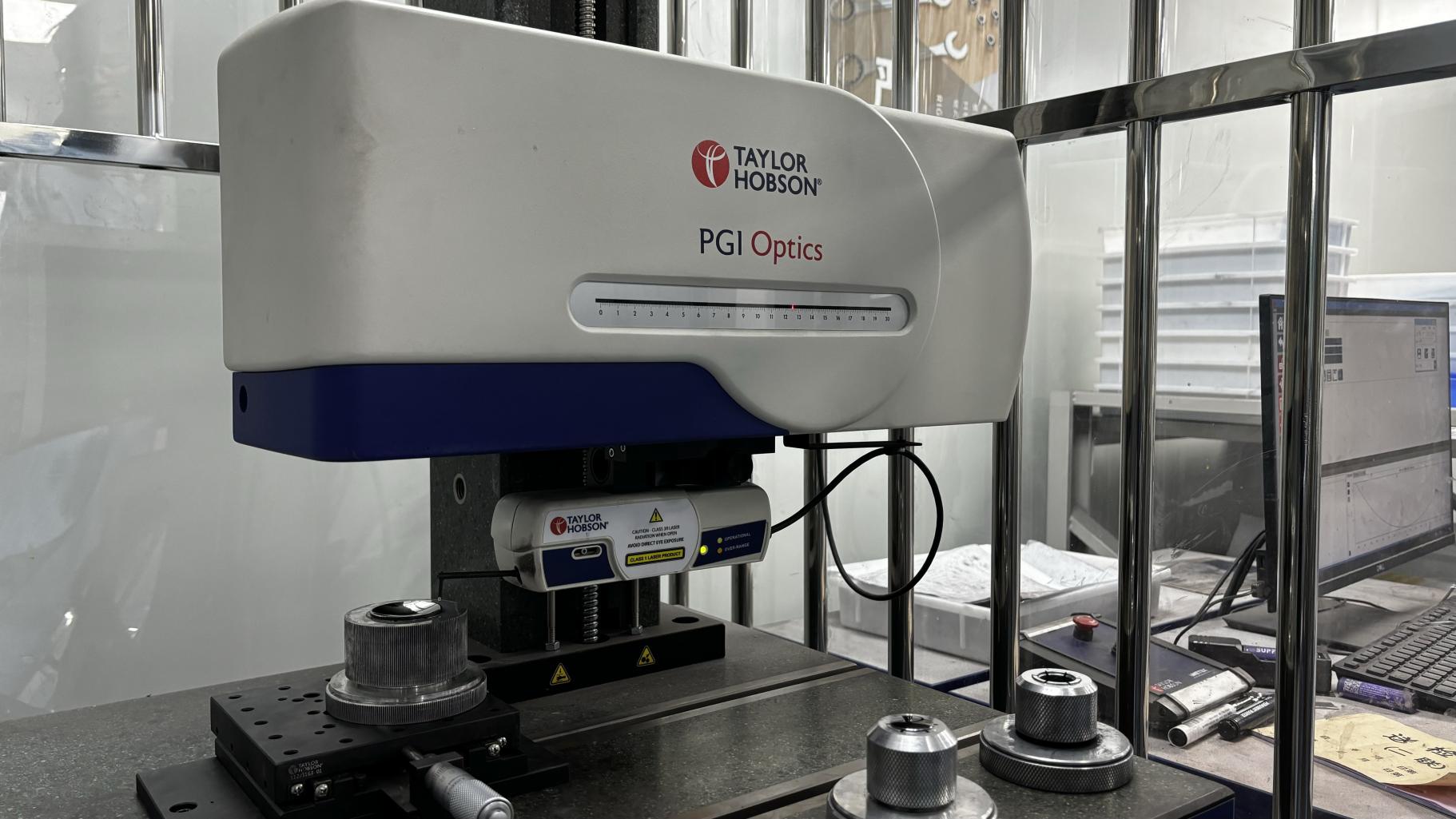
E-E-A-T (Experience, Expertise, Authoritativeness, Trustworthiness) is the foundation of our business. Every optical fiber assembly, transceiver, and RJ45 connection interface undergoes strict testing using advanced diagnostic equipment.
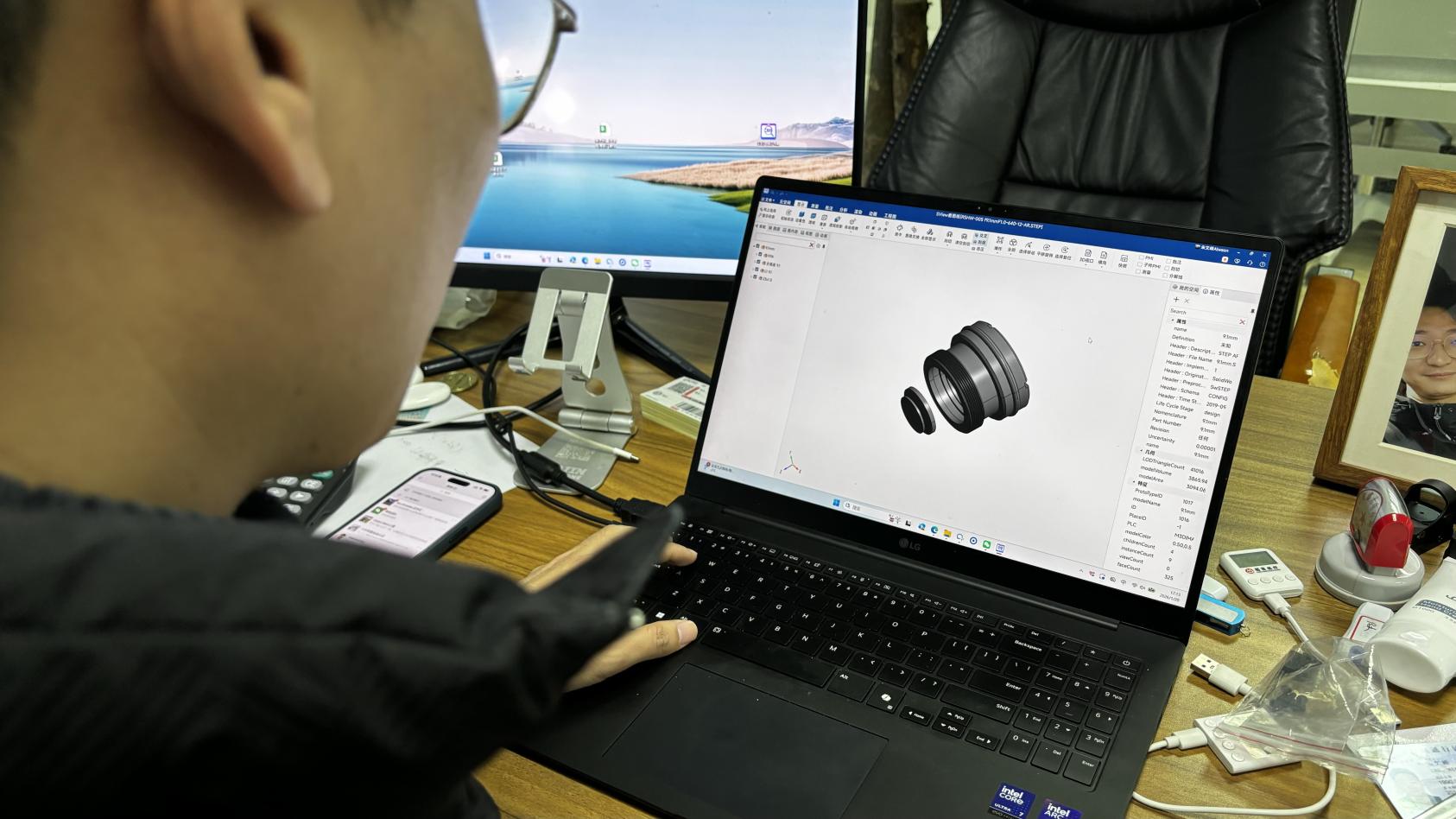
Tooling & Designing
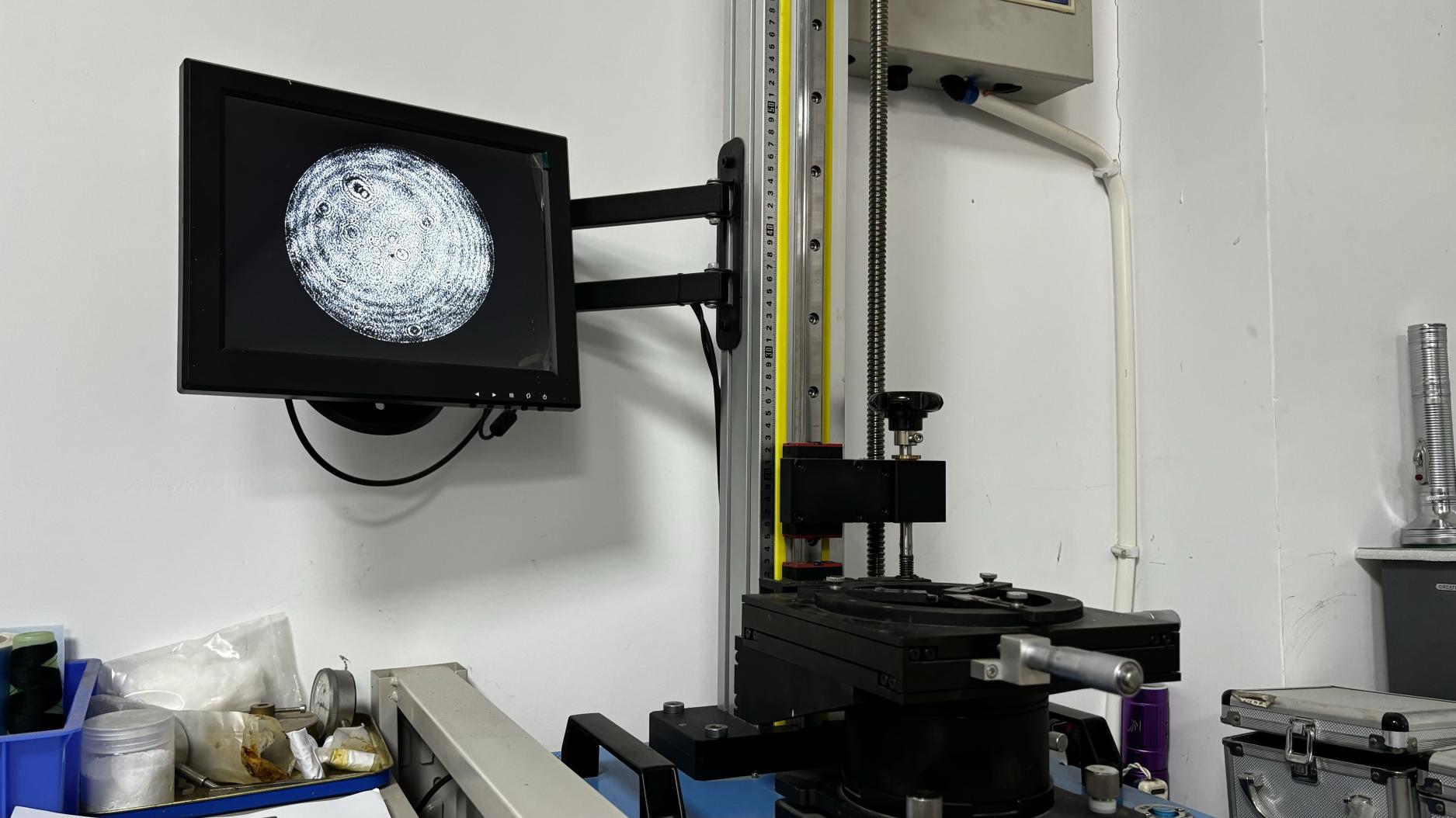
Incoming Inspection
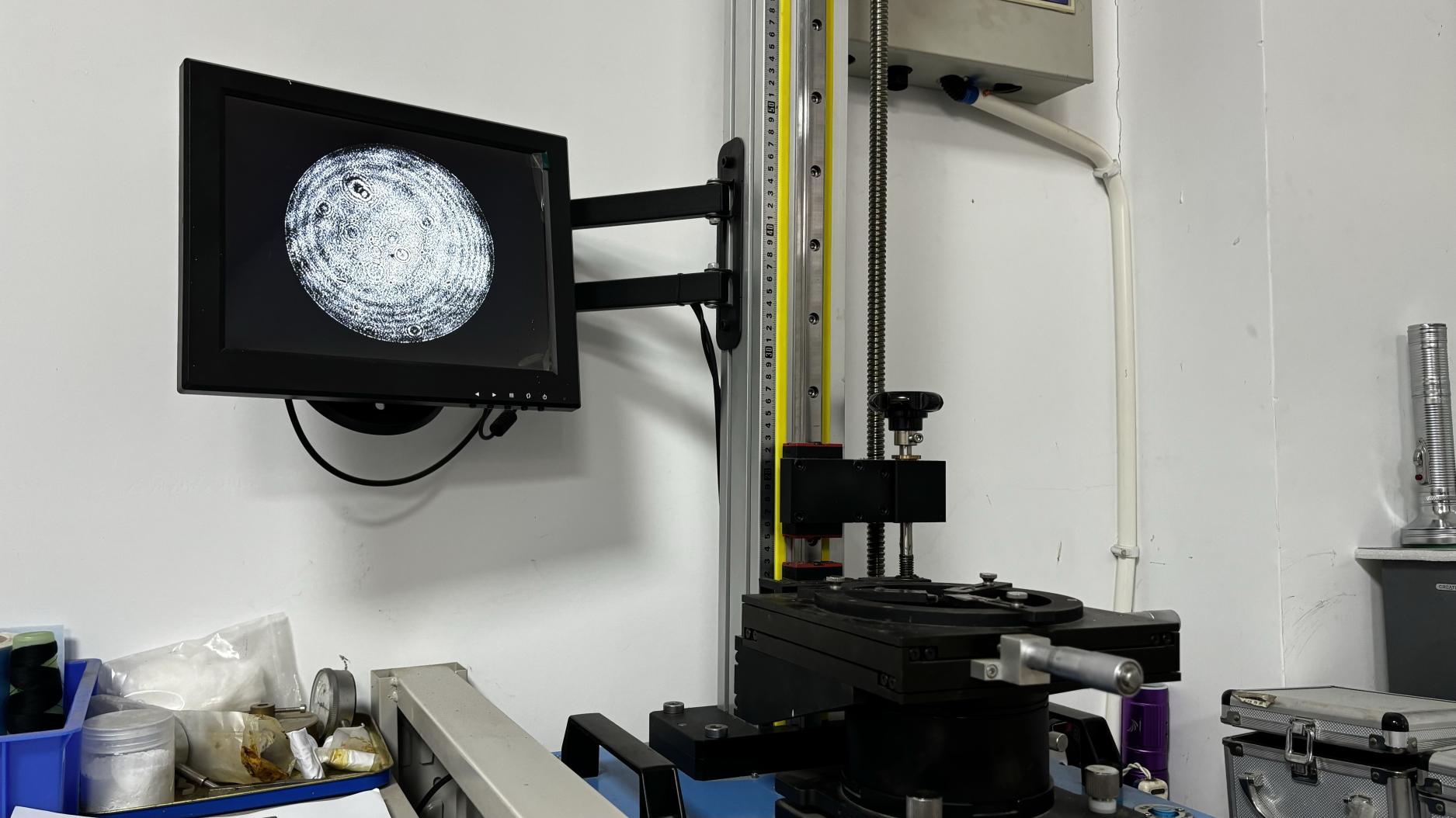
Surface Profilometer
3D Laser Interferometer

Spectrophotometer
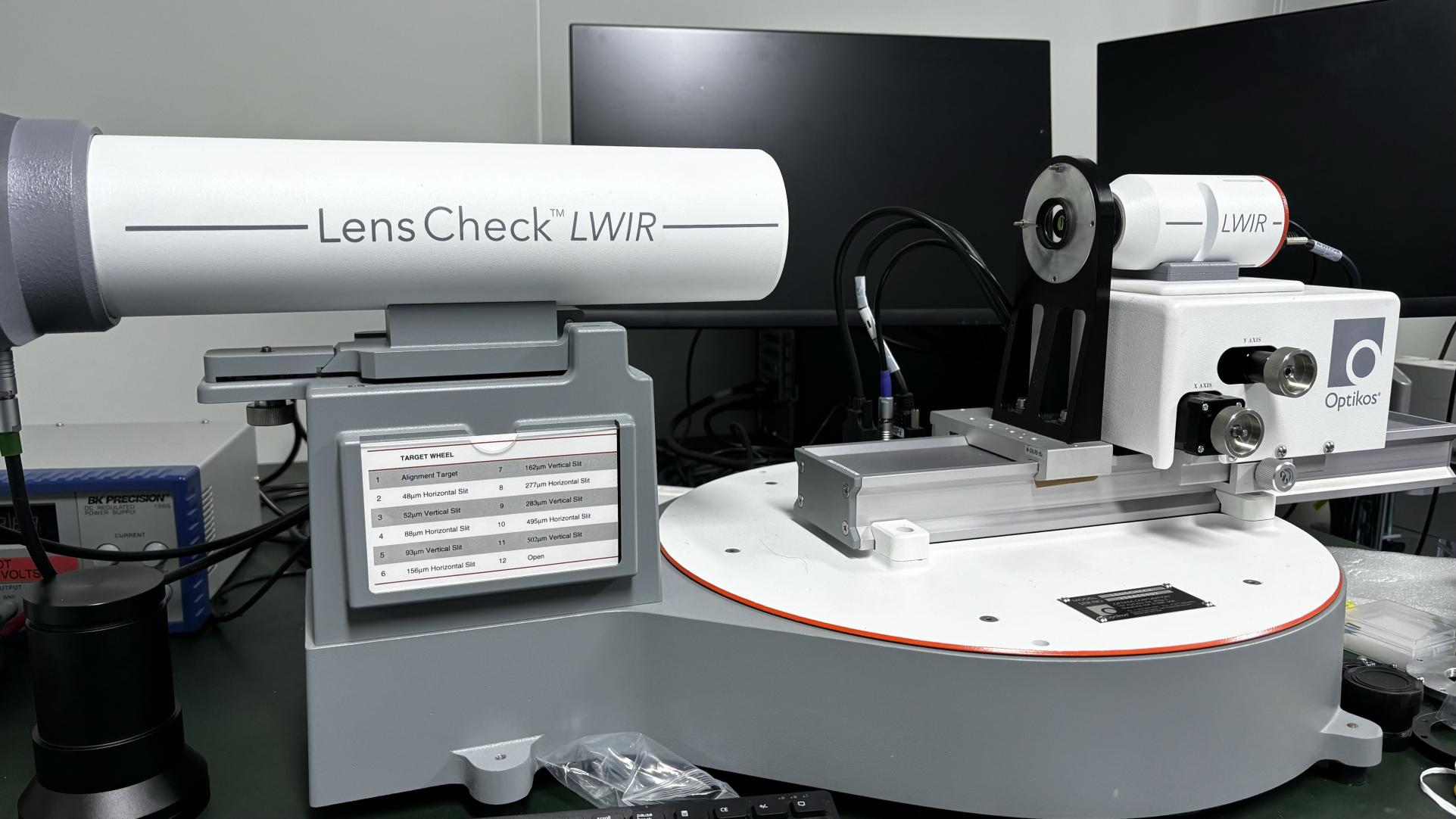
MTF Transmittance Meter
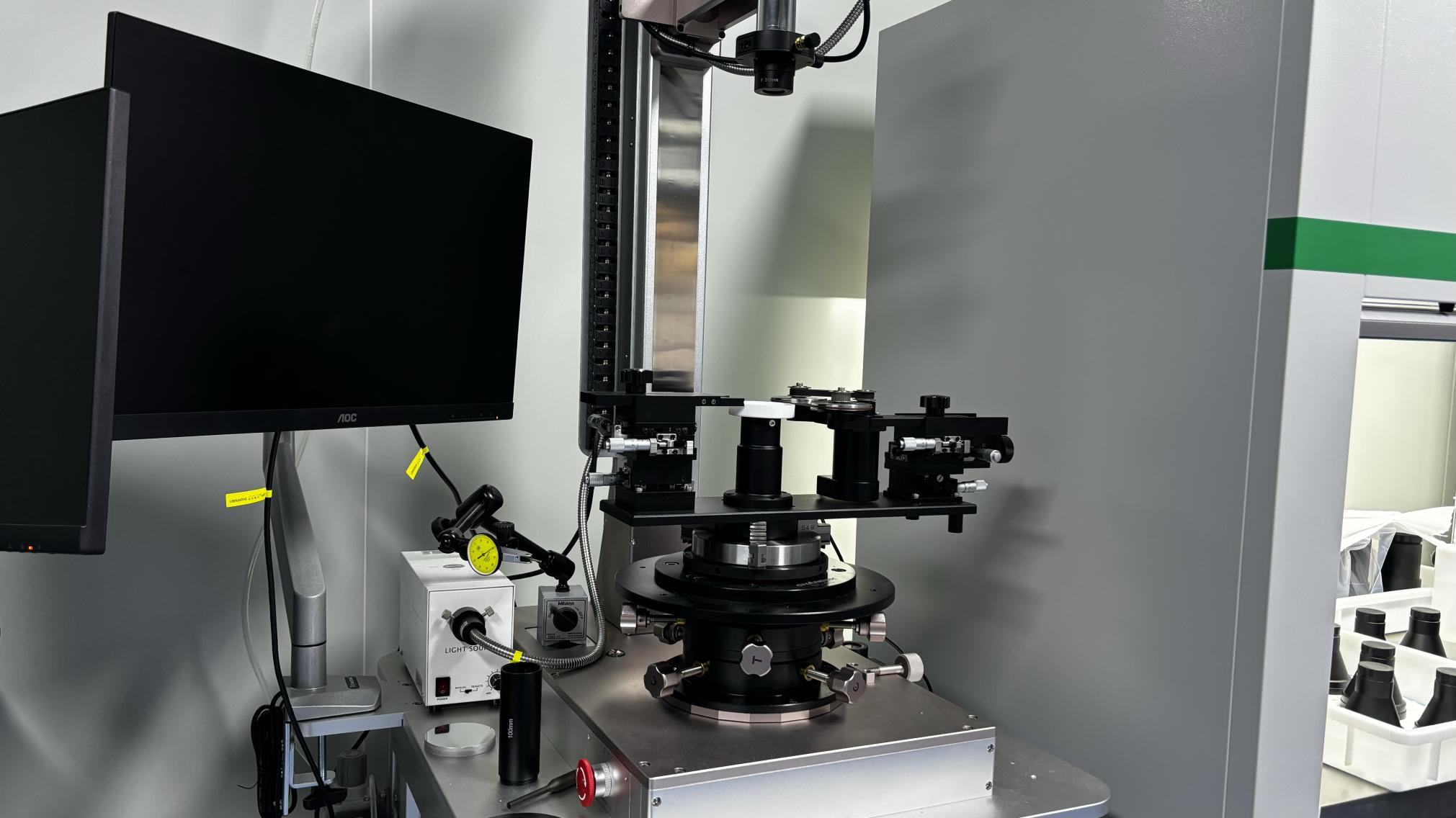
Center Deviation Gauge
Looking toward the next decade, the industry is moving towards higher densities and lower power consumption. With the rise of AI-driven computing clusters, data center architectures are shifting from 100G to 400G and 800G optical links. This demands radical changes at the physical connection layer. In copper connections, traditional RJ45 physical structures are being augmented by ultra-high-density micro-connectors, while traditional power cables are replaced by smart busways and high-power hybrid cabling.
FiddlLink’s forward-looking R&D roadmap focuses on:
Our commitment is backed by continuous capital investment. By launching 186 new products annually, our engineers ensure that global exporters stay ahead of standardizations like IEEE 802.3ck. This proactive engineering approach ensures that your network infrastructure remains compatible with future hardware updates.
All optical transceivers and connectivity interfaces manufactured in our facility undergo strict inspections by 42 dedicated quality assurance technicians. Every batch is certified for return loss, attenuation, and interface geometry.
High-voltage power lines generate significant electromagnetic fields (EMI). Magnetic isolation transformers inside RJ45 Magjacks isolate common-mode noise, suppress electromagnetic coupling, and protect high-frequency datacom PHY chips from electrical surges and transients.
We provide full OEM/ODM services, including customized EEPROM configuration for multi-vendor compatibility (Cisco, Juniper, HP, etc.), personalized labeling, custom packaging, specific fiber wavelengths, and customized housing designs.
Copper transceivers (like 10GBASE-T) consume more power than optical models, generating significant heat. A built-in heat sink channels heat away from the optical components, maintaining stable temperatures and preventing thermal degradation.
All optical components undergo strict inspection by our 42 QC technicians, using advanced tools like 3D laser interferometers, MTF meters, and spectrophotometers to meet Telcordia, RoHS, CE, and FCC standards.
With over 12 years of industry experience and a network of 850 strategic partners, we maintain steady material sourcing, ensuring a stable production schedule and timely delivery for our USD 18 million in annual exports.
Yes, our industrial-grade transceivers and RJ45 magjacks are designed with rugged materials and wide-temperature components, allowing them to operate reliably in environments from -40°C to +85°C.