FiddlLink
FiddlLink
FiddlLink
High-speed telecommunication and network transmission modules supporting optical backhaul networks for global wireless infrastructure.
Leveraging decades of engineering expertise to bridge the gap between high-frequency RF wireless antenna arrays and ultra-fast fiber optic networks.
FiddlLink Optical Technology Co., Ltd. is a premier manufacturer and global supplier specializing in high-performance wireless antennas, optical transceivers, and complex fiber optic communication interfaces. Founded in 2016 and backed by a leadership team with over 12 years of industry experience and 8 years of dedicated export experience, we have built a reputation for designing, developing, and manufacturing high-density network systems. Our solutions enable critical infrastructure for telecommunications providers, hyperscale data centers, industrial IoT networks, and smart city deployments around the world.
From our headquarters and specialized precision manufacturing facilities, we execute a strict quality-first production methodology. Operating within a modern, highly-integrated facility, we utilize state-of-the-art diagnostic, optical tuning, and RF testing equipment to ensure our hardware operates flawlessly under demanding environmental conditions. Whether supporting local 5G deployments or configuring high-speed transceiver matrices, FiddlLink remains focused on lowering the cost of high-density data transmission while maintaining unmatched operational reliability.
Analyzing the technology convergence driving the future of high-frequency wireless communications and fiber-to-the-antenna (FTTA) systems.
As networks transition from sub-6 GHz to mmWave bands, antennas must support complex Massive MIMO arrays. Integrated beamforming dynamically directs signals to specific users, mitigating interference and maximizing spatial efficiency. Our antennas utilize optimized phase shifters and low-insertion-loss substrates to maintain high gain across diverse environments.
The boundary between RF antennas and optical backhauls is fading. In modern O-RAN setups, signals transition from optical transceivers directly to the remote radio unit (RRU). FiddlLink leverages its expertise in fiber optics and RJ45 connection nodes to build integrated modules that minimize signal degradation at the RF-to-optical transition layer.
Next-generation Wi-Fi 7 (802.11be) demands Multi-Link Operation (MLO) across 2.4 GHz, 5 GHz, and 6 GHz bands. Our antenna systems are engineered for wideband coverage, ensuring high cross-polarization isolation and ultra-low Voltage Standing Wave Ratio (VSWR) to prevent signal degradation in crowded workspaces.
Deploying custom antenna and physical-layer network hardware across critical global industries.
| Application Sector | Technical Challenges | FiddlLink Engineering Solution | Expected Network Performance |
|---|---|---|---|
| 5G Base Stations & Small Cells | Atmospheric attenuation, multi-path fading, high heat accumulation in compact remote radio heads (RRH). | Multi-band MIMO antenna panels integrated with low-attenuation RF interfaces and rugged outdoor IP67 housings. | Sub-6 GHz coverage with >15 dBi gain, VSWR ≤ 1.5, and stable performance from -40°C to +85°C. |
| Smart Utility Grid & IIoT | Corrosive industrial environments, electromagnetic interference (EMI) from heavy machinery, long-range requirements. | Ultra-rugged omnidirectional fiberglass antennas tuned for sub-GHz LPWAN (LoRa, NB-IoT) and shielded RJ45 magnetic connectors. | Reliable communication up to 15km line-of-sight; high common-mode EMI noise rejection for local control systems. |
| Automotive V2X & Telematics | High mobility, rapid handovers, aerodynamic integration constraints, and vibration-induced microphonic noise. | Low-profile shark-fin and patch antennas combining GNSS, 5G, and DSRC/C-V2X ceramic patches with robust locking connectors. | Sub-millisecond latency for safety critical systems; stable impedance matching under intense vibration. |
| Hyperscale Enterprise Networks | High channel density, signal crosstalk in patch panels, mismatch between wireless access points and optical backbone. | Custom directional ceiling arrays paired with high-performance 10G SFP+ transceivers and CAT6A RJ45 interface connectors. | Seamless gigabit wireless routing backed by 100% verified 10 Gbps fiber optical backhaul lines. |
Every industrial infrastructure project demands specific radiation patterns, gain levels, and mechanical dimensions. Through our specialized engineering group (126 R&D personnel), we design tailor-made RF boards, custom radomes, specialized mounting assemblies, and custom cabling harnesses. We also program specific firmware to match your switch/router optical modules, ensuring complete compatibility with Cisco, Juniper, Huawei, and other major telecom brands.
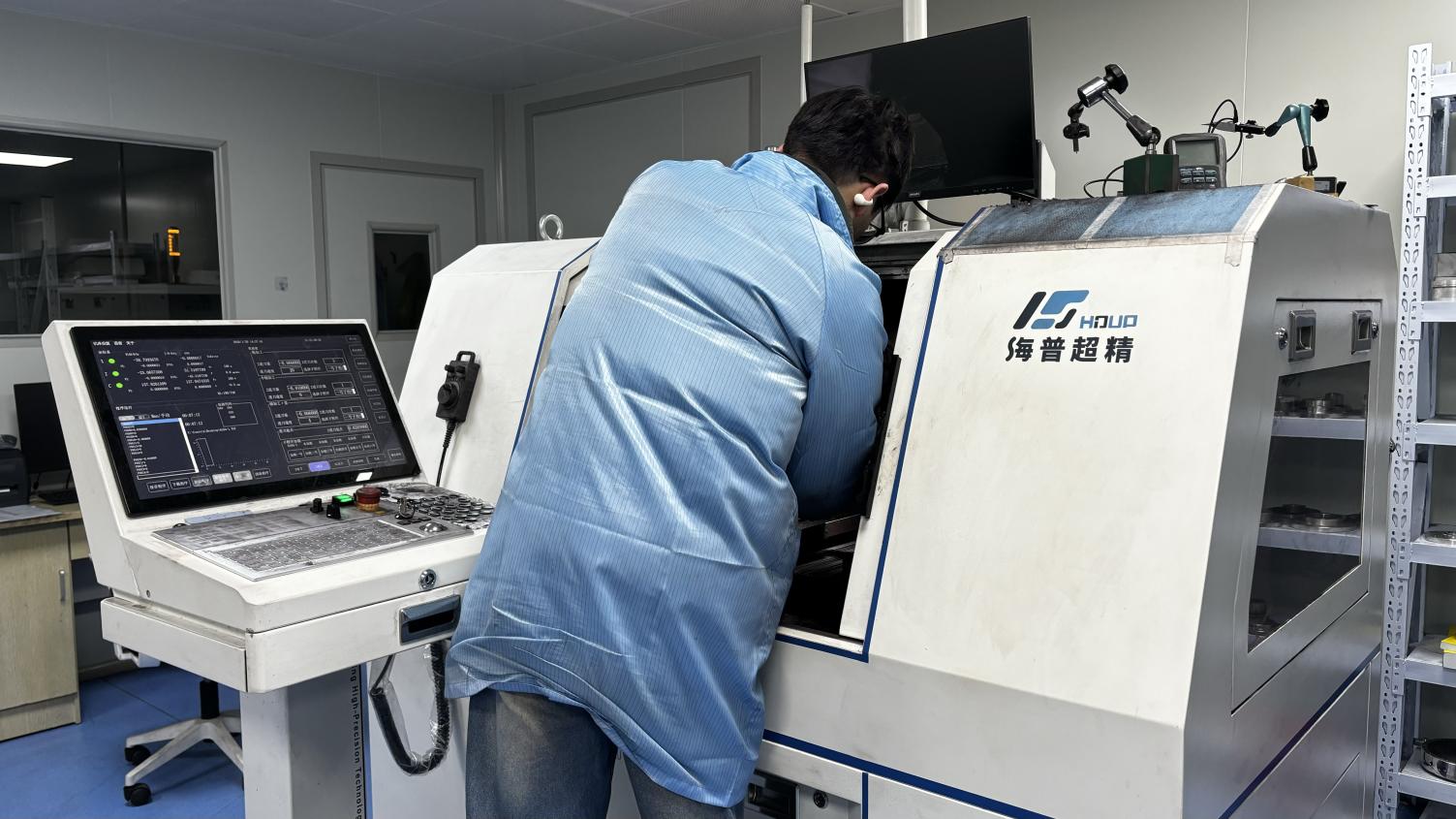
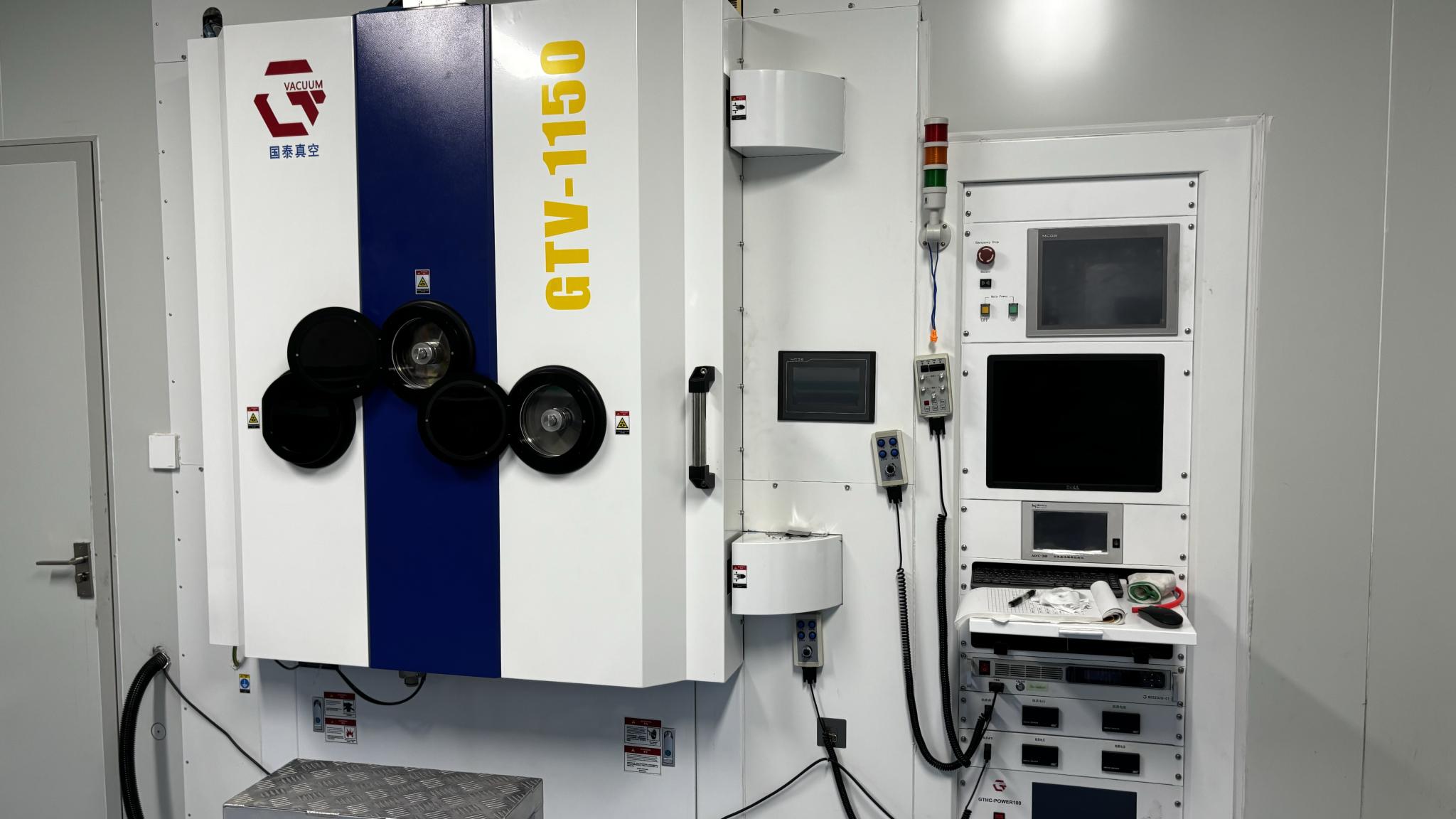
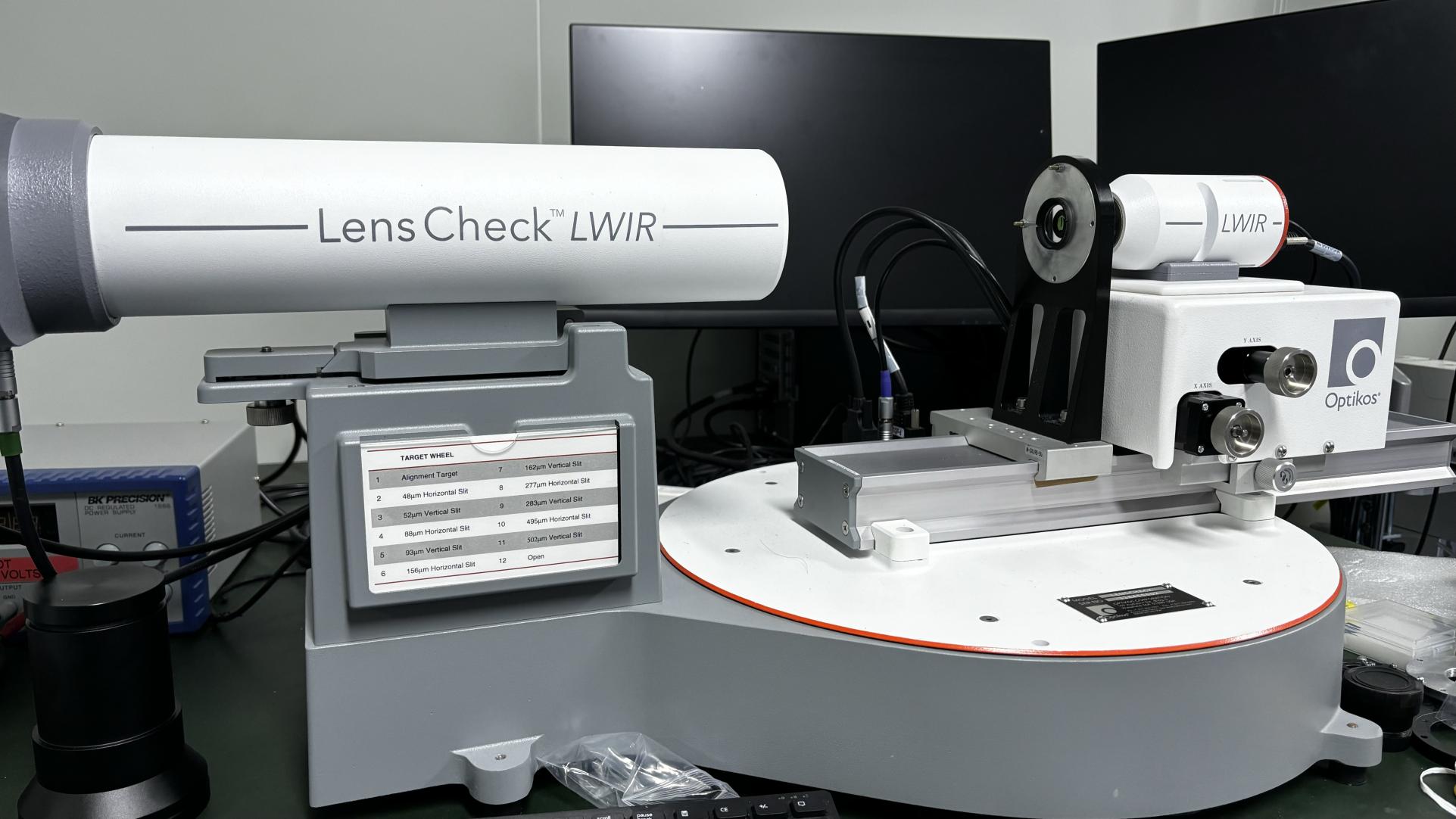
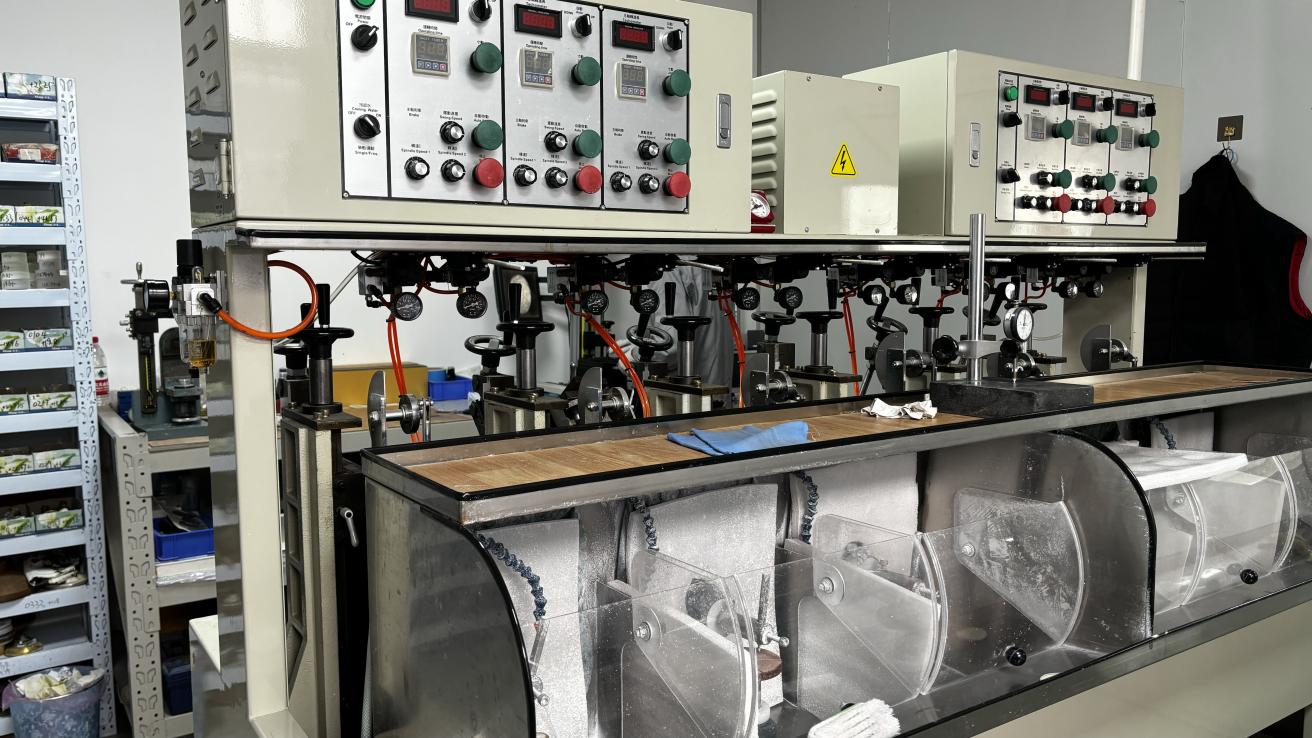
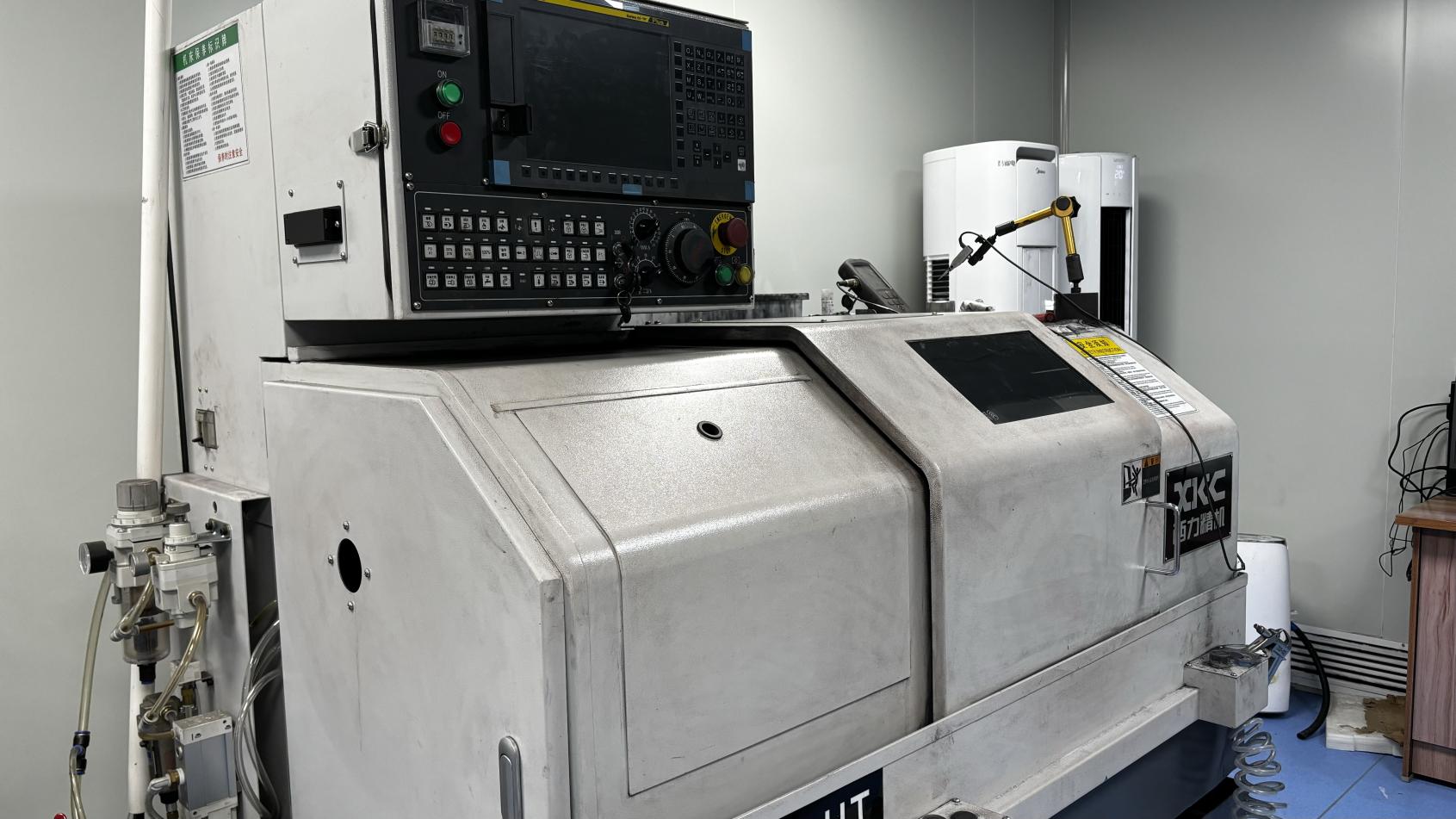
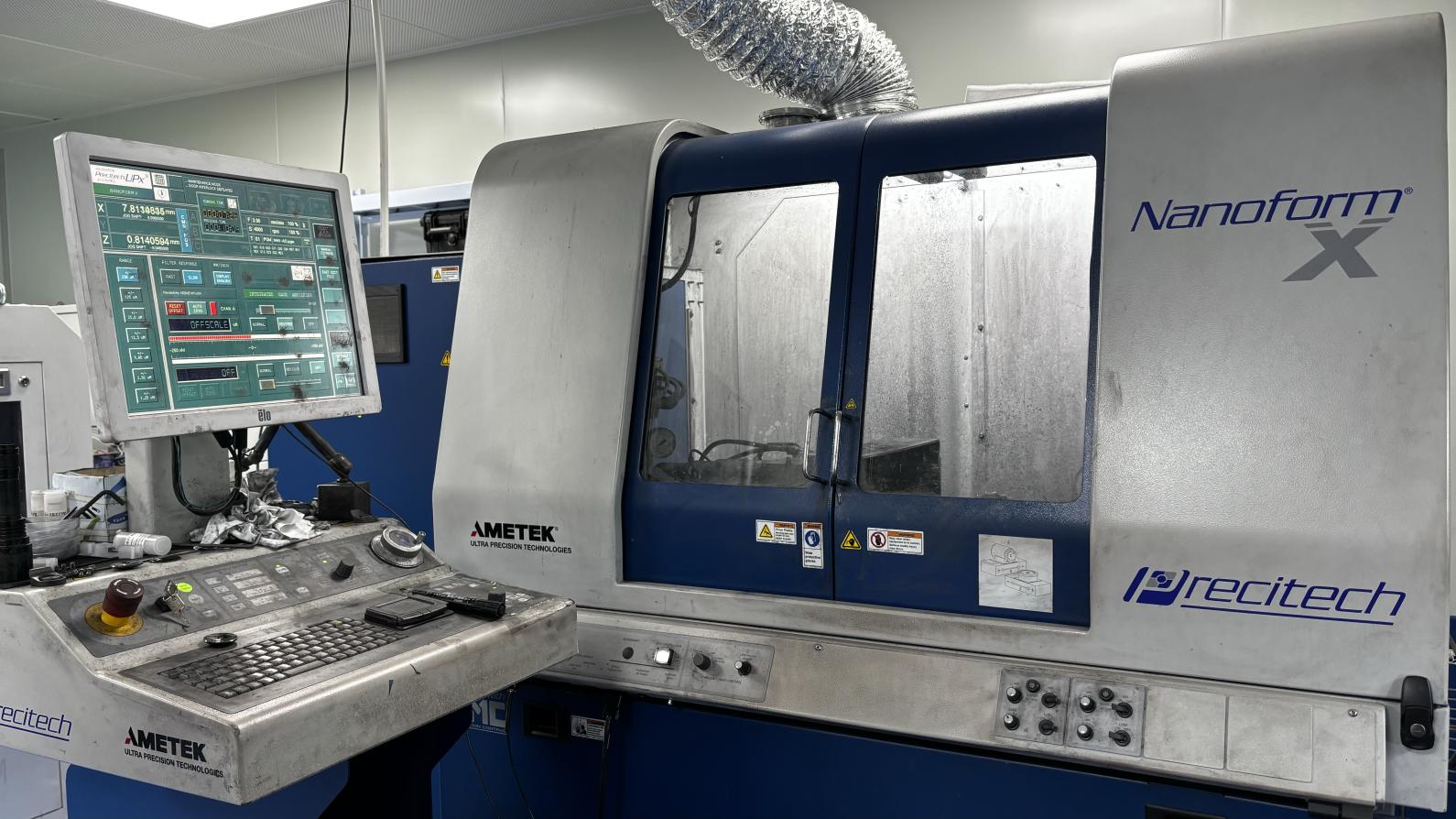
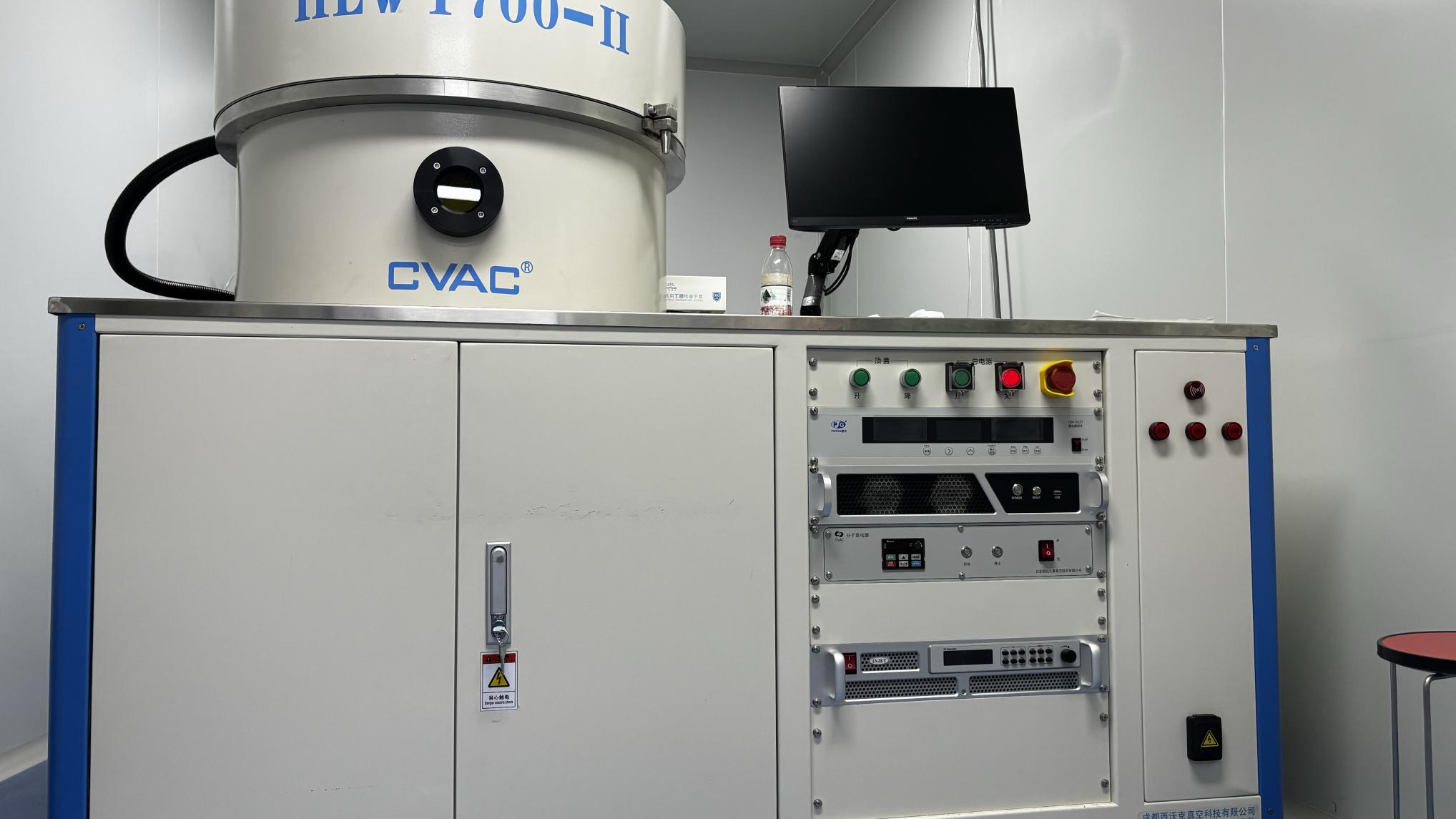
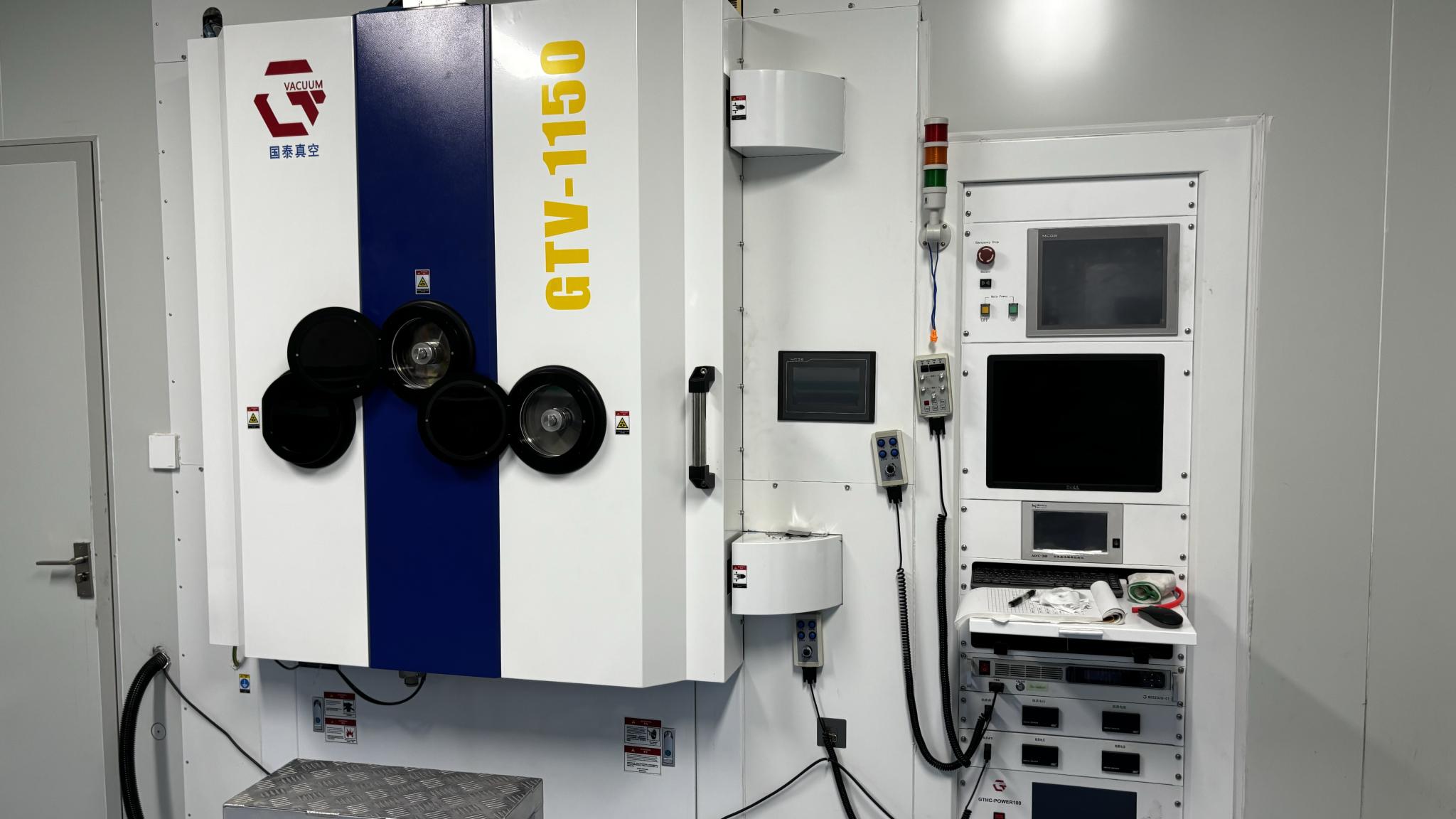
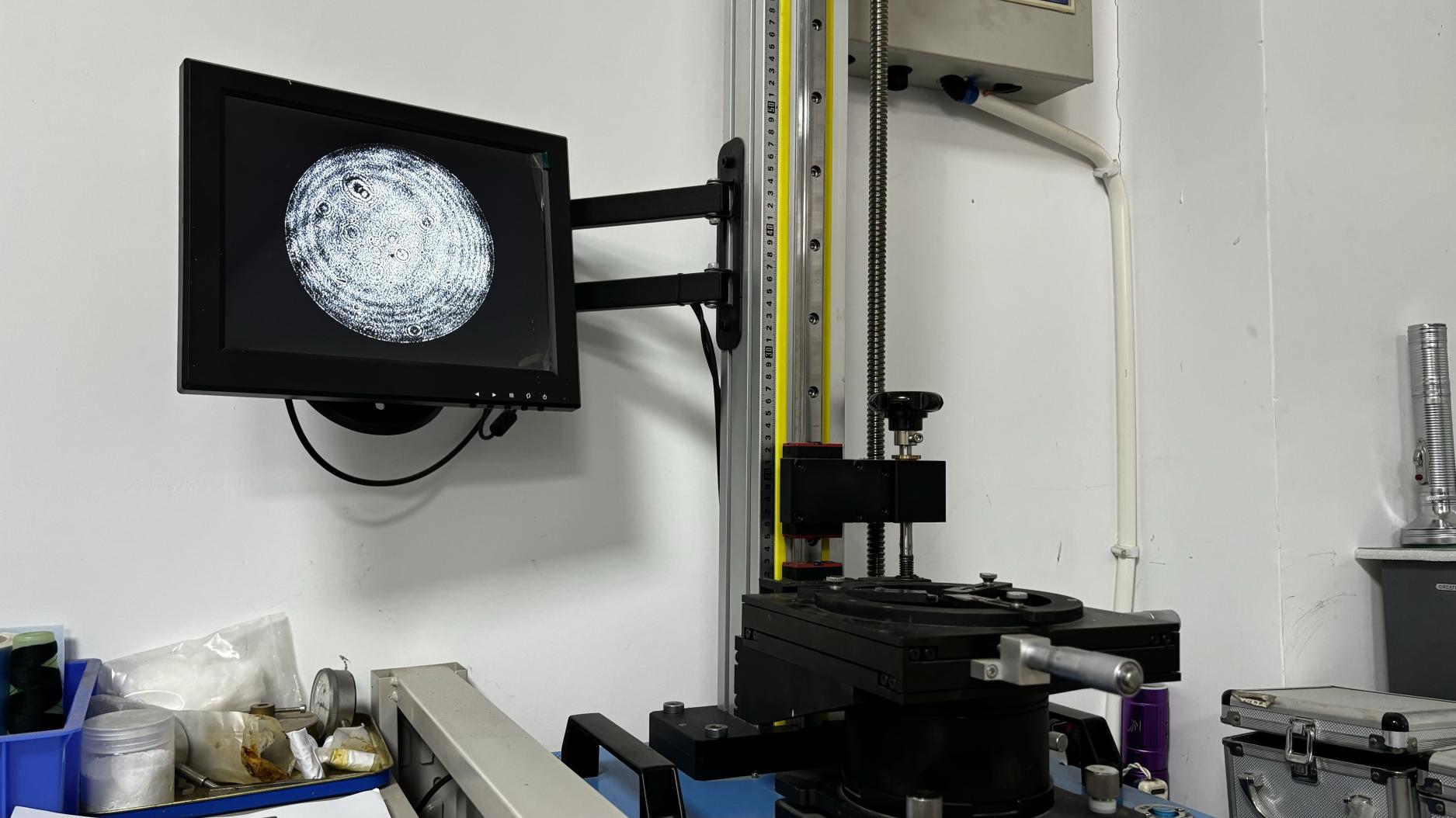
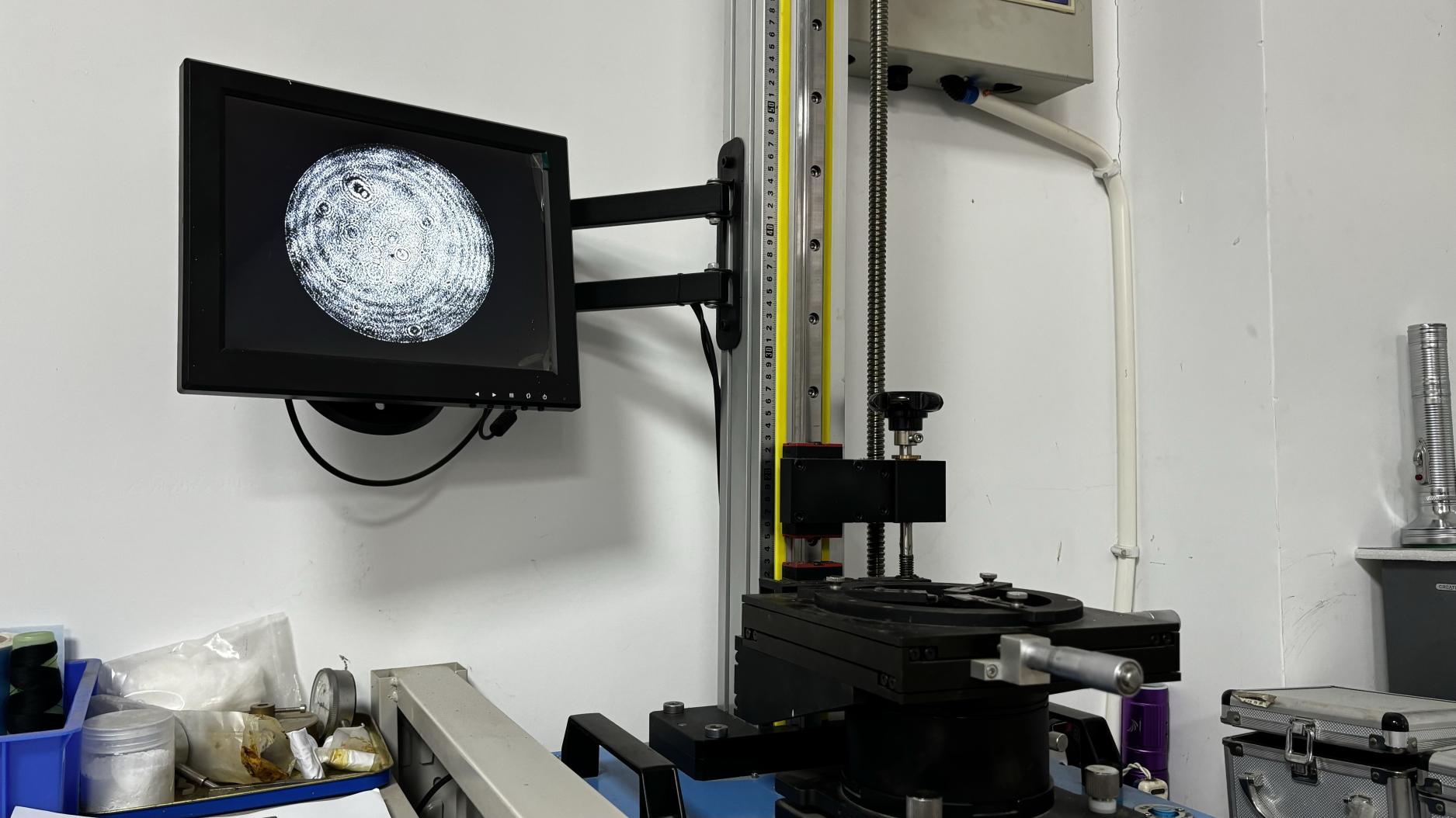
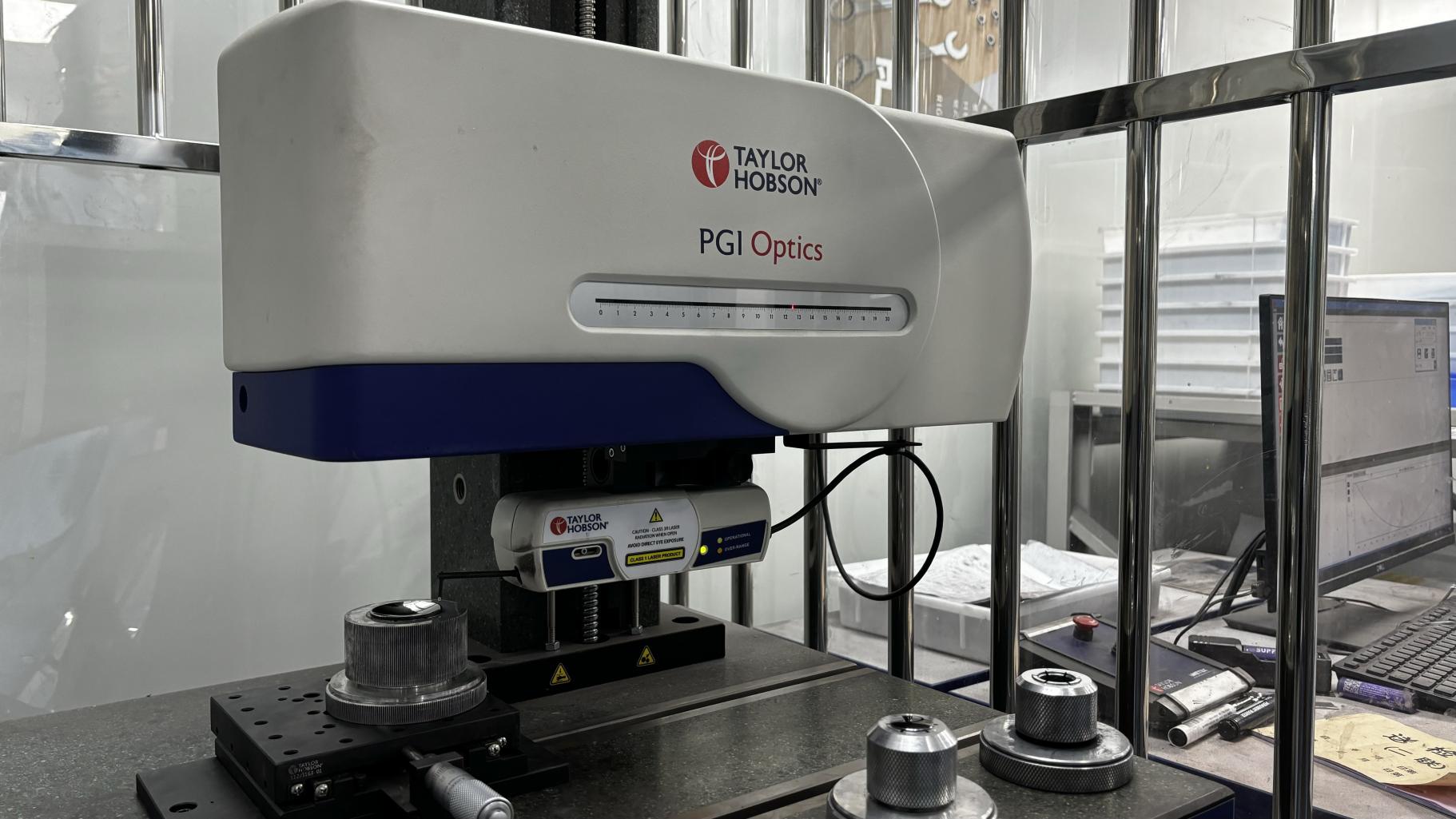
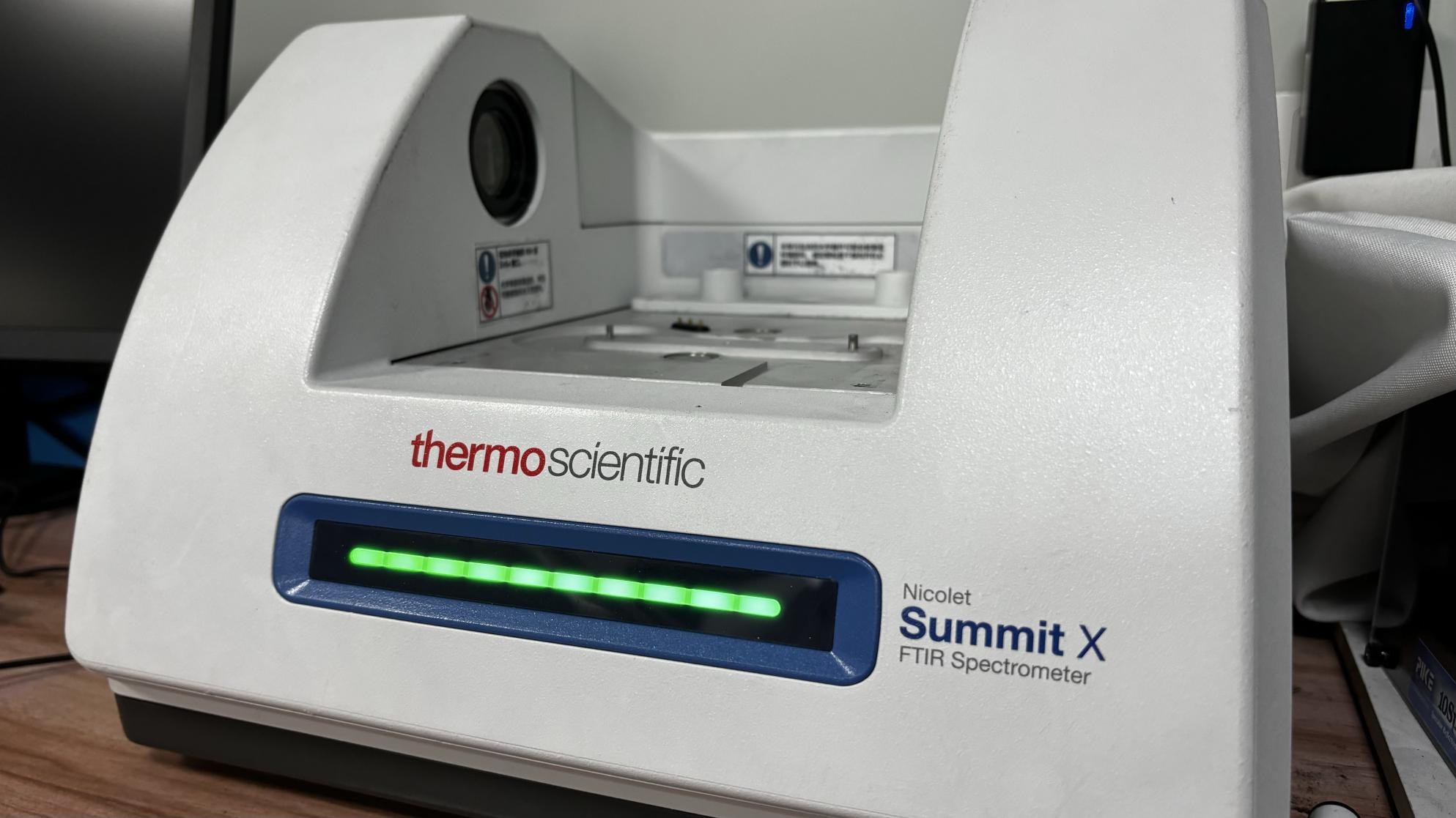
Explore our modern production floor, advanced machinery, and rigorous optoelectronic testing systems.
Operating a modernized 380 square meter facility, FiddlLink utilizes advanced automated production alongside deep supply chain partnerships with over 850 strategic partners. By integrating precision mechanical engineering with state-of-the-art optical diagnostic tools, we maintain consistent product quality. Our team of 42 quality control professionals inspects raw materials, monitors active production steps, and conducts optical performance, environmental endurance, and RF parameter verification before every shipment.




Ensuring reliable compatibility, international certifications, and localization support for enterprise networks.
Global system integrators and telecommunication firms require verified technical compliance before deployment. Our production lines operate under strict international frameworks. Every optical transceiver and wireless antenna unit is tested for compliance with FCC, CE, RoHS, and REACH directives to ensure seamless import processing and green certifications.
Additionally, FiddlLink offers tailored global support services, including:
Technical insights regarding wholesale wireless antenna manufacturing and high-speed network interfaces.
Buyers should evaluate Antenna Gain (dBi), which measures signal concentration; VSWR (Voltage Standing Wave Ratio), which should ideally be ≤ 1.5 to minimize signal reflection; Radiation Pattern (Omnidirectional vs. Directional); and Impedance (typically 50 Ohms for RF systems). Our factory provides full anechoic chamber test reports detailing these parameters for every production lot.
We maintain a comprehensive digital library containing coding parameters for all major switch and router manufacturers. During the final production phase, our engineers program each module's EEPROM with compatible vendor signatures and test them on target switches to ensure out-of-the-box compatibility.
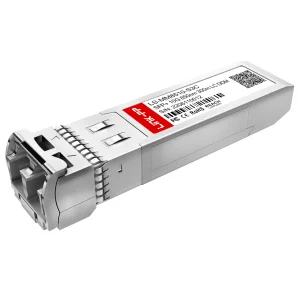
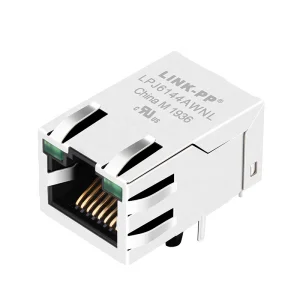
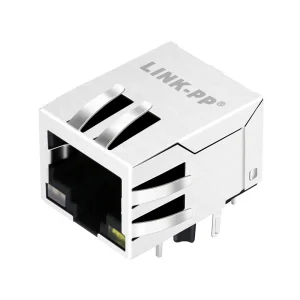
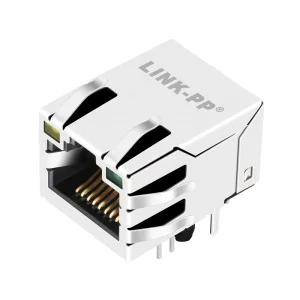
5G small cells and base stations require high data rates. While wireless antennas capture and transmit signals over the air, the connection from the tower to the core network relies on optical fiber backhaul (utilizing SFP/SFP+ optical modules) or high-grade copper connections (via magnetic RJ45 connectors). Providing both RF-matched accessories and optoelectronic components enables a reliable link with minimal insertion loss.
Standard orders typically ship within 2 to 3 weeks. For complex, customized OEM designs (such as custom-tuned antenna arrays or custom SFP firmware), the development and validation phase takes about 4 to 6 weeks. Our strategic relationships with over 850 partners help us maintain steady lead times even during global supply shortages.
We use automated machines for spherical and aspheric surface polishing, followed by testing with Zygo laser interferometers, MTF transmittance meters, and center deviation instruments. This multi-stage check ensures that optical surfaces are free from microscopic defects that could cause signal scattering or high return loss.
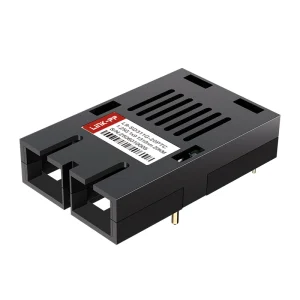
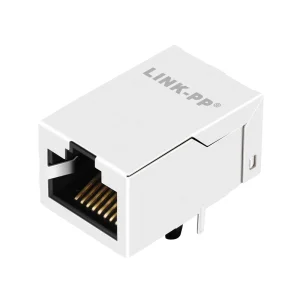
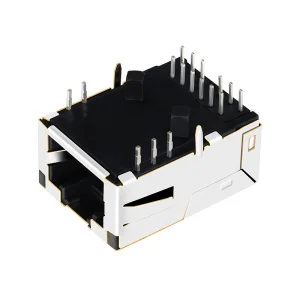
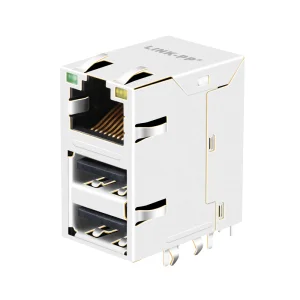
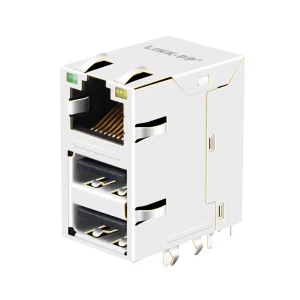
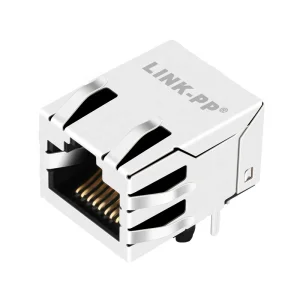
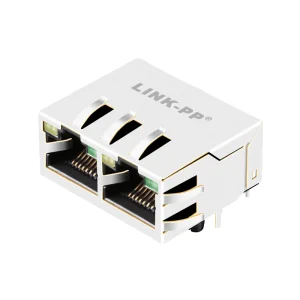
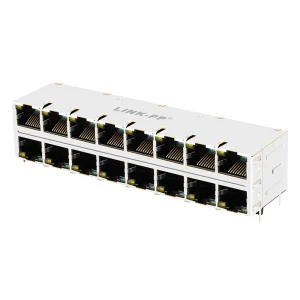
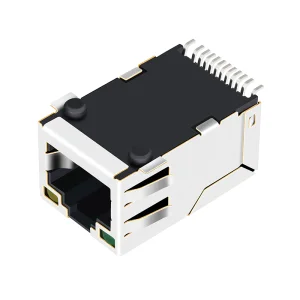
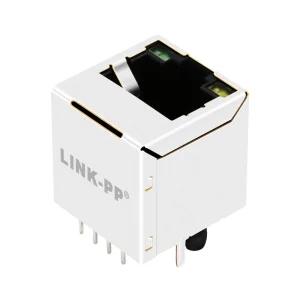
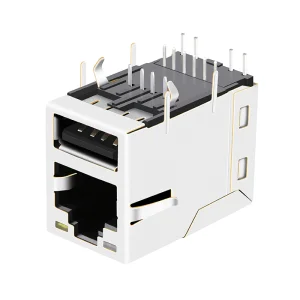
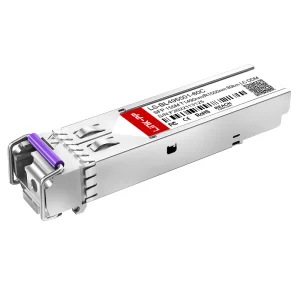
Explore our full line of magnetic RJ45 jacks, SFP transceiver modules, and board-level network connectors designed for reliable performance.