FiddlLink
FiddlLink
FiddlLink
Explore our top-tier catalog of optical modules, high-frequency connectors, and network shielding systems engineered for modern industrial architectures.
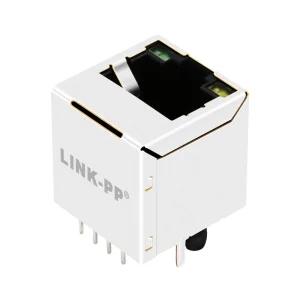
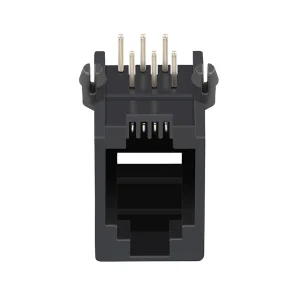
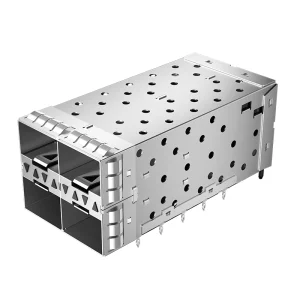
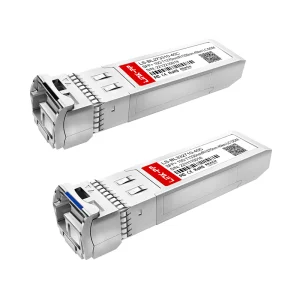
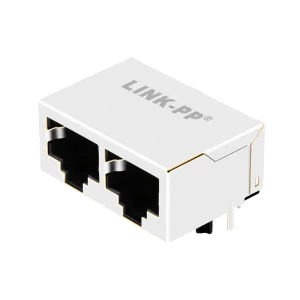
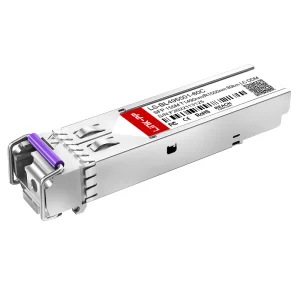
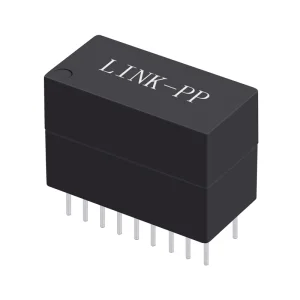
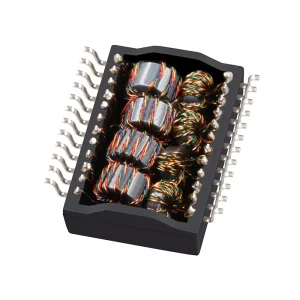
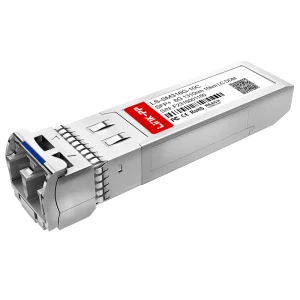
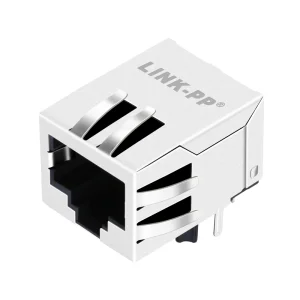
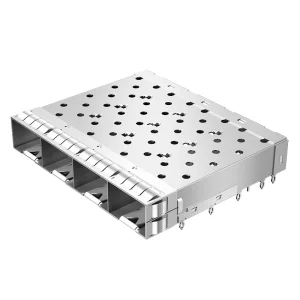
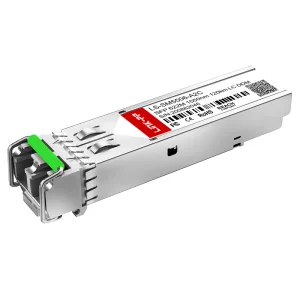
In modern industrial systems, telecommunication frameworks, and hyperscale data centers, the demand for robust, high-integrity physical interfaces remains paramount. Although technology has advanced rapidly toward wireless and multi-gigabit high-speed protocols, legacy serial communication standards—specifically RS-232, RS-422, and RS-485—and their integrated iterations continue to form the backbone of industrial control operations. The transition toward high-density board-level interconnects, including specialized RJ45 connectors with integrated magnetics, through-hole RJ11 modules, and SFP+ transceiver cages, reflects a critical evolution in how data networks manage physical integrity and electromagnetic compatibility.
Globally, industries are scaling their edge-computing facilities and upgrading telecommunication nodes to support higher data volumes under harsher environmental conditions. Serial port connectors and integrated optical transceivers must deliver low contact resistance, high mating-cycle durability, and robust resistance to thermal fluctuations. In smart factories, automation interfaces, and energy distribution systems, even a microsecond of connectivity loss can result in catastrophic operational disruption. Consequently, global enterprise procurement networks are focusing their search parameters on specialized factories that can manufacture connectors combining legacy mechanical robustness with modern high-frequency signal requirements.
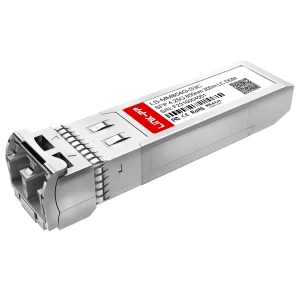
At the center of this industrial convergence is the shift toward hybrid interfaces. Modern control units frequently bridge conventional serial logic levels with network distribution points via SFP/SFP+ transceiver modules and shielded RJ45 magnetics. These components act as translation pathways, converting optical signals from far-reaching backhaul links into localized serial networks, bridging the gap between legacy machinery and enterprise-level AI control architectures.
How FiddlLink Optical Technology leverages industrial integration, advanced manufacturing equipment, and massive scale to deliver high-quality interconnect components worldwide.
Established in 2016, FiddlLink Optical Technology Co., Ltd. has established itself as an authoritative manufacturer and supplier of optical communication products, copper interconnect assemblies, and custom networking interfaces. Leveraging 12 years of industry experience and 8 years of global export experience, we have optimized our supply chains to supply high-reliability hardware to telecommunications operators, system integrators, and OEM/ODM distributors worldwide.
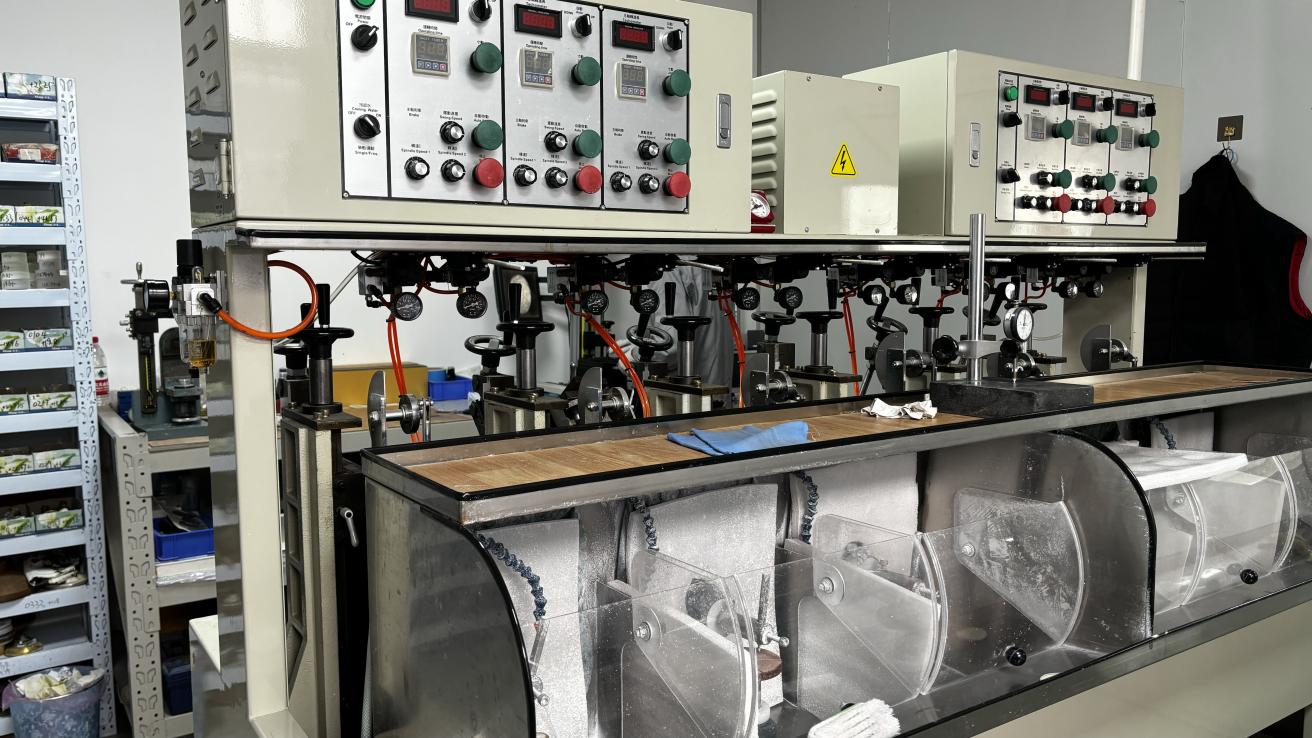
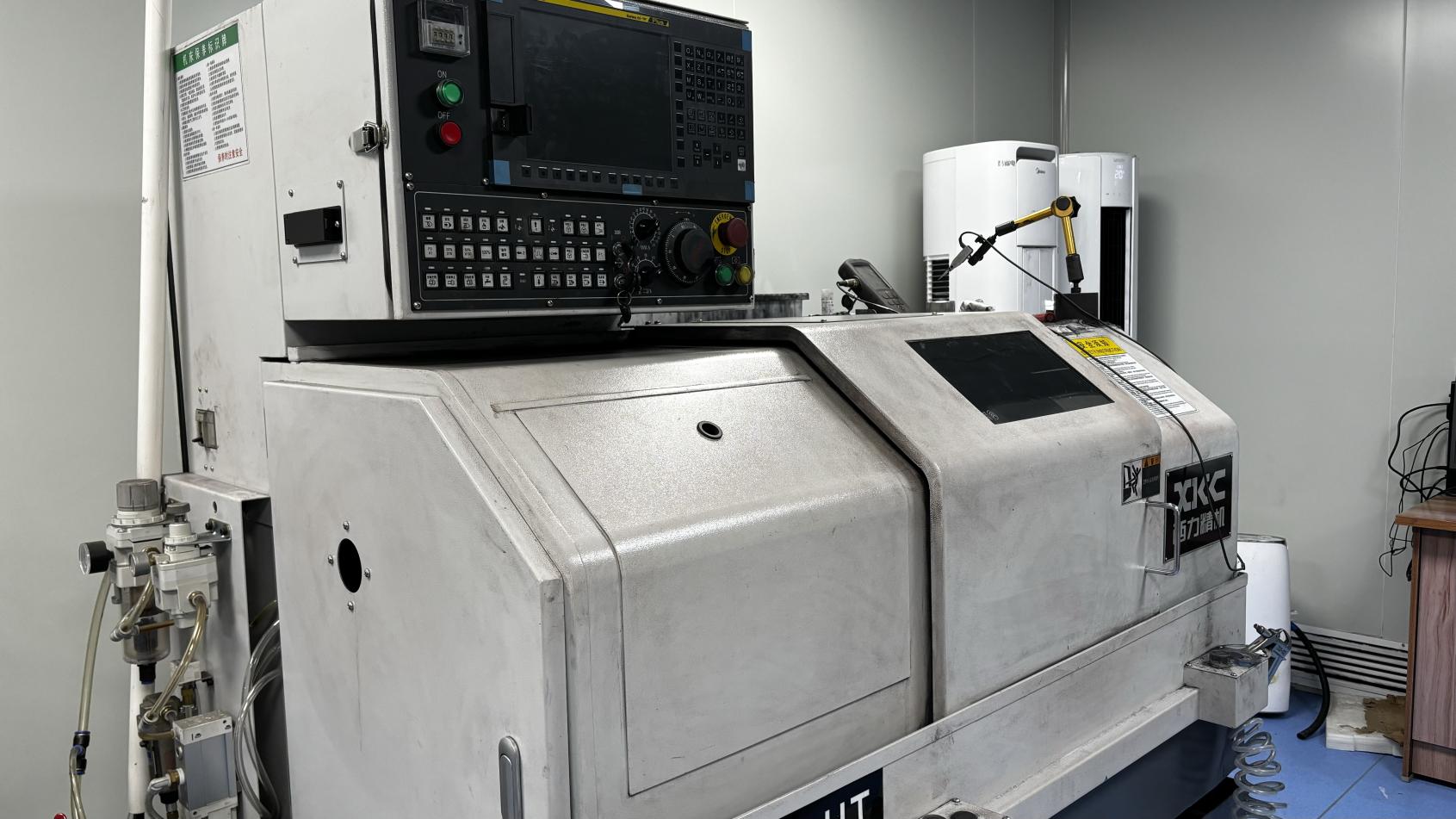
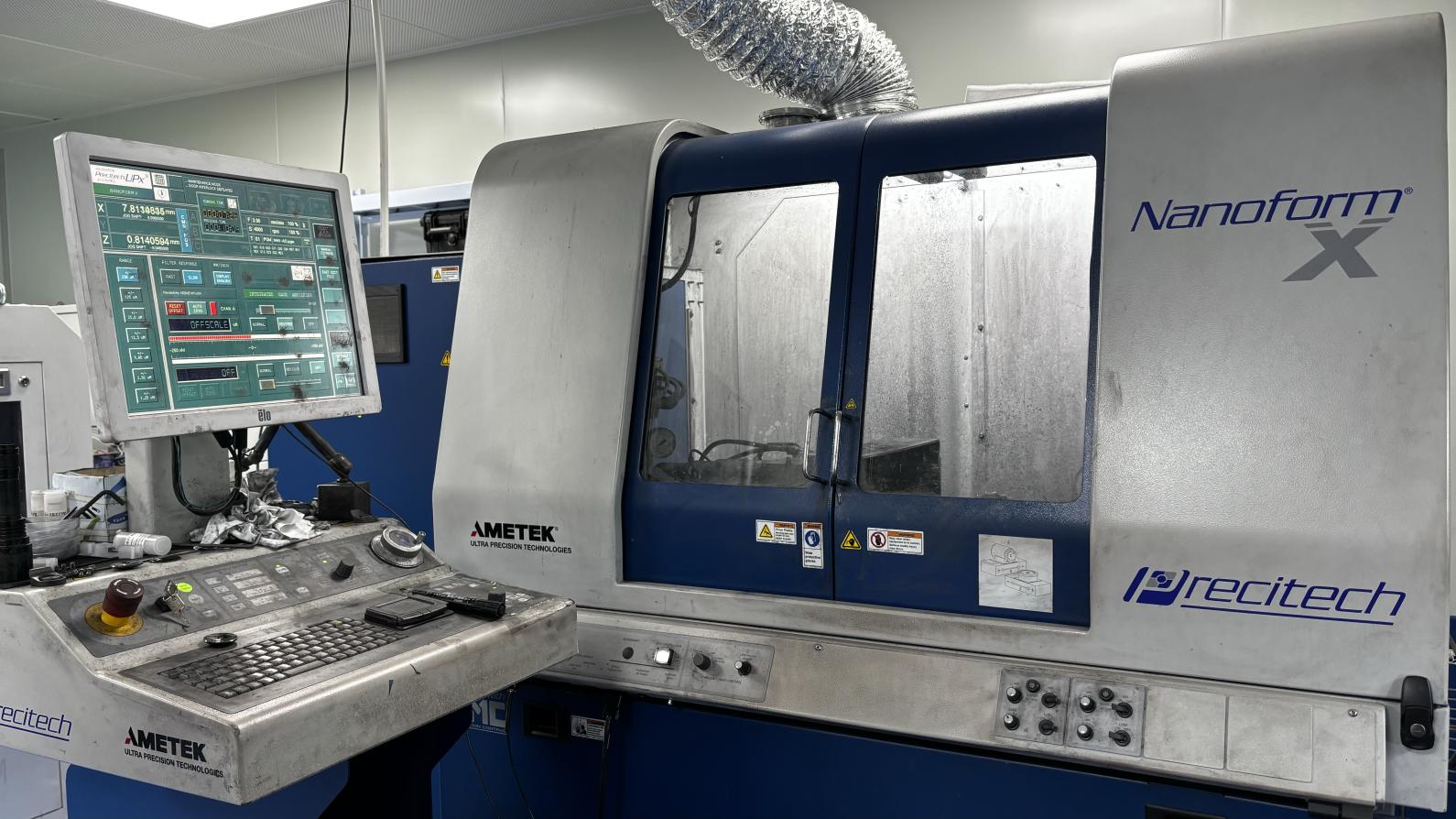
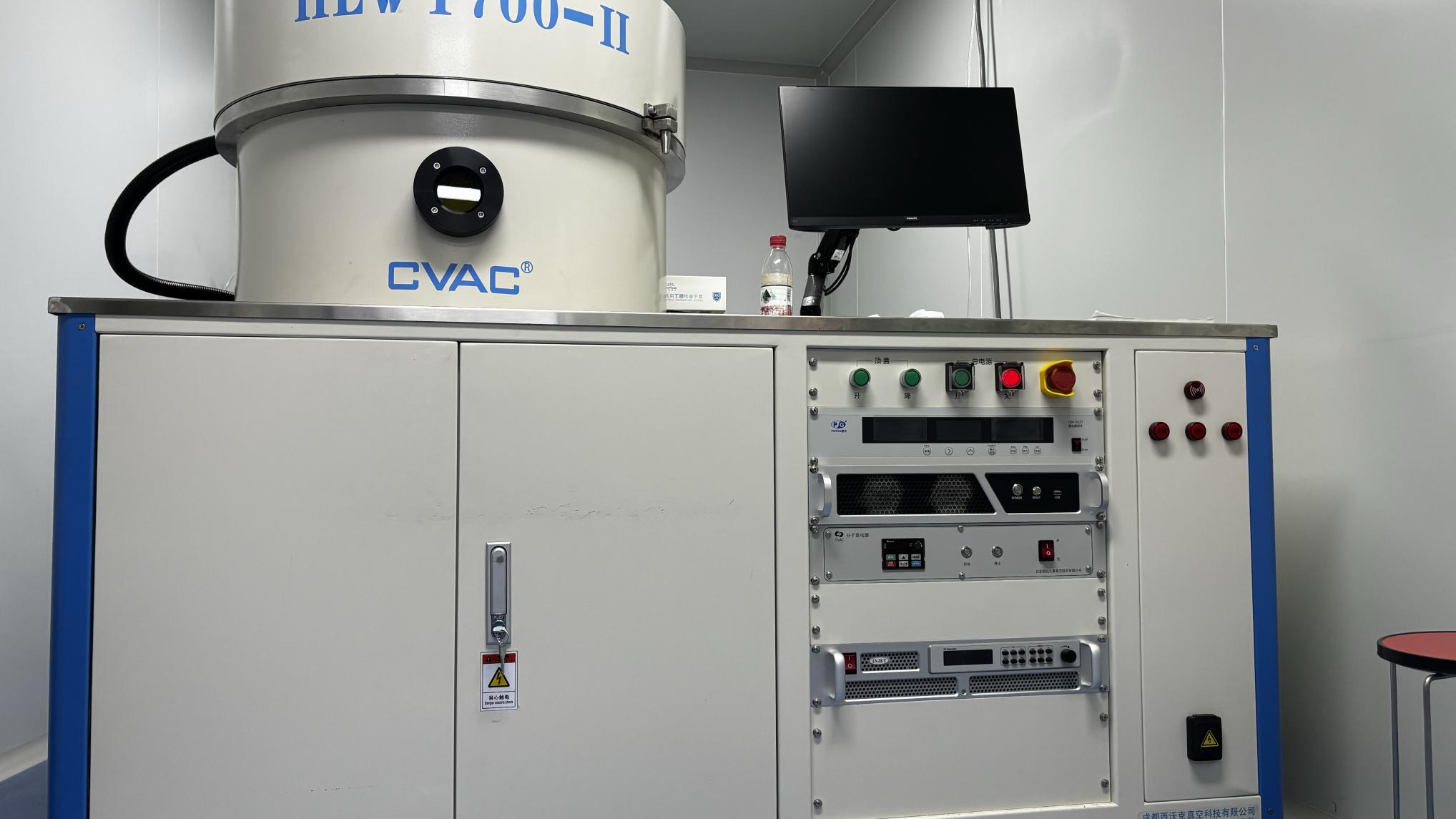
China's dominance in the connector and transceiver sector is not simply based on cost reduction, but on raw industrial ecosystem integration. Our modern facilities utilize high-precision automated assembly systems, single-point diamond turning machines, aspheric surface polishing equipment, and multi-stage spectral inspection stations. Combined with our annual export revenue of USD 18 million, FiddlLink provides an unmatched capability to scale production from small-batch prototype modifications to high-volume containerized shipments without sacrificing performance parameters.
Modern networks are inherently heterogeneous, requiring diverse interconnect protocols to support local applications. Understanding where and how these products are deployed is critical to optimizing physical network designs:
By tailoring our products to these localized contexts, FiddlLink ensures that whether an engineer is routing high-density PCBs in Shenzhen or establishing a cellular tower backhaul in Europe, our connectors provide stable physical interfaces and signal compliance.
FiddlLink's state-of-the-art facility integrates precise machining, optical shaping, and verification devices to guarantee strict conformance to international specifications.
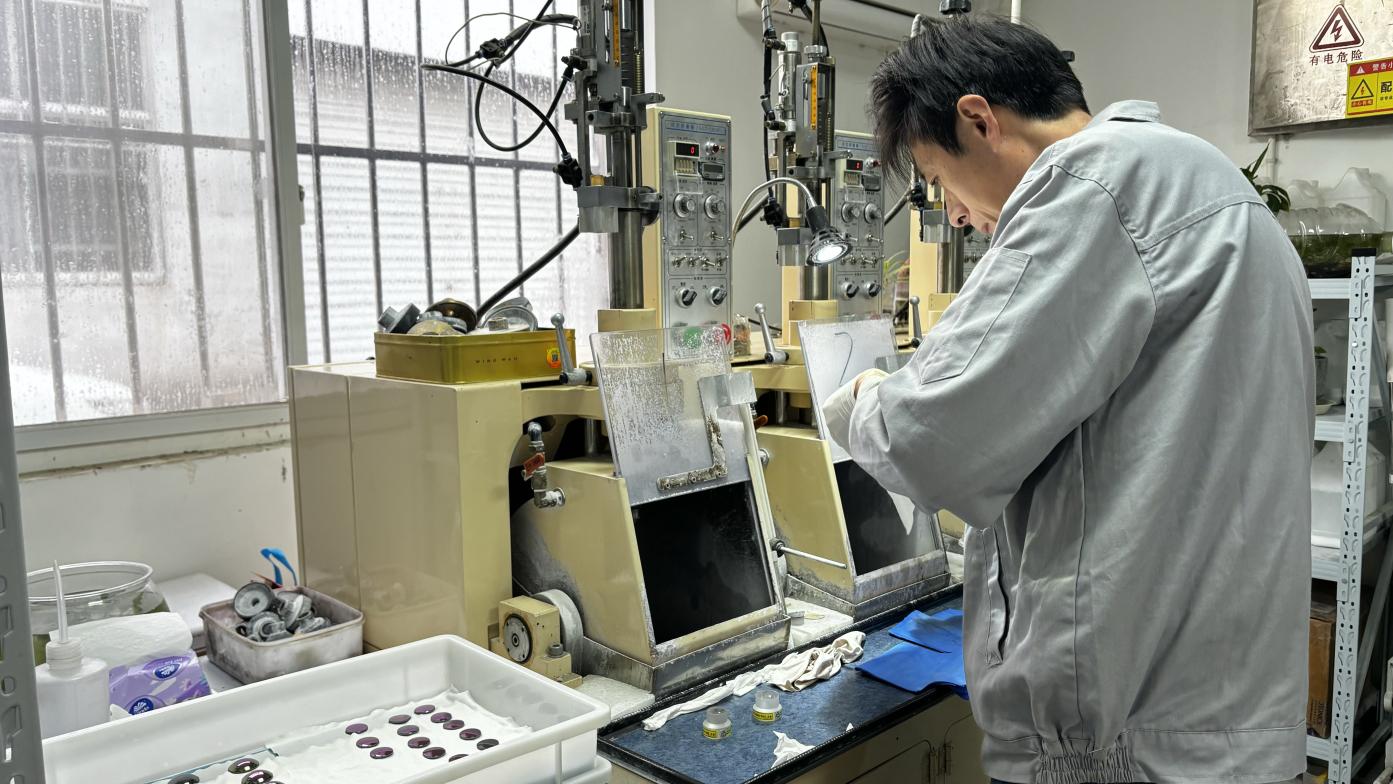
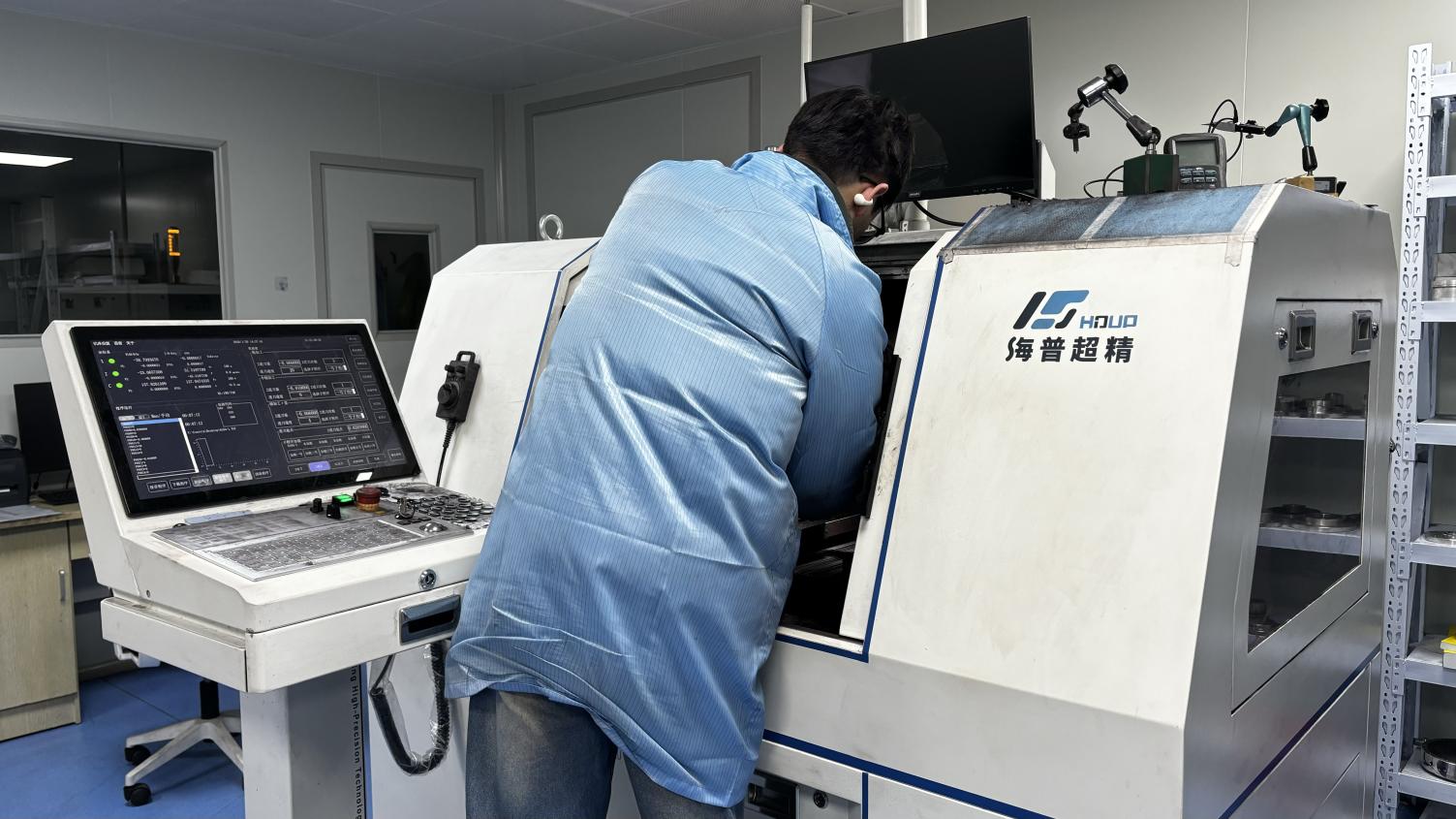
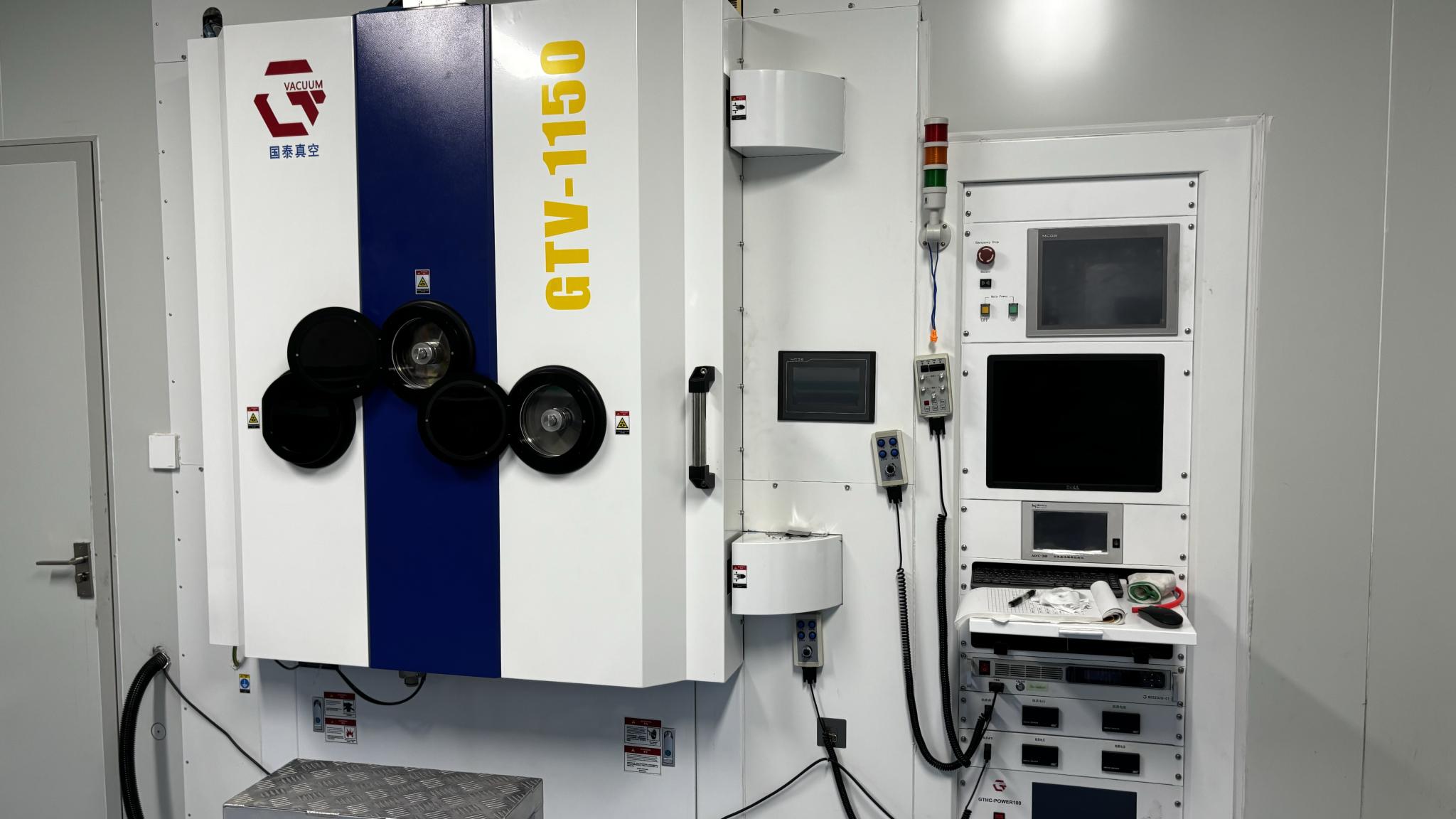
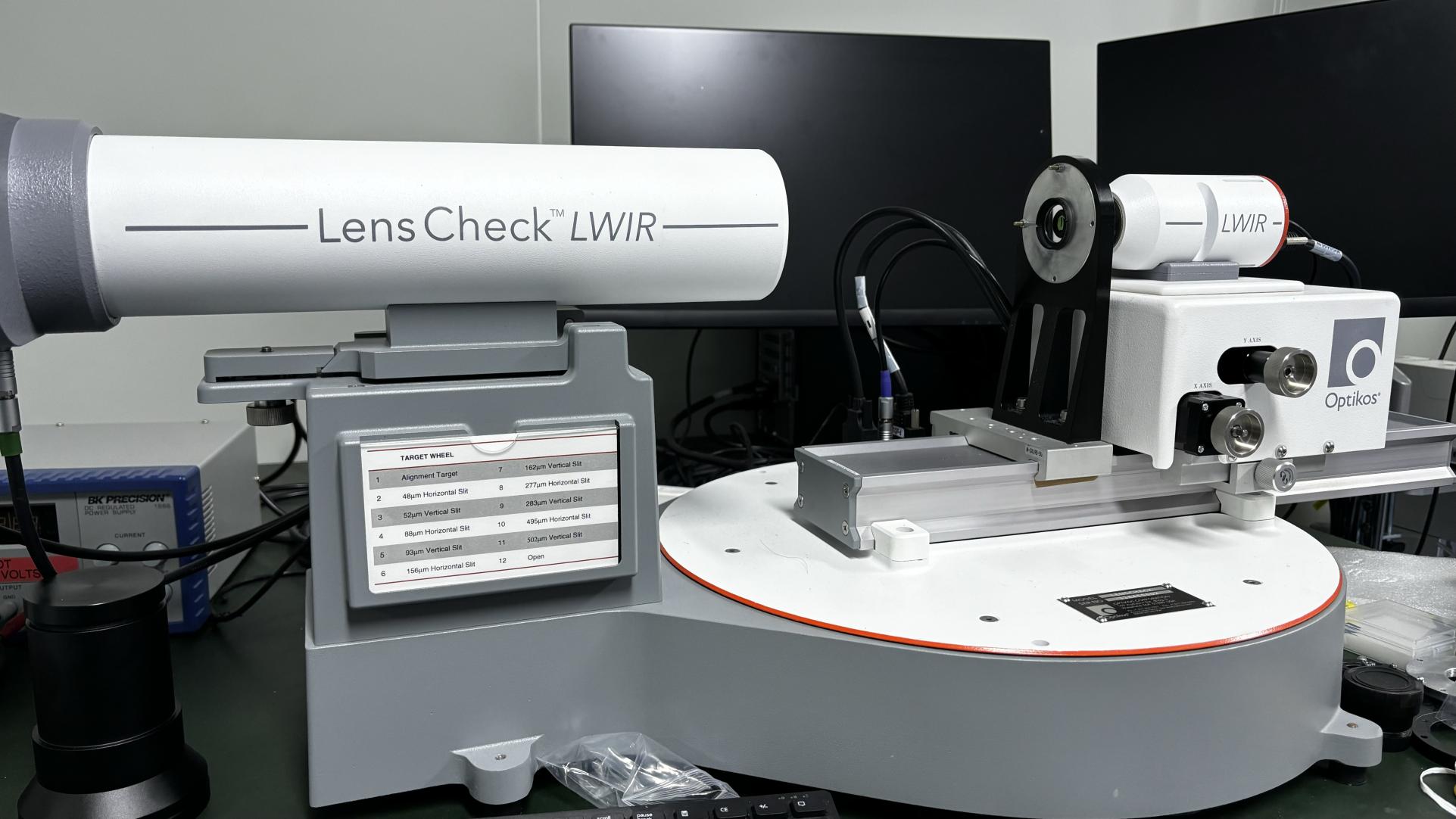
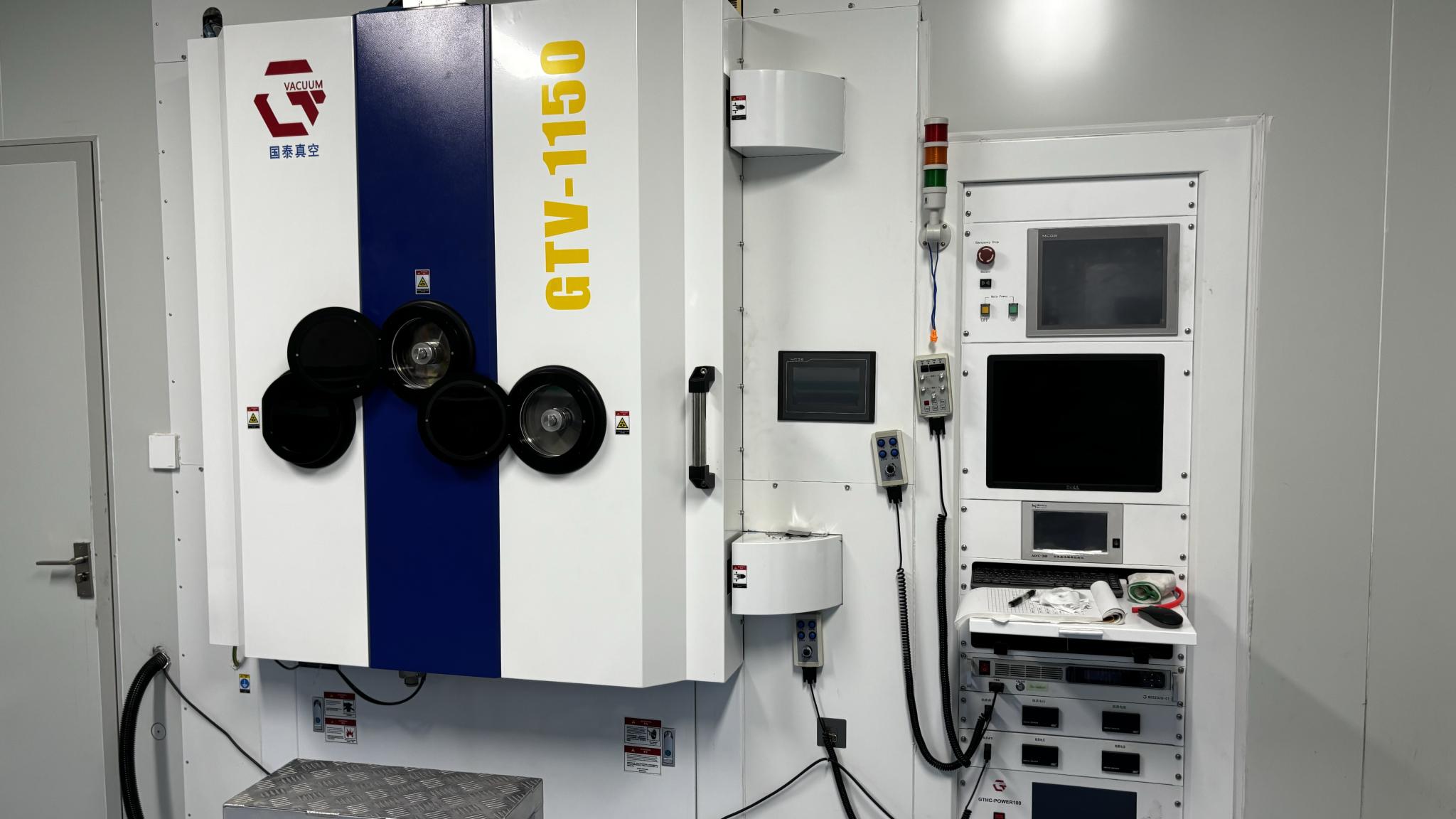
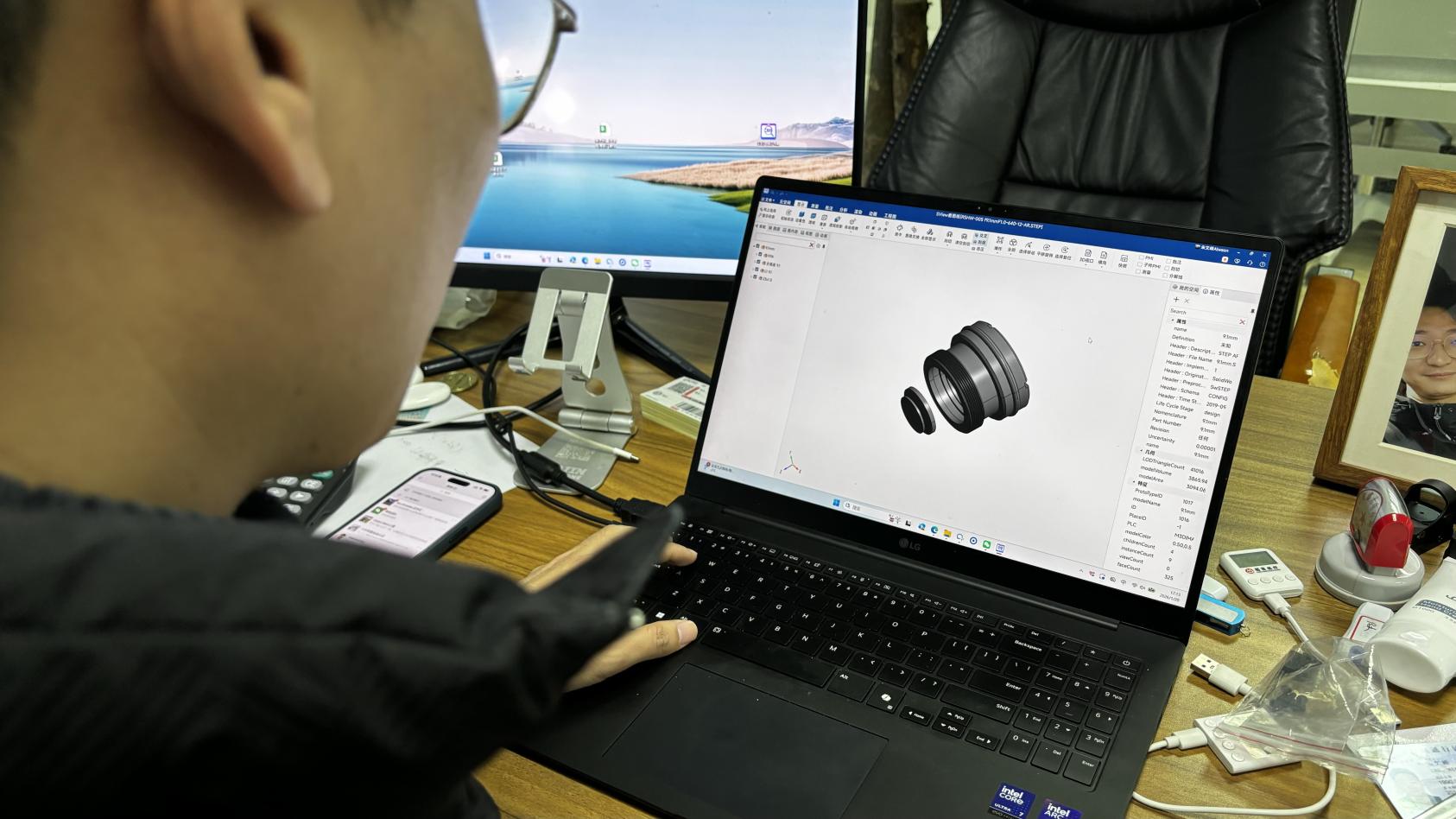
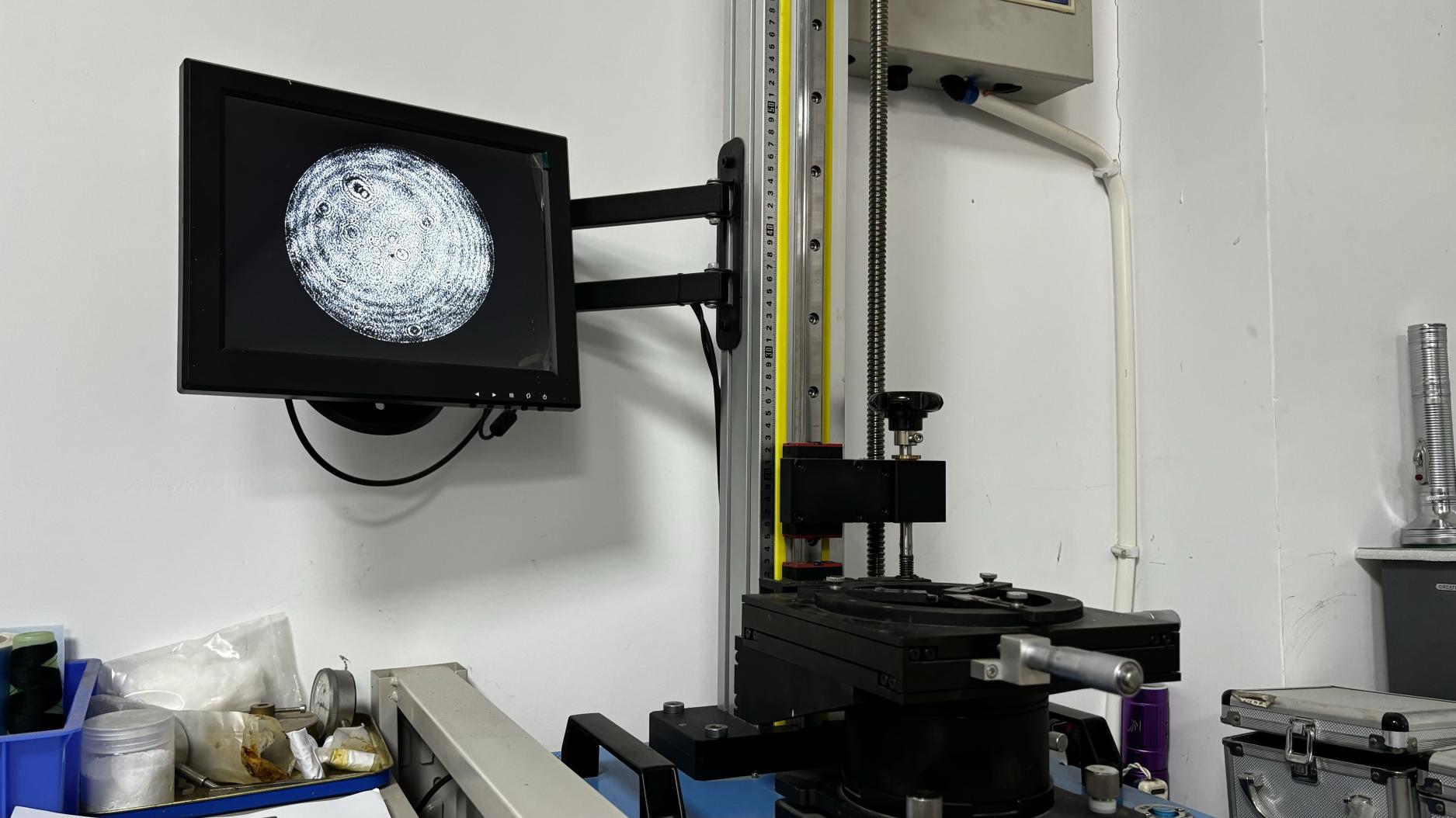
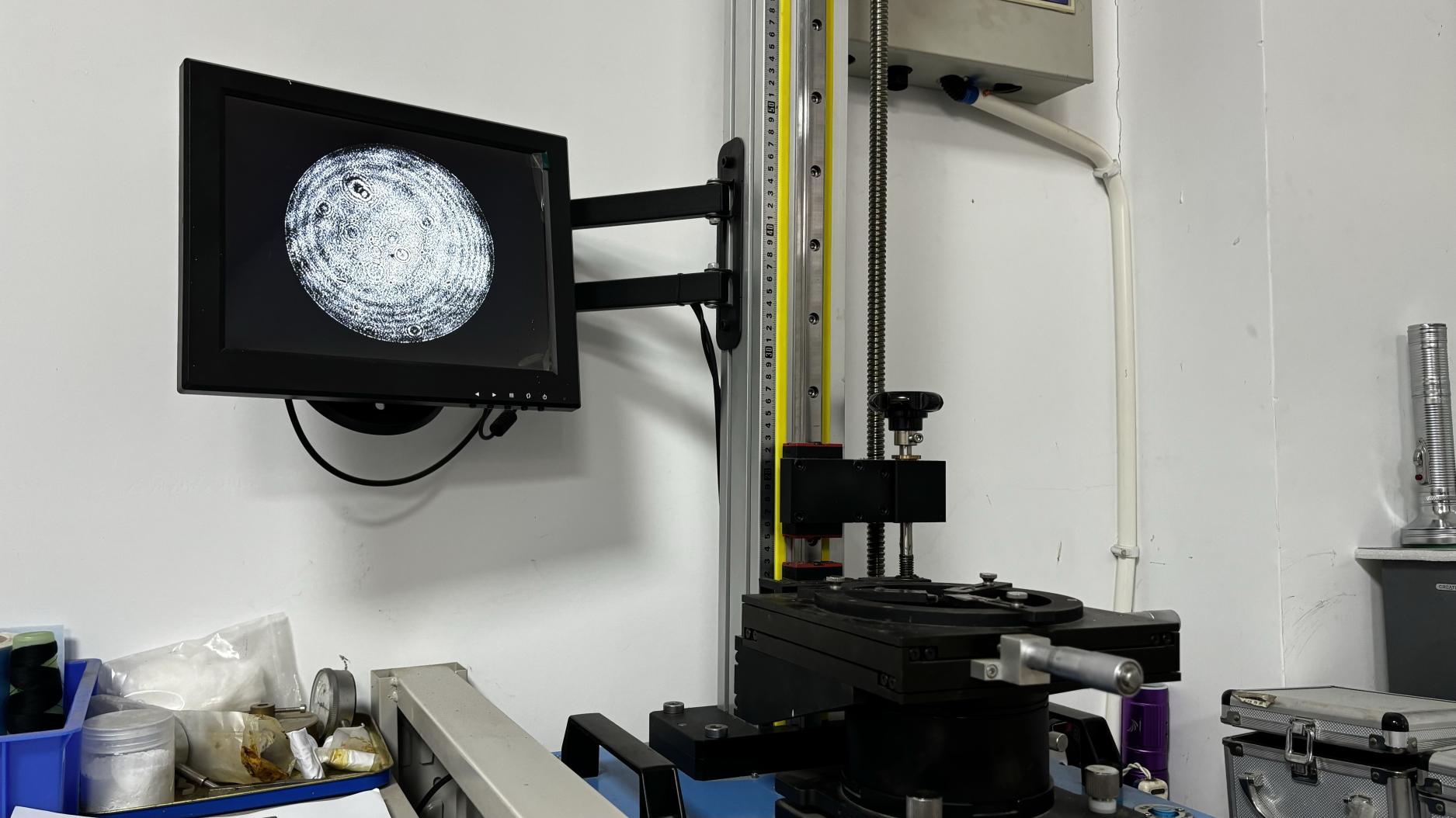
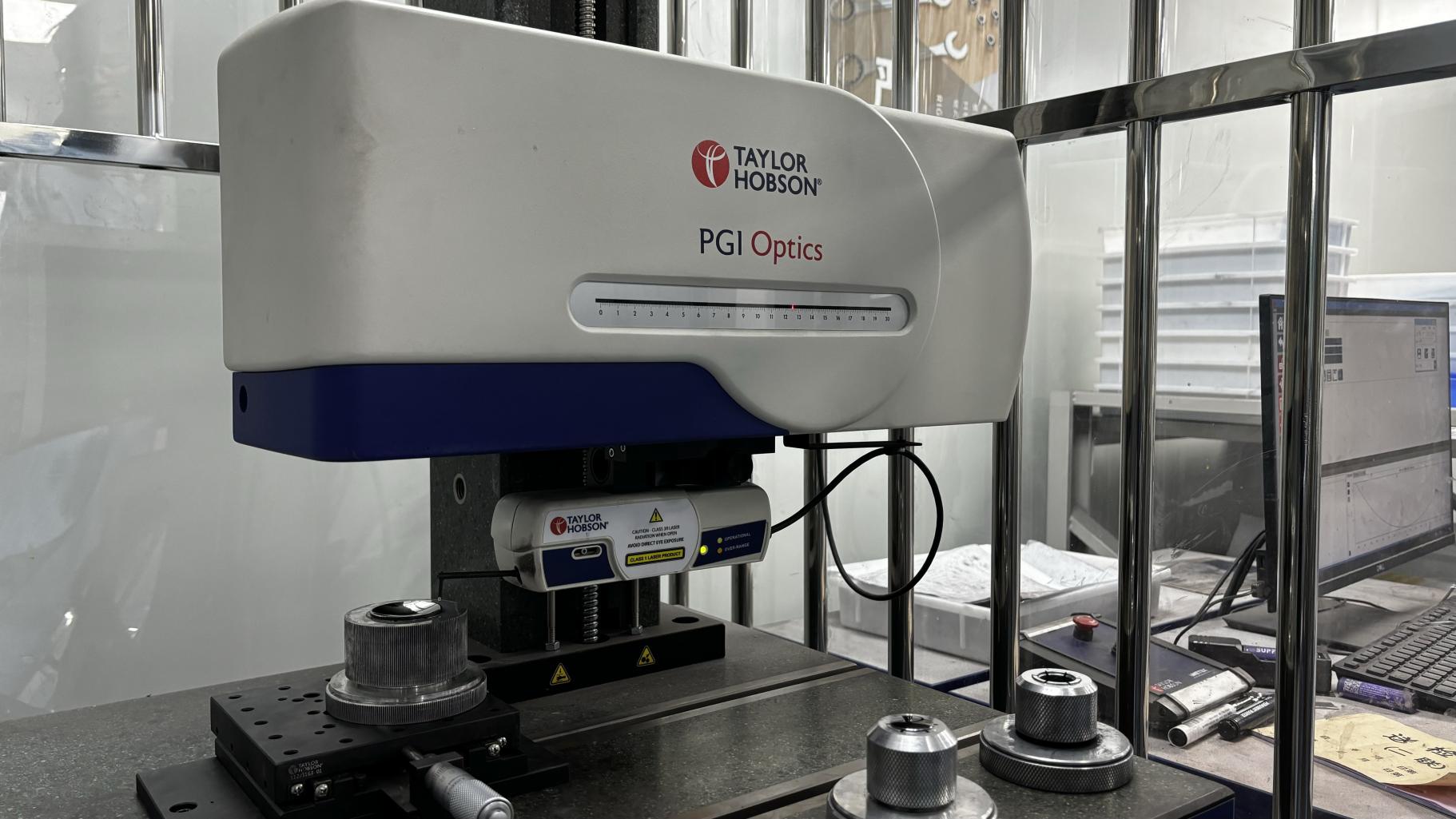

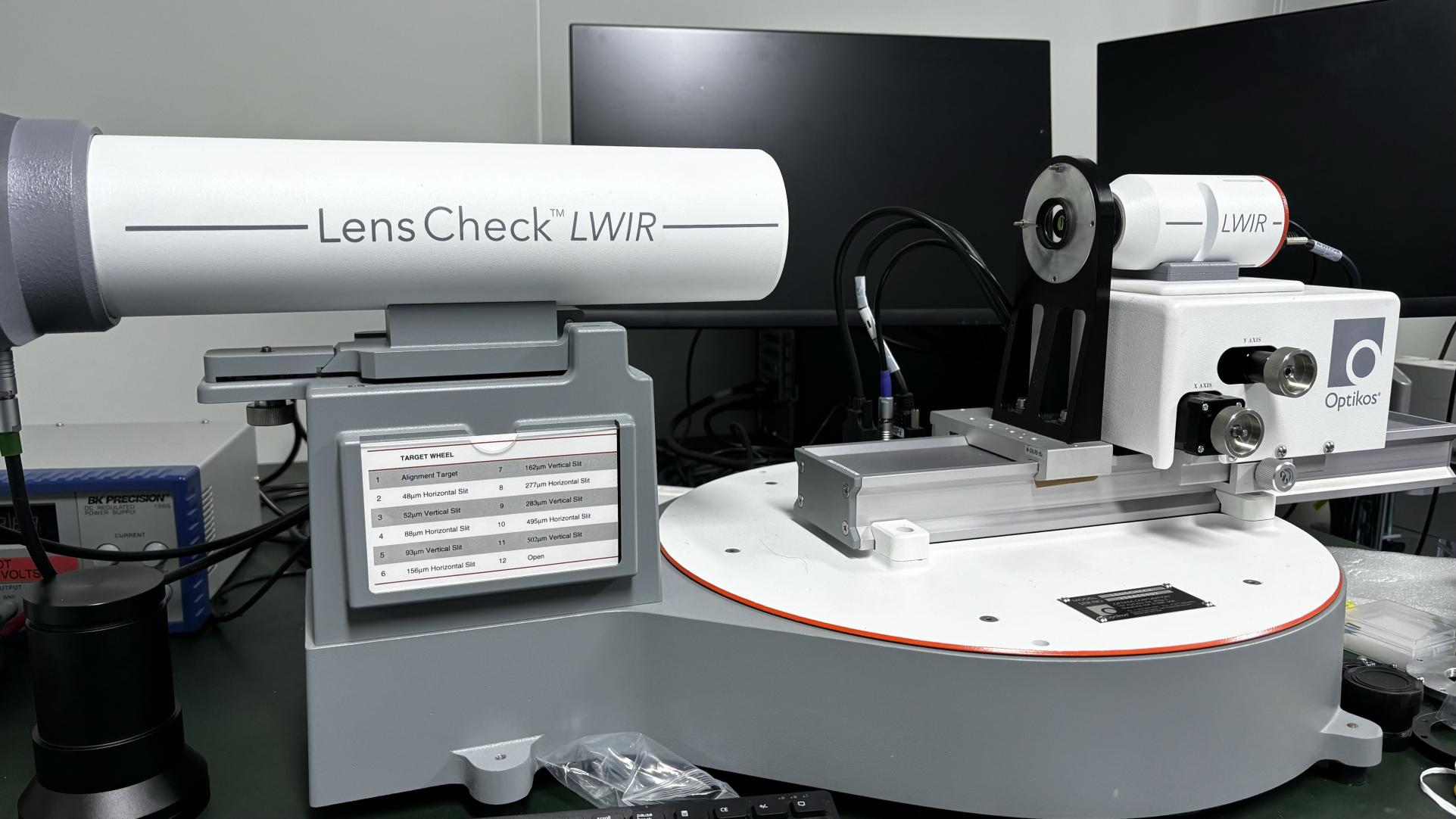
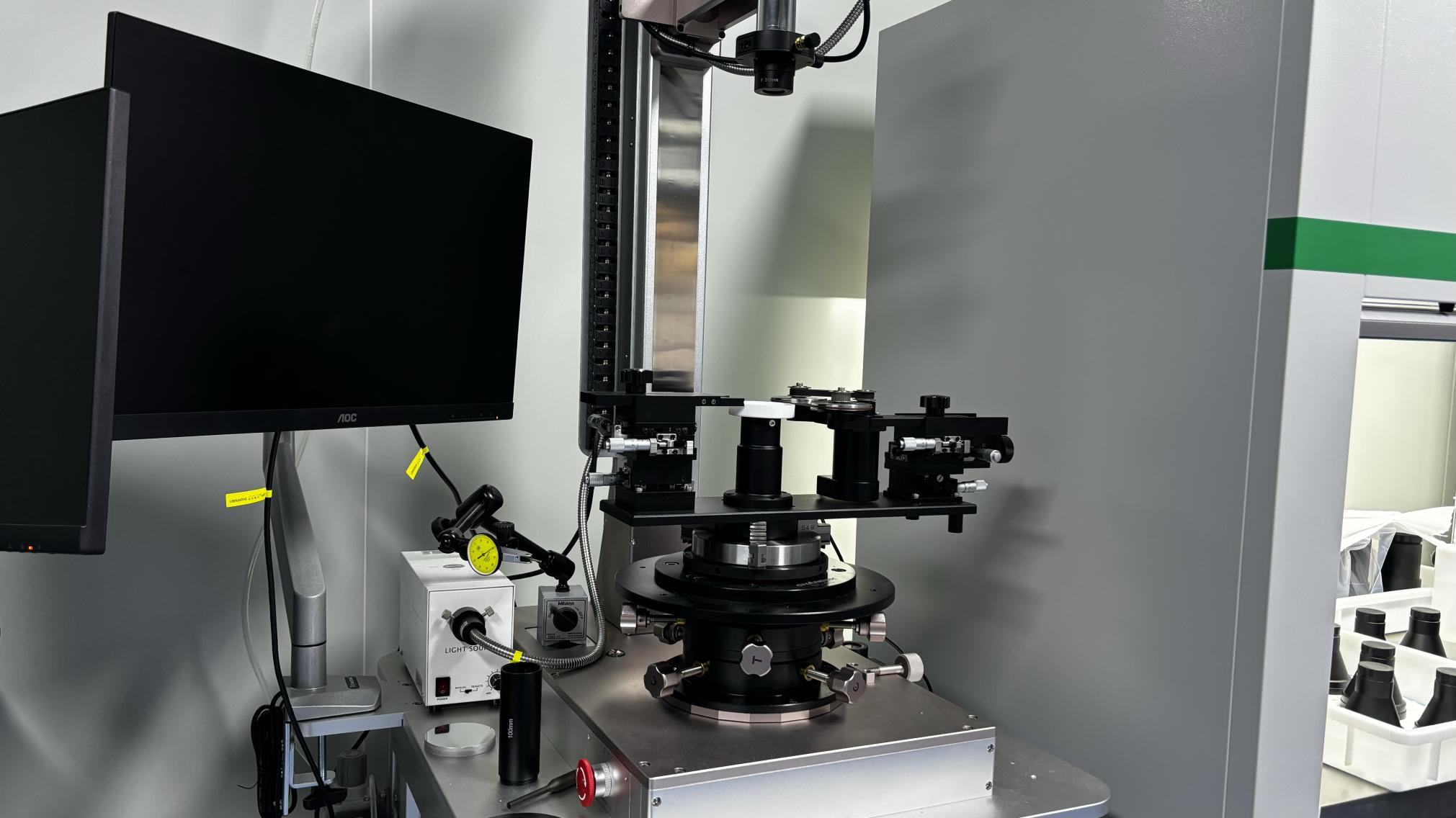
The field of hardware interconnection is transitioning from simple conductive metals to intelligent, self-shielding systems capable of transmitting high-frequency data. As a technology-oriented manufacturer, FiddlLink identifies three main trends defining the future market:
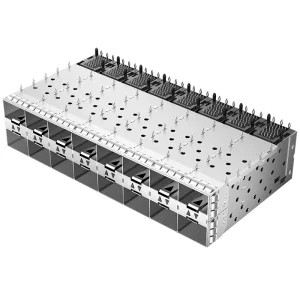
Miniaturization & High-Density Stacking: PCB real estate continues to decrease while operational performance demands increase. Designers are shifting away from larger single-port housings to integrated multi-port stacked cages (such as 2x2 or 2x8 SFP+ config designs) and compact, low-profile right-angle connectors. This requires extreme precision in tooling to prevent localized signal leakage between closely adjacent interfaces.
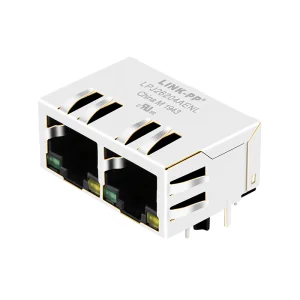
Integrated Electromagnetic Noise Suppression: The migration to PoE+ (Power over Ethernet) and higher frequency ranges has increased localized electrical noise. Modern connectors require advanced EMI shielding (utilizing multi-point grounding tabs and integrated magnetics inside the RJ45 housing) to filter noise directly at the interface boundary before it can propagate through the internal circuitry.
Coexistence of Copper and Optic Architectures: While long-distance backhauls and hyperscale links rely completely on optical fibers, localized distribution continues to rely on copper due to its ease of maintenance. This requires modern network design to integrate dual-mode connectivity systems seamlessly, combining SFP+ cages and RJ45 transceivers on the same motherboards.
Procuring connectors and transceivers for large-scale operations demands strict attention to detail, validation, and manufacturing scalability. Leading procurement directors evaluate manufacturing partners based on the following key metrics:
Deep technical insights regarding structural features, manufacturing processes, and order management at FiddlLink.
Explore the remainder of our high-quality components designed for critical infrastructure, communications systems, and optical routing networks.