FiddlLink
FiddlLink
FiddlLink
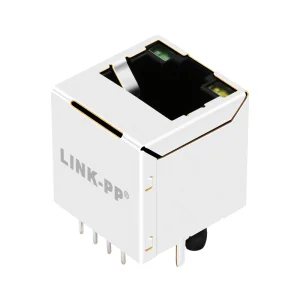
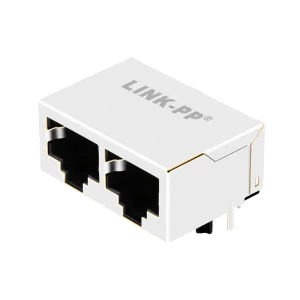
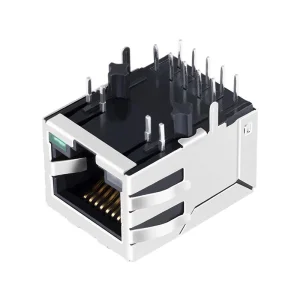
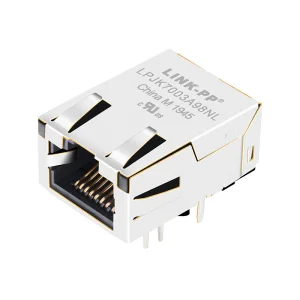
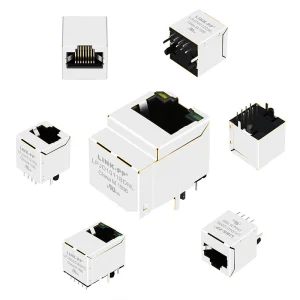
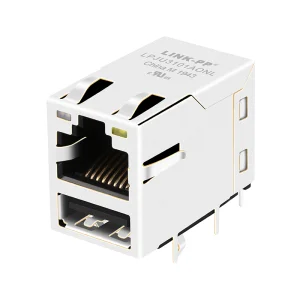
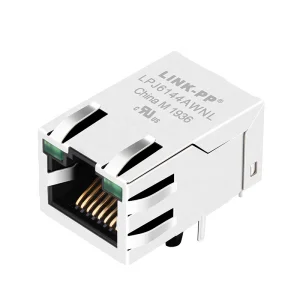
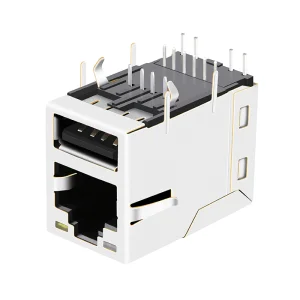
In the rapidly changing landscape of high-speed telecommunications and local area networks, copper-based physical layers remain the backbone of local interconnectivity. Within these copper infrastructures, the RJ45 gender changer plays a vital structural role. While often viewed as basic interface elements, high-performance RJ45 gender changers are engineered components designed to extend, split, or convert Ethernet lines without introducing significant signal attenuation, impedance mismatch, or crosstalk.
Modern enterprise networking demands structured cabling systems that support speeds ranging from 1 Gbps (Cat5e) and 10 Gbps (Cat6a) up to 40 Gbps (Cat8) at frequencies stretching past 2000 MHz. Every inline connection, adapter, and coupling point presents a risk for signal reflection and degradation. Chinese manufacturers have developed precision assembly lines to produce copper and hybrid fiber-copper adapters that meet strict global engineering specifications. As data centers and enterprise networks expand, sourcing these components from certified factories with deep engineering capabilities has become essential.
Ensures uninterrupted current flow and signal integrity across varying dynamic load profiles. Minimizes insertion loss below the critical 0.2 dB threshold for high-speed runs.
Maintains the standard 100-ohm characteristic impedance of twisted-pair cables. This prevents return loss anomalies that can trigger packet dropping.
Utilizes die-cast zinc alloy or nickel-plated brass enclosures. This provides full 360-degree shielding against electromagnetic interference in dense cabinets.
The evolution of RJ45 connectors and adapters is driven by three main factors: bandwidth demands, energy transmission over Ethernet (PoE), and environmental challenges in Edge computing deployments.
Legacy Cat5e systems are rapidly being phased out in favor of 10GBASE-T networks running over Cat6A. Modern gender changers are engineered with internal PCB structures to isolate signal channels and reduce Near-End Crosstalk (NEXT) and Far-End Crosstalk (FEXT). Next-generation Cat8 gender changers support operational bandwidths of up to 2 GHz, which requires specialized manufacturing tolerances to prevent phase shift.
With IEEE 802.3bt standards delivering up to 90W-100W of power over standard Ethernet lines, connectors must withstand higher current levels without heat accumulation. High-performance adapters feature contact interfaces plated with at least 50 micro-inches of gold. This reduces contact resistance and prevents electric arc damage during hot unplugging cycles.
Edge deployments in automation, outdoor telecom enclosures, and smart factories require physical layer adapters with IP67-rated water and dust protection, chemical resistance, and wide temperature tolerances. The shift from plastic to metallic casing is a growing trend among leading Chinese export manufacturers.
Procurement engineers and sourcing managers face the challenge of finding cost-effective components that also meet long-term reliability standards. When evaluating Chinese factories for RJ45 components, optical transceivers, and copper modular assemblies, buyers should consider several key parameters:
Phosphor bronze contacts with high-grade gold plating (minimum 3u" to 50u" based on longevity needs). High-grade polycarbonate resins (such as Sabic materials) prevent cracking during high-tension cable pulls.
Connectors must be rated for at least 750 insertion cycles under standard tension without degrading electrical performance. Lock tab flexibility must withstand 180-degree bends without breaking.
Verified insulation resistance (>500 MΩ) and dielectric strength (1000V AC RMS) prevent leakage and cross-circuit failures under peak PoE loads.
Additionally, the supplier's quality control infrastructure must be verified. Factories should offer third-party laboratory reports for Fluke Channel testing, salt spray corrosion testing (typically 48 hours for standard export and 96 hours for marine environments), and RoHS/REACH compliance certifications.
RJ45 and fiber-optic interconnects serve as crucial junction points in global telecommunications networks. Understanding where these adapters are deployed allows for optimization of layout designs:
In Top-of-Rack (ToR) and End-of-Row (EoR) topologies, adapters and gender changers help manage modular patch panels. They allow engineers to quickly reconfigure cable routing without replacing long structured cabling runs, minimizing downtime.
Modern media structures rely heavily on Dante and SDVoE networks running over copper. Signal stability is critical, and high-performance shielded couplers ensure zero packet dropouts, maintaining audio-video synchronization.
With PLC devices and machine vision systems converging on Industrial Ethernet (EtherNet/IP, PROFINET), gender changers inside control cabinets must withstand electromagnetic noise from nearby high-voltage machinery.
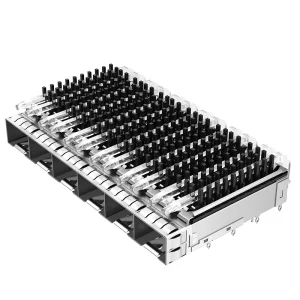
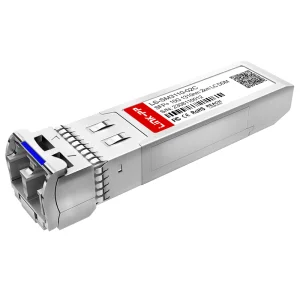
In telecom centers, these interfaces bridge local switches with optical transceiver distribution nodes. Reliable, high-performance connectors ensure clean transitions between optical backbones and copper distribution layers.
FiddlLink Optical Technology Co., Ltd. is a professional manufacturer and supplier of high-performance optical transceivers, fiber optic communication systems, and high-speed copper interconnect components. Established in 2016, our team specializes in the research, development, production, and global distribution of optical and copper networking products for data centers, telecommunications networks, enterprise infrastructure, and cloud computing environments.
Our modern manufacturing facility covers an area of 380 square meters and is equipped with advanced production and testing tools to ensure consistent quality and reliable field performance. With over 12 years of industry experience and 8 years of export operations, FiddlLink has built a reputation for delivering reliable, cost-effective, and innovative networking products.
Quality is central to our operations. FiddlLink runs a comprehensive quality management system supported by 42 professional quality control personnel. Every product undergoes strict inspections, including incoming material testing, production monitoring, optical and electrical performance evaluation, environmental reliability checks, and final verification before shipment.
Driven by innovation, our R&D department continuously develops new products to meet changing market requirements. We offer flexible OEM and ODM services, including customized hardware design, label printing, specialized packaging, firmware customization, compatibility programming, and branding support.
Our production floor features specialized machinery designed to keep mechanical tolerances within micron-level specifications. By maintaining strict control over tool calibration, surface processing, and optoelectronic alignment, we ensure every batch meets international standards.
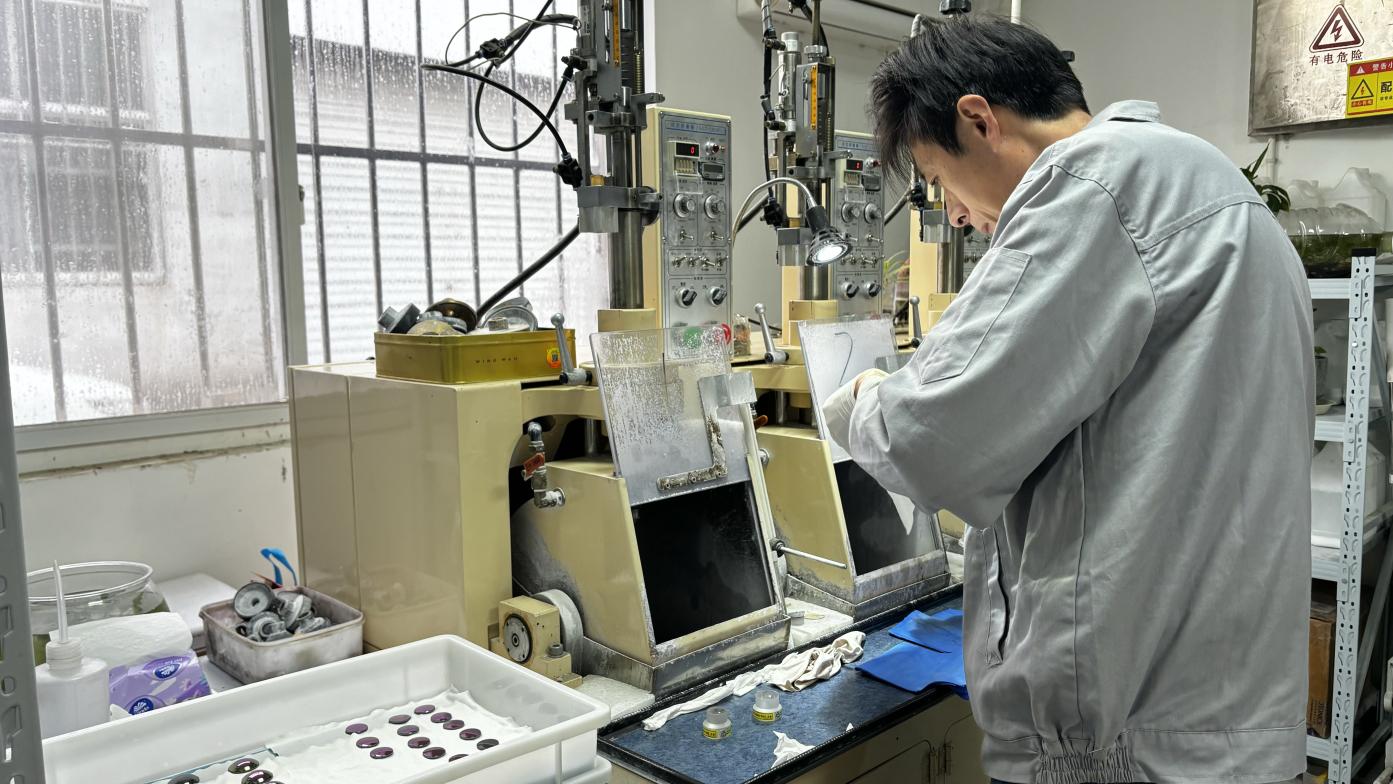
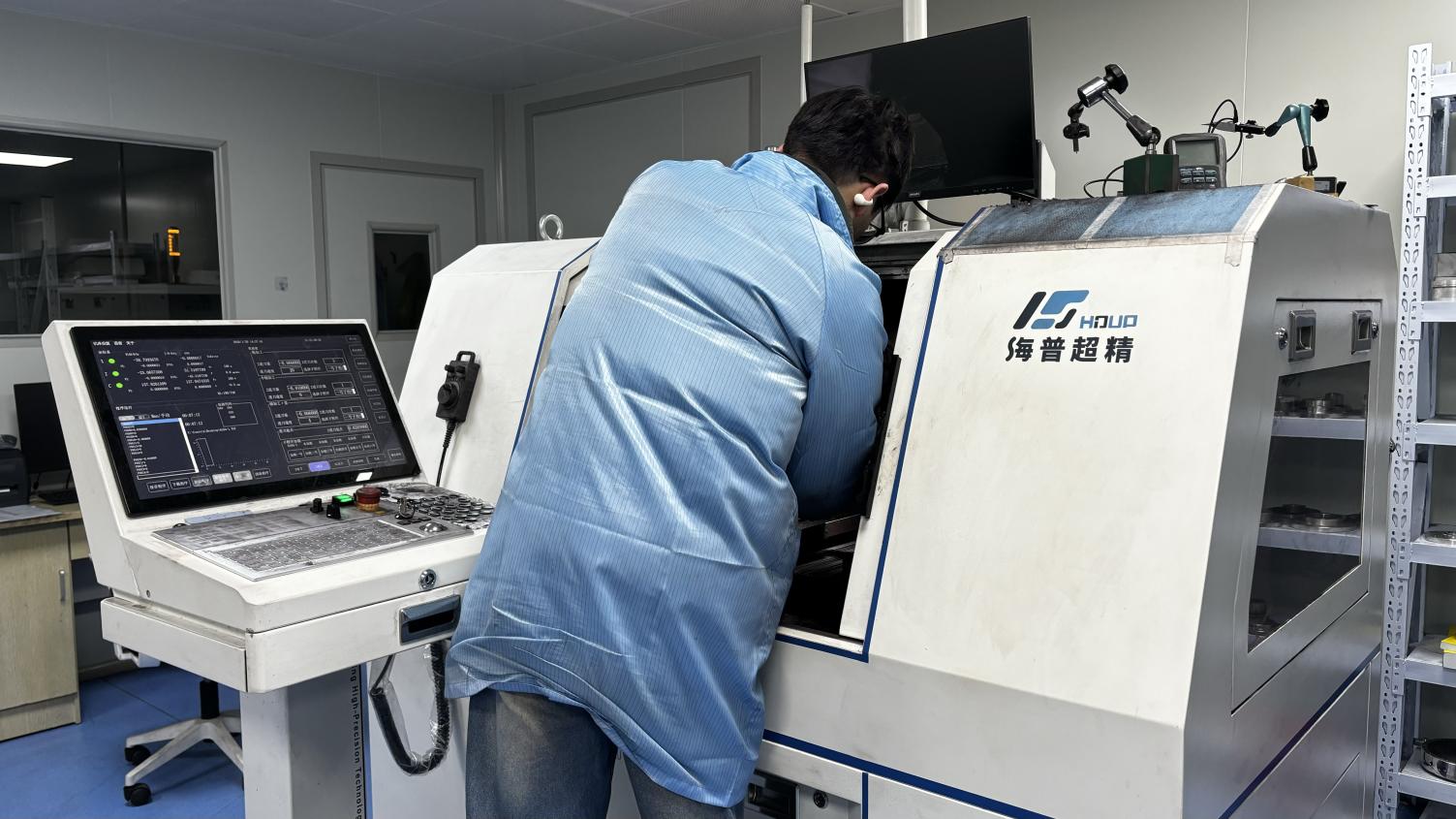
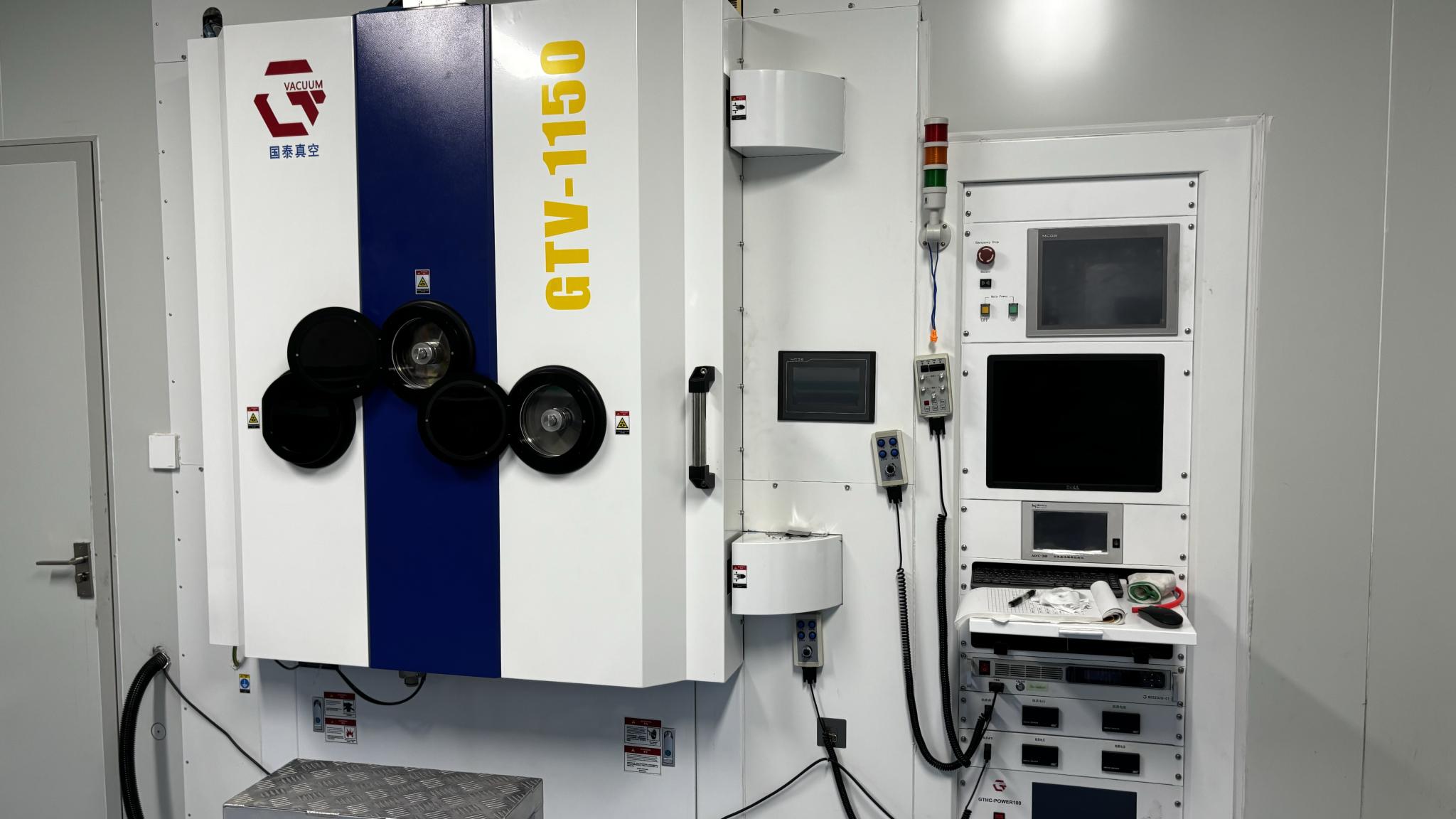
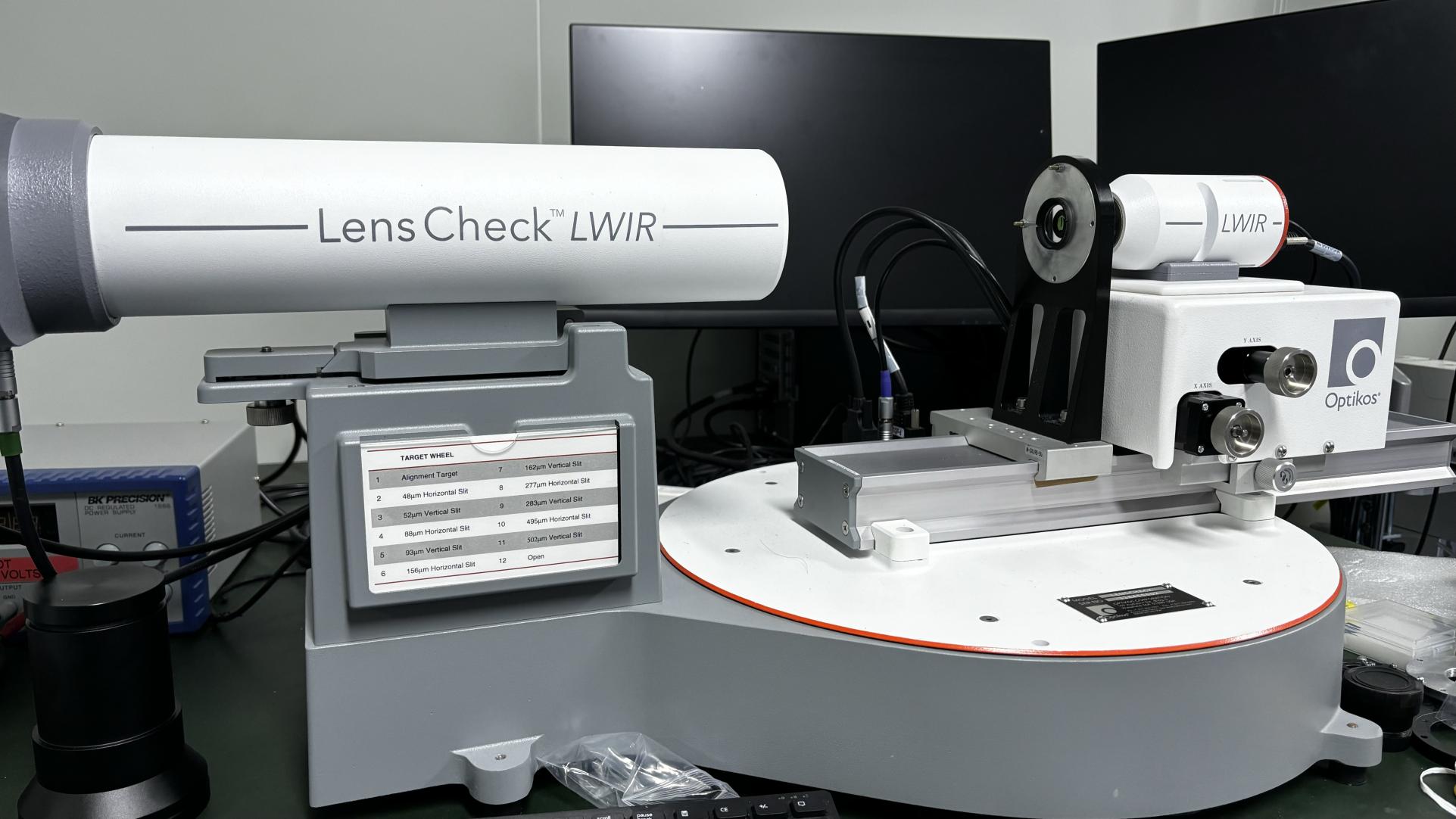
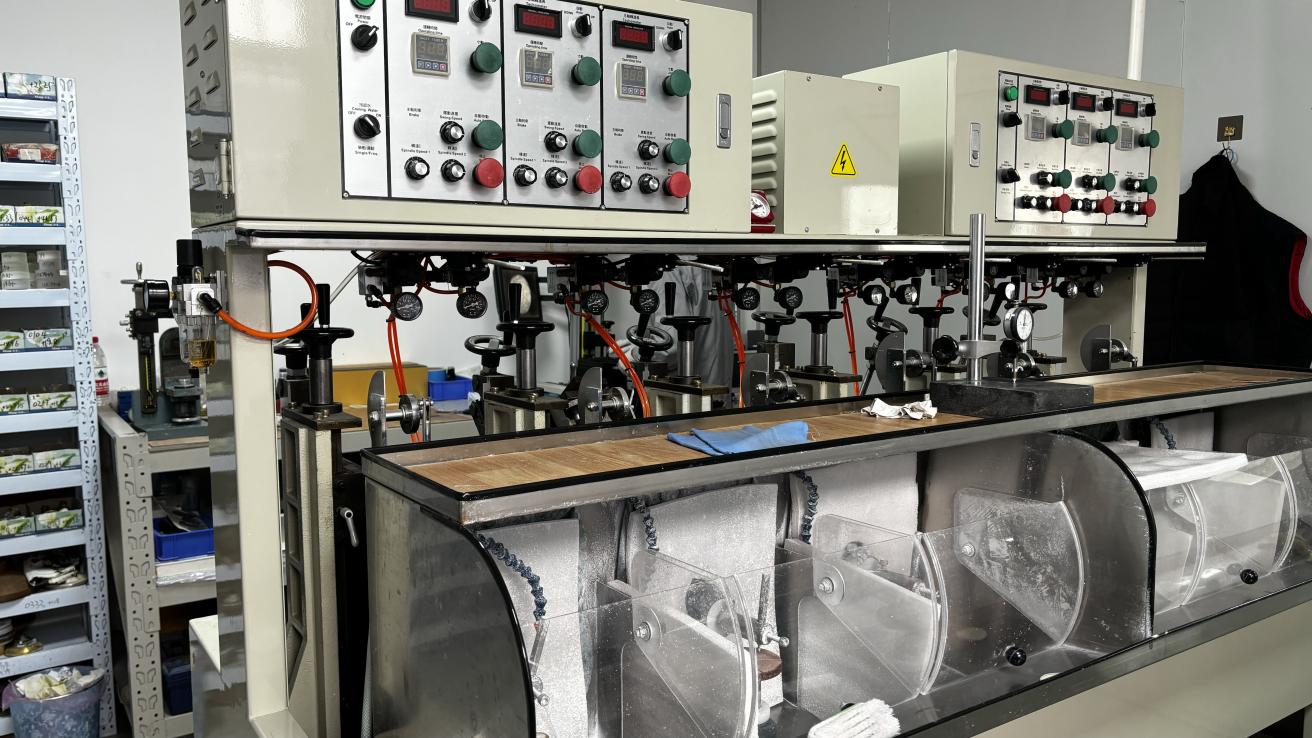
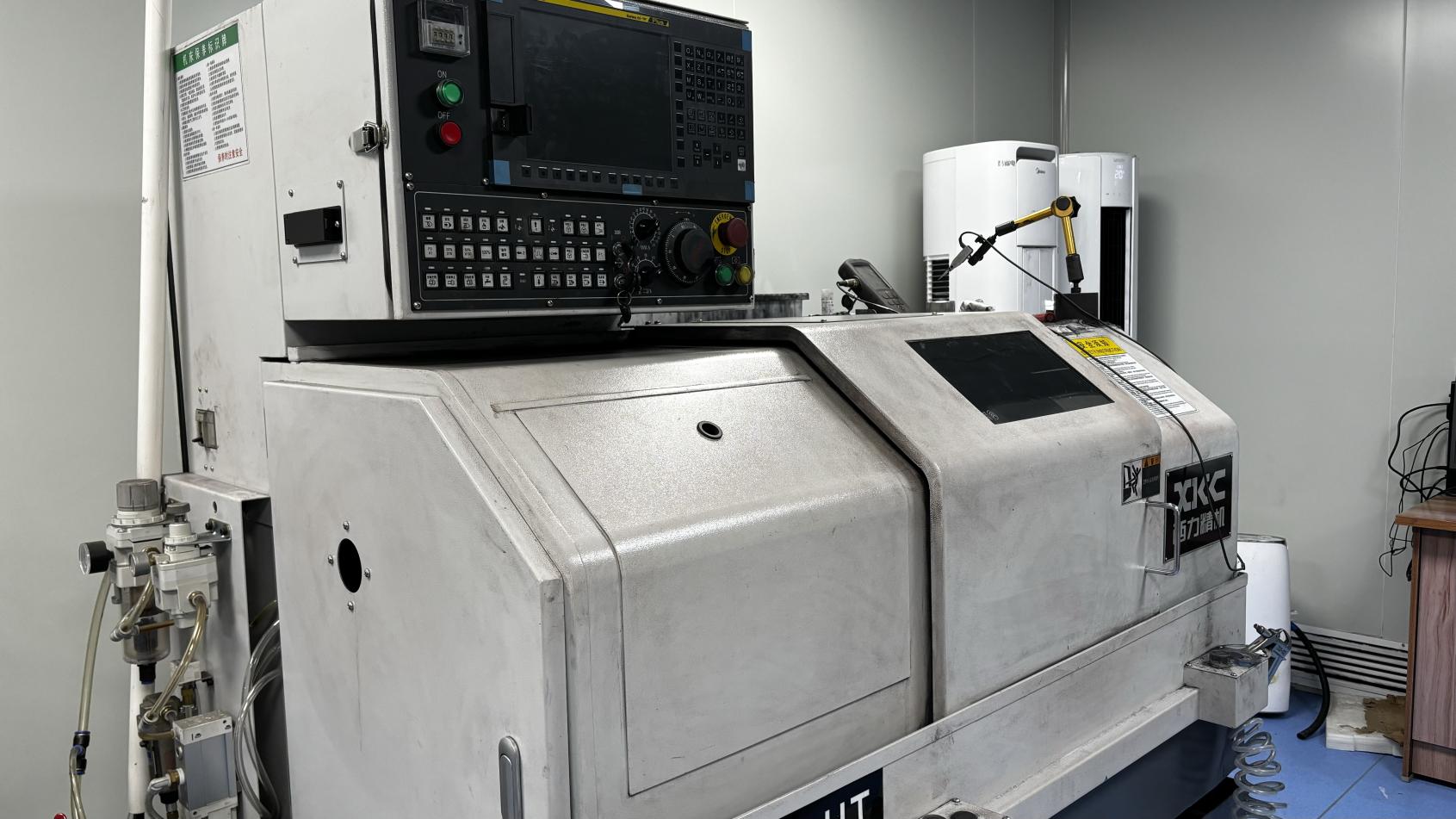
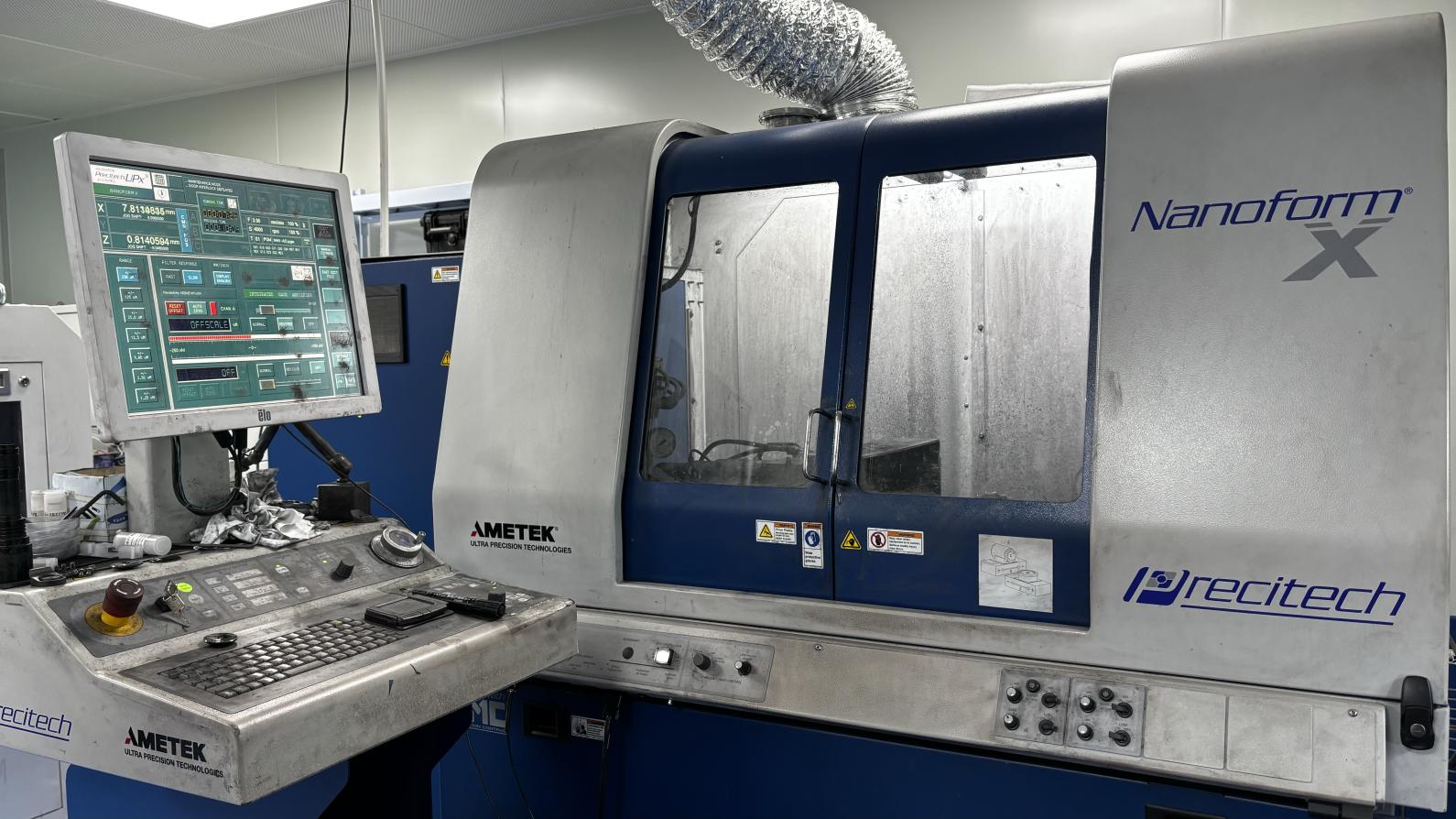
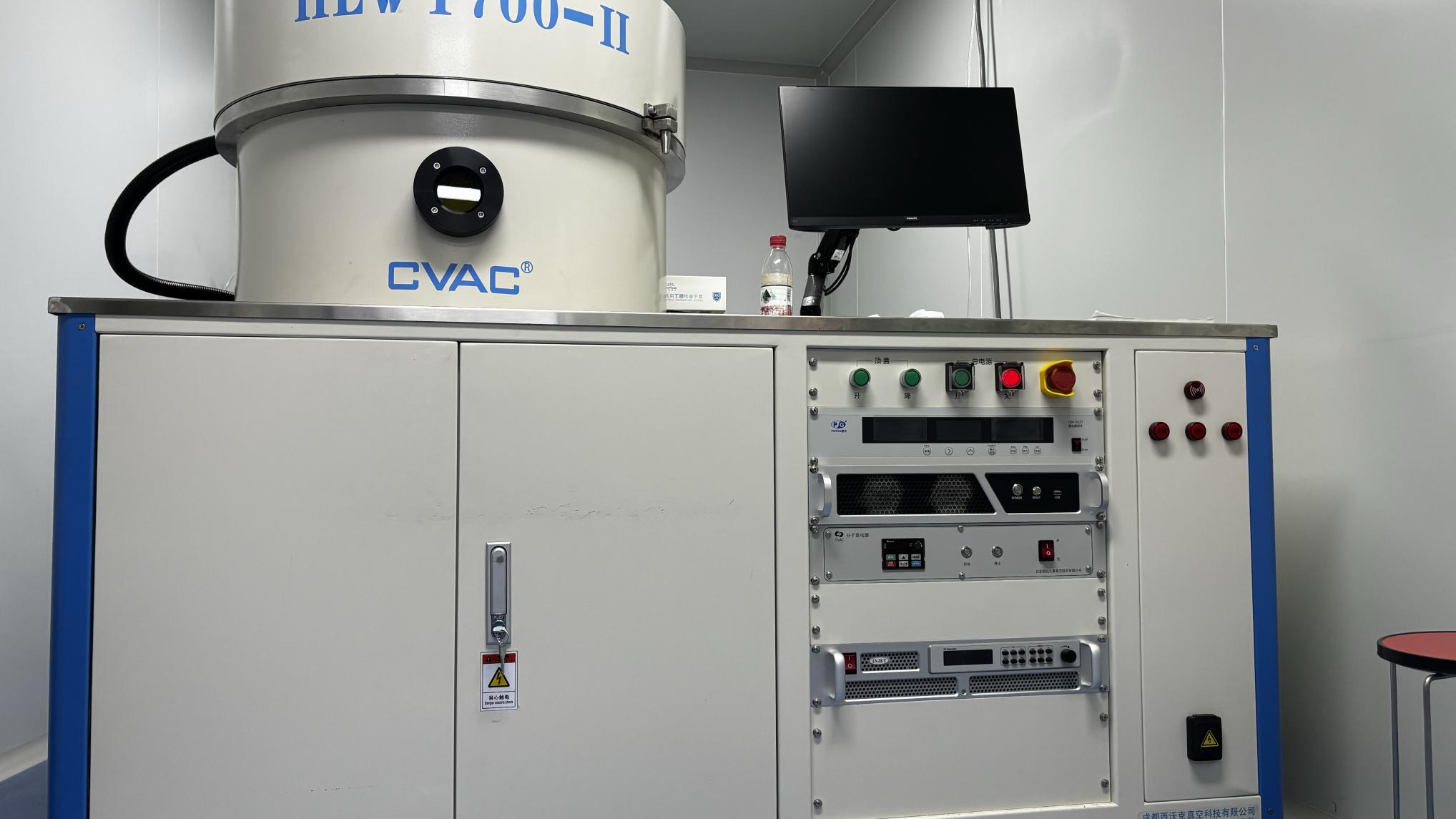
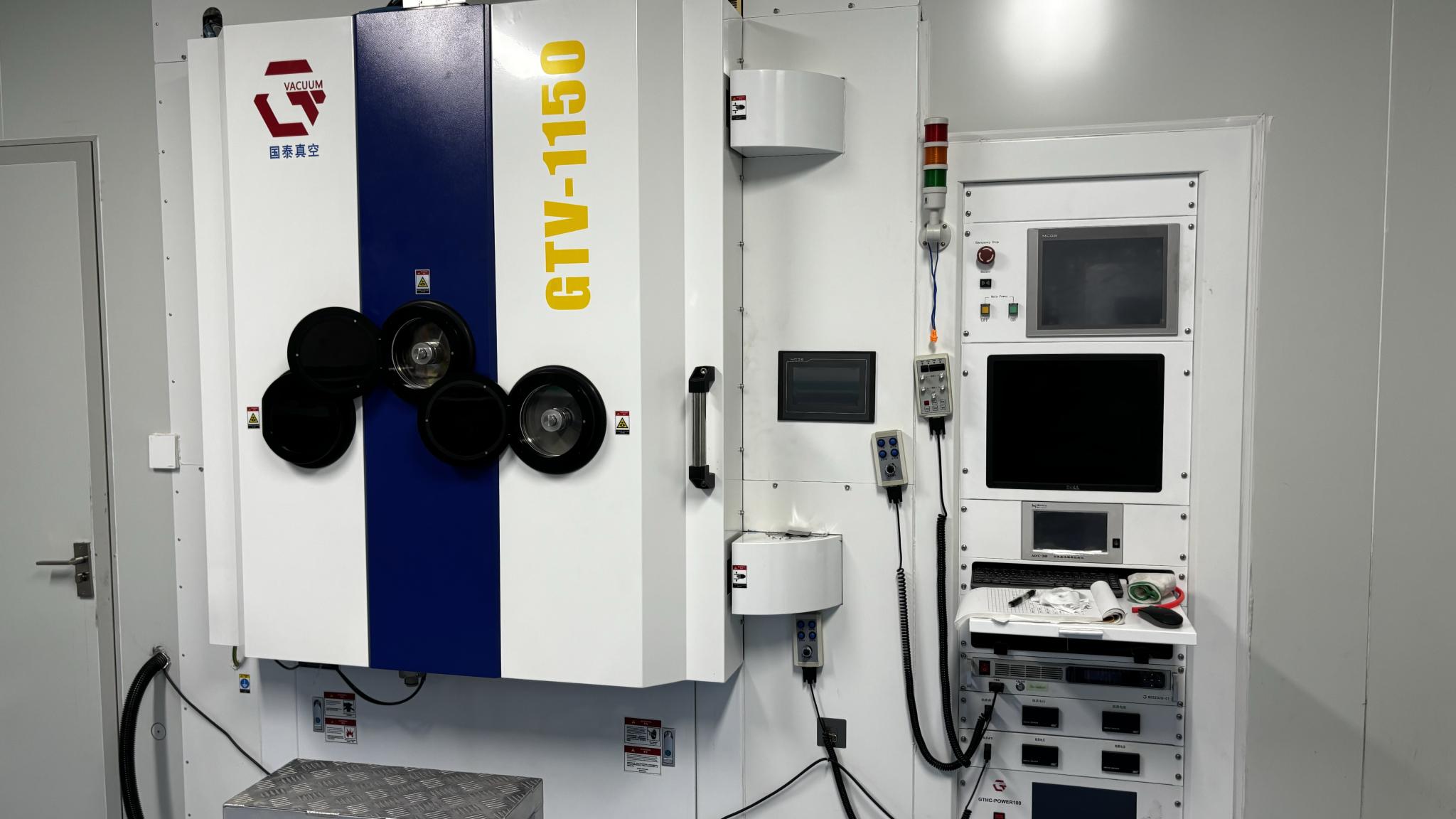
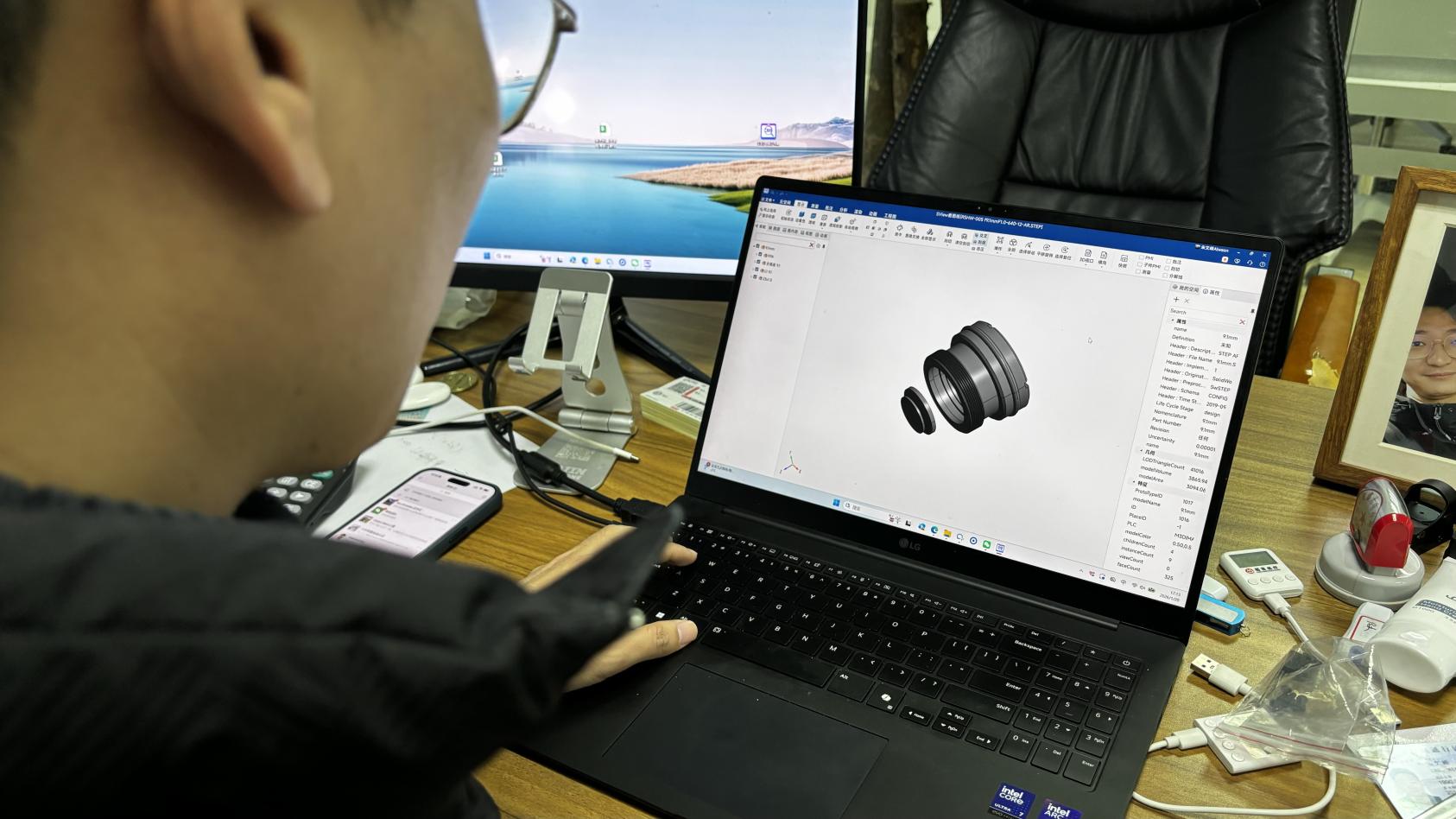
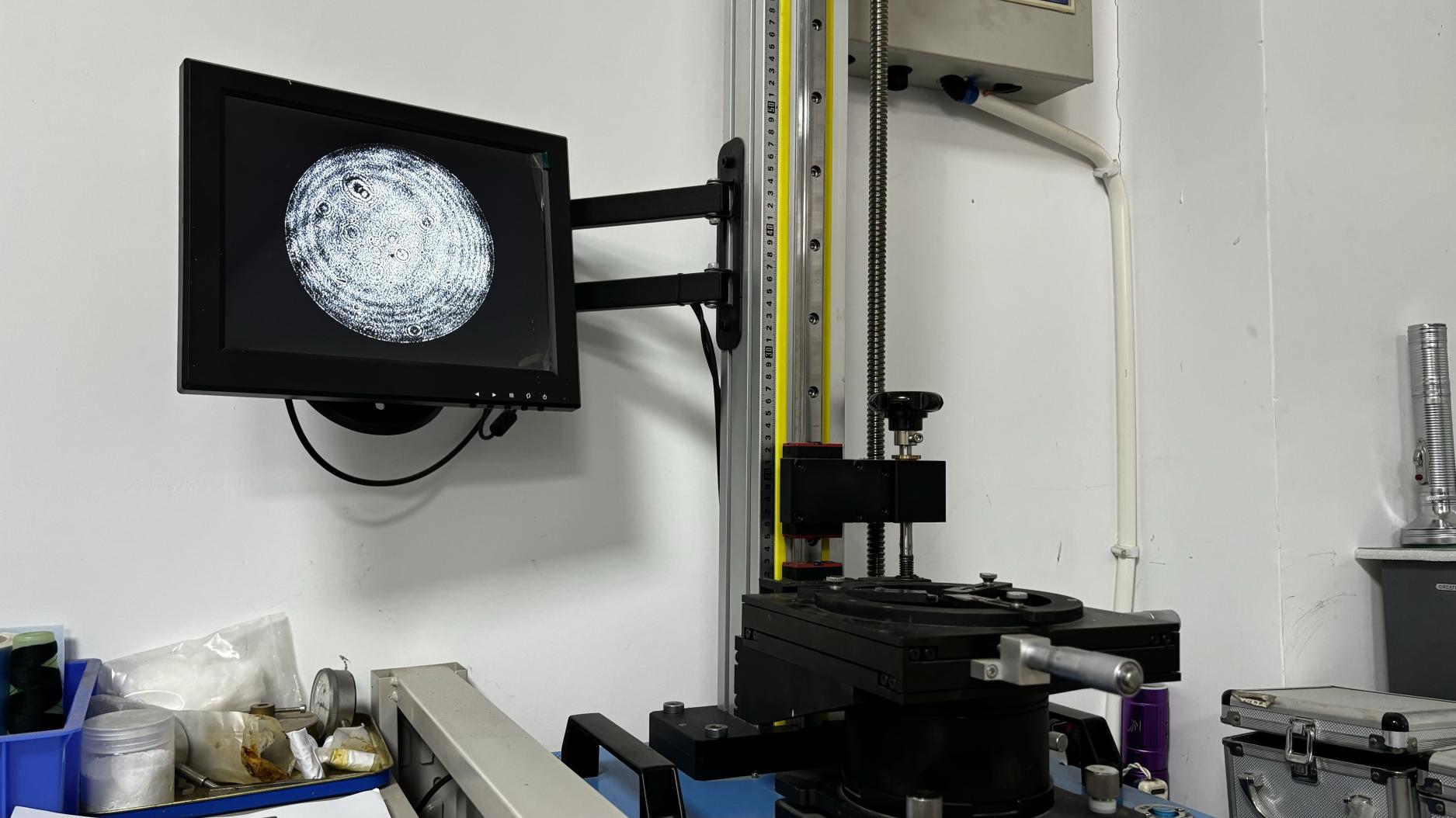
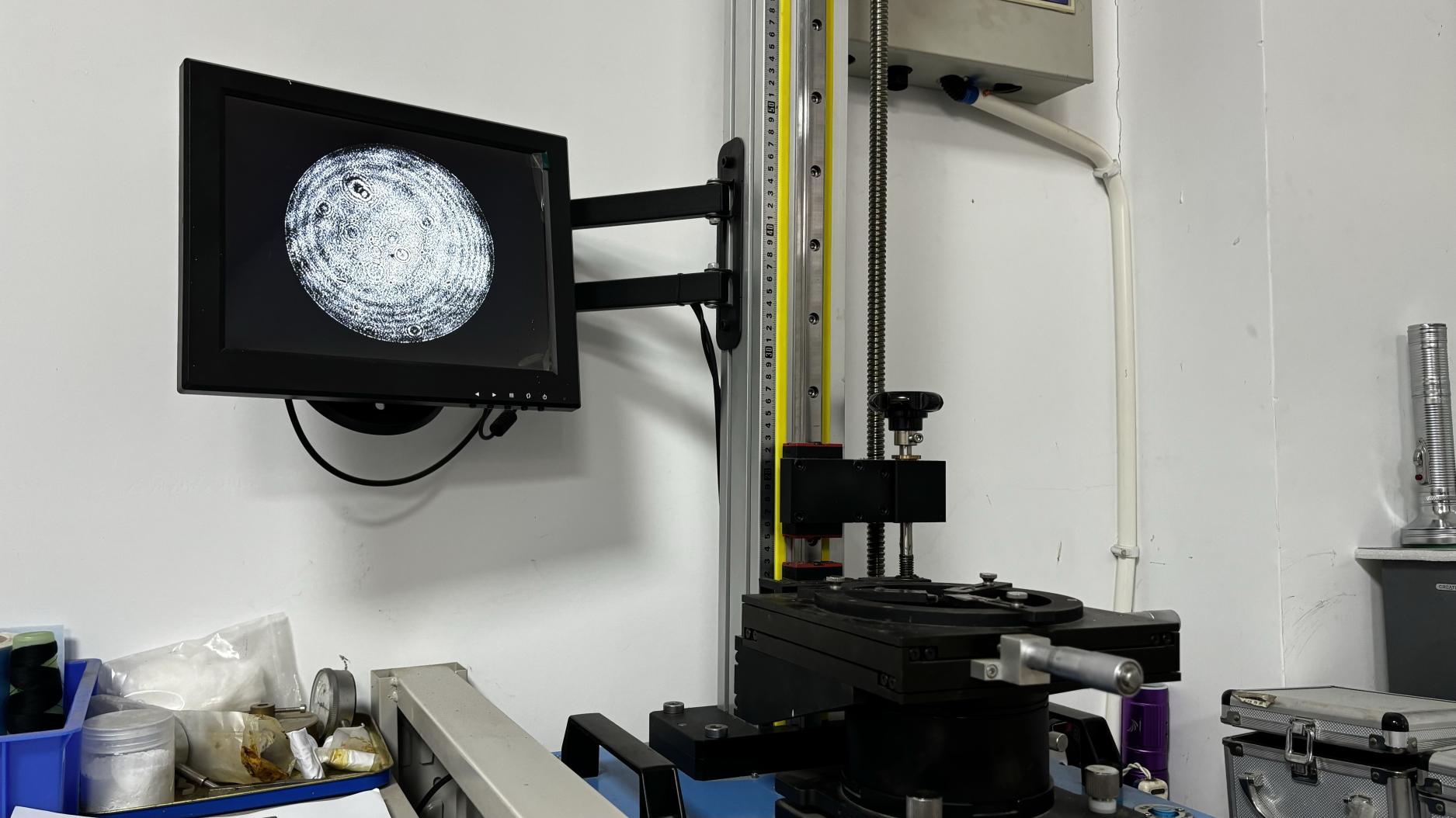
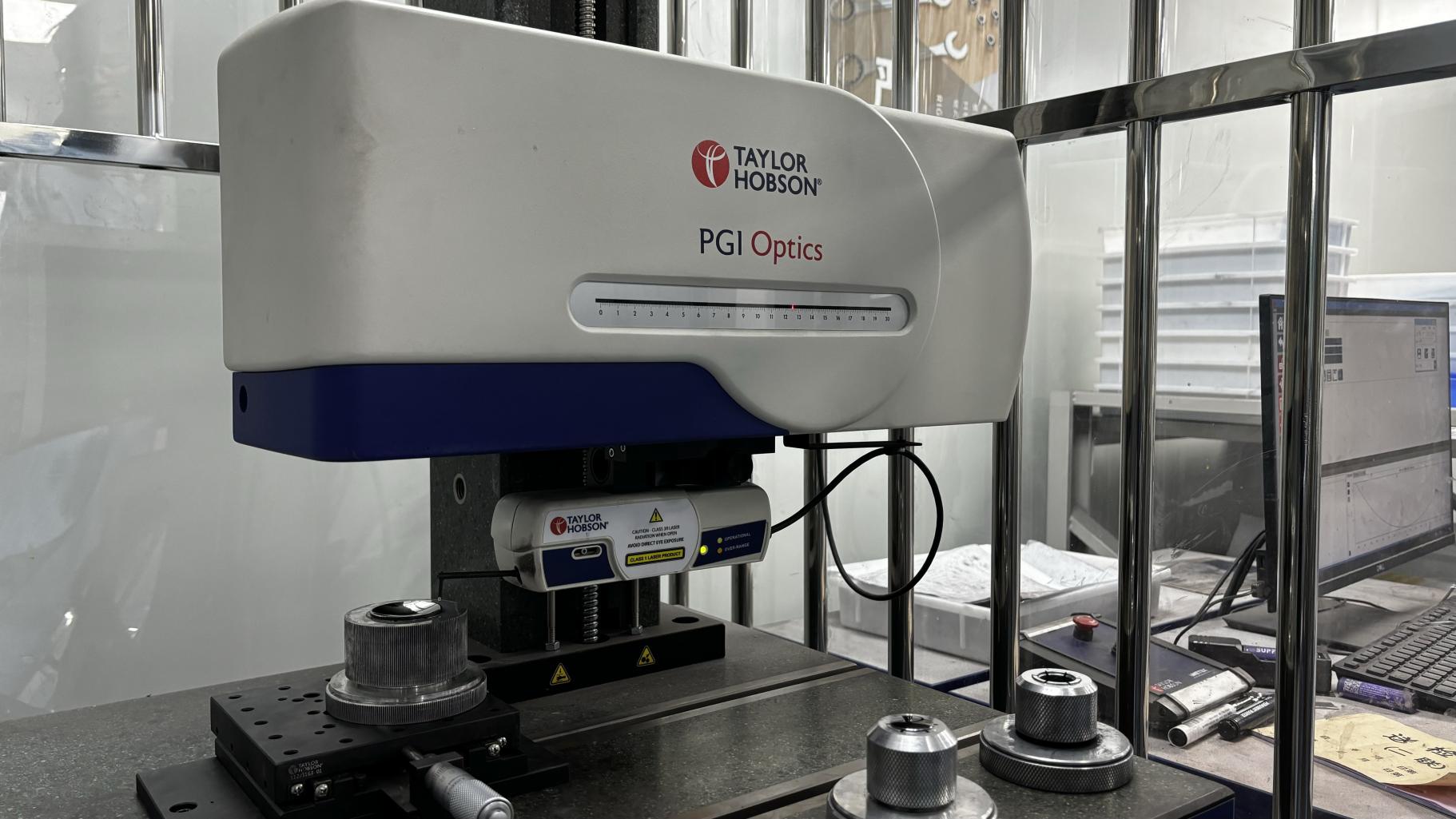
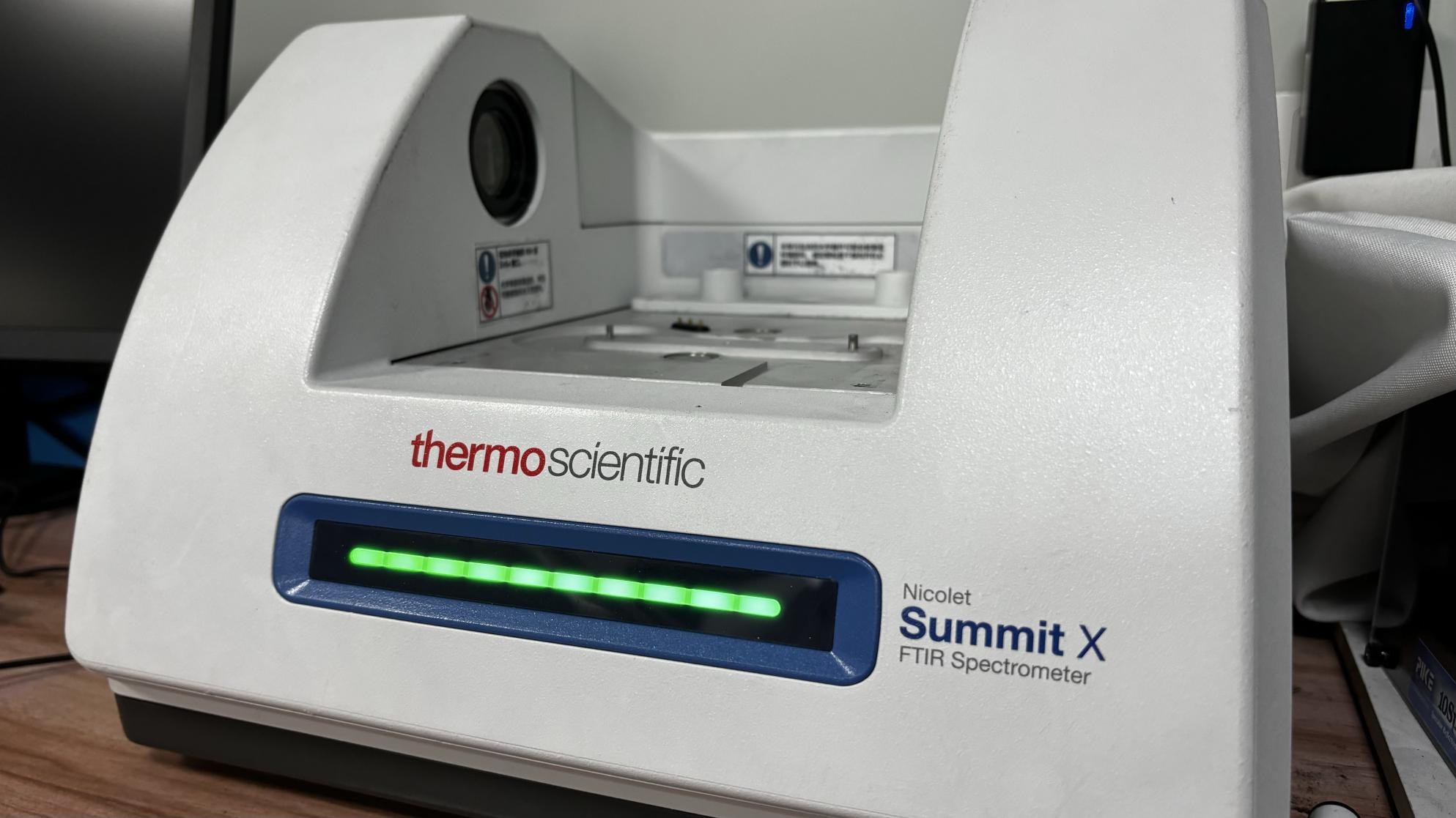
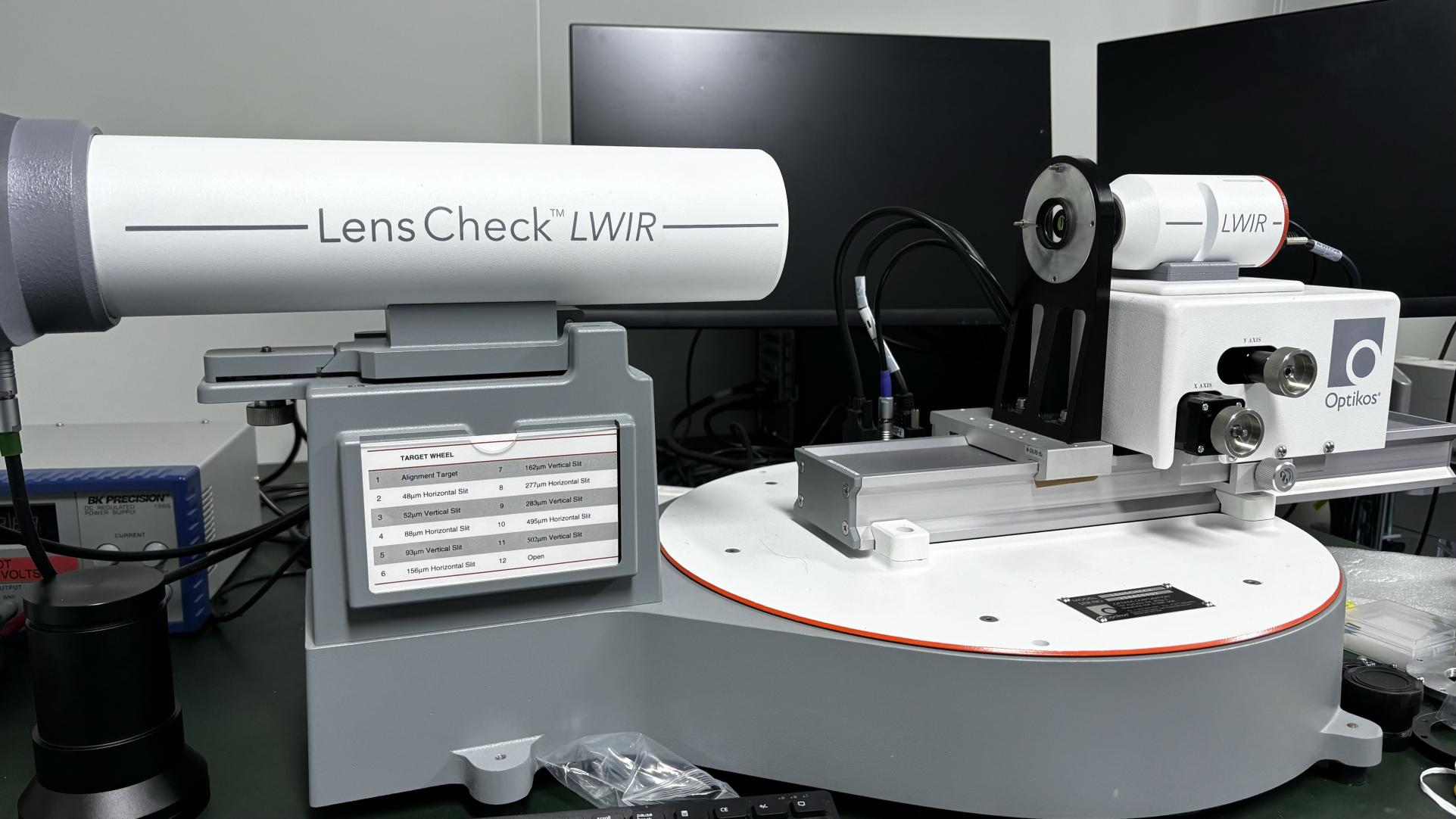
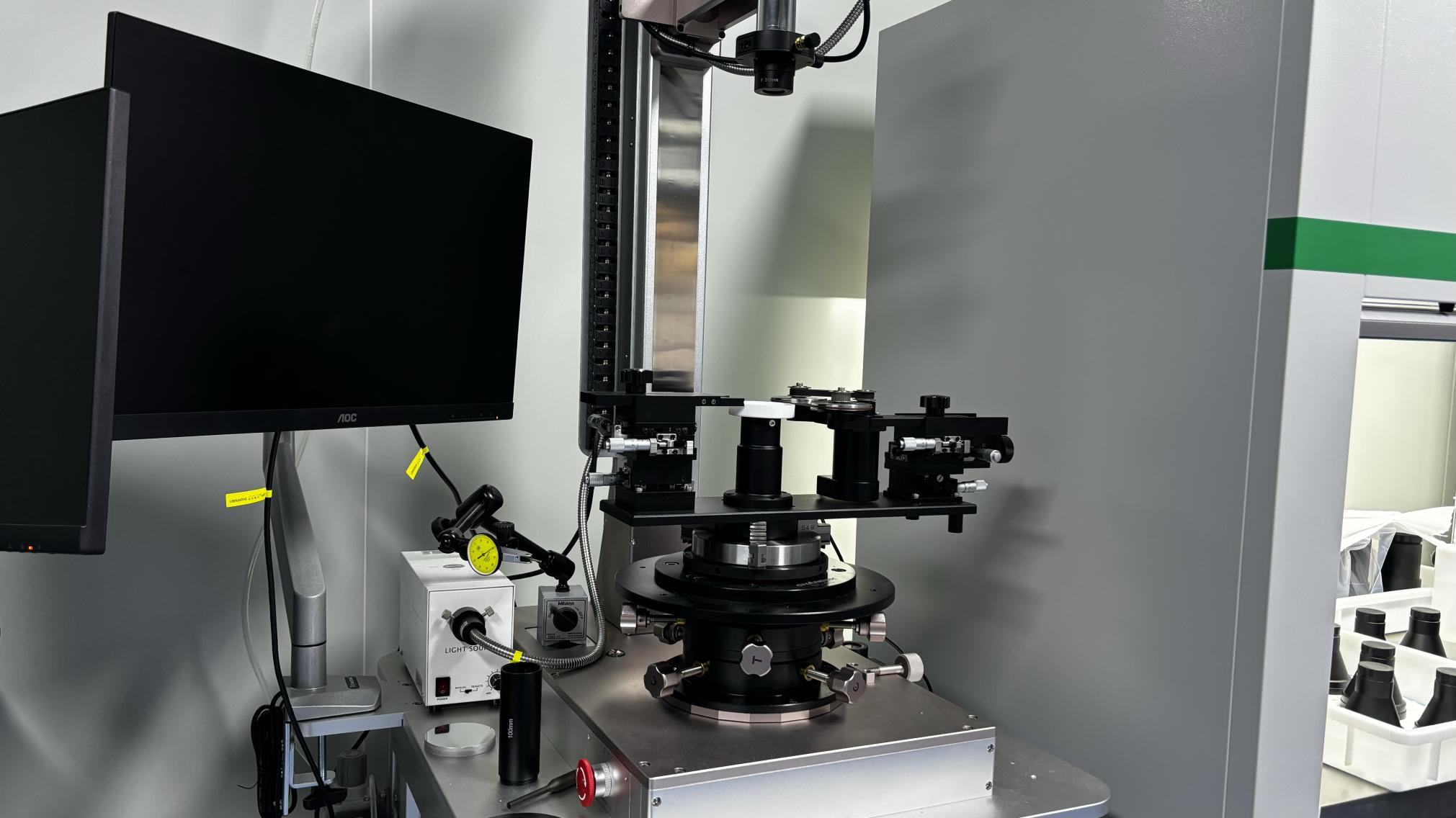
As local networks approach 40 Gbps and higher, standard copper interconnects face design limits. Signal attenuation over copper increases with frequency, which shapes our product design roadmap:
Integrating micro-equalization chipsets directly into gender changers and adapters. This active boosting design compensates for cable attenuation, extending the range of high-speed copper connections.
Using halogen-free plastics and lead-free solder alloys. Developing highly recyclable housing structures aligns with global corporate environmental policies.
Creating hybrid interconnect devices that convert optical signals to copper media within the same form factor, supporting integration across varied hardware environments.
Operating in international markets requires compliance with local standards and technical regulations. At FiddlLink, we support our clients with a comprehensive framework for compliance, validation, and logistics. Our export products are designed and certified to comply with major regional standards, helping to streamline import and deployment procedures.