FiddlLink
FiddlLink
FiddlLink
Optimizing physical layer connectivity in the energy capital of the world: How Houston leverages high-density Small Form-factor Pluggable (SFP) components.
As digital transformation sweeps through municipal and heavy-industrial infrastructure, Houston, Texas has transitioned into a major hub for optical transceivers and advanced physical-layer interconnection assemblies. From high-capacity edge computing deployments in the Energy Corridor to ultra-low latency fiber backbones serving the Texas Medical Center, the demand for precision-engineered SFP cages, RJ45 modular jacks, and integrated magnetics has escalated exponentially.
Our role as key SFP cage suppliers and exporters in Houston extends beyond simple hardware distribution. We deliver high-reliability systems designed to mitigate Electromagnetic Interference (EMI), manage severe thermal loads, and maintain structural integrity under harsh vibration profiles typical of refinery, maritime, and aerospace control systems. With global data rates moving rapidly toward 25Gbps, 100Gbps, and 400Gbps, high-performance shielding and structural components are essential to prevent data losses and signal degradation.
Modern telecommunications relies heavily on the Multi-Source Agreement (MSA) mechanical standards. Compliance ensures that cage systems accept transceivers from any global manufacturer seamlessly. By supplying Houston-based enterprises, systems integrators, and OEM assembly lines with press-fit SFP cages equipped with advanced thermal heatsinks and light pipes, we enable local engineers to design modular, future-proof network switches, security gateways, and distributed control system (DCS) architectures.
High-reliability optical transceivers, modular jacks, and magnetics optimized for harsh-environment telecom applications.
Understanding the transition from 10G SFP+ to 25G/50G SFP28 and the critical role of material science in high-frequency signal containment.
At high speeds (above 10 Gbps), SFP cage components behave like slot antennas, emitting electromagnetic radiation that can corrupt surrounding circuit channels. SFP cage design must focus on minimizing leaks. Precision spring fingers and conductive elastomeric gaskets seal the interface between the cage and the pluggable optical transceiver, routing noise straight to the chassis ground.
Our advanced SFP+ cage portfolio relies on press-fit (compliant pin) technology. Press-fit connections establish mechanical and electrical connections to the printed circuit board (PCB) without the need for solder, preventing heat-induced warping and maintaining impedance integrity across the signal path.
Optical transceivers generate substantial heat under full load. A standard 10G or 25G transceiver can output up to 1.5 to 2.5 Watts. Without adequate dissipation, transceivers quickly exceed their safe operating thresholds, prompting error-state shutdowns. To counter this, modern SFP cages incorporate custom heatsinks featuring fin configurations optimized for high air-velocity server racks.
Furthermore, integrated optical light pipes are mounted directly to the top of the cage assembly. These light pipes guide light from surface-mount LEDs located behind the cage on the PCB to the faceplate, providing technicians with clear, real-time link activity status without taking up valuable board real estate.
Tailoring high-performance transceiver cages and integrated connector arrays to local industry specifications.
Industrial automation within the Oil & Gas sector demands extreme durability. Ground network modules, marine drilling rigs, and seismic monitoring networks use robust SFP cages combined with industrial-grade optical transceivers to withstand corrosive atmospheres, temperature swings, and severe physical impacts.
The Texas Medical Center processes petabytes of genomics, diagnostics, and patient records daily. SFP+ and QSFP+ cages form the core physical links for local SAN (Storage Area Network) arrays, routing high-speed fiber channels at 10G and 25G rates between local clinical compute clusters.
Houston’s space tech community relies on high-speed telemetry links to ingest and process satellite data. Low insertion loss and robust EMI shielding are vital to prevent noise leakage from interfering with sensitive space communication systems, making high-spec press-fit SFP cages a standard component.
Leveraging over a decade of design expertise, rigorous quality control, and advanced manufacturing to support network infrastructures globally.
FiddlLink Optical Technology Co., Ltd. is a professional manufacturer and supplier of high-performance optical transceivers and fiber optic communication solutions. Established in 2016, the company specializes in the research, development, production, and global distribution of optical networking products for data centers, telecommunications networks, enterprise infrastructure, and cloud computing applications.
Our modern manufacturing facility covers an area of 380 square meters and is equipped with advanced production and testing equipment to ensure consistent product quality and reliable performance. With over 12 years of industry experience and 8 years of export experience, FiddlLink has built a strong reputation among customers worldwide for delivering innovative, cost-effective, and dependable optical communication products.
The company generates an annual export revenue of approximately USD 18 million and serves customers across North America, Europe, Southeast Asia, the Middle East, and South America. Our extensive supply chain network includes more than 850 strategic partners, enabling us to maintain stable production capacity and efficient delivery schedules.
Quality is at the core of everything we do. FiddlLink operates a comprehensive quality management system supported by 42 professional quality control personnel. Every product undergoes rigorous inspections, including incoming material inspection, production process monitoring, optical performance testing, environmental reliability testing, and final product verification before shipment.
Driven by innovation, FiddlLink maintains a strong research and development team consisting of 126 experienced engineers and technical specialists. Our R&D department continuously develops new technologies and products to meet evolving market demands. In the past year alone, we successfully launched 186 new products covering various optical transceiver standards and network applications.
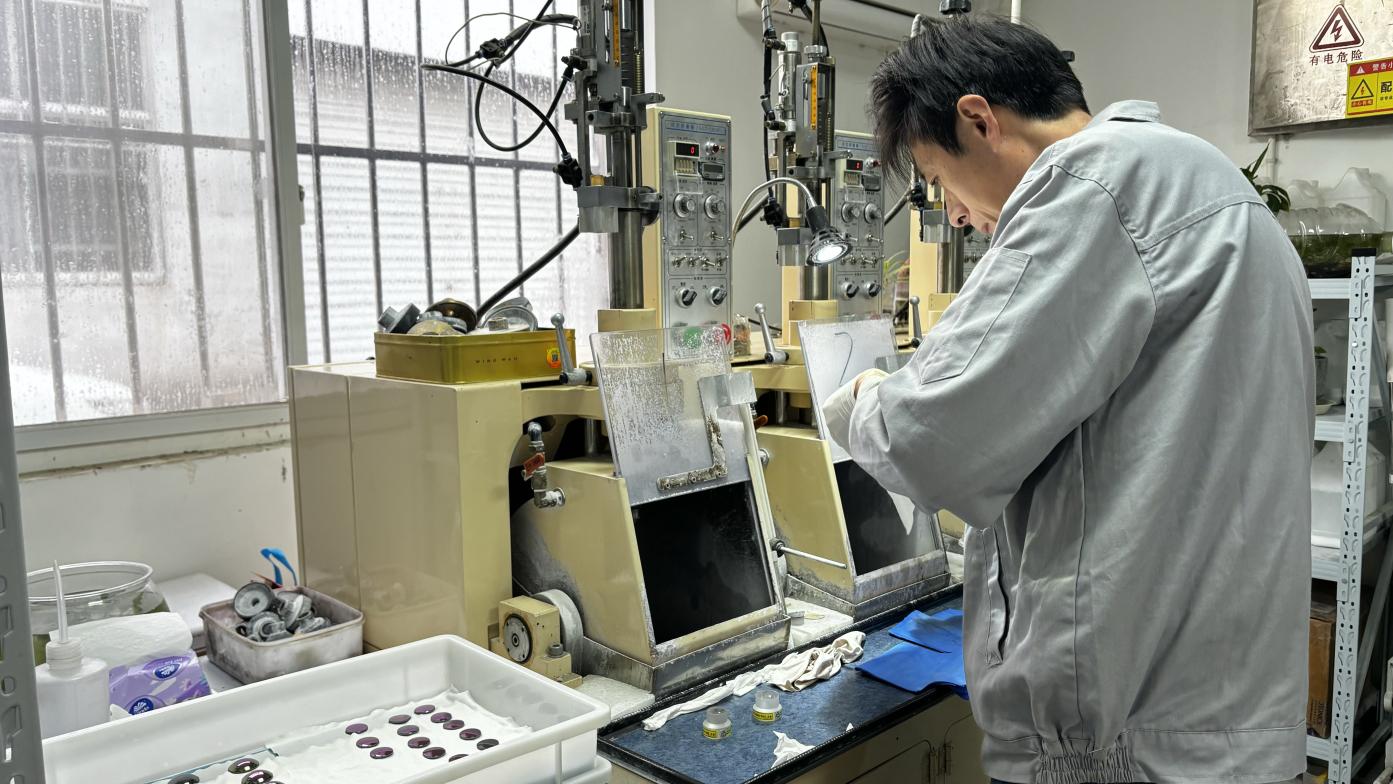
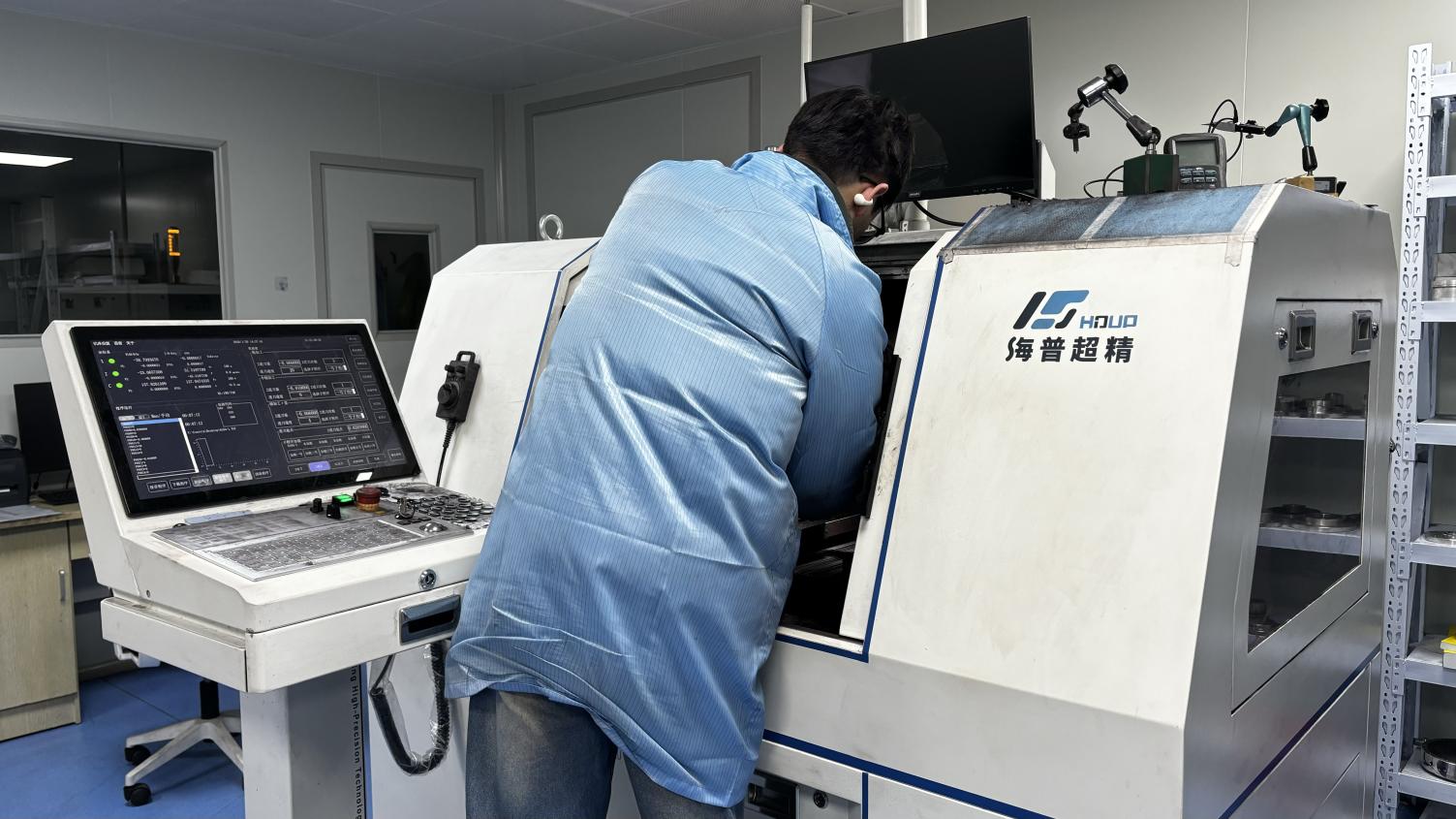
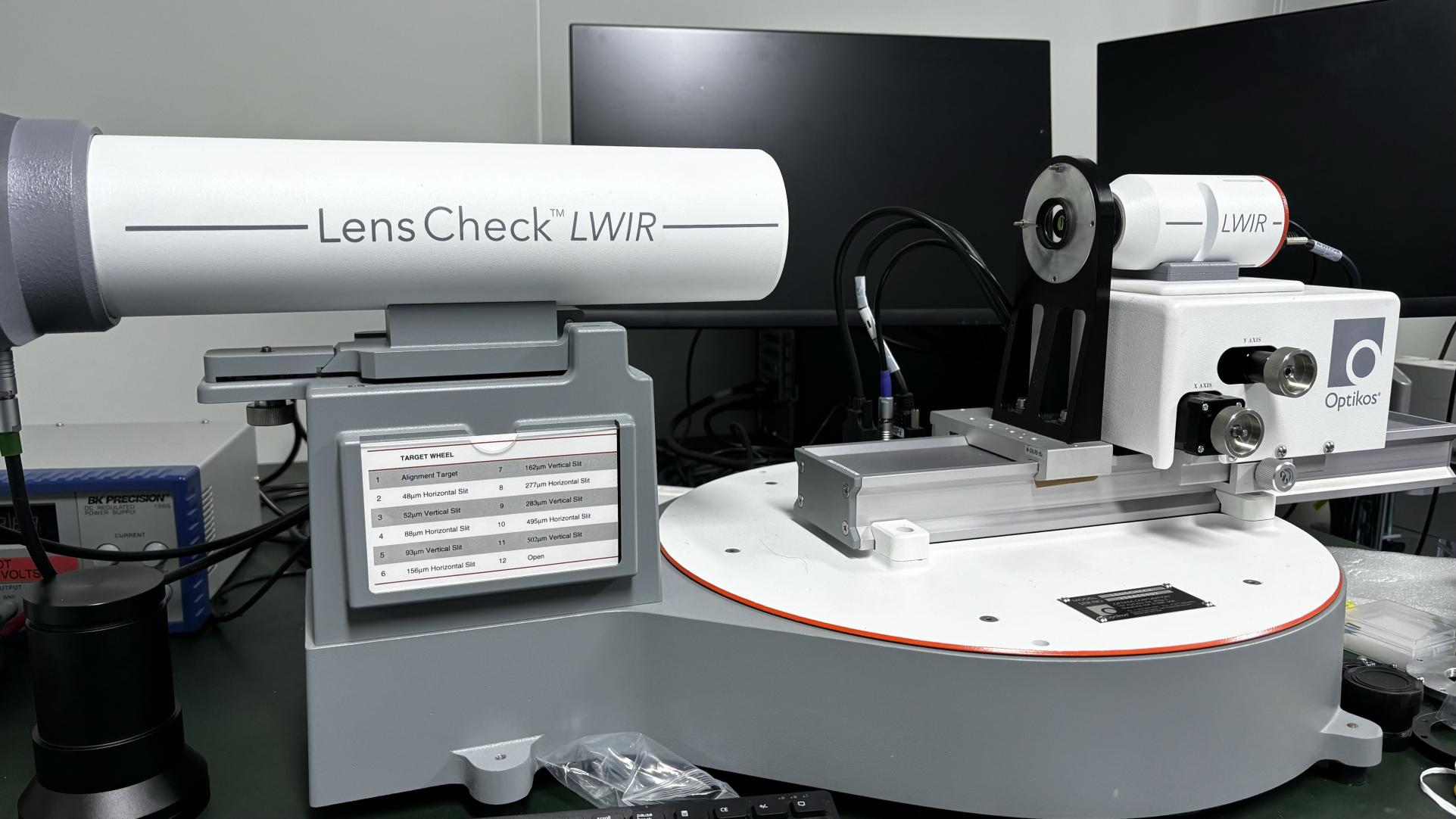
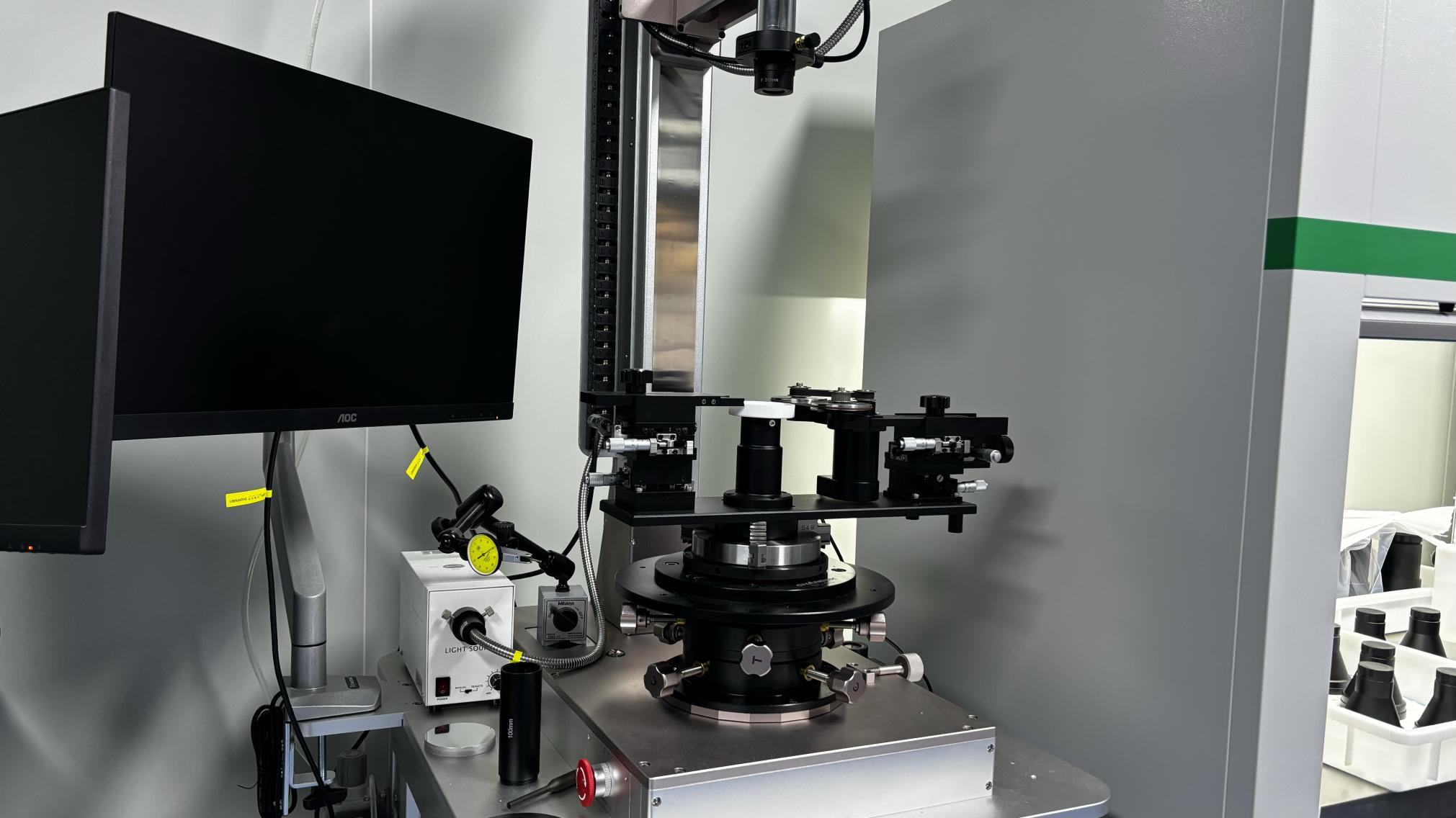
An overview of FiddlLink's engineering, polishing, coating, and quality assurance processes.
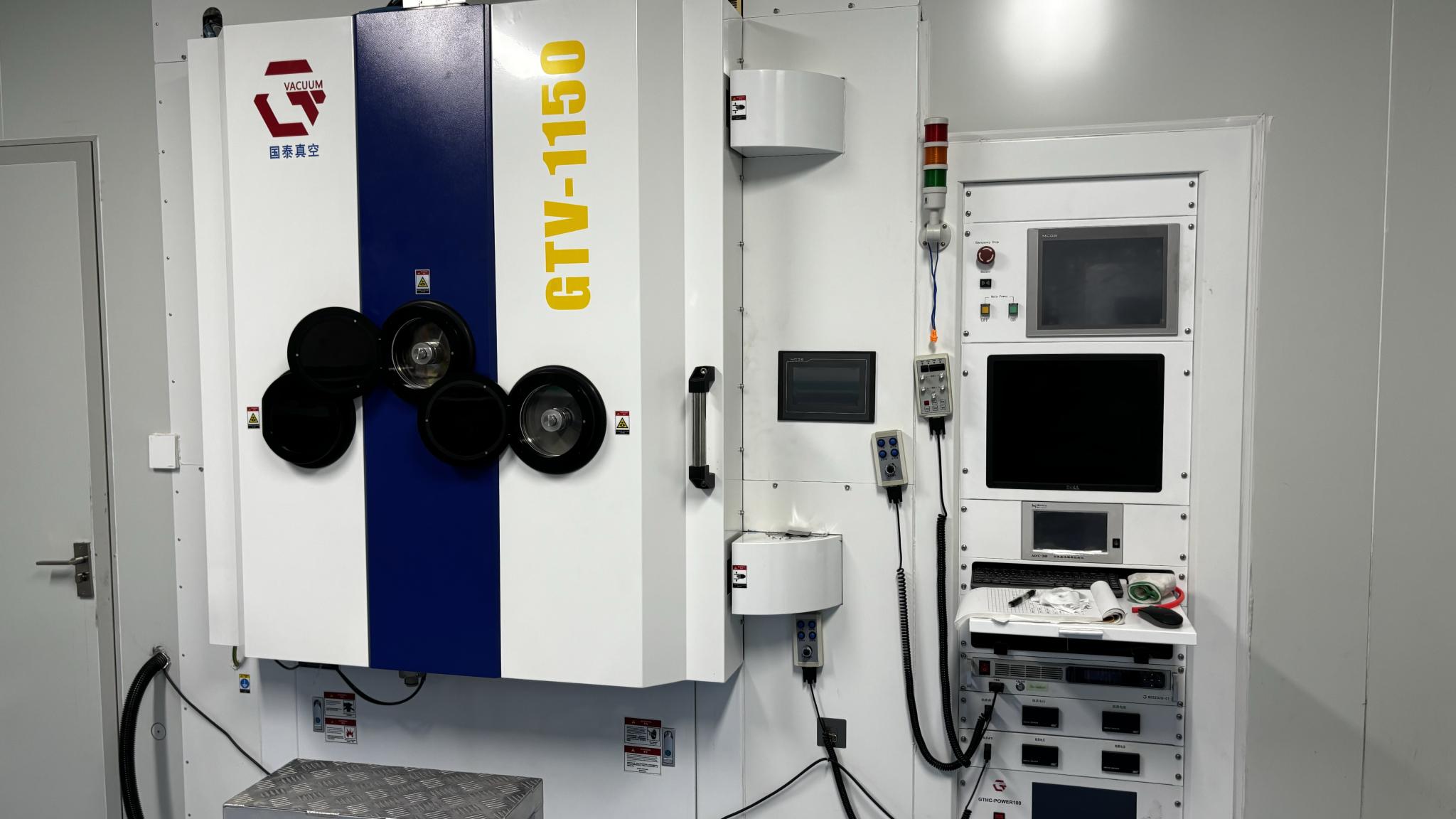
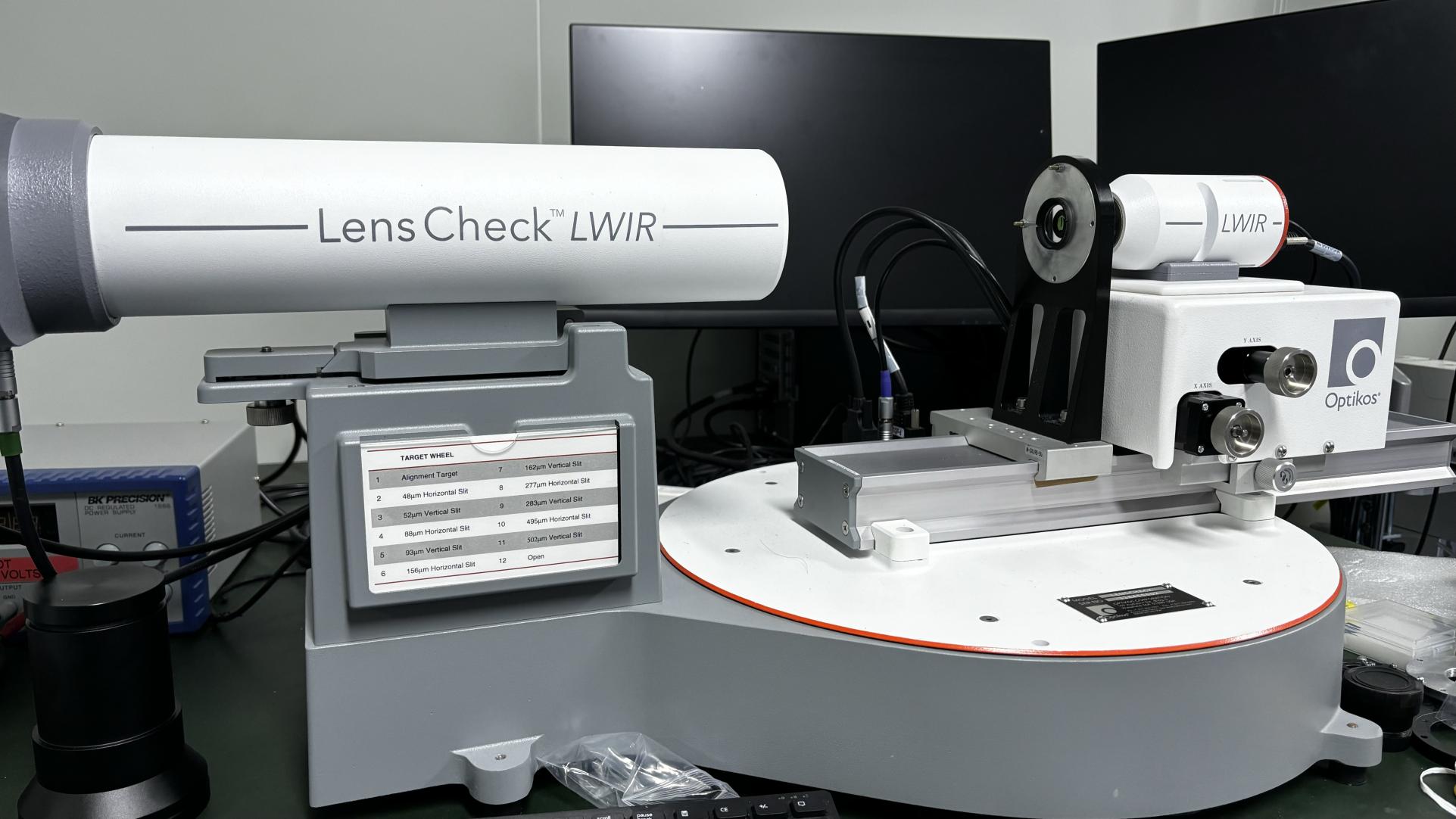
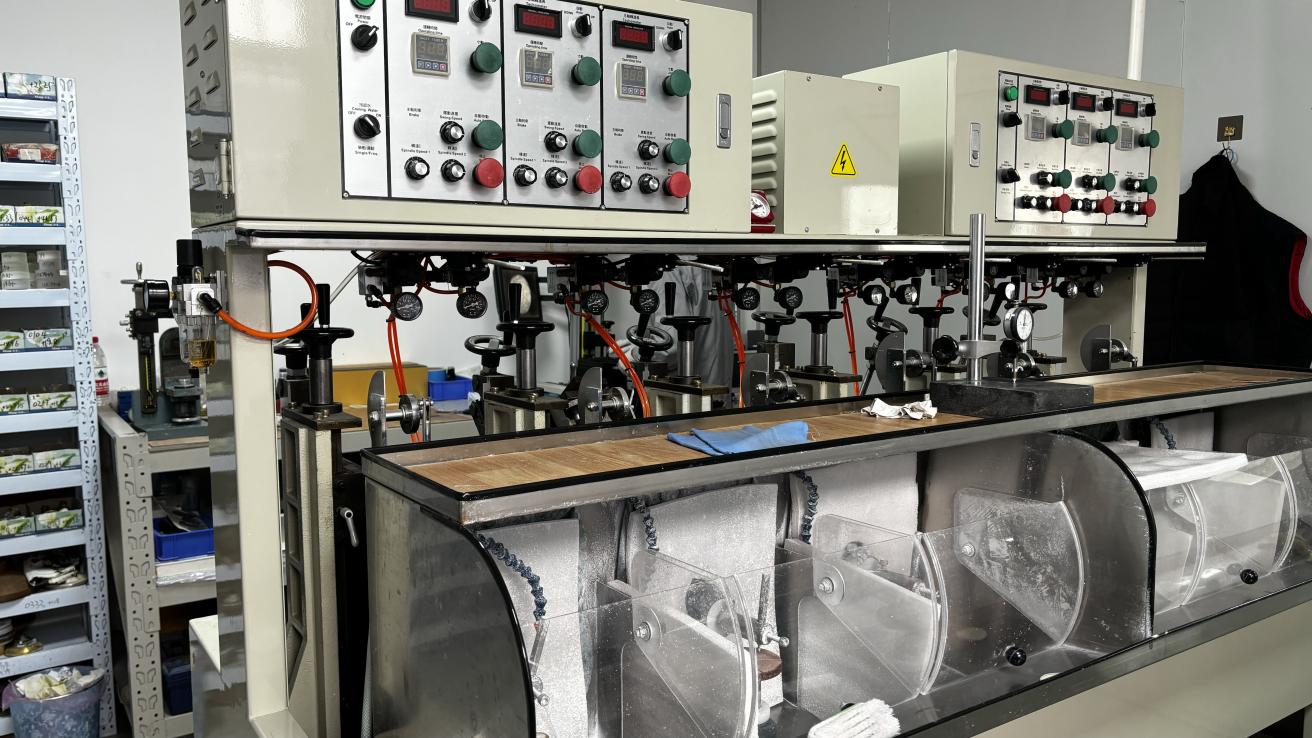
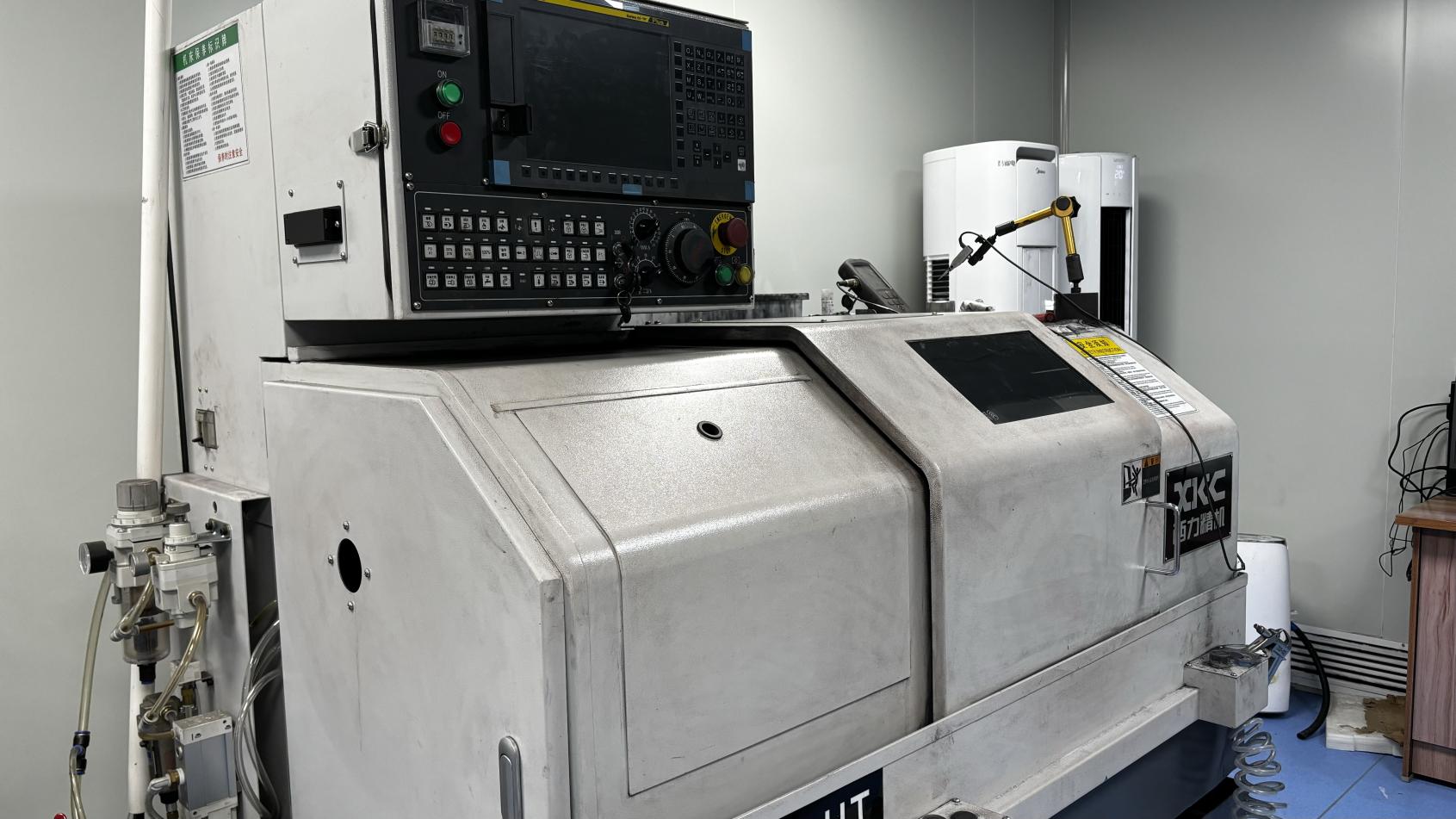
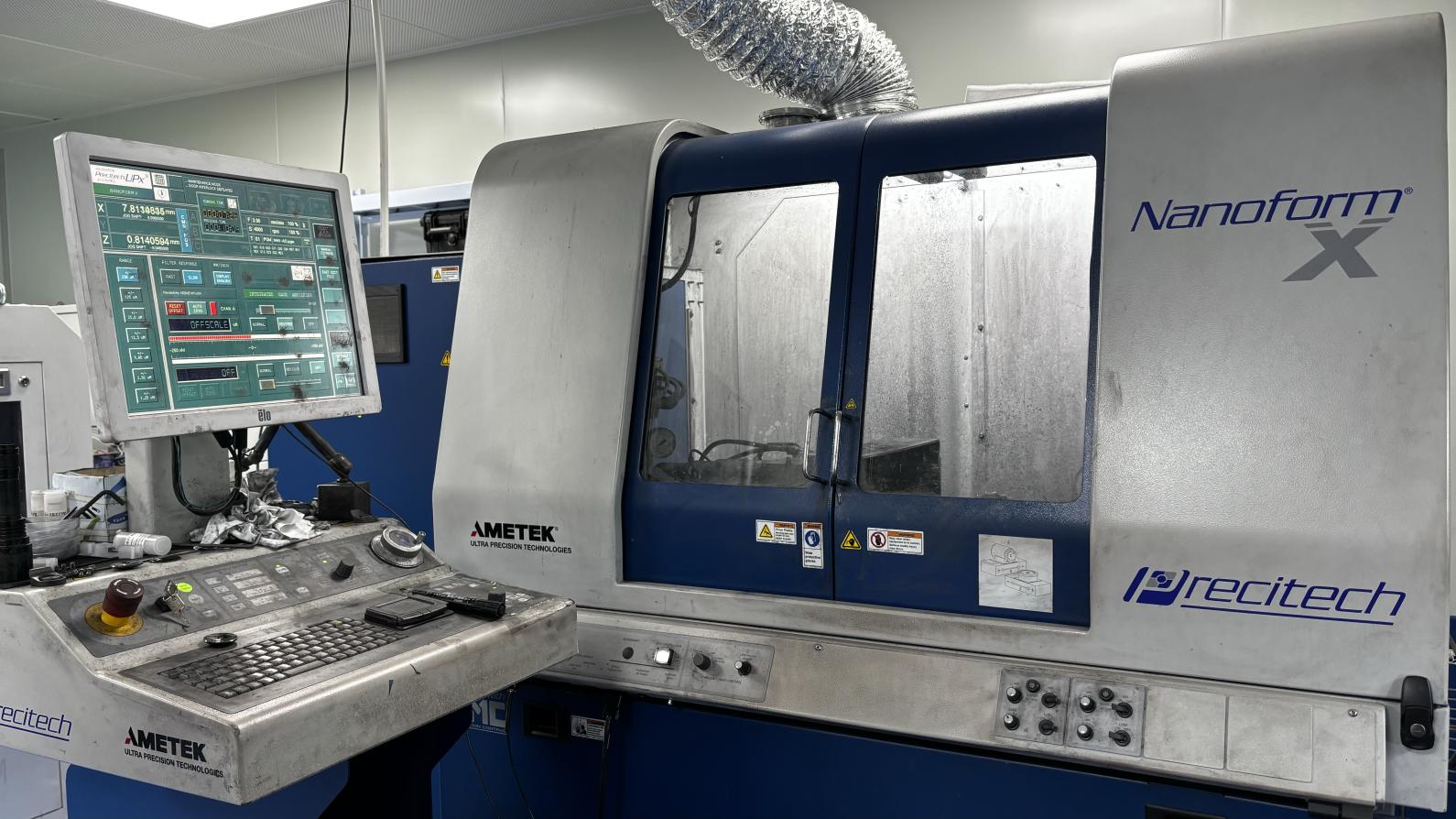
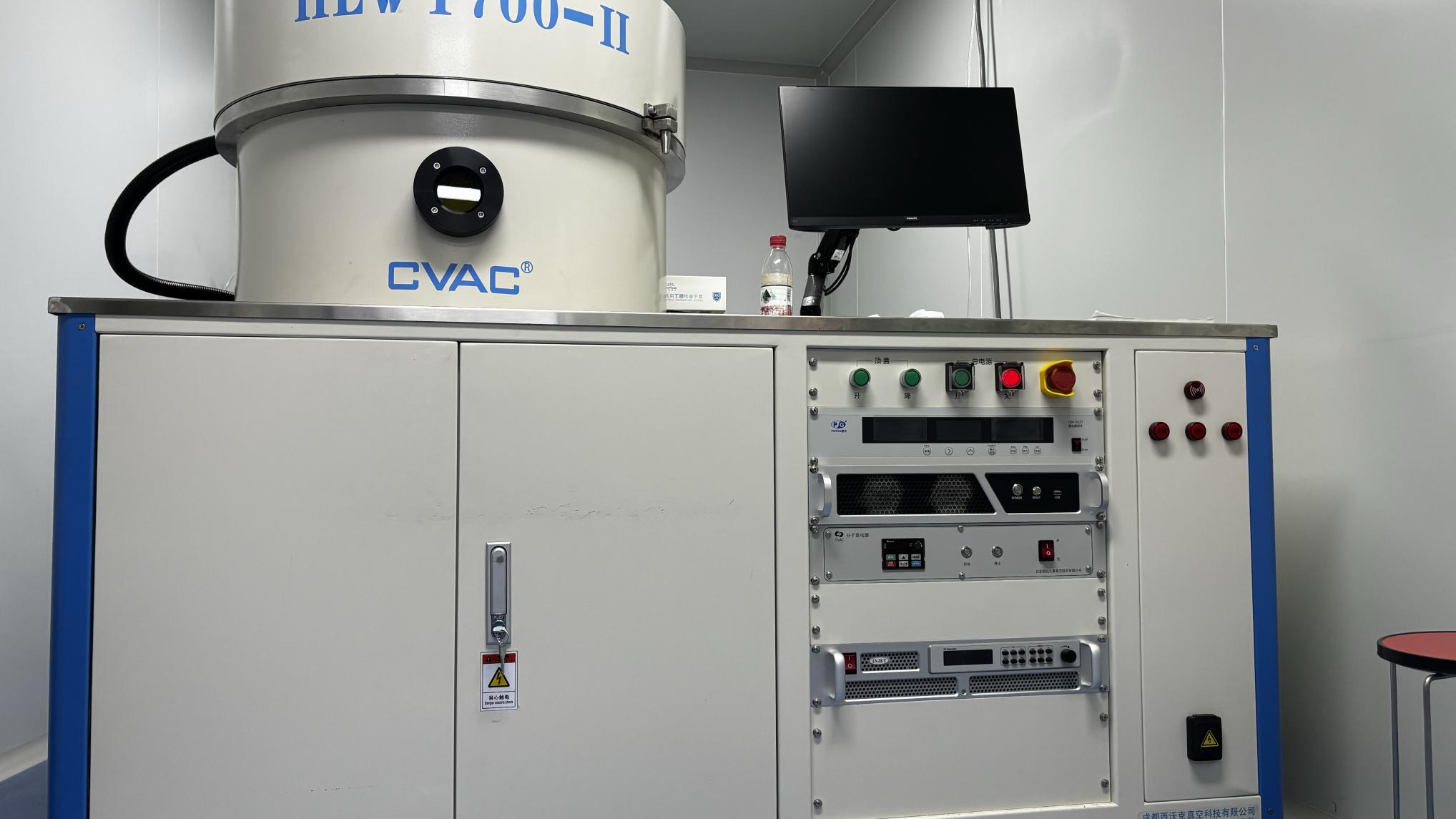
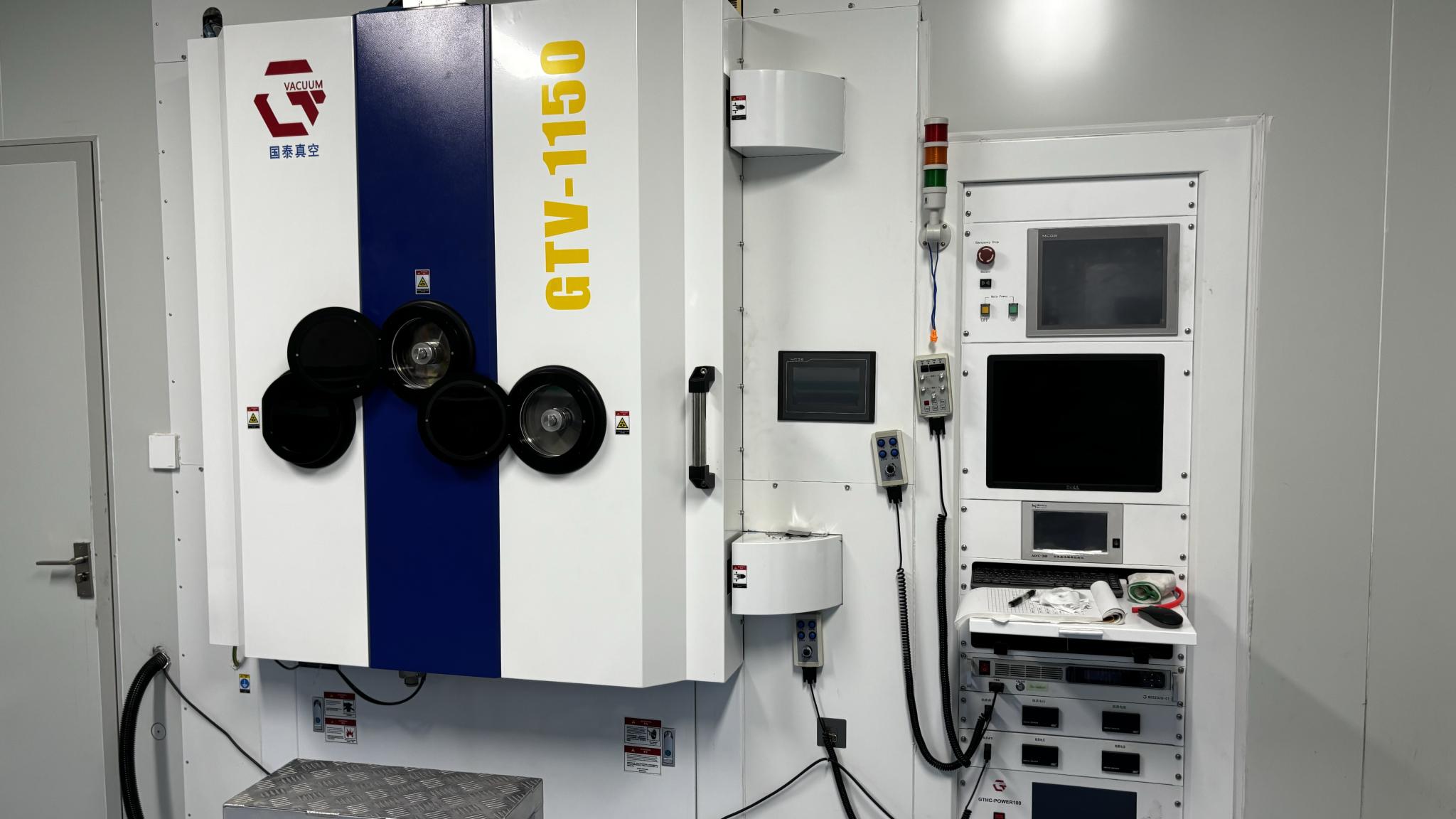
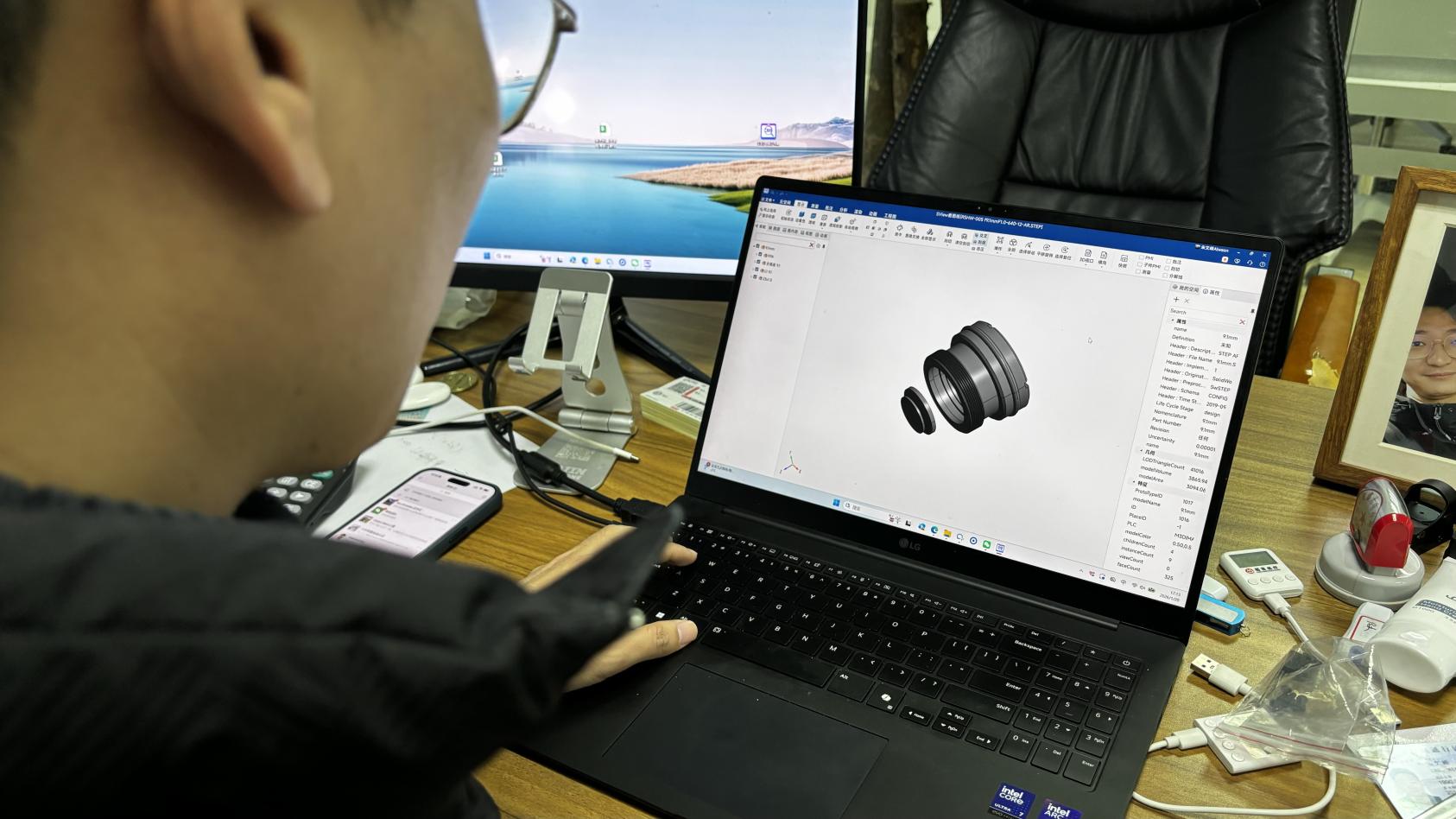
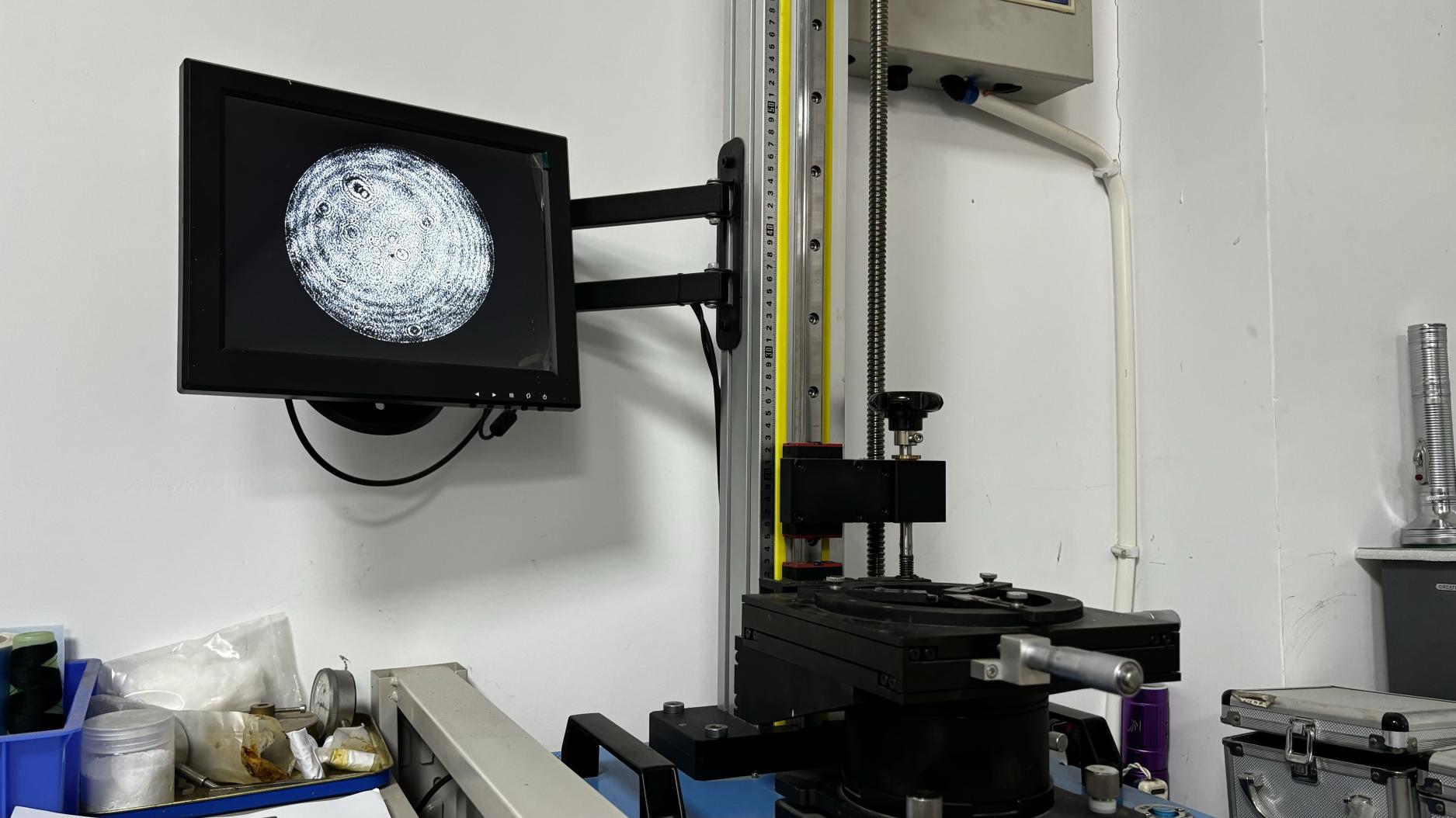
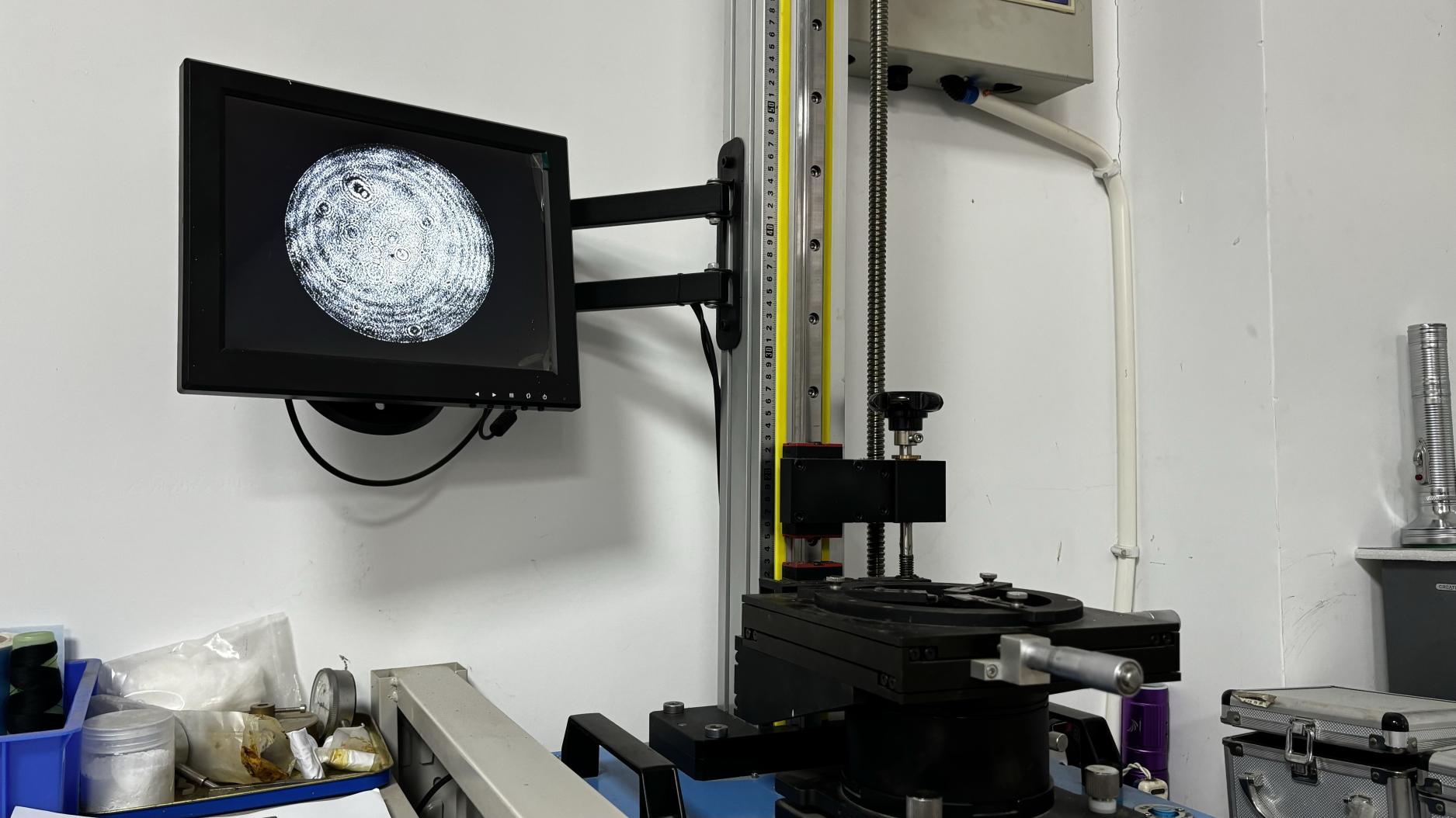
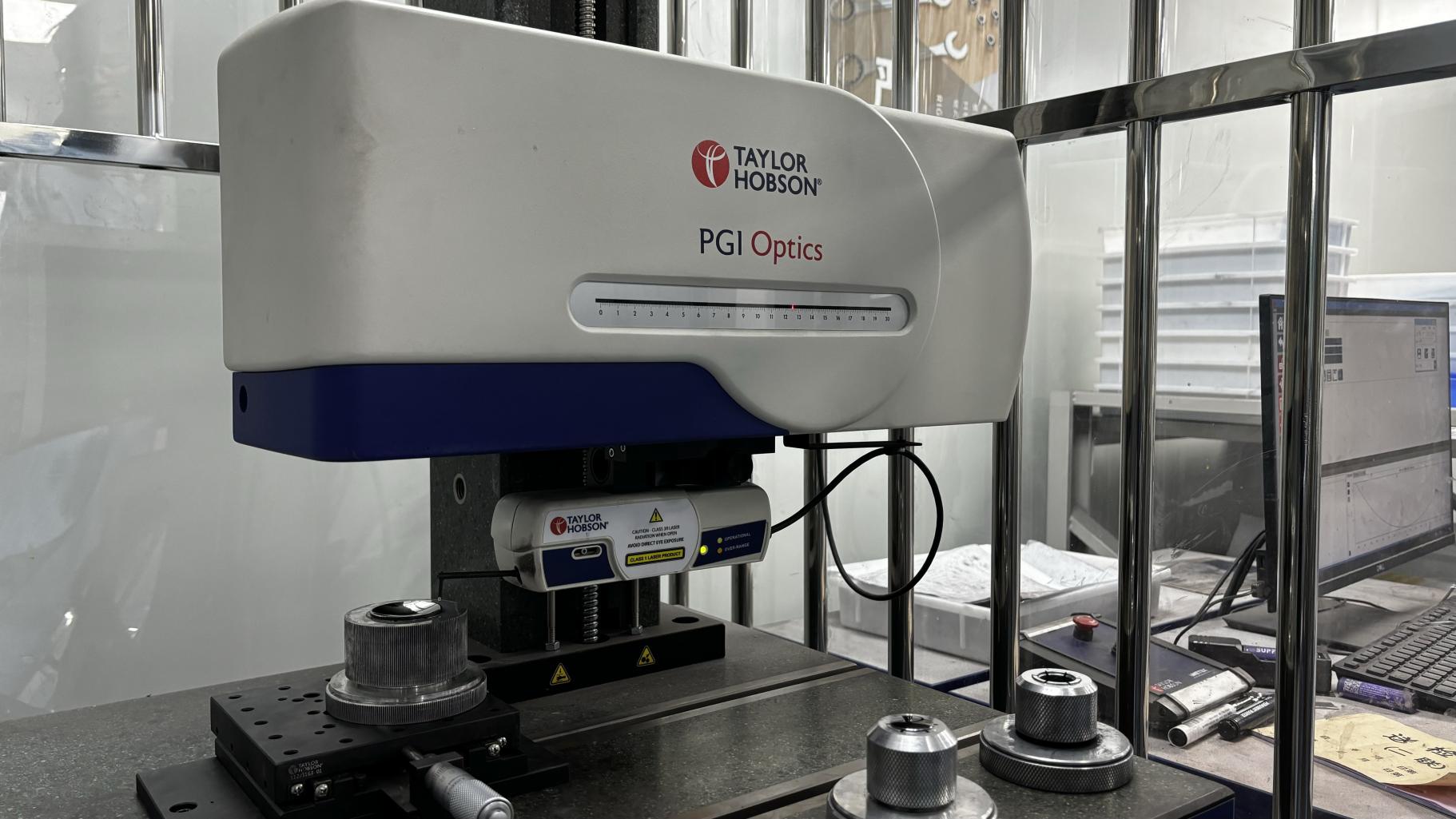
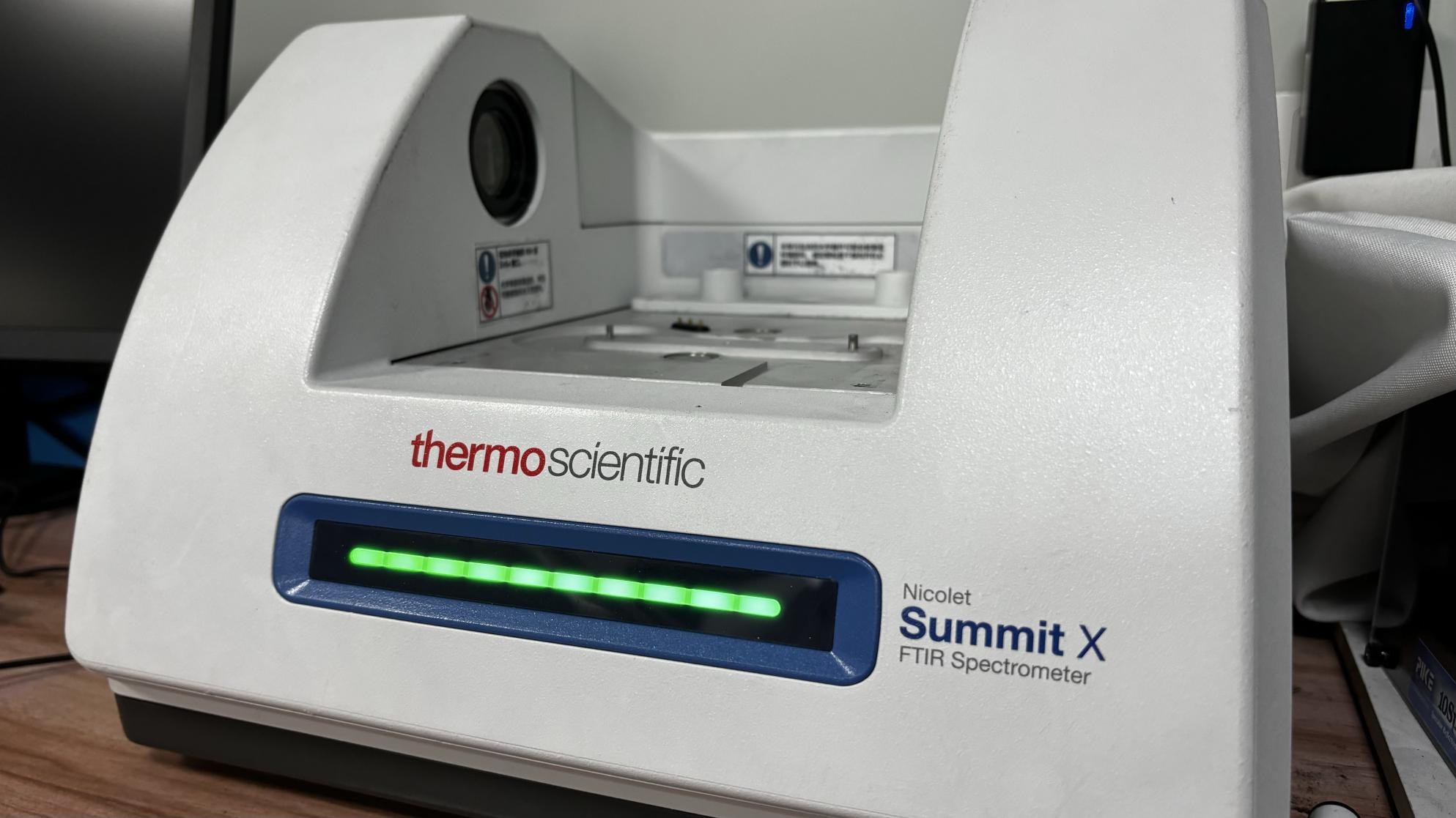
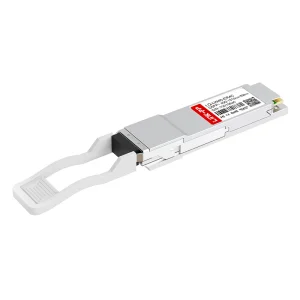
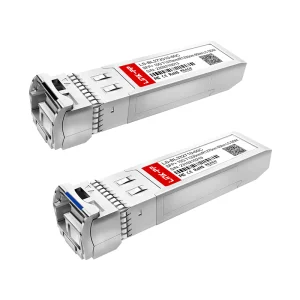
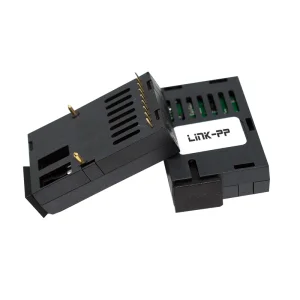
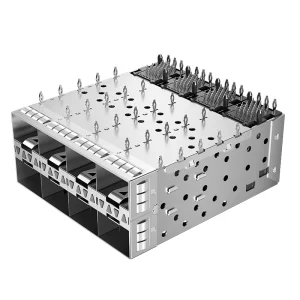
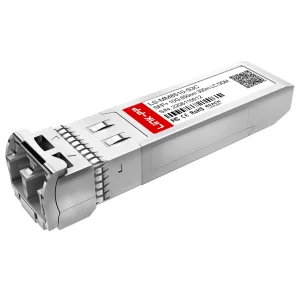
Select from our certified SFP and Ethernet interconnect solutions, engineered to meet demanding international standards.
How silicon photonics and Co-Packaged Optics (CPO) impact cage form-factors and structural specifications over the next five years.
The networking industry is on the verge of major structural changes. Standard pluggable form factors (SFP+, QSFP28, QSFP-DD) are reaching physical limits regarding thermal dissipation and high-frequency routing trace lengths. As data transfer requirements climb toward 800G and 1.6T, signal loss within standard FR4 board tracks increases sharply.
To combat this, manufacturers are adopting Co-Packaged Optics (CPO), placing the optical engine directly onto the common substrate alongside the ASIC switch chip. However, pluggable interfaces will remain dominant for enterprise edge switches and industrial applications in Houston through 2030. SFP cage design is adapting to meet these high-speed requirements:
"For edge deployments in pipeline telematics, selecting cages with pre-installed elastomeric EMI gaskets ensures continuous seal reliability. Standard spring fingers can deform under high thermal cycling or mechanical vibration, creating potential EMI leakage points."
Answers to critical design questions from hardware engineers, field technicians, and supply chain managers.
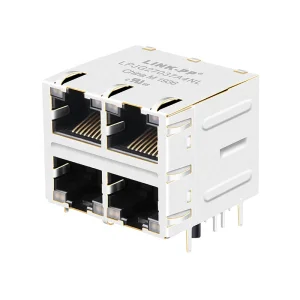
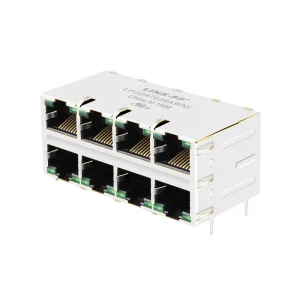
FiddlLink Optical Technology provides robust OEM/ODM manufacturing, including custom light pipe configurations, multi-port stacked cages, and specific thermal profile design. Contact our global sales engineering team today for technical support and pricing.
Send Inquiry Now