FiddlLink
Algiers' Connectivity Evolution: The Optical-to-Copper Bridging Strategy
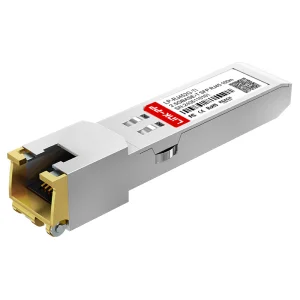
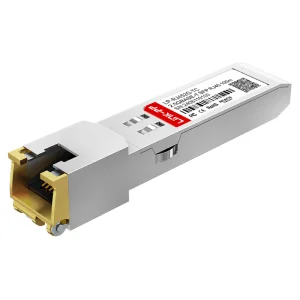
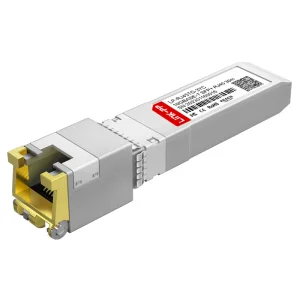
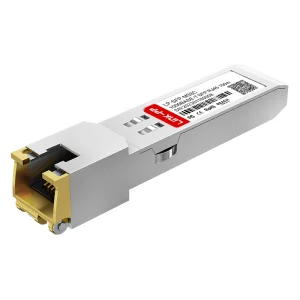
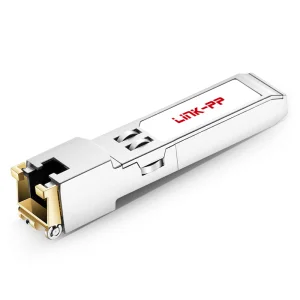
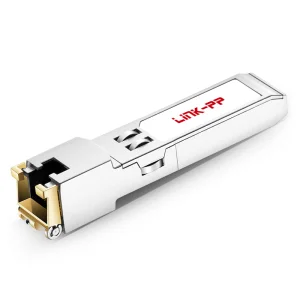
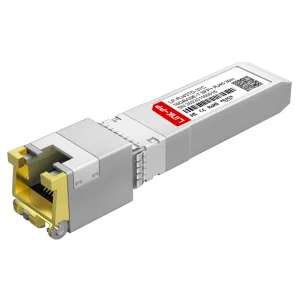
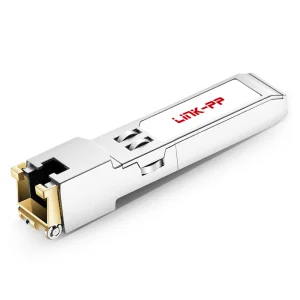
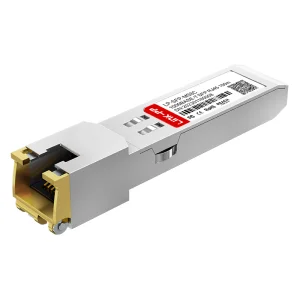
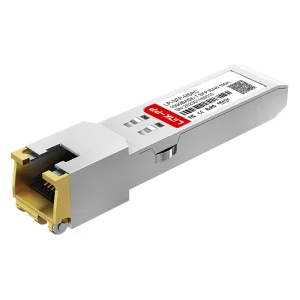
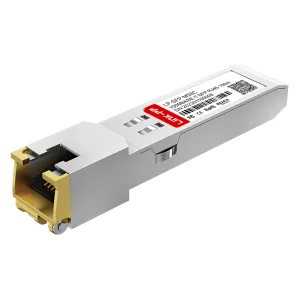
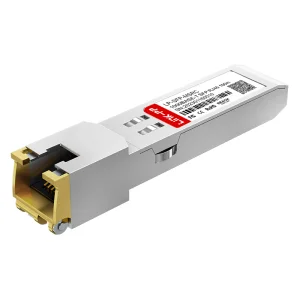
As Algiers accelerates its transformation into a Mediterranean digital hub, the demand for robust, energy-efficient networking infrastructure has reached unprecedented levels. The expansion of localized data center clusters in municipalities like Bab Ezzouar, the IT district, and Dar El Beïda, alongside critical upgrades within telecommunications operators such as Algérie Télécom and Mobilis, has necessitated a strategic review of physical layer network transceiver technologies. While fiber optics serve long-haul backbones, RJ45 Copper SFP modules (10GBASE-T, 2.5G, and 1000BASE-T) act as the indispensable interface bridging high-capacity switches to legacy and newly structured copper topologies (Cat6a/Cat7).
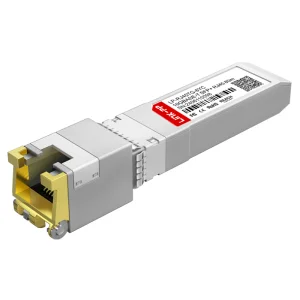
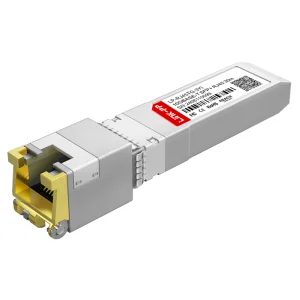
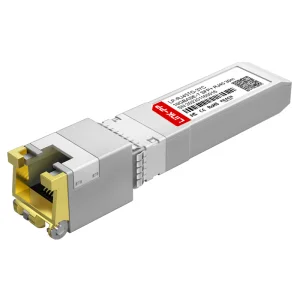
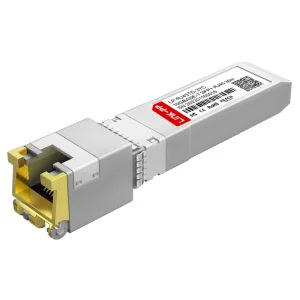
Deploying copper transceivers within the Algerian industrial and commercial frameworks offers several distinct advantages. The Algiers market presents a complex mix of historical building architecture and state-of-the-art office towers. Upgrading entire premises with fiber optic cabling is cost-prohibitive and operationally disruptive. By sourcing premium RJ45 Copper SFP+ transceivers directly from certified manufacturers, network architects in Algiers can achieve 10 Gbps data rates over existing Cat6a copper lines up to 30 meters (or even 80m/100m with advanced PHY silicon). This significantly mitigates capital expenditure (CAPEX) while optimizing the existing network footprint.
Technical Advancements in RJ45 SFP+ Architectures: Energy & EMI Focus
Modern telecommunication operations in North Africa require special design considerations due to thermal constraints. The high ambient temperatures characteristic of the Algiers summer season mean that server rooms and network cabinets require equipment with minimized heat dissipation profiles. Traditional 10GBASE-T RJ45 Copper modules were known for high power consumption (often exceeding 2.5W per port), which caused significant thermal accumulation in high-density switch configurations.
FiddlLink’s latest engineering run features low-power physical layer (PHY) chips, reducing power consumption to 1.6W to 1.8W per module. This is a critical metric for Algiers-based system integrators aiming to lower overall Power Usage Effectiveness (PUE) in regional data centers. Furthermore, optimized electromagnetic interference (EMI) shielding guarantees performance stability in dense electromagnetic environments, such as those found adjacent to manufacturing zones in Rouïba and Reghaïa.
Global Enterprise Procurement Dynamics: The Case for Direct Supplier Sourcing
In the current global economic landscape, enterprise IT procurement officers are tasked with managing supply chain volatility while ensuring absolute compatibility. Buying third-party compatible transceivers has transitioned from a cost-saving measure to a strategic imperative. Legacy network switch vendors historically locked customers into proprietary optics by charging a massive premium. However, modern network design relies on open standards and multi-vendor interoperability.
By purchasing from an established RJ45 Copper SFP factory rather than intermediary distributors, global enterprises—and specifically Algerian telecom partners—benefit from:
- Hardware-Level Customization: Multi-code EEPROMs that allow the same RJ45 SFP module to run seamlessly on Cisco, HPE Aruba, Ubiquiti, Juniper, or Huawei switches without raising firmware compatibility alarms.
- Optimized Lead Times: Sourcing direct bypasses global logistical bottlenecks, securing direct production slots in our Factory 4.0 pipeline.
- Direct Engineering Support: Direct dialogue with R&D engineers to resolve complex physical layer negotiation challenges (e.g., auto-negotiating between 10G, 5G, 2.5G, and 1G over varying cable qualities).