FiddlLink
FiddlLink
FiddlLink
Explore our state-of-the-art optical transceiver interfaces, modular jacks, and high-frequency connectors engineered for tier-1 network architectures.
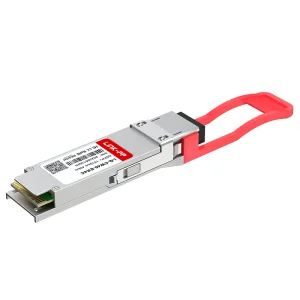
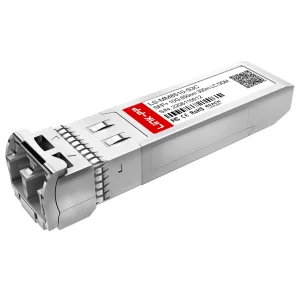
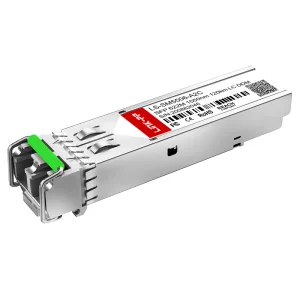
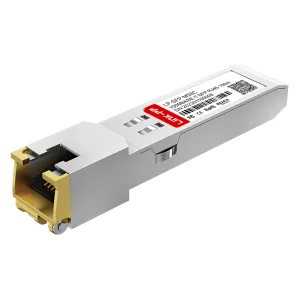
As the global demand for bandwidth scales exponentially, driven by artificial intelligence, cloud computing, and hyperscale 5G telecommunication networks, the demand for high-reliability optical interconnect systems has reached unprecedented heights. Fiber optic patch cables—often regarded as the basic nervous system of modern data centers—have evolved from simple patch cords to complex, high-density, multi-fiber optical assemblies.
China's dominance in the fiber optic manufacturing ecosystem is not merely a product of labor scale, but rather a result of complete vertical supply-chain integration, technological clustering, and state-of-the-art automation.
From the raw synthetic silica glass preform pulling to high-precision zirconia ceramic ferrule extrusion and specialized PVC/LSZH cabling compounds, every stage of production is localized within industrial clusters like Shenzhen, Ningbo, and Wuhan. This minimizes lead times and shields global buyers from geopolitical supply chain shocks.
Leading Chinese manufacturers design products strictly in accordance with international standards, including Telcordia GR-326-CORE, IEC 61300-3-35 (optical end-face quality), RoHS compliance, and REACH environmental standards. This ensures frictionless integration with multi-vendor networks (Cisco, Arista, Juniper, Huawei, etc.).
The transition to 400G and 800G optical links demands Very Small Form Factor (VSFF) connectors like MDC, SN, and CS, alongside high-fiber-count MTP/MPO systems. Chinese facilities have led the engineering transition to these ultra-dense topologies, lowering insertion loss budget requirements to under 0.35dB per link.
Established in 2016, FiddlLink Optical Technology Co., Ltd. has grown to become a cornerstone manufacturer and exporter of high-performance optical transceivers, fiber optic patch cables, and associated connection systems. FiddlLink specializes in the engineering, production, and worldwide distribution of critical interconnect systems engineered to serve data centers, telecommunications networks, enterprise IT infrastructure, and cloud computing environments.
Our core operations leverage 12 years of deep industrial experience and 8 years of dedicated export logistics, serving global network deployments in North America, Europe, Southeast Asia, the Middle East, and South America. FiddlLink generates an annual export revenue of approximately USD 18 million. Our extensive strategic network consists of more than 850 reliable downstream and upstream partners, ensuring consistent raw material supply and rapid delivery schedules even under volatile market conditions.
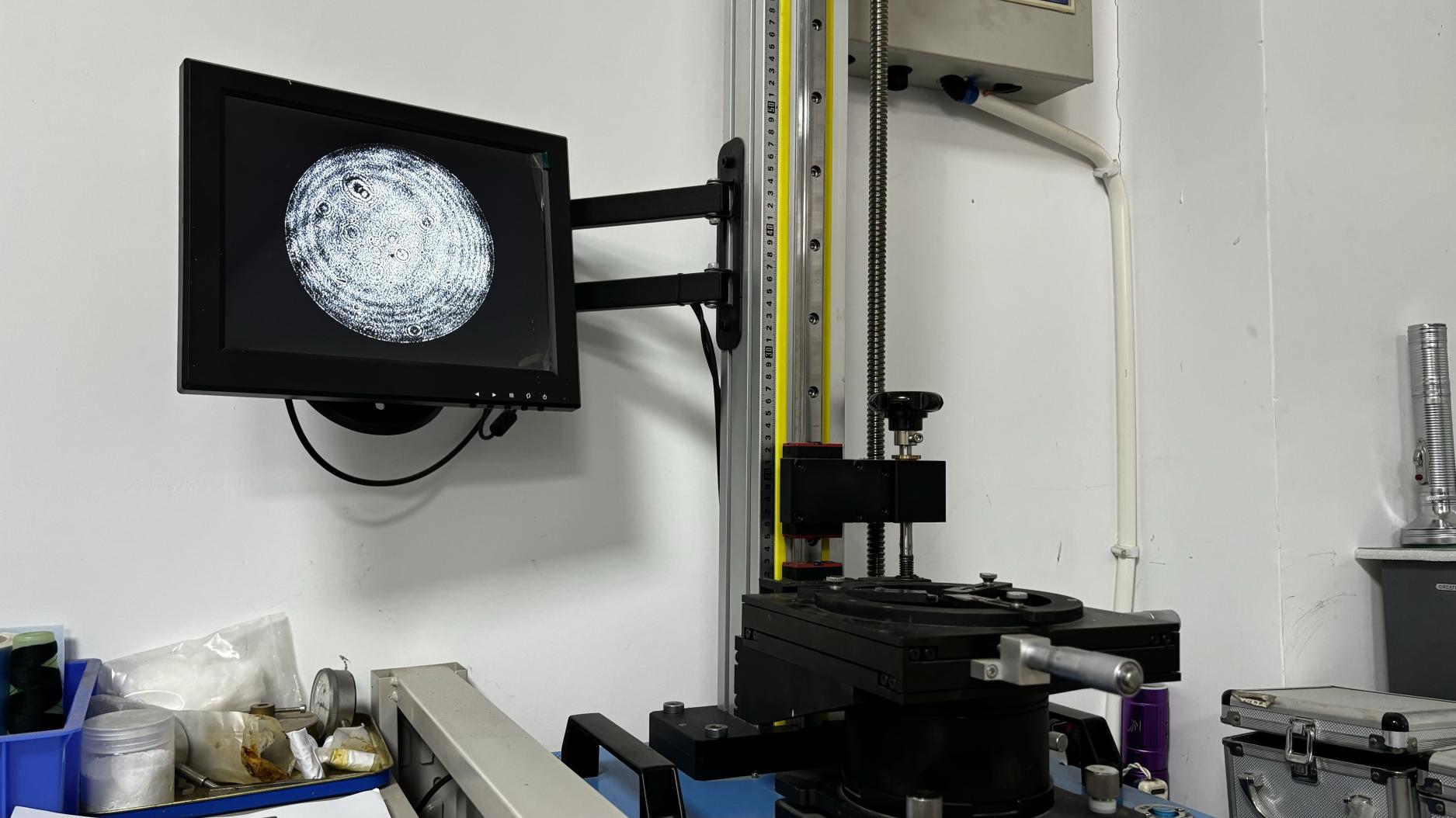
Operating from our specialized engineering facility, we run clean-room environments focused on precision termination, testing, and alignment. To guarantee the absolute integrity of our high-speed systems, we employ 42 dedicated quality control personnel who oversee a strict multi-tier QA protocol. This structure tracks production from incoming raw materials, through optical performance testing (Insertion Loss, Return Loss, and interferometer 3D geometry inspections), to final validation.
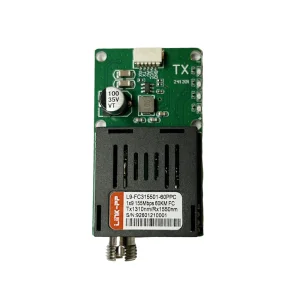
Our dynamic research and development division, comprising 126 highly experienced engineers and technicians, ensures that FiddlLink remains at the forefront of network development. In the past year alone, we launched 186 new high-tech products, including next-generation transceiver configurations, advanced copper-to-fiber integration connectors, and optimized high-density optical fiber terminations.
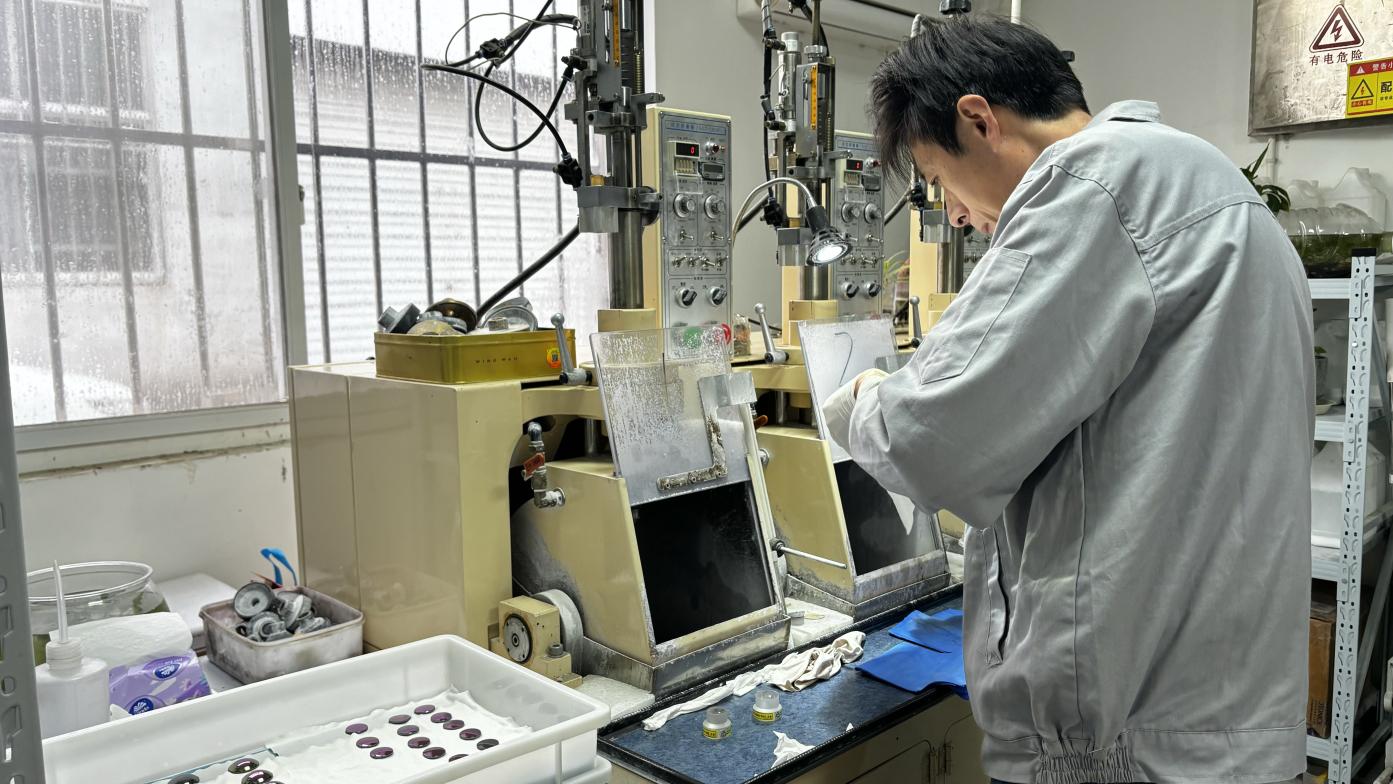
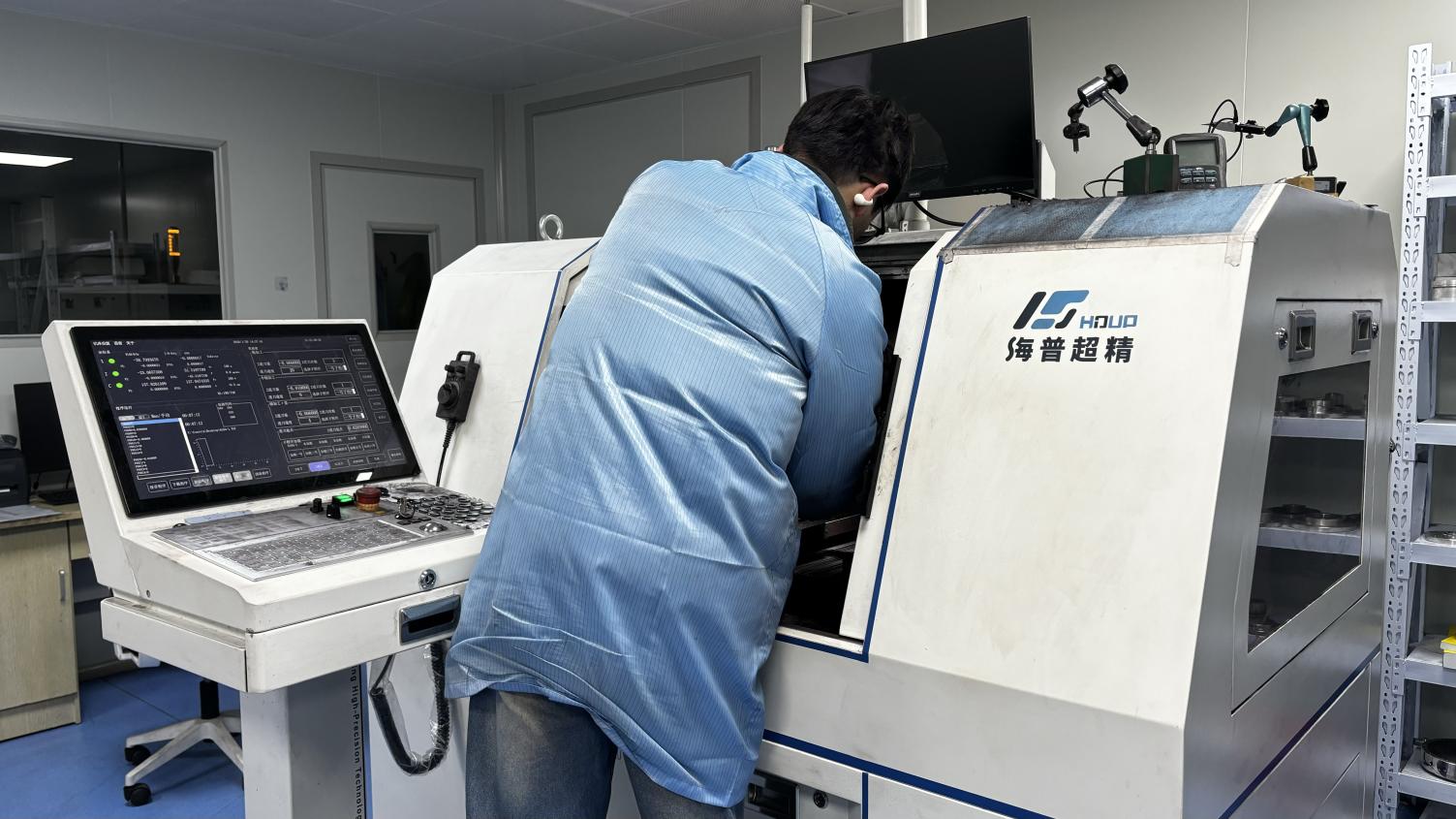
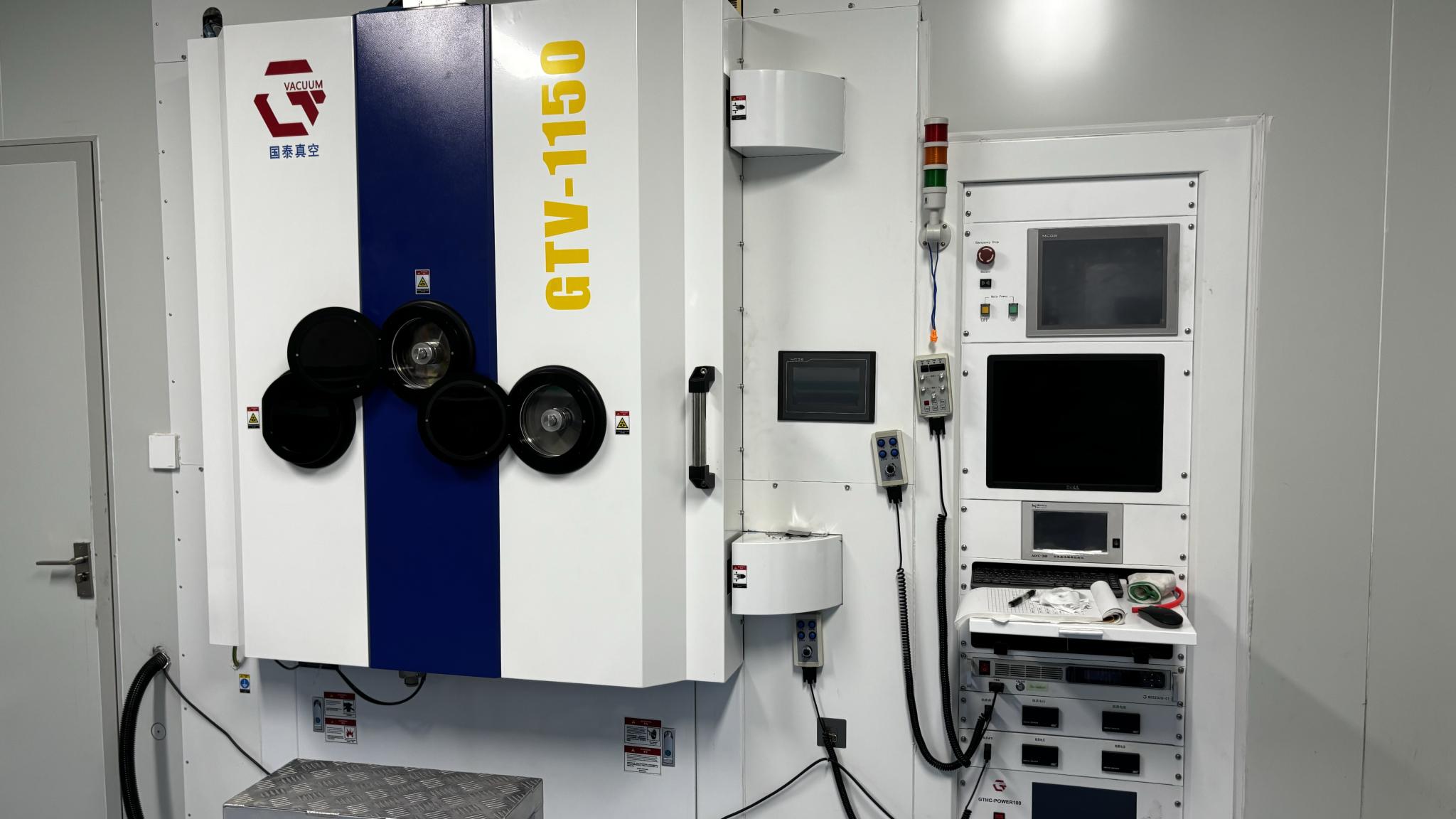
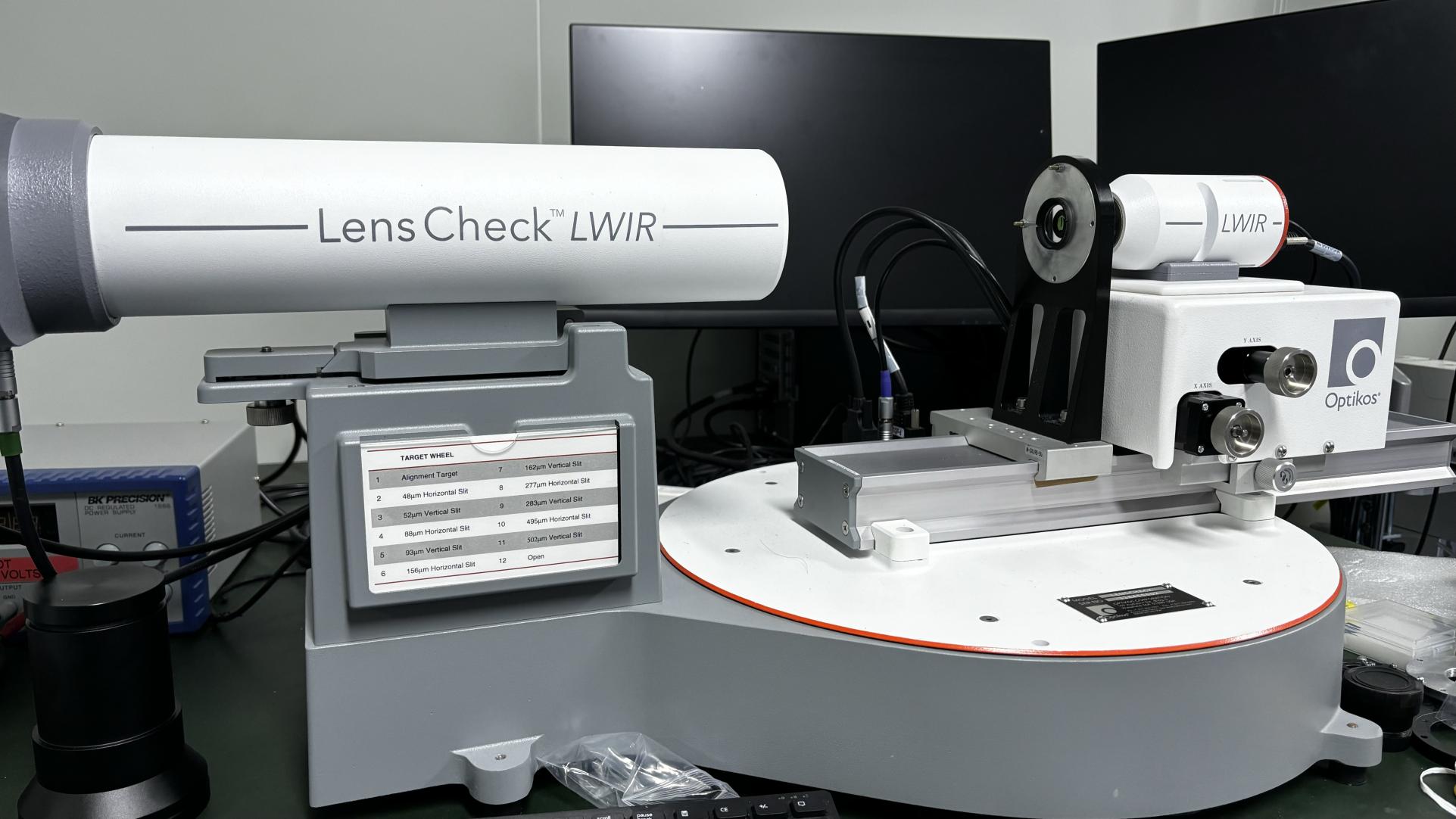
Every component processed in our facilities undergoes rigorous manufacturing stages, utilising precision polishing, advanced coating, and high-frequency interferometric validation.
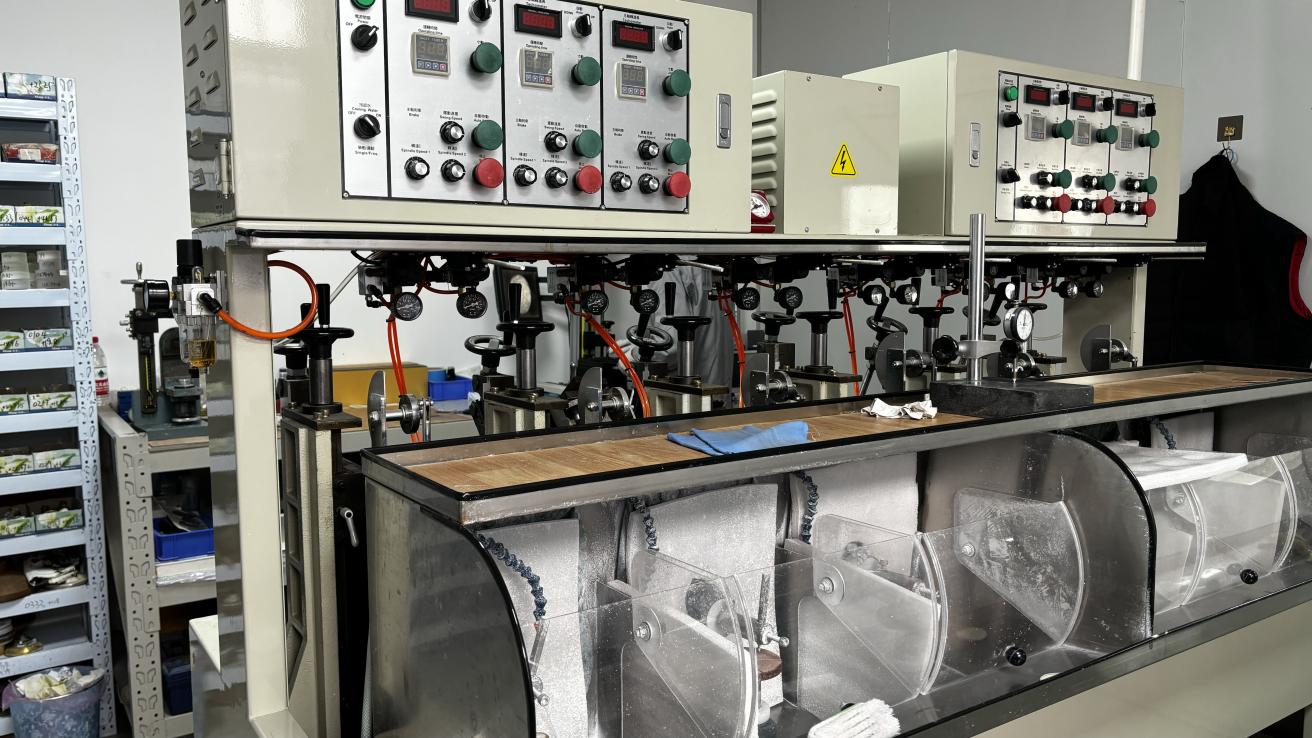
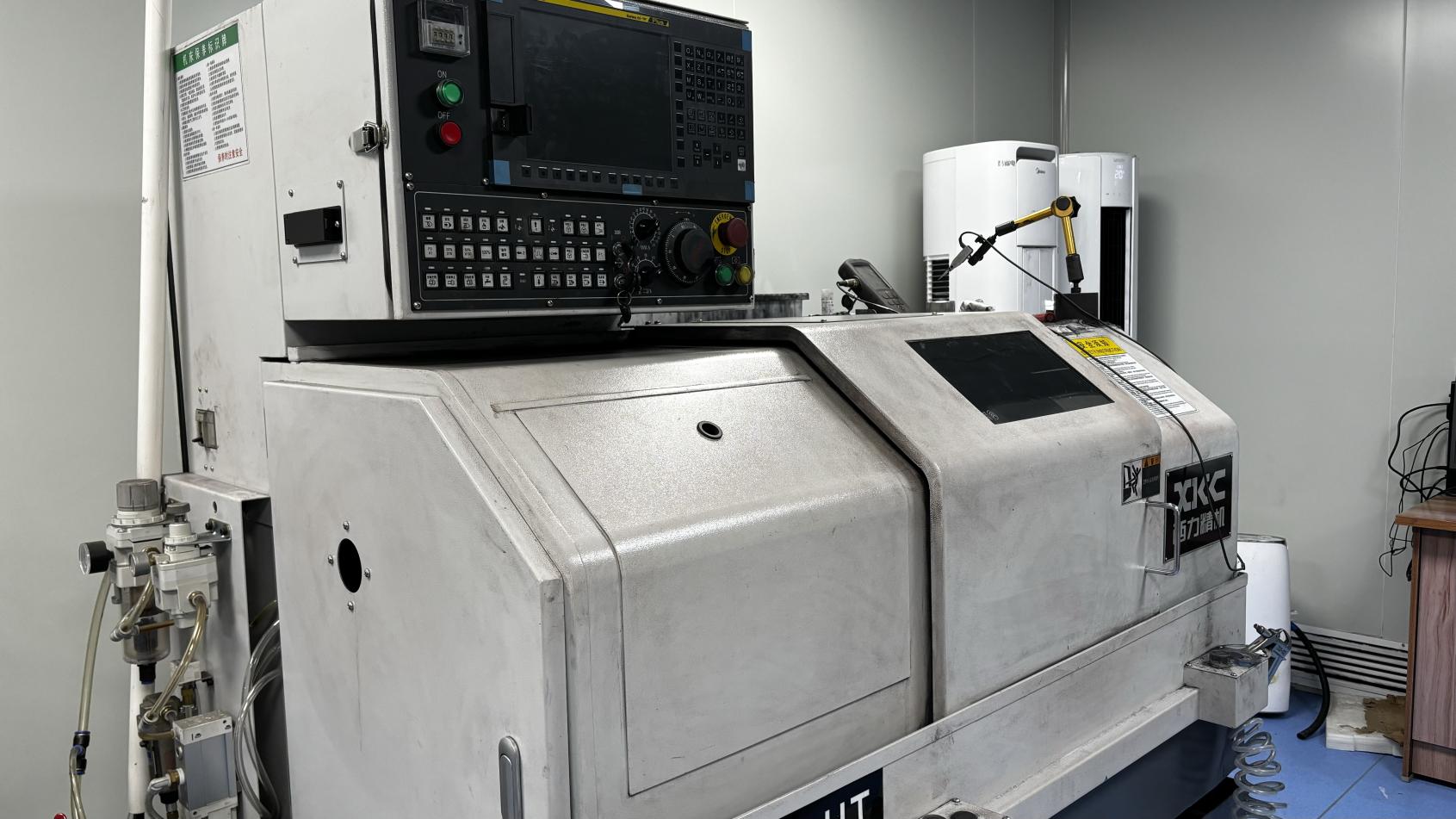
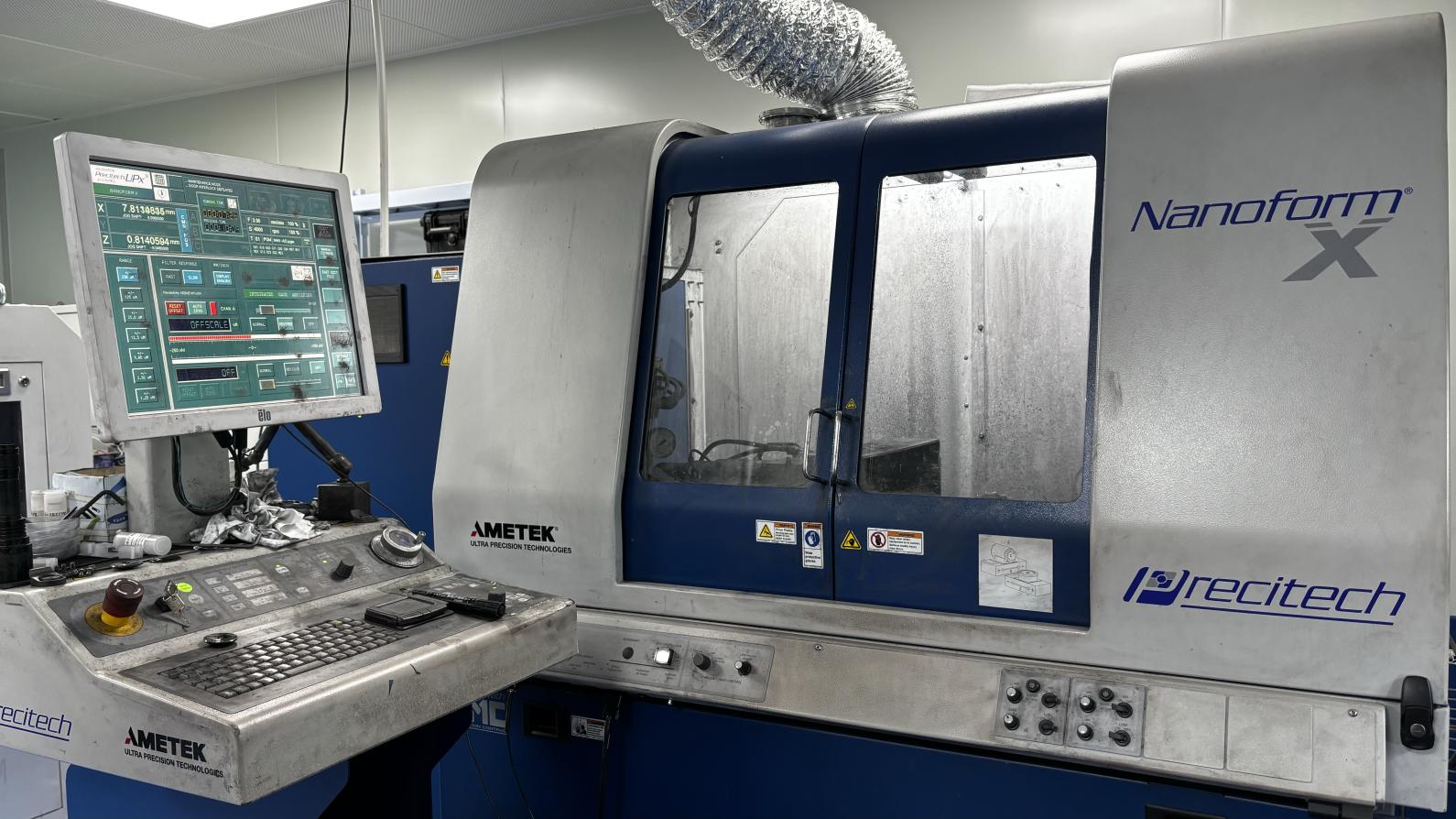
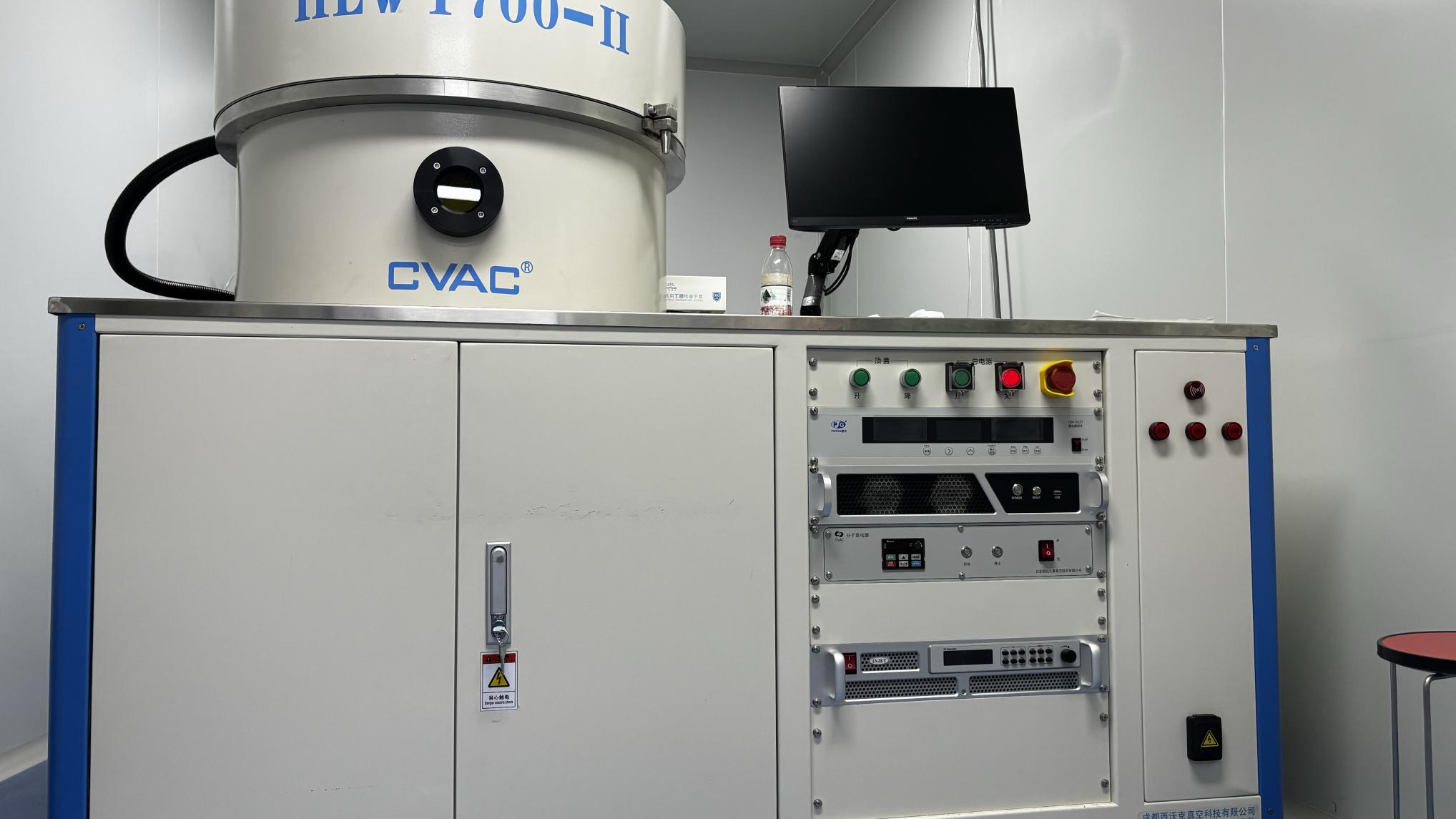
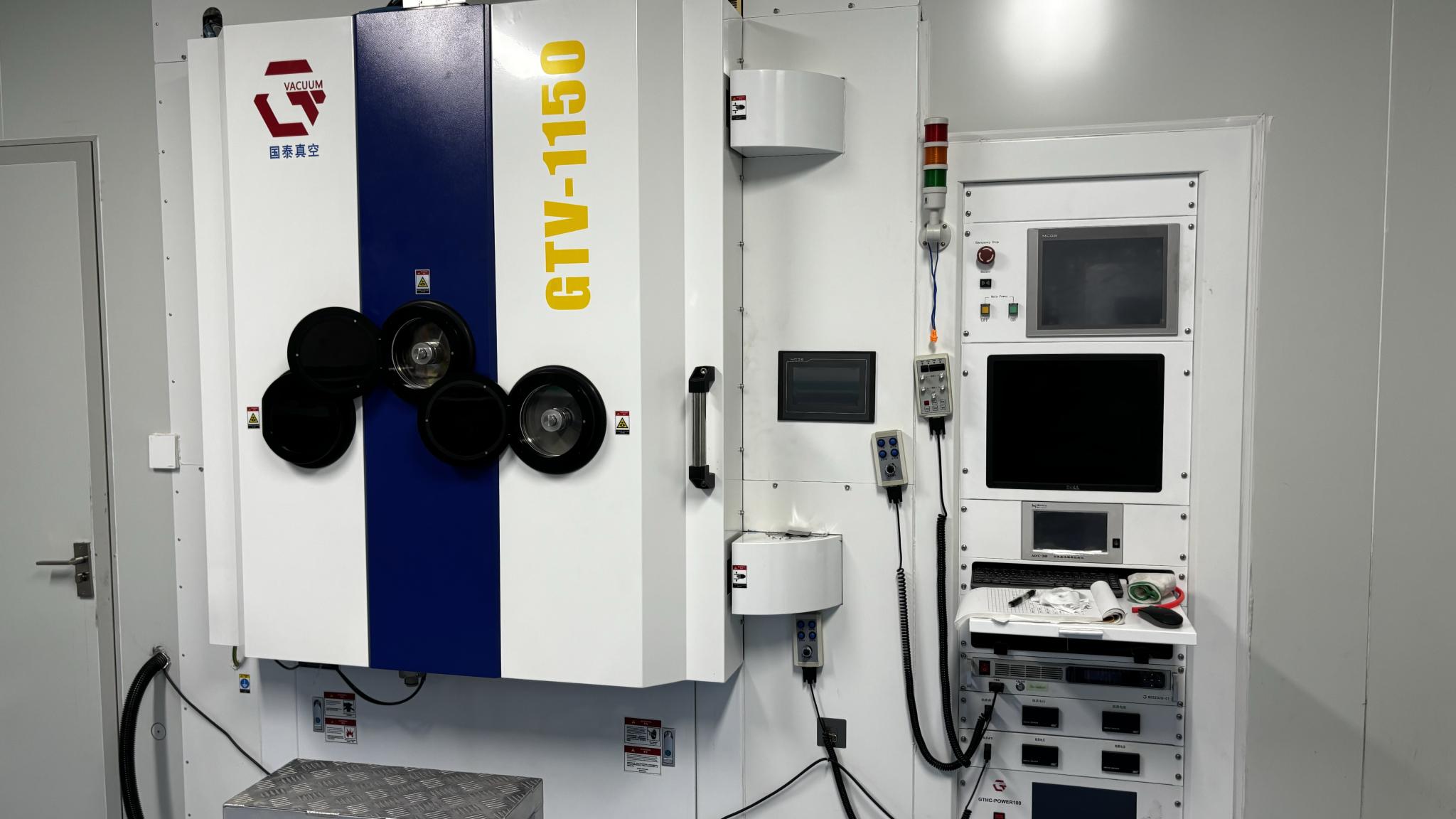
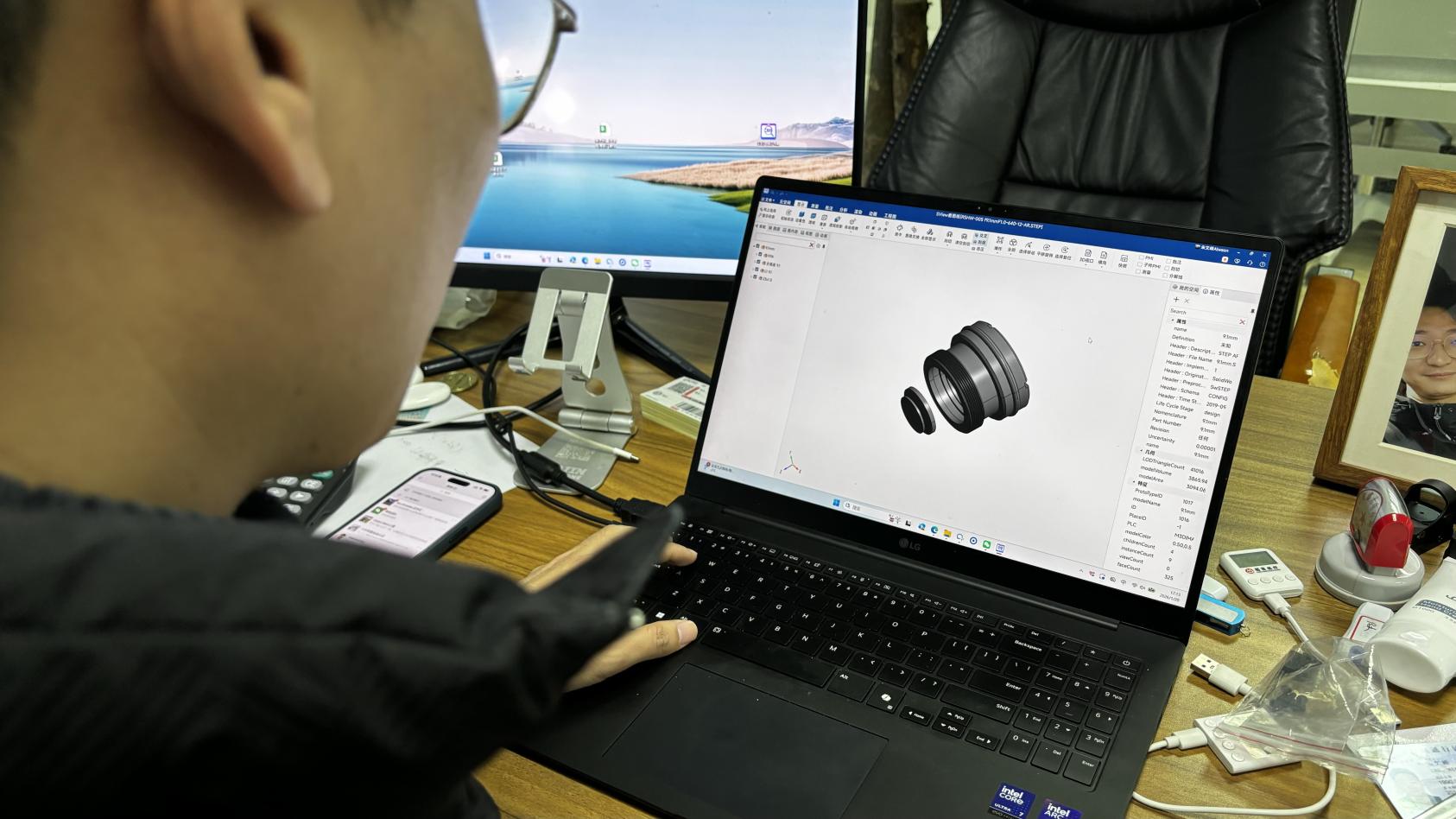
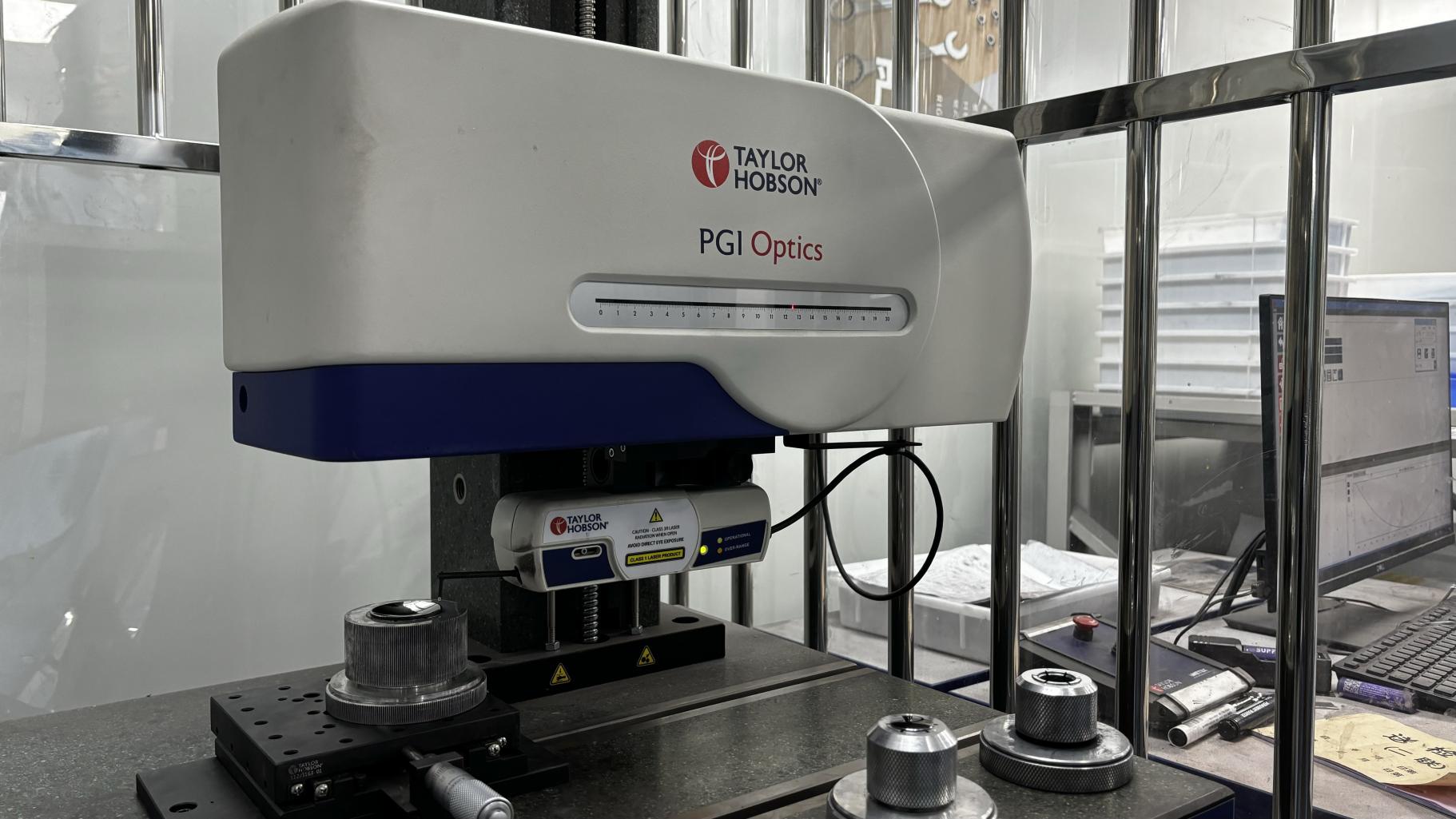
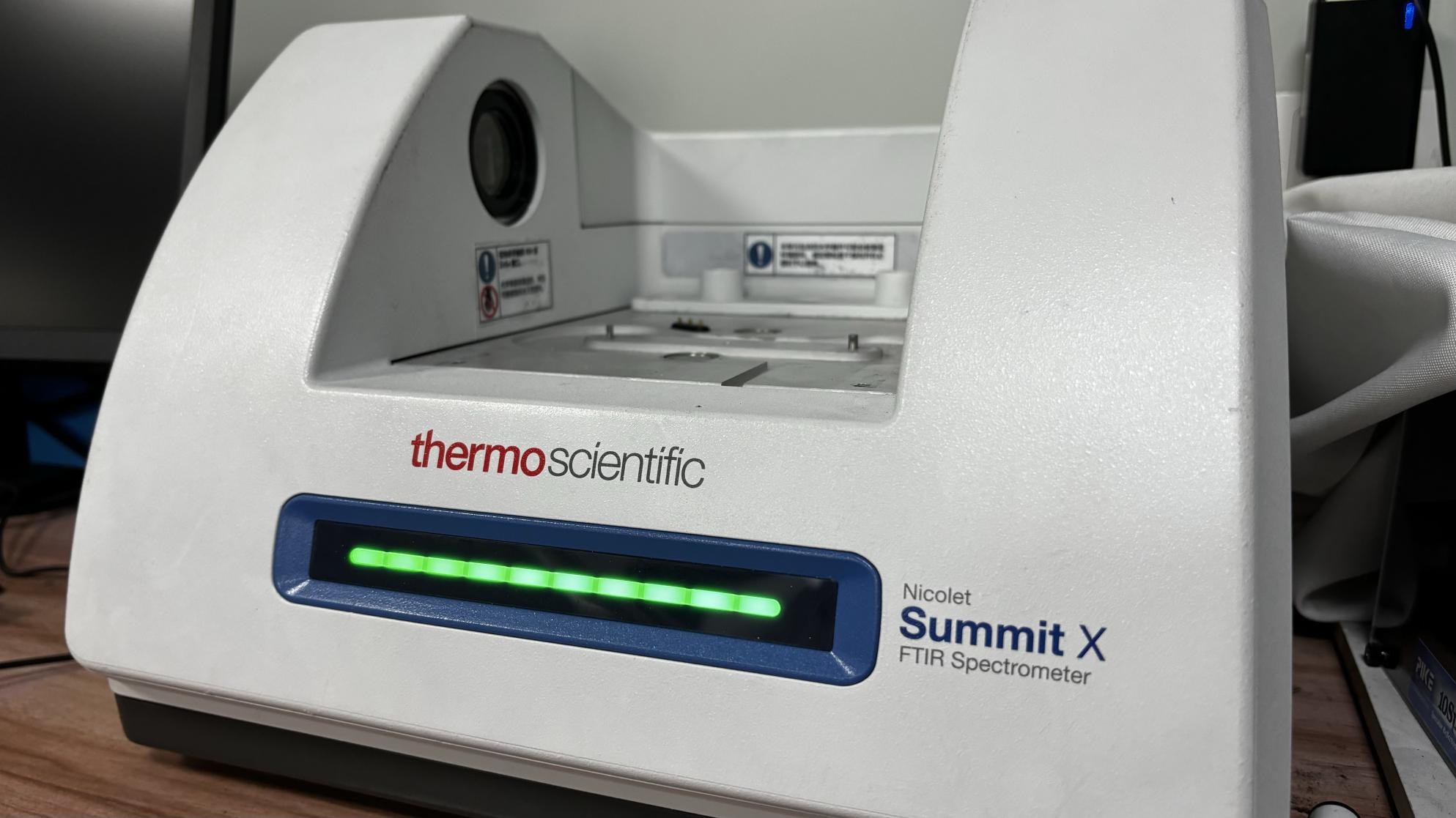
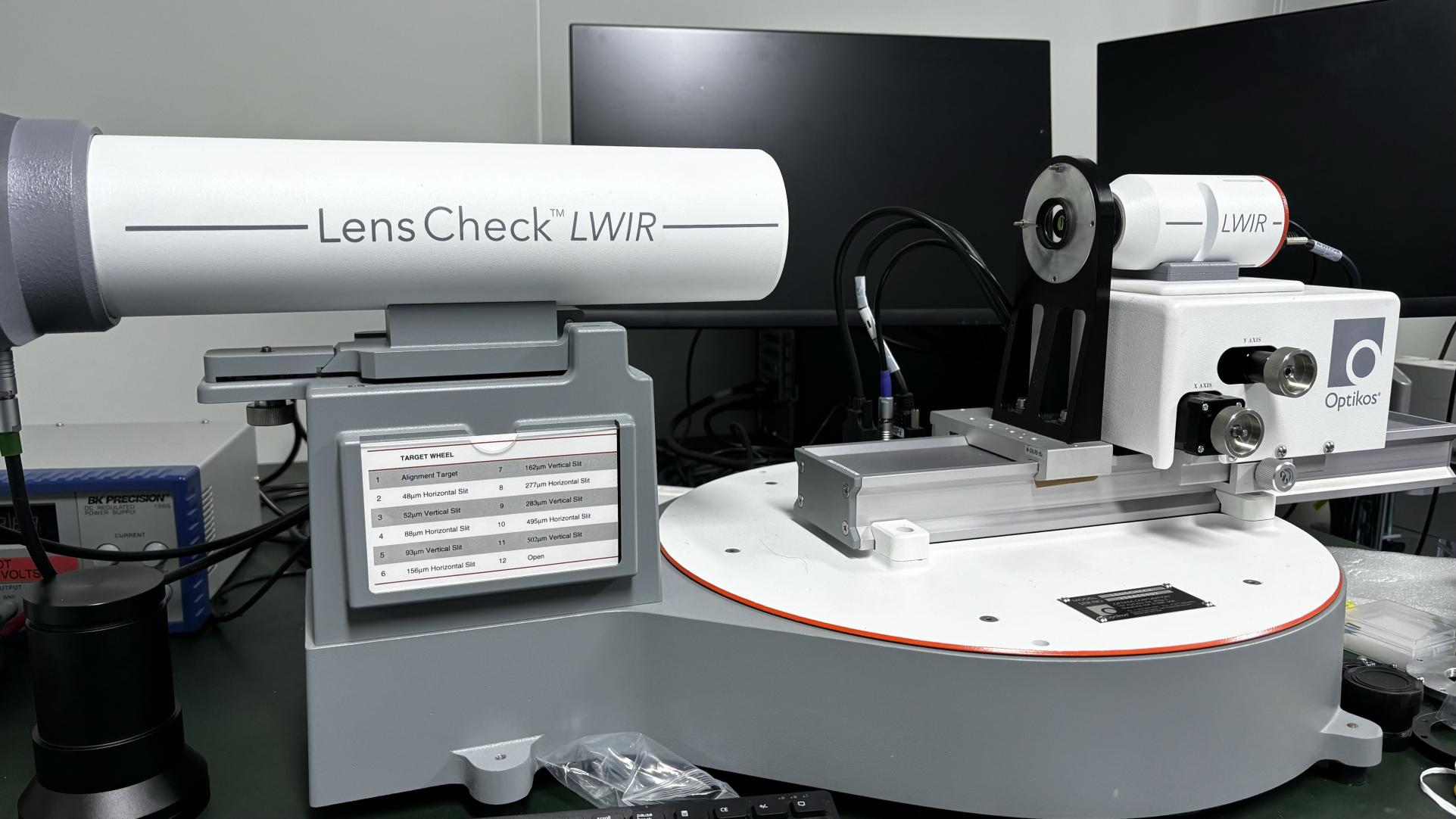
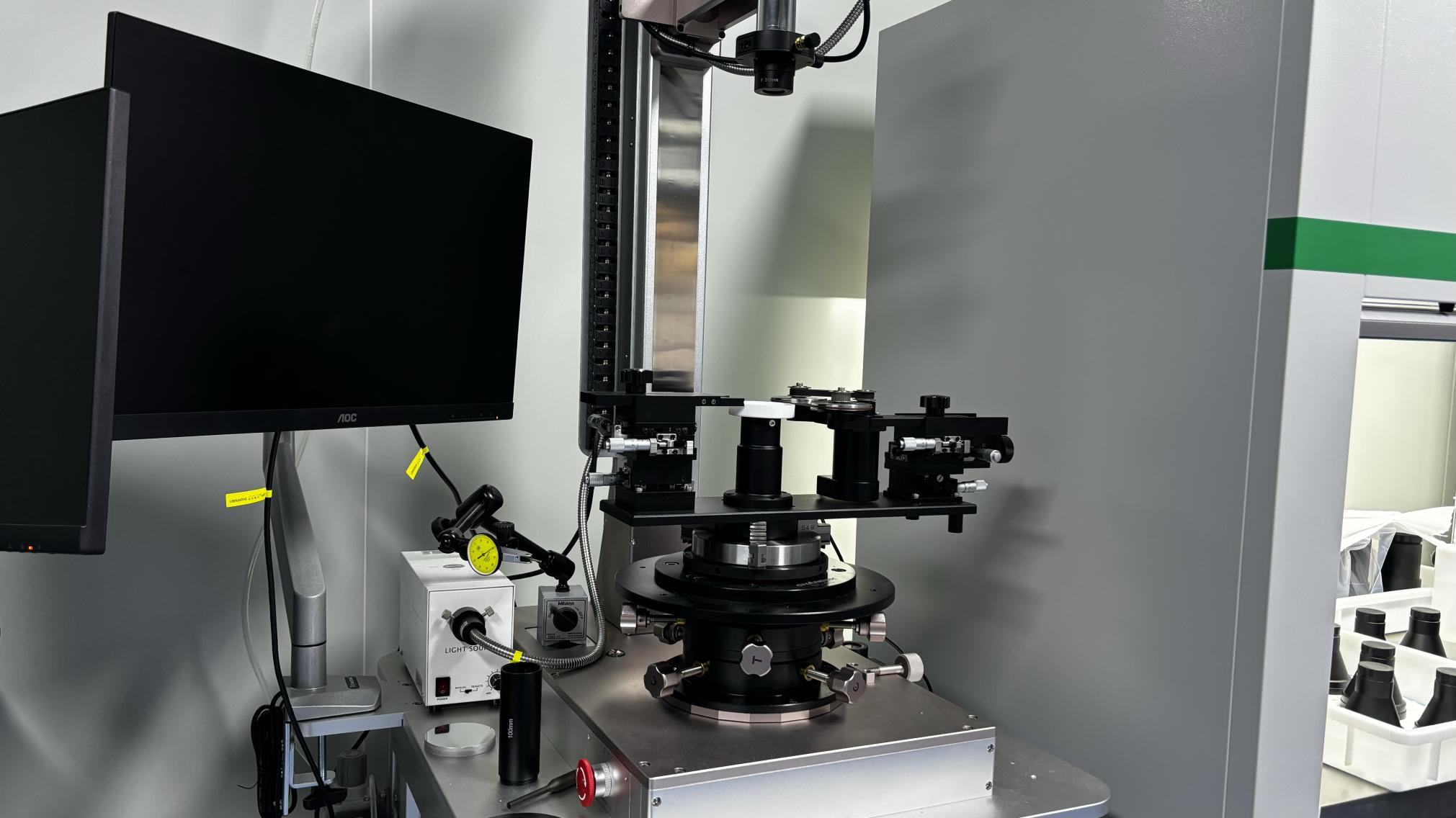
Procuring fiber optic patch cables and high-performance transceivers requires an understanding of structural and geometric metrics. Substandard fiber optic cables can cause high insertion loss, signal degradation, and downtime. Here are the critical technical benchmarks global sourcing managers must evaluate:
The performance of a fiber connection depends on the contact area of the mating connectors. FiddlLink utilizes 3D optical interferometers to measure three critical geometric parameters:
Insertion loss refers to the optical power lost when a connection is made. Return loss is the amount of light reflected back to the source. Under Telcordia GR-326-CORE standards, the requirements are:
| Polishing Grade | Typical Insertion Loss (IL) | Target Return Loss (RL) | Typical Application |
|---|---|---|---|
| PC (Physical Contact) | ≤ 0.30 dB | ≥ 40 dB | Legacy copper-to-fiber setups, low-demand LANs |
| UPC (Ultra Physical Contact) | ≤ 0.20 dB | ≥ 50 dB | Standard Enterprise LAN, Cloud computing nodes |
| APC (Angled Physical Contact - 8°) | ≤ 0.15 dB | ≥ 60 dB | FTTH networks, DWDM systems, High-frequency analog links |
Selecting the correct jacket material is critical for local building code compliance and human safety during a fire. Global buyers must specify:
The transition from 100G Ethernet platforms to 400G and 800G, and the planning for 1.6T systems, are driving developments in passive and active optical link technologies.
Standard duplex LC cords are reaching physical limits in high-density data center panels. MTP/MPO ribbon cables pack 8, 12, 16, 24, or even 72 fibers into a single connector interface, which reduces deployment times by up to 75%.
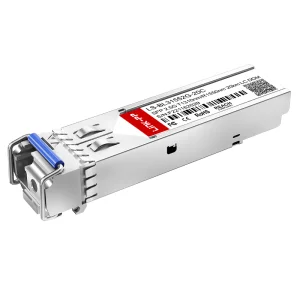
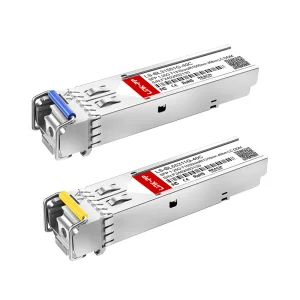
As single-mode transceiver modules become more cost-effective, data centers are shifting toward single-mode cabling systems. Coherent single-mode systems with integrated transceivers (such as the 40GBASE-ER4 40km QSFP+ and BiDi 1G/2.5G SFP transceivers) allow networks to bypass active repeaters over longer spans, which reduces latency and operational power costs.
To overcome the electrical performance limitations of copper traces on PCB motherboards, the industry is transitioning to silicon photonics and Co-Packaged Optics (CPO). This architecture brings the optical conversion engine directly to the switch ASIC. It replaces traditional copper channels with short, highly specialized fiber patch cables and fiber ribbons connected to the front plate.
How high-reliability fiber networks and compatible active components are configured across critical operational fields.
Modern leaf-spine architectures require high data rates and low latency. Utilizing multi-fiber MTP/MPO trunks paired with 10G/40G transceivers ensures high bandwidth across core distribution layers, minimizing packet drops and heat generation.
Telecom networks require component longevity of 20+ years. Employing single-mode BiDi SFP transceivers (such as 1310nm/1550nm duplex or simplex LC modules) doubles optical capacity over existing fiber routes, reducing capital expenditure on new optical installations.
Electromagnetic interference (EMI) is a major issue in industrial environments. Hardened optical components, such as Industrial 10GBASE-SR SFP+ transceivers and heavy-duty steel-armored fiber patch cables, provide galvanic isolation and run error-free adjacent to high-voltage equipment.
Key technical answers to simplify procurement workflows and support network architecture decisions.
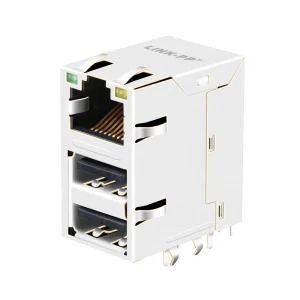
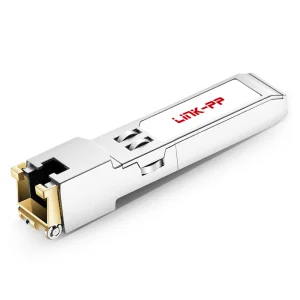
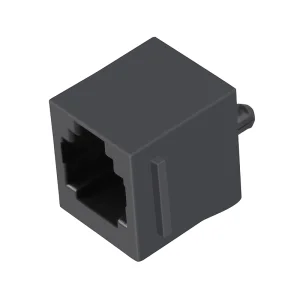
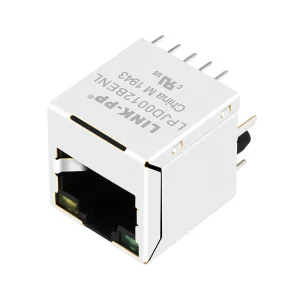
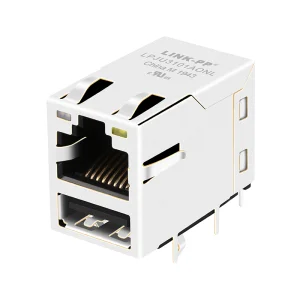
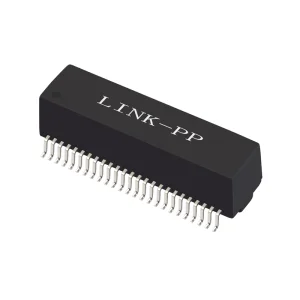
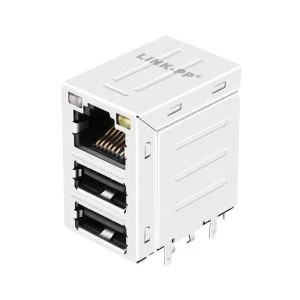
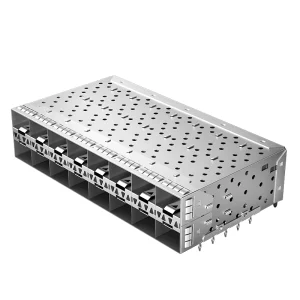
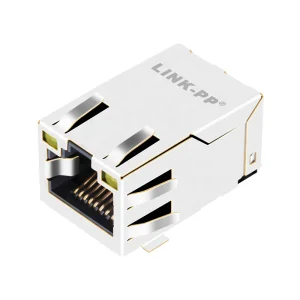
Explore our specialized RJ45 connectors, magnetics modular jacks, and high-frequency SFP cages designed for robust copper-to-fiber integration.