 FiddlLink
FiddlLink
FiddlLink
Explore our premium active optics and passive structural components designed to support switching nodes from 1G up to 100G bandwidth applications.
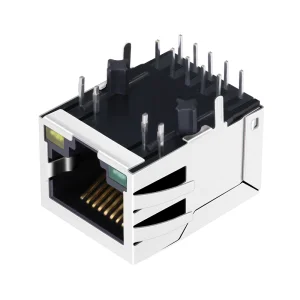
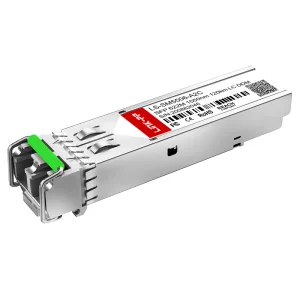
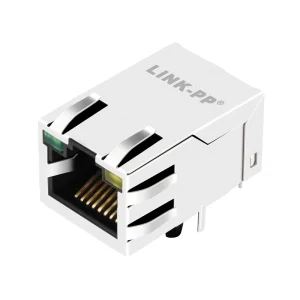
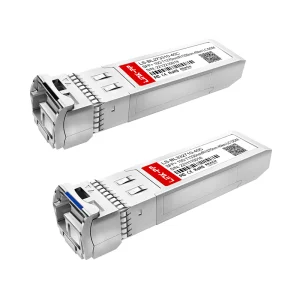
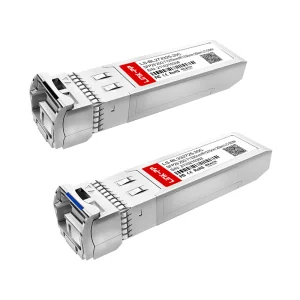
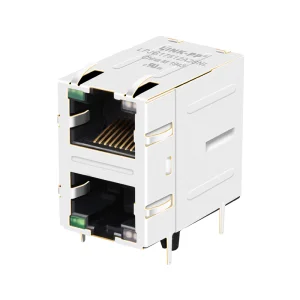
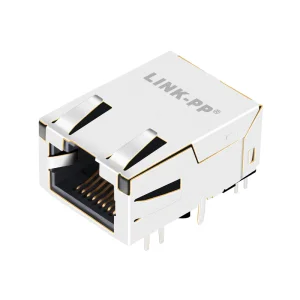
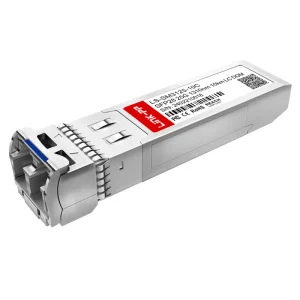
In modern high-speed enterprise networks, telecommunications networks, and cloud data centers, the performance of an Ethernet Switch is only as robust as its physical layer interconnect systems. While the internal switching ASIC processes gigabits or terabits of raw frame data per second, the physical transmission interfaces—ranging from SFP+ and QSFP28 optical modules to high-density, shielded RJ45 magnetic jack structures—serve as the gateways for network signals. Signal attenuation, return loss, and electromagnetic interference (EMI) at the physical port level can severely compromise the throughput of a high-performance network switch, leading to packet loss and high transmission latency.
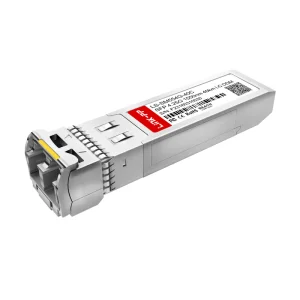
FiddlLink Optical Technology Co., Ltd. addresses this paradigm by manufacturing advanced Layer 1 optical and copper physical interfaces. Since 2016, we have specialized in engineering high-density modules that interface directly with the SFP/QSFP ports of enterprise switches. By producing components that integrate precise physical dimensioning, EMI shielding, and low optical insertion loss, we provide switch manufacturers and network system integrators globally with the reliable interface elements essential to execute high-volume data forwarding at scale.
How FiddlLink utilizes structural cost optimization, localized supply chain integration, and rigorous testing protocols to deliver elite-tier network solutions.
Located in the heart of China's optical and electronics manufacturing ecosystem, we leverage direct access to precision sub-component foundries, lowering transit lead times and ensuring competitive unit pricing for transceivers and modular jacks.
Supported by 42 dedicated quality assurance professionals, every SFP module and RJ45 assembly undergoes mandatory verification testing. This includes optical performance diagnostics, environmental stress testing, and physical layer analysis.
We provide full-spectrum firmware engineering, label customization, and architectural design alignment. With 126 expert R&D engineers, we adapt transceivers to comply with the proprietary code environments of key switch platforms.
The global networking landscape is undergoing rapid transformation, pushed forward by high-performance data processing demands such as Artificial Intelligence (AI) compute clusters, machine learning modeling, and high-frequency cloud architectures. These applications demand high packet-forwarding rates and zero bottlenecks at the switch interfaces. Three distinct industry vectors are reshaping active switch infrastructure and physical link components:
While 10G networks remain dominant within legacy installations, data centers are actively migrating access layers to 25G (SFP28) and network cores to 100G (QSFP28) or higher. Traditional Duplex multi-mode solutions are hitting distance thresholds, prompting infrastructure designers to adopt single-mode WDM (Wavelength Division Multiplexing) technologies like BiDi (Bidirectional) transceivers, which transmit over a single fiber strand using split wavelengths (e.g., 1270nm and 1330nm). This saves physical fiber infrastructure and simplifies cable layouts inside modern equipment closets.
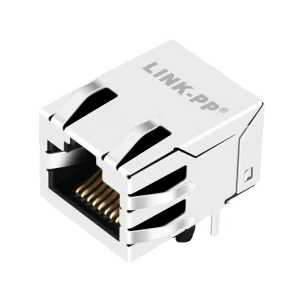
As switch chassis are configured to support 48 to 96 ports within a single 1RU server rack mount, modular connectors like the RJ45 and optical interfaces are engineered with minimal low-profile physical dimensions. Components like the Right Angle Low Profile RJ45 Modular Jack (HR871182C) are inverted and compressed to fit within constrained PCB layouts, preventing mechanical interference while retaining integrated status LEDs and robust internal spring contacts.
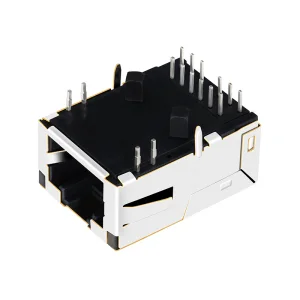
Operating data switches at 10Gbps or 25Gbps over copper lines creates significant high-frequency noise. Multi-port shielded RJ45 jack arrays (such as the 2*8 Port Shielded 16-Port RJ45 Connectors) are engineered with integrated metallic grounding tabs and shielding panels to isolate individual ports from internal crosstalk, preventing electromagnetic emissions from degrading transmission efficiency.
A detailed view of the engineering systems, testing equipment, and process control platforms utilized in FiddlLink's manufacturing line to ensure total product integrity.

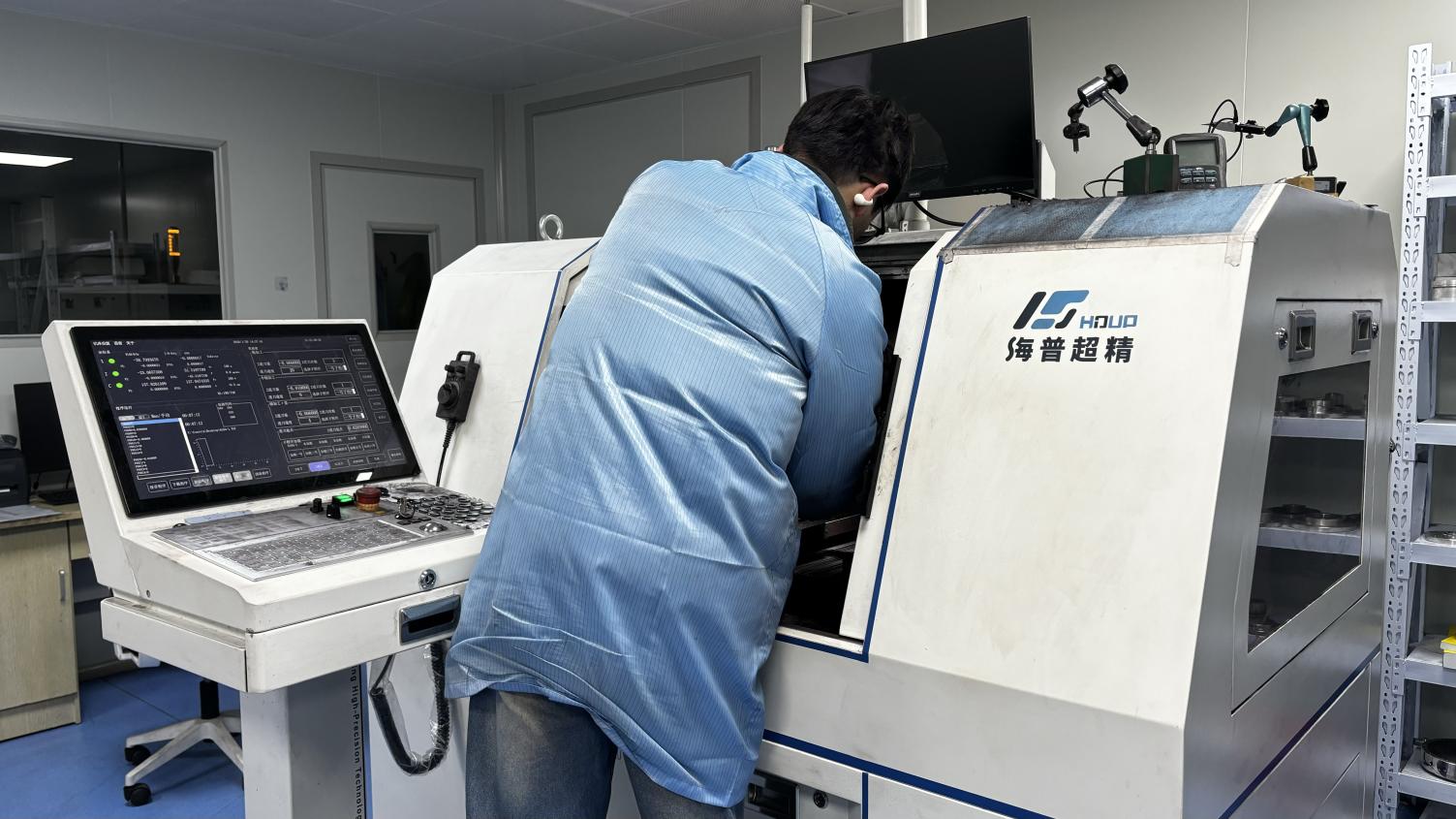
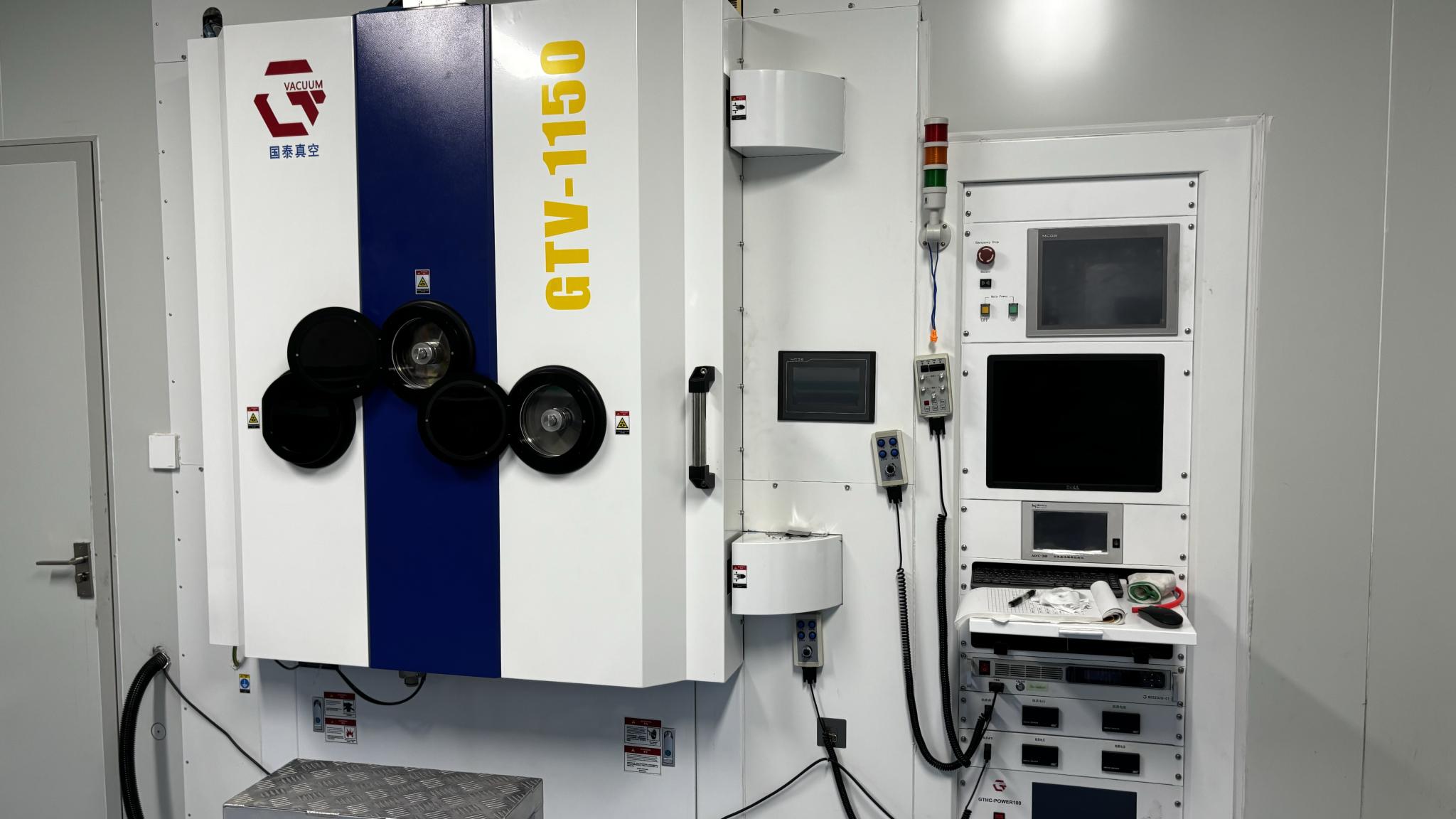
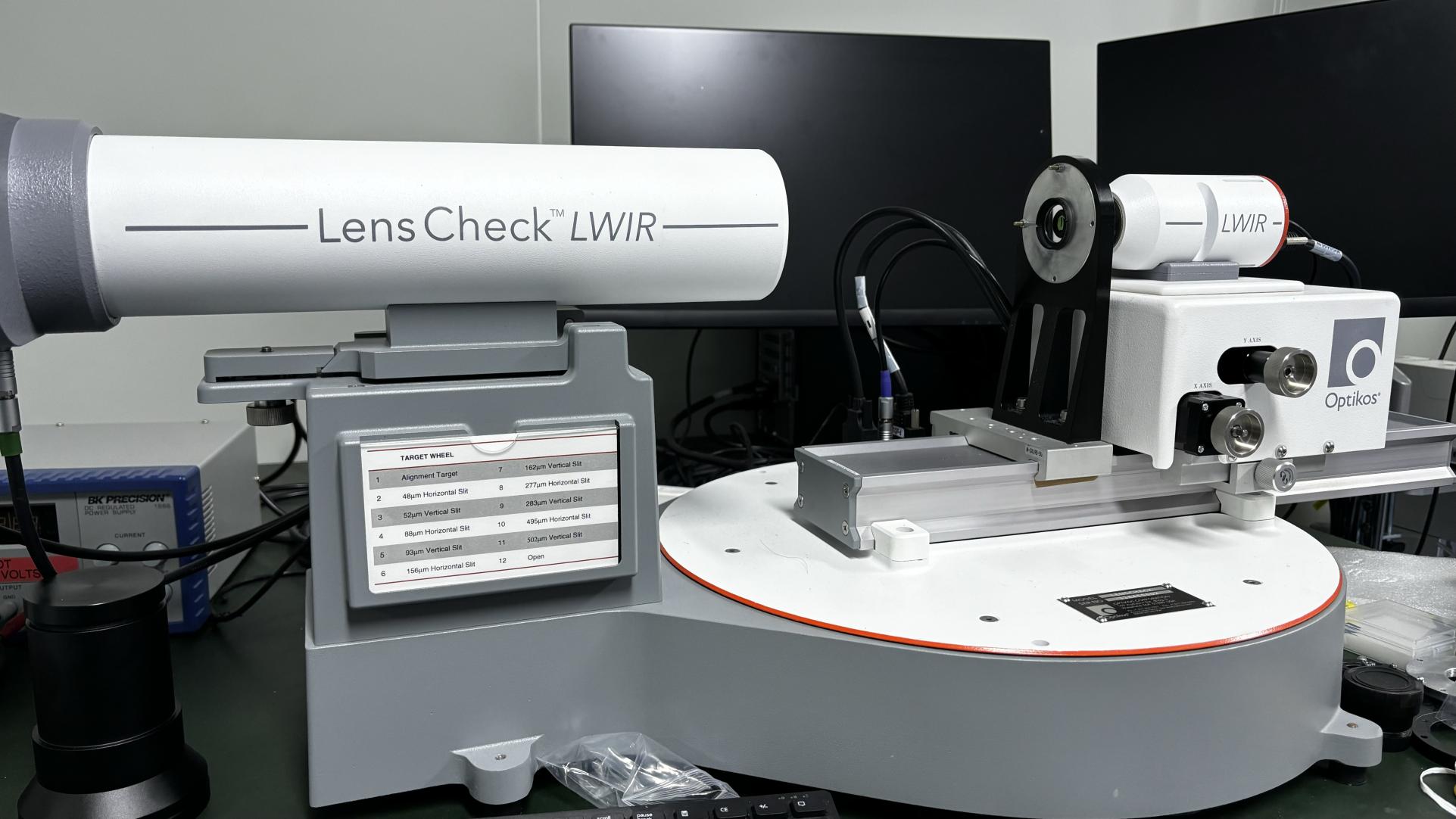
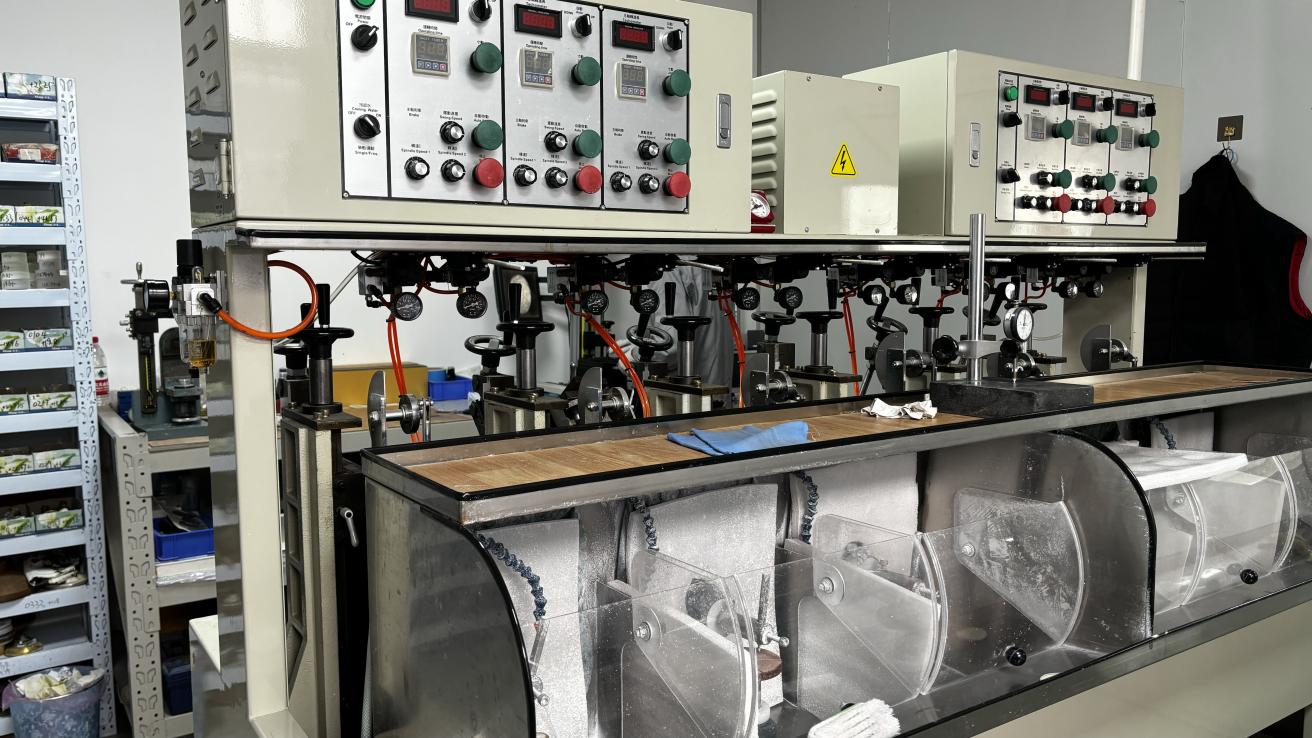
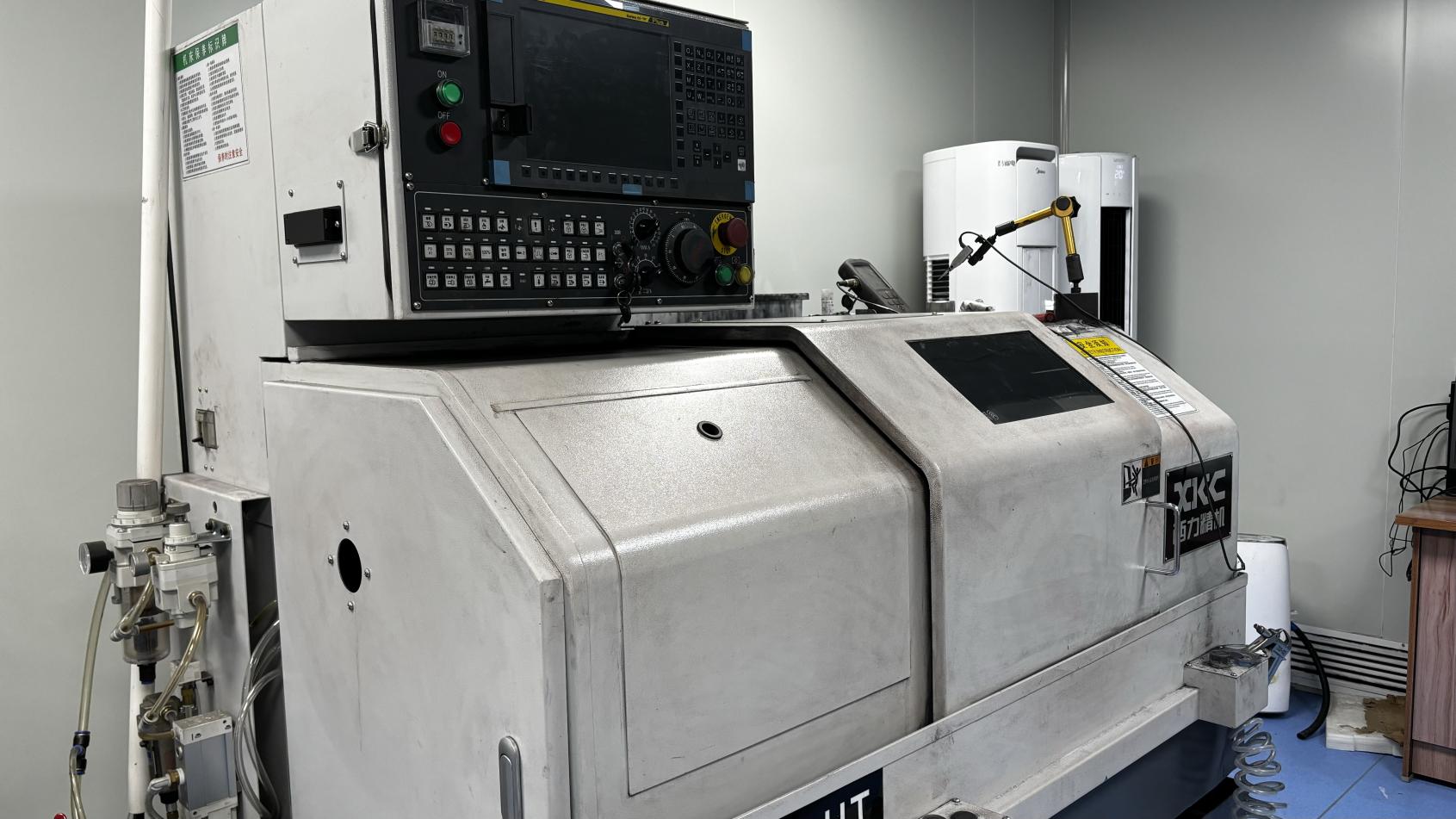
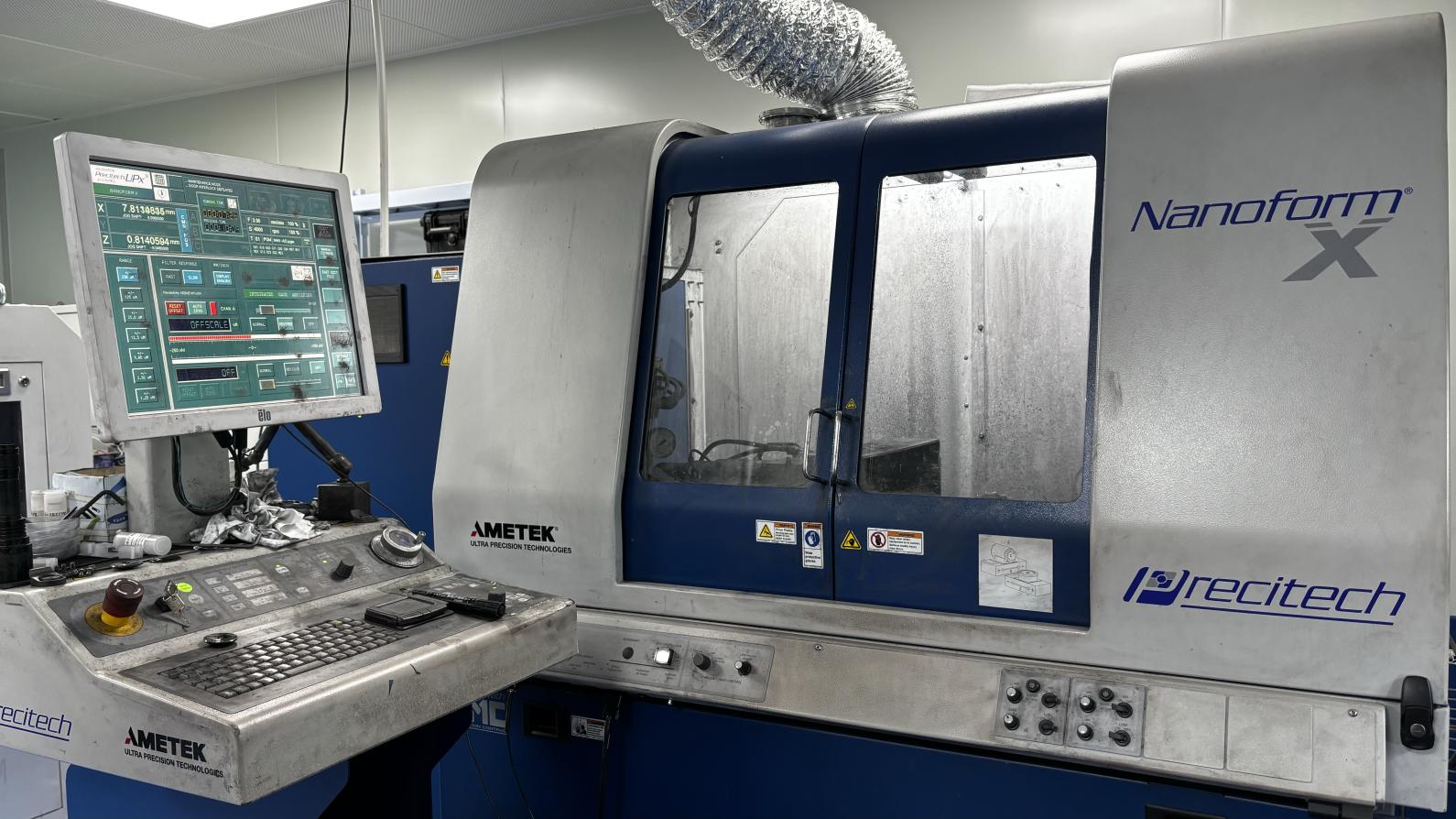
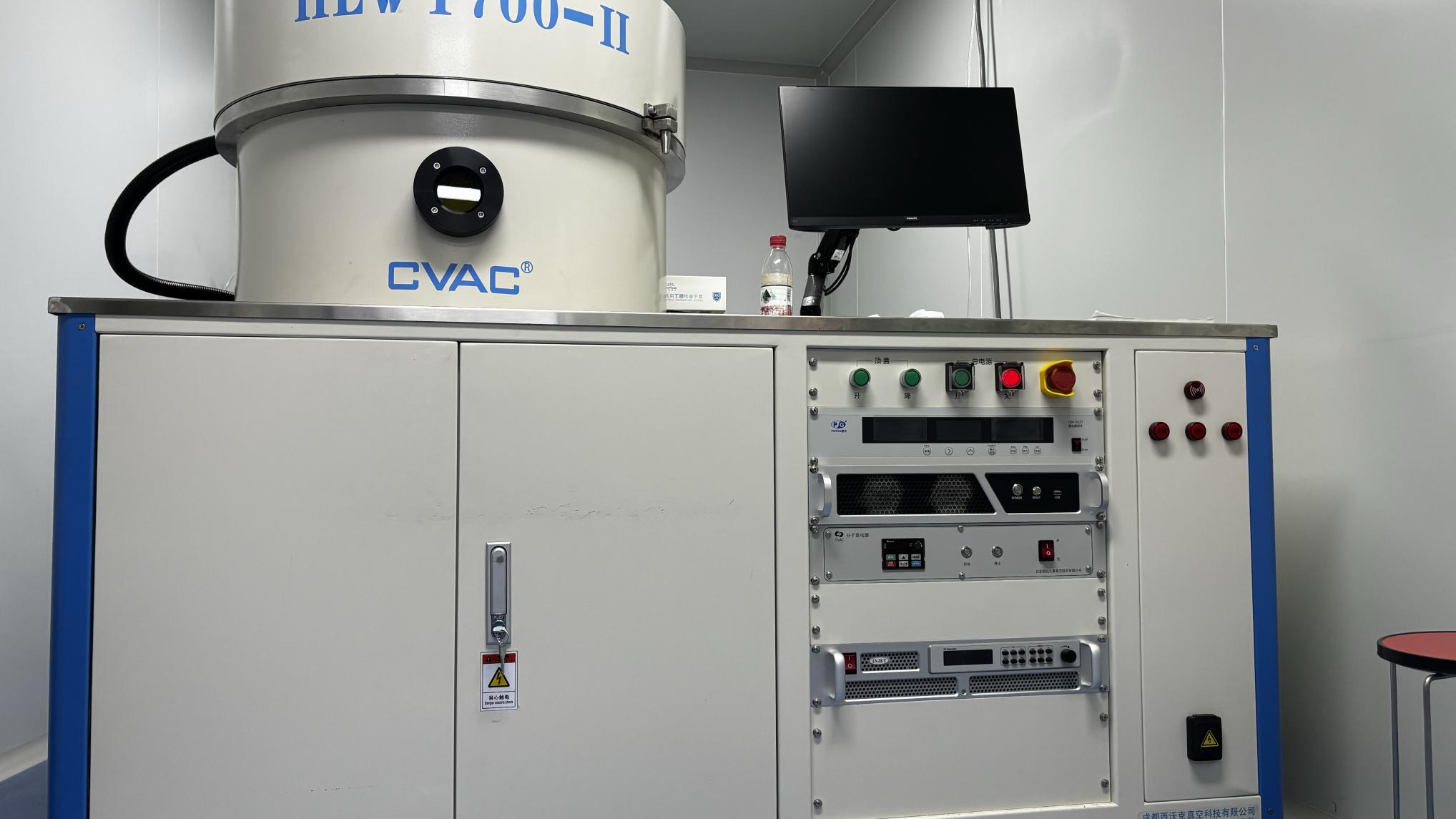
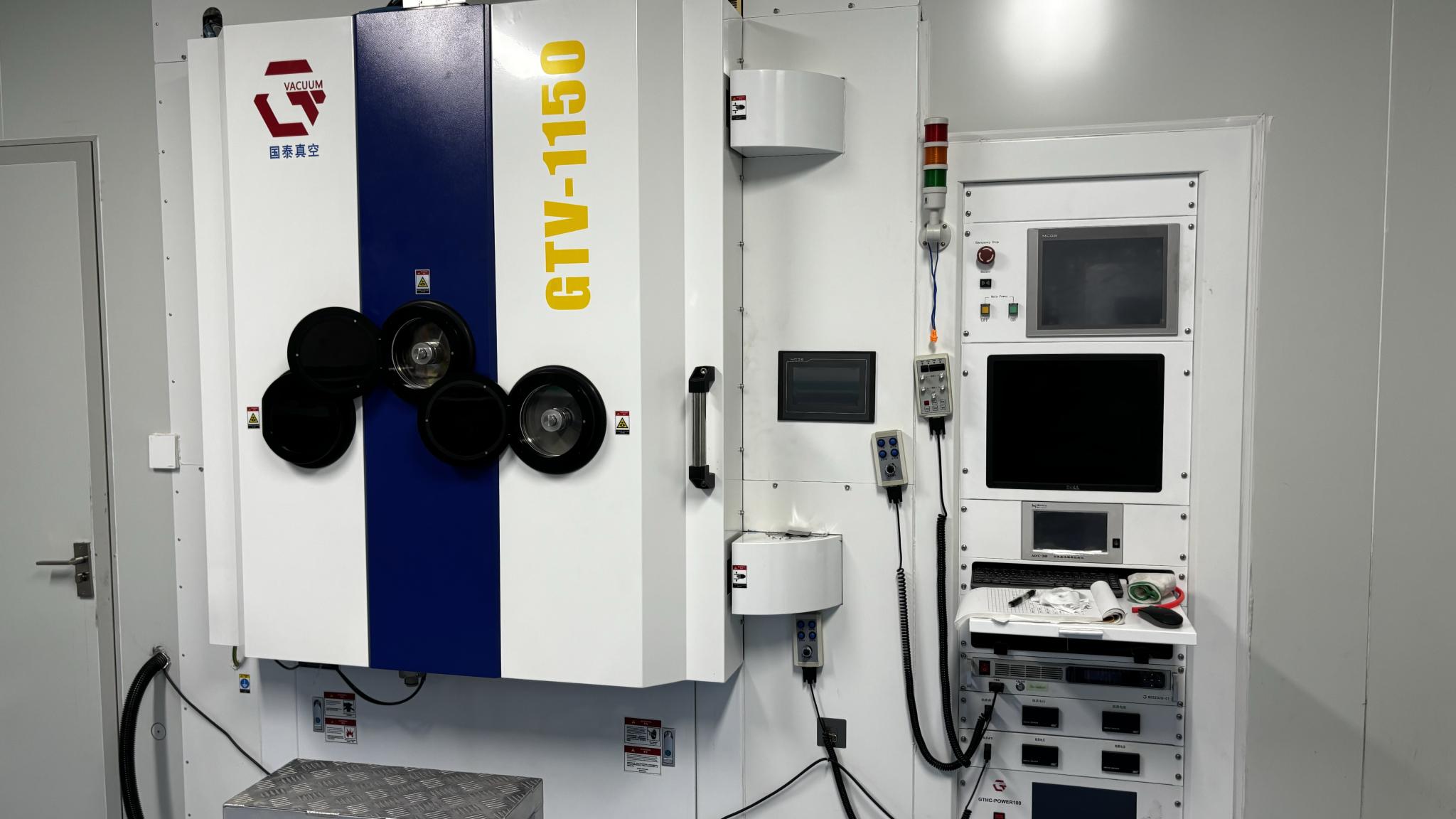

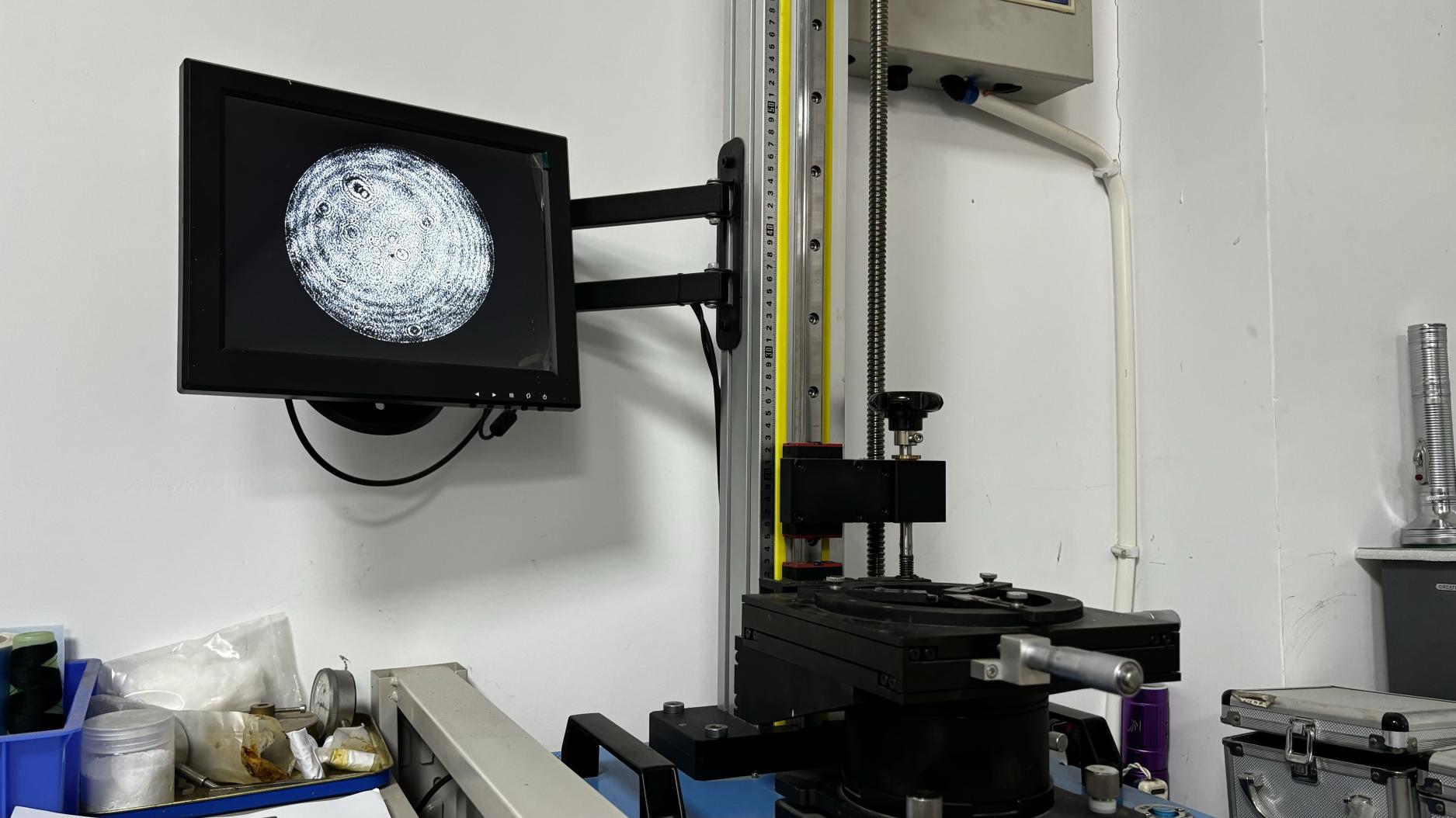
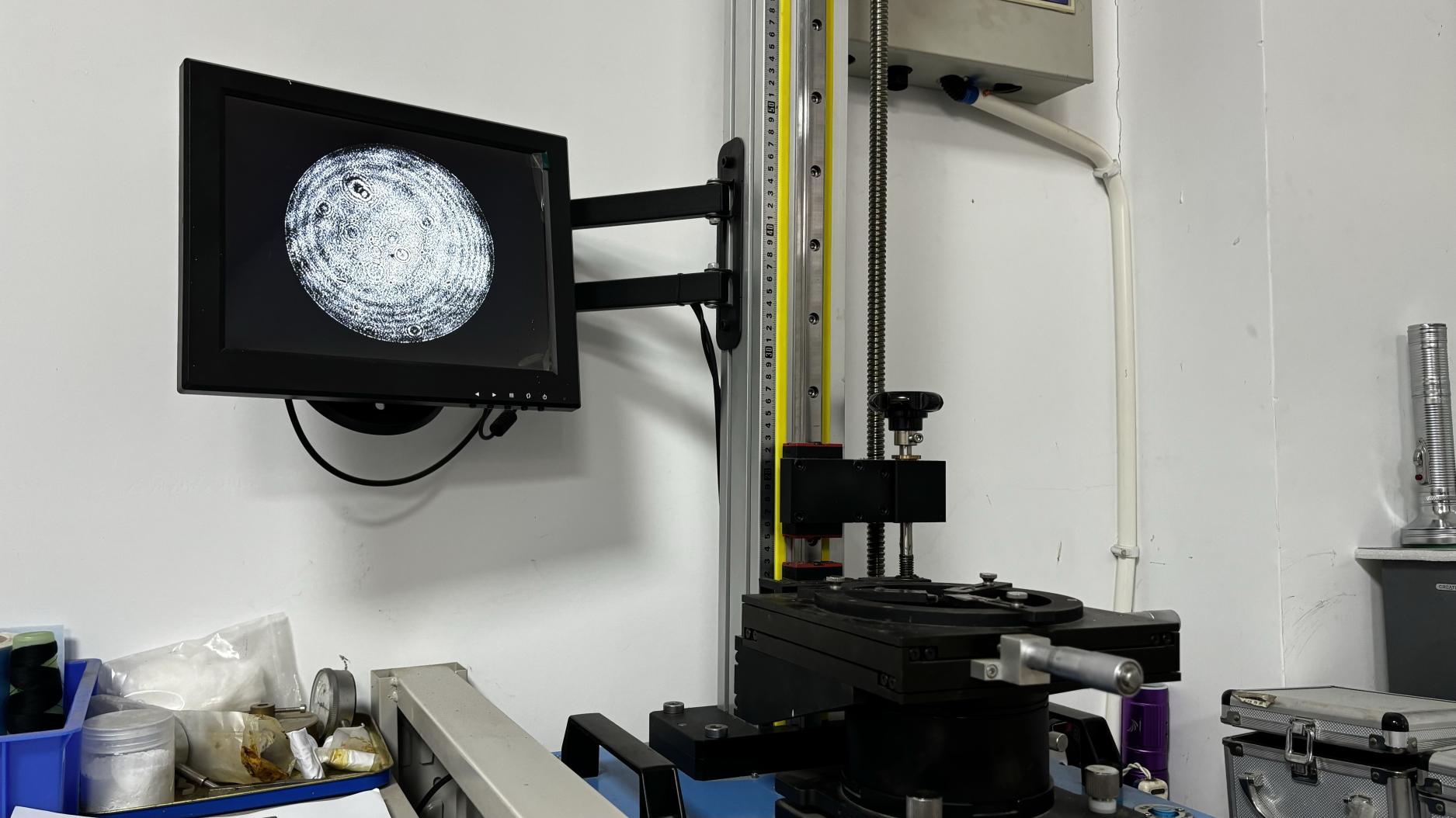
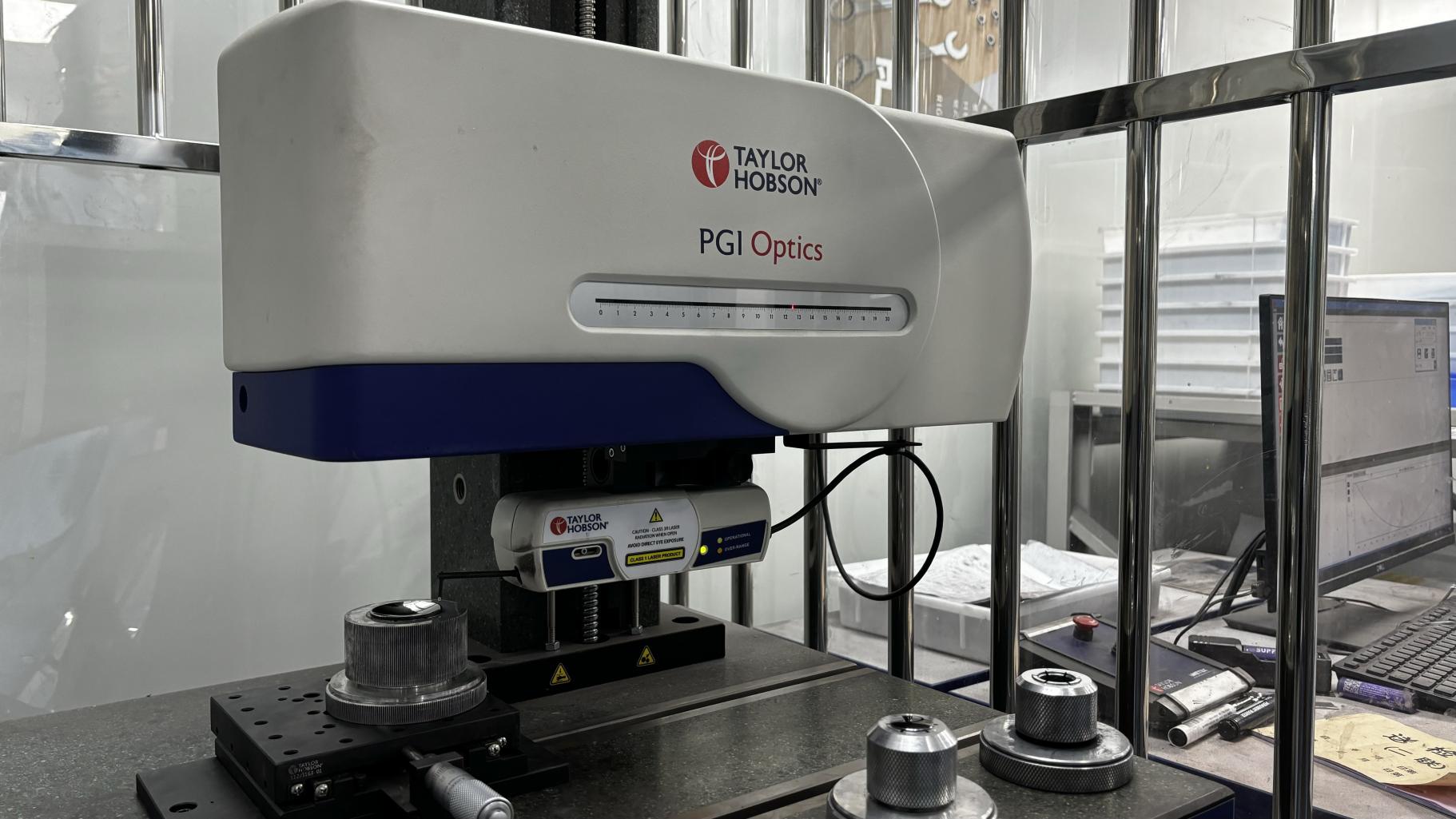

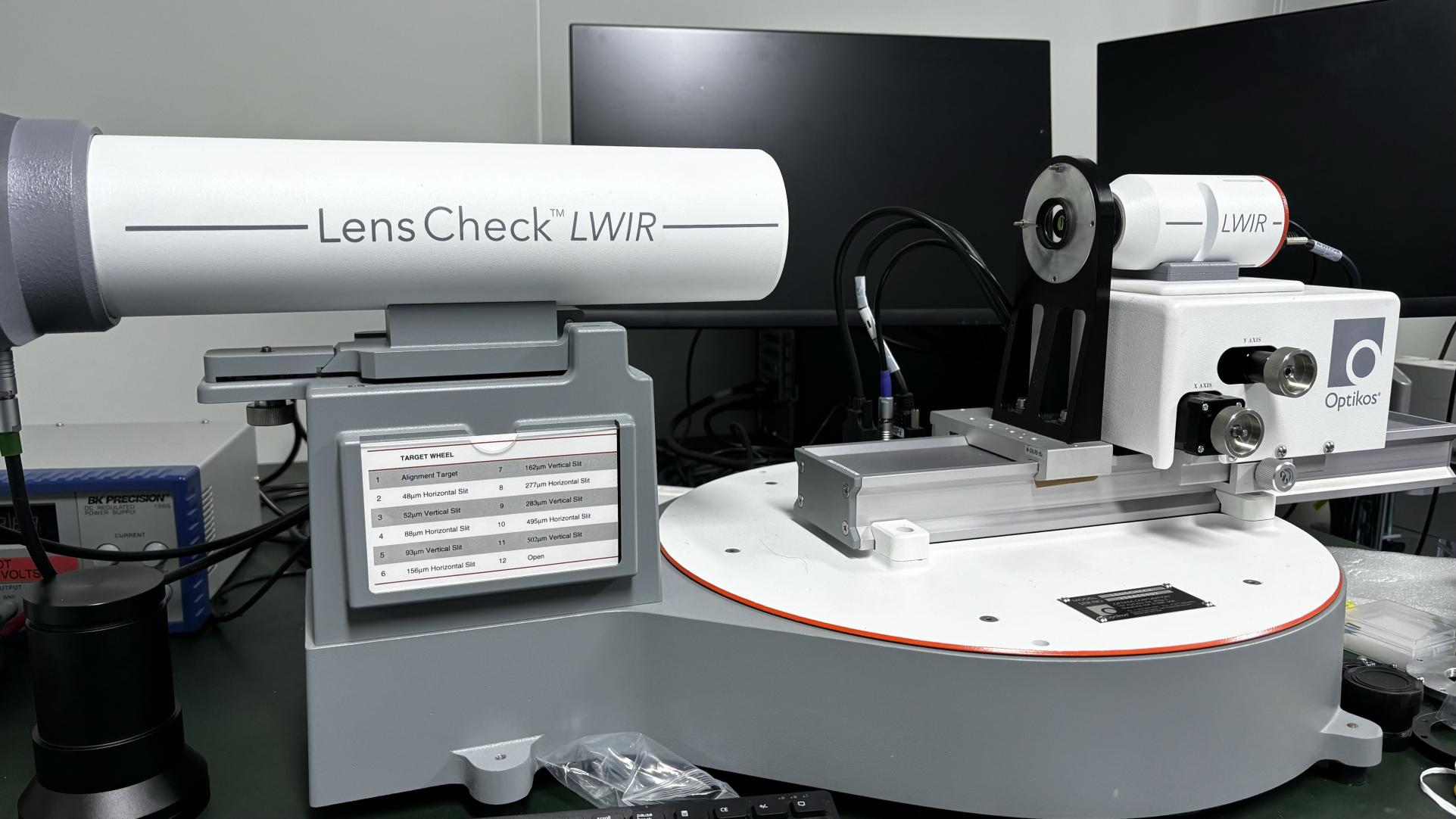
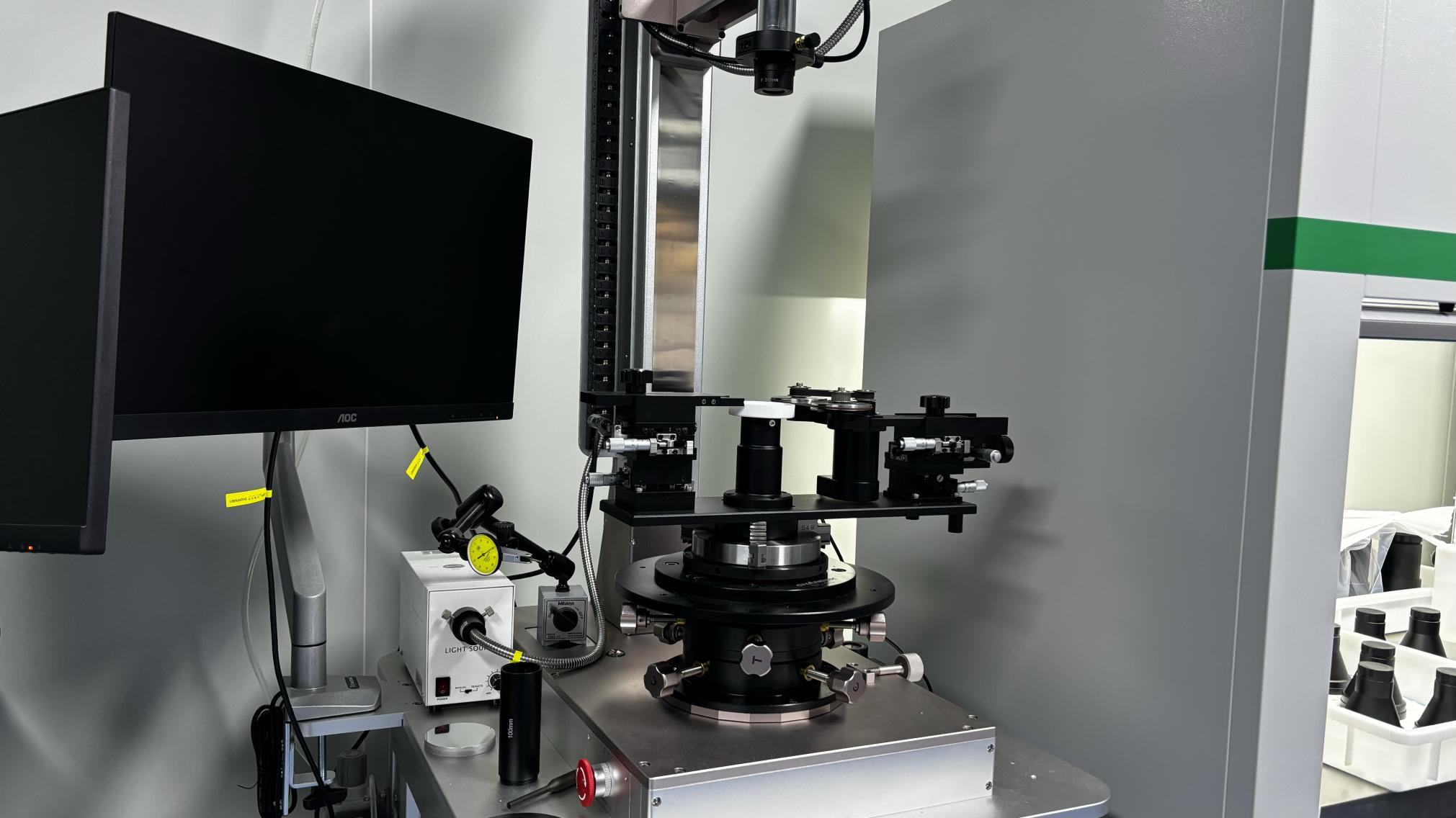
Our systems integrate into mission-critical networking frameworks across the globe.
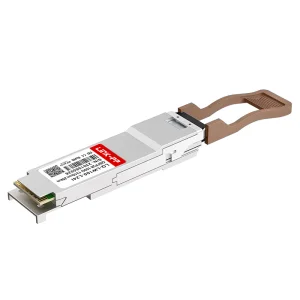
Deployment of QSFP28 100G and dual-rate 10G/25G transceivers within high-density switch-to-switch fabric interfaces. Direct support for top-of-rack (ToR) network infrastructures, managing complex packet flows and supporting multi-rate configurations.
Long-haul single-mode SFP transceivers (up to 120km at 1550nm) deployed at central office optical line terminals (OLT) to deliver carrier services directly to rural and urban networks with minimal inline signal loss.
Engineered, waterproof RJ45 connector arrays and low-profile magnetic jacks integrated into ruggedized industrial switches, preventing dust, humidity, and vibration from disconnecting the local area networks.
Get answers to core technical questions concerning compatibility, physical specifications, and network architecture integration.
Complete your deployment specifications with our modular shielded jacks, high-frequency SFP+ plugs, and transceiver systems.
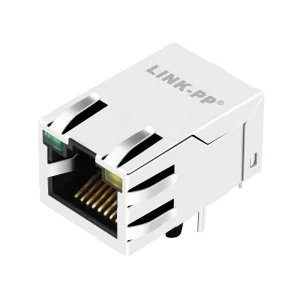
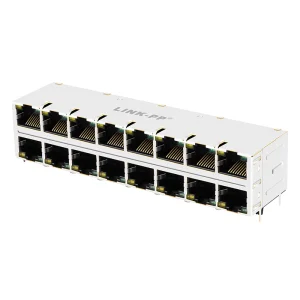
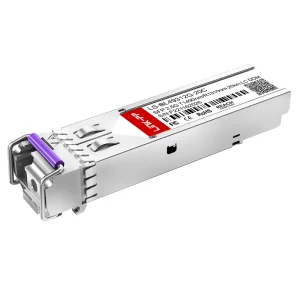
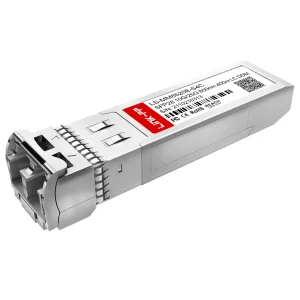
FiddlLink Optical Technology Co., Ltd. serves a diverse enterprise client base, including telecommunications operators, cloud service providers, large-scale systems integrators, and OEM partners worldwide. Backed by stable manufacturing processes, direct compliance certifications, and reliable support, we facilitate the construction of efficient, future-proof network infrastructures.