FiddlLink FiddlLink

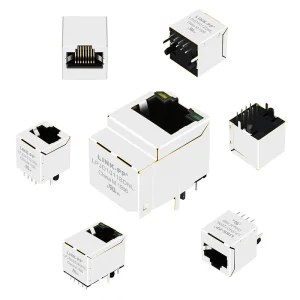
OEM/ODM RJ45 Network Hub Factories & Suppliers

High-Density Ethernet Solutions & Custom Interconnect Engineering for Next-Gen Telecom infrastructure

The Global Commercial & Industrial Status of RJ45 Network Connectors

In modern enterprise and industrial connectivity, the RJ45 physical layer interface remains the cornerstone of local area networking (LAN) and industrial ethernet deployment. While optical transport dominates wide-area networks (WAN) and hyper-scale data center backbones, RJ45 copper interfaces continue to hold an impregnable position in edge networking, power-over-ethernet (PoE) installations, and device-level connectivity. According to market research, the global industrial ethernet market is expanding at a CAGR of over 10%, driven by the integration of IoT sensors, industrial automated machinery, and enterprise infrastructure upgrades to Cat6A and Cat8 parameters.

The demand for RJ45 connectors has shifted from basic, unshielded configurations to highly specialized components. Modern smart factories, edge compute cabinets, and outdoor infrastructure installations present demanding environments where EMI (electromagnetic interference) shielding, internal magnetics (integrated RJ45 connectors or Magjacks), and weatherproofing (IP67/IP68 protection ratings) are mandatory. Industrial applications require consistent impedance control, cross-talk reduction, and high vibration tolerance to maintain packet transmission integrity across long structural runs.

Why Physical Layer Standards Matter

IEEE 802.3 standards govern Ethernet transmission rates, power levels, and physical configurations. As copper infrastructure scales to support 2.5GBASE-T, 5GBASE-T, and 10GBASE-T networks, connectors must exhibit tighter tolerances, optimized gold-plating thickness on contacts, and robust shielding tabs to mitigate electromagnetic cross-talk.

Leveraging the Efficiency of Chinese OEM/ODM Manufacturing

China has solidified its position as the global hub for high-precision connector molding, assembly, and optical-electric supply chain integration. The rapid scaling of telecommunications equipment relies heavily on factories situated in industrial cluster zones like Guangdong and Zhejiang, which provide unmatched supply chain agility. FiddlLink Optical Technology Co., Ltd. demonstrates these manufacturing benefits through a highly consolidated supply chain and automated production workflow.

FiddlLink has optimized the traditional manufacturing lifecycle to offer substantial value to international buyers:

  • Highly Developed Material Clusters: Access to high-grade phosphor bronze, localized copper extrusion factories, and polymer molding suppliers reduces component lead times.
  • Scalable Automation: Incorporating high-speed stamping, automated terminal insertion, and inline automatic optical inspection (AOI) guarantees dimensional consistency across high-volume production runs.
  • Integrated Testing Capabilities: By utilizing advanced testing equipment (such as interferometers, profilometers, and MTF transmittance meters), FiddlLink ensures that both optical transceivers and copper RJ45 modular jacks meet strict international standards before shipment.
  • Flexible Customization: In-house engineering teams allow clients to customize SMT connector footprints, pinouts, LEDs (such as Yellow/Green configurations), and tab alignments to match proprietary PCB designs.
12+
Years Industry Exp.
126
R&D Engineers
186
New Products/Year
$18M
Export Revenue

Localized Application Scenarios & Engineering Requirements

Industrial and enterprise connectivity relies on matching the right component specification to the corresponding deployment environment. A failure to select appropriate connector shielding or waterproofing standards in harsh conditions can lead to packet losses, impedance shifts, and premature network outages.

Hyper-Scale Data Centers
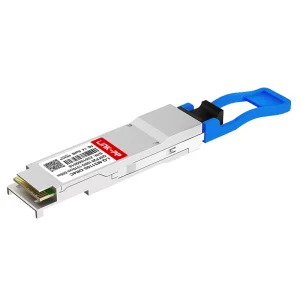
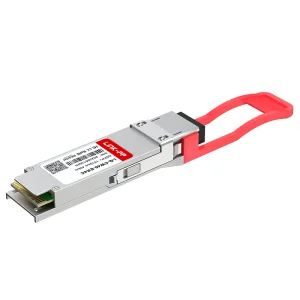
High-density optical transceivers (like the 100GBASE-PSM4 QSFP28 or 40GBASE-ER4) are deployed alongside multi-port RJ45 connectors in top-of-rack (ToR) switches to ensure optimal performance.
Industrial Automation
Requires EMI-shielded, vibration-proof modular jacks with integrated magnetics to isolate circuits and protect PLCs from electrical transients.
Smart Cities & IoT
Uses IP67/IP68 waterproof RJ45 modular jacks for outdoor security cameras, smart lighting, and cellular small-cell nodes to resist moisture.

Industry Trends: The Evolution of Copper and Optical Convergence

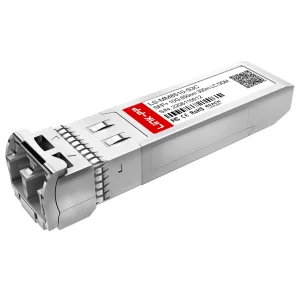
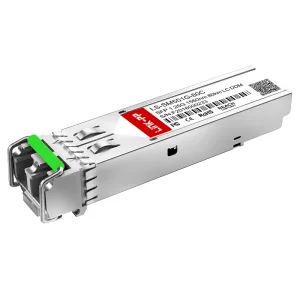
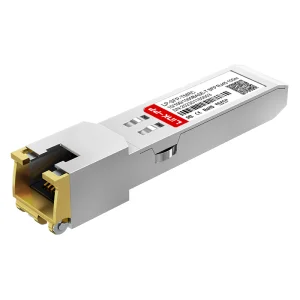
The ongoing convergence of optical fiber and copper networks dictates the design of next-generation hub systems. While backbone transport links rely on high-bandwidth optical transceivers, copper remains the standard for local client and peripheral connection. Consequently, manufacturers are developing integrated hybrid systems. SFP and SFP+ copper transceivers bridge this gap by converting fiber ports into standard RJ45 copper connections (such as the MikroTik S-RJ01 compatible modules).

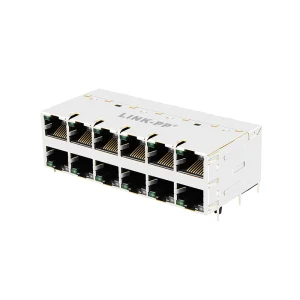
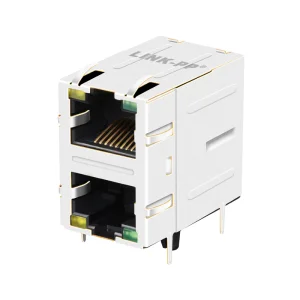
Another notable industry trend is the adoption of integrated Magnetics within RJ45 Jacks. By mounting filtering components directly within the metal shield cage of the RJ45 port, engineers save board space, reduce noise coupling, and improve the reliability of the PHY layer interface.

Connector & Module Type Common Standard Ideal Application EMI Protection Type
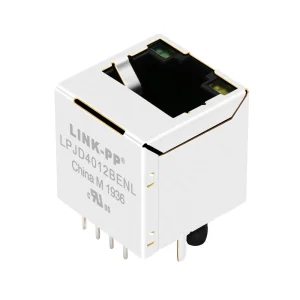
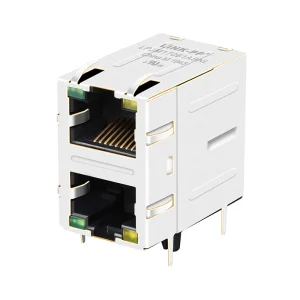
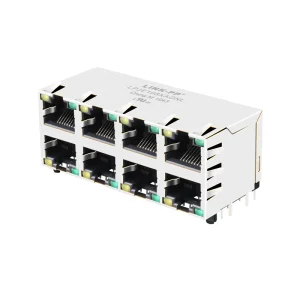
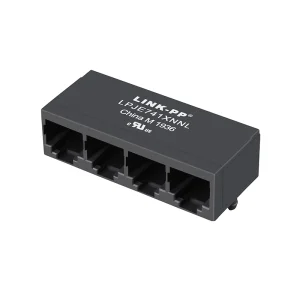
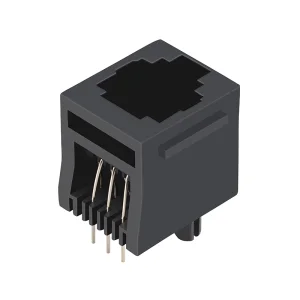
RJ45 2x4 Stacked (Without Magnetics) Cat5e/Cat6 Commercial Switches, Multi-Port Routers Unshielded / Optional Metal Shield
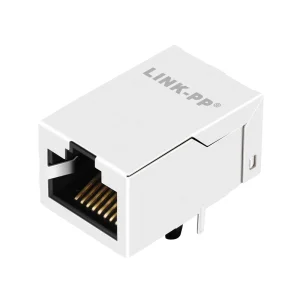
RJ45 with Integrated Magnetics (10/100/1000M) Cat6 / IEEE 802.3ab Industrial PLCs, IPCs, Medical Electronics Full Metal Shell with Grounding Tabs
Waterproof RJ45 Keystone Jack Cat6a / IP68 Rating Outdoor Telecom, IP Cameras, Marine Systems Double-shielded IP-sealed Housing
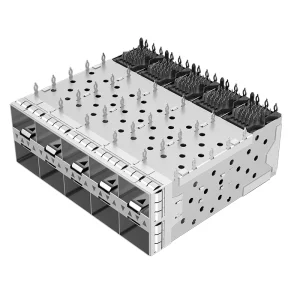
Copper SFP Transceiver (RJ45 Interface) 1000BASE-T / SFP MSA Fiber Switch Expansion, Hybrid Networks Integrated Zinc Alloy Housing

Strategic Sourcing & Procurement: Crucial Technical Checks

Global procurement teams sourcing RJ45 connectors, SFP cages, and transceiver modules must look beyond pricing to verify the manufacturer's credentials, testing equipment, and capacity. FiddlLink Optical Technology Co., Ltd. addresses these requirements by operating under a robust ISO-compliant framework with a specialized research and development division.

To ensure stable network performance, sourcing managers should evaluate the following criteria:

  • Gold Plating Thickness: High-reliability applications require contact pins with at least 30u" to 50u" gold plating to prevent degradation from corrosion and insertion wear over time.
  • Impedance Match Testing: Visualizing electrical characteristics using Time Domain Reflectometry (TDR) verifies impedance tolerances and signal integrity.
  • Mechanical Assembly Verification: Ensuring mechanical dimensions align using profilometers helps prevent PCB fitting issues during automated SMT placement.
  • Optical Coherence and Surface Quality: Using 3D interferometers for optical transceivers and SFP interfaces ensures that terminal faces match perfectly, minimizing return losses.

Advanced Precision Manufacturing & Quality Control

A look into our production facilities and testing protocols. Every batch undergoes rigorous inspection to ensure consistent performance.
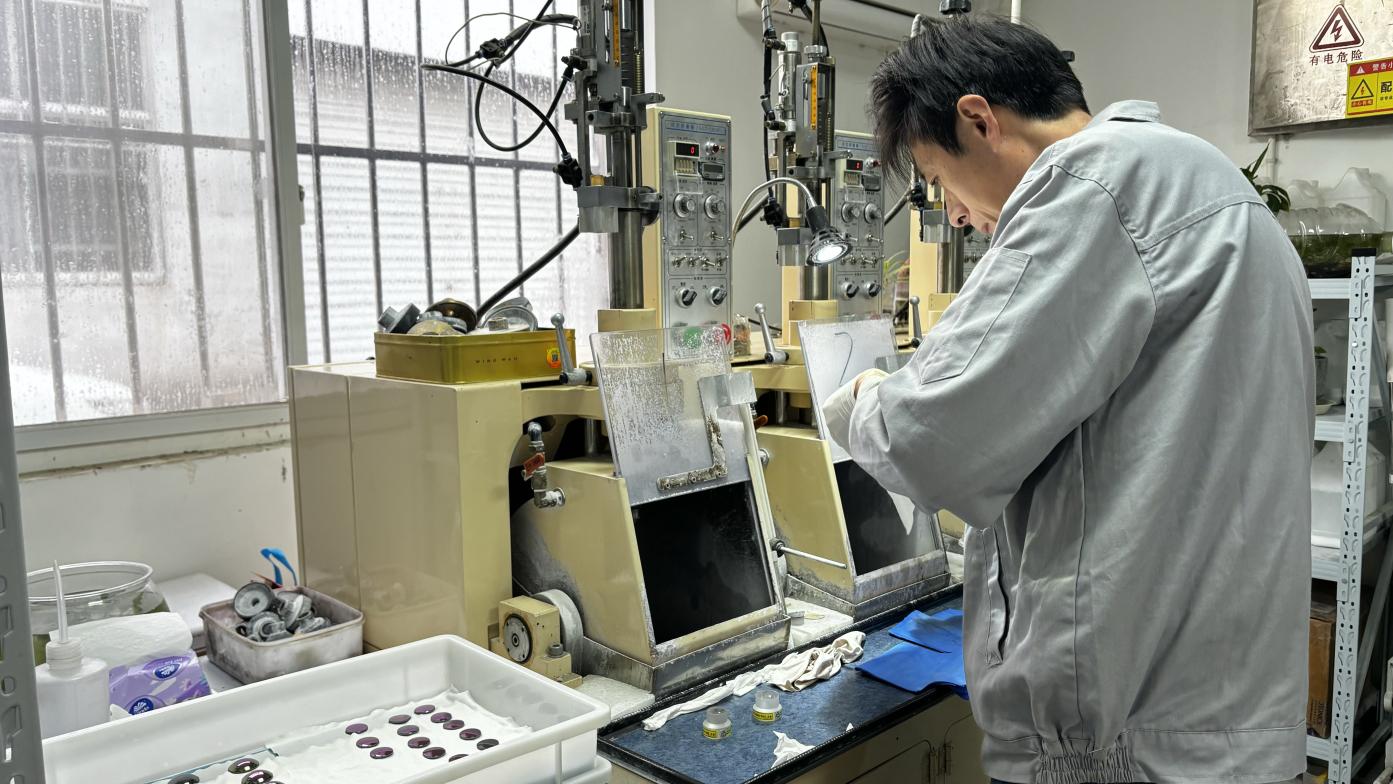
Spherical Polishing and Quality Detection
Spherical Polishing & Detection
High-precision fiber polishing to control spherical geometry and minimize insertion losses.
Aspheric Surface Polishing Process
Aspheric Surface Polishing
Ensuring accurate alignment profiles on optical surfaces to optimize signal transmission.
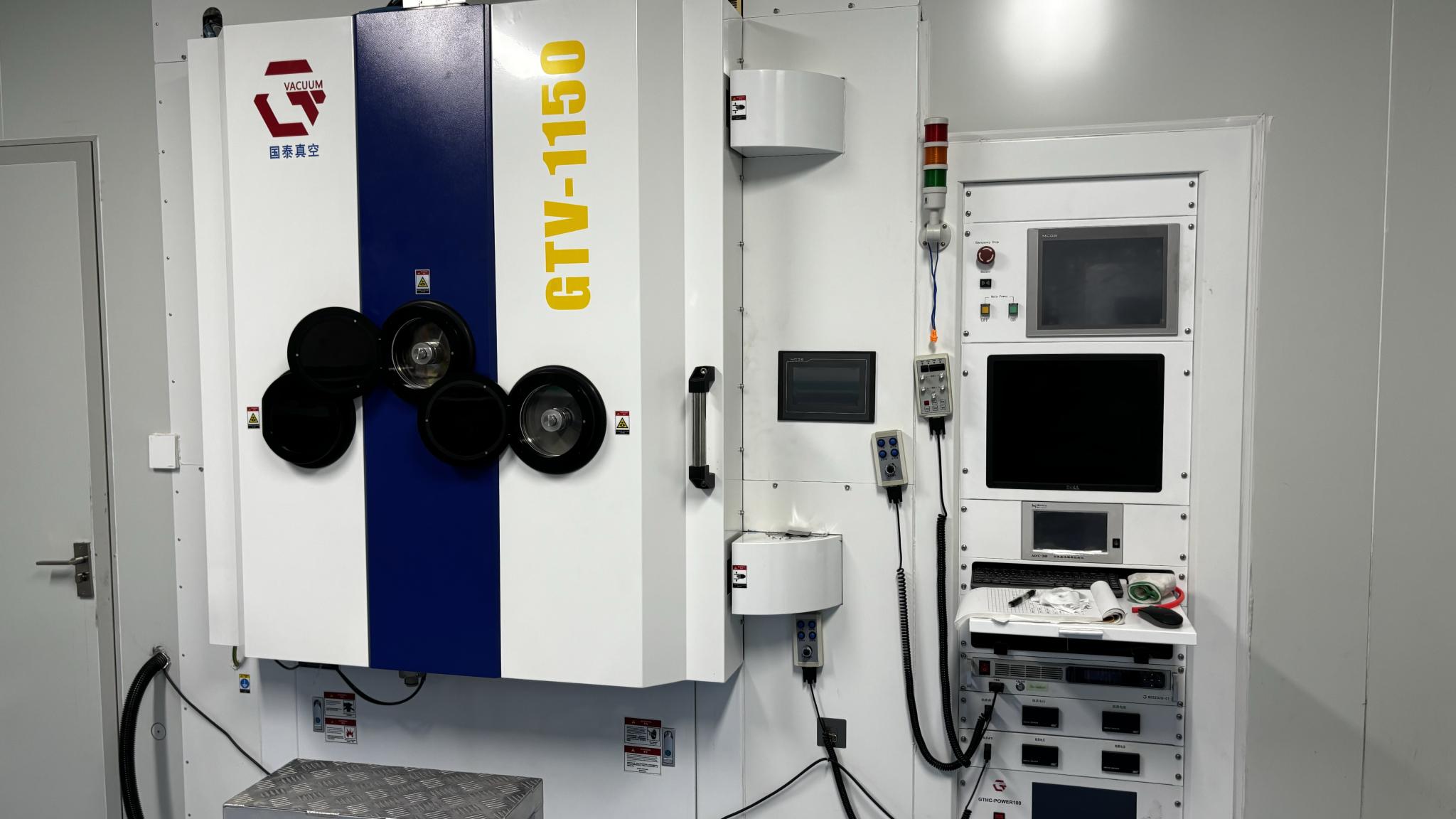
Precision Optical Coating Machine
Precision Optical Coating
Vacuum-deposition thin-film coating of lenses to control signal reflectance.
Optical Alignment and Testing Detection
Quality Assurance & Detection
Verifying alignment and cleanliness of optical and electrical interfaces.
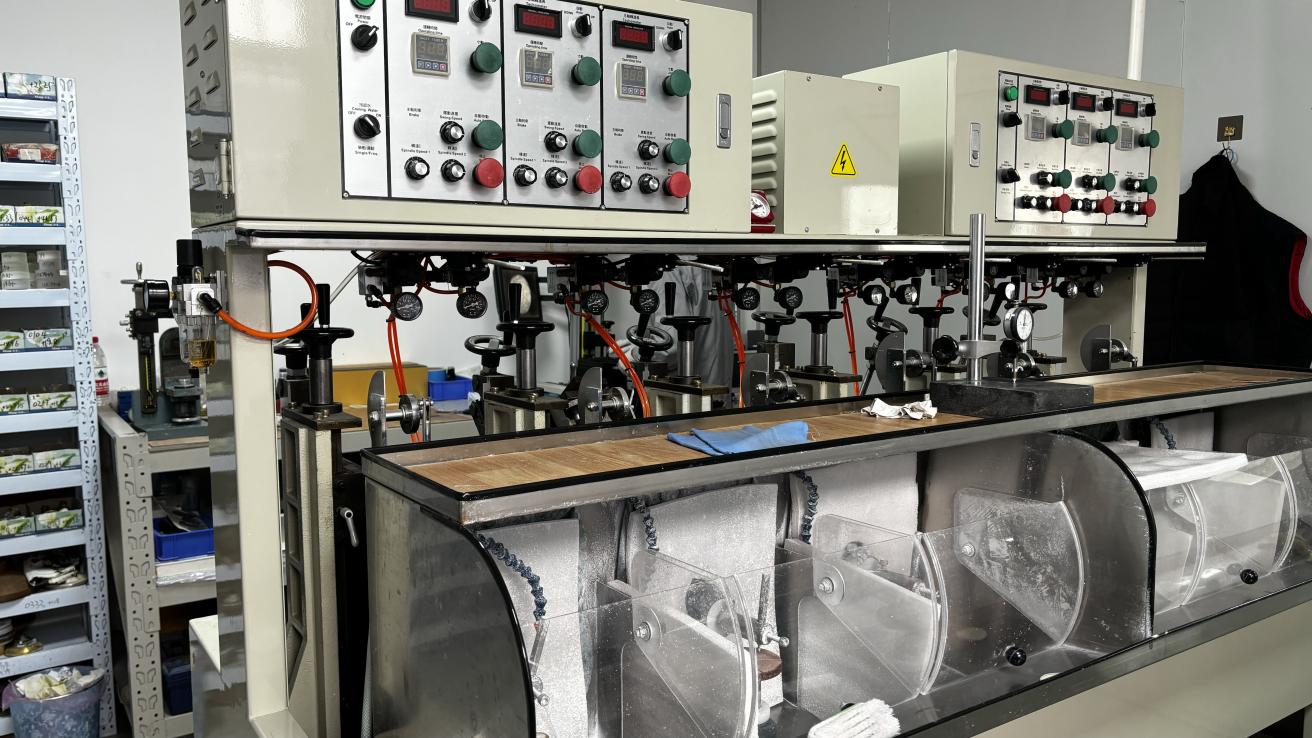
Industrial Polishing Machine
Polishing Machine Setup
Automated equipment configurations designed for consistent batch polishing.
Mechanical Roughing Machine
Roughing Machine Systems
Initial mechanical shaping of ceramic and metal components prior to fine finishing.
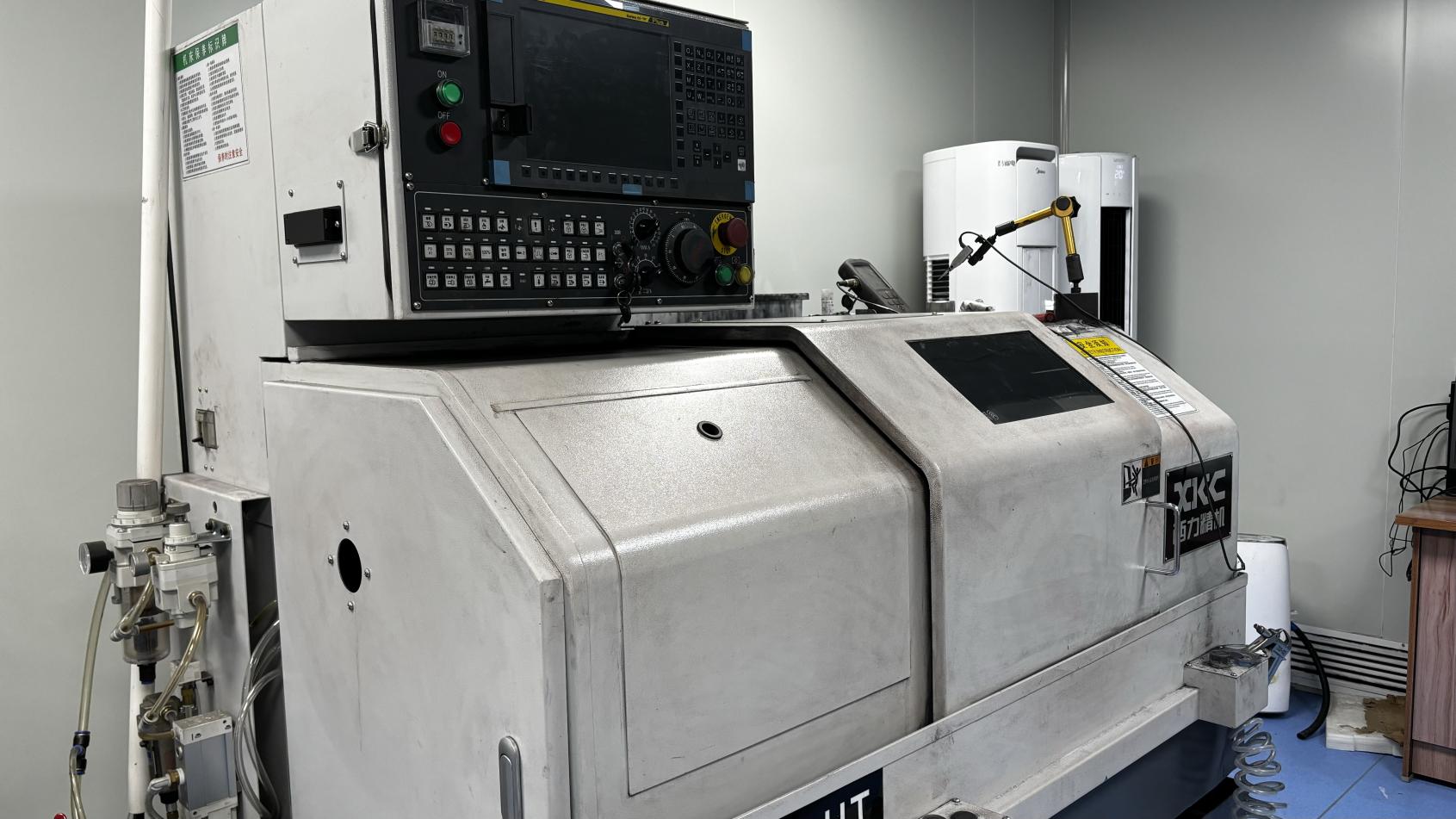
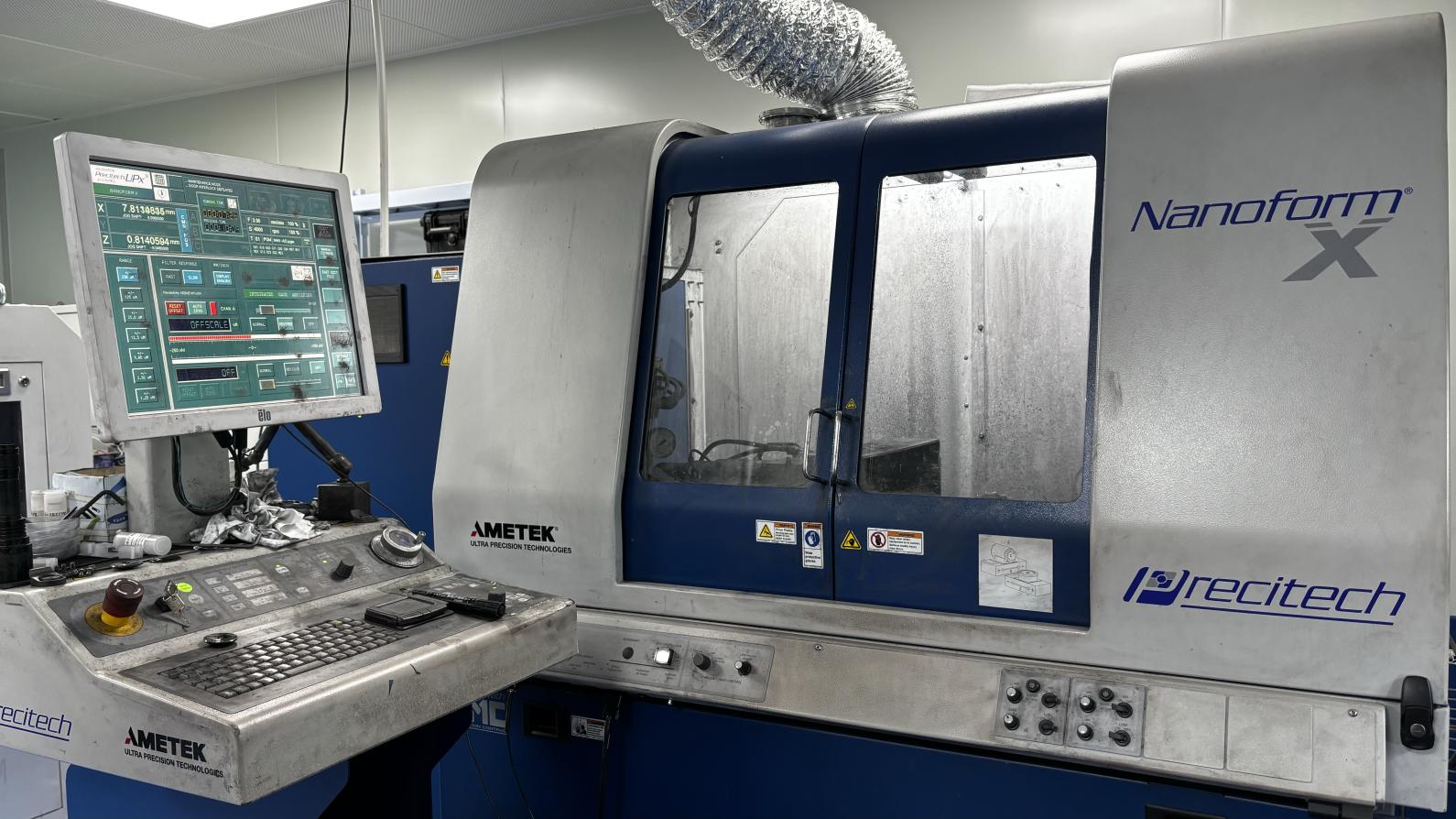
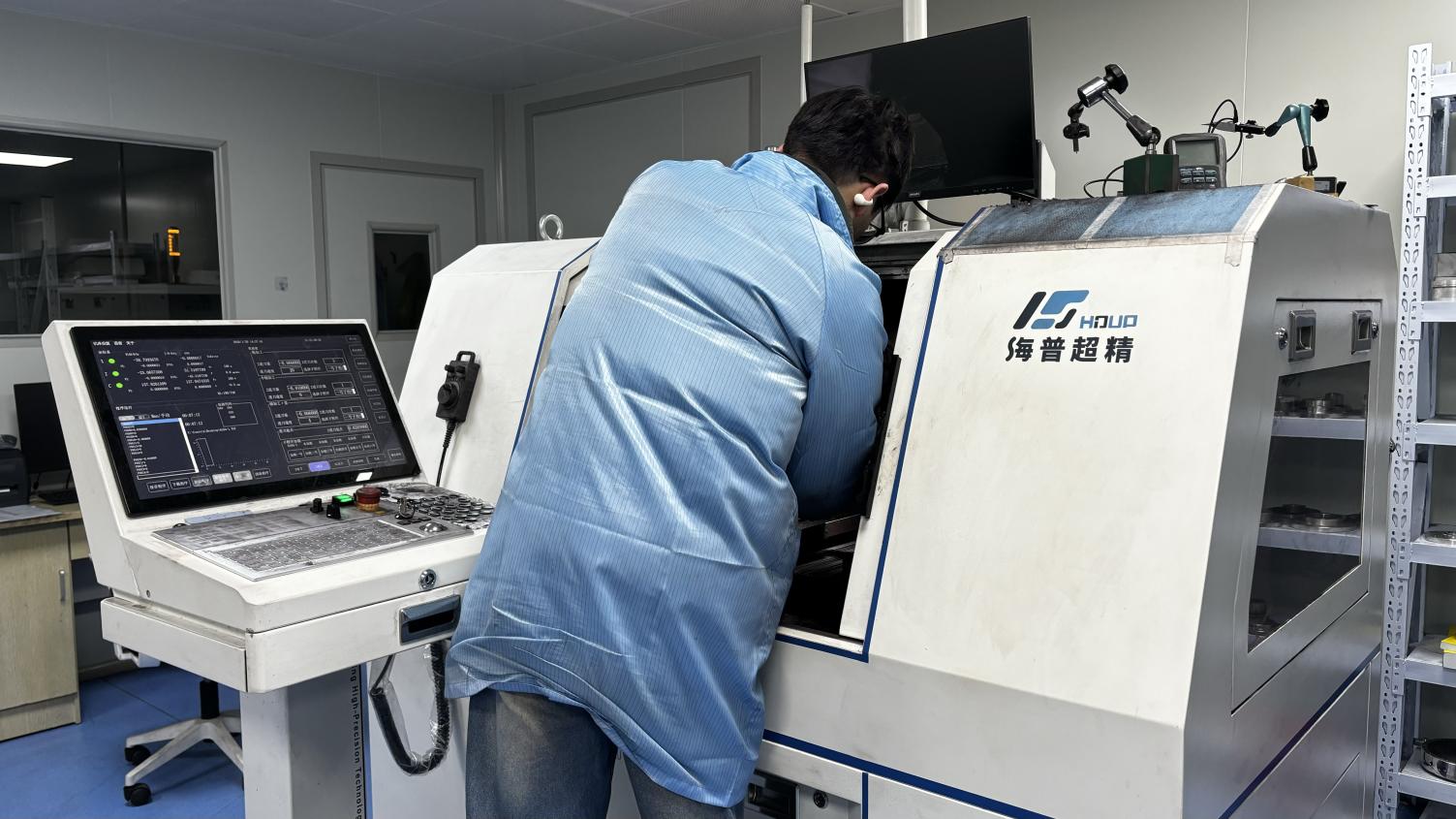
Single-Point Cutting Machine
Single-Point Machine
Ultra-precision single-point diamond turning tools for complex geometries.
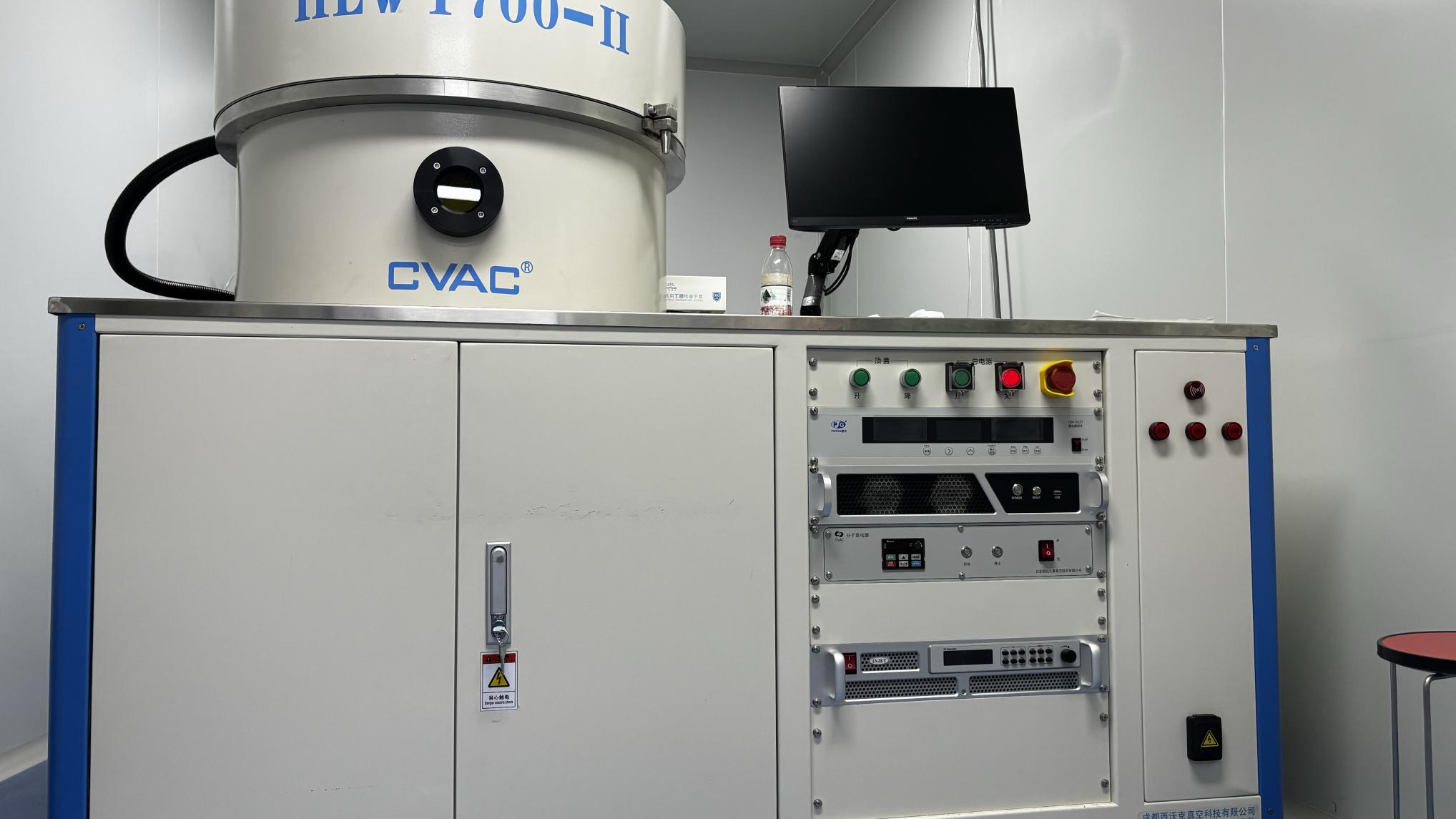
Industrial Coating Machine 1
Coating Machine 1
Controlled chamber environment used for applying durable optical coatings.
Industrial Coating Machine 2
Coating Machine 2
Dual-chamber coating system to scale up high-volume component production.
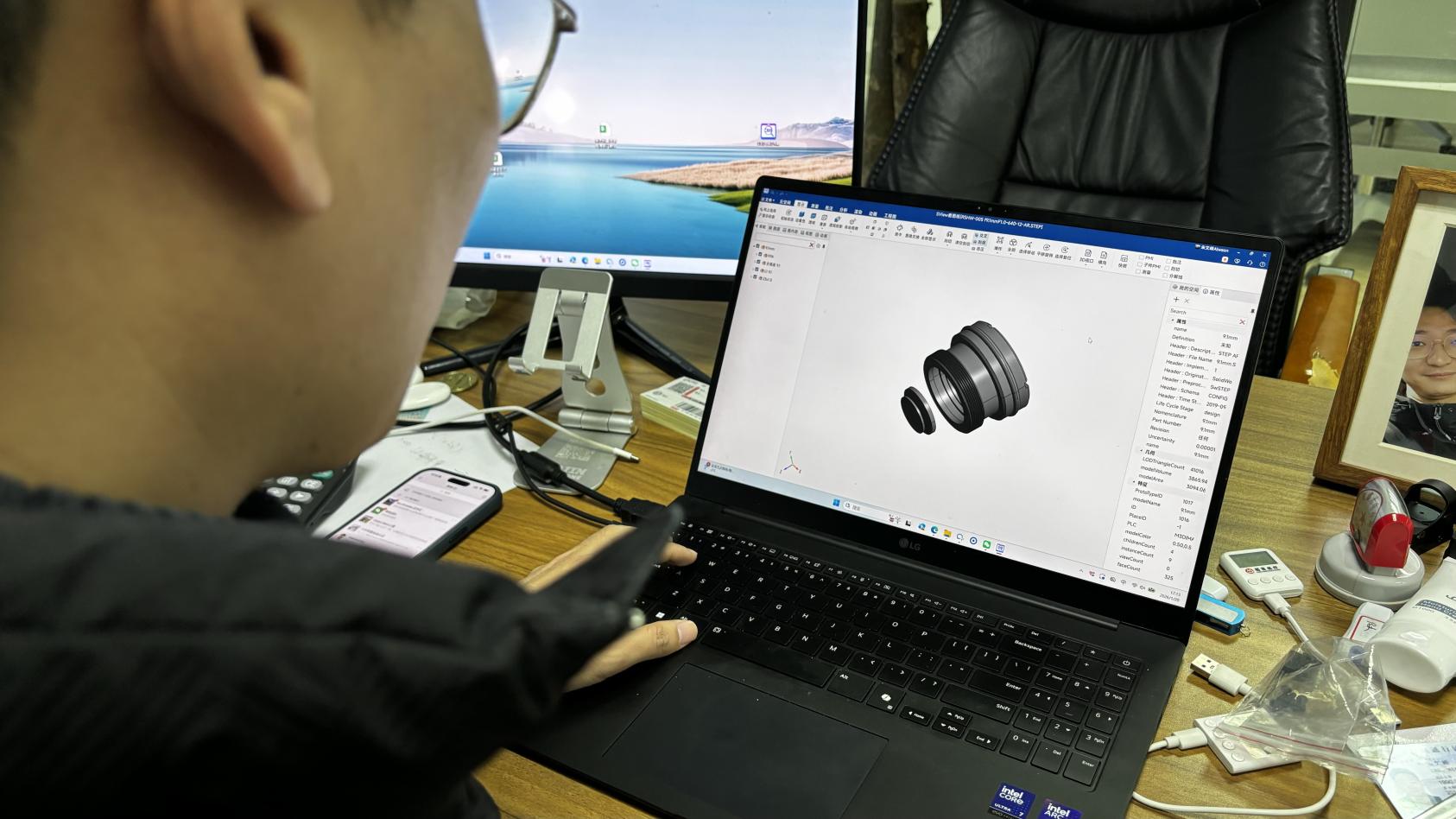
Engineering CAD Design
Product Engineering & Design
Comprehensive CAD modeling and mechanical structural simulations.
Incoming Quality Inspection
Incoming Inspection
Evaluating supplier-provided raw materials for structural and chemical compliance.
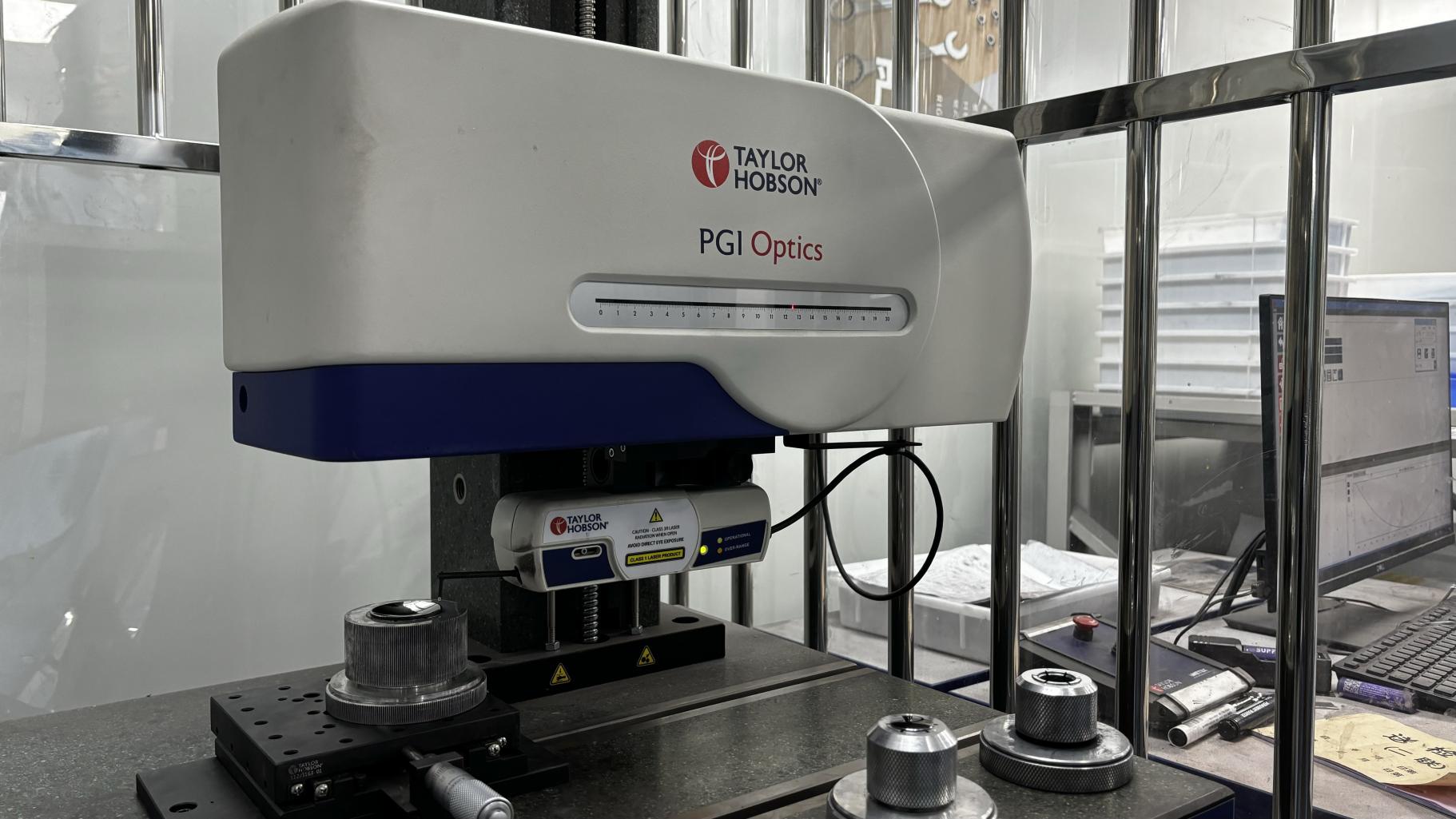
Surface Profilometer Measuring Device
Surface Profilometer
Measuring sub-micron surface roughness to verify physical tolerances.
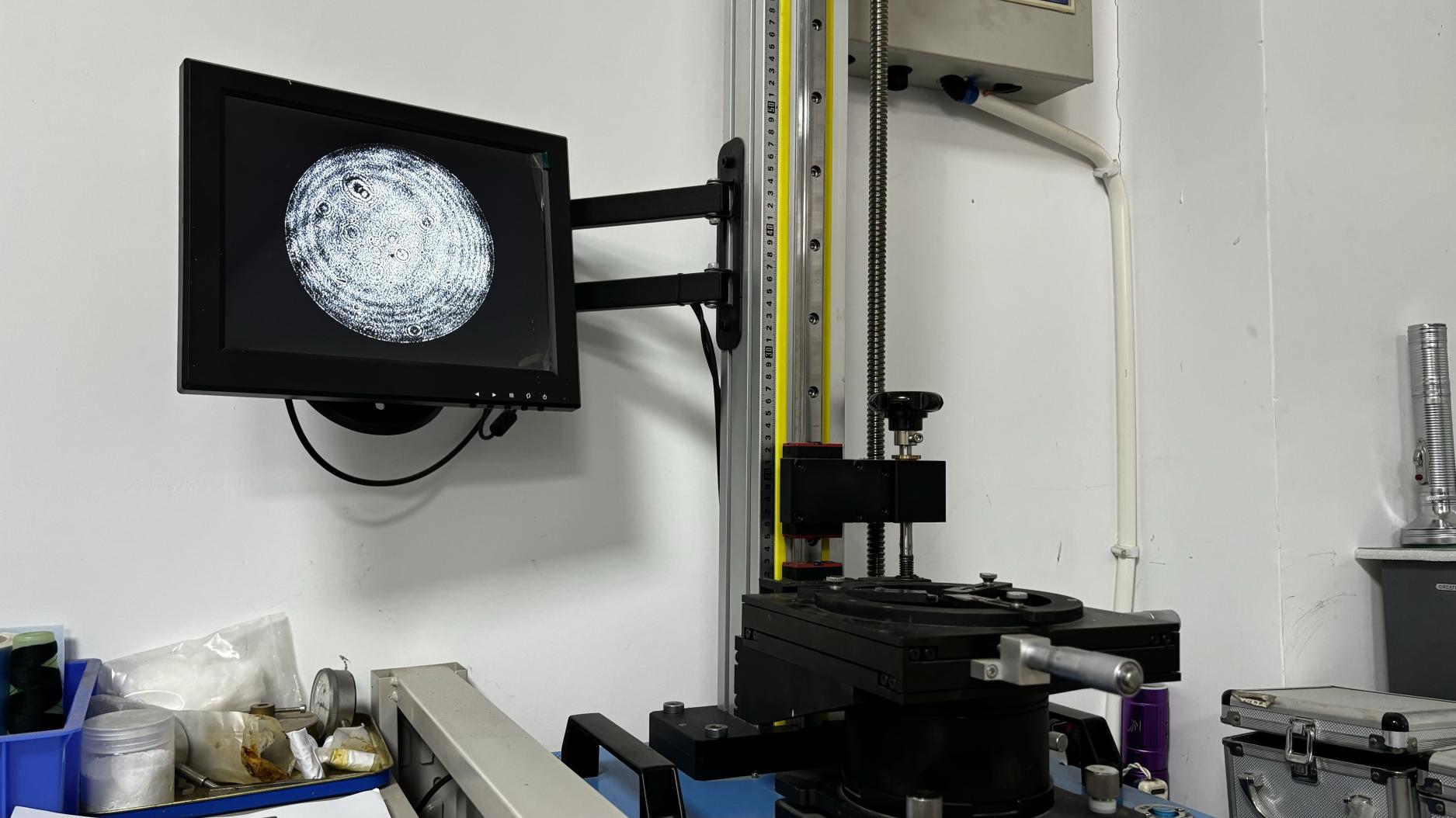
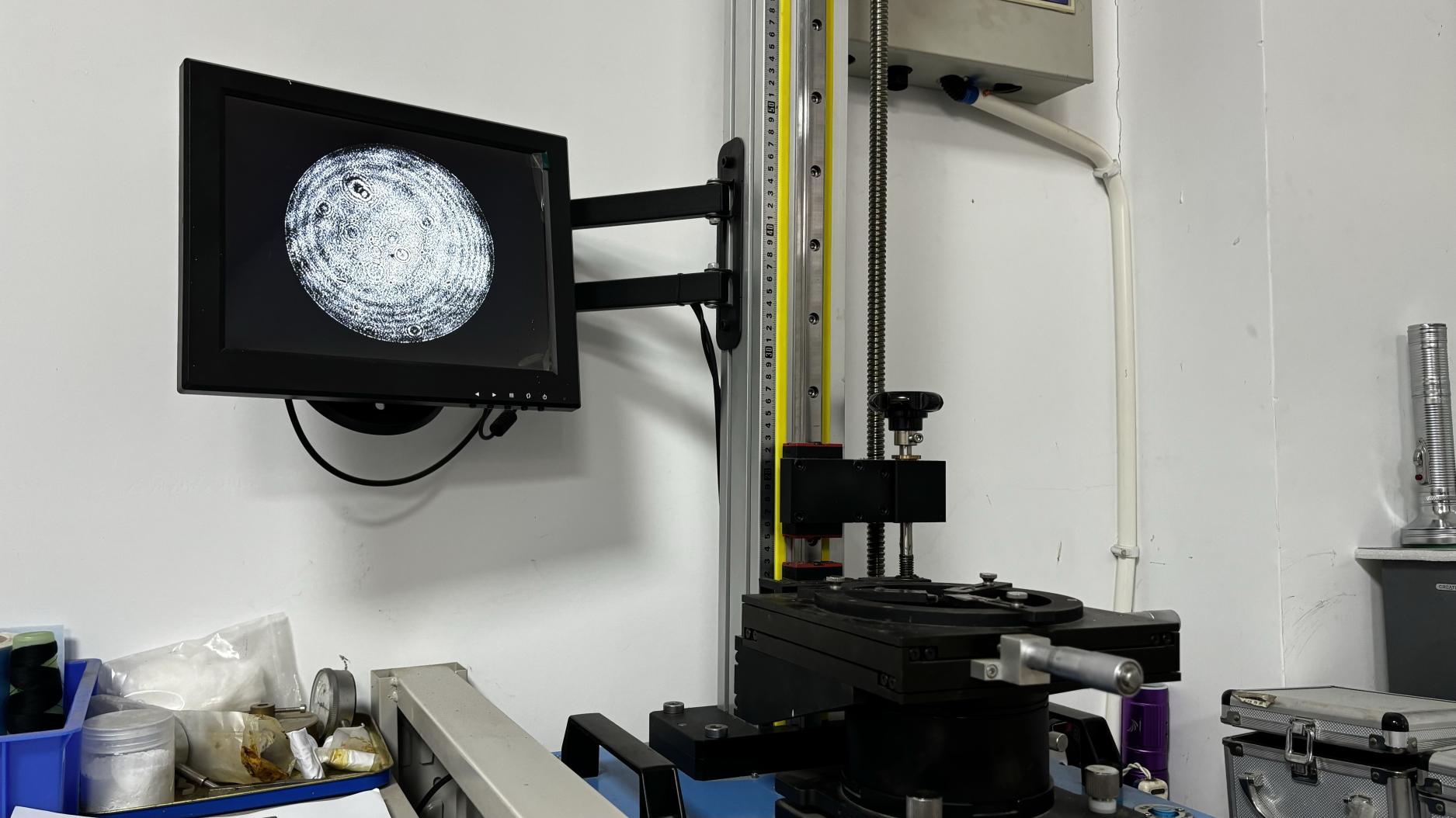
Laser Interferometer Measuring Device
Laser Interferometer
Using laser patterns to measure flatness and curvature accuracy of optical terminals.
Optical Transreflector Spectrophotometer
Transreflector Test
Measuring transmission and reflectance efficiency across selected bandwidths.
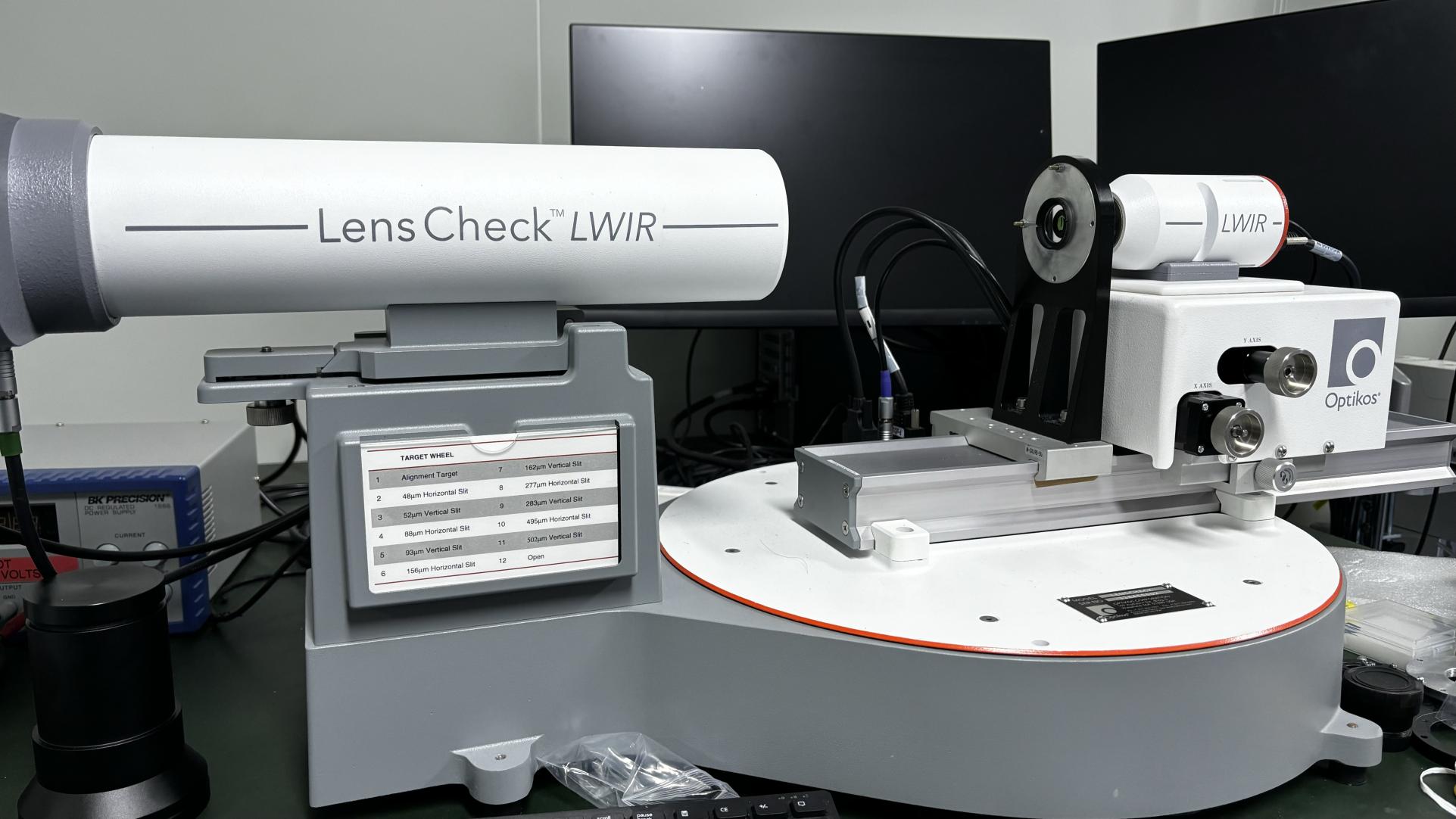
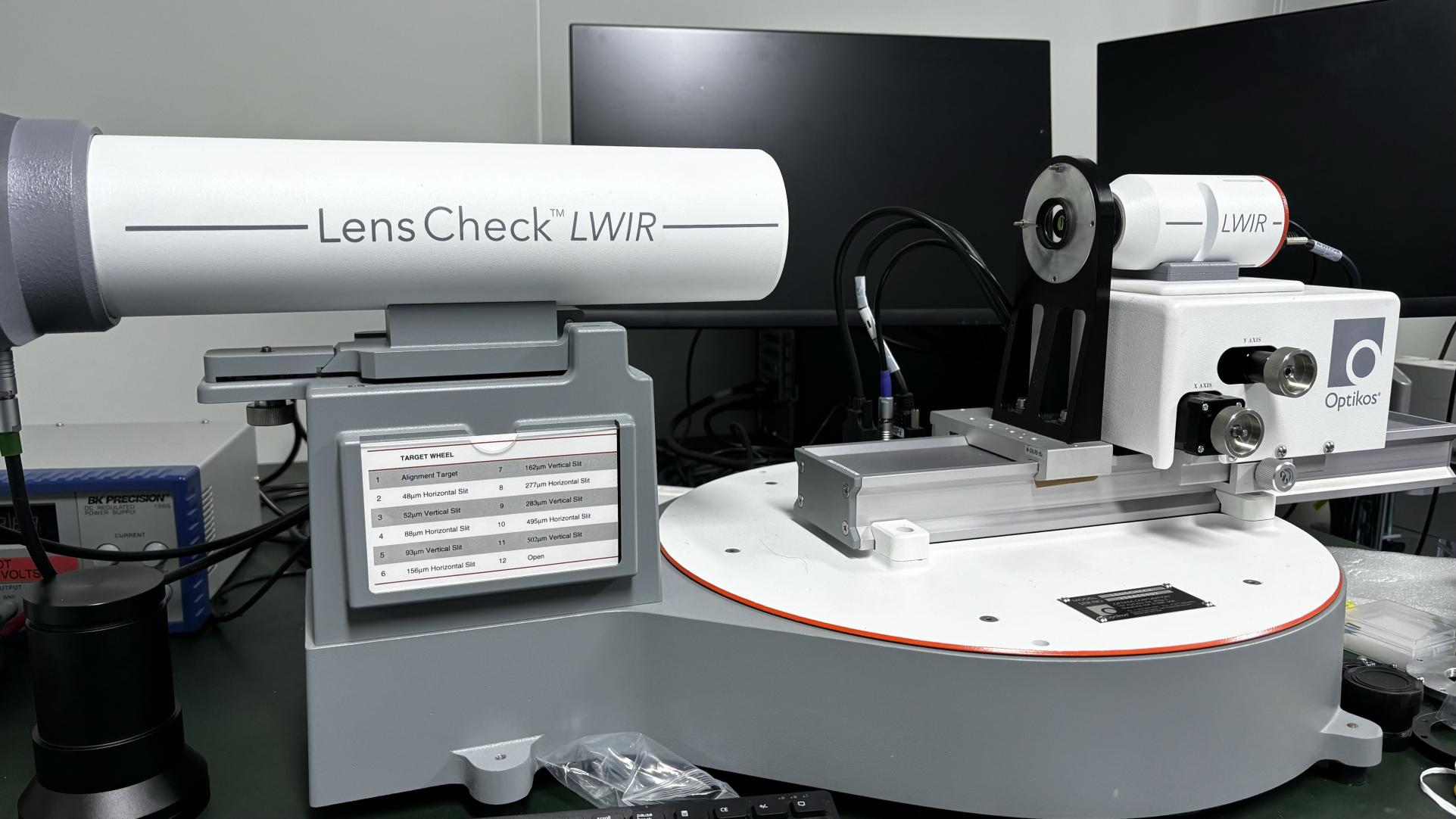
MTF Transmittance Meter
Evaluating spatial resolution performance on lens arrays and visual interfaces.
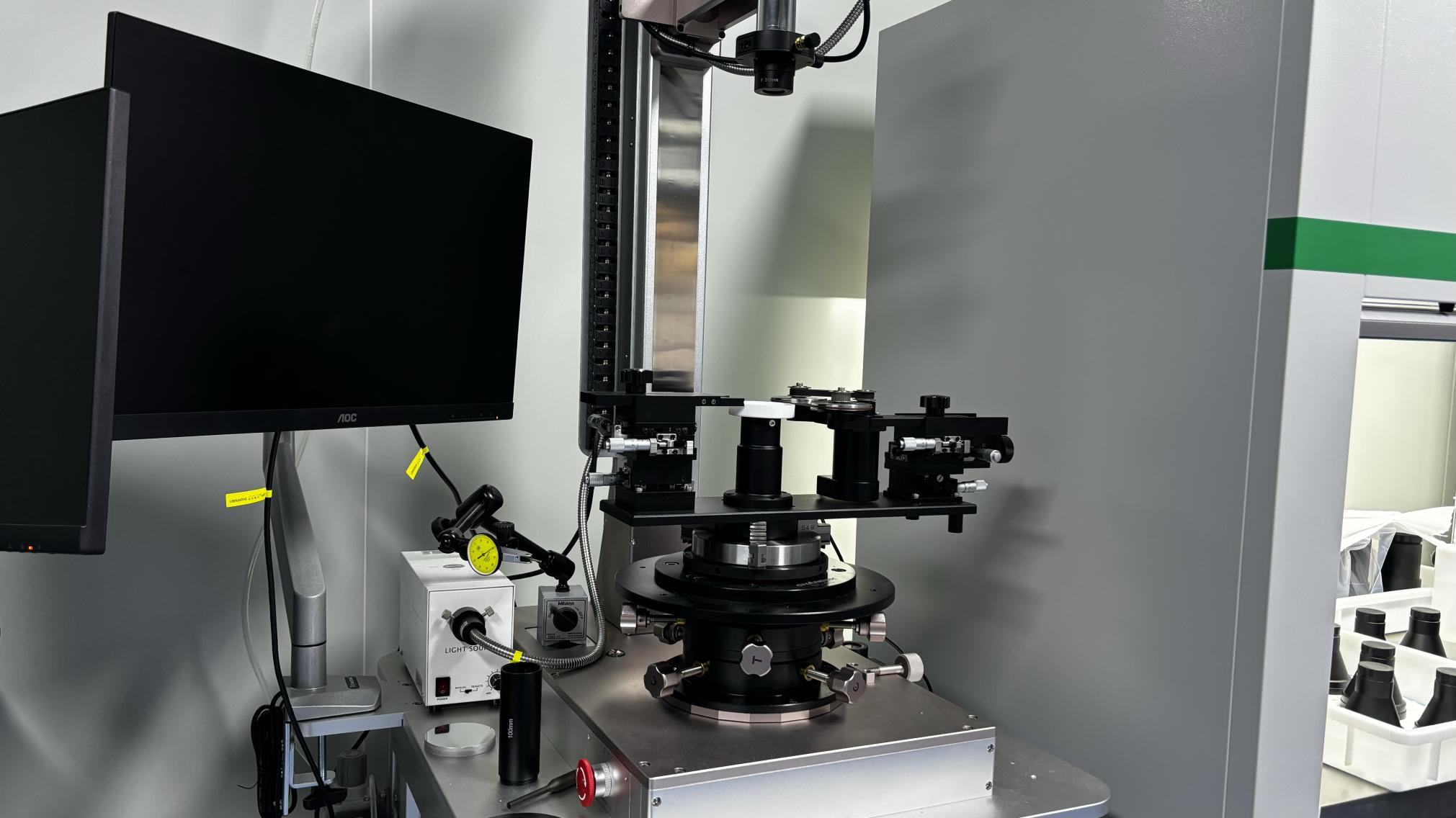
Center Deviation Calibration Instrument
Center Deviation Instrument
Inspecting and correcting lens alignment axes to eliminate optical distortion.

Frequently Asked Questions (FAQ)

Technical information to assist engineering and procurement teams in selecting appropriate components.

Q1: What is the main difference between RJ45 Connectors with and without integrated magnetics?
Integrated magnetics (also known as Magjacks) contain filtering components (isolation transformers and common-mode chokes) inside the metal housing. This provides electromagnetic interference (EMI) protection, static discharge protection, and impedance matching. Connectors without magnetics require these discrete filtering components to be laid out on the PCB substrate instead, which consumes valuable board space.
Q2: Why are SFP transceivers like QSFP28 and copper SFP modules compatible with the same switches?
Modern high-speed switches utilize Small Form-factor Pluggable (SFP/SFP+/QSFP) MSA-compliant ports. These ports communicate using standardized electrical interfaces. Through careful firmware configuration and programming, compatible transceivers (such as the MikroTik S-RJ01 or the 100GBASE-PSM4) convert these standard internal electrical signals into either optical fiber outputs or copper RJ45 connections.
Q3: How does FiddlLink ensure signal integrity and quality control across its RJ45 and optical product lines?
We operate a dedicated testing facility featuring 42 quality control experts and precision measuring equipment. Our quality control protocol includes incoming material inspection, 3D laser interferometry to verify contact geometry, profilometer checks for structural housing dimensions, and MTF transmittance testing for optical components. Every batch is validated under varying thermal conditions to ensure reliable field deployment.
Q4: Can FiddlLink customize pin layouts and housing dimensions for specialized OEM/ODM projects?
Yes. Our engineering division (comprising 126 specialists) provides full design customization. This includes modifying PCB mounting footprints (SMT vs. Through-Hole), altering LED color options, designing custom-molded waterproof housings (IP67/IP68), and programming optical transceiver firmware to ensure compatibility with major switch brands (Cisco, MikroTik, Juniper, etc.).
Q5: What are the lead times for large-volume OEM orders?
Standard OEM production lead times range between 2 to 4 weeks depending on component complexity and configuration. By leveraging our network of over 850 strategic partners, we maintain access to raw materials to fulfill high-volume orders reliably.