FiddlLink
FiddlLink
FiddlLink
In the era of 8K resolution, high-refresh-rate gaming, and AI-driven data visualization, the demand for stable, high-bandwidth cabling has never been greater. FiddlLink Optical Technology Co., Ltd., a global leader in optical and copper interconnect solutions since 2016, offers a comprehensive suite of OEM and ODM services for DisplayPort (DP) cables. Our engineering expertise bridges the gap between raw bandwidth requirements and physical layer reliability.
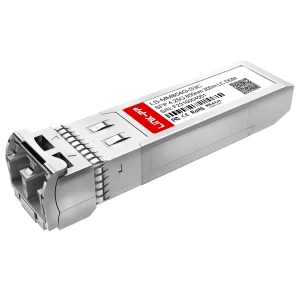
As a specialized DisplayPort Cable Factory & Exporter, we integrate advanced optical transceiver technology into our Active Optical Cables (AOC), ensuring zero-latency signal transmission over distances exceeding 100 meters—a feat standard copper cables cannot achieve. This article explores the technical nuances of modern DisplayPort standards, the advantages of Chinese high-tech manufacturing, and the critical compliance protocols necessary for global enterprise deployment.
With 126 experienced engineers, we've launched 186 new products in the last year alone, focusing on DP 2.1 and 80Gbps UHBR standards.
Our 380sqm facility utilizes single-point machines and aspheric surface polishing to ensure connector precision at the micron level.
Serving North America, Europe, and Asia with a strategic supply chain of over 850 partners and $18M annual export revenue.
Years Industry Experience
QC Specialists
Supply Chain Partners
Annual Export (USD)
The global dominance of Chinese electronics manufacturing isn't just about cost—it's about the ecosystem of innovation. At FiddlLink, we leverage the Pearl River Delta's integrated supply chain to source ultra-pure copper conductors, high-grade TPE jackets, and advanced chipsets (like Valens or Spectra7) with unparalleled speed.
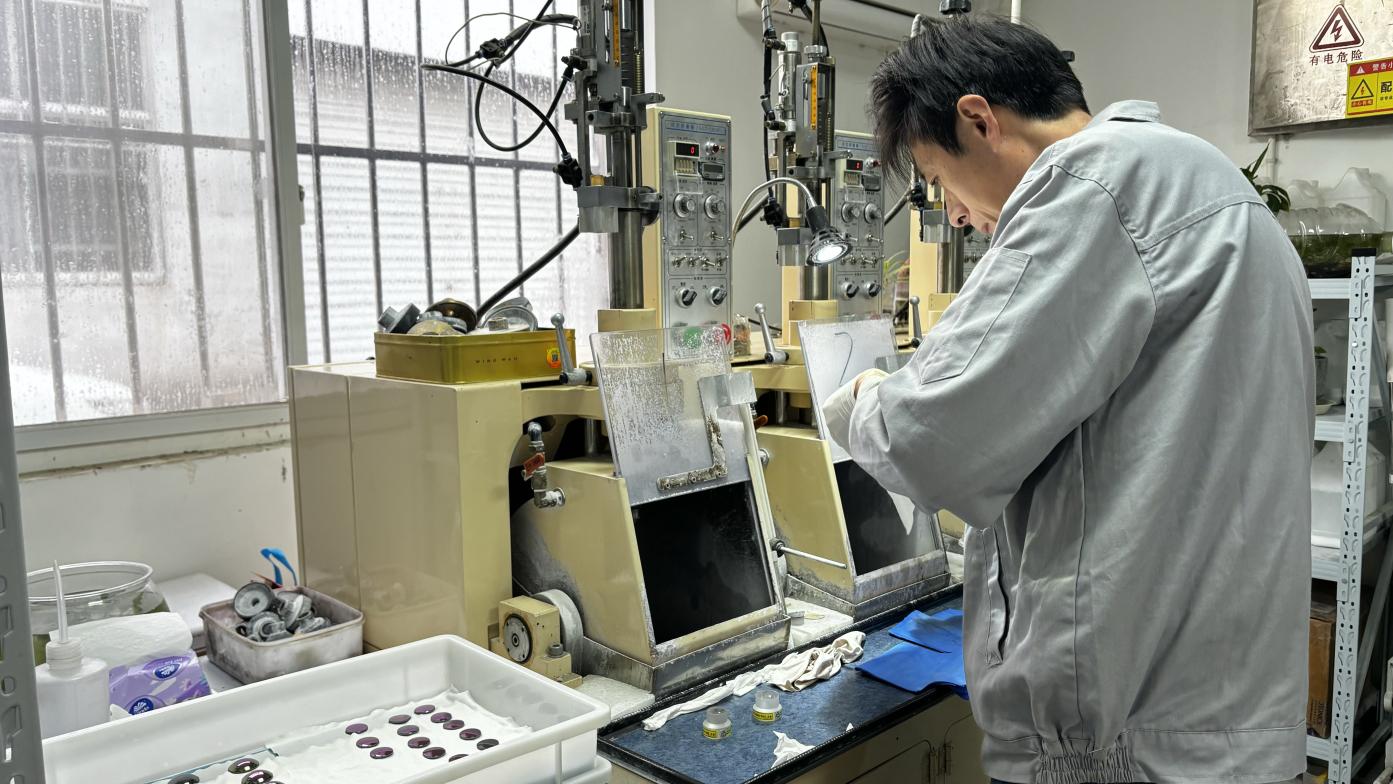
Detection
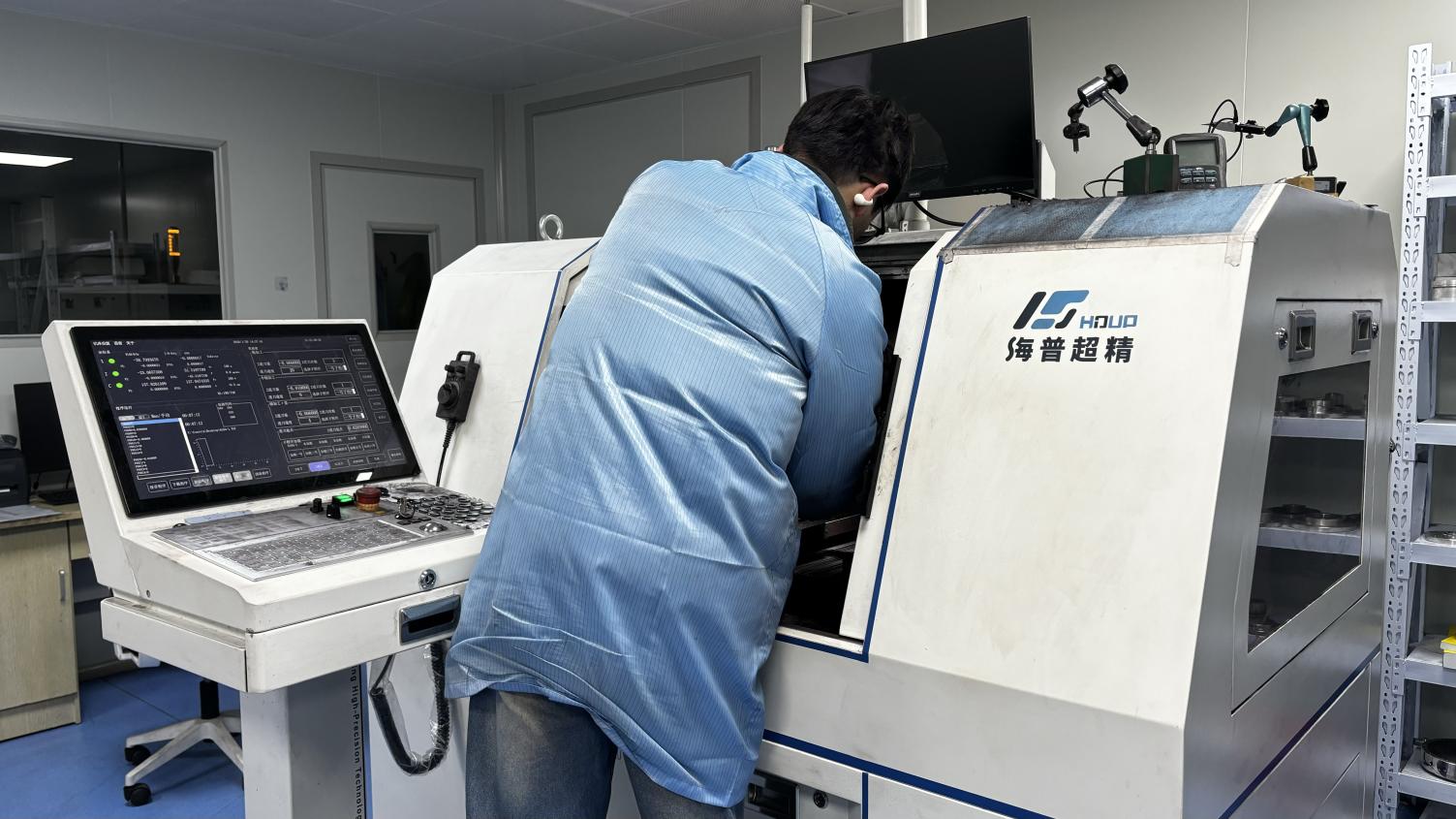
Polishing
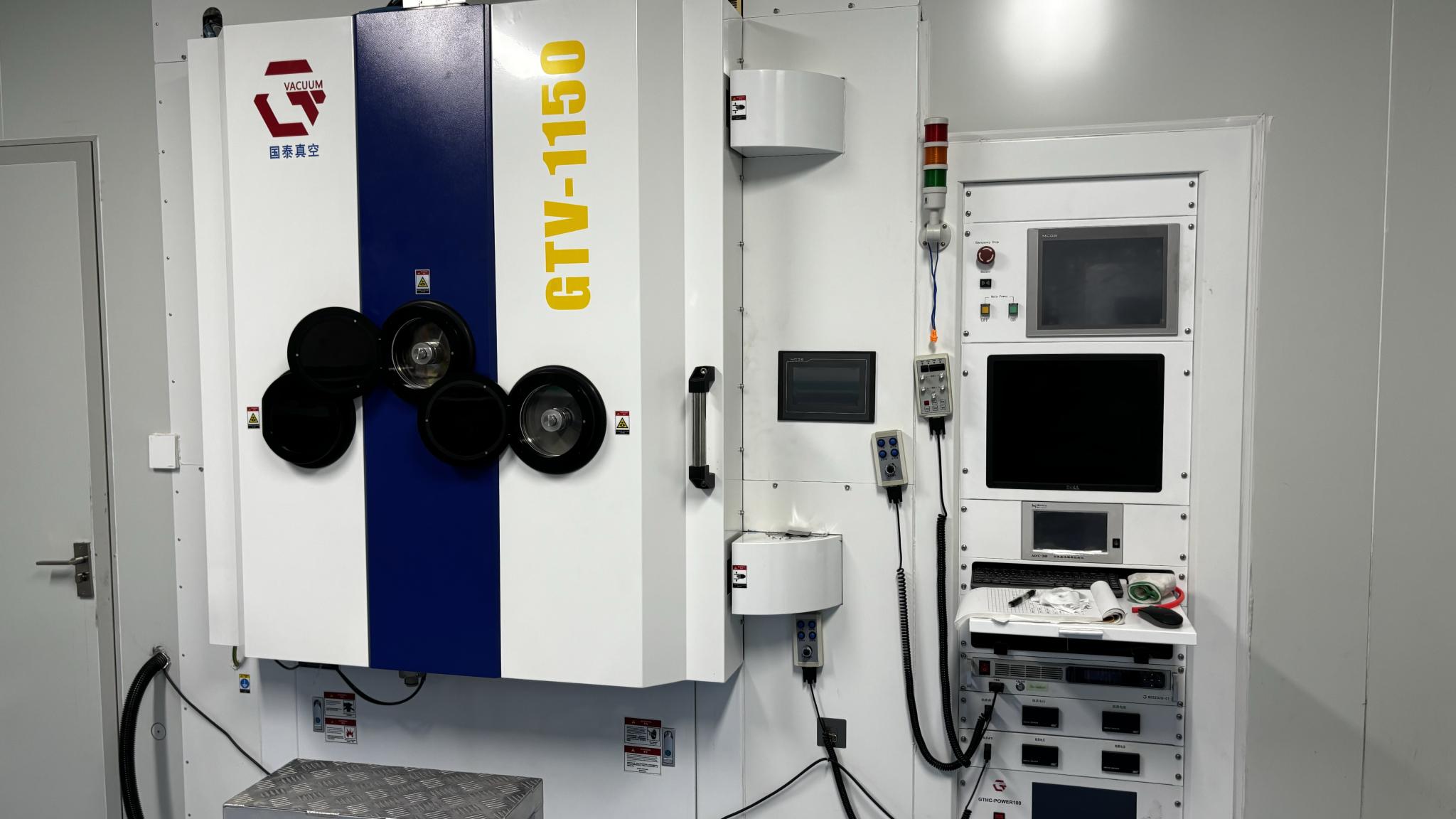
Coating
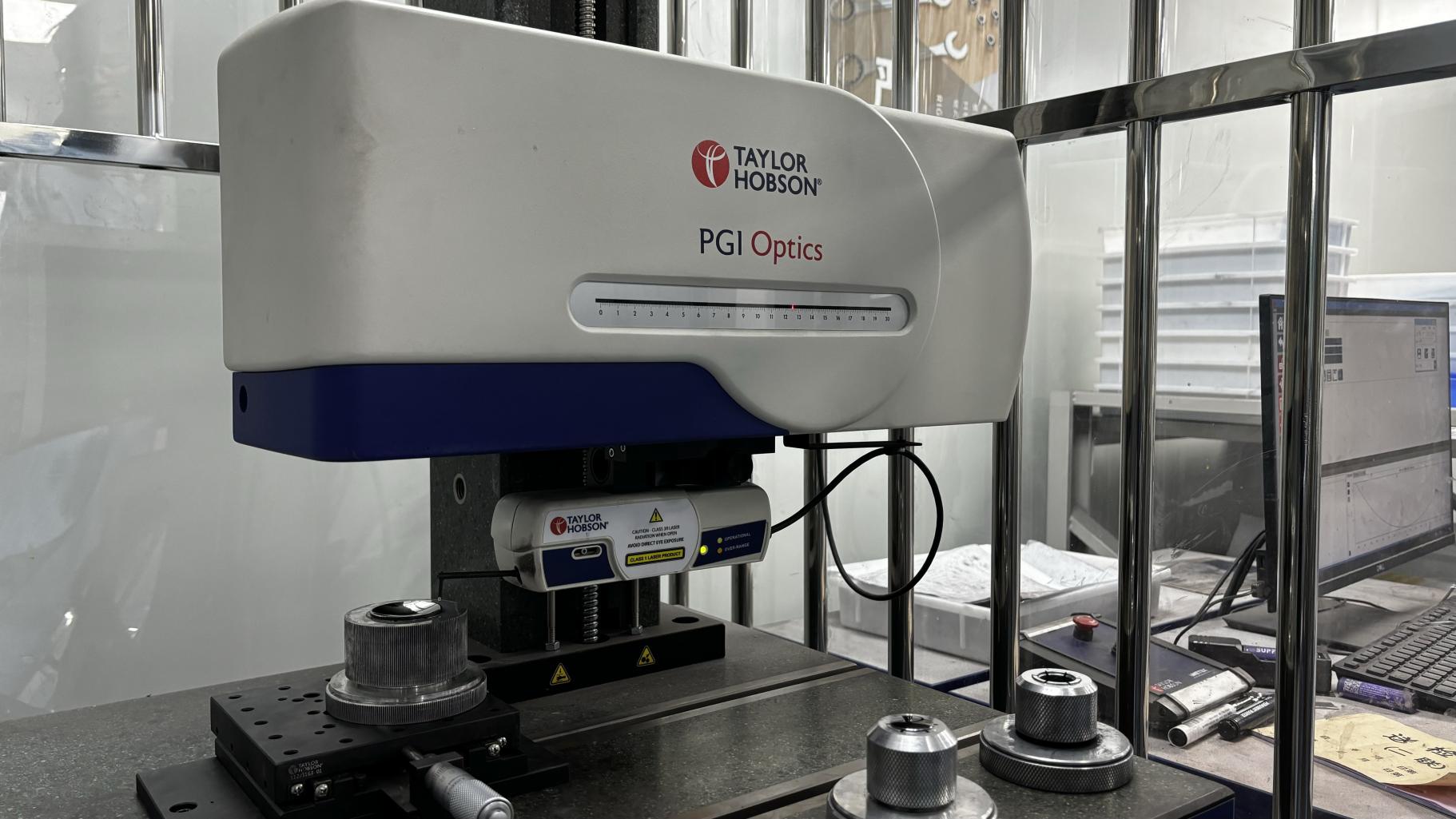
Interferometer
For global exporters, compliance is non-negotiable. Our DisplayPort cables adhere to VESA certification, RoHS (Restriction of Hazardous Substances), and REACH. For the North American market, we offer UL-rated jackets (CL2/CL3) for in-wall installations.
We solve the "User Pain Point" of flickering and EMI interference. By using triple-shielding (Aluminum foil + Mylar + Braid) and gold-plated connectors, our DP cables maintain a Bit Error Rate (BER) of less than 10^-12, even in high-EMI industrial environments.
FiddlLink provides localized logistics support. Whether you need DDP (Delivered Duty Paid) to Los Angeles or CIF to Rotterdam, our export team manages the complexity of international trade laws and customs documentation.
Current trends favor DisplayPort 2.1, supporting 80Gbps bandwidth for 16K resolution (with DSC) and 8K 120Hz gaming. Our factory is currently scaling production for these high-spec interconnects to stay ahead of the curve.
System integrators require consistent firmware compatibility. We provide custom "EDID handshaking" firmware configuration for specialized medical monitors and digital signage arrays.
FiddlLink provides a turnkey solution for brands looking to enter or expand in the high-end cable market. From industrial design to global certification, we handle the heavy lifting.
Laser engraving, custom molding with your logo, and retail-ready packaging design tailored to your local market aesthetic.
Adjustable cable lengths (up to 300m for AOC), variable jacket materials (PVC, TPE, LSZH), and specialized connector locking mechanisms.
With 42 QC personnel and advanced MTF Transmittance Meters, we guarantee that every batch meets the exact specifications of the initial prototype.
Passive cables rely on copper wires and are limited to short distances (usually under 5m for high bandwidth). Active Optical Cables (AOC) use fiber optics and integrated circuits to convert signals, allowing for 100m+ distances without signal loss.
Yes, our R&D team has successfully implemented the 80Gbps bandwidth required for DP 2.1. We use low-loss materials and precision-engineered PCBAs in the connector heads to support these extreme speeds.
We maintain a testing lab with over 100 different GPU and Monitor combinations (Nvidia, AMD, Apple, Dell, LG). Our firmware engineers can program specific compatibility profiles during the ODM phase.
Standard lead time is 15-20 days for mass production. For new ODM projects involving custom molds, the process takes approximately 4-6 weeks from design approval to first article inspection.