FiddlLink
In modern data communication, the QSFP transceiver stands out as a crucial component. This small device plays a significant role in high-speed networks. Its ability to handle multiple data channels makes it valuable for data centers and telecommunication systems.
A QSFP transceiver transmits and receives optical signals. It packs four channels into one module, increasing bandwidth efficiency. For instance, it can support 40 Gbps, significantly enhancing data transfer rates. This efficiency is vital for meeting the demands of modern applications.
Understanding how a QSFP transceiver operates is essential for network engineers. The integration of multiple channels not only saves space but also improves overall performance. However, some may overlook the importance of proper installation and configuration. Neglecting these aspects can lead to inefficiencies and potential system failures. Recognizing these challenges helps users appreciate the sophistication of QSFP technology.
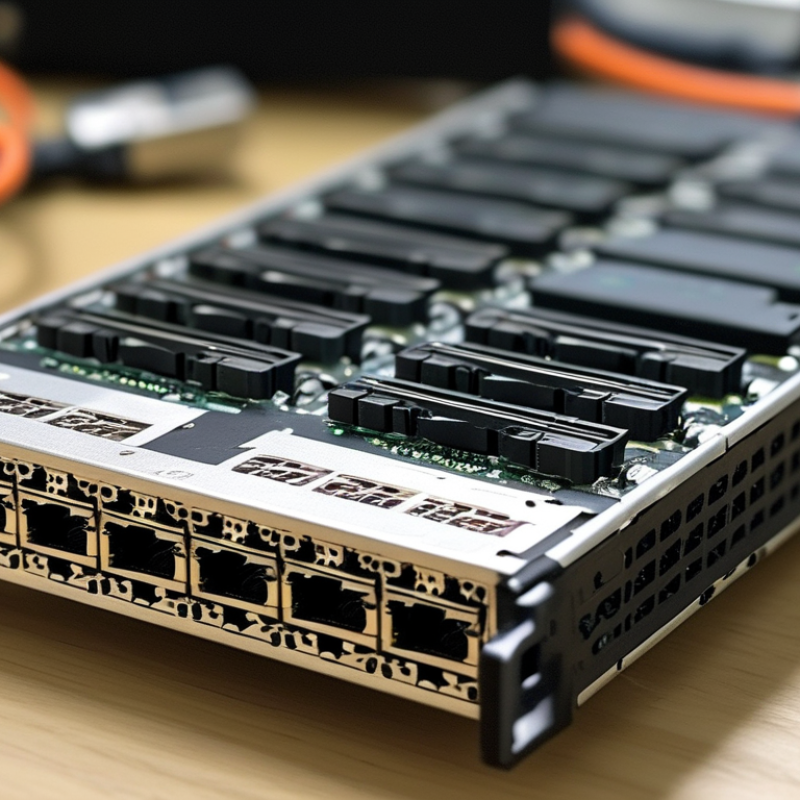
A QSFP transceiver, standing for Quad Small Form-factor Pluggable, is essential in modern data networks. This compact device allows for high-speed data transmission across optical fibers. It supports multiple data rates, making it versatile in various applications, from data centers to enterprise networks. Its design enables quick compatibility with different network protocols, offering flexibility and scalability.
When choosing a QSFP transceiver, consider your specific network needs. Different standards, such as QSFP+ or QSFP28, support varying speeds. Ensure that the chosen transceiver matches your network equipment. Compatibility is crucial for optimal performance.
A practical tip: always check the specifications of your networking hardware before purchasing. Remember, not all QSFP transceivers work with every system. Some may encounter performance issues if the wrong model is used. Another point to reflect on is the importance of reliable sourcing. Make sure you are buying from reputable distributors, as quality can significantly affect your network's efficiency.
QSFP transceivers, or Quad Small Form-factor Pluggable transceivers, are high-speed connectivity solutions primarily used in data centers and networks. They provide a compact interface for transmitting data at high rates. A QSFP transceiver can support multiple protocols, transmitting data at speeds of up to 100 Gbps. This capability allows efficient data transfer, crucial for handling increasing bandwidth demands.
Key features of QSFP transceivers include their ability to support multiple data rates. They can utilize four channels, allowing for high throughput while minimizing physical space. These transceivers also feature low power consumption, enhancing energy efficiency. Recent industry reports indicate that the demand for QSFP modules is growing, with a projected CAGR of 15% from 2021 to 2027. This growth reflects the increasing need for faster data communication and improved infrastructure.
Tips: When selecting a QSFP transceiver, consider compatibility with existing systems. Not all transceivers work seamlessly with every device. Also, check for the maximum distance specifications of the module you choose. Not assessing these factors can lead to performance issues in your network. It’s essential to invest in suitable models tailored for your specific needs to avoid unnecessary upgrades and expenses.
QSFP transceivers play a critical role in high-speed data transmission. These compact devices facilitate the transfer of data over optical fibers, ensuring that information travels efficiently between networking equipment. A QSFP transceiver contains multiple channels, which allow for higher data rates. For instance, it can support 40 Gbps, and up to 400 Gbps in newer models. This ability to handle multiple signals simultaneously enhances network performance, making it a preferred choice in data centers.
The operation of QSFP transceivers is based on converting electrical signals into optical signals and vice versa. This process occurs through lasers and photodetectors within the transceiver. Each channel in the transceiver transmits data using specific wavelengths, minimizing interference. However, this complexity can lead to compatibility issues. Not all QSFP transceivers will work with every device. This factor requires careful consideration when planning network upgrades.
Heat generation is another aspect of QSFP operation that needs attention. The more channels used, the higher the temperature inside the transceiver can rise. Adequate cooling solutions are necessary to prevent performance degradation. Additionally, while QSFP transceivers are vital, they can be challenging to install and configure. Understanding their specifications is crucial for ensuring a smooth integration into existing networks.
This chart illustrates the data transmission speeds of different types of QSFP transceivers, showing how they have evolved from QSFP to QSFP-DD, each offering increasing data rates suitable for modern networking needs.
QSFP transceivers play a critical role in networking. They are compact and high-speed devices that support multiple data rates from 40 Gbps to 400 Gbps. Their versatility allows them to be used in data centers, enterprise networks, and telecommunications. With increased bandwidth demand, understanding their applications is essential.
In data centers, QSFP transceivers facilitate fast data transfer. They connect switches, servers, and storage devices efficiently. High-speed connections improve overall performance. They are particularly beneficial in cloud services and virtualization, supporting multiple protocols like Ethernet and Fibre Channel.
Tips: Regularly check compatibility when integrating QSFPs with existing infrastructure. Pay attention to the specifications to ensure maximal efficiency.
In telecommunications, QSFP transceivers enhance long-distance communication. They enable seamless connections between remote locations. Organizations benefit from reduced latency and greater reliability. However, environmental factors can affect performance; maintaining optimal conditions is vital.
Tips: Monitor the operating temperature of QSFPs, as extreme conditions may degrade performance. Always have spare transceivers on hand for quick replacements. This proactive approach is essential for maintaining network uptime and efficiency.
QSFP transceivers are compact and versatile components in modern networks. Their design allows for high data transmission rates, typically ranging from 40Gbps to 400Gbps. This makes them suitable for data centers and high-performance computing environments. However, understanding how QSFP compares to other transceiver formats provides deeper insights into its advantages and limitations.
When comparing QSFP to SFP or SFP+, the primary difference lies in bandwidth. SFPs typically support up to 1Gbps or 10Gbps, while QSFP offers significantly more capacity. This raises questions about scalability in future-proof networking. The compact size of QSFP also means that it can support multiple channels, which is advantageous for dense networking environments. Yet, it may have a steeper learning curve for engineers unfamiliar with its multiple-channel configuration.
In contrast, OSFP transceivers exhibit similar capabilities but with added support for higher thermal performance. This raises considerations about heat management, an often overlooked aspect in dense rack configurations. For those deploying network solutions, balancing performance with cost and complexity is crucial. Evaluation of these factors can lead to improved system designs tailored for specific networking needs.
: QSFP transceivers are compact devices for high-speed data transmission. They are mainly found in data centers.
They can support data rates up to 100 Gbps. Newer models can even reach 400 Gbps.
Multiple channels enable higher data throughput. This capability minimizes space usage in network setups.
They convert electrical signals into optical signals using lasers. This process allows data to travel efficiently.
Ensure compatibility with your existing systems. Check distance specifications to avoid performance issues later.
Yes, not all models work with every device. This can lead to integration challenges in your network.
Cooling is crucial as high temperatures can degrade performance. Proper ventilation helps maintain optimal operation.
Yes, they can be difficult to install and configure. A good understanding of specifications is essential.
They typically feature low power consumption. This helps improve overall energy efficiency in data centers.
Industry reports suggest a 15% CAGR from 2021 to 2027, indicating increasing demand for high-speed solutions.
A QSFP transceiver, or Quad Small Form-factor Pluggable transceiver, is a compact and versatile optical module designed for high-speed data transmission in networking applications. Known for its key features such as high data rates, energy efficiency, and support for multiple protocols, the QSFP transceiver is commonly used in data centers and enterprise networks.
Operating by converting electrical signals into optical signals and vice versa, QSFP transceivers facilitate reliable communication over long distances. They are capable of handling various data rates, making them suitable for diverse applications, from Ethernet to Fiber Channel. When compared to other transceiver formats, the QSFP transceiver stands out for its high performance and ability to support multiple channels, making it an essential component in modern networking infrastructure.
