FiddlLink
Choosing the right optical transceiver manufacturer is crucial for any business relying on high-speed data transfer. The market is filled with numerous contenders, each promising reliability and innovation. However, not all manufacturers deliver as advertised. Attention to detail in specifications can shield you from costly mistakes.
Many companies overlook the importance of a manufacturer's experience and authority in the field. An established optical transceiver manufacturer should have a proven track record. Look for awards, certifications, and customer testimonials. These factors can reveal a lot about their reliability and product quality.
Moreover, engaging directly with potential manufacturers can be enlightening. Inquire about their production processes and quality control measures. A transparent approach often indicates a trustworthy partner. Be wary of manufacturers that provide vague responses. Ultimately, being diligent in your choice will lead to better performance and satisfaction in the long run.
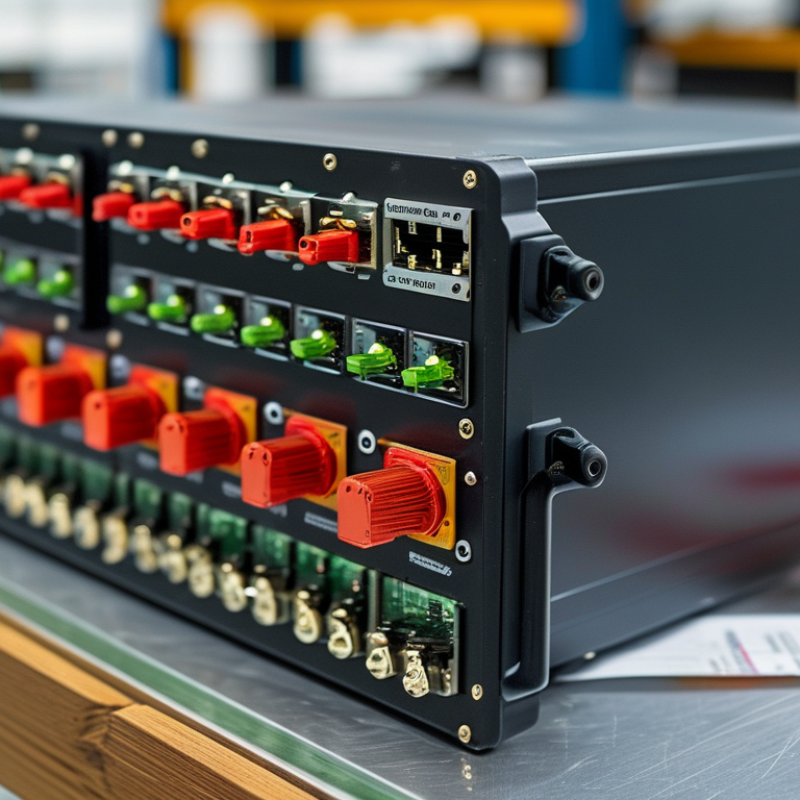
Optical transceivers play a vital role in modern data communication. They convert electrical signals into optical signals, enabling high-speed data transmission over long distances. Understanding their function is essential for anyone involved in networking or telecommunications.
These devices come in various types and specifications, tailored for specific applications. For instance, some are designed for short-range communication, while others function well over long distances. The choice of an optical transceiver can significantly affect the performance and reliability of a network. A minor miscalculation can lead to inefficient data flow or increased latency, leading to frustrating outcomes.
When exploring manufacturers, consider their industry experience. Look for companies with a proven track record in optical technology. Don’t underestimate the importance of customer support and product warranties. Despite advancements, every manufacturer has strengths and weaknesses. Understanding these can save time and resources in the long run. Balancing quality and cost is not straightforward, but it is crucial for network efficiency.
Choosing the right optical transceiver manufacturer requires careful consideration of several key factors. Quality assurance is paramount. A study by the Optical Fiber Communications Conference indicates that nearly 30% of optical network failures are due to subpar transceivers. Thus, manufacturers must adhere to strict quality control standards. Look for those with ISO certifications, which reflect their commitment to excellence.
Another critical factor is the range of products offered. The market trend shows a growing demand for various transceiver types, including SFP, SFP+, and QSFP modules. A manufacturer providing a broad portfolio can support diverse applications, from data centers to telecommunication infrastructures. However, be cautious. A wide selection does not always guarantee high quality. It’s essential to investigate the performance and reliability of their products through third-party testing results.
Customer support is also essential. A report from a leading networking consultancy found that 60% of companies prioritize vendor support when choosing a manufacturer. Responsive customer service can greatly impact your operational efficiency, especially when urgent issues arise. Yet, many manufacturers fall short in this area. Engaging with other customers or seeking reviews can provide insight into their service levels. A manufacturer’s responsiveness should not be underestimated in the decision-making process.
When evaluating the quality and reliability of optical transceivers, it's essential to consider several key factors. According to a report by the Optical Society, over 25% of network failures in data centers are linked to poor-quality transceivers. This statistic highlights the significance of selecting a trusted manufacturer. Look for manufacturers with clear testing protocols in place. Reliable ISO certifications can also serve as a benchmark for quality assurance.
Regular testing of optical transceivers can reduce the risk of failure. Studies show that transceivers that undergo rigorous quality checks result in 30% fewer operational issues. Moreover, examine the warranty and support options provided by manufacturers. Comprehensive post-purchase support can be a critical factor in ensuring long-term operational success.
Tips:
Invest in transceivers with good industry reviews. Look for those that have been tested in similar environments. This can provide insight into their reliability under specific conditions. Also, consider the manufacturer's reputation within the industry. Established names often have a track record worth investigating, but new entrants can also offer innovative solutions. Balancing cost with reliability is crucial, as the cheapest option may lead to higher costs in the long run.
This chart represents the evaluation of optical transceivers based on performance metrics such as Data Rate, Reach, and Latency. These factors are crucial for assessing the quality and reliability of optical transceivers from various manufacturers.
When selecting an optical transceiver manufacturer, assessing technical support is crucial. A recent report by the Optical Fiber Communications Conference highlights the rising need for robust technical assistance in the industry. Around 65% of companies identify strong technical support as a key factor in their purchasing decisions. Technical queries can arise during integration or operation. Manufacturers offering 24/7 support can significantly reduce downtime.
Customer service options also play a vital role. Many users emphasize quick response times and reliable information access. A survey found that 70% of professionals expect a response within an hour for critical issues. An effective service model includes troubleshooting resources. Digital platforms can provide instant access, but personal assistance is invaluable for complex problems.
It’s essential to examine the available support frameworks. Some manufacturers may not have sufficiently trained staff. This can lead to frustration and delays, especially in urgent scenarios. Firms should prioritize those with proven track records in customer satisfaction and support readiness. Reliability in these areas fosters confidence in a manufacturer’s overall quality.
When selecting an optical transceiver manufacturer, evaluating their reputation and industry experience is crucial. Companies with robust histories often show better reliability and performance. Researching customer feedback gives insight into their expertise. Additionally, looking at how long they have been in the industry helps gauge their stability.
Tips: Check online reviews and forums for honest opinions. Real users often share experiences that reveal a lot. Consider manufacturers who participate in industry events. Their engagement often reflects their commitment to innovation and quality.
Industry experience matters greatly. Manufacturers with extensive experience typically face more challenges, which they learn from. However, some newer companies can disrupt the market with fresh ideas. Be cautious; newer does not always mean better. Assess their technology and support services before deciding. An established company may provide more reliable customer assistance and warranty options.
: Optical transceivers convert electrical signals into optical signals. They enable high-speed data transmission over long distances.
The right transceiver affects network performance. A poor choice can increase latency and disrupt data flow.
Research online reviews and forums. Look for customer feedback on reliability and support.
Assess if the manufacturer offers 24/7 support. Strong technical assistance is crucial for minimizing downtime.
Effective customer service is essential. Many expect quick responses, especially for critical issues.
Their history in the market and participation in industry events are good indicators. Experience often correlates with reliability.
Newer companies may offer innovative solutions. However, be cautious; they might lack the stability of established ones.
Underestimating the impact of technical support and customer service can lead to frustration during urgent situations.
Check response times and availability of troubleshooting resources. Reliable information access is key.
It requires careful consideration of both product performance and budget constraints. An imprecise choice can lead to issues down the line.
When selecting the best optical transceiver manufacturer, it is crucial to understand the role and significance of optical transceivers in modern communication systems. These components are essential for ensuring high-speed data transmission and reliable connectivity. Key factors to consider include the manufacturer's experience in the industry, the quality and reliability of their products, and the level of technical support and customer service they offer.
Evaluating the reputation of a manufacturer can provide insights into their performance and customer satisfaction. A well-established optical transceiver manufacturer should demonstrate a commitment to innovation and adhere to industry standards. By carefully assessing these aspects, businesses can make informed decisions and choose a manufacturer that aligns with their technological needs and expectations.
