FiddlLink FiddlLink

What is a Fiber Optic Transceiver and How Does it Work?

Time:2026-06-16 Author:Sophia
0%

A fiber optic transceiver is a critical component in modern communication systems. It enables the transmission of data over long distances using light. Unlike traditional electrical signals, fiber optics use light pulses. This technology ensures high-speed data transfer, lower latency, and immunity to electromagnetic interference.

The working principle of a fiber optic transceiver is intriguing. It converts electrical signals into optical signals and vice versa. Typically, these devices consist of a transmitter and a receiver. The transmitter uses a laser or LED to generate light. The receiver then detects the light and translates it back into electrical signals.

Understanding fiber optic transceivers is essential for network design and optimization. They come in various types, tailored for different applications. However, challenges exist, such as compatibility issues and signal degradation. Continuous advancements in this field aim to address these flaws, enhancing performance and reliability. Fiber optic transceivers are indeed a pivotal part of our digital infrastructure.
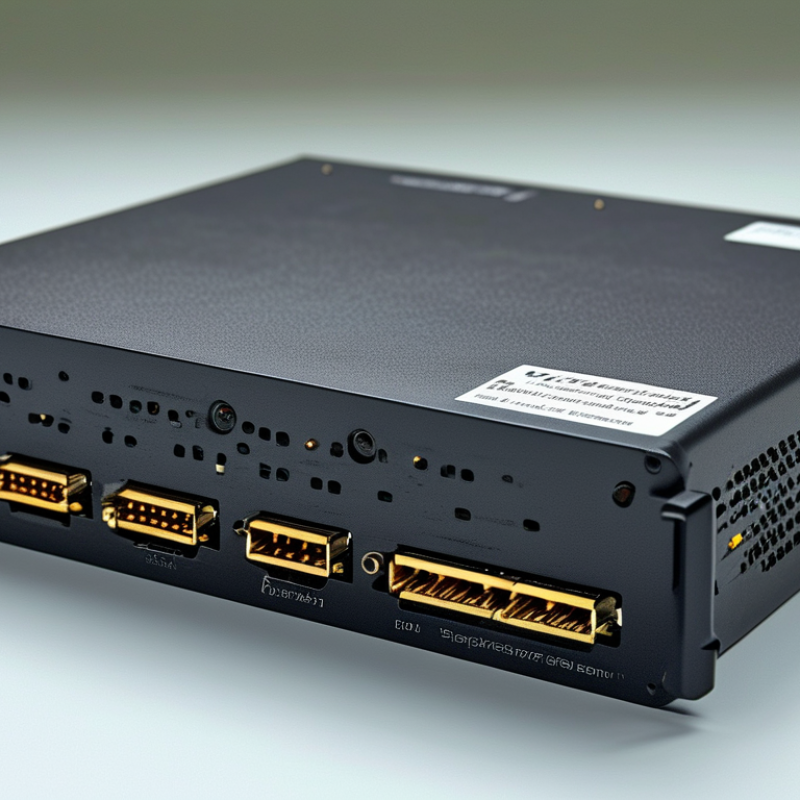
What is a Fiber Optic Transceiver and How Does it Work?

Definition and Purpose of Fiber Optic Transceivers

Fiber optic transceivers are critical components in modern communication networks. They serve to transmit and receive data through fiber optic cables, converting electrical signals into light signals and vice versa. This conversion enables high-speed data transmission over long distances. According to a report from Market Research Future, the global fiber optic transceiver market is expected to grow at a compound annual growth rate (CAGR) of around 10% by 2026, underlining their importance in networking.

The purpose of fiber optic transceivers is to facilitate efficient communication. They play a vital role in data centers, telecommunications, and broadband networks. By using light pulses to send information, they achieve higher bandwidth than traditional copper cables. Studies reveal that fiber optics can transmit data at speeds in excess of 100 Gbps, making them suitable for high-demand applications. However, there are challenges. Installation and maintenance can be complex. Proper training is essential for technicians to manage issues effectively.

Reliability is another concern. While fiber optic transceivers are more durable than copper, they can still be affected by physical damage or environmental factors. A report from the International Telecommunications Union emphasizes that 80% of communication outages are linked to equipment failures, illustrating the need for regular checks and updates. Ensuring their optimal performance is crucial for maintaining network integrity.

Components of a Fiber Optic Transceiver

A fiber optic transceiver is a crucial device in modern telecommunications. It enables the conversion of electrical signals into optical signals and vice versa. Understanding its components is essential for anyone involved in networking or data transmission.

The primary components of a fiber optic transceiver include a transmitter, a receiver, and a fiber optic cable interface. The transmitter converts electrical data into light pulses. These pulses travel through the fiber optic cable. On the other end, the receiver converts the light pulses back into electrical data. Research indicates that the global fiber optic transceiver market is projected to reach $6.01 billion by 2026, reflecting its growing importance.

Other key components are the optical components, such as lasers or LEDs for transmitting signals. Optical sensors are vital for receiving signals. These components must be precisely aligned. A misalignment can cause significant data loss. Cleaning the optical interface is critical but often overlooked. Regular maintenance can improve performance. Observing these details helps prevent common network downtime.

How Fiber Optic Transceivers Convert Signals

Fiber optic transceivers play a crucial role in modern communication networks. They convert electrical signals into optical signals, enabling high-speed data transmission. This conversion process involves several essential components, including lasers, photodetectors, and various optical fibers. According to industry data, the global market for fiber optic transceivers is expected to grow significantly, reaching an estimated value of over $10 billion by 2025.

The conversion of signals begins with a laser that generates light pulses. These pulses represent the data being transmitted. The optical fiber then carries these pulses over long distances with minimal signal loss. At the receiving end, a photodetector captures the light signals and converts them back into electrical signals for processing. This intricate process allows for high bandwidth and low latency, which are crucial for data centers and telecommunications.

Despite the advancements in technology, challenges remain. Signal degradation can occur due to factors like fiber bending or misalignment. Additionally, the complexity of managing systems that rely on these transceivers can lead to inefficiencies. As networks demand faster speeds, ongoing research is needed to enhance the performance and reliability of fiber optic transceivers. Attention to these details ensures continuous improvement in data transmission quality.

What is a Fiber Optic Transceiver and How Does it Work? - How Fiber Optic Transceivers Convert Signals

Parameter Description Typical Values
Wavelength The optical wavelength that the transceiver uses to transmit signals. 850 nm, 1310 nm, 1550 nm
Data Rate The maximum speed at which data can be transmitted through the transceiver. 1 Gbps, 10 Gbps, 100 Gbps
Fiber Type The type of optical fiber that the transceiver is compatible with. Single-mode, Multi-mode
Distance The maximum distance the transceiver can transmit signals effectively. Up to 500 m (Multi-mode), Up to 80 km (Single-mode)
Connector Type The type of connector used to attach the transceiver to the fiber optic cable. LC, SC, ST
Operating Temperature The temperature range within which the transceiver can operate safely. -40°C to +85°C

Types of Fiber Optic Transceivers and Their Applications

Fiber optic transceivers play a crucial role in modern communication. They enable the transmission of data over long distances with high speed and efficiency. There are various types of fiber optic transceivers, including SFP, SFP+, and QSFP. Each type serves distinct purposes based on application needs.

SFP transceivers are common in telecommunications. They support data rates up to 1 Gbps. Their compact design allows easy integration into networking equipment. On the other hand, SFP+ transceivers offer faster speeds, reaching 10 Gbps. This makes them suitable for high-performance networks. QSFP transceivers take it a step further, handling multiple data channels, often achieving 40 Gbps or more. They are ideal for data centers.

The choice of transceiver can significantly impact network performance. Many users underestimate the importance of compatibility and optical range. Missteps can lead to degraded connections. Understanding the specific requirements of your setup is essential. After all, a mismatch in optics can cause costly downtime. Hence, thoughtful selection and integration of transceivers are crucial for optimal communication solutions.

Benefits of Using Fiber Optic Transceivers in Networking

Fiber optic transceivers are crucial for modern networking. These devices convert electrical signals to optical signals and vice versa. This conversion allows for high-speed data transmission over long distances. Fiber optic technology offers a clear advantage over traditional copper wiring. It's less susceptible to interference and capable of handling much larger bandwidths.

The benefits of using fiber optic transceivers in networking are significant. One primary advantage is the increased speed of data transmission. Fiber optics allow for gigabit speeds, which is essential for today's data-heavy applications. Additionally, they provide a more reliable connection, reducing downtime in critical systems. Security is another aspect. Fiber optics are much harder to tap into compared to copper cables, making them safer for sensitive information.

However, these benefits do come with challenges. The installation of fiber optic networks can be complex and often costly. Maintenance requires specialized knowledge and tools, which may not be readily available. Organizations should weigh the advantages against these considerations. Ultimately, embracing fiber optic transceivers can lead to substantial long-term gains.

FAQS

: What are fiber optic transceivers?

: Fiber optic transceivers transmit and receive data through fiber cables, converting electrical signals to light signals.

Why are fiber optic transceivers important?

They enable high-speed data transmission over long distances, essential for communication networks.

What is a key advantage of fiber optics over copper cables?

Fiber optics provide higher bandwidth and can transmit data over 100 Gbps.

What challenges come with installing fiber optic transceivers?

Installation and maintenance can be complex, requiring proper training for technicians.

How can environmental factors affect fiber optic transceivers?

While durable, they may still face issues from physical damage and environmental influences.

What percentage of communication outages are linked to equipment failures?

Approximately 80% of outages are related to equipment malfunctions.

What are the main components of a fiber optic transceiver?

The main components include the transmitter, receiver, and fiber optic cable interface.

What must be done to ensure optimal performance of transceivers?

Regular checks, cleaning interfaces, and proper alignment of optical components are crucial.

What risks are associated with misaligning optical components?

Misalignment can lead to significant data loss, impacting network performance.

How important is maintenance for fiber optic systems?

Regular maintenance is vital, yet it's often overlooked, causing potential downtime.

Conclusion

A fiber optic transceiver is a crucial device in modern networking, serving the purpose of converting electrical signals into optical signals and vice versa. This component typically consists of a transmitter, which generates light signals, and a receiver, which detects those signals. Fiber optic transceivers work by utilizing light to transmit data over long distances, significantly enhancing data transfer rates and reliability compared to traditional copper wiring.

There are various types of fiber optic transceivers available, each designed for specific applications ranging from data centers to telecommunications. The benefits of using fiber optic transceivers in networking include greater bandwidth, reduced latency, and improved performance in high-demand environments. Their ability to efficiently convert and transmit data makes them a key technology in achieving fast and reliable network infrastructure.

Sophia

Sophia

Sophia is a dedicated marketing professional with an exceptional depth of knowledge about her company's products and services. With a keen understanding of market trends and customer needs, she crafts insightful blog posts that not only inform but also engage readers, enriching the company’s online......