FiddlLink
Choosing the right QSFP56 transceiver for your network can be a daunting task. As network demands increase, the importance of high-speed connectivity grows. According to a recent report by the International Data Corporation (IDC), data traffic will reach 175 zettabytes by 2025. Selecting the appropriate transceiver directly impacts network performance and reliability. Industry expert Dr. Emily Chen, a leading voice in optical networking, once remarked, "The right transceiver can significantly enhance bandwidth efficiency and reduce latency in critical applications."
When considering a QSFP56 transceiver, one must evaluate several factors. Compatibility with existing hardware is crucial. Additionally, assessing the required distance and speed capabilities can prevent costly mistakes. A mismatch can lead to performance issues. Moreover, the complexity of network environments often necessitates professional guidance. Emerging technologies continually shift the landscape, making it essential to stay updated on industry trends and innovations.
Budget is another critical factor. High-quality QSFP56 transceivers may seem costly initially but offer better long-term value. Investing in reliable equipment minimizes maintenance and upgrade expenses. Careful selection is essential to achieve the desired network speed and reliability. In conclusion, the significance of choosing the right QSFP56 transceiver cannot be understated. Reflecting on your needs is vital for a successful implementation.
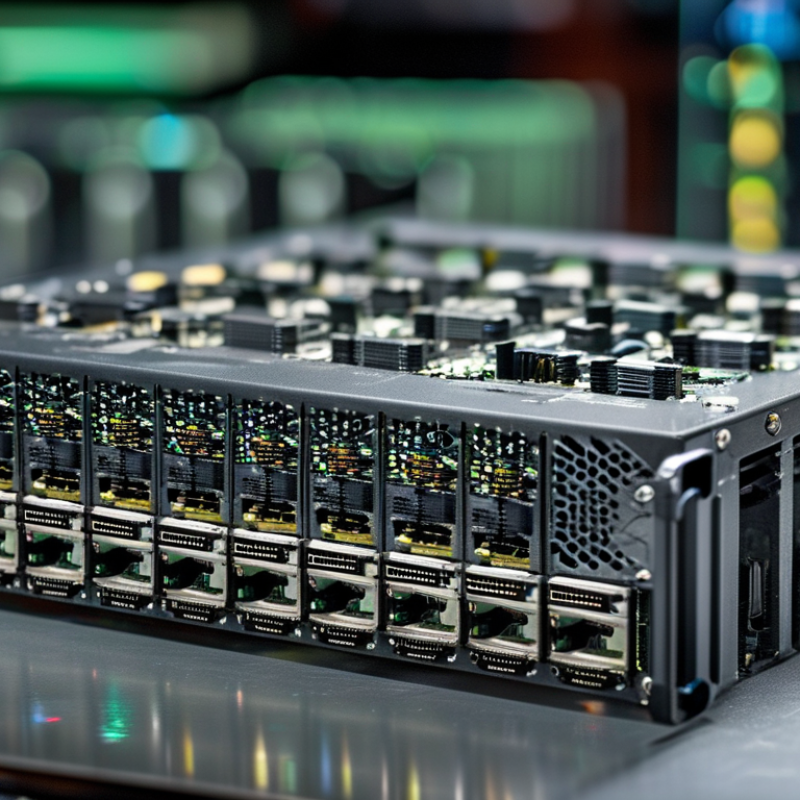
When selecting a QSFP56 transceiver, understanding its key features is crucial. QSFP56 transceivers typically support 200G data rates, making them ideal for high-speed networks. They use multiple lanes to transmit and receive data, which enhances bandwidth. A critical factor to consider is the reach—either short-range for within a data center or long-range for interconnections.
Tips for choosing the right transceiver include checking compatibility with existing equipment. Ensure it works seamlessly with your network switches and routers. Pay attention to the form factor. The transceiver should fit well into your network's physical layout. Also, consider the power consumption; a higher power draw can lead to overheating or increased operational costs.
Another important consideration is the type of cable you will be using. QSFP56 transceivers often operate with both optical fiber and copper cables. Fiber is typically more suitable for longer distances, while copper can be cost-effective for short runs. Reflect on your specific needs to ensure that the chosen transceiver meets your bandwidth and distance requirements effectively.
When choosing a QSFP56 transceiver, compatibility is crucial for network efficiency and performance. Networking professionals should assess the existing infrastructure before making a decision. Research indicates that more than 45% of network outages are linked to incompatibility issues. Ensuring that the transceiver integrates seamlessly with switches, routers, and cabling is essential.
Consider the technical specifications. For instance, QSFP56 modules typically support speeds ranging from 200 Gbps to 400 Gbps over short and long distances. Evaluating maximum reach and power consumption can prevent integration challenges down the line. In 2022, studies showed that nearly 60% of organizations reported issues due to either mismatched speeds or connectors.
It’s also important to think about future-proofing your network. The ability to upgrade easily can save both time and resources. Remember to check performance metrics and thermal characteristics. According to a recent industry report, networks with properly matched transceivers reported 30% less latency. Reflect on your requirements and ensure your QSFP56 choice aligns with both current and future needs.
When choosing a QSFP56 transceiver, understanding data rates and distance is crucial. QSFP56 offers up to 200 Gbps. This capacity is ideal for data centers and high-performance computing. However, the effective distance is also essential. Depending on the medium used, performance can vary.
For short distances, fiber optics provide excellent results. Multi-mode fibers can reach around 100 meters at 200 Gbps without significant loss. Single-mode fibers extend this reach, often up to 10 kilometers. Choosing the right fiber type for your network's needs impacts performance.
It's important to balance distance and speed. In some cases, you might have an ideal transceiver, but the distance limitations hinder your network goals. Evaluating your specific setup helps prioritize. Sometimes, opting for a lower data rate with longer reach might be wiser. Reflecting on these factors ensures better decision-making for your network infrastructure.
Choosing the right QSFP56 transceiver goes beyond just speed and cost. Power consumption is a crucial consideration. Higher bandwidth often means increased energy use. This can affect your overall operating expenses and environmental footprint. Look for transceivers with specifications that clearly outline their power usage. Also, pay attention to how that power consumption varies under different operational conditions.
Cooling needs are equally important. QSFP56 transceivers can generate significant heat during peak performance. Inadequate cooling can lead to system failures. Assess your current cooling infrastructure. Is it sufficient for the added heat? If not, consider upgrading your cooling solutions. Passive cooling systems might be a cost-effective choice, yet they might not be enough for high-density environments. Be mindful that efficient thermal management requires investing in reliable equipment. Balancing power efficiency and thermal management takes careful planning and regular performance assessments.
| Parameter | Description | Value |
|---|---|---|
| Data Rate | The maximum data rate supported by the transceiver | 400 Gbps |
| Power Consumption | Average power consumption during operation | 12-15 W |
| Cooling Type | Type of cooling required for the transceiver | Passive |
| Operating Temperature | Temperature range for optimal performance | -40°C to 85°C |
| Connector Type | Type of connector used in the transceiver | MPO |
| Application | Typical applications where the transceiver can be used | Data Center, High-Performance Computing |
When budgeting for QSFP56 transceivers, performance must align with cost. Recent industry reports indicate that the global market for QSFP56 transceivers is projected to reach $4 billion by 2026. This growth underscores the importance of making informed decisions.
Investing in high-quality transceivers can lead to better network efficiency. Networks using QSFP56 achieve up to 400 Gbps, allowing for faster data transfer. However, some lower-cost options might compromise performance. A study shows that mismatched components can lead to a 25% decrease in overall network efficiency. Therefore, weighing budget constraints against data speed and reliability is vital.
Those who cut costs severely may face long-term consequences. The initial savings can quickly turn into expenses from additional troubleshooting and replacements. Experts emphasize the need for a balanced approach. Investing in capable, reliable transceivers often pays off. While immediate costs may be a concern, the potential for enhanced performance cannot be overlooked. It is crucial to consider both short-term budgets and long-term network goals.
: Look beyond speed and cost. Focus on power consumption and cooling needs.
Higher bandwidth often leads to increased energy use. Check specifications for clear power usage details.
These transceivers can generate significant heat. Inadequate cooling may result in system failures.
Evaluate if your cooling systems can handle increased heat. An upgrade might be necessary for high-density setups.
Initial savings may lead to future expenses from replacements. Performance can suffer as well.
Mismatched components may cause up to a 25% decrease in overall network efficiency.
Both are important. Investing wisely in transceivers can enhance performance over time.
It can be cost-effective but may not suffice in high-density environments.
Regular performance assessments are vital to efficient thermal management.
Yes, higher-quality transceivers often lead to better data transfer rates.
Choosing the right QSFP56 transceiver for your network is crucial to ensure optimal performance and compatibility. Understanding the key features and specifications of QSFP56 transceivers, including their data rates and distance capabilities, can help you make informed decisions. It's essential to evaluate compatibility with your existing network infrastructure, as well as to consider power consumption and cooling needs associated with these high-performance transceivers.
Additionally, balancing cost and performance is vital when budgeting for QSFP56 transceiver investments. Carefully assessing your network requirements and future scalability can lead to a more efficient selection process. By taking these factors into account, you can ensure that you select the most suitable QSFP56 transceiver that aligns with your operational goals and financial constraints.
