FiddlLink FiddlLink

How to Choose the Best QSFP28 Transceiver for Your Network?

Time:2026-06-28 Author:Henry
0%

In today’s rapidly evolving data communication landscape, choosing the right QSFP28 transceiver is crucial for network performance. According to a report by the International Data Corporation (IDC), the global demand for high-speed connectivity is surging, with a projected annual growth rate of 26.3% through 2025. This dramatic increase highlights the importance of selecting a transceiver that meets both current and future networking needs.

The QSFP28 transceiver supports 100G connections, making it a key player in contemporary data centers. Its efficiency and high data rates address the growing bandwidth requirements of modern applications. However, the market offers various options, each with distinct features and specifications. Understanding these differences is essential for optimizing network efficiency. A misstep in this process often leads to underwhelming performance, reflecting a significant opportunity cost.

Given the complexities of network architecture, it’s vital to consider factors beyond mere specifications. Compatibility, power consumption, and long-term scalability play pivotal roles in the decision-making process. Choosing the right QSFP28 transceiver can enhance reliability and reduce operational challenges. It is an investment that demands careful consideration to ensure your network can adapt to future demands.
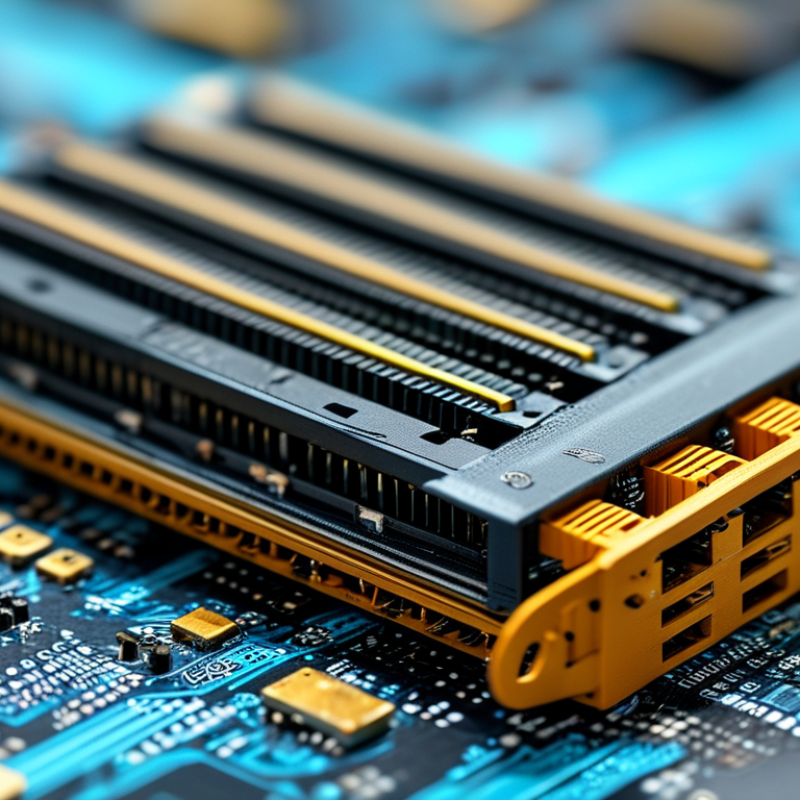
How to Choose the Best QSFP28 Transceiver for Your Network?

Understanding QSFP28 Transceivers and Their Applications

QSFP28 transceivers are vital in high-speed networking. They support data rates up to 100 Gbps, making them ideal for data centers, enterprise networks, and telecom applications. Understanding the specifications of these transceivers is essential for optimal performance. Their compact form factor enables greater port density and efficient thermal management in networking equipment.

When selecting a QSFP28 transceiver, consider factors such as transmission distance and operating environment. These transceivers can utilize various optical technologies, including multimode and single-mode fibers. A multimode QSFP28 is suitable for short-range connections, while single-mode options are better for longer distances. Awareness of specific application needs is crucial; not every transceiver fits every scenario.

It is also important to recognize potential pitfalls. Many users overlook compatibility issues with existing hardware. This can lead to performance degradation or even connectivity failures. Testing and validating each transceiver’s performance in your network should be a priority. Balancing cost with quality is equally important, as cheaper options often compromise reliability.

Key Factors to Consider When Choosing a QSFP28 Transceiver

Choosing a QSFP28 transceiver can be daunting. Several factors need careful consideration. Start with compatibility. Ensure the transceiver works with your existing hardware. Not all transceivers fit all systems. Mismatches can lead to connectivity issues.

Next, think about speed and distance requirements. QSFP28 transceivers usually support up to 100 Gbps. However, range varies. Some perform best over short distances, while others excel long-range. Knowing your network’s needs will guide your selection.

Finally, don’t overlook the importance of reliability. Look for specifications on how the transceiver handles temperature changes and signal integrity. Some transceivers may fail under extreme conditions. Reliability impacts network performance, so think long-term.

Comparing Different QSFP28 Transceiver Types and Features

Choosing the right QSFP28 transceiver can be daunting. Various types exist, each with unique features suited for different networking needs. Understanding these differences is crucial for optimizing performance.

When comparing transceiver types, consider the distance they support. Short-range models excel in data centers. They often cover distances up to 300 meters. On the other hand, long-range options may reach beyond 10 kilometers. Assessing your specific requirements helps in narrowing down choices.

Features also vary significantly. Some QSFP28 transceivers have advanced thermal management. This is critical for maintaining performance under heavy loads. Others may support additional protocols, enhancing versatility. A deeper understanding of your network environment will guide your selection. Reflection on past experiences with transceivers may highlight aspects that improved or hampered performance. Making an informed decision is key to achieving a reliable network.

Evaluating Compatibility with Existing Network Infrastructure

When selecting a QSFP28 transceiver, compatibility with existing network infrastructure is crucial. Assess the current network's specifications before making a choice. Look for the supported data rates and protocols. For instance, a transceiver supporting 100G Ethernet must align with your switch and router capabilities. Otherwise, performance issues may arise.

It's also important to examine the physical compatibility. Different form factors can affect how the transceiver fits into your hardware. Ensure the optical connections match your existing cables. Mismatched components can lead to inefficiencies and increased latency, which can disrupt network performance.

Furthermore, consider future network scalability. If your infrastructure may expand, select a transceiver that can handle higher speeds and standards. This foresight can save costs and mitigate potential issues as demands grow. Regularly review your network performance and be open to adjusting your choices. Evaluate your needs instead of sticking with outdated options, as flexibility is key in a rapidly evolving tech landscape.

Cost Considerations and Budgeting for QSFP28 Transceivers

When budgeting for QSFP28 transceivers, it’s crucial to assess your network's specific needs. Consider the data transfer requirements and distances the transceivers will need to cover. Different models come with varying price points, so understanding your needs can help narrow down your choices and reduce unnecessary spending.

Tip: Research the specifications like distance and bandwidth before making a purchase. Assess your current infrastructure to find the best match. This will save you money and time in the long run.

Don’t ignore the possibility of used or refurbished options. They can significantly cut costs without sacrificing performance. Just ensure they come with a warranty or a reliable return policy. This adds a layer of security to your investment.

Tip: Contact multiple suppliers to compare prices. Different vendors can offer varying deals, making it essential to stay informed and flexible. Consider negotiating for bulk purchases, as discounts may be available for larger orders.

Cost Comparison of QSFP28 Transceivers

This bar chart illustrates the cost comparison of various QSFP28 transceivers available in the market. Proper budgeting is essential for selecting the right transceiver that fits your network needs.

FAQS

: What should I check first when choosing a QSFP28 transceiver?

: Start with compatibility. Ensure it works with your existing hardware to avoid connectivity issues.

What are the common speed capabilities of QSFP28 transceivers?

They typically support speeds up to 100 Gbps, but check distance performance as it varies.

How does distance impact the choice of a QSFP28 transceiver?

Short-range models cover up to 300 meters, while long-range options may exceed 10 kilometers.

Why is reliability important when selecting a transceiver?

Reliability affects network performance. Check how they handle temperature changes and signal integrity.

Are there cost-effective options when buying QSFP28 transceivers?

Yes, consider used or refurbished models. They can offer savings without losing performance.

What factors should I consider when budgeting for transceivers?

Assess data transfer needs and distances. Different models vary significantly in price.

Should I contact multiple suppliers for QSFP28 transceivers?

Absolutely. Prices can differ from vendor to vendor. Comparison can lead to better deals.

Is it advisable to negotiate for bulk purchases?

Yes, you may find discounts for bulk orders. It’s worth asking suppliers for deals.

How can previous experiences guide my transceiver choice?

Reflecting on past performance can help identify what worked well or didn’t improve your network.

What role does thermal management play in transceiver performance?

Advanced thermal management is critical under heavy loads. It ensures consistent performance across conditions.

Conclusion

Choosing the best QSFP28 transceiver for your network involves understanding its applications and key features. QSFP28 transceivers are designed for high-speed data transmission, making them suitable for data centers and high-performance computing environments. When selecting a QSFP28 transceiver, it's crucial to consider factors such as data rate, reach, and the type of application it will be supporting, as these elements can significantly impact network performance.

In addition to performance attributes, compatibility with existing network infrastructure is essential to ensure seamless integration. Evaluating the physical and technical compatibility can prevent future connectivity issues. Finally, it's important to factor in cost considerations, such as budget constraints and long-term value, when investing in QSFP28 transceivers, as the right choice can enhance network efficiency and minimize operational expenses.

Henry

Henry

Henry is a dedicated marketing professional with a profound expertise in the company's offerings. With years of experience in the industry, he possesses an impressive understanding of the market dynamics and consumer behaviors that drive success. Henry is committed to sharing his insights through......