In the rapidly evolving telecommunications landscape, the demand for high-speed data transmission has surged. The "100G optical transceiver" market is predicted to grow significantly, with a report from Market Research Future projecting a CAGR of 10.5% through 2025. This growth is driven by the need for faster, more reliable networks. Industry experts highlight the importance of making informed purchasing choices to keep pace with advancements.
According to Dr. James Chen, a leading expert in optical communications, “Investing in quality 100G optical transceivers is crucial for future-proofing networks.” His insight underscores the substantial costs associated with poor decisions. Choosing the right transceiver can impact both performance and budget. Considerations include compatibility, wavelength, and data rate. Each decision point carries its own challenges and demands careful assessment.
Navigating the 100G optical transceiver market isn’t straightforward. Buyers must weigh multiple factors, such as vendor reputation and product specifications. Embracing a detailed approach can mitigate risks. However, even seasoned professionals sometimes overlook critical details, leading to costly mistakes. Engaging with reliable sources for updated information is essential, yet often underestimated.
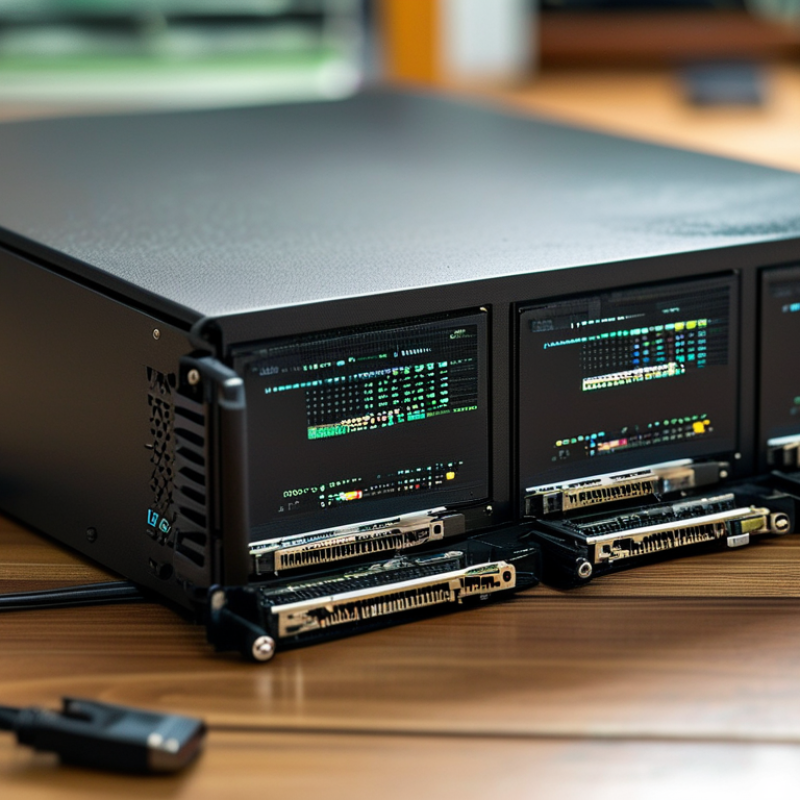
Understanding the Basics of 100G Optical Transceivers
When exploring 100G optical transceivers, it's crucial to grasp the foundational concepts. These devices enable high-speed data transmission over fiber optic networks. According to a report by MarketsandMarkets, the global 100G optical transceiver market is expected to grow at a CAGR of 20.7% from 2020 to 2025. This indicates a strong demand as organizations transition to faster connectivity.
Knowledge of the different types of 100G transceivers is essential. For instance, QSFP28 and CFP2 are popular choices in this segment. They cater to distinct networking requirements, such as distance and bandwidth. Research suggests that QSFP28 can transmit data over distances of up to 10 kilometers, which suits numerous data centers efficiently. However, it's vital to assess specific needs before making a purchase. Sometimes, overpaying for features that won't be used is a common pitfall.
Networking professionals should also consider factors like compatibility and standards. Not all 100G transceivers are created equal. Variability in performance can occur. A transceiver that meets current requirements may not suffice in the future. Therefore, planning for scalability should be a part of the decision-making process. Understanding these dynamics ensures more informed choices in purchasing 100G optical transceivers.
Key Specifications to Consider When Selecting a 100G Transceiver
When selecting a 100G optical transceiver, consider several key specifications. Data rate is crucial; you need reliable 100G performance. Look into the form factor as well. Common types include SFP28 and QSFP28. Each has its own advantages, fitting different scenarios.
Check the distance capabilities. Some transceivers support long-range communication, while others are optimized for short distances. It’s important to ensure compatibility with your existing infrastructure. Pay attention to power consumption, too. Higher efficiency means lower operational costs in the long run.
Also, assess the module's temperature range. If it will operate in harsh environments, make sure it can handle those conditions. Always verify the transceiver’s reliability and ensure it meets industry standards. This helps in avoiding future failures. Consider your current and future network demands. Buying too early or too late can lead to wasted resources.
100G Optical Transceiver Tips for Smart Purchasing Choices
| Parameter |
Description |
Importance |
| Form Factor |
Type of transceiver design (e.g., SFP+, QSFP28) |
Affects compatibility with equipment |
| Data Rate |
Transceiver's maximum data transmission speed |
Critical for performance requirements |
| Wavelength |
Operating wavelength of the optical signal |
Essential for fiber compatibility |
| Distance |
Maximum reach of the transceiver |
Determines suitability for deployment scenarios |
| Connector Type |
Type of optical connector (e.g., LC, SC) |
Affects installation and cabling |
| Power Consumption |
Energy used by the transceiver during operation |
Important for energy efficiency |
| Temperature Range |
Operational temperature limits |
Ensures reliability in various environments |
| Compatibility |
Eligible equipment with which the transceiver works |
Critical to avoid communication issues |
Evaluating Compatibility with Existing Network Infrastructure
Choosing the right 100G optical transceiver requires careful evaluation of compatibility with your existing network infrastructure. Ensure that your current devices can support such high-speed transceivers. Not all systems are designed to handle the increased data rates. Review documentation and consult network equipment providers.
When considering a transceiver, check for optical compatibility. Mismatched connectors or wavelengths can cause significant performance issues. Evaluate if your existing cables and switches will support the new transceivers. Remember, upgrades may necessitate additional changes to your network.
Consider the specific applications of your network. Will the transceivers be used for data centers, telecom, or enterprise networking? Each scenario has unique requirements. Performance in one application does not guarantee it will excel in another. Take time to reflect on your current and future needs. This will guide you in making informed purchasing choices.
Cost-Benefit Analysis: Investing in 100G Optical Transceivers
Investing in 100G optical transceivers is a significant decision. Businesses must assess both current and future needs. The initial costs can be daunting. However, these devices offer enhanced bandwidth and speed, which are critical for data-intensive applications. Investing wisely means considering long-term performance and scalability.
Many organizations overlook potential hidden costs. Installation, maintenance, and training are factors that can inflate the overall budget. It's essential to evaluate the total cost of ownership. A cheaper transceiver might seem appealing, but if it leads to higher operational costs, savings diminish.
Another point to consider is compatibility with existing systems. A seemingly perfect fit may not be seamless. Performance might lag or require additional adjustments, incurring more expenses. Thoughtful planning should include evaluating infrastructure. Assessing skill levels in your team is also crucial. Investing in training will ensure optimal usage. This strategic analysis can lead to wiser choices, maximizing the investment's value.
Future Trends in 100G Technology and Smart Purchasing Strategies
The demand for 100G optical transceivers continues to grow. A recent report from the International Data Corporation (IDC) highlighted that the global 100G optical market is projected to reach $6 billion by 2025. This rapid growth presents both opportunities and challenges for buyers navigating their purchasing decisions.
Understanding the evolving technology landscape is critical. Advanced modulation formats and coherent optics are reshaping the performance and cost-effectiveness of 100G transceivers. These innovations can enhance network efficiency, but they also require a thoughtful evaluation of compatibility with existing infrastructure. Vendors and specifications vary considerably, making it essential to assess not only technical requirements but also long-term scalability.
Buyers should explore market trends. The Global Data Center Market report shows a significant shift towards cloud services, driving demand for high-speed connectivity. As operators increase bandwidth, the right purchasing strategy can lead to cost savings and improved performance. However, decision-makers must remain cautious about over-specifying features that may not provide immediate value. Balancing current needs with future growth is vital in making smart investments in 100G technology.
Future Trends in 100G Technology
This bar chart illustrates the key metrics of 100G optical transceivers, showcasing their cost, bandwidth, power consumption, and latency. Understanding these metrics can help in making informed purchasing decisions.
Conclusion
The article "100G Optical Transceiver Tips for Smart Purchasing Choices" provides a comprehensive guide for selecting the right 100G optical transceiver. It begins by outlining the fundamental concepts surrounding 100G optical transceivers, helping users understand their significance in modern networks. The article emphasizes the importance of key specifications, such as data rate, reach, and form factor, which are crucial for making informed decisions.
Moreover, it highlights the necessity of evaluating compatibility with existing network infrastructure to ensure seamless integration. A cost-benefit analysis is offered to aid in assessing the investment value of 100G optical transceivers, considering both immediate and long-term benefits. Lastly, the discussion on future trends in 100G technology equips purchasers with strategies to anticipate upcoming developments, ultimately guiding them toward smart purchasing choices in the rapidly evolving optical transceiver market.
 FiddlLink
